English
 русский
 Español
 عربى
عربى 中文简体
中文简体
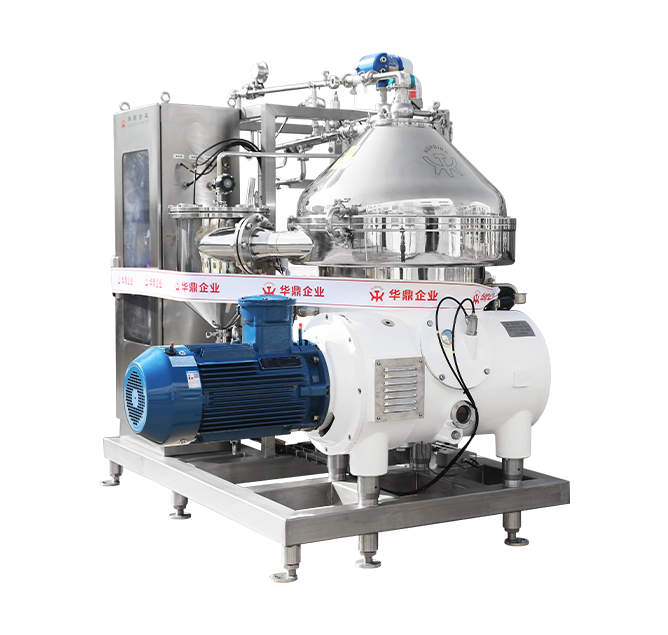
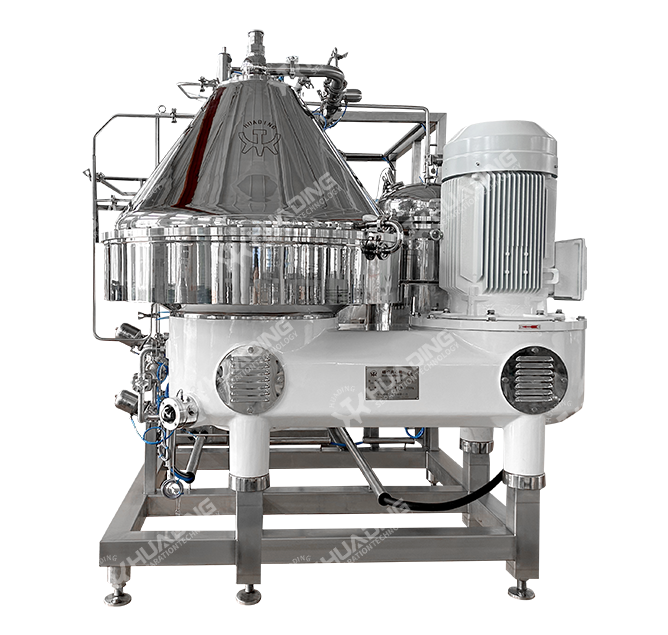
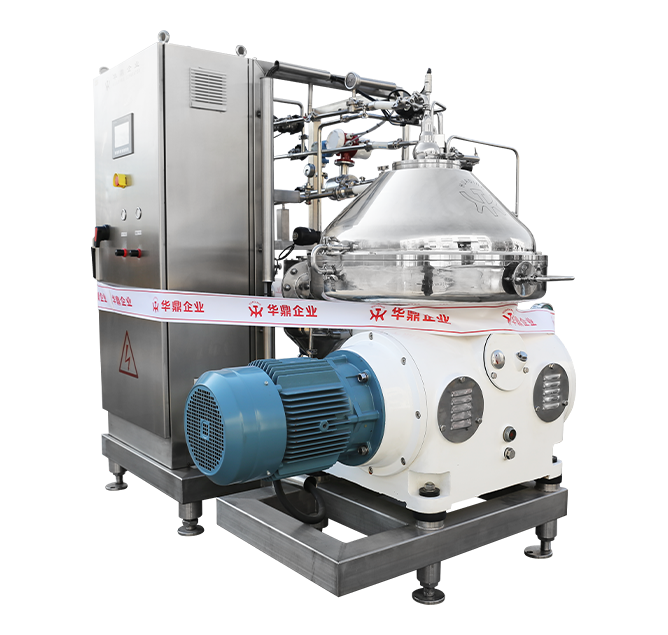
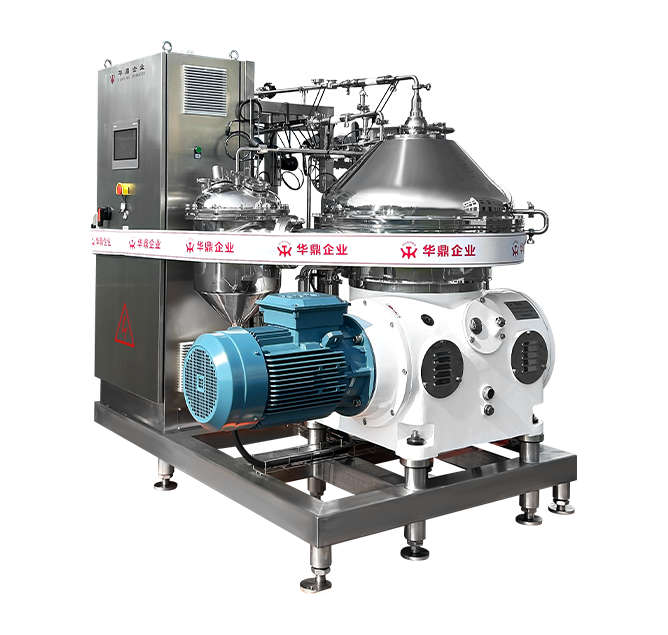
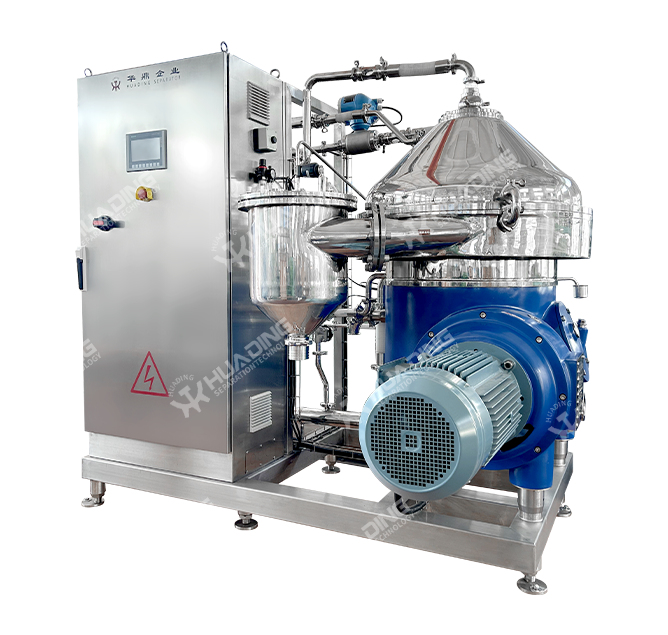
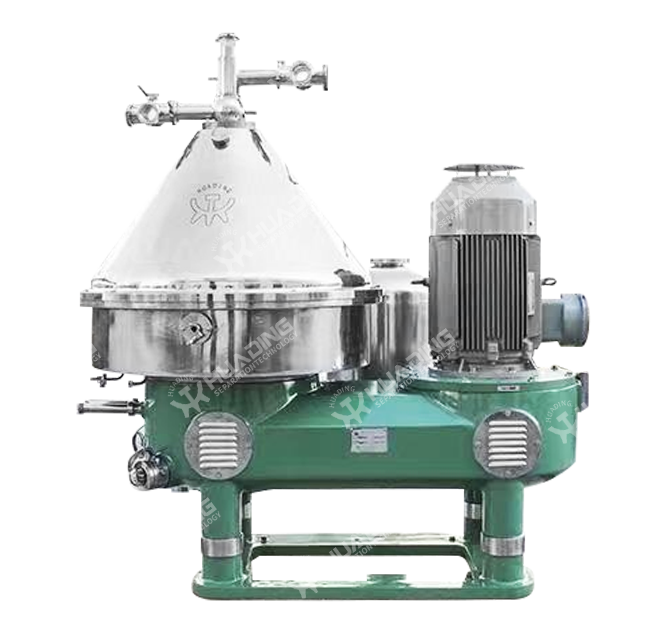
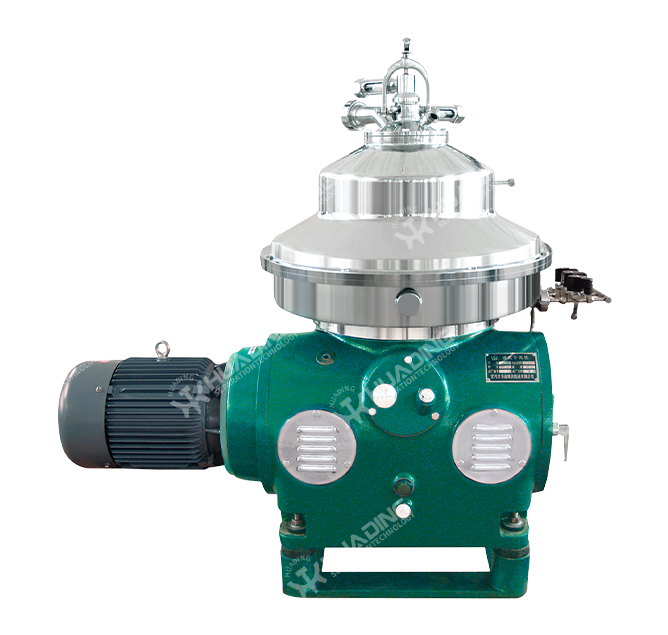
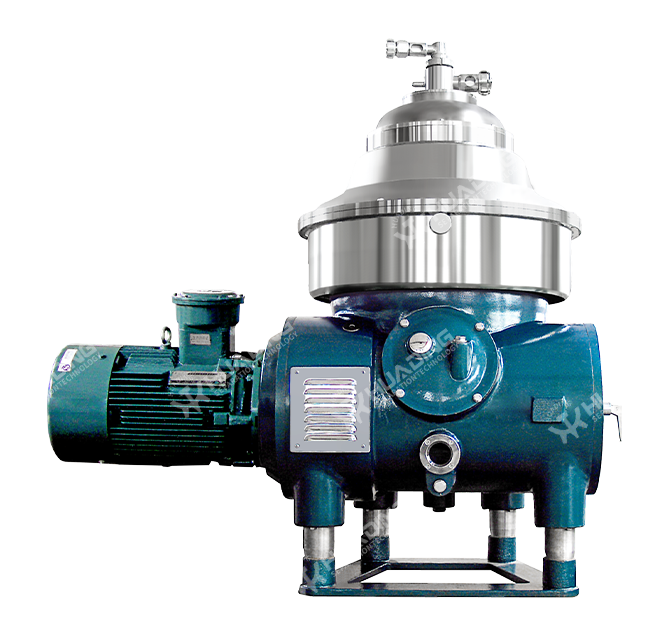
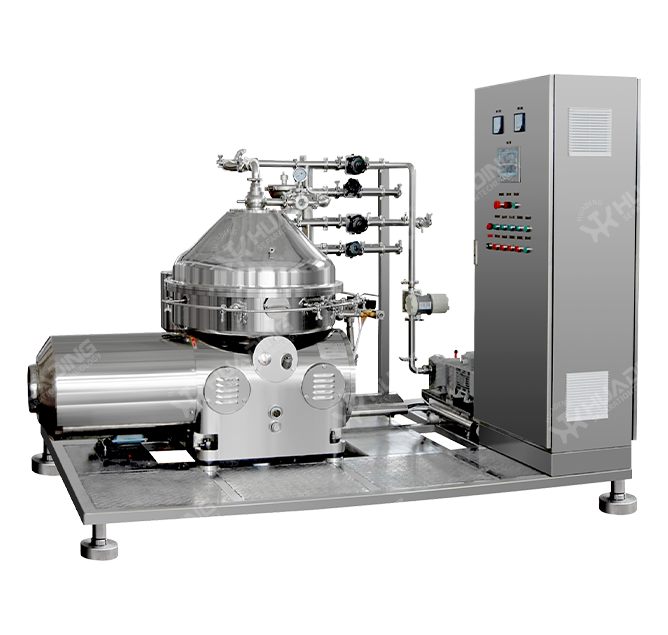
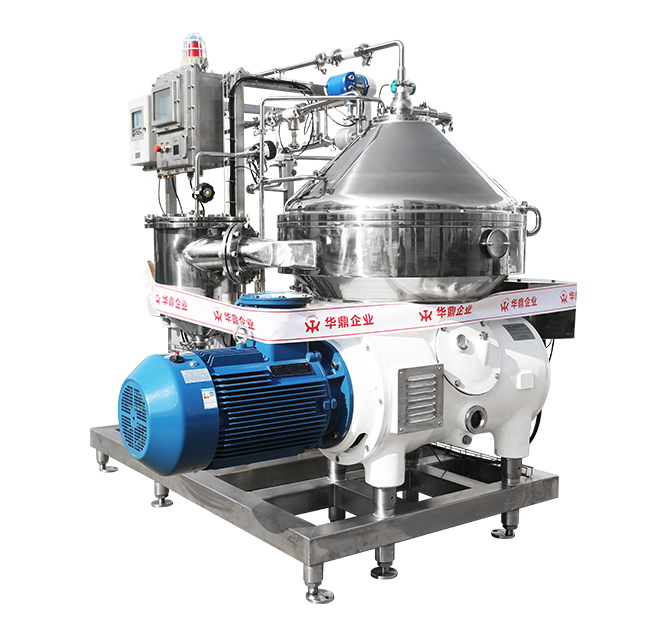
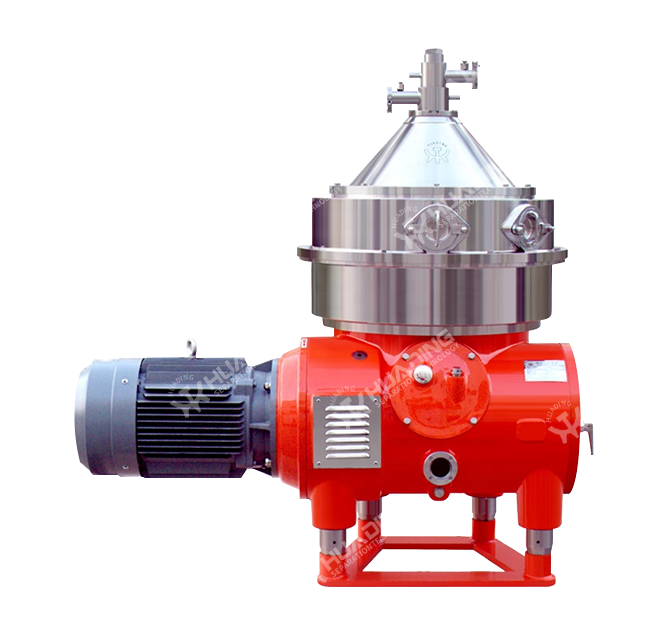
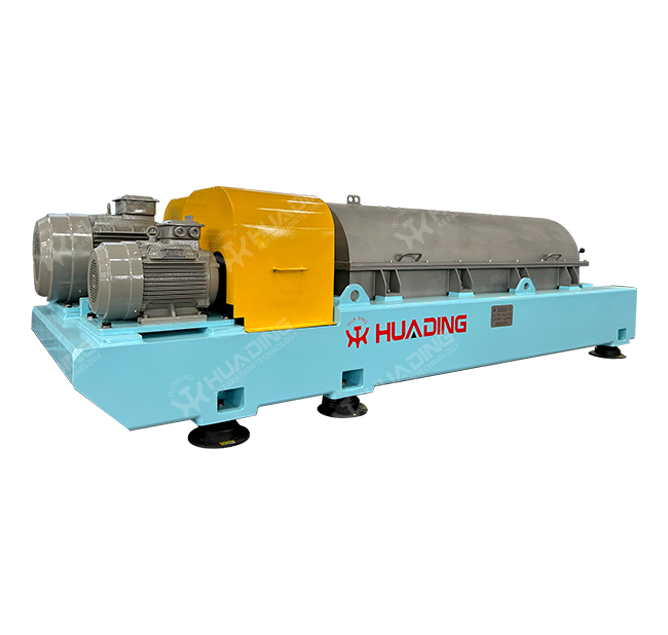
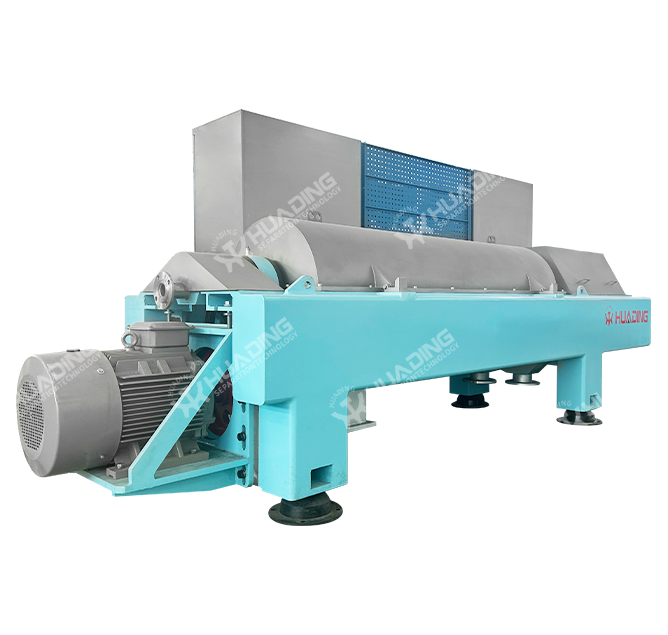
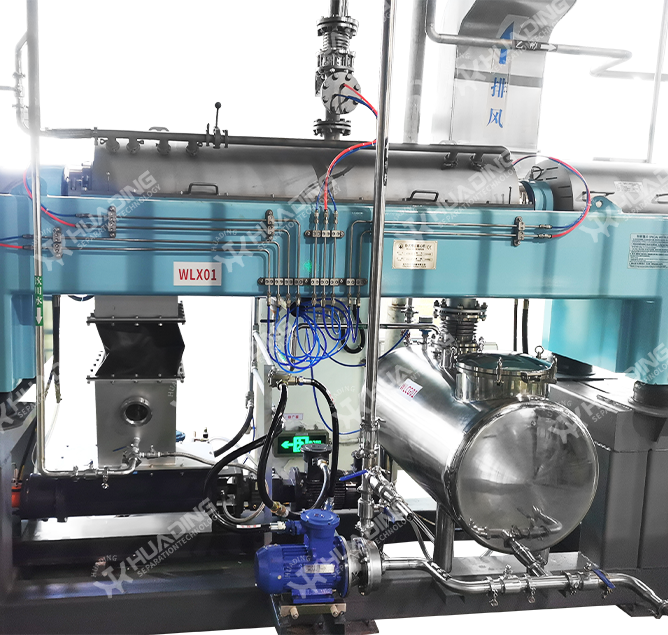
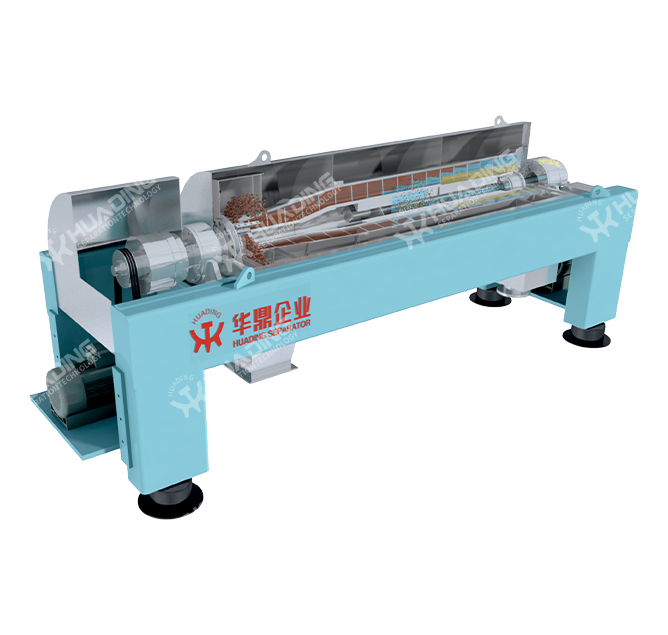
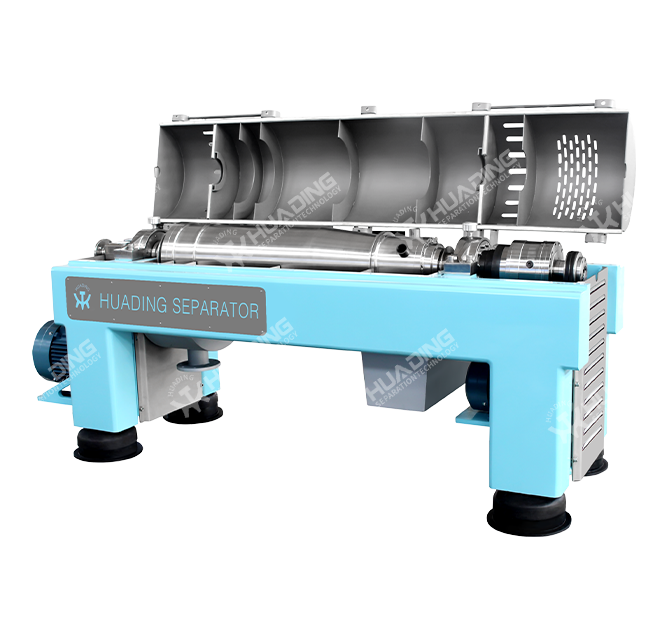
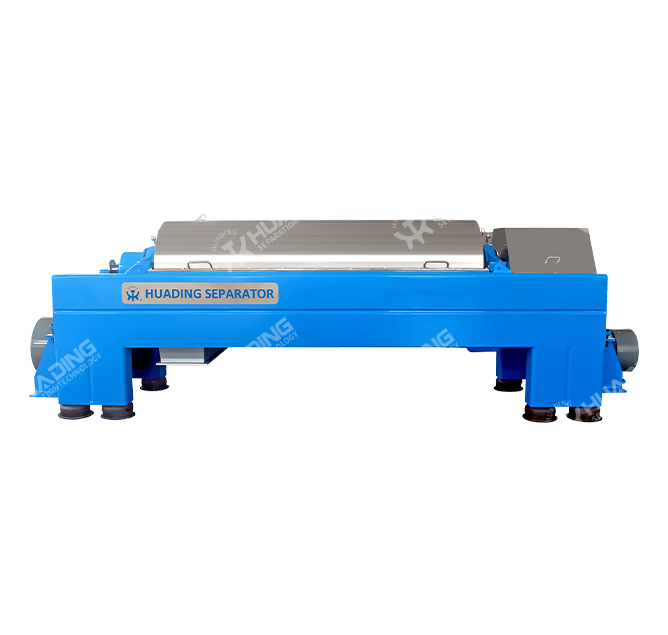
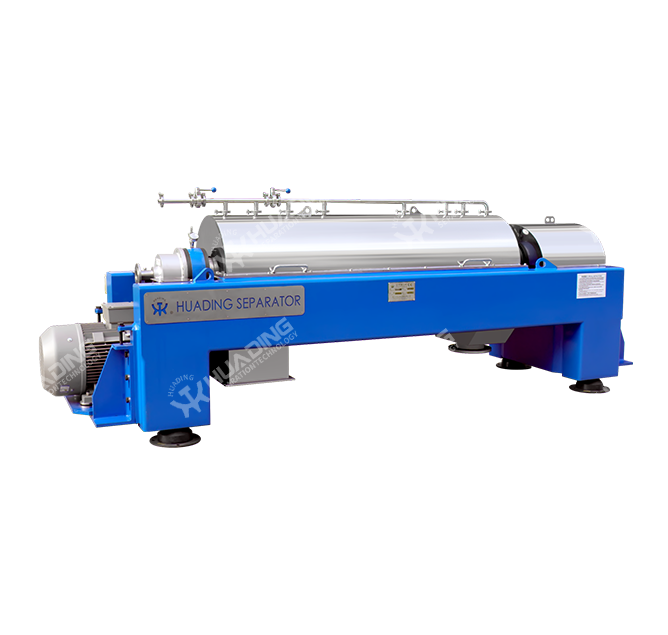
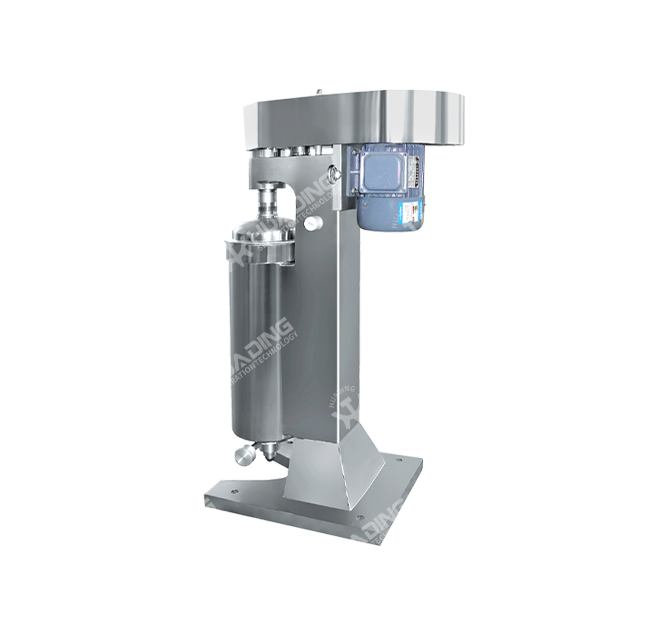
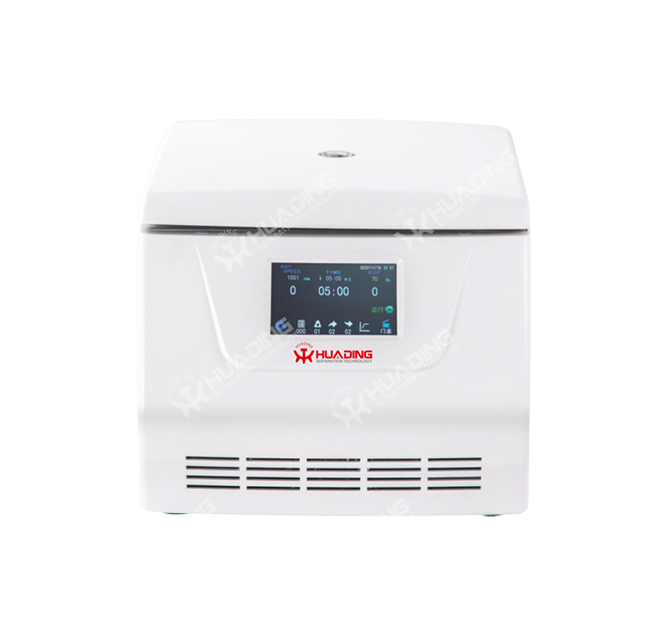
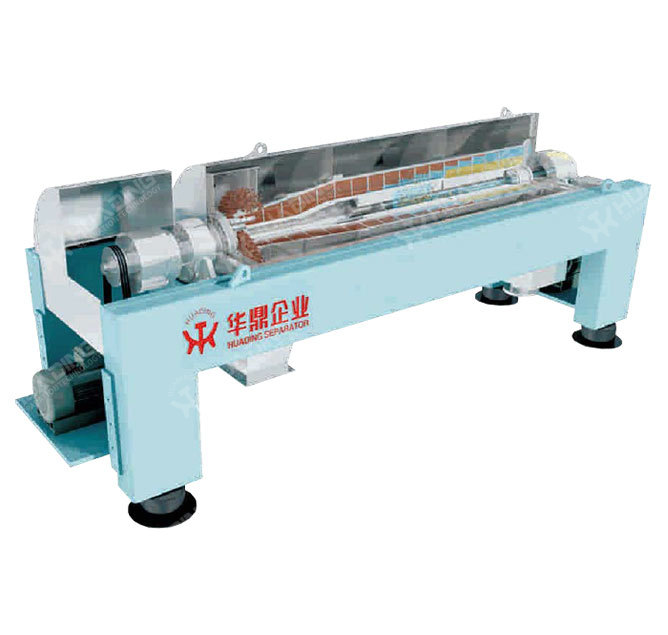
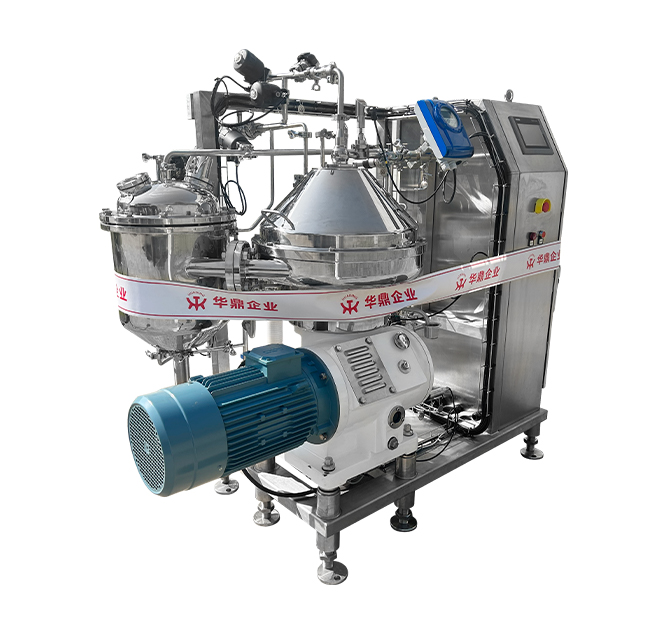
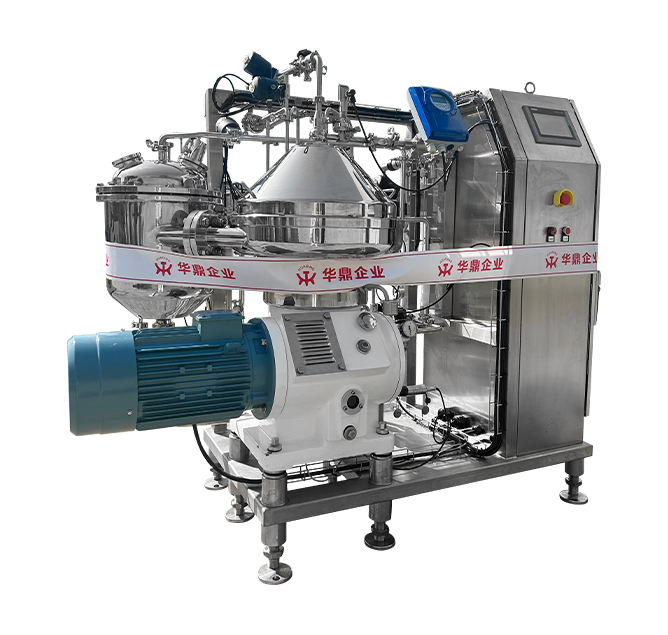
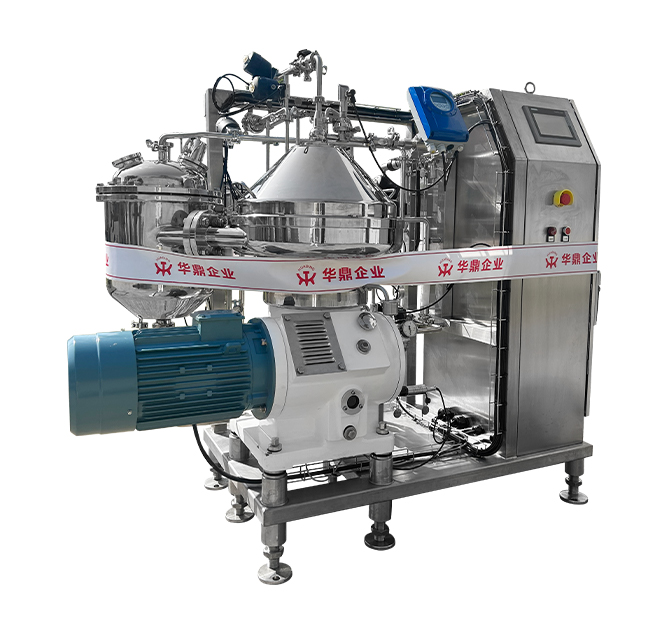
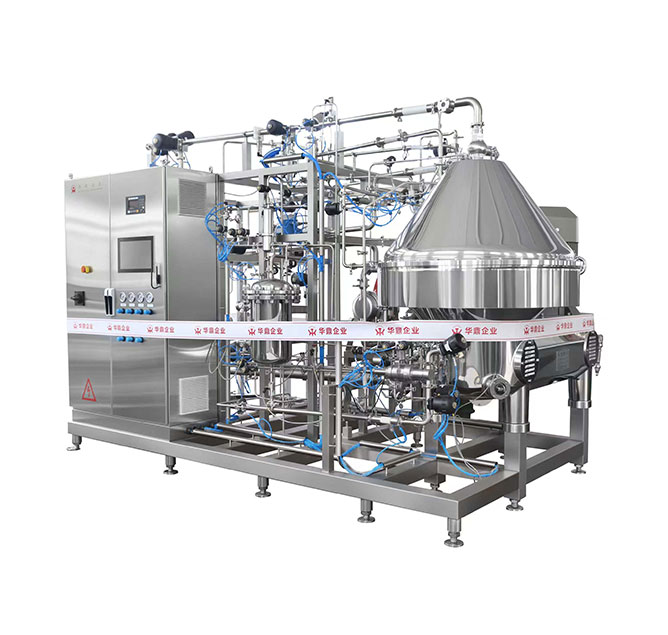
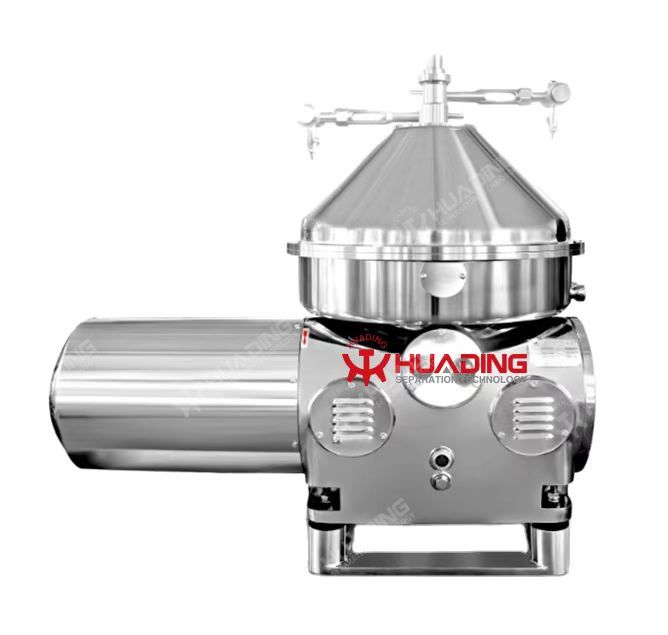
As a satisfactory enterprise in China's centrifugal separation field, Huading's restaurant waste decanter centrifuge is based on three-phase separation technology and high wear-resistant design, showing significant advantages in restaurant waste treatment.
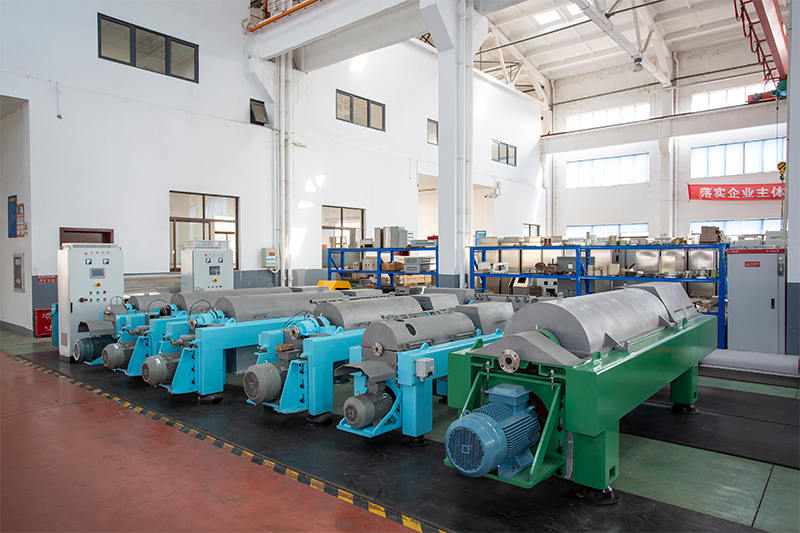
Huading’s 3-phase decanter centrifuge for kitchen waste is the flagship solution for urban swill and organic waste treatment. Utilizing advanced centrifugal sedimentation, this machine achieves high-precision separation of oil, water, and solids in a single continuous process. It is widely used in biodiesel pre-treatment, organic fertilizer production, and waste reduction projects. The internal fluid dynamics are optimized to break through the emulsified structures common in kitchen waste, significantly increasing oil recovery rates. The recovered oil features low impurity content, allowing for direct sale to biodiesel refineries, creating substantial extra revenue. Meanwhile, the dehydrated solids maintain a minimal moisture content, drastically reducing logistics and downstream composting or disposal costs.
Advantages :

Three-phase separation capability
It can simultaneously separate oil, water and residue, with a light phase (grease) recovery rate ≥95%, a solid phase (residue) solid content ≥35%, and a liquid phase (wastewater) SS removal rate ≥90%.
The patented light phase liquid layer adjustment technology is adopted, and the separation effect can be optimized through an external adjustment ring without stopping the machine, which adapts to the characteristics of large fluctuations in the composition of restaurant waste.

Wear-resistant and corrosion-resistant design
The drum and spiral blades are made of cemented carbide (tungsten carbide) coating or 316L stainless steel, with a wear-resistant life of ≥8000 hours, suitable for high-hardness materials containing gravel and bone residue.
The sealing system is equipped with double-end mechanical seals + nitrogen protection to prevent the leakage of odorous gases, which meets environmental protection requirements.

Intelligent and energy-saving technology
Integrated dual-motor dual-frequency common DC bus technology, energy consumption is reduced by more than 20% compared with traditional centrifuges, and the power consumption per ton of processing is ≤25kW·h.
Equipped with CIP fully automatic cleaning system, high-pressure nozzles (≥50 bar) can remove residual grease in the spiral, and the cleaning efficiency is increased by 60%.
Intelligent control
Huading's Internet of Things platform supports real-time monitoring of bearing temperature and vibration spectrum, and the fault warning accuracy rate is ≥90%. Most competitors are based on PLC control.
Material innovation
Huading uses nano-ceramic coating (wear resistance increased by 3 times), while competitors mainly rely on traditional cemented carbide
Scenarios and typical cases
Food waste pretreatment:
Case: A municipal food waste project in Shenzhen uses HD-LW650, with an average daily processing capacity of 300 tons, a grease recovery rate of ≥95%, and a residue moisture content of ≤65%. The annual revenue from grease sales exceeds 15 million yuan.
Gutter oil recycling:
Technical solution: Extract mixed oil through three-phase separation, and reach edible oil standard after refining (acid value ≤1.5mg KOH/g).
Sludge dehydration:
Case: A biogas project in Zhejiang used HD-LW520 to treat sludge, and the solid content increased from 8% to 35%, reducing the subsequent drying energy consumption by 40%
| Model | Drum diameter(mm) | Processing capacity(m³/h) | Separation factor(×g) | Motor power(kW) | Applicable scenarios |
| HD-LW350 | 350 | 45724 | 3400 | 22 | Small and medium-sized food waste processing plants (daily processing capacity ≤ 50 tons) |
| HD-LW520 | 520 | 45950 | 3567 | 37 | Regional centralized processing center (daily processing capacity 100-200 tons) |
| HD-LW650 | 650 | 20-30 | 2854 | 75 | Large-scale municipal food waste project (daily processing capacity ≥300 tons) |