
 English
 русский
 Español
 عربى
عربى 中文简体
中文简体
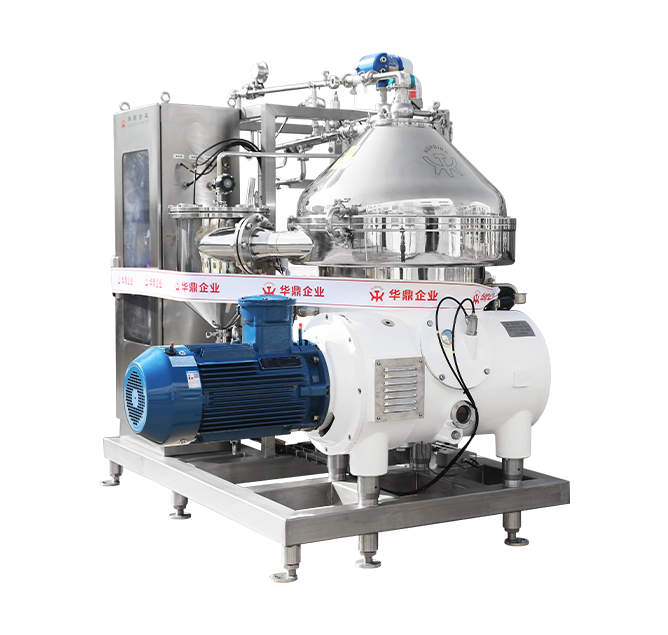
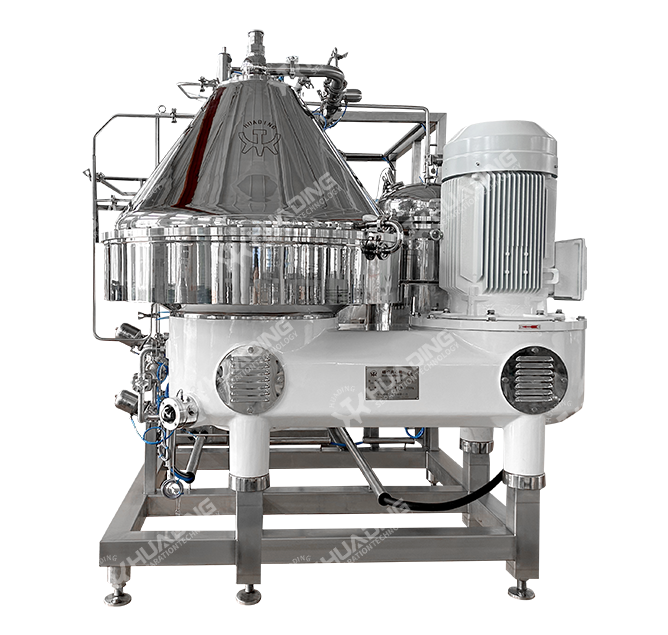
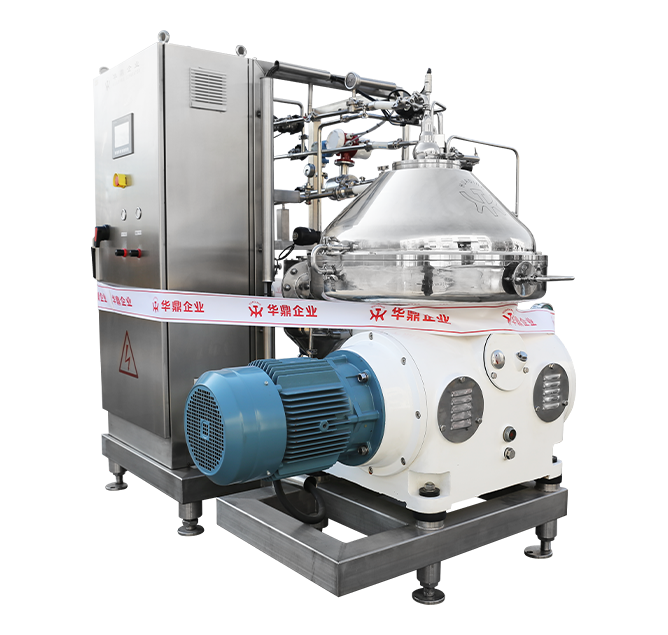
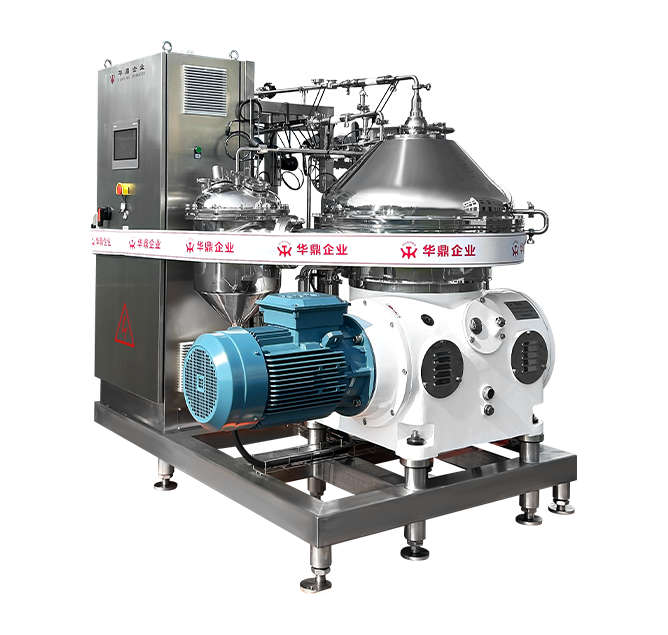
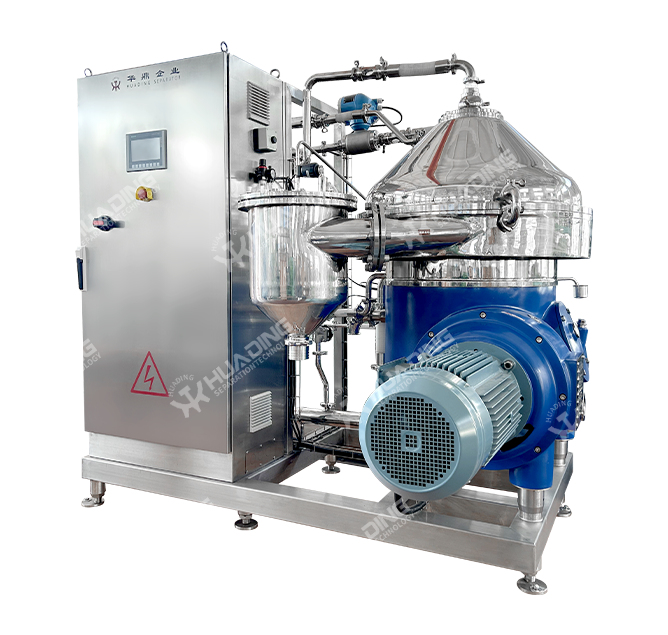
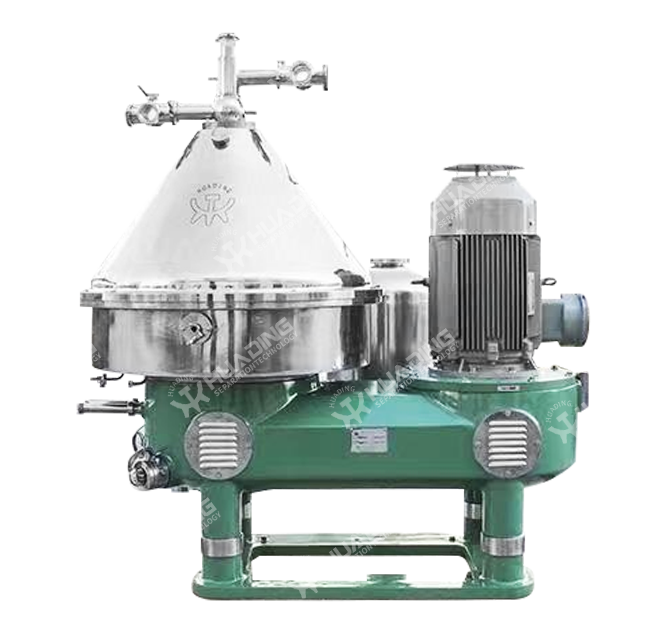
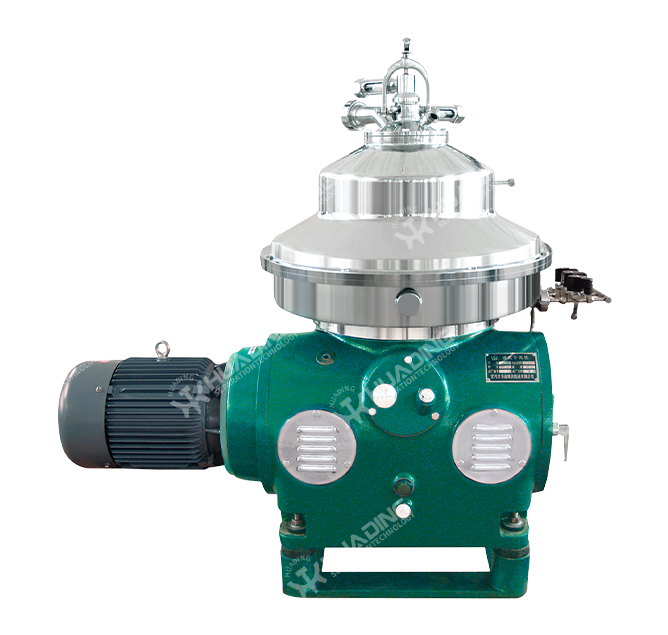
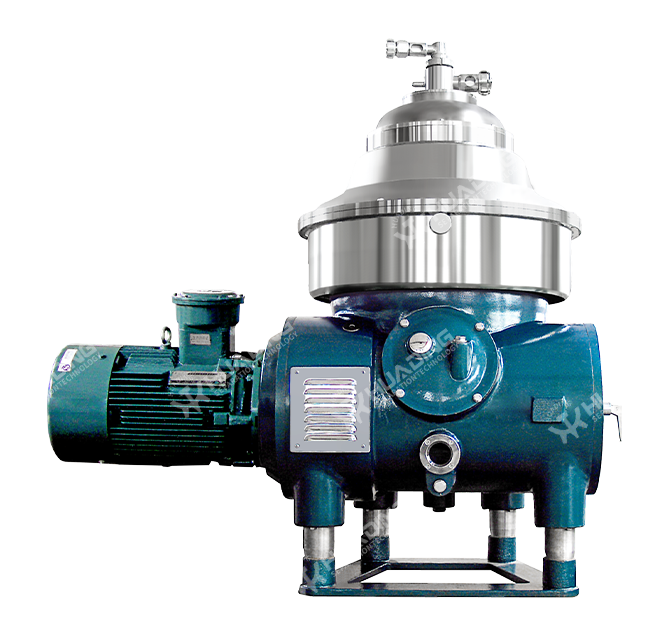
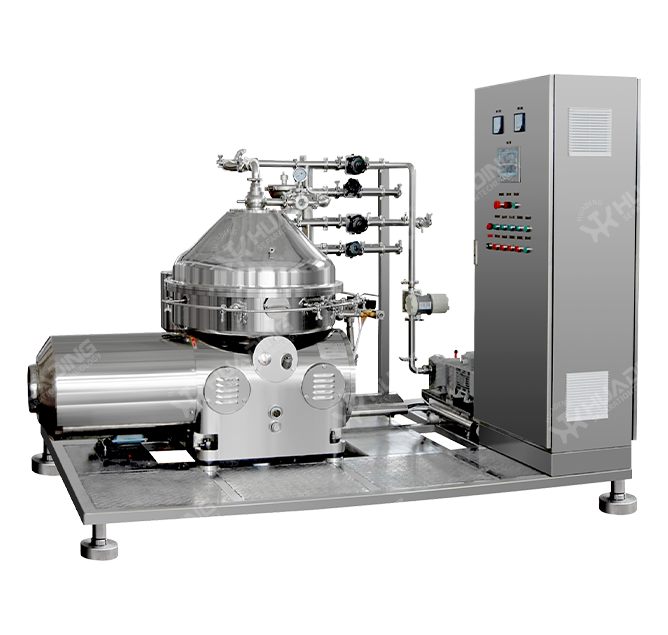
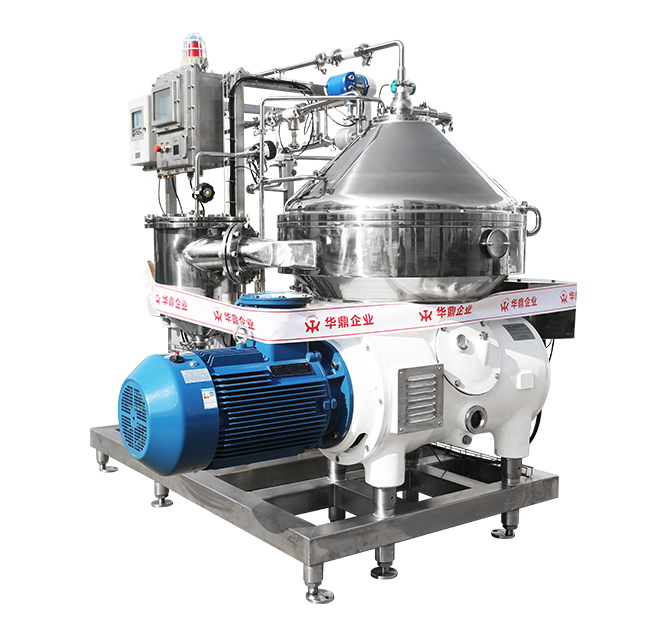
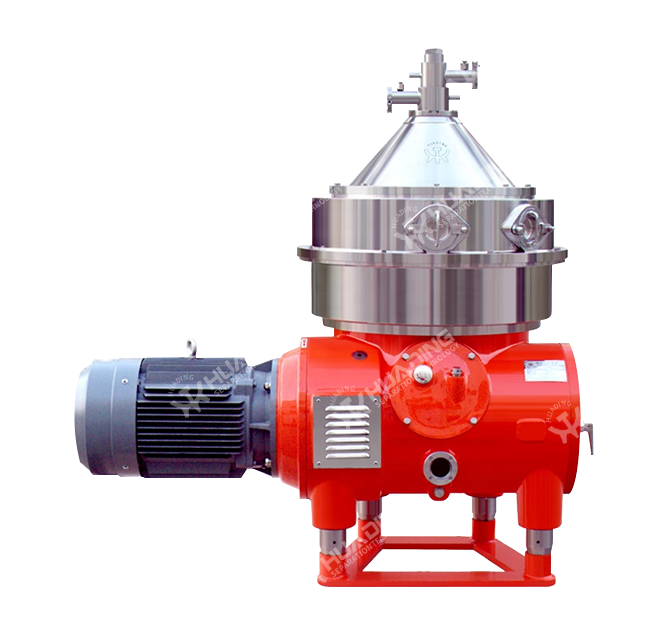
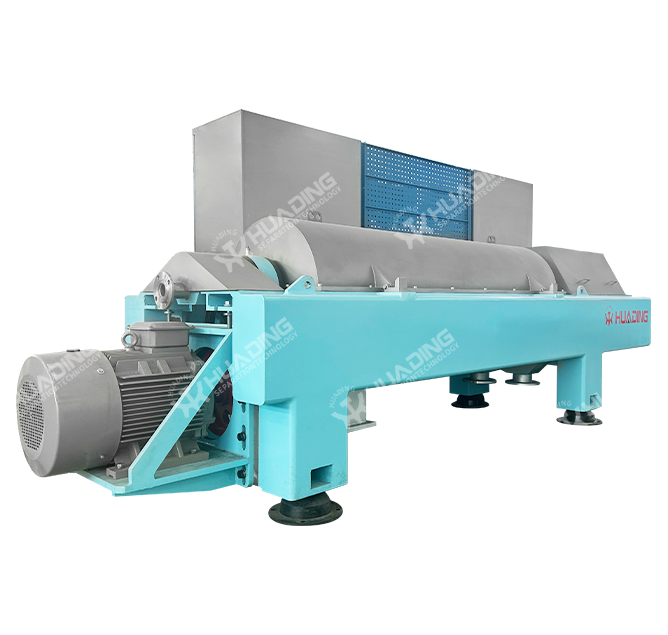
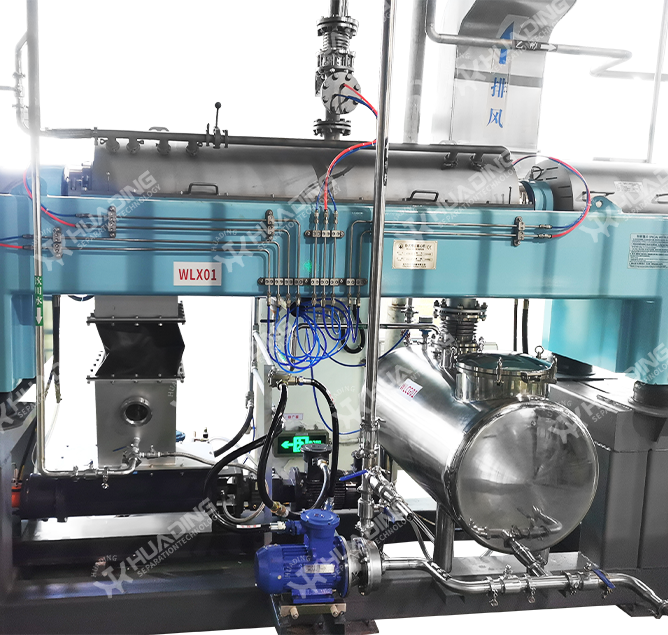
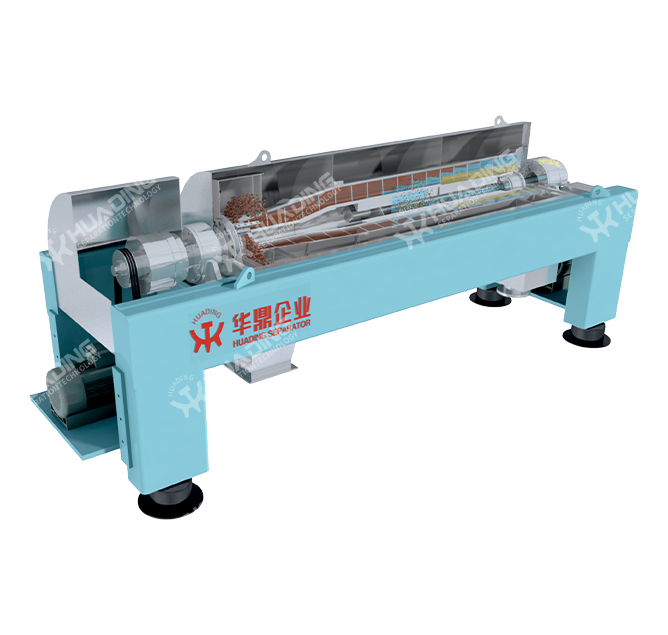
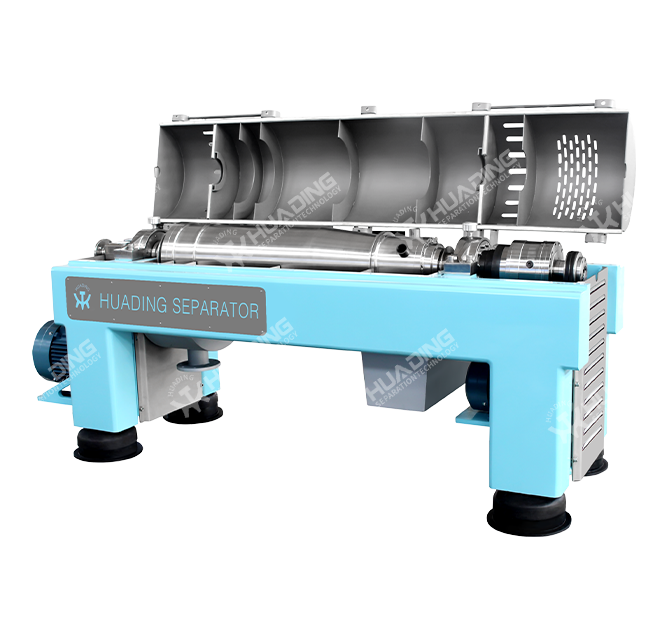
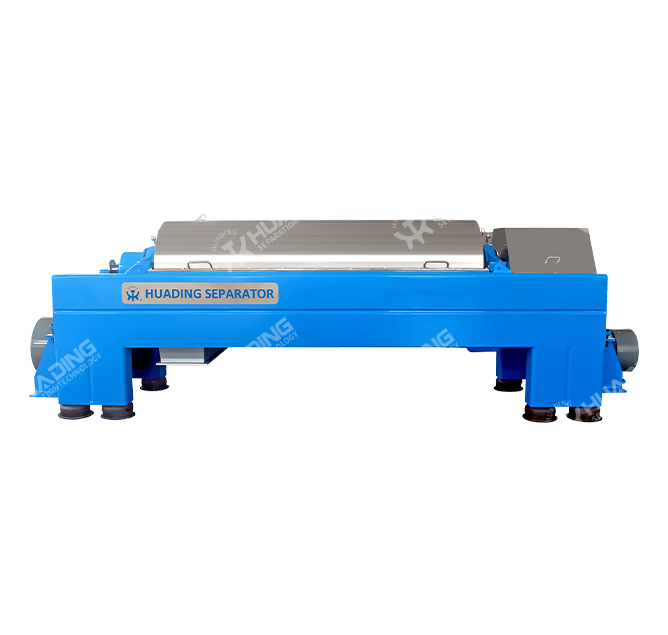
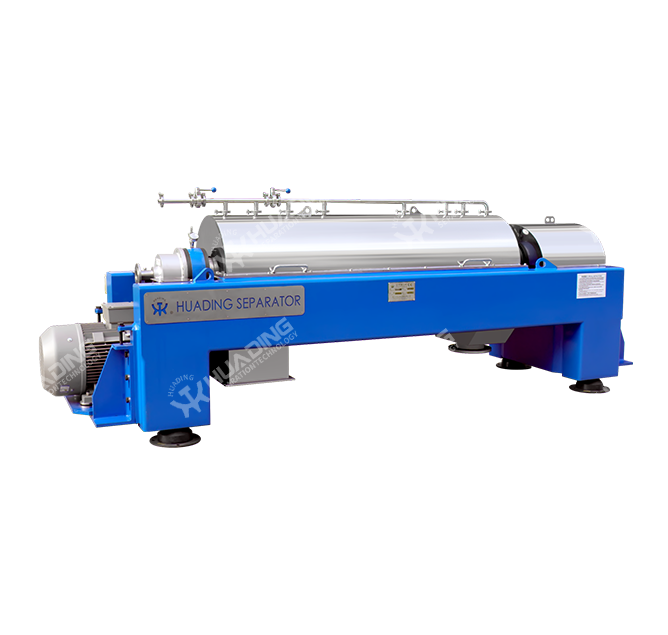
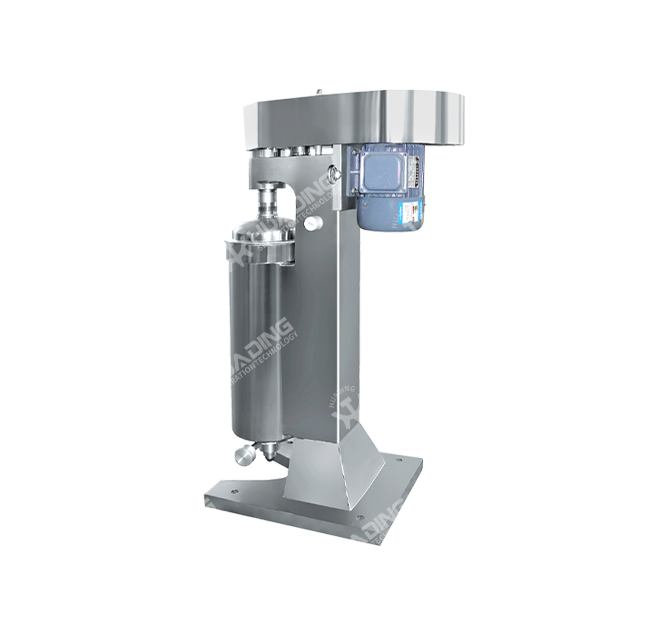
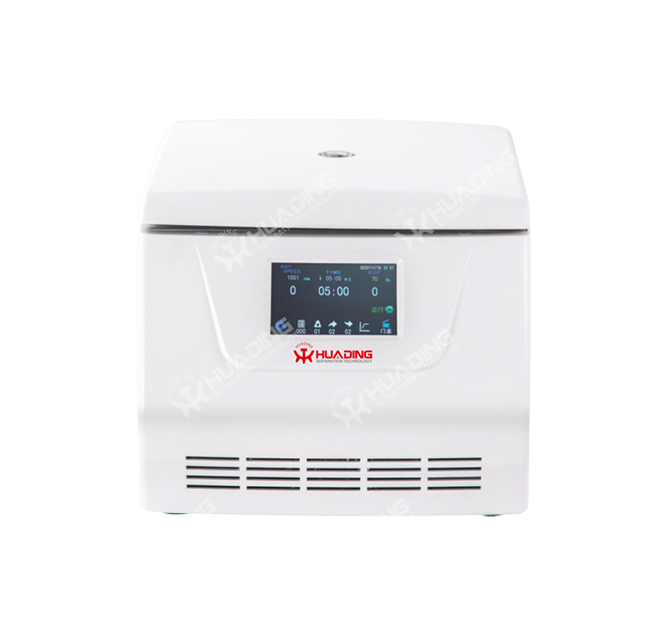
Kitchen Application Decanter Centrifuge
As a satisfactory enterprise in China's centrifugal separation field, Huading's ...
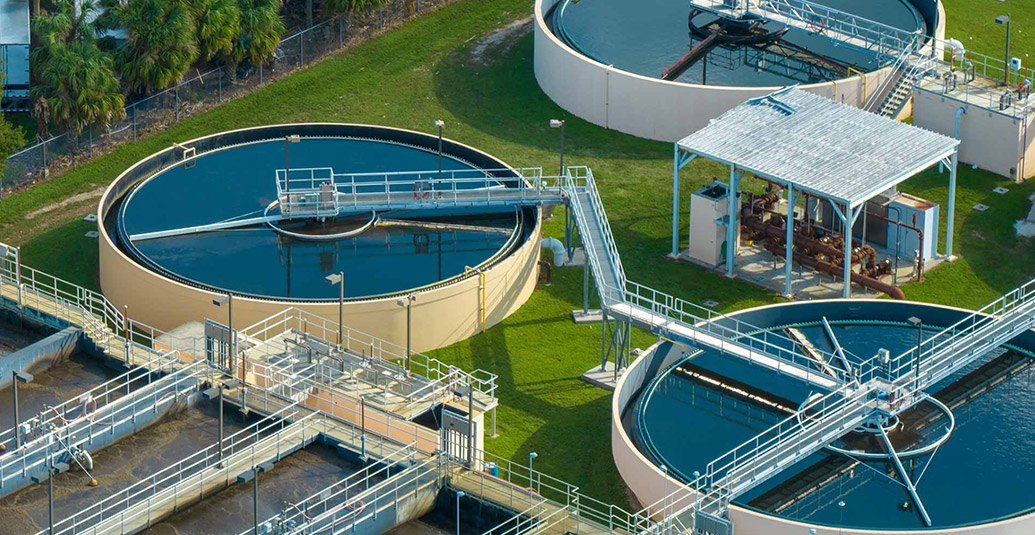
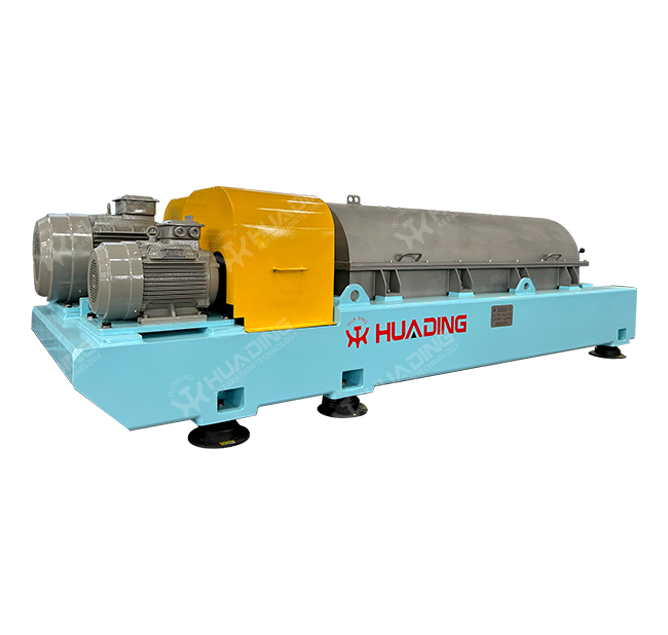

It can process suspensions with solid phase particle size range of 0.005-15mm and concentration of 1-40% (such as oily sludge, mine tailings, leachate of kitchen waste, etc.)
It supports three-phase separation (liquid-liquid-solid), optimizes the stratification effect through adjustable liquid level baffle, and is typically used for oil-water-slag synchronous recovery in oily wastewater.

The inner wall of the drum adopts tungsten carbide coating or longitudinal anti-slip ribs, and the end of the spiral blade is inlaid with hard alloy (such as tungsten carbide guard), which extends the service life by more than 30%, and is suitable for mine wastewater containing quartz sand and metal debris
For corrosive media (such as sulfates and halides) of chemical hazardous waste, 316L stainless steel, titanium alloy or Hastelloy material drums can be selected, and the corrosion resistance is increased by 50%
The variable frequency speed regulation system (0-4500 RPM stepless adjustment) reduces energy consumption by 20%, and the hydraulic differential (torque up to 12000N·m) ensures continuous and stable slag discharge
Integrated PLC control system and vibration monitoring module to achieve unattended operation and automatic alarm shutdown in case of fault
Hazardous industrial waste treatment
LW450X treats refinery sludge, with an oil recovery rate of ≥95%, and the sludge moisture content is reduced from 85% to below 60%, with an annual processing capacity of 120,000 tons, saving 8 million yuan in landfill costs per year.
A fluorine chemical company uses Hastelloy LW550HC to treat HF-containing wastewater, and the equipment life is extended from 6 months to 5 years
Mining and stone wastewater
LW650G treats quartz sand tailings, with a suspended matter removal rate of ≥98%, and a 40% reduction in transportation costs
LW800 treats wastewater containing corundum powder, with a single machine processing capacity of 80m³/h and a 50% reduction in sludge.
Resourced use of organic waste
Through LW350G centrifugal dehydration, the organic matter concentration is increased from 20% to 40%, promoting the efficiency of subsequent anaerobic fermentation to produce biogas.
In the bioethanol project, the COD removal rate of the clear liquid is ≥85%, and the solid content of the wet residue is increased to 35%.
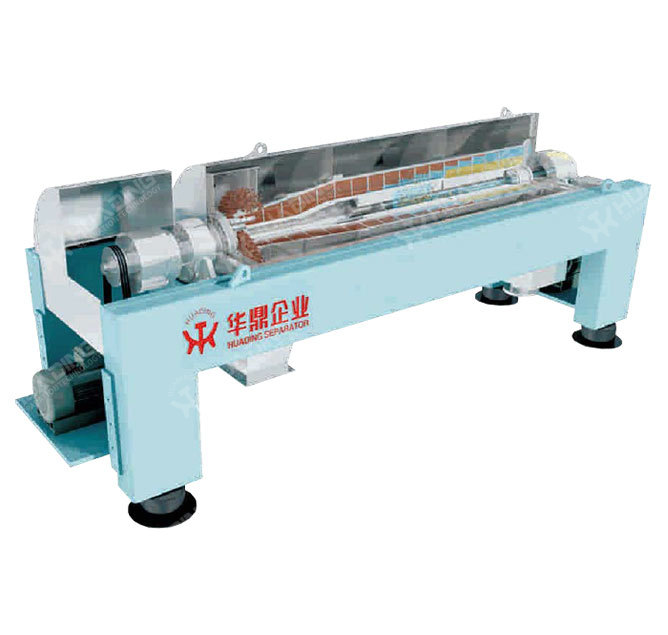
As a satisfactory enterprise in China's centrifugal separation field, Huading's ...
As a satisfactory enterprise in China's centrifugal separation technology, Huad...
Vegetable Oil Separator Manufacturing: Structural Design, Capacity Selection and Quality Control As a manufacturer producing Vegetable Oil Separator equipment for edible oil processing, food production and industrial oil recovery lines, our factory designs each separator around ...
READ MOREChoosing the Right Decanter Centrifuge for Your Production Line Selecting a suitable decanter centrifuge involves far more than comparing bowl diameter or motor power. As a factory engaged in daily manufacturing and testing of decanter centrifuges, our engineering team evaluate...
READ MOREIn modern industrial manufacturing, energy extraction, food processing, and environmental engineering, the efficient separation of multiphase fluid mixtures has always been a core link determining production efficiency and product purity. With the continuous improvement of proces...
READ MOREThe Waste Treatment Decanter Centrifuge's high-efficiency separation capabilities enable customized treatment for different types of wastewater. For example, when treating oily wastewater, the equipment uses three-phase separation technology to separate oil from water, ensuring an oil recovery rate of over 95%. It also effectively removes solid particles and impurities from the water, significantly reducing the moisture content of the sludge to below 60%. This not only improves wastewater treatment efficiency but also reduces the volume of treated sludge, lowering waste disposal costs.
The Waste Treatment Decanter Centrifuge utilizes adjustable liquid-solid separation, which is particularly important for oil-water separation. The liquid level baffles adjust the stratification effect based on the characteristics of different materials, achieving more precise separation and ensuring that oil and water in oily wastewater are effectively separated and recovered. For complex wastewater streams such as mine tailings wastewater and kitchen waste leachate, the equipment also provides efficient solids separation, optimizing treatment processes and reducing environmental pollution.
This highly efficient separation technology not only improves wastewater treatment capacity and accuracy, but also effectively minimizes environmental impact and maximizes resource recovery. By reducing pollutants in wastewater, companies can more easily meet environmental emission standards, reduce environmental costs, improve overall production efficiency, and promote the development of environmentally friendly, green production.
The Waste Treatment Decanter Centrifuge is equipped with an advanced variable frequency speed control system that adjusts the separation speed according to the different needs of the processed material, reducing the equipment's energy consumption. This variable frequency technology can save approximately 20% of energy consumption, making it more energy-efficient and environmentally friendly than traditional centrifuge systems. Furthermore, the hydraulic differential speed system ensures continuous and stable sludge discharge, effectively avoiding downtime caused by overload, and improving equipment stability and operational efficiency.
Compared to traditional equipment, the Waste Treatment Decanter Centrifuge's intelligent control system also features a PLC control system and vibration monitoring module. This means the equipment can operate unattended and automatically alarms and shuts down in the event of a malfunction, significantly reducing the need for manual operation and further enhancing automation and energy efficiency. The Waste Treatment Decanter Centrifuge is also equipped with a highly intelligent control system featuring automated operation and remote monitoring capabilities, ensuring high efficiency and stability during long-term continuous operation. The combination of a PLC control system and a vibration monitoring module enables the equipment to monitor operating status in real time, automatically adjust operating parameters, and perform fault diagnosis. When abnormal vibration or other potential problems occur, the system immediately issues an alarm and automatically shuts down the equipment, preventing equipment damage or production interruption and ensuring production safety.
This intelligent technology not only reduces reliance on manual operation but also optimizes equipment operating efficiency and maintenance cycles, reducing labor and repair costs. Remote monitoring allows operators to access equipment operating status and data at any time, enabling rapid response and operational adjustments. This intelligent control enhances overall operational flexibility and convenience, ensuring optimal separation performance and energy efficiency when treating complex wastewater.
The advantages of the Waste Treatment Decanter Centrifuge in wastewater and waste resource utilization are clear. With increasingly stringent environmental regulations, businesses are placing increasing emphasis on wastewater and waste treatment and resource utilization. This equipment not only effectively separates and treats wastewater, but also creates sustainable economic benefits for businesses by improving resource utilization efficiency.
In the treatment of kitchen waste leachate, the Waste Treatment Decanter Centrifuge can significantly increase the organic matter concentration to approximately 40%. This increased organic matter concentration enables more efficient anaerobic fermentation, generating more biogas resources. This resource-based treatment method not only reduces environmental pollution but also provides businesses with renewable energy, reducing traditional energy consumption and enhancing green production. In this process, the Waste Treatment Decanter Centrifuge, with its precise separation capabilities, ensures efficient organic matter recovery and subsequent treatment.
The Waste Treatment Decanter Centrifuge also demonstrates its outstanding performance in the treatment of biomass waste. In bioethanol production, the equipment effectively removes COD, achieving a COD removal rate of over 85% in the clear liquor. At the same time, the equipment increases the solids content of wet materials to 35%, providing a good foundation for subsequent resource utilization. This highly efficient treatment method not only reduces waste emissions but also converts residual materials into useful energy or raw materials, maximizing the value of waste.
The Waste Treatment Decanter Centrifuge is also widely used in other waste treatment applications, such as industrial wastewater, printing and dyeing wastewater, and plastic recycling. Through efficient liquid-solid separation and liquid-liquid-solid three-phase separation, the equipment removes harmful substances from wastewater, increases water recovery rates, and reduces water pollution. For businesses, this is not only necessary for environmental compliance but also an effective means to improve resource utilization and reduce production costs.
The Waste Treatment Decanter Centrifuge, through its precise separation technology, helps businesses achieve resource utilization during wastewater and waste treatment. This technology not only reduces environmental pollution but also provides businesses with both economic and social benefits, helping them achieve their green and sustainable development goals.
For wastewater containing highly corrosive substances, such as chemical wastewater and fluoride-containing wastewater, the Waste Treatment Decanter Centrifuge offers a specialized corrosion-resistant design. Core components, such as the drum and spiral blades, are constructed from corrosion-resistant materials such as 316L stainless steel, titanium alloy, or Hastelloy, ensuring a longer service life during chemical waste treatment and preventing corrosion damage. For example, the LW550HC model, designed specifically for treating fluoride-containing wastewater, extends its service life from six months to five years, significantly improving return on investment.
This corrosion-resistant design makes the Waste Treatment Decanter Centrifuge suitable for treating highly corrosive wastewater in the chemical, mining, petroleum, and other industries, effectively reducing equipment maintenance and replacement costs and ensuring the continued stable operation of the waste treatment process.
Copyright ©Yixing Huading Machinery Co.,Ltd. All Rights Reserved.
 OEM Waste Treatment Decanter Centrifuge Manufacturers