
 English
 русский
 Español
 عربى
عربى 中文简体
中文简体
WE ARE HAPPY TO SOLVE
PROBLEMS FOR CUSTOMERS
learn more >
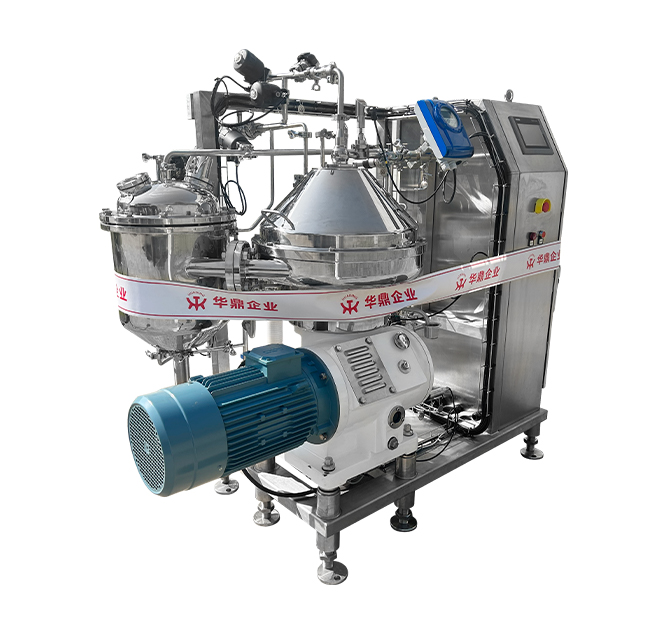
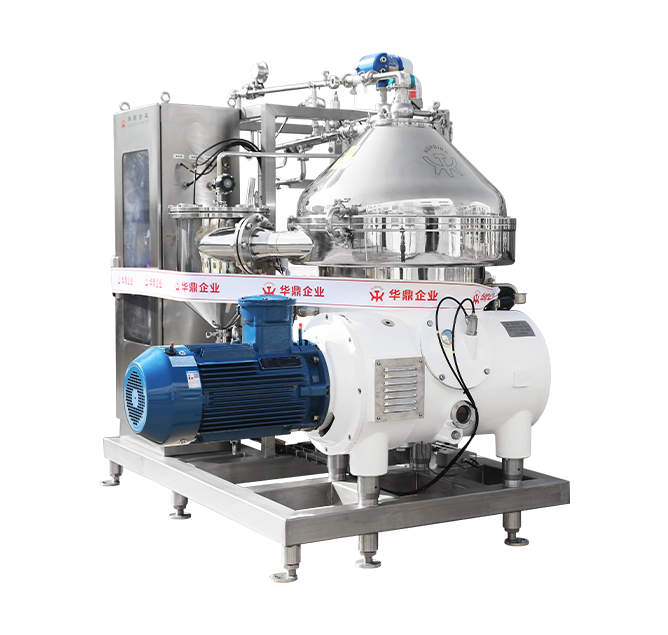
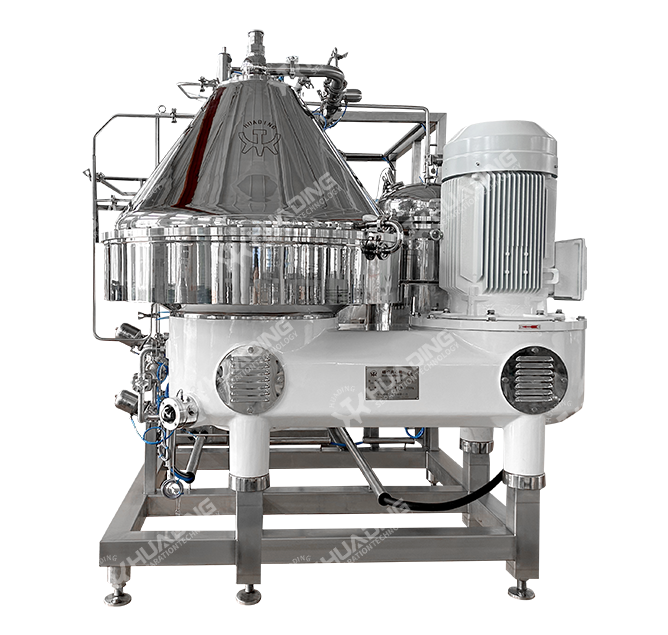
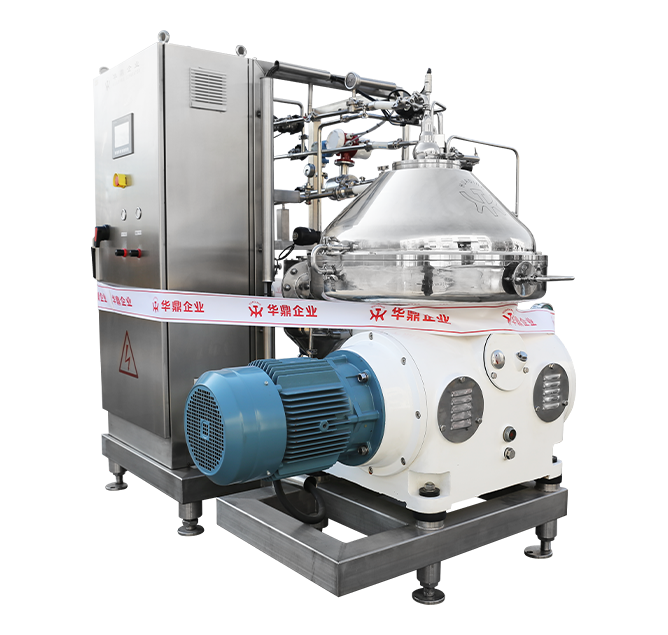
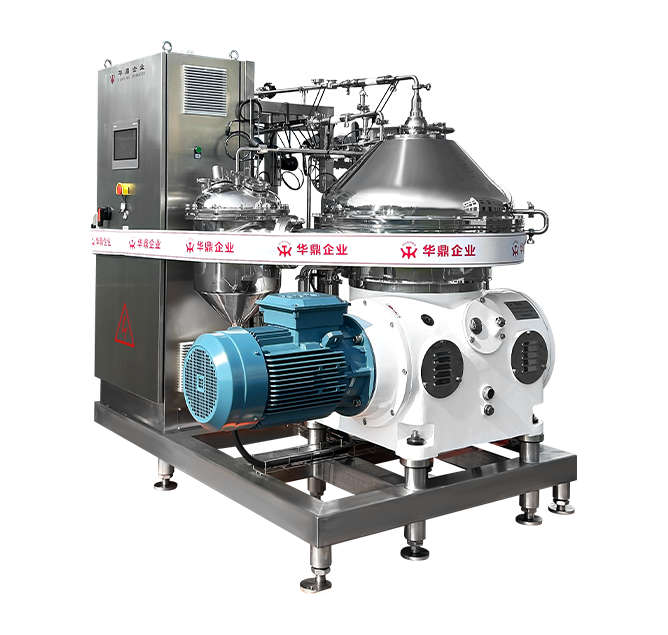
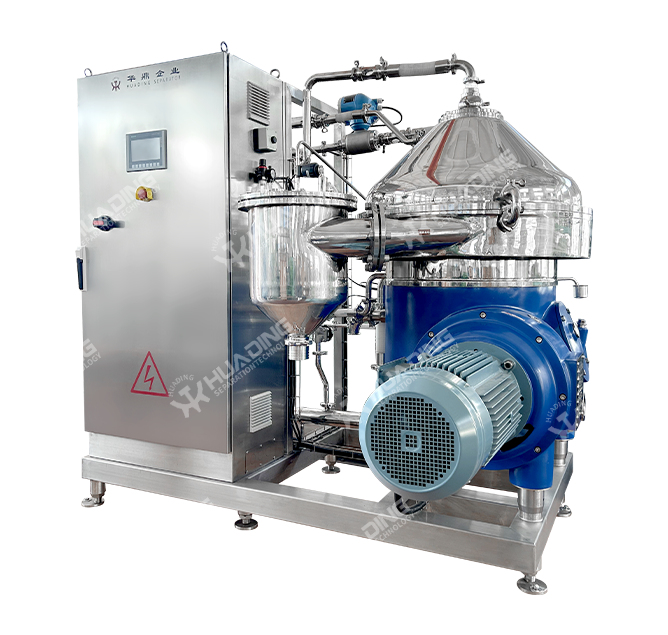
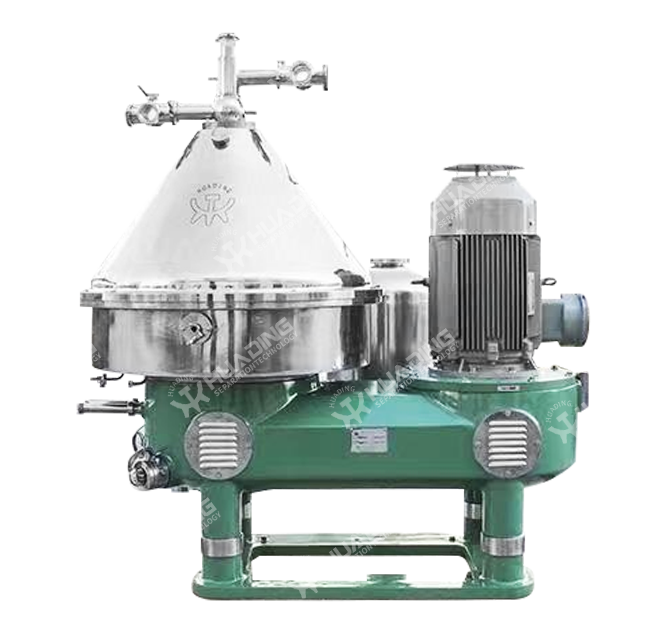
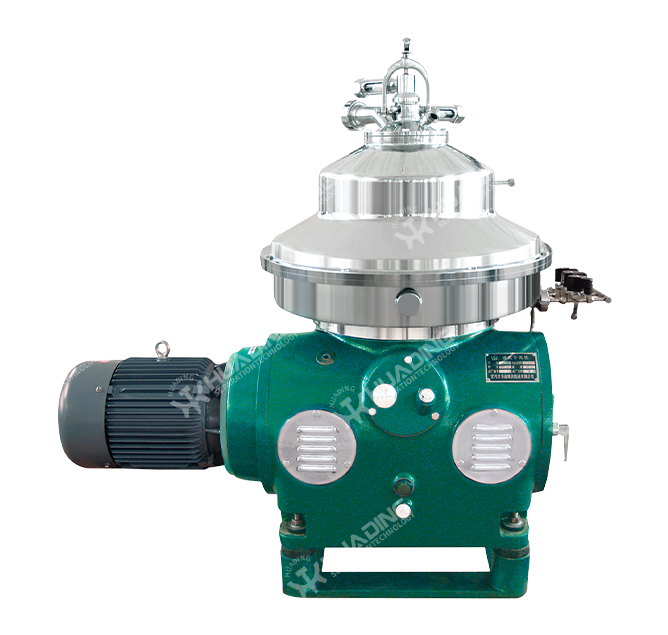
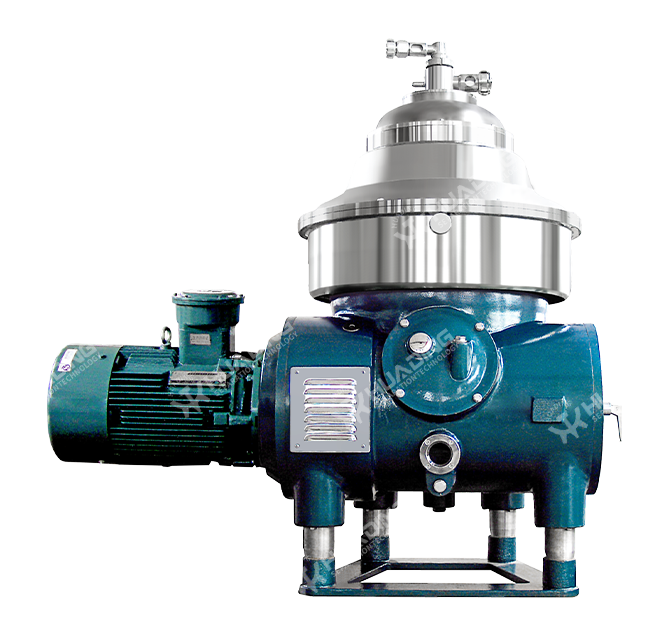
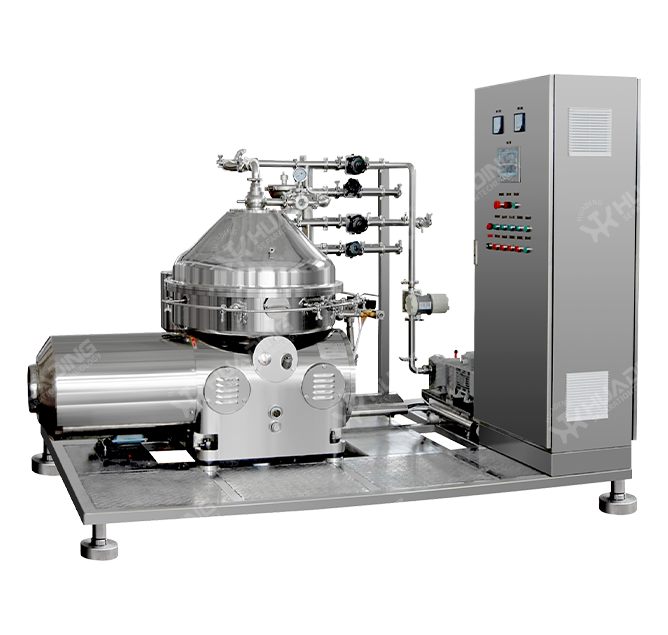
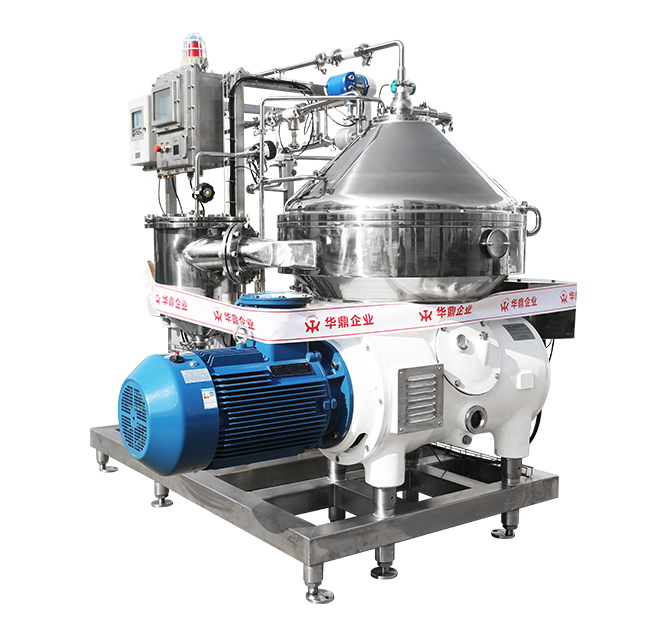
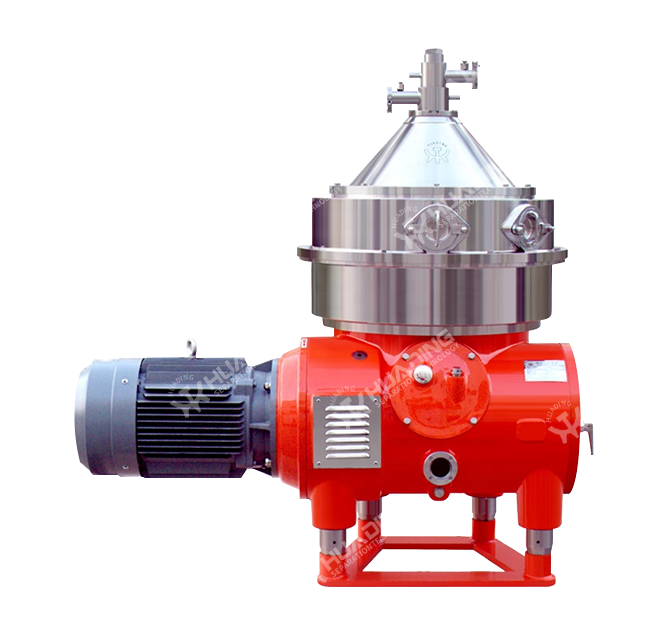
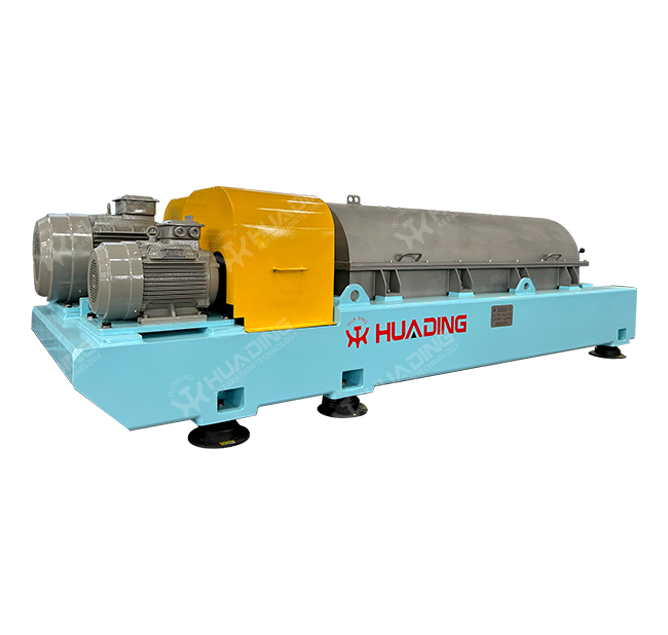
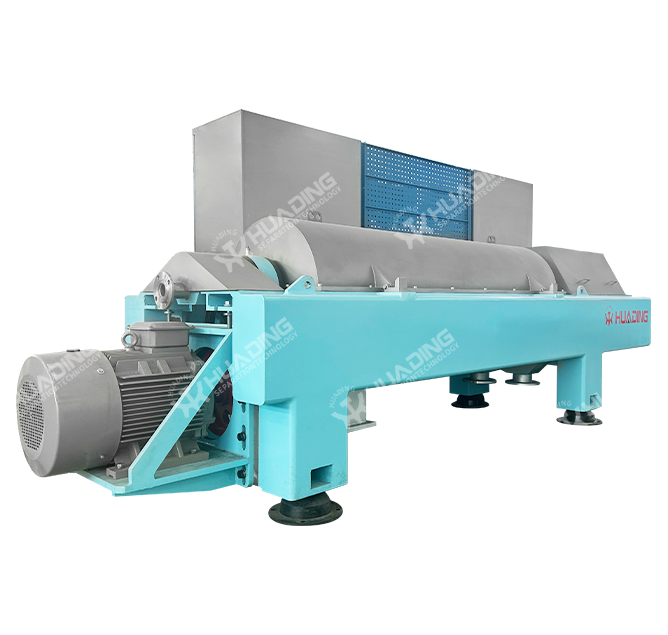
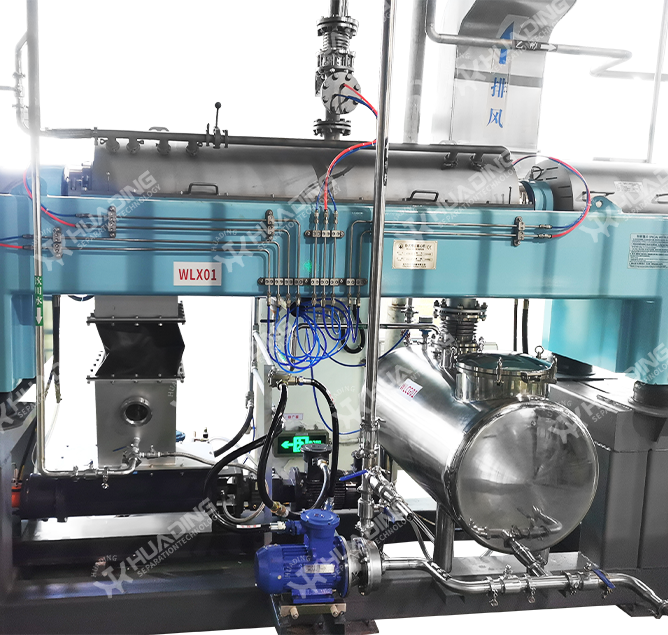
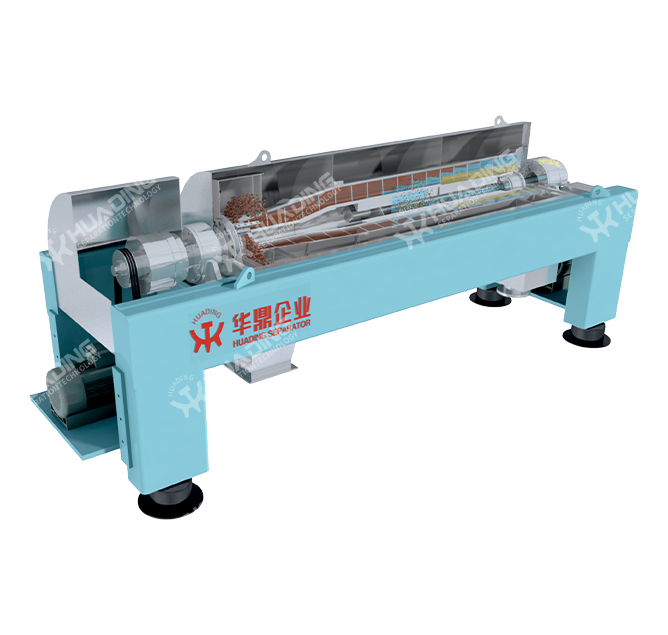
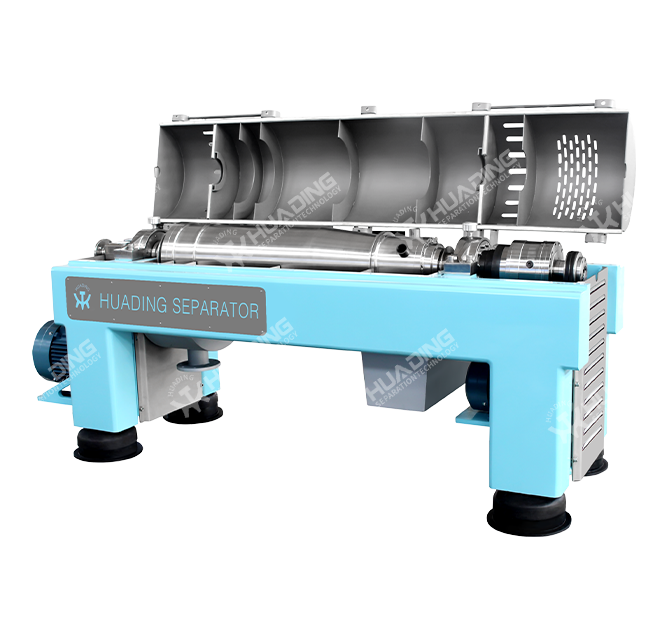
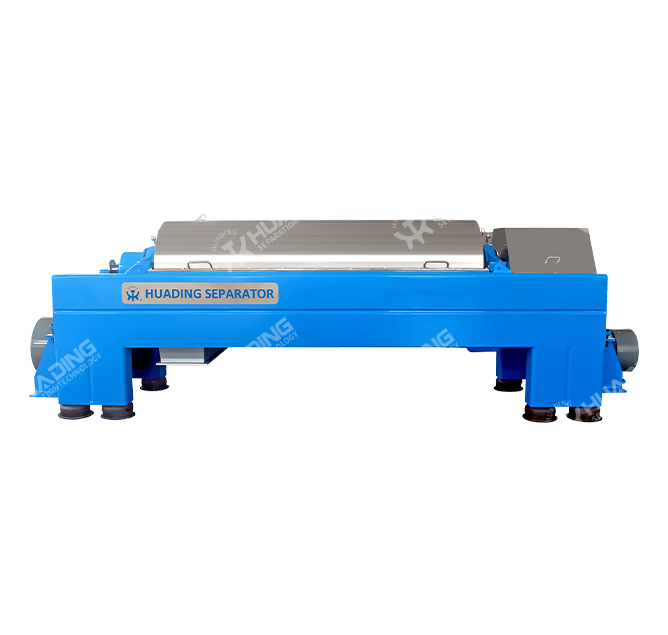
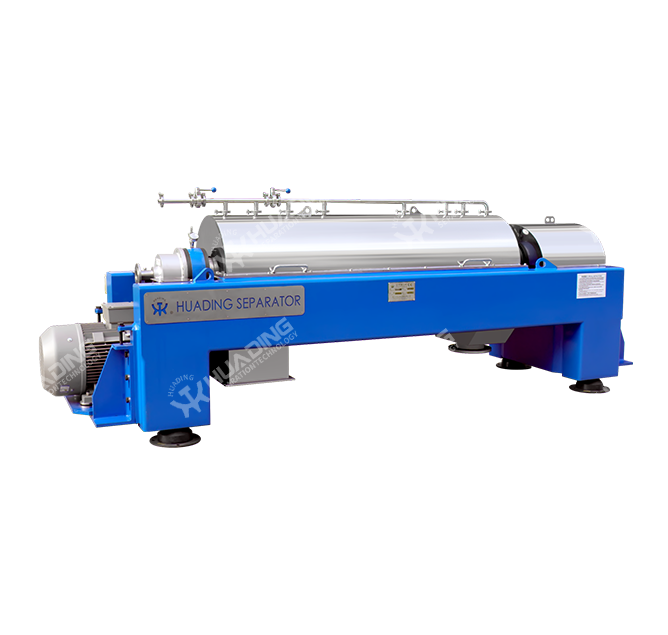
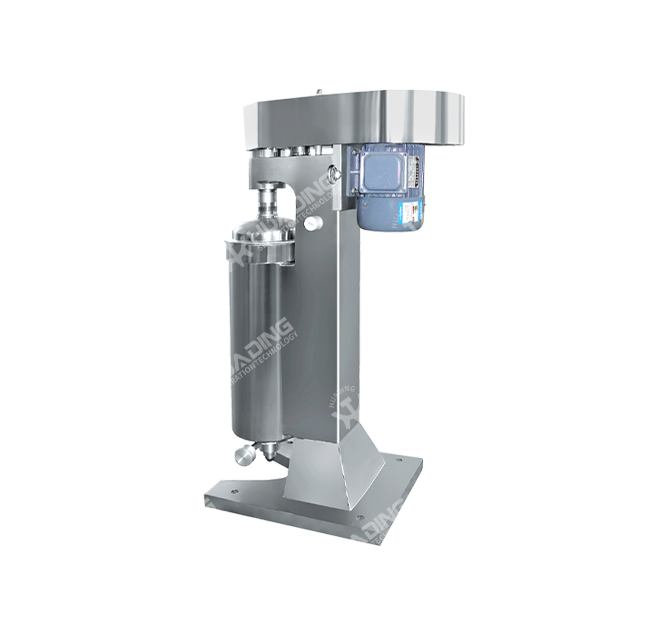
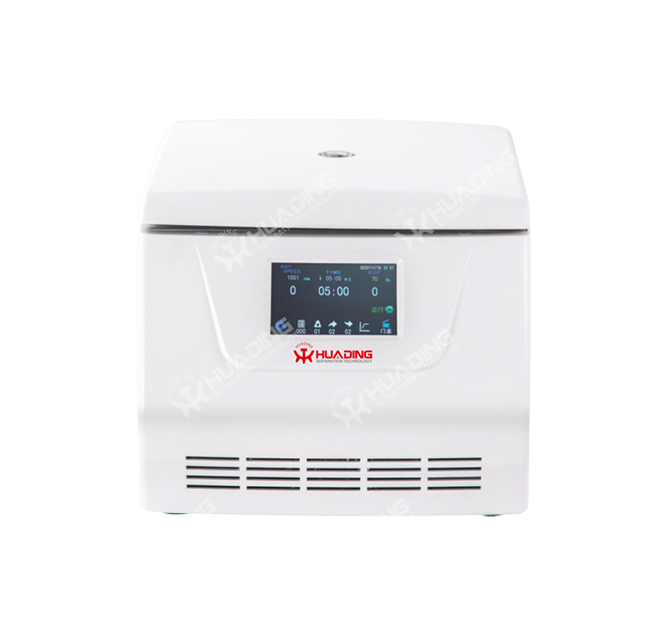
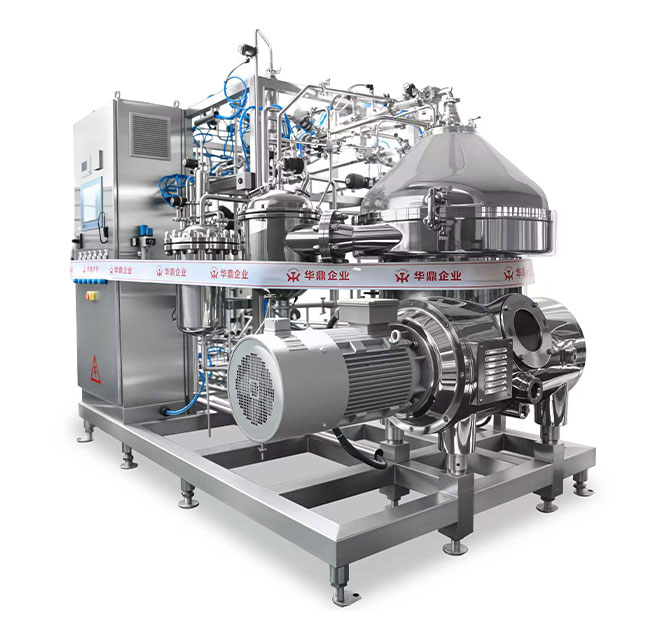
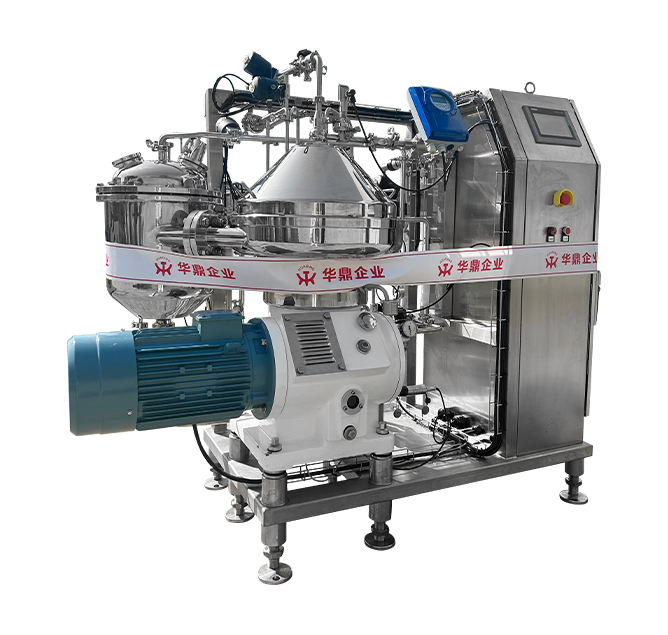
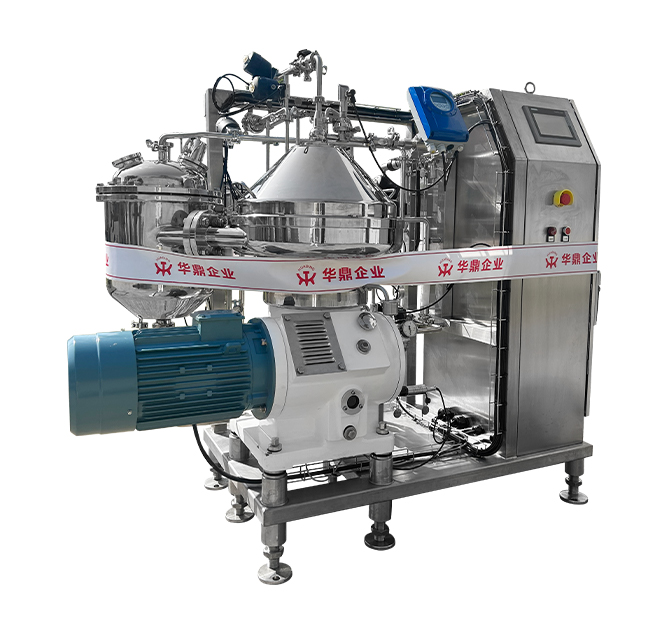
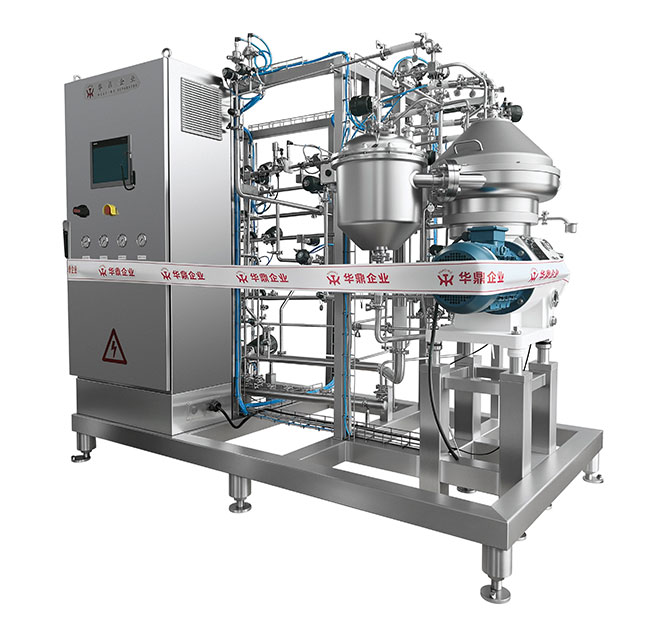
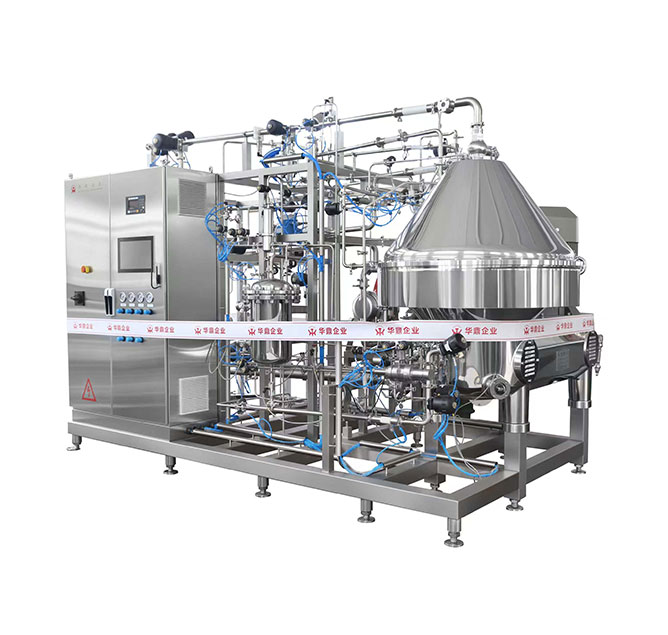
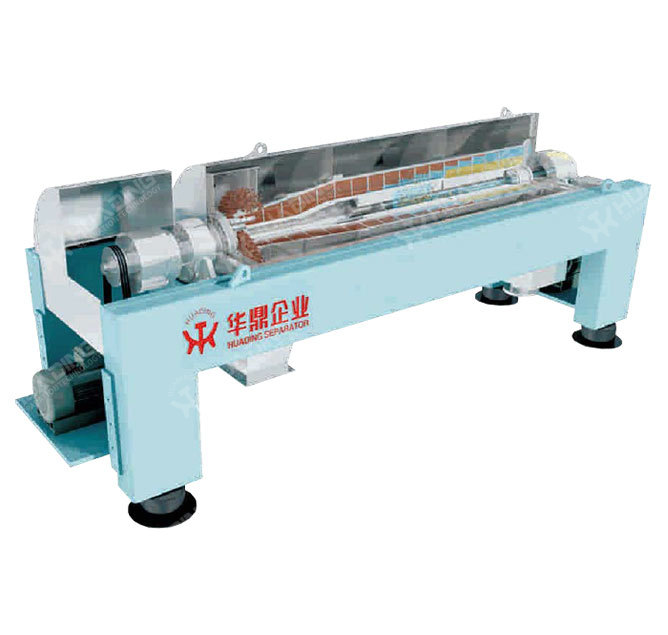
As a manufacturer producing Vegetable Oil Separator equipment for edible oil processing, food production and industrial oil recovery lines, our factory designs each separator around three engineering priorities: structural durability, stable separation efficiency, and adaptability to different processing volumes. This section outlines the construction standards, capacity options and quality procedures applied to every unit leaving our production facility.
The vessel body of a Vegetable Oil Separator is typically fabricated from SUS304 or SUS316L stainless steel, chosen for corrosion resistance when handling acidic oil residues, saline wastewater or high-temperature liquids. Internal coalescing plates are produced from food-grade polypropylene, resistant to oil degradation and repeated cleaning cycles. Welded seams undergo pressure testing before the unit is approved for shipment, and all wetted surfaces are polished to reduce residue buildup, which supports easier separating vegetable oil and water operations over long-term daily use.
Selecting the correct capacity for a Vegetable Oil Separator depends on peak flow rate, oil content ratio in the incoming liquid, and available installation space. The table below lists standard configurations produced by our facility.
| Model Reference | Flow Rate | Tank Volume | Recommended Application |
| Compact Series | 0.5 - 2 m³/h | 200 - 500 L | Small kitchen or workshop discharge |
| Standard Series | 2 - 8 m³/h | 500 - 2,000 L | Restaurant clusters, mid-size processing lines |
| Heavy-Duty Series | 8 - 25 m³/h | 2,000 - 8,000 L | Edible oil refineries, industrial wastewater plants |
| Custom Multi-Stage | 25 m³/h and above | Engineered to order | Continuous production lines with high sediment load |
Units in the Heavy-Duty and Custom Multi-Stage range are commonly paired with an automated sludge discharge valve, reducing manual intervention when the separator also handles how to separate vegetable oil and sand in continuous operation.
A properly sized Vegetable Oil Separator maintains hydraulic retention time above the minimum threshold required for full density-based separation. Undersized units shorten retention time, which lowers separation accuracy even when the equipment itself is correctly built.
Beyond standard sizing, our production line accepts customization requests covering inlet and outlet connection type, additional pre-filtration stages, heating jackets for high-viscosity oils, and integration with automated liquid-level sensors. Some clients processing both sand-heavy and water-heavy waste streams request a dual-chamber configuration, allowing sand settling and oil water separation to occur in sequence within a single housing rather than requiring two separate installations.
Connection Flexibility
Flanged, threaded or quick-release fittings matched to existing pipework.
Multi-Stage Filtration
Additional mesh stages added ahead of the main separation chamber.
Temperature Control
Optional heating jacket for oils with elevated viscosity in cold climates.
Automated Monitoring
Level sensors and discharge valves for unattended operation.
Do Oil Separators Work on liquids that are already emulsified?
Standard gravity-based units are effective on free oil and light emulsions. Liquids with heavy emulsification typically require the coalescing-plate configuration or a pre-treatment step before entering the separator chamber.
What is another name for an Oil Separator used in different industries?
Depending on the industry, the same equipment may be referred to as an oil water separator, grease trap, oil interceptor, or oil skimming tank. The underlying separation principle remains consistent across these names.
How often should a Vegetable Oil Separator be inspected?
Facilities with continuous discharge typically inspect the sludge chamber every two to four weeks, while lower-volume installations can extend this interval to monthly checks, depending on sediment load.
Before leaving the factory, each Vegetable Oil Separator undergoes a hydrostatic pressure test, a leak inspection at all welded joints, and a flow verification test using water to confirm retention time matches the design specification. Material certificates for stainless steel components are issued alongside the equipment, and dimensional checks confirm that inlet, outlet and drainage ports align with the ordering specification submitted by the client.
These procedures apply consistently whether the unit is intended for separating vegetable oil and water in food processing discharge, or for combined oil and sediment handling in wastewater pretreatment. Documentation from each test is retained and can be provided alongside the shipped equipment upon request.
Copyright ©Yixing Huading Machinery Co.,Ltd. All Rights Reserved. Custom Centrifugal Separator Factory