
 English
 русский
 Español
 عربى
عربى 中文简体
中文简体
WE ARE HAPPY TO SOLVE
PROBLEMS FOR CUSTOMERS
learn more >
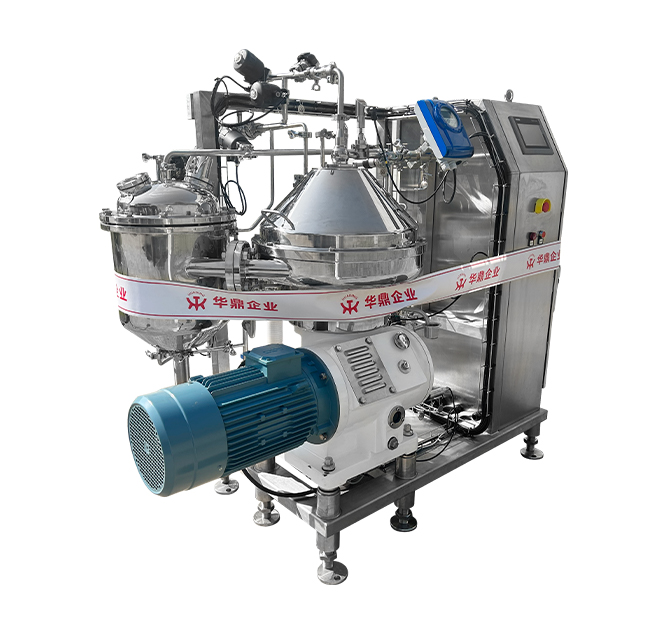
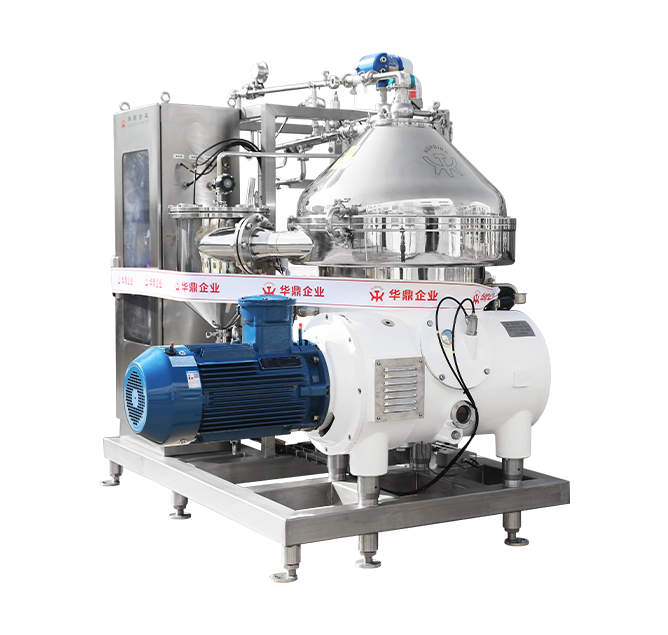
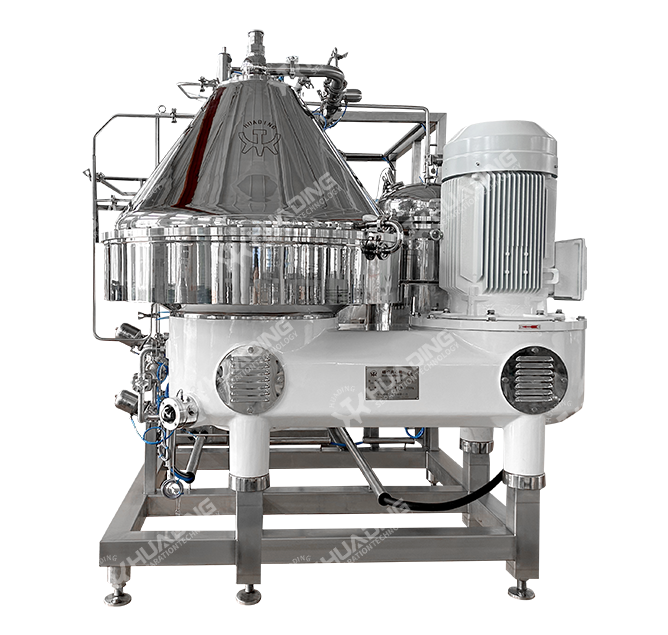
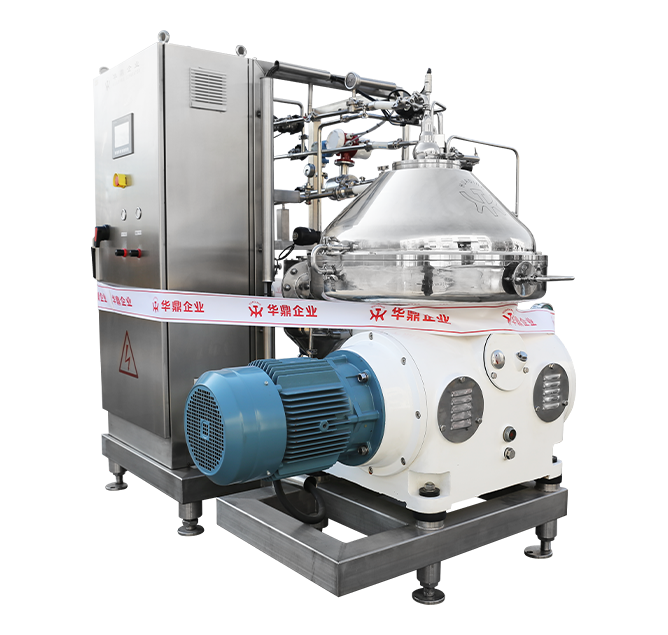
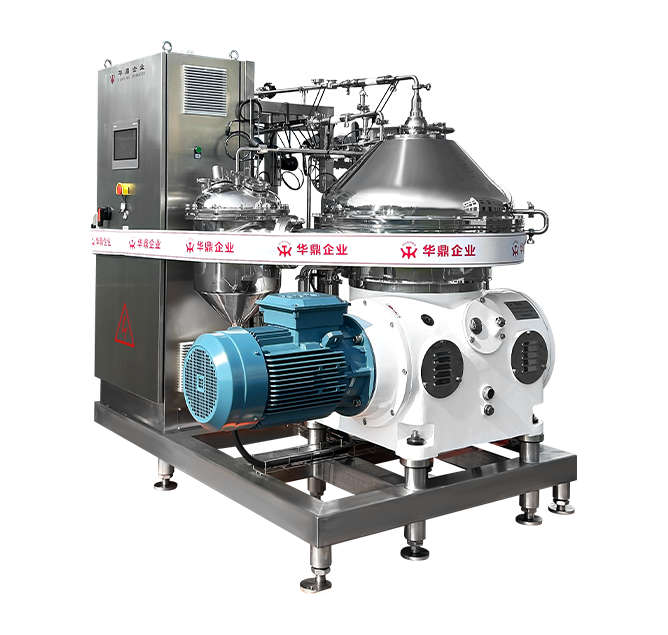
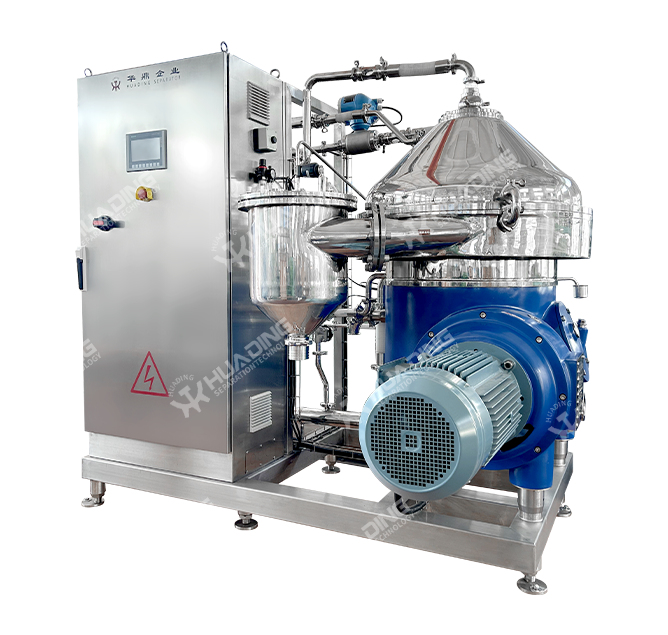
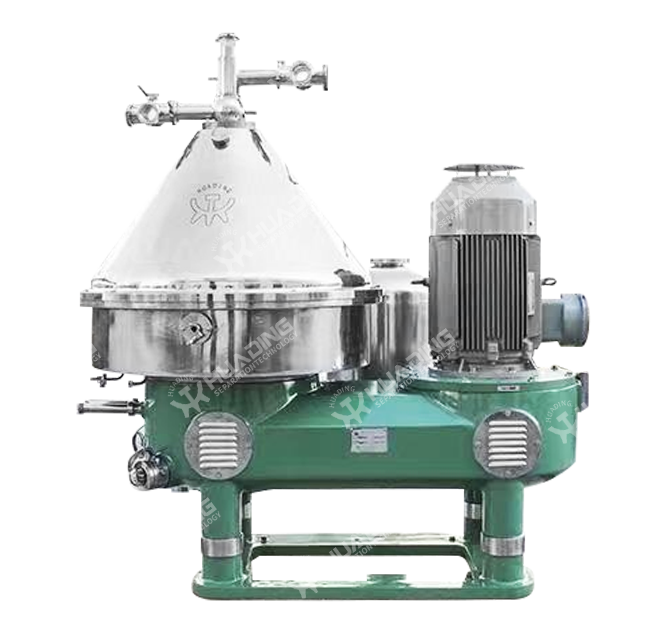
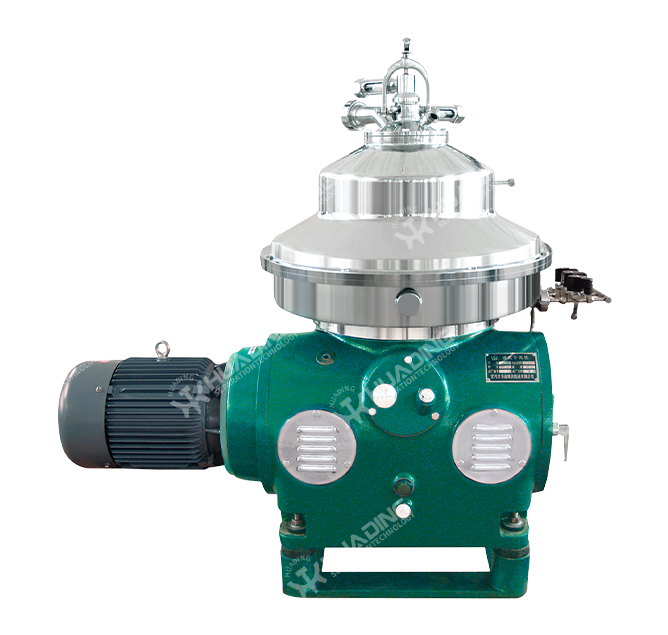
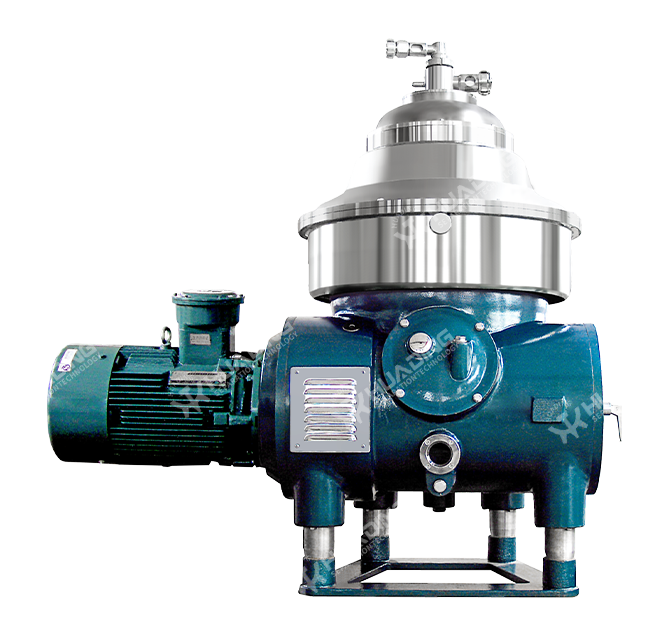
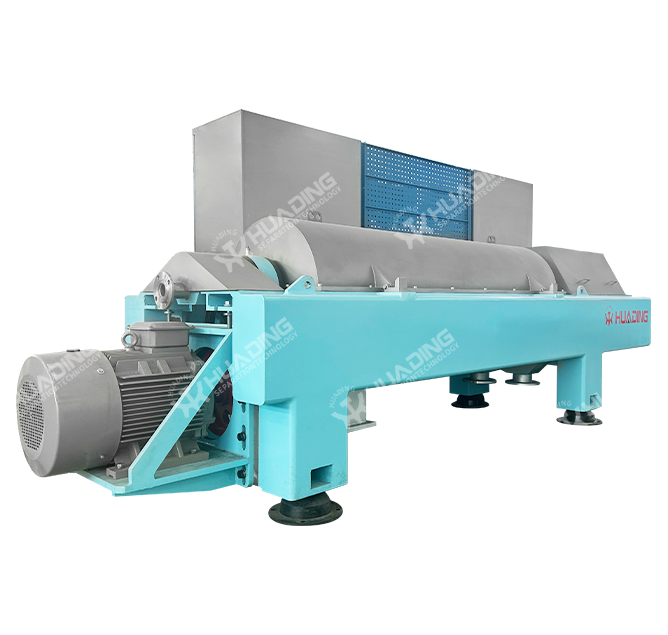
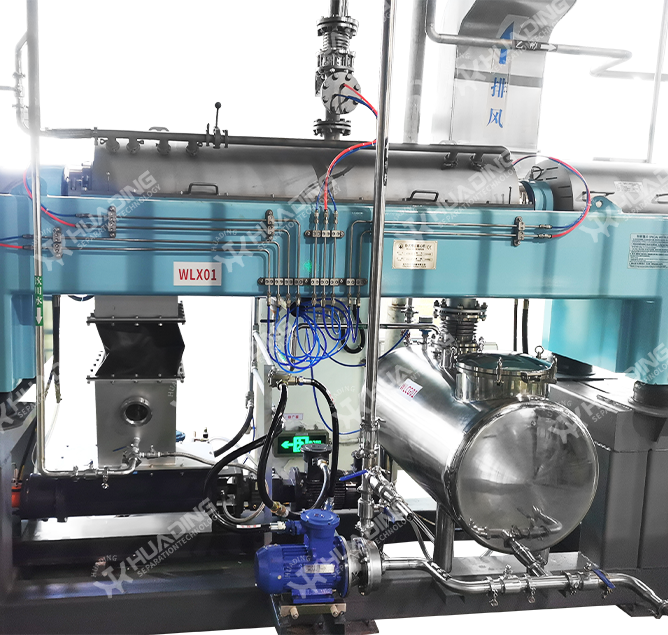
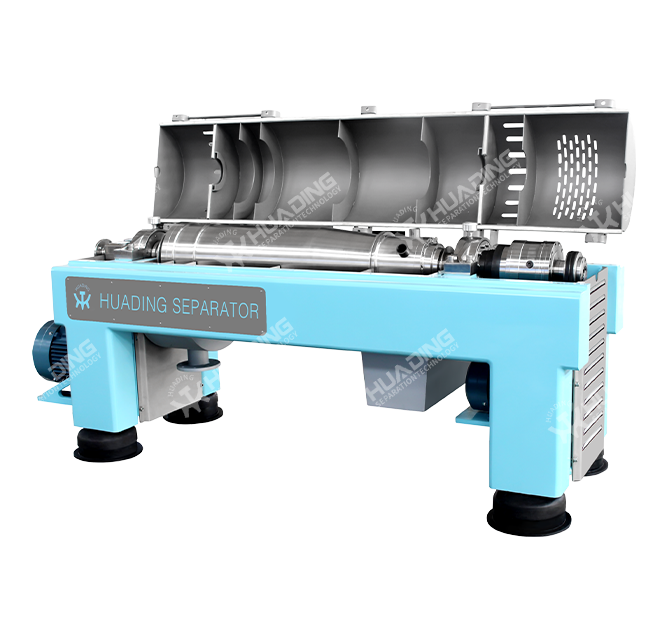
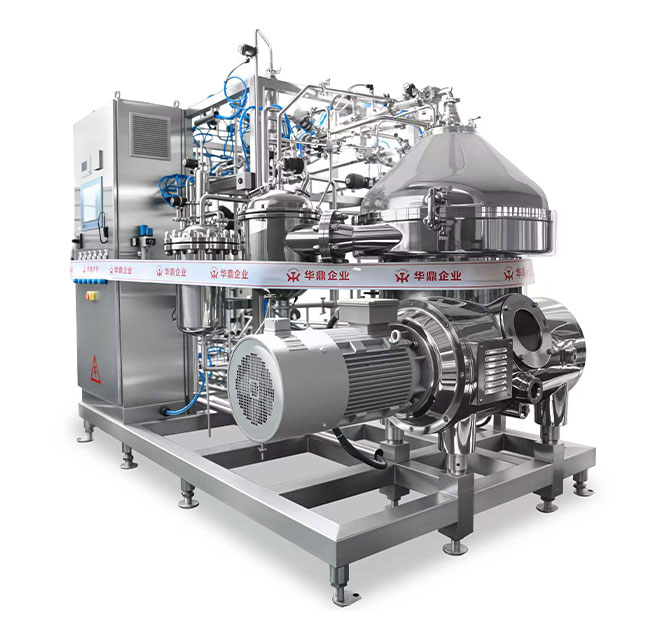
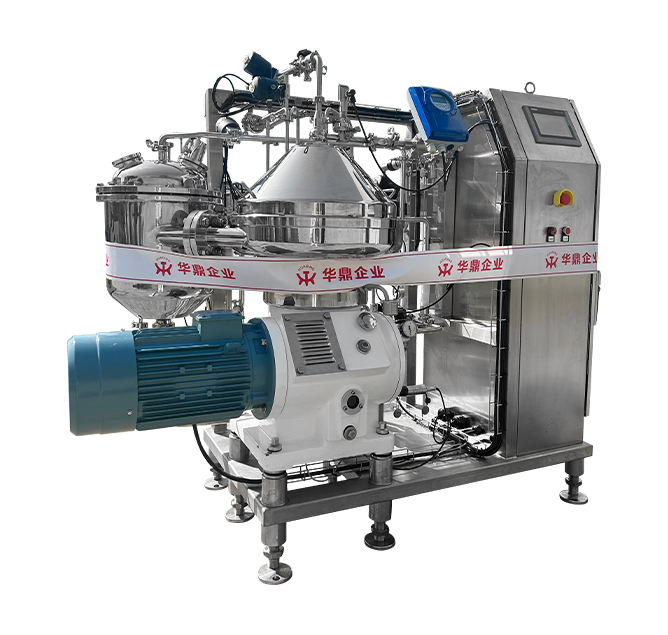
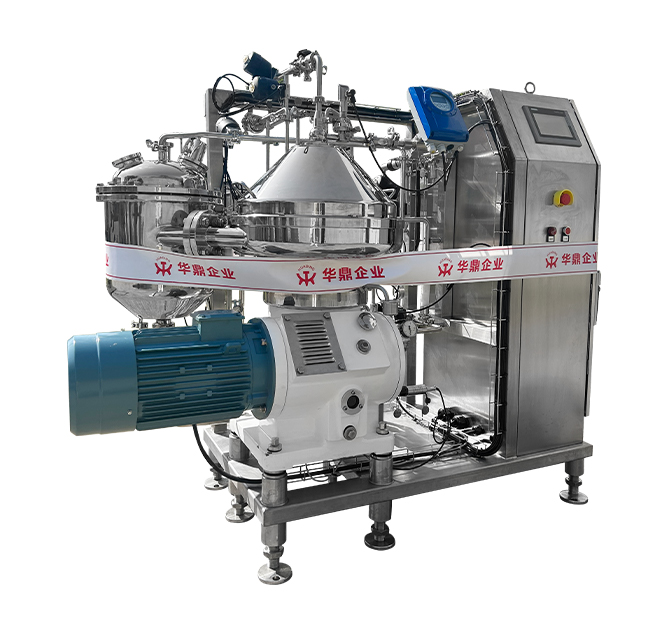
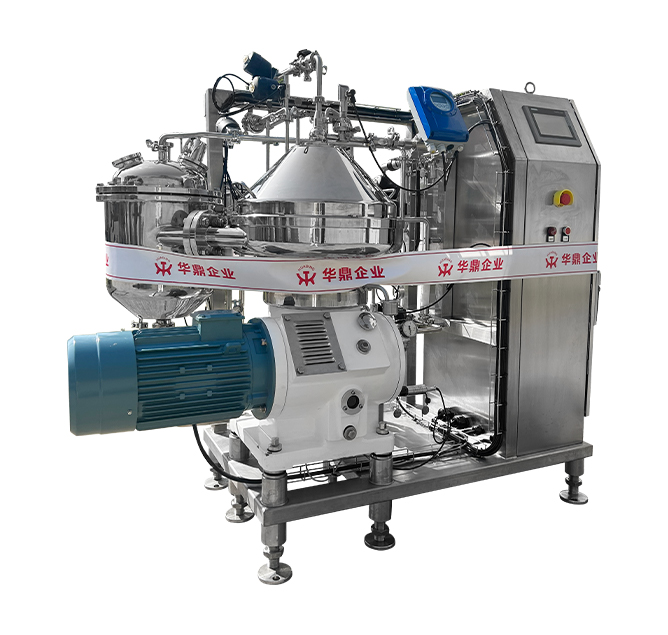
The vegetable oil separator is a simple yet incredibly useful kitchen tool designed to help cooks, chefs, and food industry professionals separate oil from food particles after cooking. Its primary function is to filter out residual food scraps and impurities from the oil, allowing it to be reused multiple times. This process not only reduces waste but also contributes to healthier, cleaner, and more efficient cooking. To truly understand how a vegetable oil separator works in your kitchen, it’s important to break down the fundamental mechanics, benefits, and practical applications of this tool.
A vegetable oil separator consists of a container, a filtration system, and a mechanism to separate oil from other food components. The process begins right after cooking, typically frying or deep-frying food. As oil is used in the cooking process, it absorbs flavors, moisture, and food particles that can degrade the quality of the oil. This is where the separator comes into play. The oil is poured into the separator, and the filtration system—usually composed of a fine mesh or filter—captures the debris, leaving behind pure oil. The clean oil can then be collected in a separate container, ready to be reused for another round of cooking.
To better understand how the vegetable oil separator works, it’s crucial to examine the filtration process. As oil is poured into the separator, it often passes through multiple filtration layers. The first layer typically captures larger particles like breadcrumbs, batter, or bits of fried food. These larger chunks are easily separated because they do not mix well with oil. After passing through the first layer, the oil moves to finer mesh or fabric filters that trap smaller particles and impurities that remain suspended in the oil.
The separator may also incorporate a secondary filtering system, such as an activated carbon filter, that helps remove odors and additional contaminants. This multi-stage filtration process ensures that the oil is as clean as possible. The goal is not only to remove visible debris but also to minimize the degradation of the oil’s taste and cooking properties. A clean, filtered oil will retain its original characteristics much longer than oil left contaminated by food particles.
Another critical aspect of how a vegetable oil separator works is the principle of density and settling. When oil is poured into the separator, its density is often different from that of the water or food particles that have been cooked in it. Most separators are designed with the ability to allow these different substances to naturally separate. Oil, being lighter than water and food particles, rises to the top, while the heavier food particles sink to the bottom of the container. This difference in density is what makes the oil easy to separate from the contaminants without needing any complex machinery or tools.
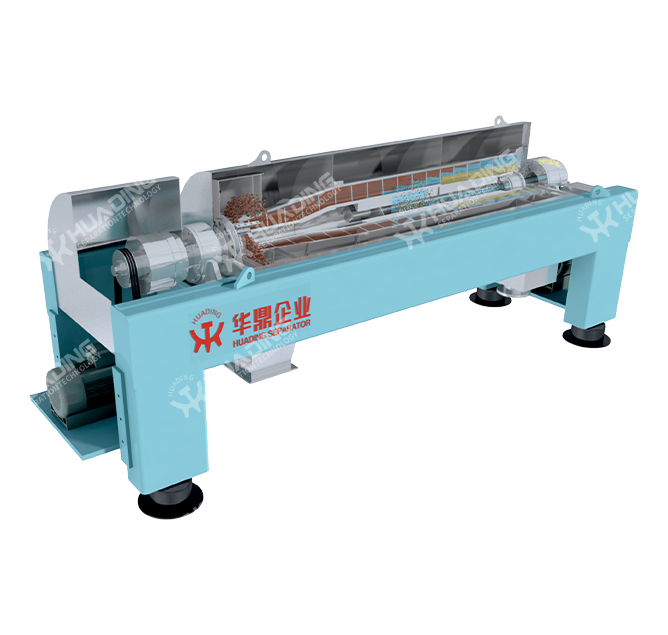
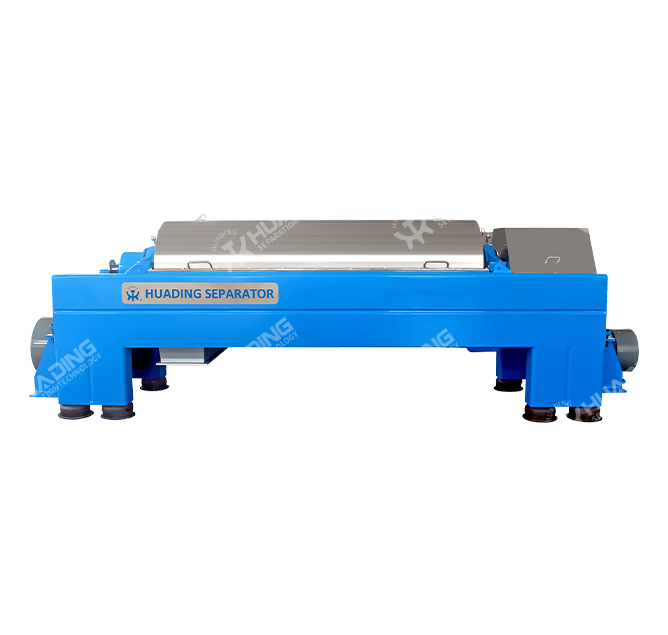
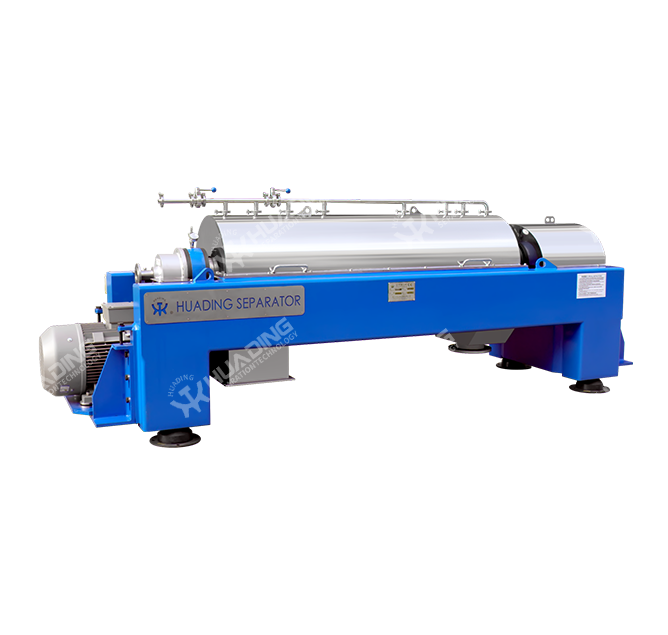
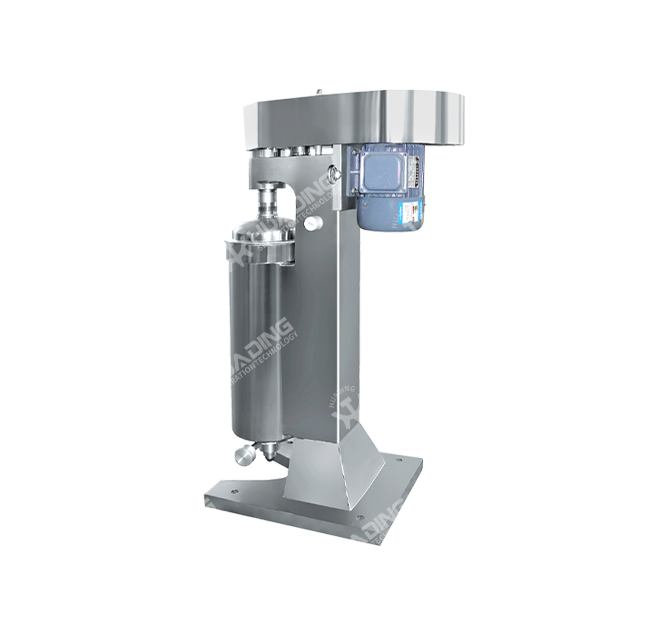
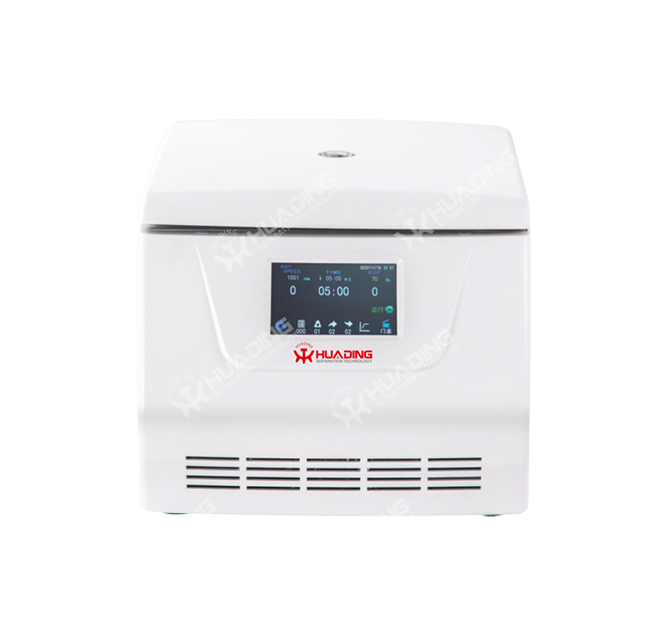
In some advanced models of vegetable oil separators, this process may be aided by a gentle mechanical or centrifugal force that speeds up the separation of oil from the food debris. Centrifugal force, for instance, uses rapid spinning to push heavier particles outward to the walls of the container, leaving the lighter oil in the center. The result is a faster and more thorough separation, which is especially beneficial in commercial kitchens or high-volume cooking environments.
Vegetable oil separators play a significant role in preserving the quality and longevity of cooking oil. Every time oil is used, especially in deep frying, it degrades due to heat exposure, absorption of moisture, and the introduction of food particles. The longer this degradation process continues without filtration, the more the oil loses its cooking effectiveness, taste, and safety for consumption. By using a vegetable oil separator, you can remove these harmful particles, which significantly slows down the breakdown of the oil’s molecular structure, ensuring that the oil remains usable for longer.
Oil degradation is not only a matter of flavor; it can also affect the healthiness of the food you’re preparing. The more the oil breaks down, the more likely it is to form harmful compounds such as free radicals, which can pose health risks if consumed in large quantities. By separating the oil from food particles, a vegetable oil separator helps reduce the number of these unhealthy compounds, providing a safer cooking medium for multiple uses. Reusing oil that has been cleaned through this filtration process is far more advantageous than using oil that has been contaminated and allowed to break down over time.
In commercial kitchens, where large amounts of oil are used frequently for frying, deep-frying, and sautéing, a vegetable oil separator becomes an invaluable tool. High-volume kitchens often go through gallons of oil every day, and the cost of constantly replacing it can quickly add up. By employing a vegetable oil separator, kitchen staff can filter and reuse the oil several times without sacrificing the quality of the cooking. This can save significant amounts of money, especially in large operations such as fast food chains, restaurants, and catering services.
Moreover, using a vegetable oil separator reduces the amount of oil waste generated, which is a significant consideration for sustainability. Disposing of used oil in an environmentally responsible way can be both costly and challenging. By filtering and reusing oil, kitchens can reduce their environmental footprint, contributing to greener, more sustainable operations. It also decreases the risk of clogging grease traps and drains, which can be a common problem in kitchens that regularly dispose of large amounts of oil.
Beyond its practical uses, a vegetable oil separator offers several health and safety benefits. One of the primary concerns when reusing oil is the potential for contamination. As food particles are left in the oil, they can become breeding grounds for bacteria, especially if the oil is stored improperly. By using a vegetable oil separator, these food particles are removed immediately after cooking, reducing the risk of bacterial growth. This ensures that the oil remains cleaner and safer for future use.
Another important factor is the prevention of harmful chemicals produced by overused oil. As oil degrades, it can produce compounds that are harmful to health, such as acrolein, a substance known to irritate the eyes and respiratory system. By separating out the food particles and impurities, the oil’s overall degradation is slowed, and it retains its stability, meaning it will be safer to reuse for cooking purposes without creating dangerous compounds.
While vegetable oil separators are a common fixture in commercial kitchens, they are equally beneficial in home kitchens. For home cooks, using a separator can make the process of deep-frying or stir-frying much more efficient. Instead of discarding oil after each use, which can be wasteful and costly, home cooks can filter and reuse the oil several times. This not only saves money but also contributes to a more sustainable and eco-friendly cooking practice.
The ease of use and efficiency of the vegetable oil separator also means that even small-scale cooking operations, such as meal prepping or making large batches of fried food for family gatherings, can benefit from cleaner oil and better tasting results. With the ability to reuse oil without sacrificing its quality, cooks can enjoy the same crispy, flavorful dishes while using less oil and contributing less to environmental waste.
Once the oil has been separated and filtered, it’s essential to store it properly to maintain its quality for future use. After filtration, the oil should be transferred to a clean, airtight container to prevent oxidation and contamination. In some cases, it’s advisable to store the oil in a cool, dark place to further preserve its freshness. If stored correctly, filtered oil can last several cycles of cooking without losing its flavor or cooking properties.
For those who frequently use oil separators, it’s recommended to label containers with the number of times the oil has been used, so you can monitor when it might be time to dispose of it. This helps prevent the overuse of oil, ensuring that it remains safe and effective for cooking. Additionally, some advanced vegetable oil separators come with built-in storage compartments, making it easier to store and keep track of the filtered oil in one convenient system.
Cooking time is an important factor in both professional kitchens and home cooking. For high-volume or time-sensitive cooking, reducing cooking time can lead to greater efficiency, better-quality meals, and more satisfied customers or family members. A vegetable oil separator, though often viewed as a tool to clean and reuse oil, plays a significant role in enhancing overall cooking efficiency, primarily by improving the reuse of oil and minimizing the need for constant replenishment. This seemingly simple kitchen tool contributes to cooking time reduction in several key ways, including through oil preservation, faster cooking processes, and a more efficient work environment.
One of the most noticeable ways a vegetable oil separator can reduce cooking time is by maintaining the quality of the cooking oil, allowing it to be reused multiple times. As oil is used in frying, it absorbs flavors, moisture, and food particles, which can cause it to lose its heat retention properties. The more used the oil is, the longer it takes to reach the desired temperature for frying, leading to longer cooking times. When oil particles are left in the frying pan or deep fryer, they also cause the oil to cool down quickly, leading to less efficient cooking.
By using a vegetable oil separator, the impurities, food particles, and moisture can be filtered out after every use, significantly extending the oil’s usability. Cleaner oil heats up faster, reaches higher temperatures more quickly, and stays hotter for a longer period of time. This is essential for fast cooking methods like deep frying or stir-frying, where the cooking oil must remain at a consistent, high temperature to achieve the best results. As a result, the time it takes to cook food is reduced, because the oil is able to retain its heat, cook more efficiently, and maintain its optimal temperature for longer.
When oil becomes contaminated with food particles or moisture, it begins to lose its heat retention abilities. The additional impurities in the oil cause temperature fluctuations, making it harder to maintain a consistent cooking temperature. For frying, especially deep frying, this inconsistency can cause significant delays in the cooking process. When the temperature of the oil drops, food can become soggy, greasy, or unevenly cooked, necessitating longer cooking times or multiple rounds of frying.
The vegetable oil separator helps mitigate this problem by filtering out the food particles and moisture that cause these fluctuations. After separating the oil, it remains much cleaner and more stable, which means that it heats up faster and maintains a consistent temperature throughout the cooking process. As the oil remains at the optimal frying temperature for a longer period, the time needed to cook each batch of food is reduced, resulting in a quicker turnaround time for each dish or order. This is particularly useful in commercial kitchens where speed and efficiency are key to meeting customer demands, but it is also beneficial for home cooks who want to save time while preparing meals.
In busy kitchens, whether professional or at home, batch cooking is often employed to streamline the process of cooking large amounts of food. For example, when preparing French fries, doughnuts, or fried chicken, oil is typically reused to cook multiple batches in succession. If the oil is allowed to cool down too much between uses, the cooking process is extended, and food may not cook evenly or achieve the desired texture. By using a vegetable oil separator, chefs and home cooks can filter the oil after each batch, removing food particles and debris that might cause the oil to degrade or become sticky. This allows the oil to be reused without the need for complete replenishment, thus cutting down on the time it takes to prepare subsequent batches.
Without a vegetable oil separator, you would need to either discard the oil after each batch or wait for it to reach an appropriate temperature again before frying the next batch. This can add significant time to the overall cooking process. With the separator, the oil can be filtered quickly, maintaining its quality and reducing downtime. As the oil stays at the correct frying temperature between batches, the time needed to cook each round of food is kept to a minimum. In high-volume kitchens, this can drastically improve output, speed up service, and enhance overall kitchen productivity.
One of the most time-consuming aspects of using oil in cooking, especially for frying, is the frequent need to replace it. Once oil has been used several times, it begins to degrade, absorbing unwanted odors and flavors, and becomes more susceptible to burning. Typically, when oil reaches a certain level of degradation, it must be replaced, which can be both time-consuming and costly. Replacing oil in a fryer or pan is not as simple as pouring in fresh oil—it involves shutting down cooking operations, cleaning the equipment, disposing of the old oil, and then heating up the new oil.
By employing a vegetable oil separator, cooks can extend the life of their oil and delay the need for a full oil change. This not only saves time but also streamlines kitchen operations. Oil can be filtered and reused several times before it reaches the point of degradation that requires a complete replacement. As the oil is reused, it maintains its integrity and can continue to cook efficiently without losing heat or flavor. The reduction in the frequency of oil changes translates to faster cooking times since there is no need to pause and switch out the oil frequently, which is particularly helpful when cooking large amounts of food.
In commercial kitchens, where efficiency is often measured in the speed at which food is prepared and served, any tool that can help reduce cooking time is a valuable asset. The vegetable oil separator optimizes the frying process by ensuring that the oil remains cleaner and more stable. This leads to improved cooking times and more consistent results. Clean oil heats up quickly, maintains its temperature, and helps foods cook faster, ensuring that chefs can produce high-quality dishes in less time.
For instance, if a fryer is used multiple times without filtering the oil, each subsequent batch will take longer to cook because the oil becomes contaminated with food particles. These particles can absorb heat, causing the oil to lose its efficiency. By using a vegetable oil separator to remove these contaminants, the oil retains its cooking properties for a longer period of time, which helps the food cook faster. This is especially beneficial when dealing with high-demand situations where quick turnaround times are crucial, such as during lunch or dinner rushes, catering events, or busy weekend periods.
One of the most practical advantages of using a vegetable oil separator is its ability to improve the reusability of cooking oil, a factor that significantly reduces long-term operational costs, whether in a commercial kitchen, restaurant, or home kitchen. Cooking oil is a major recurring expense, especially in environments where frying and deep-frying are regular cooking methods. Over time, used oil becomes contaminated with food particles, moisture, and other impurities, making it unsuitable for further use. However, by employing a vegetable oil separator, it becomes possible to filter out these unwanted components, purifying the oil and making it reusable for future cooking sessions. This process not only saves money but also enhances operational efficiency by allowing the oil to remain effective for a longer period of time. The reusability of cooking oil directly correlates with cost savings, reducing the need to buy new oil frequently, minimizing waste, and improving the sustainability of cooking practices.
The main function of a vegetable oil separator is to extend the lifespan of cooking oil by filtering out solid debris, moisture, and other contaminants that would otherwise degrade the quality of the oil. During frying, food particles such as crumbs, batter, and seasoning mix with the oil, causing the oil to become murky and sticky. As these particles accumulate, they degrade the oil by causing it to break down more quickly. The oil’s ability to reach and maintain the proper temperature for cooking diminishes, and its flavor and texture can be negatively affected. With the use of a vegetable oil separator, these food particles can be removed after every use, significantly slowing down the breakdown of the oil and allowing it to remain in good condition for multiple uses.
A clean oil allows cooks to maintain the same quality of food preparation without having to replace the oil after each cooking session. By separating the impurities and filtering out the residual food particles, the oil remains at a higher level of purity, which prevents it from losing its ability to heat evenly and retain its cooking properties. For example, oil used in deep fryers for frying French fries, chicken, or doughnuts can be cleaned and reused for several cooking cycles, as long as it is filtered effectively. This is crucial in both home kitchens and professional food service environments where the cost of new oil can be significant.
In any kitchen, whether commercial or residential, the cost of purchasing oil regularly can become a significant financial burden. In restaurants, catering services, or food trucks, where deep frying is a core method of food preparation, the amount of oil consumed on a daily or weekly basis can be substantial. Oil that is frequently replaced becomes an ongoing operating expense, and when this oil is discarded instead of reused, it represents a missed opportunity to recover some of that cost.
A vegetable oil separator provides an effective means to extend the life of cooking oil, allowing kitchens to reduce the frequency with which they need to purchase new oil. By filtering out the impurities after each use, the oil can be safely reused multiple times without significant degradation. In a high-volume kitchen, the ability to reuse oil for several cycles without compromising the quality of the cooking process can lead to a considerable reduction in overall oil purchases. This directly translates into savings on procurement costs. As businesses scale up or cook in bulk, the savings on oil purchases can add up to a significant amount over time, making the vegetable oil separator a worthwhile investment.
For restaurants, catering services, or fast-food chains, operational efficiency is directly tied to profitability. When cooking oil is thrown out after every use, kitchens lose valuable time and resources on disposing of the old oil and replacing it with fresh oil. This process takes time, and in high-volume establishments, it can create delays between batches of fried food. Replacing oil frequently also increases the amount of waste generated, which is not ideal from both a financial and environmental standpoint.
Using a vegetable oil separator can significantly reduce this inefficiency. By filtering and reusing oil, cooks can spend less time on oil disposal and more time on food preparation. The ability to reuse oil without compromising its quality streamlines kitchen operations and ensures that the cooking process is as continuous as possible. This efficiency is especially crucial in fast-paced environments, where quick turnover of orders is necessary to meet customer demand. Additionally, with less time spent on oil changes, kitchen staff can focus on other aspects of food preparation, increasing the overall productivity of the kitchen. In this way, oil separators play an essential role in enhancing both financial and operational efficiency in commercial kitchens.
In today’s world, where sustainability and environmental consciousness are increasingly prioritized, reducing waste is a significant consideration for all industries, including the food service sector. Used cooking oil poses a disposal challenge, as it cannot simply be discarded down the drain or in regular waste. Disposing of large quantities of oil can lead to clogged pipes, environmental pollution, and contamination of water systems. Furthermore, the disposal of used oil often involves costs associated with waste management and environmental compliance.
By using a vegetable oil separator, the amount of oil that needs to be disposed of is greatly reduced, as the oil can be filtered and reused multiple times. This practice not only saves money on purchasing new oil but also minimizes the environmental footprint of the kitchen. The less oil that is wasted, the less oil needs to be disposed of, which reduces the strain on waste disposal systems and minimizes the environmental impact associated with improper oil disposal. Additionally, by reducing the need for constant oil purchases, oil separators help lower the overall carbon footprint associated with the production, transportation, and packaging of cooking oil. This approach aligns with sustainable business practices and is increasingly attractive to both environmentally conscious consumers and businesses seeking to reduce their environmental impact.
Cooking oil naturally degrades with use, especially when subjected to high heat in deep frying. The breakdown of oil creates free radicals, which can be harmful to health when consumed in large quantities. This is especially concerning when oil is reused multiple times without proper filtration. Leftover food particles in the oil can absorb additional moisture and contaminants, further degrading the quality of the oil. As the oil breaks down, it produces harmful compounds that can impact the flavor and safety of the food being prepared.
A vegetable oil separator mitigates this issue by removing the impurities that accumulate in the oil after each use. By filtering out the food particles, water, and other contaminants, the oil remains in a purer state, reducing the formation of harmful compounds that are created as the oil degrades. This not only makes the oil safer for reuse but also ensures that the food cooked with it remains healthier for consumption. By improving the quality of the oil, the separator allows for healthier cooking, even after several rounds of frying. The process ensures that reused oil retains its quality and does not impart off-flavors or harmful substances into the food, which could otherwise result from contaminated oil.
While vegetable oil separators are often associated with commercial kitchens, they are equally valuable for home cooks. In a home kitchen, the cost of cooking oil may not seem as significant as it does in a commercial setting, but frequent oil use—especially for deep-frying—can add up. Reusing oil not only saves money but also helps reduce waste, a key concern for environmentally conscious individuals. The home cook can use a vegetable oil separator to filter out food particles, allowing the oil to be reused for the next frying session, whether it’s for French fries, fried chicken, or doughnuts.
In a household setting, oil separators provide significant savings by reducing the amount of oil needed for deep frying. Instead of discarding oil after each use, the separator allows the oil to be reused, making the entire frying process more economical. This is especially beneficial for households that frequently cook fried foods, as it can save a substantial amount of money over time. Additionally, the ability to reuse oil in a cleaner, healthier state means that the food cooked with it remains fresher and more delicious.
In large-scale food production operations, where frying oil is used in large quantities to prepare bulk orders of food, the cost of purchasing and maintaining oil can become astronomical. Bulk frying operations, such as in food factories, large-scale caterers, or processing plants, generate enormous amounts of waste oil that must be constantly replenished. Reusing oil can dramatically lower these costs, especially when filtered using a vegetable oil separator. By extending the life of the oil and reducing the need for frequent oil replacement, these businesses can cut down on the amount of new oil they need to purchase.
In these bulk operations, the vegetable oil separator not only saves money but also contributes to operational efficiency. As the oil is reused multiple times, the cost of maintaining oil stocks drops significantly. Moreover, the reduced waste helps reduce the need for waste disposal services, cutting down on additional costs related to waste management. For businesses that operate on tight margins, the money saved on oil purchases can be reinvested into other areas of the business, improving overall profitability.
In high-volume kitchens, whether in a fast-food restaurant, large catering service, or food production facility, operational efficiency, cost-effectiveness, and speed are critical to maintaining profitability and customer satisfaction. When dealing with large quantities of food and frequent use of cooking oil, one of the key challenges faced by kitchen managers and chefs is the maintenance and disposal of cooking oil. This is particularly true in kitchens where deep frying is a primary cooking method. A vegetable oil separator can be a game-changer in this regard, providing a wide range of benefits that streamline kitchen operations and improve overall efficiency. This device allows kitchens to extend the life of cooking oil, reduce waste, improve food quality, and save both time and money—all of which are crucial in a high-volume environment. High-volume kitchens, due to the constant need for large amounts of oil in processes like deep frying, benefit immensely from having a vegetable oil separator integrated into their workflow.
In high-volume kitchens, cooking oil is one of the most used and often replaced ingredients, especially when deep-frying or stir-frying large batches of food. The constant replenishment of oil leads to high operational costs and substantial waste, particularly when oil is discarded after a single use. Cooking oil not only has a cost associated with its purchase but also adds to the waste disposal burden. Used oil that is thrown away or discarded without being properly filtered ends up in landfills or pollutes waterways, contributing to environmental issues. The frequent disposal of used oil creates a significant environmental impact, and the cost of disposing of large amounts of oil can be substantial. A vegetable oil separator addresses these issues by filtering out the food particles, debris, and moisture that accumulate in oil after each use. By allowing kitchens to reuse the oil multiple times, the separator reduces the overall oil consumption, minimizing both costs and waste. This reduction in oil use is a clear advantage for high-volume kitchens, where even a small reduction in oil consumption can lead to considerable savings over time. The ability to reuse oil several times before it reaches a point where it needs to be replaced also reduces the need for constant disposal, lowering the environmental impact of oil waste and making kitchen operations more sustainable.
In high-volume cooking, particularly when using deep fryers or large frying pans, oil quickly becomes contaminated with food particles, crumbs, and other impurities. Over time, these contaminants degrade the oil, causing it to lose its effectiveness, burn more easily, and impart off-flavors to the food being fried. Without proper filtration, oil must be replaced regularly, which results in downtime during the oil change process. This is both time-consuming and costly, as it requires the kitchen staff to dispose of the old oil, clean the equipment, and refill the fryer or pan with fresh oil. This process can slow down operations, especially during peak hours when a kitchen is under pressure to prepare and serve large quantities of food in a short amount of time. A vegetable oil separator makes it possible to filter out food particles and other contaminants after each use, allowing the oil to be reused multiple times. As a result, kitchens can reduce the frequency of oil changes, saving both time and money. With less downtime dedicated to replacing and cleaning the oil, kitchen staff can focus more on food preparation and cooking, increasing the overall throughput of the kitchen. The ability to reuse oil without degrading its quality also means that kitchen operations remain uninterrupted, leading to better efficiency and faster service.
In high-volume kitchens, speed is essential. The quicker food can be prepared, the more orders can be processed, leading to higher productivity and better customer satisfaction. Cooking oil plays a significant role in this process, as its temperature and quality directly affect cooking times. Used cooking oil that has become contaminated with food particles or moisture takes longer to heat up and struggles to maintain a consistent temperature, which can slow down cooking times. The inefficiency of contaminated oil can lead to extended frying times, resulting in longer preparation periods for each batch of food. In high-demand kitchen environments, this can cause bottlenecks and delays. By using a vegetable oil separator, kitchens can ensure that the oil remains cleaner and more consistent in quality. Clean oil heats up faster, maintains its temperature for longer, and doesn’t cool down as quickly as oil that is laden with food particles. This leads to more efficient cooking, as food can be fried faster and more consistently, reducing overall cooking times. As a result, high-volume kitchens can process more orders in less time, leading to faster turnover, improved service, and better customer satisfaction. With faster cooking times, chefs can focus on other tasks, such as food preparation, garnishing, or plating, while the oil remains at the optimal temperature for frying.
In high-volume kitchens, consistency in food quality is paramount. Customers expect the same high-quality taste, texture, and appearance every time they order a dish, particularly when it comes to fried foods. Consistency can be difficult to maintain when oil quality deteriorates with repeated use, as food particles, moisture, and flavors from previous batches can accumulate in the oil. This can affect the taste and texture of the food, resulting in unevenly fried or greasy products. Oil that has been contaminated with food particles may cause food to cook unevenly, leading to inconsistent results. A vegetable oil separator solves this problem by filtering out food particles and impurities after each use, allowing the oil to remain cleaner for longer. This helps ensure that the oil maintains its ability to fry food at the correct temperature, providing more consistent and high-quality results. With cleaner oil, food cooks more evenly, resulting in a crispier texture, better flavor, and a more appealing appearance. Whether frying potatoes, chicken, fish, or other items, a vegetable oil separator ensures that the quality of the oil is maintained, leading to consistently high-quality food every time. In high-volume kitchens, where large quantities of food are prepared in a short period, maintaining consistency is critical, and a vegetable oil separator is an essential tool for achieving that goal.
Fried food preparation often involves the use of deep fryers, large frying pans, or other cooking equipment that relies on oil. When oil is reused without proper filtration, food particles and debris can build up in the fryer, clogging the system and causing it to operate inefficiently. Over time, this can lead to equipment breakdowns, increased maintenance costs, and a shorter lifespan for the cooking equipment. Additionally, if oil is not properly filtered, it may cause the fryer or pan to become coated in greasy residue, making it harder to clean and increasing the risk of contamination. By using a vegetable oil separator to remove food particles and moisture, kitchens can help prolong the life of their equipment. The oil remains cleaner, preventing buildup and reducing the wear and tear on the fryer or pan. This not only helps improve the efficiency of the equipment but also reduces the frequency and cost of maintenance and repairs. Equipment that is regularly cleaned and maintained lasts longer, which can save kitchens a significant amount of money in the long run. A vegetable oil separator, therefore, contributes to a cleaner, more efficient kitchen environment, while also ensuring that the cooking equipment operates optimally for a longer period.
Labor is one of the most significant costs in high-volume kitchens. Every minute spent on non-productive activities, such as replacing and cleaning cooking oil, adds up in terms of labor costs. Oil changes typically require kitchen staff to stop cooking temporarily, clean the equipment, dispose of the old oil, and refill the fryer or pan with fresh oil. This process can be labor-intensive, particularly in busy kitchens where time is of the essence. By using a vegetable oil separator, kitchens can reduce the amount of time spent on oil changes. The oil can be filtered and reused more easily, which means less time is spent on cleaning and replenishing the oil. The saved time can be redirected toward food preparation, cooking, and other important tasks, improving the overall efficiency of the kitchen. This reduction in labor time leads to significant cost savings, as kitchen staff can focus on more productive activities that directly contribute to the kitchen’s output. Furthermore, the ability to reuse oil without needing constant replenishment also minimizes the need for extra labor to manage the disposal and replenishment of oil, further enhancing labor efficiency.
In high-volume kitchens, the presence of food particles, moisture, and debris in the cooking oil can lead to the creation of harmful compounds when the oil is reheated or reused. These compounds, which can include free radicals and oxidized fats, may not only affect the taste and texture of food but also have negative health implications for both customers and kitchen staff. Oil that is repeatedly heated without proper filtration can release harmful substances that may compromise the healthiness of the food being prepared. A vegetable oil separator helps mitigate this issue by filtering out food particles, moisture, and other contaminants after each use. This keeps the oil cleaner and reduces the formation of harmful compounds. As a result, the food prepared with reused oil remains healthier, with fewer unwanted chemicals and contaminants present in the final dish. Additionally, a cleaner cooking environment helps create a safer workspace for kitchen staff, reducing the risk of exposure to potentially harmful substances. By maintaining a cleaner and healthier oil, high-volume kitchens can ensure that the food they serve is both delicious and nutritious, while also promoting a healthier work environment for employees.
In the food service industry, where flavor, texture, and the overall quality of the food served are paramount, the quality of the oil used for cooking plays a significant role in achieving the desired results. This is especially true in high-heat cooking methods such as deep-frying, where oil serves not just as a medium for cooking but as an integral part of the food's flavor profile and texture. As cooking oil is reused, it naturally degrades and becomes contaminated with food particles, moisture, and other impurities. These contaminants can affect the taste, texture, and appearance of the food, which can lead to inconsistent results and customer dissatisfaction. One of the most effective ways to address these issues and maintain the quality of both the oil and the food is by using a vegetable oil separator. This device filters out food debris, water, and other impurities from the oil, ensuring that it remains clean, fresh, and effective for a longer period of time. The improved quality of the oil not only enhances the flavor and texture of the food but also contributes to the overall consistency and safety of the cooking process.
Oil plays a fundamental role in determining the flavor and texture of deep-fried foods. As oil is heated, it interacts with the food, helping to create a crispy exterior while locking in moisture and flavor. However, when the oil is contaminated with food particles, moisture, or other impurities, it loses its ability to cook food effectively, resulting in greasy, unevenly cooked, or limp food. The oil’s ability to maintain a high and consistent temperature is compromised, which can result in the food absorbing too much oil, making it greasy and soggy. This is particularly true in high-heat cooking methods like deep frying, where the oil’s temperature needs to remain constant to achieve a crisp, golden-brown exterior and a tender interior.
A vegetable oil separator helps to maintain the quality of the oil by removing food debris and other contaminants after each use. This ensures that the oil remains cleaner and more effective at cooking food. When oil is reused without filtration, the buildup of food particles can cause the oil to break down more quickly, leading to the production of unwanted flavors and odors. Contaminated oil may also begin to develop rancidity, which imparts an unpleasant taste to the food. By using a vegetable oil separator, kitchens can prevent the accumulation of food particles and moisture, ensuring that the oil remains fresh and free from off-flavors. The cleaner the oil, the more effectively it can crisp food without making it greasy, resulting in a better taste and texture.
In addition, a cleaner oil allows for a more consistent cooking process. When the oil is not contaminated, it maintains a steady temperature, which is essential for evenly frying food. The oil is better able to cook food quickly and evenly, leading to a crispier and more appetizing texture. For example, when frying French fries or chicken, clean oil results in a uniform golden-brown exterior with a tender, juicy interior. The food maintains its natural flavors, as the oil does not interfere with the taste or texture by imparting unwanted residue or flavors.
In busy kitchens, especially in restaurants and fast-food establishments, oil is often reused multiple times for frying, which increases the likelihood of contamination. Over time, food particles, seasonings, batter remnants, and even moisture from the food itself accumulate in the oil, causing it to break down and lose its effectiveness. As the oil becomes contaminated, it starts to develop off-flavors and odors, which can negatively impact the food being prepared. For instance, if oil used to fry fish is reused without proper filtration, it can impart a fishy flavor to other foods, such as chicken or vegetables, resulting in inconsistent and undesirable taste profiles. Likewise, food particles that accumulate in the oil can create a greasy or unpleasant texture on the food.
The vegetable oil separator addresses this problem by filtering out the food particles, water, and other impurities that accumulate in the oil after each use. By removing these contaminants, the oil remains cleaner and fresher, which helps preserve the natural flavors of the food being fried. This leads to a more consistent taste experience for customers, as the oil is not influencing the flavor of the food in an undesirable way. For example, French fries fried in clean oil will have a pure, potato flavor, without any traces of oil residue that could make them taste greasy or overly oily. Similarly, chicken fried in clean oil will maintain its natural juiciness and flavor without being tainted by the oils used for other foods.
In addition to improving the taste, the consistent quality of the oil also ensures that the food maintains its intended texture. Oil contamination can cause food to become soggy, greasy, or unevenly cooked. A vegetable oil separator ensures that the oil remains consistent and effective for frying, leading to better texture and flavor retention. When food is fried in clean oil, it cooks more evenly, resulting in a crisp, golden-brown exterior and a tender, juicy interior. This consistency is key to maintaining the quality of the food and ensuring that customers receive the same high-quality experience every time.
While the primary focus of a vegetable oil separator is to improve the quality and taste of the oil, it also offers significant health benefits. Cooking oil that has been reused multiple times can break down into harmful compounds, such as free radicals and acrylamide, which are potentially dangerous to human health. Free radicals are highly reactive molecules that can cause oxidative damage to cells, leading to inflammation and an increased risk of chronic diseases such as heart disease and cancer. Acrylamide, a chemical that forms when starchy foods like potatoes are fried, has been linked to cancer in animal studies and is considered a potential carcinogen for humans.
By using a vegetable oil separator, kitchens can filter out food particles and moisture from the oil, preventing the oil from breaking down into harmful compounds. This ensures that the oil remains in better condition for a longer period, reducing the formation of free radicals and acrylamide. As a result, food cooked in filtered oil is less likely to contain harmful substances that could pose a risk to health. The cleaner the oil, the less likely it is to create unhealthy compounds, making the food not only taste better but also safer to consume.
Moreover, reusing oil without filtration can lead to an increased intake of unhealthy fats. Oil that has been contaminated with food particles can absorb additional fats and oils, which are then transferred to the food. This can lead to higher levels of unhealthy trans fats and saturated fats in the food, contributing to weight gain, heart disease, and other health issues. By filtering the oil with a vegetable oil separator, kitchens can ensure that the oil remains free from excess fats and contaminants, resulting in healthier cooking and better-quality food.
Improved oil quality has a direct impact on the economic performance of a kitchen, particularly in commercial kitchens where the volume of oil used is substantial. High-quality oil, when filtered and reused, reduces the need for frequent oil replacements, resulting in significant cost savings over time. The expense of purchasing fresh cooking oil can add up quickly, especially in high-volume operations where oil is used in large quantities. In fast-food restaurants, catering services, and other establishments where deep-frying is a common cooking method, oil costs can account for a significant portion of the overall operating budget. By using a vegetable oil separator to filter out food particles and extend the life of the oil, kitchens can significantly reduce their oil costs.
The ability to reuse oil without compromising its quality means that kitchens can continue to use the same oil for multiple cooking sessions, leading to fewer oil purchases. This is particularly important in commercial kitchens where a steady supply of fresh oil is required to meet the demands of a busy service. A vegetable oil separator allows kitchens to stretch the life of their oil, resulting in cost savings that can be reinvested into other areas of the business, such as equipment upgrades, staff training, or menu development. In addition, the ability to reuse oil without compromising food quality also contributes to waste reduction, further improving the kitchen’s sustainability and overall profitability.
One of the most important factors in achieving consistent and high-quality fried food is maintaining the correct oil temperature. When oil is contaminated with food particles, it loses its ability to maintain a steady temperature, which can result in inconsistent cooking performance. The temperature of the oil can fluctuate as food particles accumulate and affect the oil's ability to conduct heat evenly. This can lead to unevenly cooked food, with some pieces being overcooked and others undercooked, which negatively impacts the texture and taste of the food.
A vegetable oil separator helps to maintain a consistent oil temperature by removing impurities and food particles that can disrupt the oil’s performance. Clean oil heats up quickly and remains at the optimal temperature for frying, ensuring that food is cooked evenly and efficiently. This is especially important in high-volume kitchens, where large quantities of food are prepared in a short period. By ensuring that the oil maintains a consistent temperature, the vegetable oil separator helps to ensure that each batch of food is cooked to perfection, with a crisp, golden-brown exterior and a moist, tender interior. This consistency not only improves the quality of the food but also speeds up cooking times, increasing kitchen efficiency and throughput.
In addition to maintaining oil temperature, a vegetable oil separator also helps to preserve the oil’s ability to fry food evenly. When oil is contaminated with food particles, it can cause the food to cook unevenly, with some parts becoming overcooked or undercooked. By filtering out the impurities, the separator ensures that the oil remains pure and effective at cooking food to the desired level of crispness. This leads to more consistent results and a higher standard of food quality, which is crucial in maintaining customer satisfaction.
Copyright ©Yixing Huading Machinery Co.,Ltd. All Rights Reserved. Custom Centrifugal Separator Factory