
 English
 русский
 Español
 عربى
عربى 中文简体
中文简体
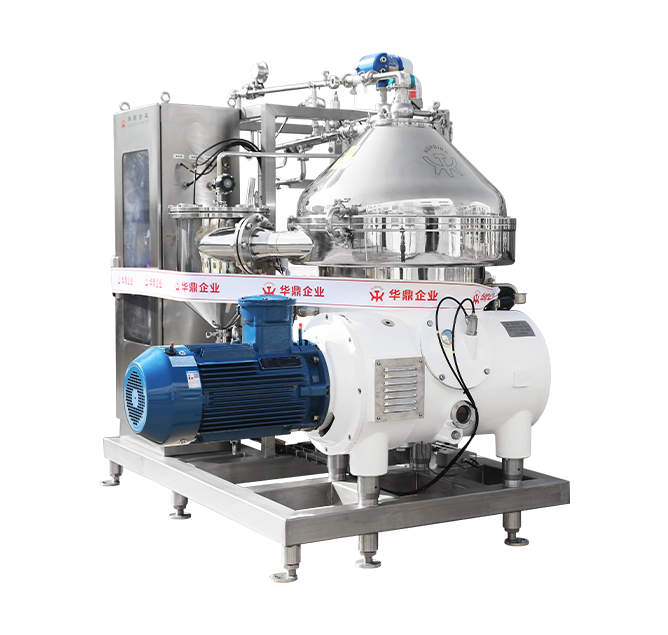
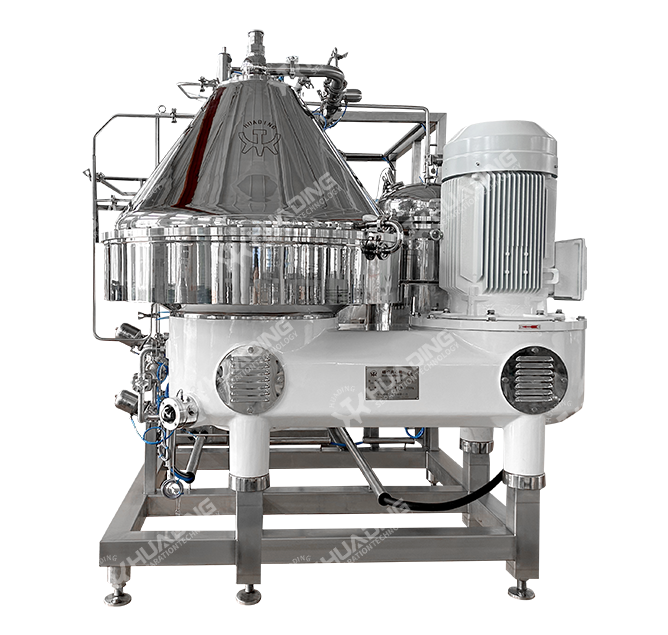
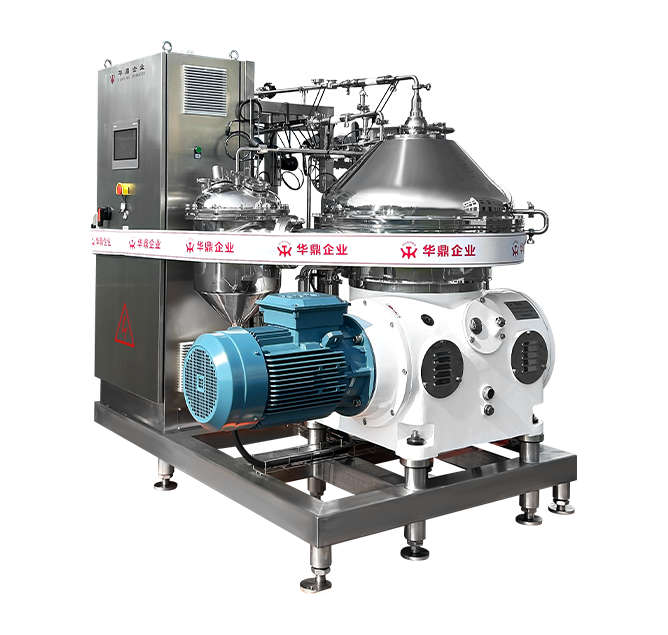
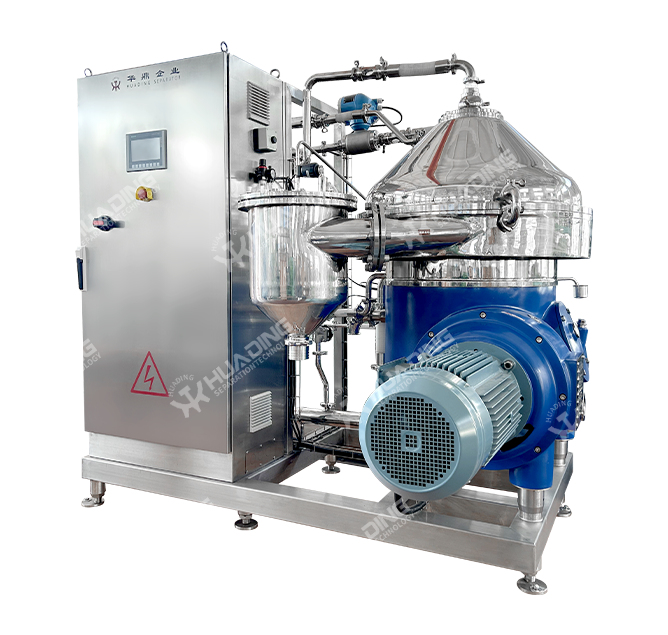
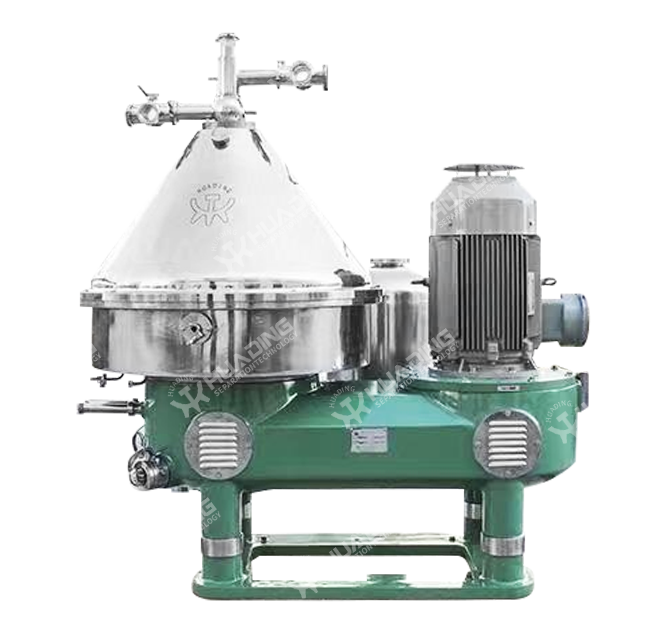
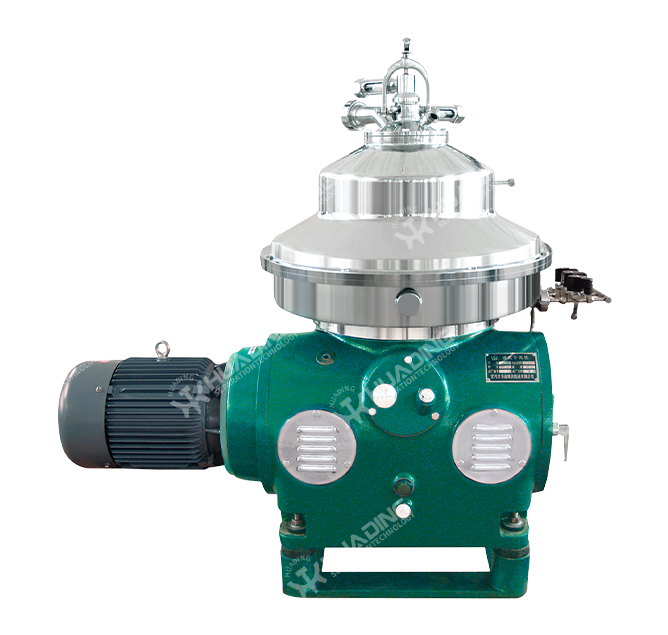
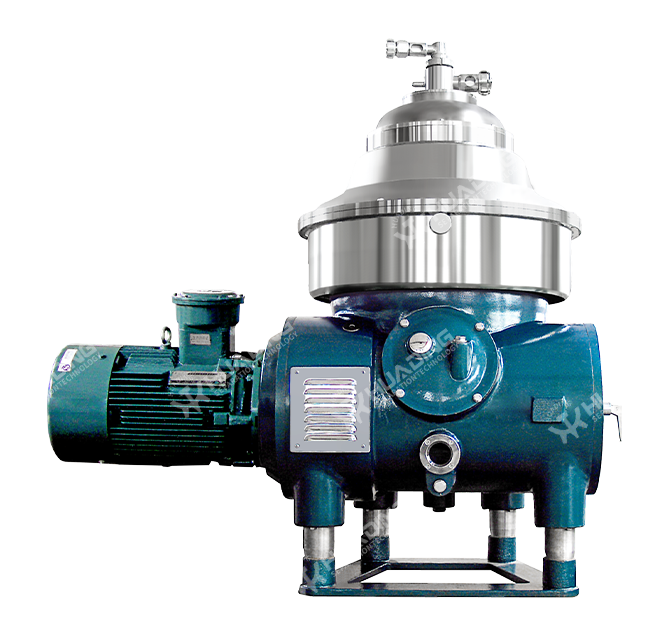
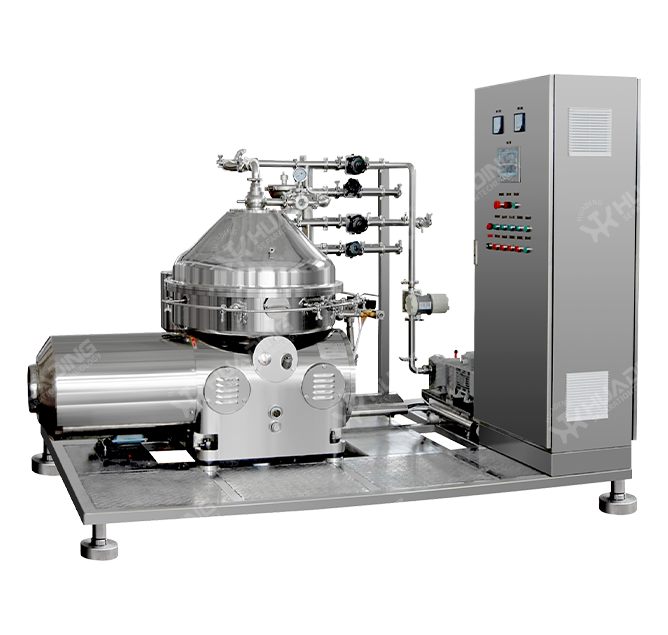
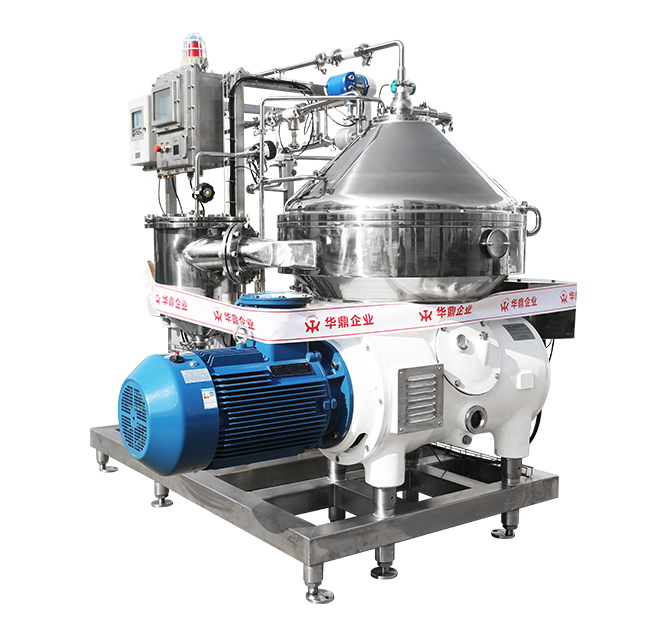
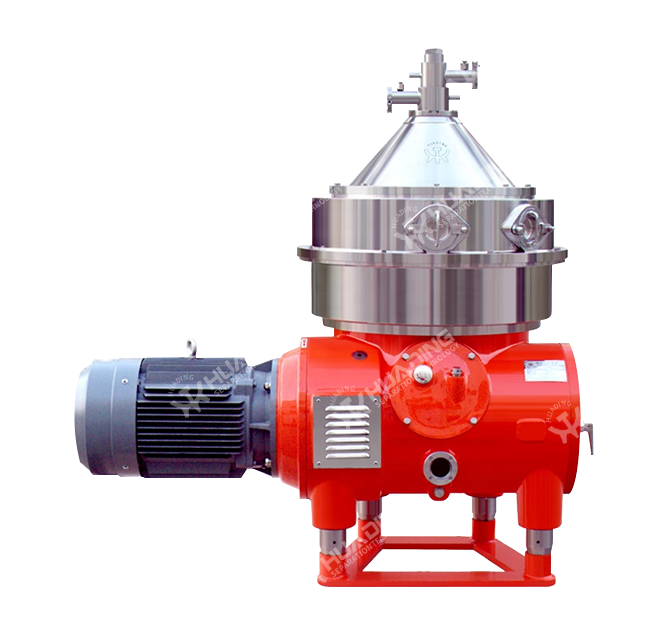
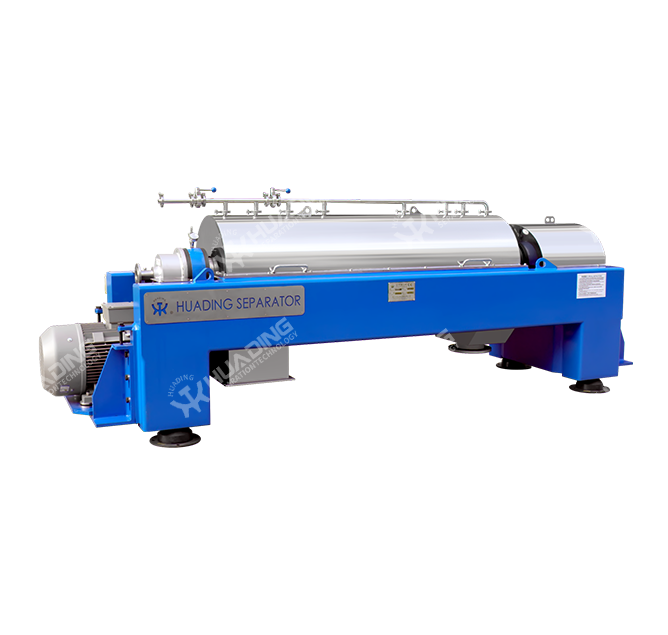
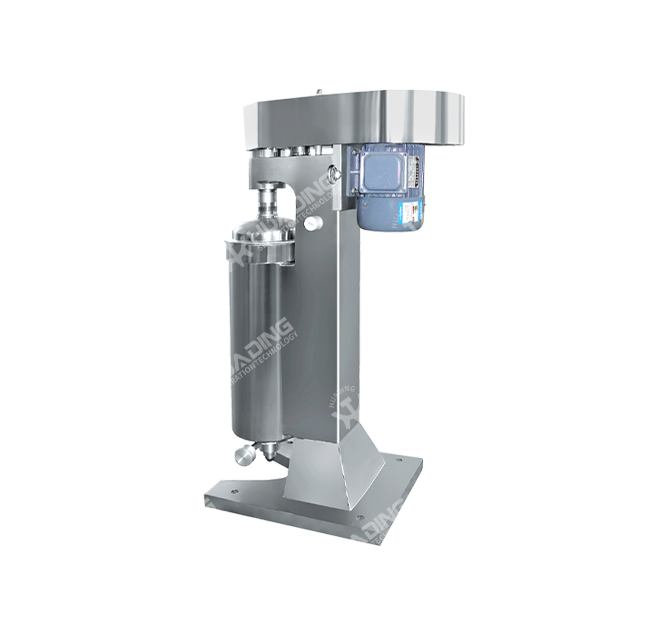
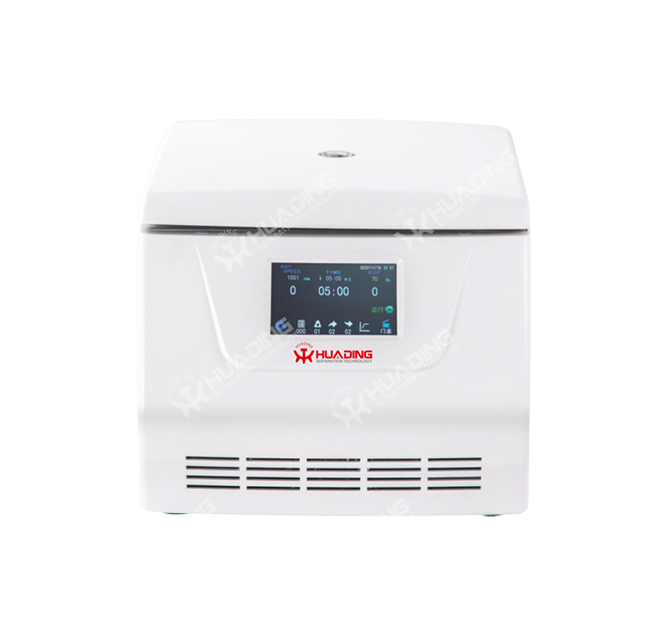
Milk skimmer
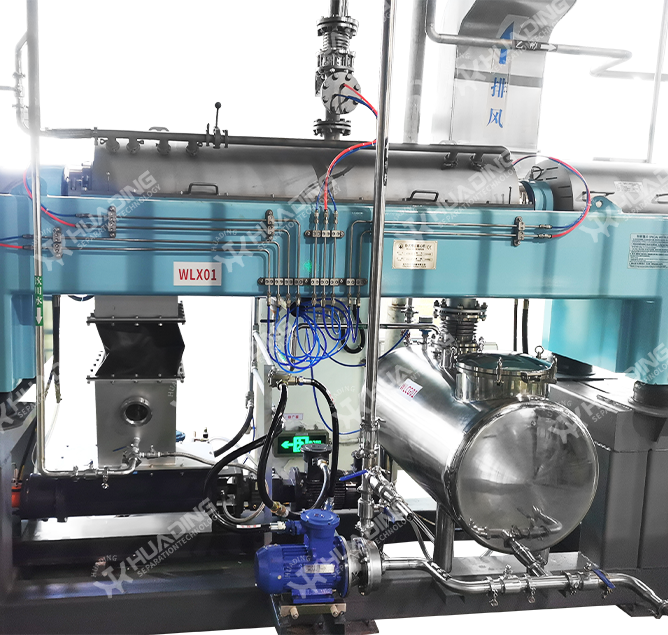
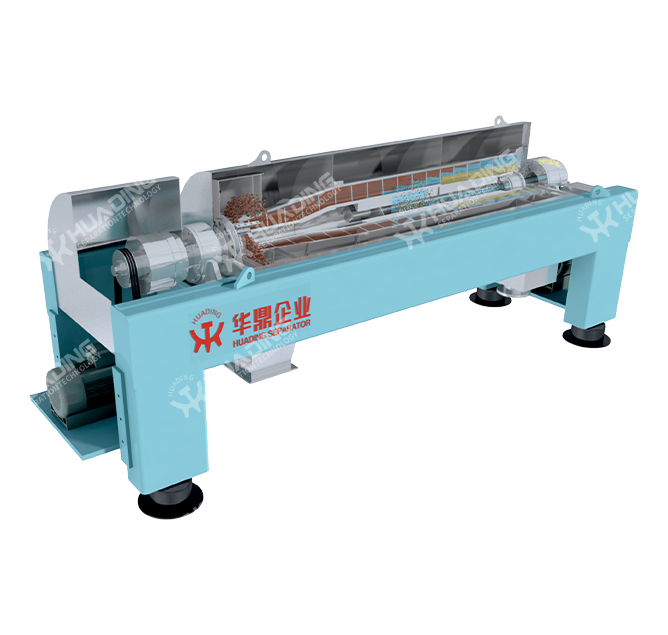
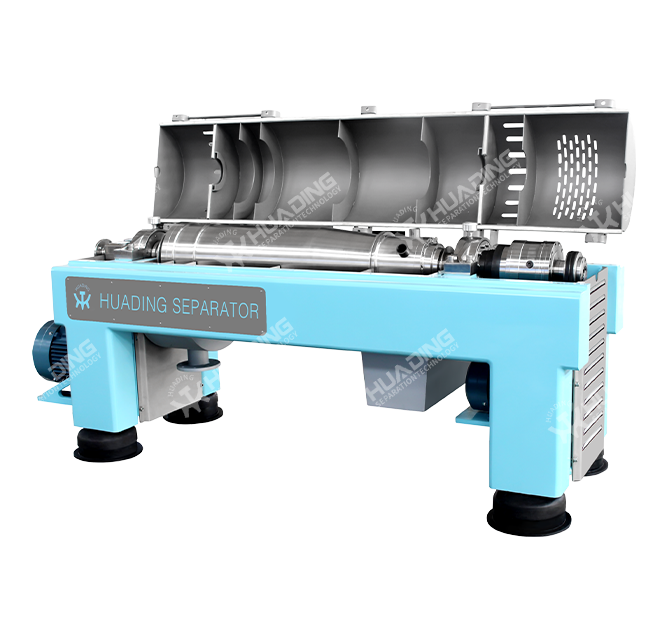
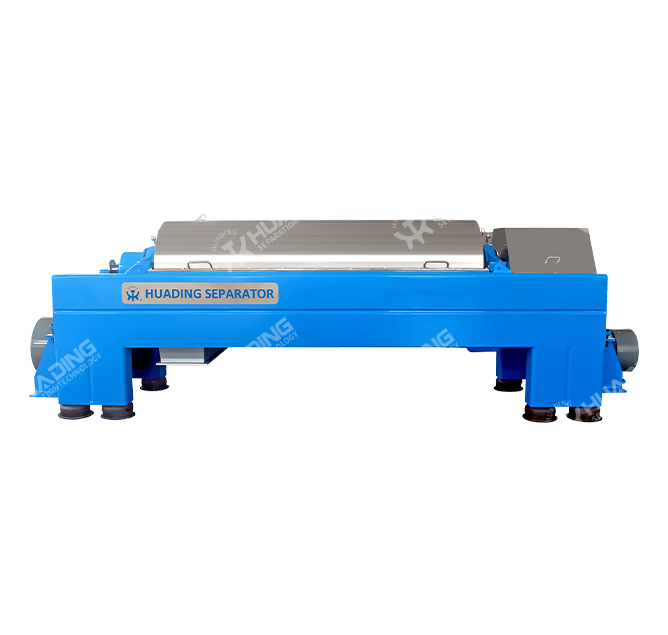
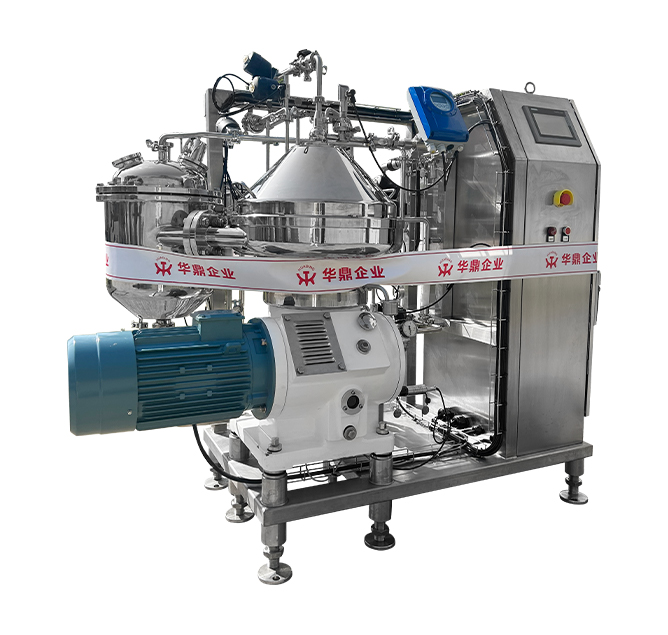
Huading centrifugal skimmer utilizes the density difference of different compone...
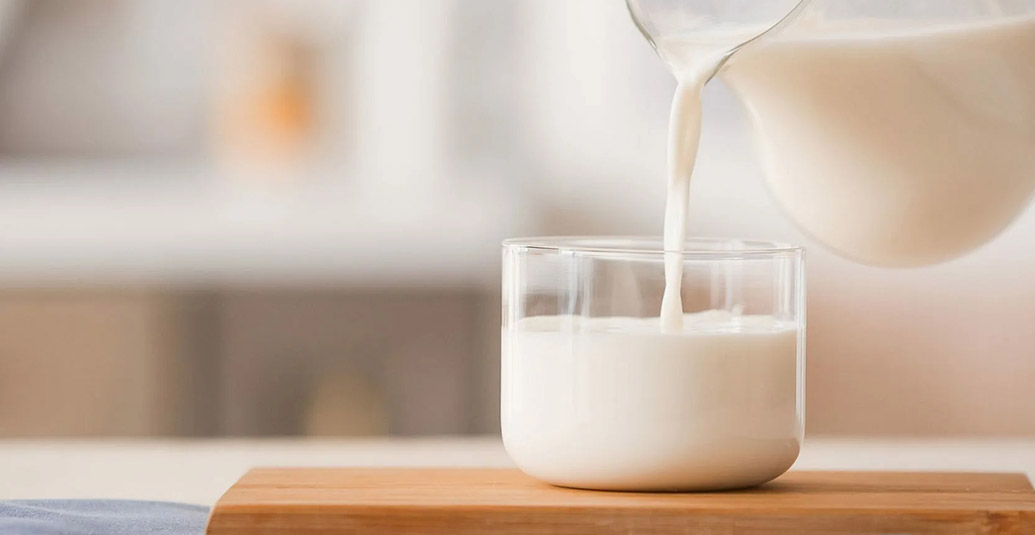
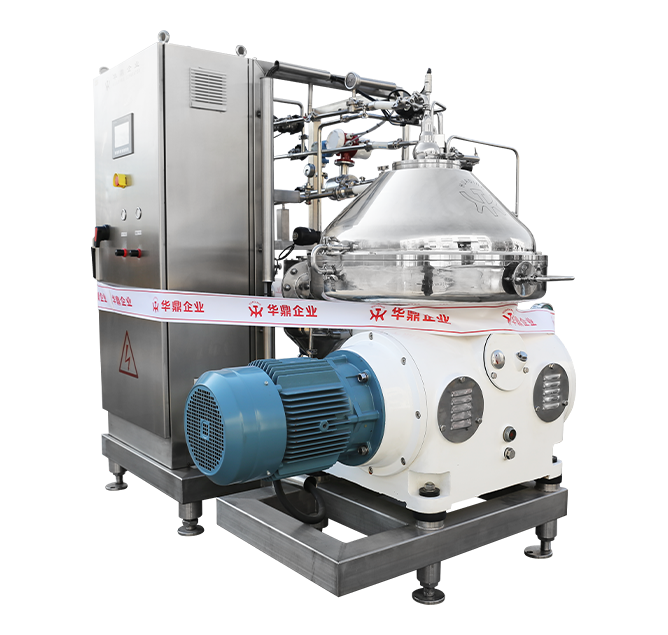
Diary Disc Centrifuge is a continuous centrifuge that can process large volumes of liquid, making it ideal for use in large-scale dairy processing plants. Huading Diary Disc Centrifuge is a high-efficiency centrifugal separator that is widely used in the dairy industry for separating milk components, clarifying milk, and removing impurities. It is a continuous centrifuge that can process large volumes of liquid, making it ideal for use in large-scale dairy processing plants.


Huading Diary Disc Centrifuge can be used in a variety of applications in the dairy industry, including:
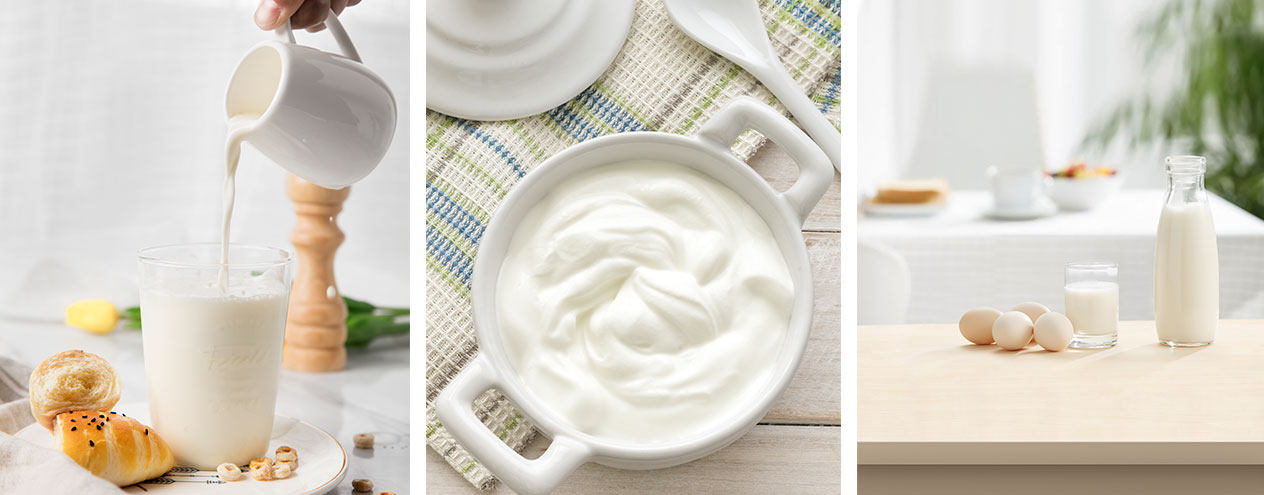
Cream Separation
Clarification
Centrifuges remove impurities such as dirt, bacteria, and somatic cells from milk, improving its quality and shelf life. This clarification process enhances the overall cleanliness and safety of the milk.
Standardization
Centrifuges enable dairies to precisely control the fat content of various milk products, ensuring consistency and meeting specific consumer preferences.
Whey Separation
Centrifuges separate whey from curd during cheese production. Whey, a valuable byproduct, is further processed into whey protein concentrate, whey protein isolate, and other products.
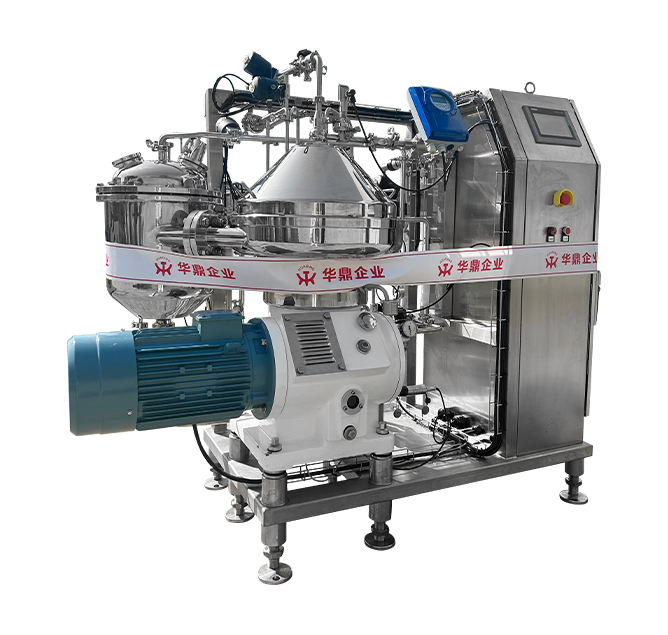
Huading centrifugal skimmer utilizes the density difference of different compone...
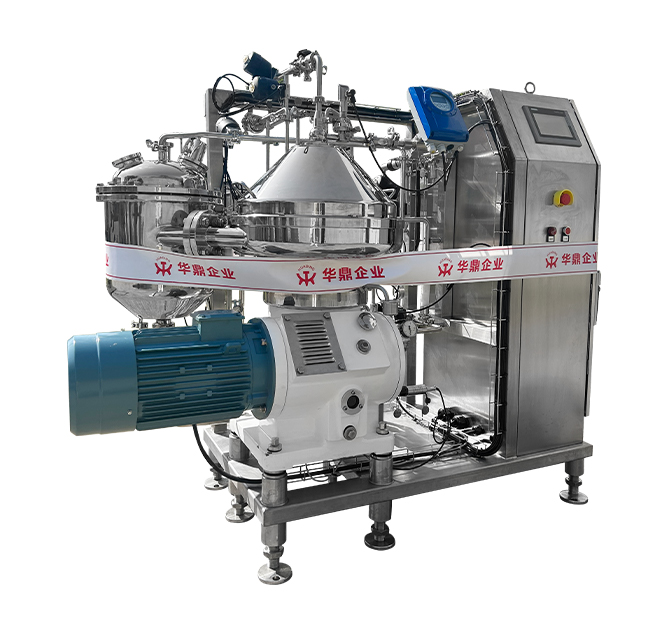
Our high-performance Milk Clarifier is a cornerstone of modern dairy and food pr...
Our industrial-grade Milk Bactofuge is a specialized centrifugal separator desig...
Vegetable Oil Separator Manufacturing: Structural Design, Capacity Selection and Quality Control As a manufacturer producing Vegetable Oil Separator equipment for edible oil processing, food production and industrial oil recovery lines, our factory designs each separator around ...
READ MOREChoosing the Right Decanter Centrifuge for Your Production Line Selecting a suitable decanter centrifuge involves far more than comparing bowl diameter or motor power. As a factory engaged in daily manufacturing and testing of decanter centrifuges, our engineering team evaluate...
READ MOREIn modern industrial manufacturing, energy extraction, food processing, and environmental engineering, the efficient separation of multiphase fluid mixtures has always been a core link determining production efficiency and product purity. With the continuous improvement of proces...
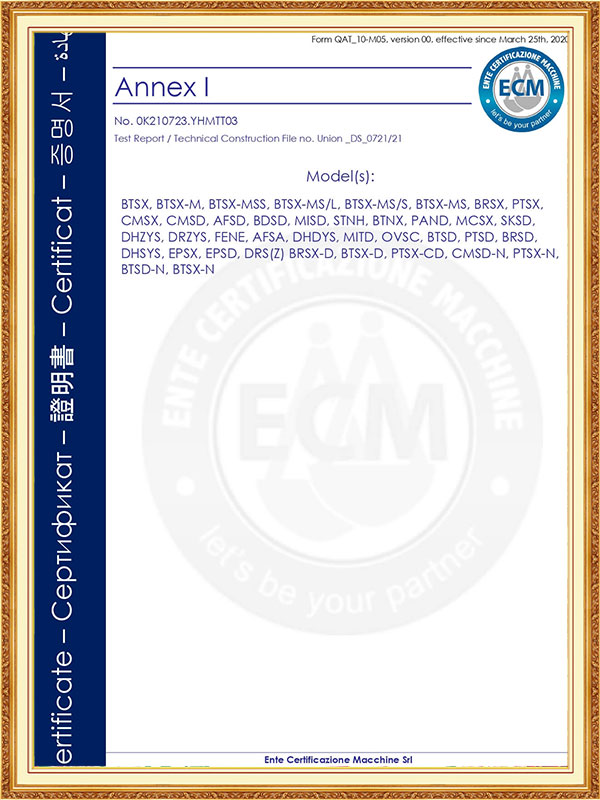
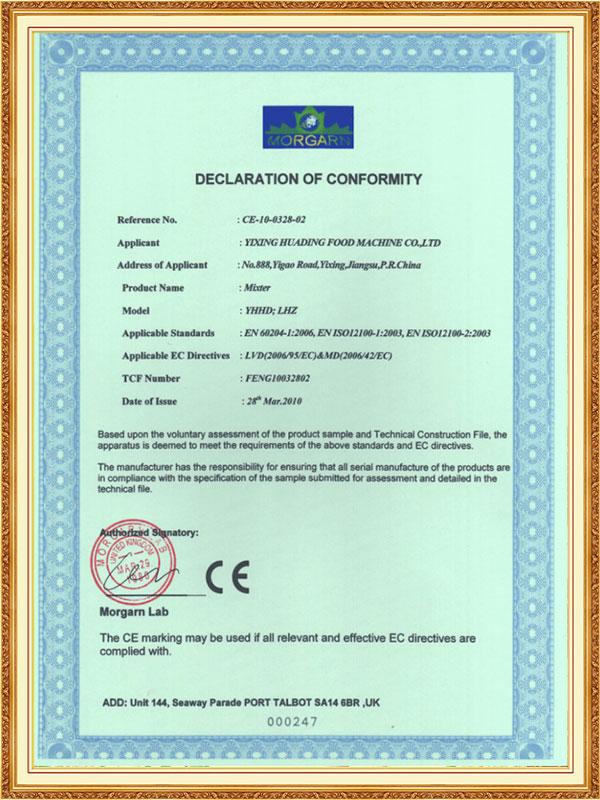
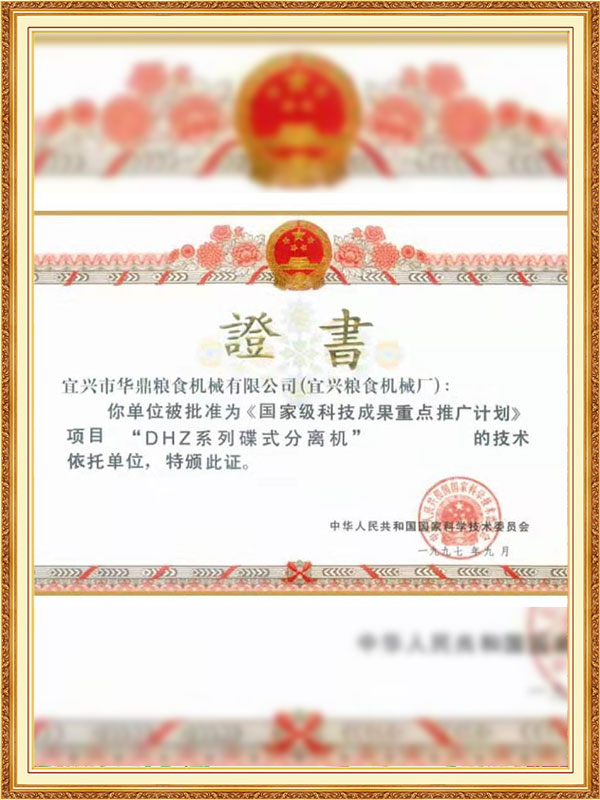
READ MOREA dairy disc centrifuge is a highly efficient, continuous separation device widely used in the clarification, separation, and concentration of dairy products such as milk, whey, and cream. Its core operating principle is to rapidly separate substances of varying densities by utilizing differences in centrifugal force. Since its establishment in 1954, Yixing Huading Machinery Co., Ltd. has leveraged its core technologies in clarification, purification, and concentration to continuously provide professional disc centrifuge solutions to the dairy industry, helping manufacturers improve production efficiency and product quality.
The main components of a disc centrifuge include a high-speed rotating drum, a disc stack, a feed system, and liquid and residue removal systems. Once dairy products enter the centrifuge, the high-speed rotation of the drum and the densely packed disc stack generate powerful centrifugal forces. Due to the differences in density between milk fat, whey protein, and whey, the centrifugal force forces the milk fat particles toward the central axis of the drum, while the heavier whey and impurities are discharged toward the periphery, effectively separating the liquid and solid phases. Huading Separator's dairy disc centrifuge features a precisely designed disc stack structure, significantly increasing separation area and processing capacity while maintaining the sensory quality and nutritional content of dairy products. By adjusting the speed, disc angle, and material flow pattern, operators can optimize separation for different dairy ingredients (such as whole milk, skim milk, and yogurt emulsion).
In industrial production, Huading's disc centrifuges enable continuous operation, reducing manual intervention and ensuring product stability. The equipment's flexible discharge system allows for manual or automatic discharge based on the particle characteristics of the dairy product. This design not only improves production efficiency but also extends equipment life. Dairy manufacturers can leverage Huading's specialized centrifugal equipment to efficiently perform a variety of processes, including milk fat separation, whey protein concentration, and cream dehydration, meeting the requirements of diverse product formulations and quality standards.
In addition, Huading Separator's disc centrifuges offer significant advantages in energy consumption, ease of maintenance, and system integration. The equipment's integrated intelligent control system monitors speed, temperature, flow rate, and vibration in real time, ensuring the stability of the continuous production process. By seamlessly integrating with other plant production units (such as pasteurization, dairy homogenization, and storage systems), companies can build efficient and controllable dairy production lines. Huading's design philosophy emphasizes "efficiency, robustness, and reliability," a philosophy reflected not only in equipment performance but also in its comprehensive support for customer process optimization.
|
Parameter |
Unit |
Laboratory Model |
Pilot Model |
Industrial Model |
|
Capacity |
L/H |
500 |
5,000 |
90,000 |
|
Rotational Speed |
RPM |
8,000 |
6,000 |
4,500 |
|
Disc Stack Number |
pcs |
20 |
50 |
100 |
|
Separation Efficiency |
% |
85 |
92 |
95 |
|
Feed Type |
- |
Milk, whey |
Milk, cream |
Milk, cream, whey |
|
Automatic Discharge |
- |
No |
Partial |
Full |
During dairy production, when disc centrifuges separate products like milk, whey, and cream, milk fat, protein precipitates, or other trace impurities may accumulate inside the equipment. Failure to clean the disc centrifuge promptly or thoroughly can not only affect separation efficiency but also degrade the quality of the dairy products. Since its establishment in 1954, Yixing Huading Machinery Co., Ltd. (Huading Separator) has leveraged its core technologies in clarification, purification, and concentration to provide professional disc centrifuges and system solutions for the dairy industry. We also offer efficient cleaning methods for our equipment, ensuring a hygienic, safe, and efficient production process.
Cleansing methods for dairy disc centrifuges can be primarily categorized into three types: manual cleaning, semi-automatic cleaning, and fully automatic CIP (Clean-In-Place) cleaning. Each method has its own unique operational procedures, applicable scenarios, and efficiency.
Manual Cleaning
Manual cleaning is typically suitable for laboratory or small-scale processing equipment. During this process, the operator must first shut down the machine, disassemble key components (such as the drum, disc stack, and slag discharge device), and scrub or soak them with warm water, detergent, or disinfectant to ensure complete removal of any residue. Huading Separator's laboratory disc centrifuges are designed for easy assembly and disassembly, allowing operators to quickly complete cleaning while minimizing damage to equipment components.
Advantages: Suitable for low-volume equipment and flexible operation.
Disadvantages: High labor intensity, low cleaning efficiency, and a tendency to incomplete cleaning.
Semi-Automatic Cleaning
Semi-automatic cleaning typically incorporates the equipment's own drainage and spray systems, requiring the operator to perform partial disassembly or control the cleaning process. Huading Separator has introduced a semi-automatic cleaning function in its dairy disc centrifuges. The equipment provides a preliminary cleaning of the drum and material channel by setting the cleaning cycle and flushing pressure. This method is suitable for medium-sized or medium-volume equipment and can significantly improve production line downtime utilization.
Advantages: Reduced manual labor and higher efficiency than manual cleaning. Disadvantages: Manual intervention is still required, and the cleaning effect on complex areas is limited.
Fully Automatic Clean-In-Place (CIP) Cleaning
Fully automatic CIP cleaning is the most commonly used method in modern dairy production, especially for industrial production lines. Huading Separator's disc centrifuges can be seamlessly integrated with the CIP system, enabling continuous, automated cleaning without disassembly. The CIP system effectively flushes and disinfects the drum, disc stack, feed pipe, and slag discharge system by controlling the temperature, pressure, flow rate, and concentration of the cleaning fluid, ensuring the equipment is back in production in a short time.
Advantages:
Through cleaning, effectively removing milk fat and protein deposits.
Reduces labor costs and improves production efficiency.
Integrates with the production process, reducing downtime.
Disadvantages: High equipment investment and system maintenance costs, making it not necessarily economical for small or low-volume equipment. Huading Separator's disc centrifuges are designed with the dairy industry's stringent hygiene and efficiency requirements in mind. By optimizing the internal structure of the bowl, adding cleaning liquid spray ports, and providing fluid circulation paths, they achieve efficient and repeatable CIP cleaning. Furthermore, the equipment's intelligent control system monitors cleaning parameters such as temperature, flow rate, and pressure in real time, ensuring that each cleaning process meets food safety standards.
The following table compares the parameters of three common cleaning methods for dairy plants to consider when selecting equipment and designing cleaning solutions:
|
Cleaning Method |
Applicable Model |
Cleaning Time |
Labor Requirement |
Cleaning Efficiency |
Equipment Integration |
Notes |
|
Manual Cleaning |
Lab / Small |
60-120 min |
High |
Medium |
Low |
Requires disassembly, labor-intensive |
|
Semi-Automatic Cleaning |
Pilot / Medium |
30-60 min |
Medium |
High |
Medium |
Partial automation, suitable for medium-scale production |
|
CIP (Clean-In-Place) |
Industrial / Large |
10-30 min |
Low |
Very High |
High |
Full automation, integrates with production line, high hygiene |
During high-speed rotation, dairy disc centrifuges require isolation of material, gas, and lubricant to prevent leakage, contamination, and energy loss. Depending on the fluid properties, rotational speed, and processing volume, Huading Separators typically employ mechanical seals and gas-lubricated seals.
Mechanical Seal
Mechanical seals are the most commonly used sealing method in dairy centrifuges, primarily used at the feed and discharge ports, and at the bowl bearing ends. Mechanical seals utilize a precise combination of springs, rotating rings, and stationary rings to create a stable sealing interface at high speeds, preventing dairy product leakage and air from entering the equipment.
The design of the Huading Separator's mechanical seal considers the following key factors:
Material Selection: The sealing ring is typically made of wear- and corrosion-resistant ceramic or silicon carbide to withstand the long-term wear and tear of the protein and milk fat in dairy products.
Low-friction design: By optimizing the seal surface gap and pressure distribution, frictional heat generation is reduced, ensuring long-term continuous operation.
Hygiene requirements: The mechanical seal surface is smooth, free of dead spots, and easily cleaned (CIP), meeting food safety standards for dairy production.
Mechanical seals offer the advantages of a mature structure and reliable sealing, making them particularly suitable for small and medium-sized dairy disc centrifuges. However, when operating at high speeds or processing high-solids dairy products, mechanical seals may require regular maintenance due to friction and wear. Huading Separator's standard models are designed for easy assembly and disassembly and optimized service life, making maintenance simple and efficient.
Gas-Lubricated Seal
For large or industrial-scale, high-volume dairy disc centrifuges, Huading Separator typically utilizes a gas-lubricated seal. This system creates a non-contact seal by forming an air film between the seal surfaces, reducing mechanical wear and extending equipment life.
Features of gas-lubricated seals include:
Non-contact design: The sealing surfaces do not come into direct contact, resulting in near-zero friction and suitable for high-speed, continuous operation. High Reliability: Maintains a long-term, stable seal during high-flow dairy processing, reducing the risk of leakage.
Reduced Energy Consumption: Low air film friction helps minimize power loss during high-speed drum rotation.
The Huading Separator's gas-lubricated seal also incorporates an intelligent monitoring system that monitors seal pressure and temperature changes in real time, ensuring safe equipment operation. It also facilitates integration with CIP cleaning systems, enabling continuous and automated industrial production.
The Application Value of Sealing Systems in Dairy Production
Sealing systems not only ensure equipment safety and efficiency but also directly impact dairy product quality. For example, during milk or whey separation, sealing systems prevent air ingress, reducing milk fat oxidation and protein denaturation, ensuring stable color, taste, and nutritional content in the separated products. The Huading Separator's design philosophy emphasizes "efficiency, robustness, and reliability." By rationally selecting seal types and optimizing seal structures, the dairy disc centrifuge maintains high separation efficiency and low maintenance costs during long-term continuous production. Furthermore, the Huading Separator's sealing system is highly compatible with the overall equipment design:
It supports various production capacities, ranging from 500 L/h for laboratory use to 90 ton/h for industrial use.
It is compatible with manual, semi-automatic, or fully automatic CIP cleaning, meeting the stringent hygiene and automation requirements of dairy plants.
It reduces vibration and noise during long-term operation, improving operator safety and comfort.
Copyright ©Yixing Huading Machinery Co.,Ltd. All Rights Reserved.
 OEM Diary disc centrifuge Manufacturers
