
 English
 русский
 Español
 عربى
عربى 中文简体
中文简体
WE ARE HAPPY TO SOLVE
PROBLEMS FOR CUSTOMERS
learn more >
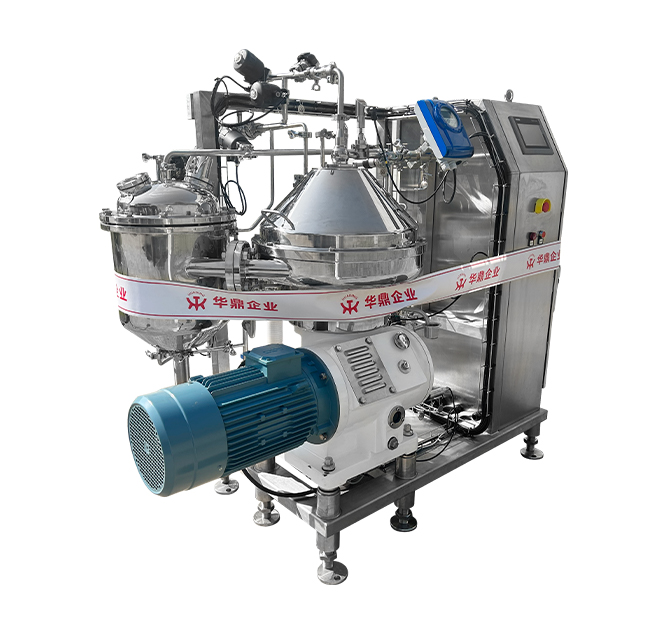
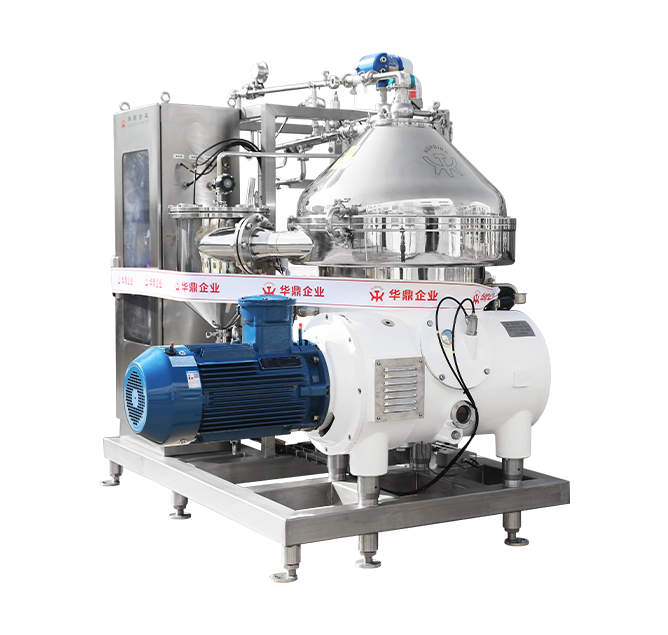
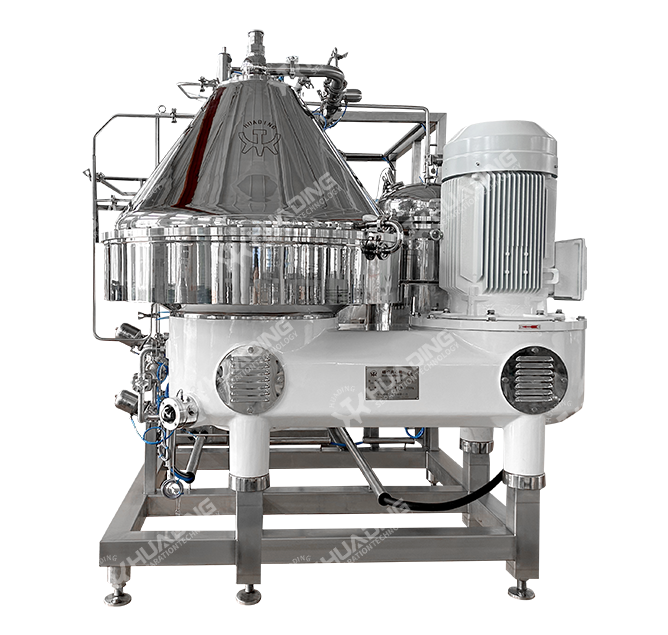
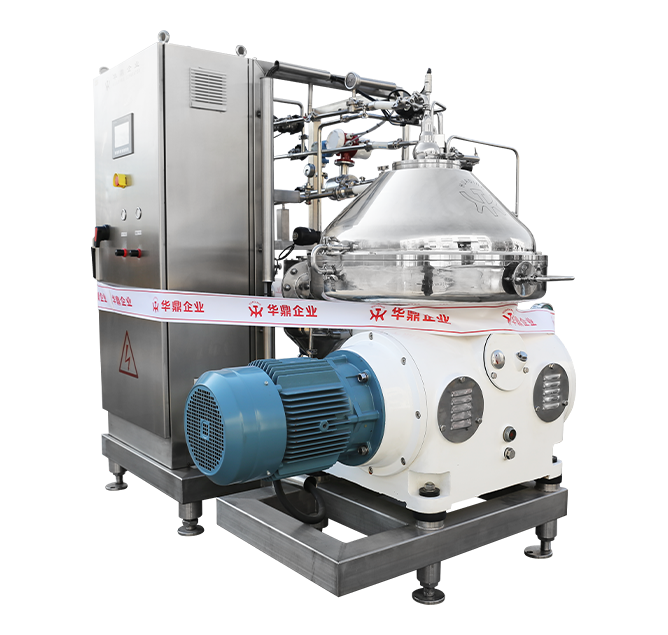
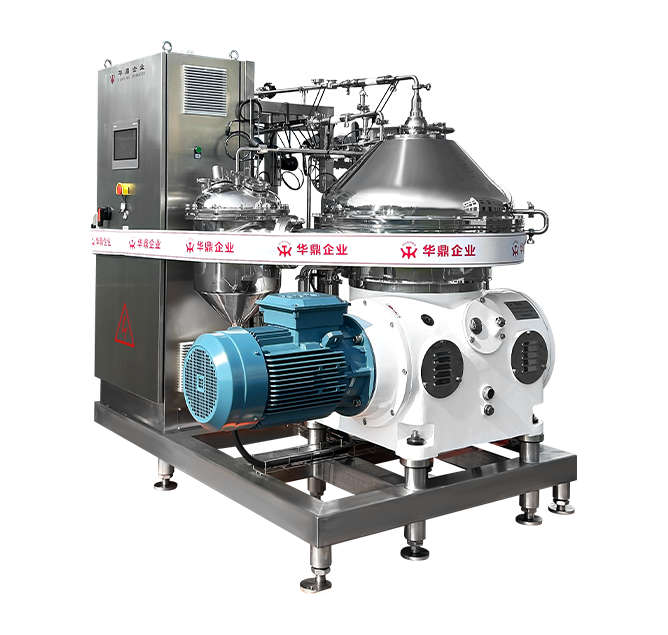
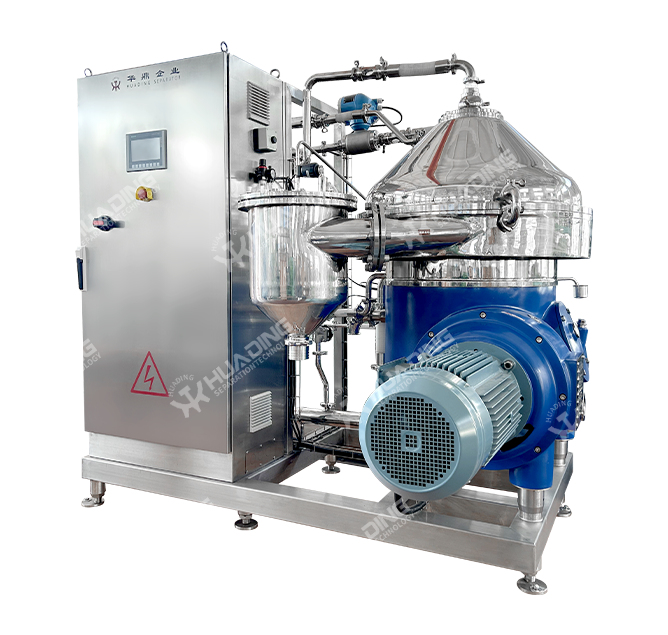
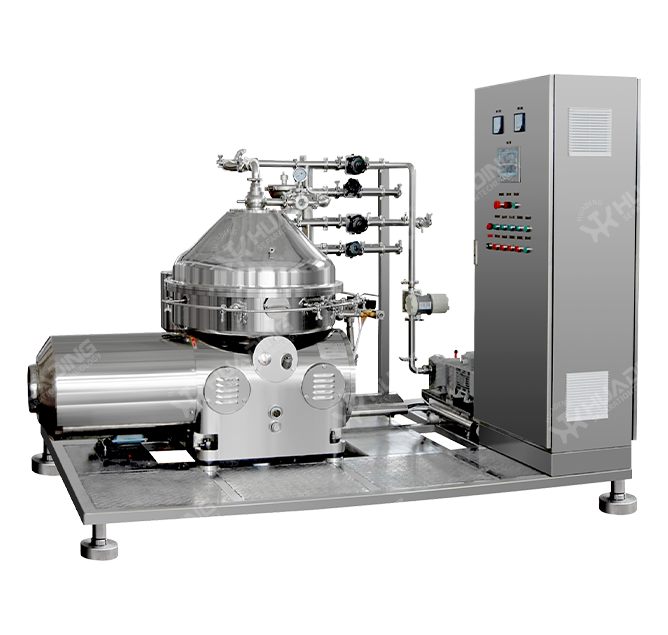
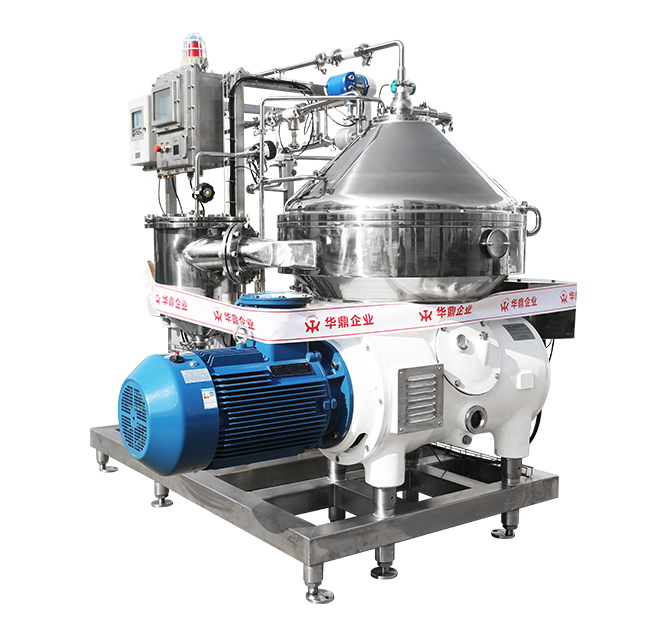
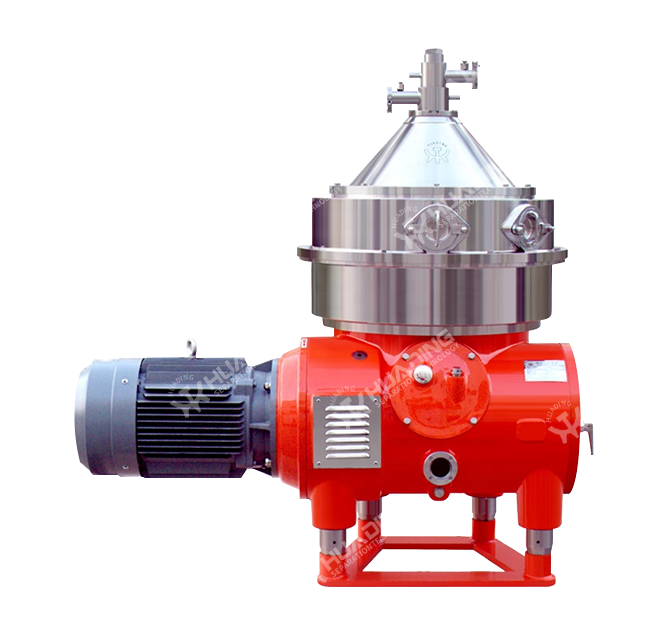
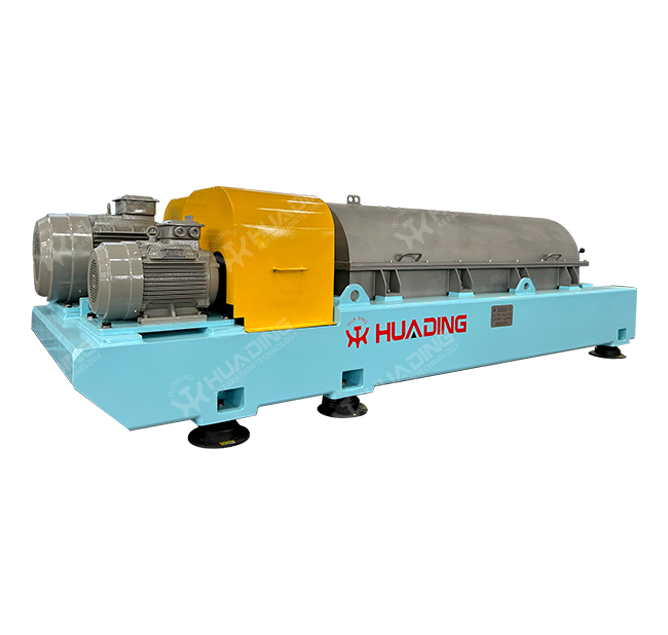
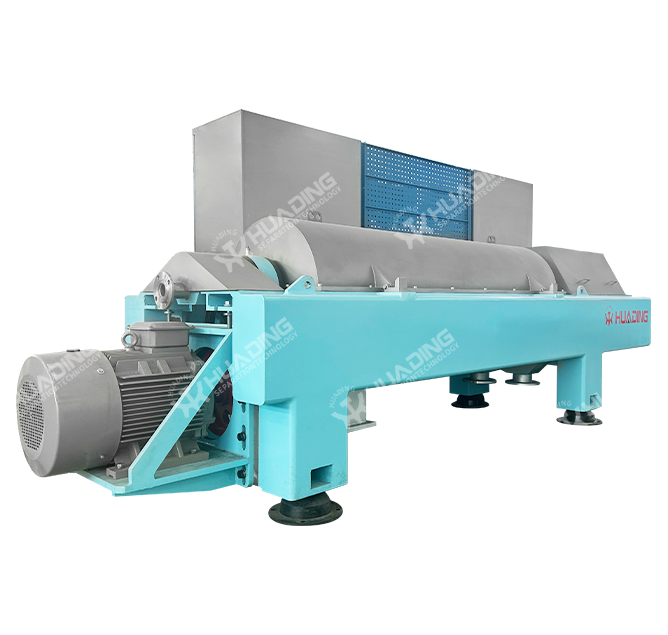
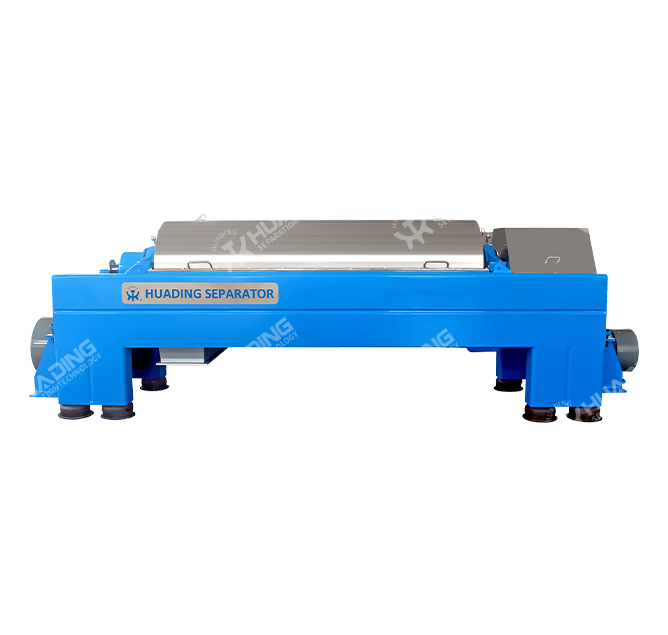
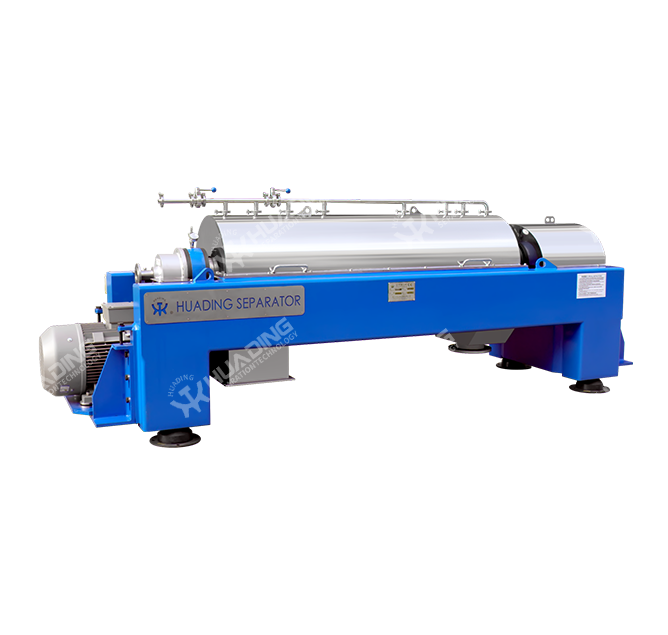
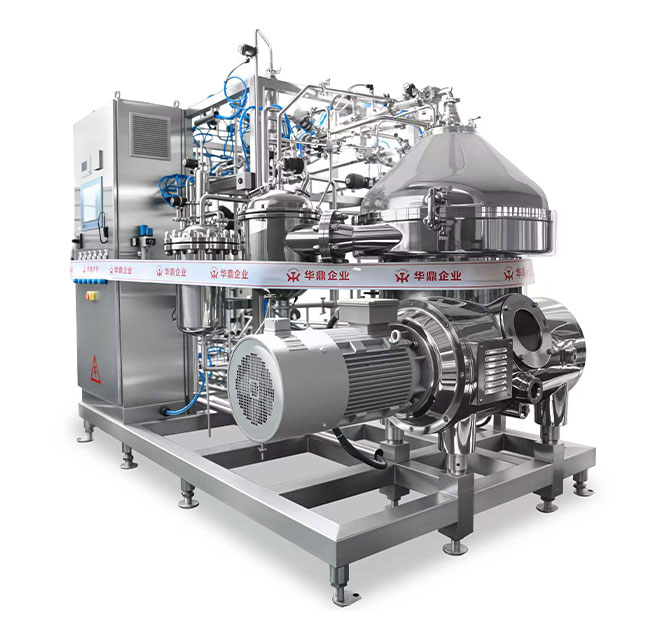
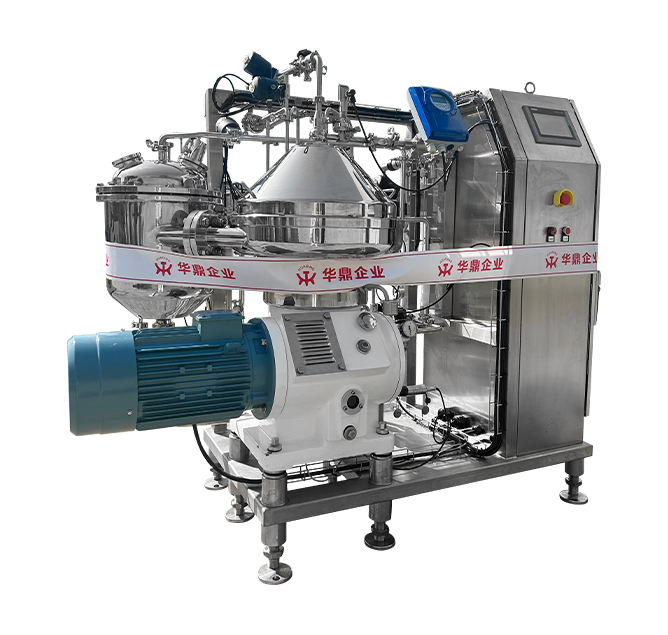
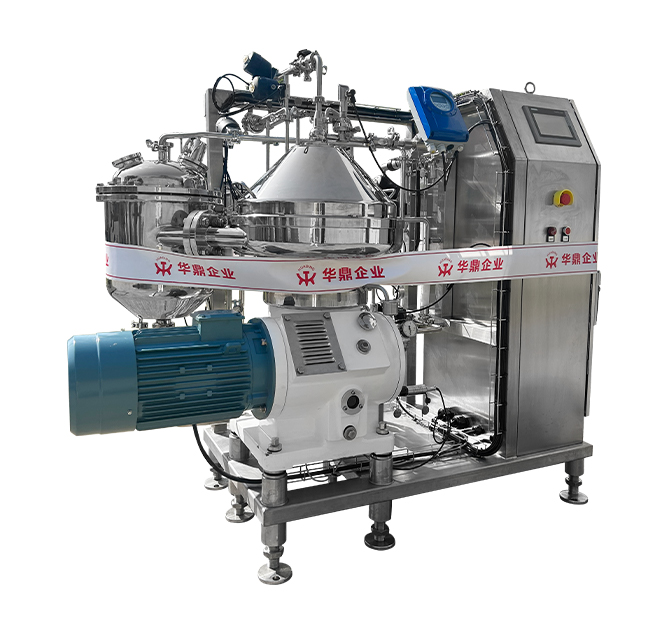
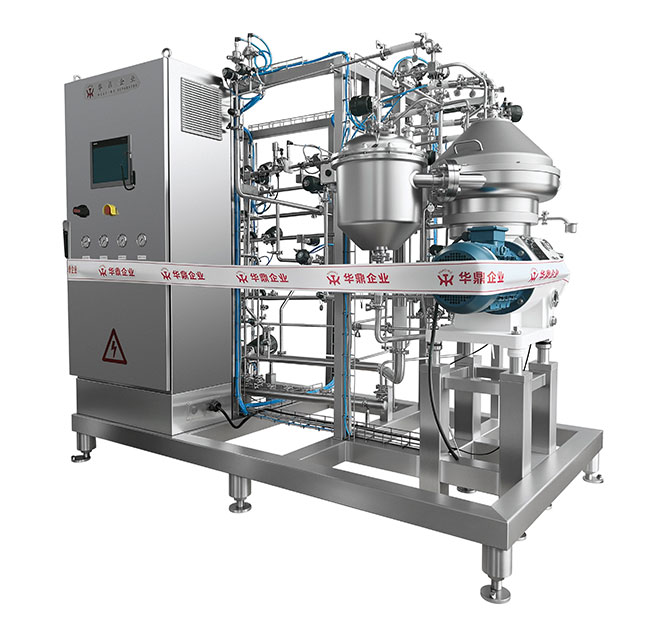
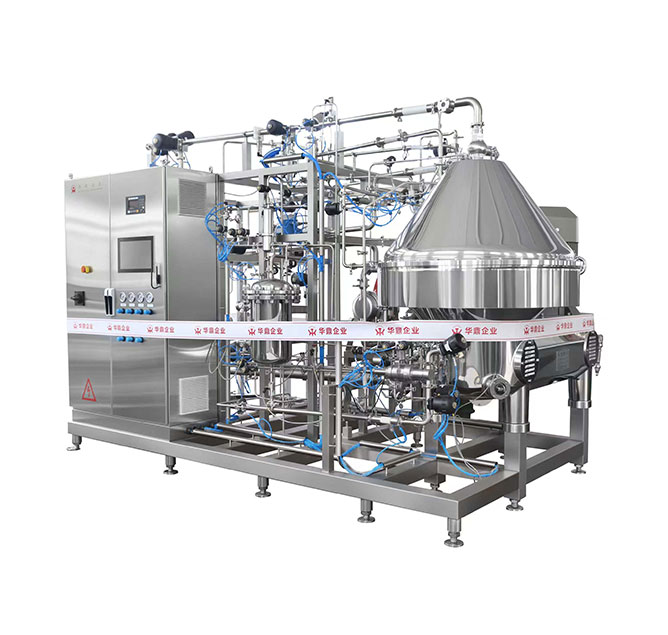
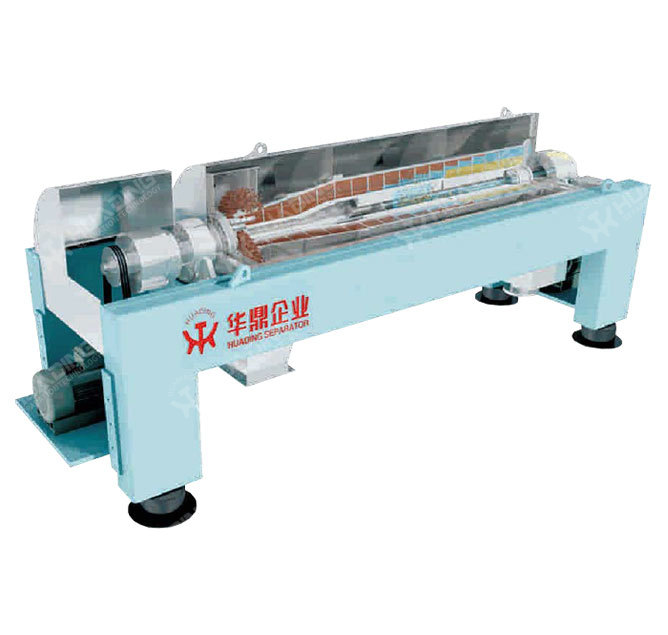
Selecting a suitable decanter centrifuge involves far more than comparing bowl diameter or motor power. As a factory engaged in daily manufacturing and testing of decanter centrifuges, our engineering team evaluates feed concentration, particle size distribution, viscosity, and required cake dryness before recommending a horizontal decanter centrifuge bowl configuration. Understanding what is decanter centrifuge technology in practical terms means recognizing that no two applications are identical, and equipment sizing should always be based on actual sample testing rather than catalog assumptions.
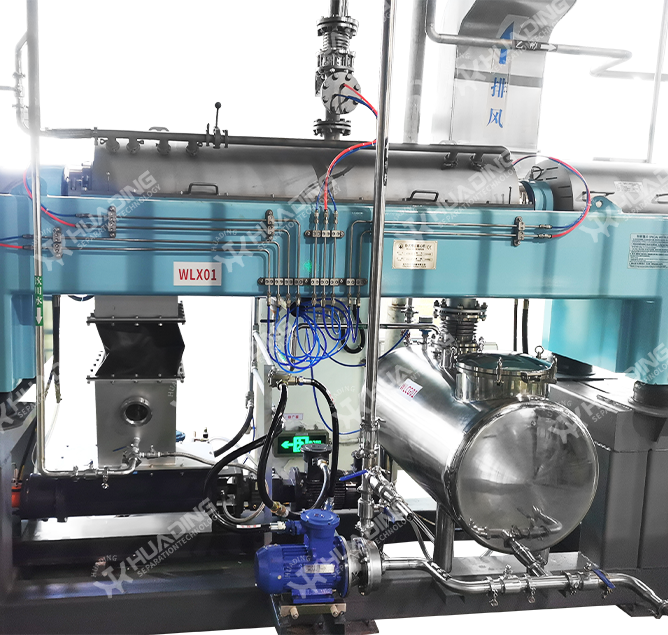
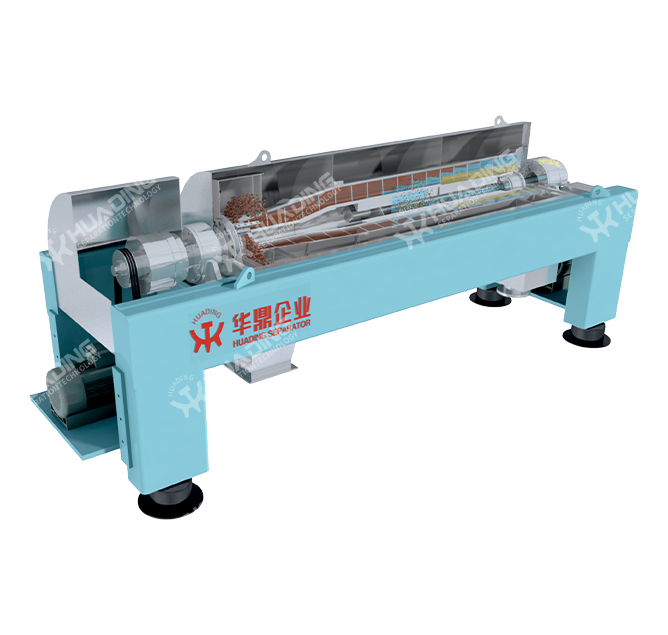
Feed rate stability plays a decisive role in how does a decanter centrifuge work under continuous operating conditions. Fluctuating feed flowrate causes uneven layer thickness inside the horizontal decanter centrifuge bowl, which in turn reduces separation efficiency and increases wear on the conveyor screw. Our production facility addresses this by integrating variable frequency feed pumps with each decanter centrifuges unit shipped from the workshop, allowing operators to fine-tune throughput according to real-time density readings.
| Parameter | 2 Phase Decanter Centrifuge Separator | 3 Phase Decanter Centrifuge Separator |
| Bowl Speed | 2000 – 4500 rpm | 3000 – 6000 rpm |
| Separation Factor | 1500 – 3000 G | 2000 – 3500 G |
| Output Streams | Solid + Liquid | Solid + Heavy Liquid + Light Liquid |
| Typical Capacity | 5 – 50 m³/h | 3 – 40 m³/h |
| Common Materials | Sludge, Starch, Vegetable Juice | Waste Cooking Oil, Oily Sludge, Palm Oil |
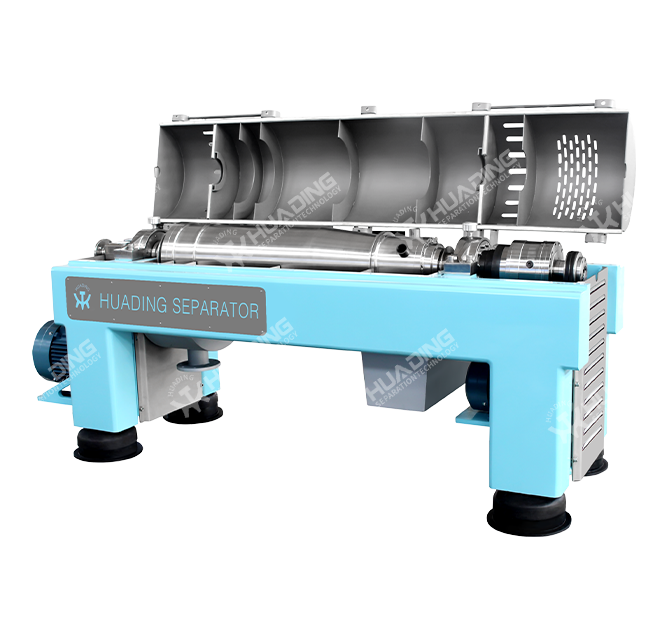
Our decanter centrifuges are engineered and tested across a wide range of processing environments before leaving the factory floor. Each horizontal decanter centrifuge bowl is dynamically balanced according to the specific density range of the target industry, ensuring consistent output from the first day of installation.
| Application Field | Recommended Configuration |
| Municipal & Industrial Sludge Dewatering | 2 Phase Decanter Centrifuge Separator |
| Vegetable Oil & Palm Oil Clarification | 3 Phase Decanter Centrifuge Separator |
| Starch & Protein Recovery | High-Speed Bowl with Long L/D Ratio |
| Drilling Fluid & Mining Slurry | Tungsten Carbide Reinforced Bowl |
| Fish Meal & Poultry By-product Processing | Duplex Stainless Steel Construction |
Every decanter centrifuge bowl produced in our workshop undergoes static and dynamic balancing tests, hydraulic pressure inspection, and a minimum 24-hour trial run before packaging. Material certificates for the bowl, screw conveyor, and main shaft are issued alongside each decanter centrifuge, giving operators full traceability of the components used in critical wear zones.
What is decanter centrifuge cake dryness typically achievable?
Cake dryness varies by material type, generally ranging from 65% to 85% moisture reduction for municipal sludge, and can reach lower moisture content for oil-bearing sludge when paired with polymer dosing.
How to maintain a decanter centrifuge during the first 100 hours of operation?
New units require an initial oil change in the gearbox after the first 100 operating hours, followed by visual inspection of the screw conveyor tips for early signs of scratching. Vibration readings should be logged during this period to establish a baseline for future condition monitoring.
How does a decanter centrifuge work with high-viscosity feed?
High-viscosity materials require a lower differential speed between the bowl and the screw conveyor, along with dilution water injection at the feed inlet to maintain flowability without compromising separation efficiency.
Copyright ©Yixing Huading Machinery Co.,Ltd. All Rights Reserved. Custom Centrifugal Separator Factory