Difference Between Tubular Centrifuge and Other Types of Centrifuges
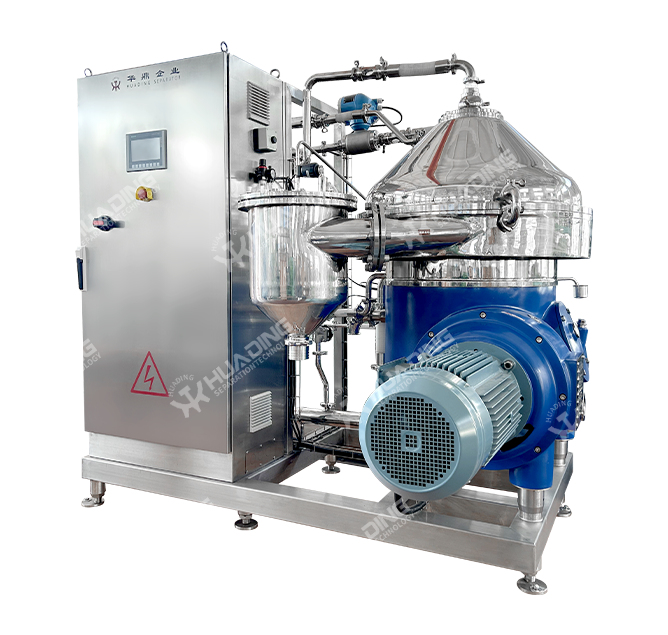
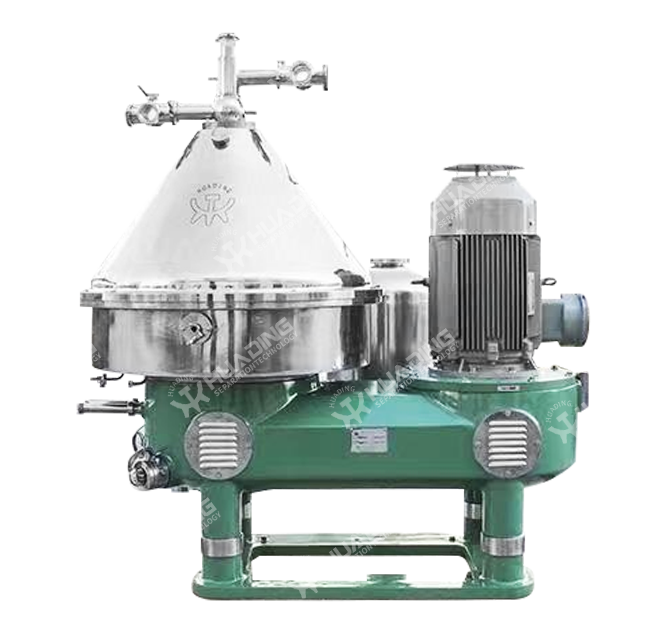
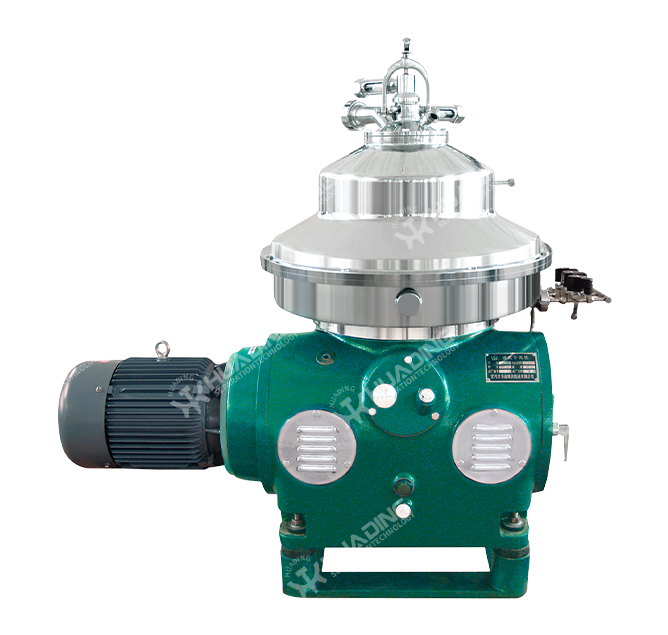
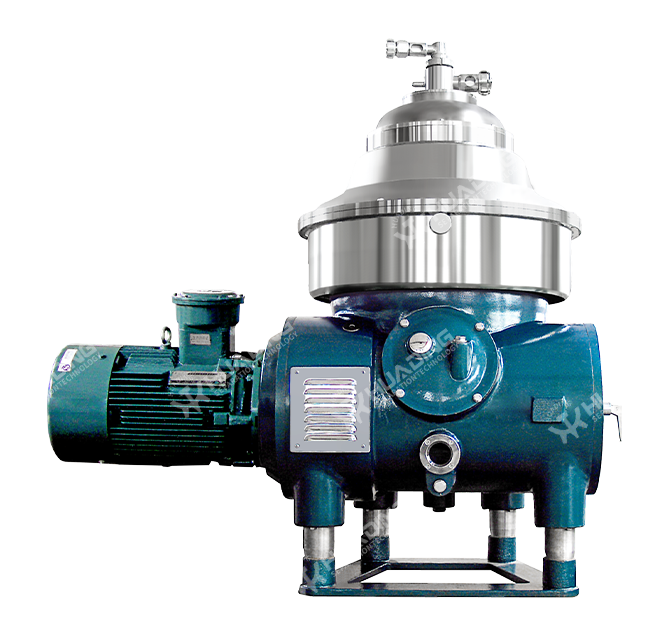
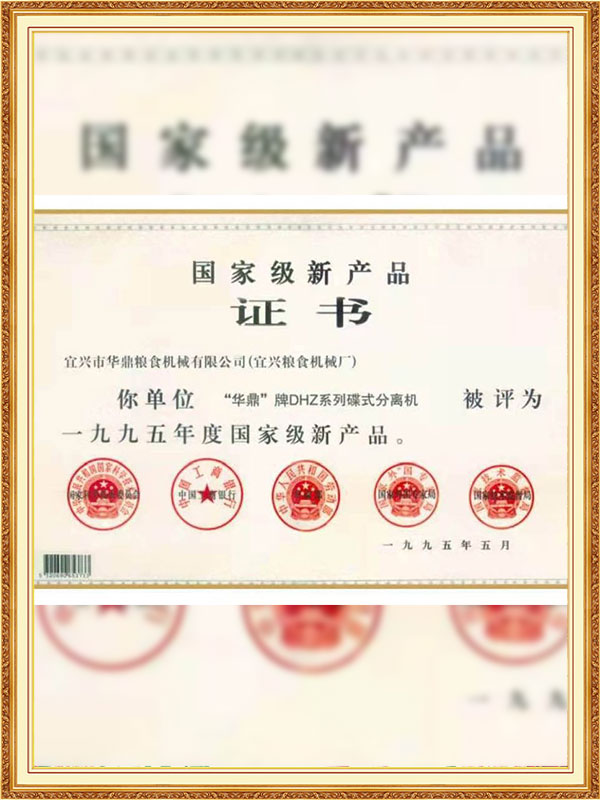
At Yixing Huading Machinery Co., Ltd. , we specialize in the design and manufacture of separation equipment, such as disc centrifuges and decanter centrifuges. With over 70 years of experience, we have gained extensive knowledge in the development of high-performance centrifugation technology tailored to a variety of industrial applications. Among the many types of centrifuges, tubular centrifuges are often compared with other popular variants like decanter centrifuges and disc stack centrifuges. To understand the advantages and unique features of each, it's crucial to explore their differences from both a technical and functional perspective.
Basic Structure and Design
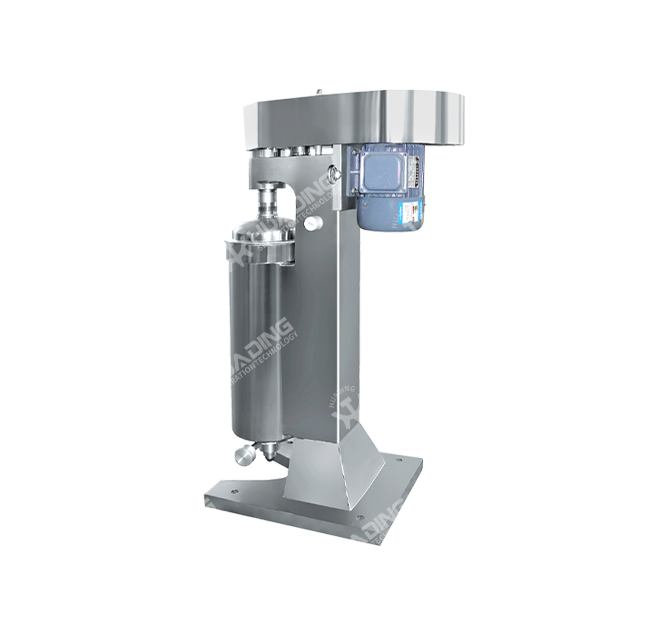
Tubular Centrifuge: Tubular centrifuges are characterized by their narrow cylindrical rotor. The rotor is typically a long, thin tube, which allows for high rotational speeds. The design maximizes the centrifugal force generated during operation, making it suitable for separating small quantities of solid particles from a liquid. Due to the smaller geometry, these centrifuges often handle low to medium-flow applications, making them ideal for laboratory-scale processes or specific industrial tasks like fine filtration.
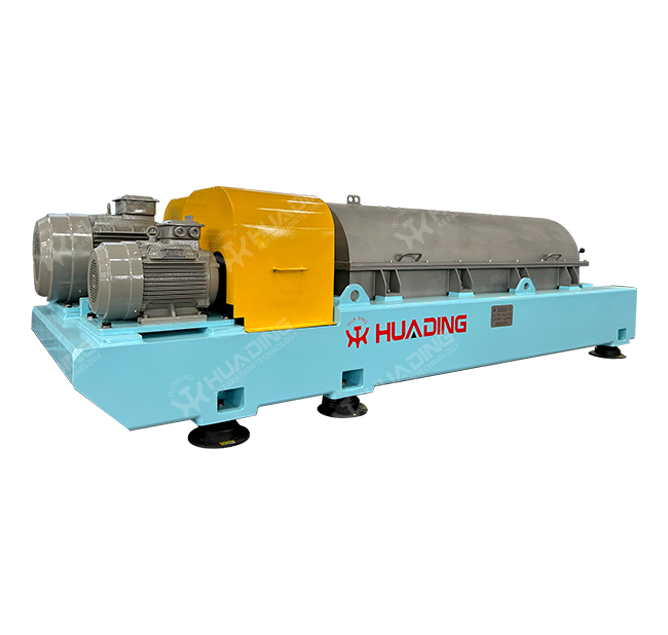
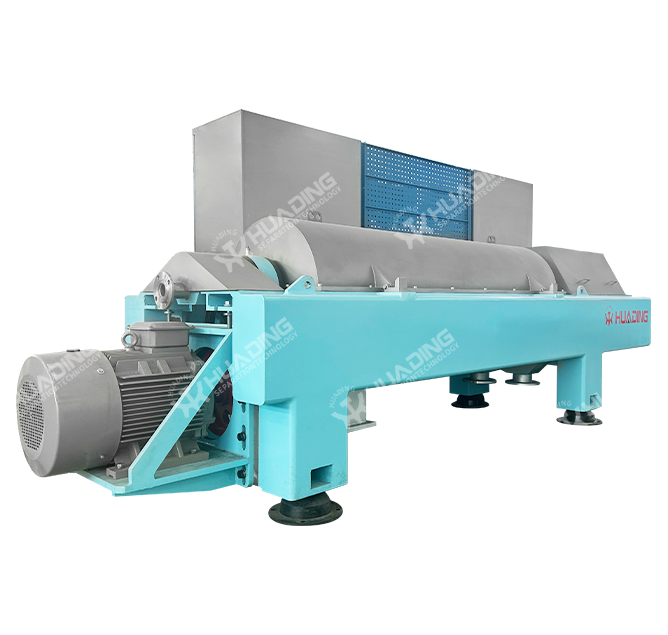
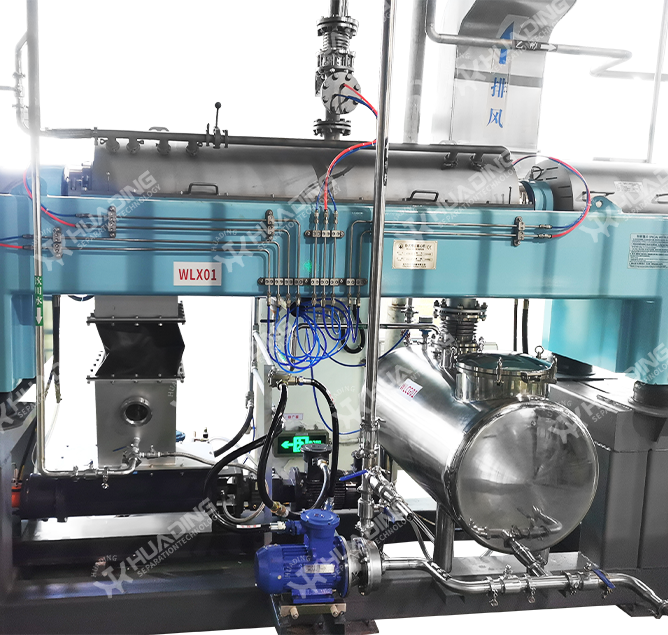
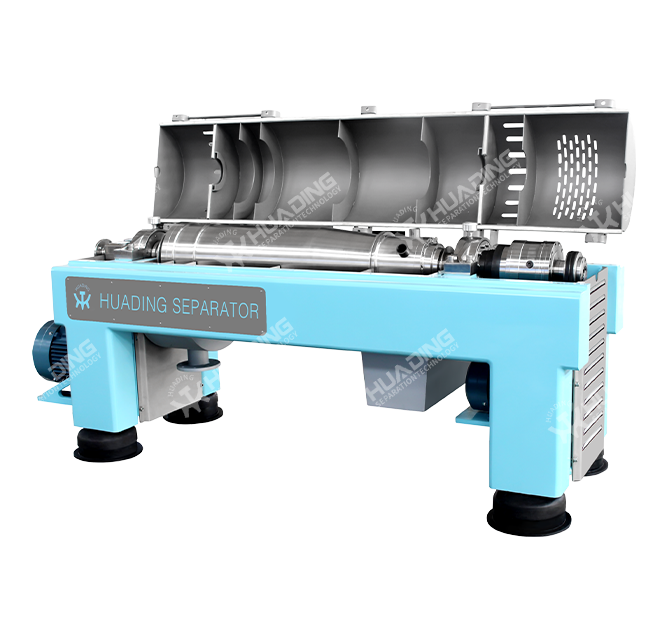
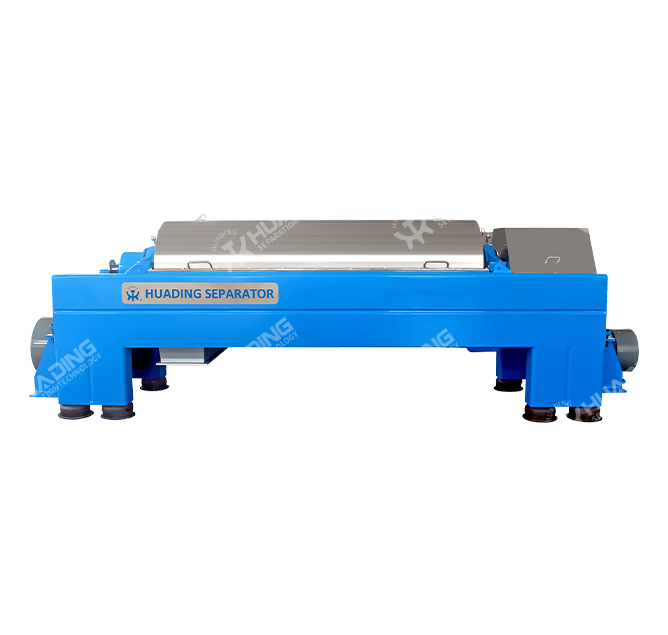
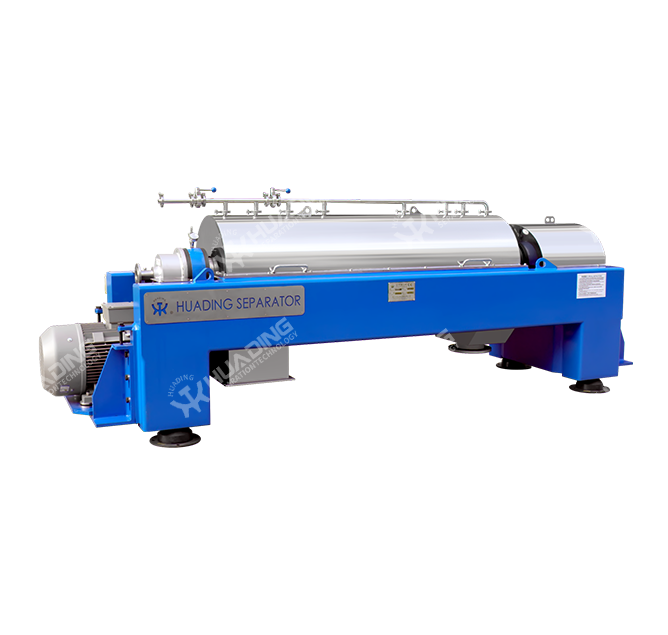
Decanter Centrifuge: A decanter centrifuge features a large, horizontal cylindrical rotor, which is designed for high-flow rates and separation of larger volumes of solids from liquids. The continuous discharge of separated solids is another distinguishing feature of the decanter centrifuge, making it ideal for industrial-scale applications in industries like chemical processing, oil and gas, and water treatment.
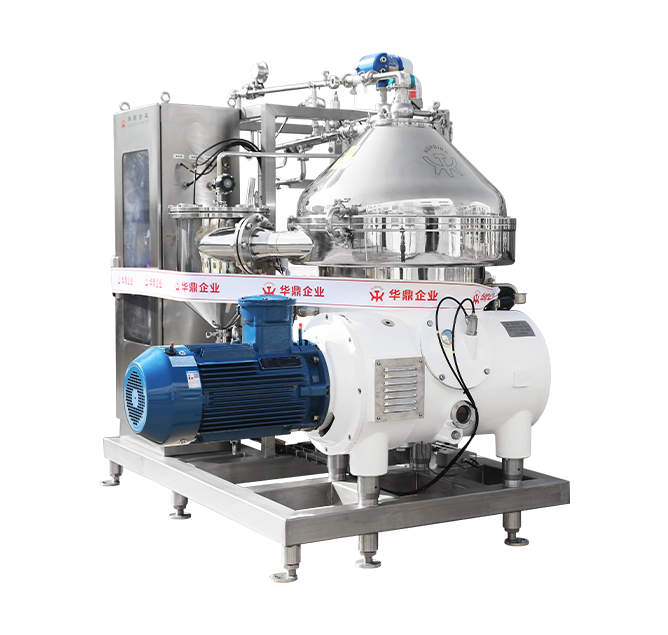
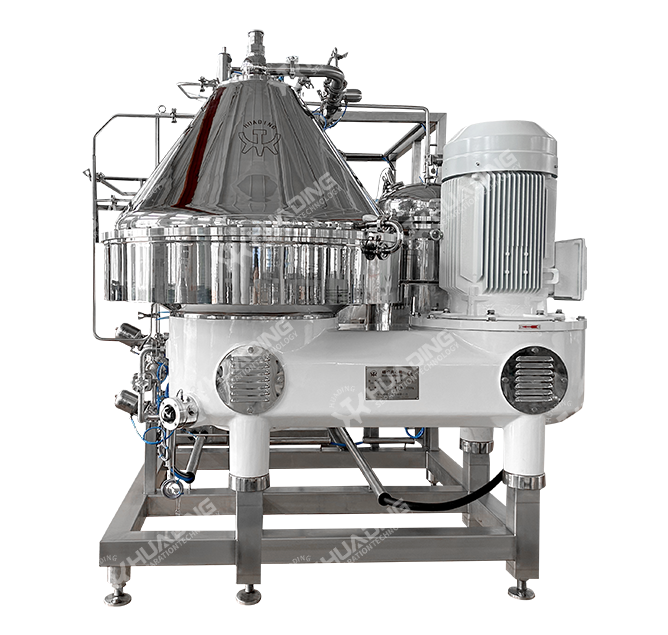
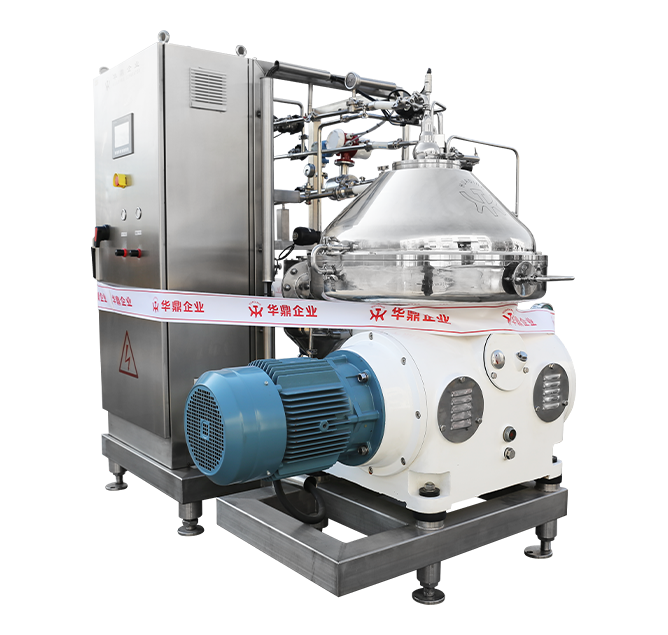
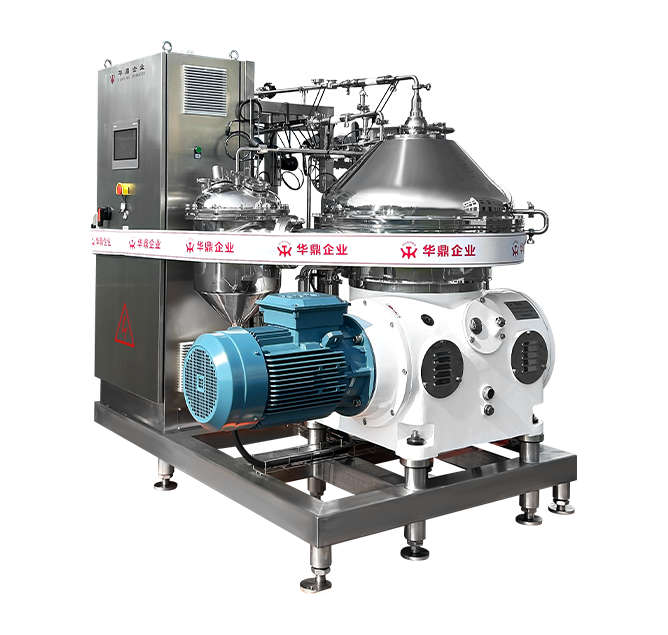
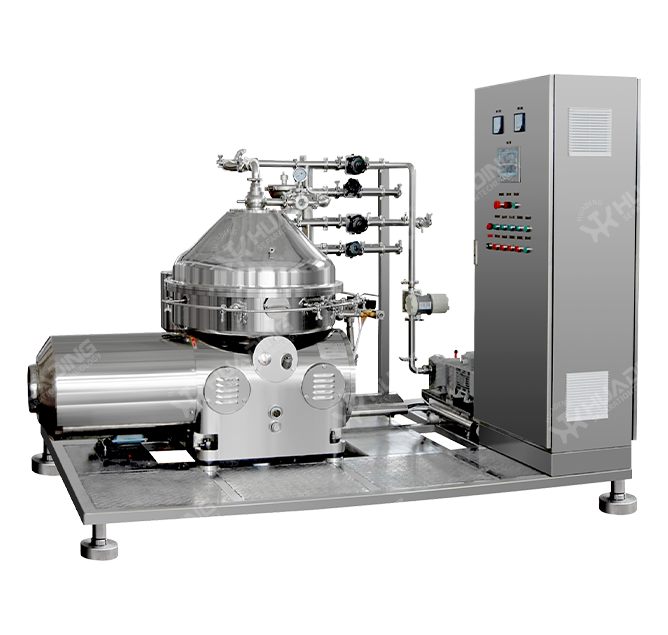
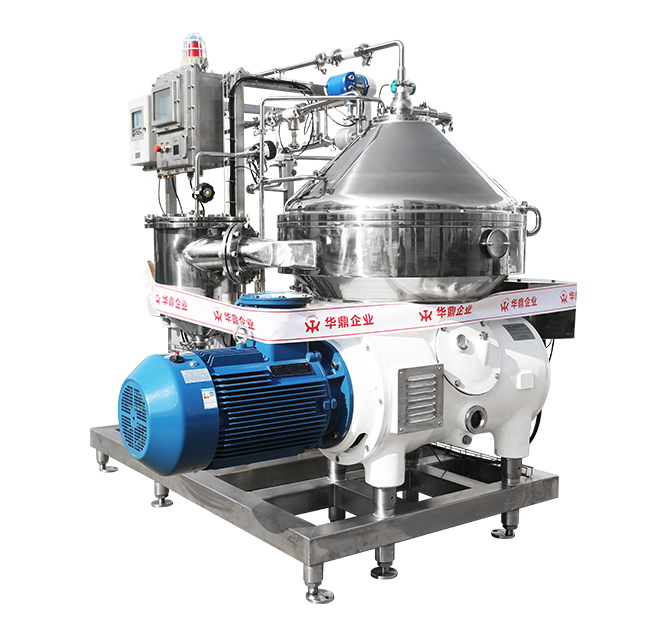
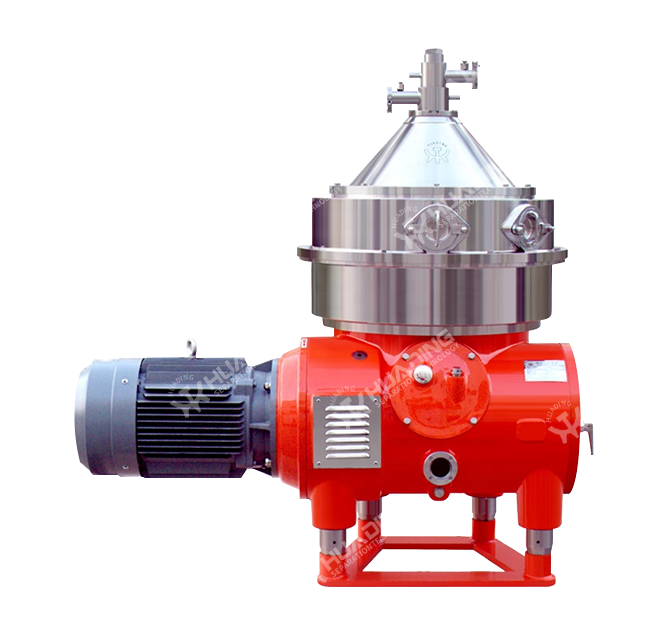
Disc Stack Centrifuge: This centrifuge type utilizes a stack of conical discs within the rotor, which significantly increases the separation area compared to a tubular centrifuge. The added surface area allows for higher throughput and better separation efficiency. Disc stack centrifuges are commonly used in biomedicine, dairy, and beverage industries, where fine separation and clarification are critical.
Separation Mechanism
Tubular Centrifuge: The separation in tubular centrifuges occurs as the centrifugal force pushes heavier particles to the outer wall of the rotor while the lighter liquid stays towards the center. This mechanism is highly efficient for separating small particles from a liquid phase. However, it is less effective for large particles or high-volume separations compared to larger machines like decanter centrifuges.
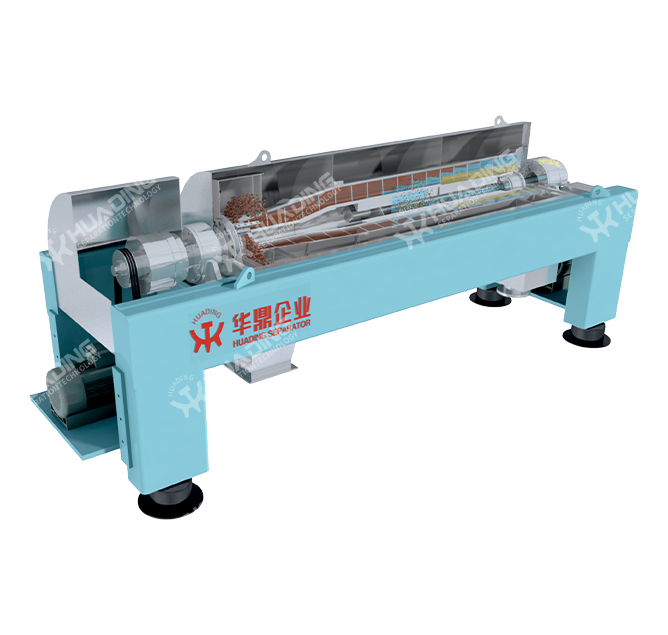
Decanter Centrifuge: In decanter centrifuges, a combination of centrifugal force and the differential speeds of the rotor and scroll allows for the continuous separation of solid and liquid phases. The slurry is fed into the machine, and the centrifugal force rapidly separates the solids, which are then continuously discharged through a screw conveyor. The liquid phase is also extracted separately.
Disc Stack Centrifuge: The disc stack centrifuge uses multiple disks arranged in a conical shape within the rotor. This design increases the surface area for separation, which improves efficiency. The discs create a series of stacked chambers where the liquid and solid phases are separated in a more refined manner. These centrifuges are often used in applications requiring high clarity or precision in the final product.
Applications
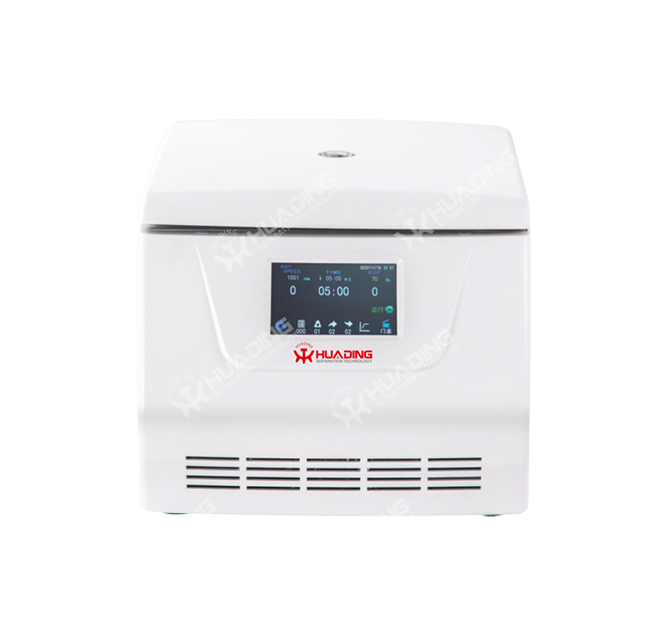
Tubular Centrifuge: Tubular centrifuges are best suited for laboratory-scale applications, small-volume separation, or when the materials involved are highly sensitive to shear forces. They are often used in applications such as:
Purification of chemical solvents
Clarification of high-value fluids in biopharmaceutical industries
Separation of very fine particles in small-scale operations
Research and development purposes
Decanter Centrifuge: Decanter centrifuges are ideal for high-volume industrial processes where continuous separation is required. Common applications include:
Wastewater treatment
Oil & gas separation
Chemical and food processing
Dairy product separation
Disc Stack Centrifuge: Disc stack centrifuges are commonly used in industries requiring high precision and fine separation, such as:
Dairy product clarification (e.g., milk and cream separation)
Juice and beverage clarification
Biotechnological applications (e.g., separating proteins or cellular materials)
Oil refining and petrochemical industries
Performance and Efficiency
Tubular Centrifuge: Although highly efficient at separating small particles, tubular centrifuges are limited in their throughput capacity due to their smaller rotor size. They are typically used in situations where precise separation of fine particles is needed, but large volumes of material do not need to be processed. For example, in research labs or industries with stringent purity requirements, such as biomedicine or high-end chemical processing, tubular centrifuges can provide the highest quality results.
Decanter Centrifuge: Decanter centrifuges are designed for continuous operation with higher volumes of slurry. Their ability to separate larger quantities of solid particles from liquid streams makes them more suitable for high-capacity industrial applications. They are less efficient in fine filtration compared to disc stack centrifuges but excel in bulk separation processes.
Disc Stack Centrifuge: Disc stack centrifuges offer superior efficiency for fine particle separation and clarification, thanks to their large separation surface area. They are ideal for operations where high separation quality is paramount, but their throughput is typically lower than decanter centrifuges due to the intricate design of the rotor.
Maintenance and Operating Costs
Tubular Centrifuge: Due to their simple construction and small-scale operation, tubular centrifuges generally have lower maintenance costs. However, the cost per unit of separation may be higher for low-volume applications compared to larger centrifuges.
Decanter Centrifuge: Decanter centrifuges require more maintenance due to their complex moving parts (scrolls and feed mechanisms). The larger scale of operations also means that the cost of operation and maintenance is typically higher. However, for high-volume industries, these costs are outweighed by the machine's efficiency and capacity.
Disc Stack Centrifuge: While disc stack centrifuges offer excellent separation quality, they are more complex and can be more expensive to maintain. Their performance depends heavily on the smooth operation of the discs and the precision of the rotor assembly, meaning that any mechanical failure can result in significant downtime.
|
Feature
|
Tubular Centrifuge
|
Decanter Centrifuge
|
Disc Stack Centrifuge
|
|
Rotor Design
|
Cylindrical, narrow tube
|
Horizontal, large cylindrical
|
Stacked conical discs
|
|
Separation Area
|
Small, high-speed centrifugal force
|
Large surface area with scroll
|
Multiple stacked discs increase surface area
|
|
Throughput Capacity
|
Low (small-scale)
|
High (industrial-scale)
|
Moderate (medium-scale)
|
|
Typical Applications
|
Fine filtration, laboratory use
|
Bulk separation, wastewater treatment
|
Dairy, beverage, biotech clarification
|
|
Maintenance Costs
|
Low
|
Moderate to High
|
High
|
|
Efficiency
|
High for fine particles
|
High for large quantities
|
Highest for fine particles
|
How to Select the Appropriate Tubular Centrifuge Based on Material Properties
Q: What types of materials are suitable for tubular centrifuges? How do I select the appropriate equipment based on the material's characteristics?
A:
As a refined separation device, tubular centrifuges are typically used for small-volume, precision separations. They operate based on the centrifugal force generated by high-speed rotation, separating solids and liquids from a mixture. To select the right tubular centrifuge, you first need to have a deep understanding of the material's properties. As a provider of centrifugal separation technology with over 70 years of industry experience, Yixing Huading Machinery Co., Ltd. will draw on our expertise to explain how to select the appropriate tubular centrifuge based on material properties.
Solid-to-Liquid Ratio
Q: How do I select a tubular centrifuge based on the solid-to-liquid ratio?
A:
Tubular centrifuges are primarily used to process liquids containing fine solid particles. Tubular centrifuges provide excellent separation results when the material contains few, fine-particle solids, such as samples used in biopharmaceutical or chemical analysis. In these cases, the centrifuge effectively separates the fine solids, ensuring a clear, transparent liquid. Recommendation:
For materials with low solid-to-liquid ratios and fine particles, tubular centrifuges are an ideal choice, especially for small-scale processing scenarios such as laboratories and R&D. Conversely, if the solids content is high, consider using other types of centrifuges (such as screw discharge centrifuges), which can handle larger flow rates and higher concentrations.
Solid Particle Size
Q: How does the particle size of the solids in the material affect the selection of a tubular centrifuge?
A:
Tubular centrifuges are particularly well-suited for separating fine particles and are generally effective for materials with particle diameters ranging from a few microns to tens of microns. If the solid particles in the material are large or uneven in size, a tubular centrifuge may not provide ideal separation results. In such cases, other types of centrifuges (such as disc centrifuges) may be more appropriate.
Recommendation:
When processing materials containing fine solid particles, the centrifugal force of a tubular centrifuge ensures efficient separation. For larger particles, it is recommended to use equipment that can handle larger particles and has a higher processing capacity.
Material Viscosity
Q: How does the viscosity of the material affect the selection of a tubular centrifuge?
A:
Material viscosity is crucial for selecting a tubular centrifuge. High-viscosity materials increase resistance to fluid flow, thus affecting separation efficiency. If the material viscosity is too high, the separation efficiency of the tubular centrifuge may be reduced, as the viscous liquid cannot flow easily during rotation, resulting in inadequate centrifugal force.
Recommendation:
For materials with high viscosities, the application of tubular centrifuges may be limited. In particular, handling high-viscosity liquids may require special adjustments or higher-powered equipment. In these cases, other centrifuge types offered by Yixing Huading Machinery Co., Ltd., such as the Decanter Centrifuge, are more suitable for continuous separation of high-viscosity liquids.
Liquid Specific Gravity Difference
Q: How does the specific gravity difference between liquids and solids affect the performance of a tubular centrifuge?
A:
The efficiency of a tubular centrifuge is highly dependent on the specific gravity difference between the liquid and solids. The greater the specific gravity difference, the better the centrifugal separation effect. For example, when separating oil and water, a tubular centrifuge can effectively separate the oil and water due to the large difference in their specific gravity. However, if the difference in specific gravity between the solid particles and the liquid in the material is small, separation efficiency may be reduced.
Recommendation:
When the difference in specific gravity between the liquid and solids is large, a tubular centrifuge performs better. If the difference in specific gravity is small, you may need to increase the speed or use a different type of centrifuge to ensure separation efficiency.
Processing Capacity and Flow Requirement
Q: How should I choose a tubular centrifuge based on my processing capacity and flow requirements?
A:
Tubular centrifuges have smaller processing capacities and are generally suitable for processing flows between 500 L/h and 5000 L/h. They are particularly well-suited for laboratories, small-scale production, or for separating specific fine-grained materials. If you need to process larger flow rates, we recommend considering other types of centrifuges, such as screw discharge centrifuges or disc centrifuges.
Recommendation:
When selecting a tubular centrifuge, consider the required flow rate. For larger flow rates, you may need to select multiple tubular centrifuges operating in parallel or choose other equipment better suited for large flow rate separations.
Material Temperature Sensitivity
Q: How does the material's temperature sensitivity affect the choice of tubular centrifuge?
A:
Some materials are susceptible to chemical reactions or physical changes at high or low temperatures. Therefore, when selecting a tubular centrifuge, the material's temperature sensitivity must be considered. Tubular centrifuges are typically adaptable to temperature control systems, providing a stable operating environment during temperature-sensitive separation processes. Temperature control is particularly important for applications in the biopharmaceutical industry.
Recommendation:
For temperature-sensitive materials (such as biopharmaceuticals or dairy products), choose a tubular centrifuge with temperature control to ensure that the material is not affected by temperature during the separation process, preserving its original properties and quality.
Separation Accuracy Requirements
Q: When selecting a tubular centrifuge, how should separation accuracy requirements be considered?
A:
Tubular centrifuges are renowned for their high separation accuracy and are particularly suitable for applications requiring high-purity, fine particle separation. For example, in the production of biopharmaceuticals, fine chemicals, or high-purity beverages, separation accuracy is crucial. Tubular centrifuges can precisely separate tiny solid particles, achieving high-standard separation results. Recommendation:
For applications requiring high separation precision, a tubular centrifuge is the ideal choice, particularly for separating fine particles and clarifying liquids.
How can a tubular centrifuge prevent wear or damage during long-term operation?
Regularly inspect and clean the equipment.
Q: How can regular inspection and cleaning prevent wear in a tubular centrifuge?
A:
During long-term operation, fine particles, sediment, or corrosive substances in the material may accumulate inside the centrifuge, affecting normal operation and even causing component wear or failure. Regular inspection and cleaning are key measures to extend the life of the equipment.
Recommendations:
Regularly inspect the rotor and internal components: especially the rotor, bearings, and seals. Use high-quality lubricants to maintain smooth operation and reduce friction.
Clean the separation area: Cleaning is particularly important when handling materials that easily settle. After each run, thoroughly remove any solid matter that may have adhered to the rotor and other components to prevent long-term accumulation and affect equipment performance.
Inspect seals and filters: Damaged seals can cause liquid leakage or contamination, affecting separation performance. Therefore, regular inspection and replacement of seal components is crucial.
Selecting the right materials and surface treatments
Q: How can I reduce wear in a tubular centrifuge by selecting the right materials and surface treatments?
A:
During extended operation, tubular centrifuges experience high-speed rotation and direct contact with the material. Material selection and surface treatment are crucial for preventing wear and extending service life.
Recommendations:
Wear-Resistant Materials: Select materials with strong wear and corrosion resistance for key centrifuge components, such as the rotor, bearings, and seals. For high-intensity applications, stainless steel, titanium alloys, or specialized ceramics can effectively reduce wear and corrosion.
Surface Treatment: Surface hardness and corrosion resistance can be enhanced through techniques such as surface spraying, anodizing, or hardening. These treatments not only reduce wear but also extend the service life of the equipment in harsh environments.
Yixing Huading Machinery Co., Ltd. consistently prioritizes material selection and craftsmanship in equipment design, utilizing internationally advanced materials and treatment technologies to ensure the long-term reliability of each tubular centrifuge.
Proper Speed and Load Control
Q: How can I prevent wear by properly controlling the speed and load of a tubular centrifuge?
A:
The operating principle of a tubular centrifuge relies on the centrifugal force generated by high-speed rotation. Therefore, speed and load are key factors affecting equipment wear. Excessively high speeds or overloaded operation can accelerate equipment wear and even cause failure.
Recommendation:
Avoid overspeeding: Although tubular centrifuges can reach very high speeds, the appropriate speed must be set based on the material characteristics and equipment ratings. Excessively high speeds not only increase equipment friction but can also cause unnecessary damage.
Appropriately adjust the load: The equipment load should be controlled within the design parameters to avoid excessive wear on the rotor or bearings due to excessive load. Yixing Huading Machinery Co., Ltd. centrifuges are designed to provide optimal operating parameter recommendations based on different operating environments and material characteristics.
Implement an automated monitoring and alarm system
Q: How can automated monitoring and alarm systems be used to promptly detect equipment anomalies and prevent wear and damage?
A:
With the continuous advancement of industrial automation, tubular centrifuges are increasingly being integrated with intelligent monitoring systems. These systems monitor the equipment's operating status in real time, helping to promptly identify potential problems and avoid failures and damage caused by equipment anomalies.
Recommendation:
Install temperature, pressure, and vibration sensors: By monitoring rotor temperature, bearing temperature, operating pressure, and vibration frequency, abnormalities in equipment operation can be promptly detected. Yixing Huading Machinery Co., Ltd.'s tubular centrifuges can be equipped with these sensors to provide real-time feedback on the equipment's health status, ensuring it is always in optimal working condition.
Alarm System Settings: When an equipment anomaly occurs, the automatic alarm system promptly notifies the operator to take action, such as slowing down or shutting down for maintenance, to prevent severe wear or damage.
Regular Replacement of Wear Parts
Q: How can I extend the life of my tubular centrifuge by regularly replacing wearing parts?
A:
After prolonged operation, certain components of a tubular centrifuge (such as bearings, seals, and lubricants) will gradually wear out due to friction and use. Prompt replacement of these components can effectively prevent equipment failure and extend its service life.
Recommendations:
Regularly inspect and replace bearings: Bearings are one of the core components of a centrifuge. Long-term wear can affect the smooth operation of the equipment. Therefore, they should be regularly inspected and replaced as necessary.
Replace seals and filters: Seals and filters directly affect the equipment's sealing and separation efficiency. Regular replacement of these components can effectively prevent leaks and contamination. Lubricant Replacement: Lubricants reduce friction and improve operating efficiency. Regularly replace lubricants to ensure smooth operation of all components.
Proper Operator Training
Q: How can professional operator training reduce equipment wear and damage?
A:
The operator's operating procedures and expertise are crucial to the proper operation of the tubular centrifuge. Proper operation can effectively prevent equipment damage caused by improper operation.
Recommendation:
Regular operator training: Ensure that operators understand the equipment's operating principles, operating procedures, and maintenance requirements. Yixing Huading Machinery Co., Ltd. provides professional operator training to help customers improve equipment efficiency and reduce human error.
Standardized operating procedures: Ensure that operators strictly adhere to operating procedures for startup, shutdown, load adjustment, and other procedures to avoid unnecessary equipment wear.

 English
 русский
 Español
 عربى
عربى 中文简体
中文简体