
 English
 русский
 Español
 عربى
عربى 中文简体
中文简体
 Contact Us
Application
View More
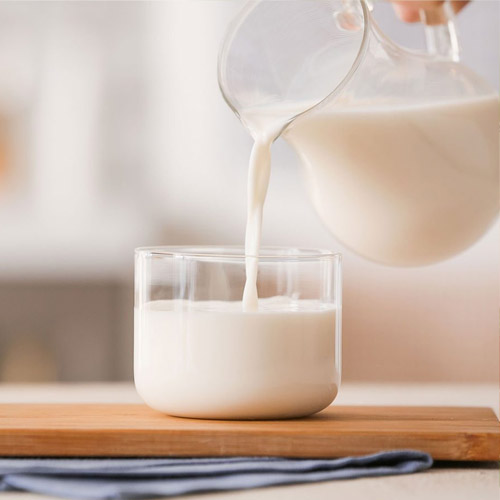
In the pharmaceutical industries, separation is the process of separating a mixture of substances into their individual components.This process is essential in the production of many drugs and chemicals.There are a variety of methods that can be used to separating mixtures, and the appropriate method depends on the specific properties of the substances being separated.
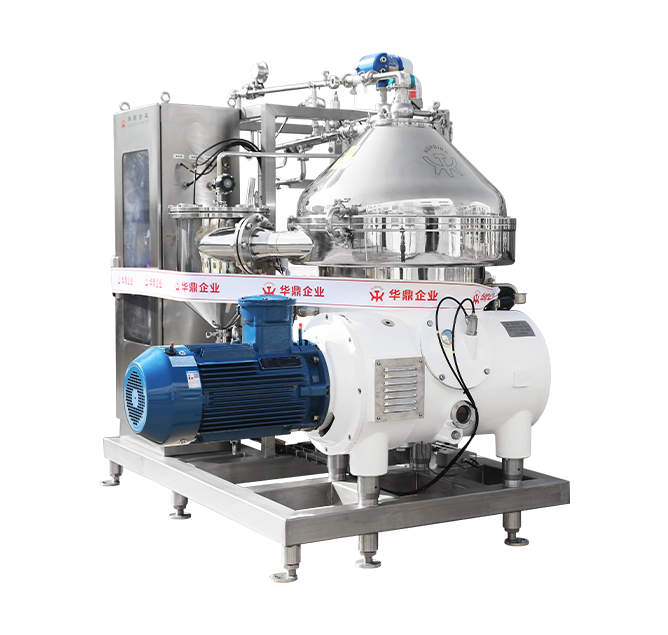
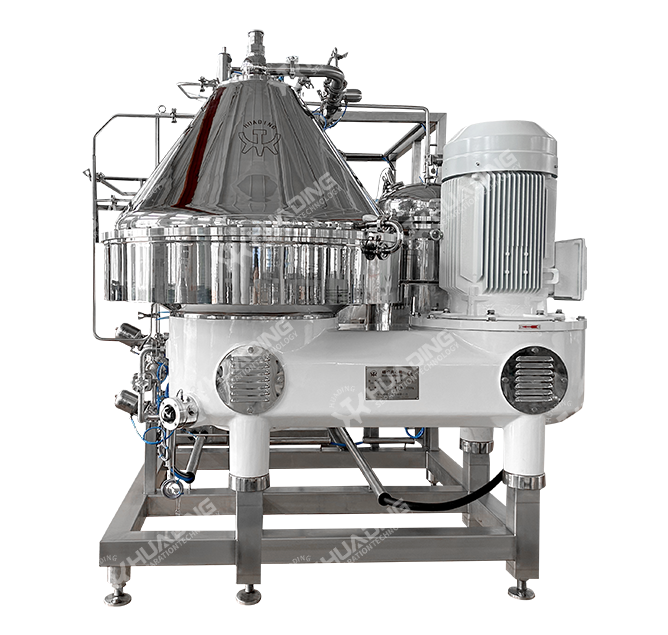
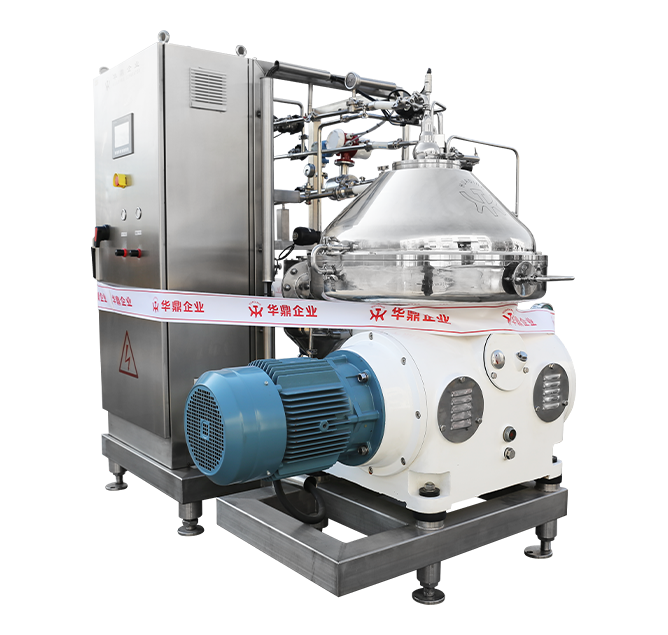
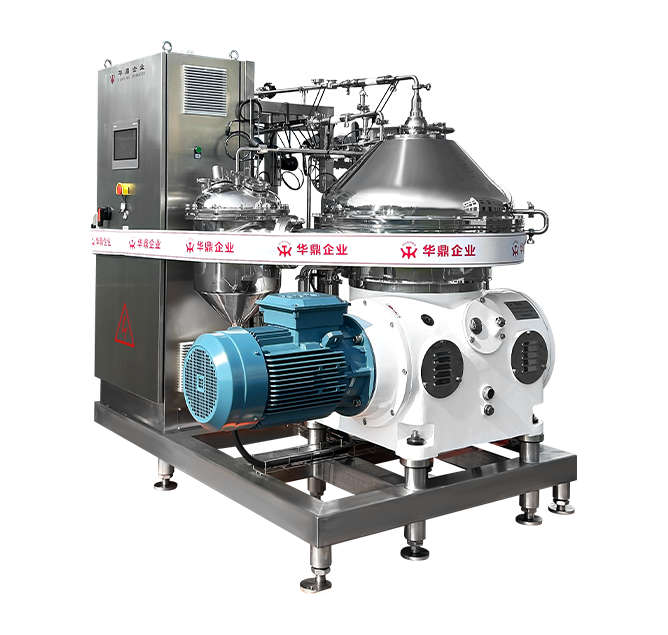
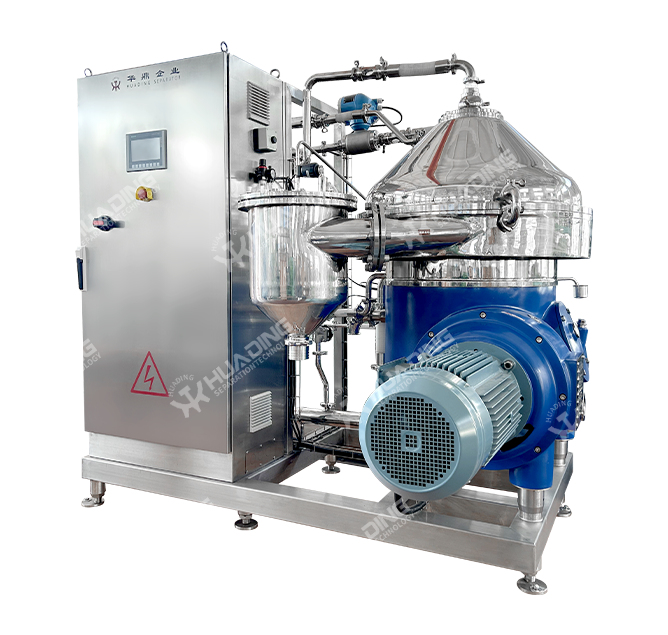
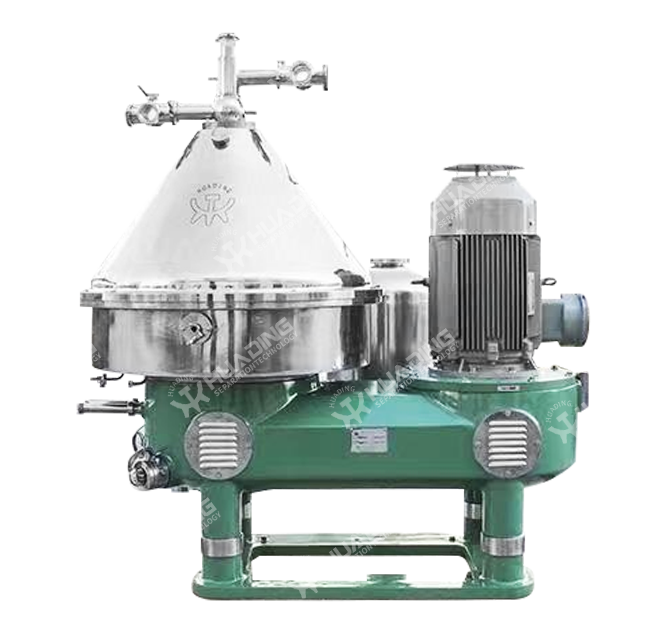
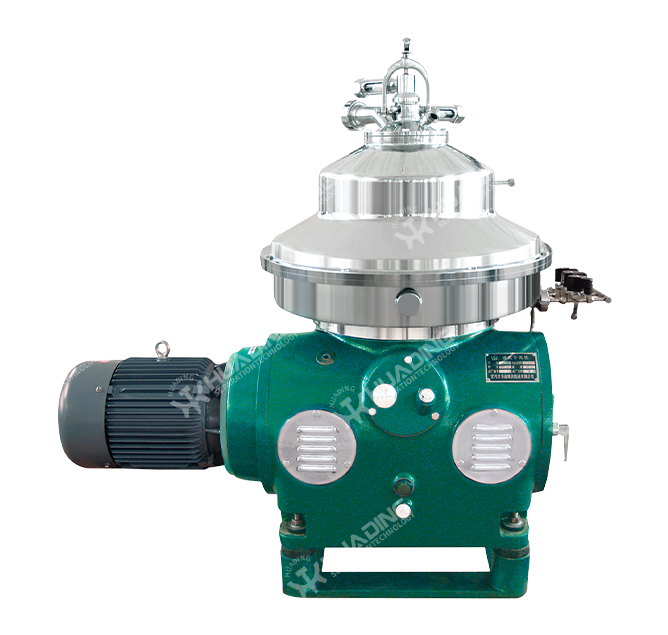
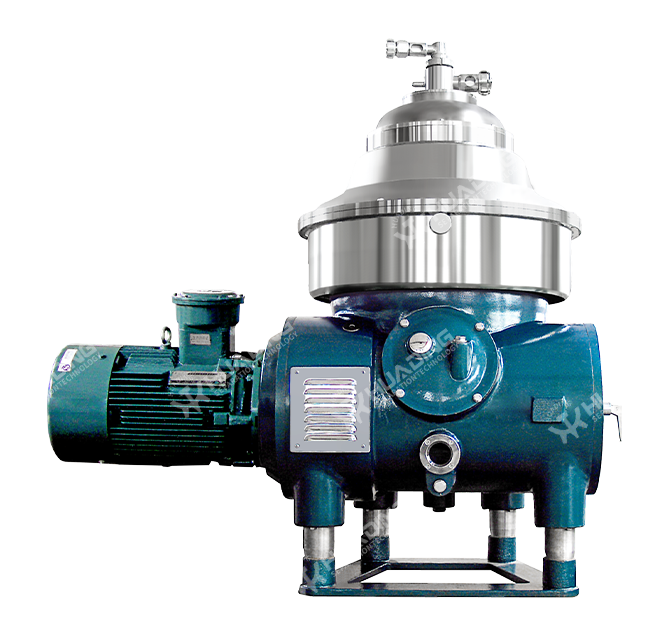
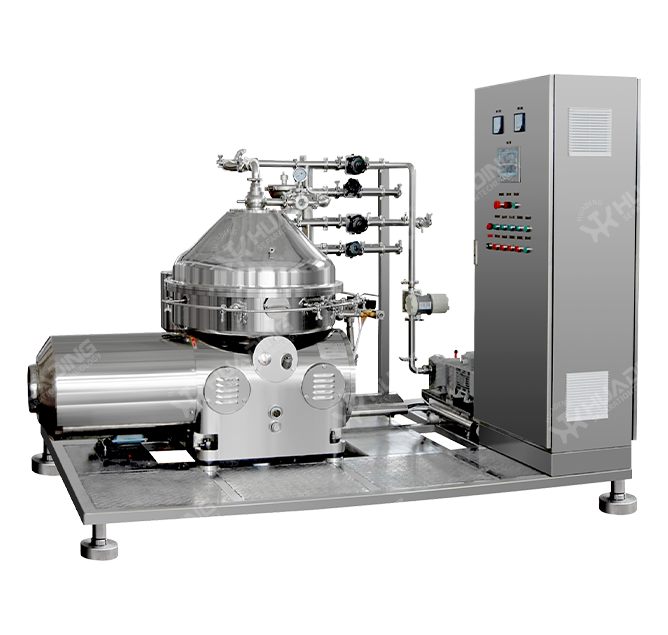
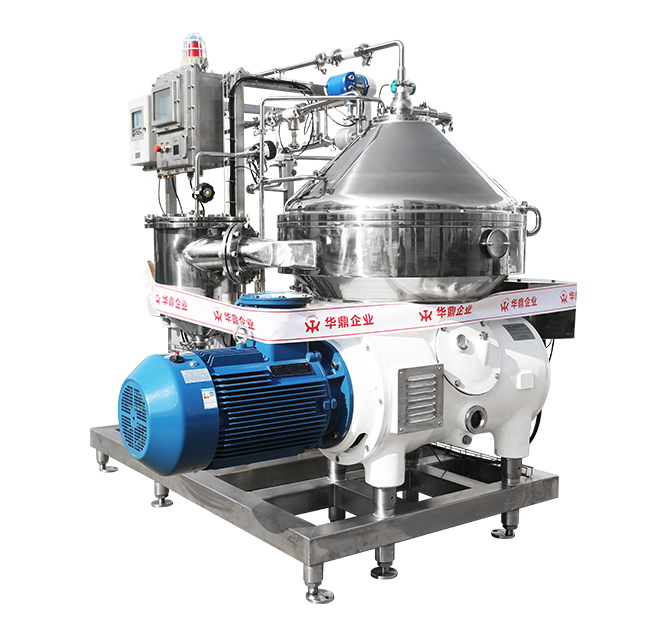
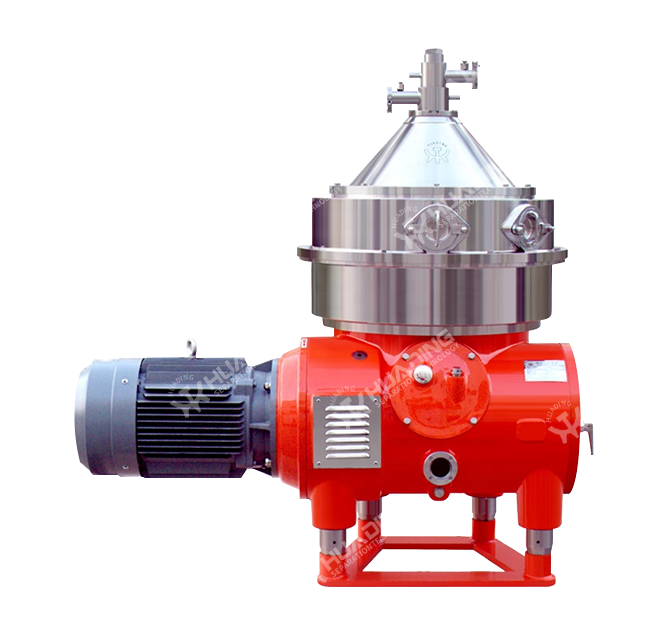
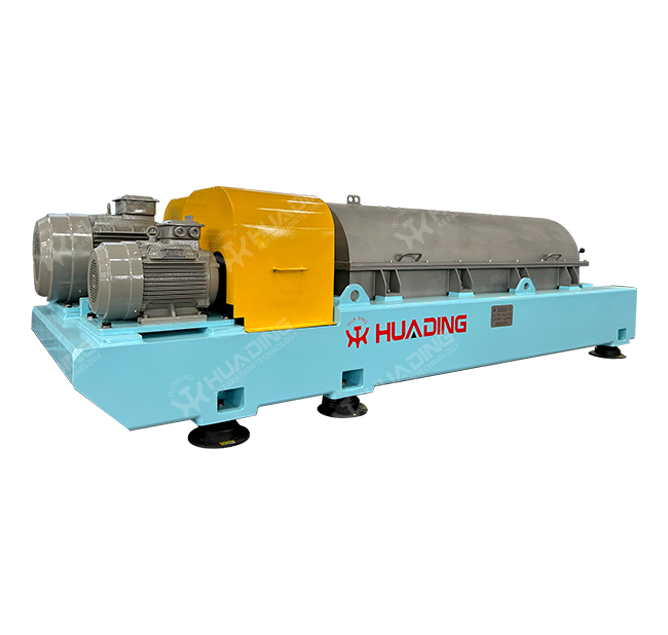
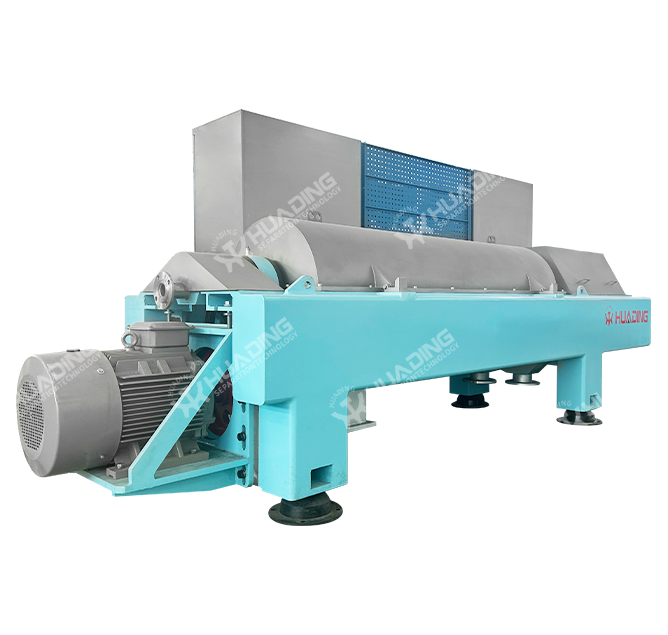
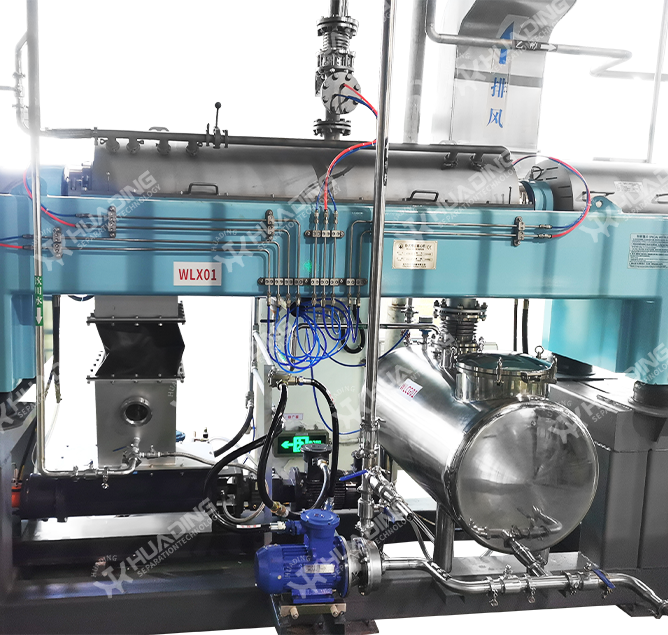
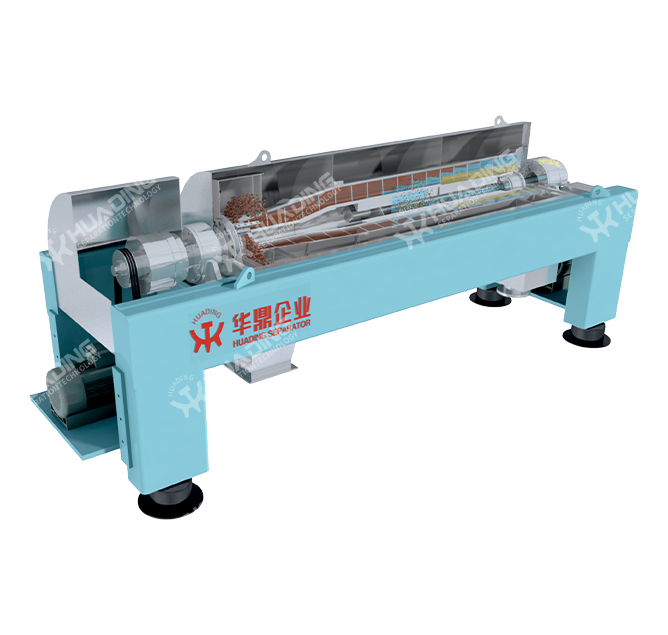
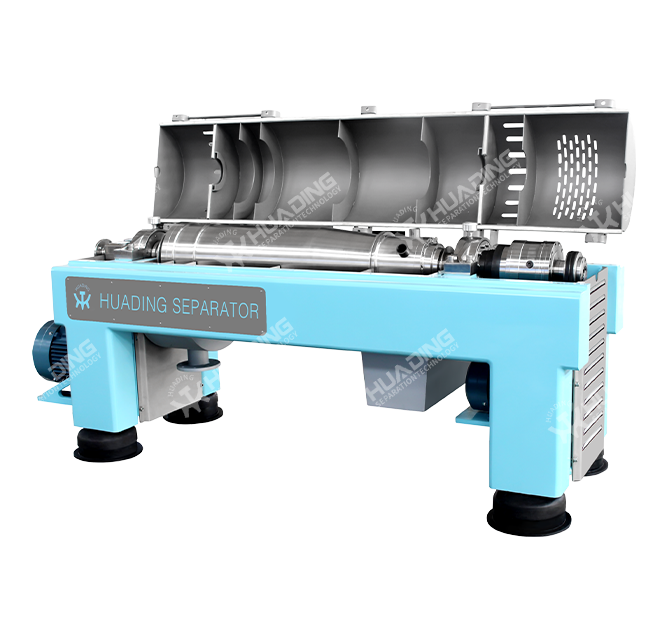
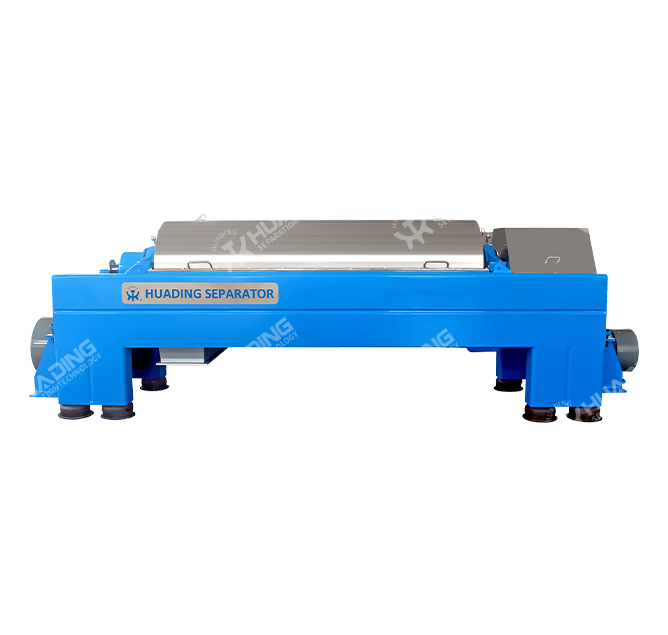
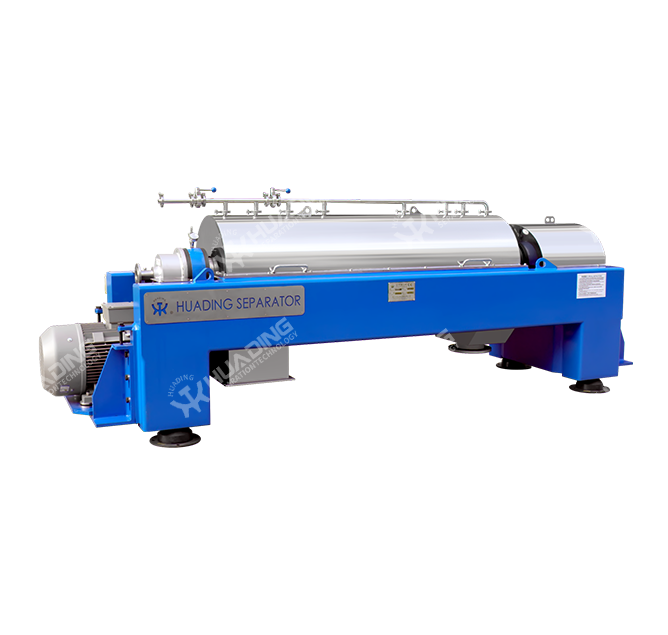
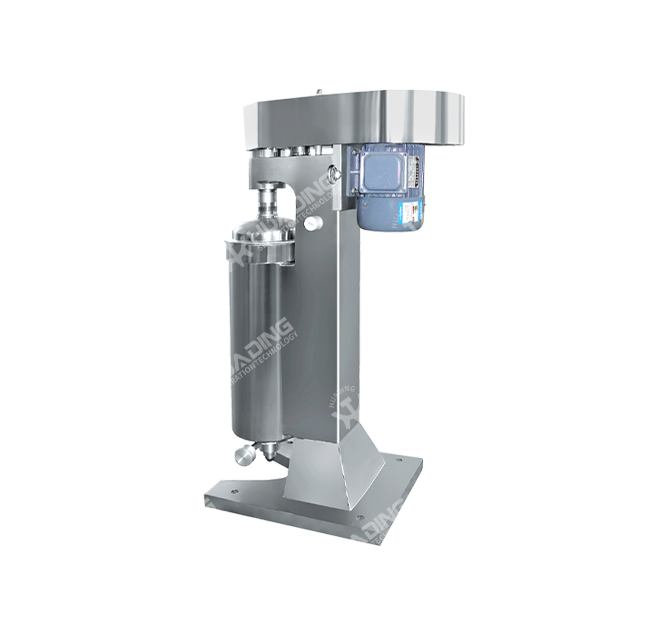
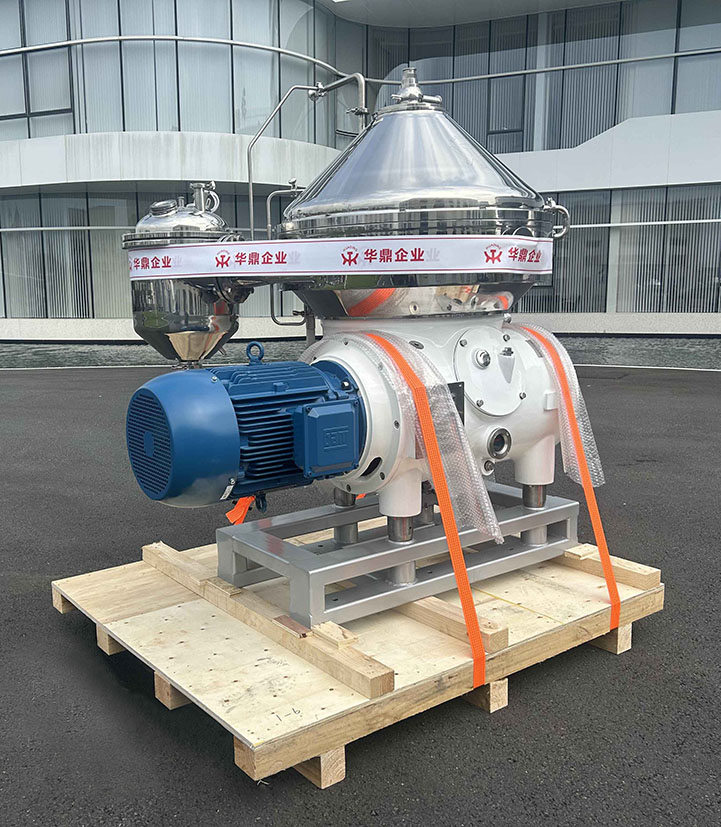
The common separation method is centrifugal separation. Centrifugal separation method is a completely physical separation process. Itis based on the density difference between the mutually immiscible solid and liquid components of the mixture, and the staggered flow separation is accomplished within the same centrifugal force field. It can accomplish two-phase and three-phase separation of various mixed liquid models such as solid-liquid, solid-liquid-liquid,liquid-liquid, solid-liquid-solid, etc.After decades of industry development, decanter centrifuges and disc separators are considered to be the two representative centrifuges for applying centrifugal separation technology. In the biopharmaceutical industry, decanter centrifuges are commonly used for harvesting fermentation broth, while separators are ly used for clarification of fermentation broth and separation and recovery of extracted solvents.In the chemical industry,decanter centrifuges are typically used for harvesting and dewatering of reactants, as well as clarification and recycling of mother liquors,while separators are ly used for clarification of liquid chemical products.
If you are in the pharmaceutical industries,you know that separators and decanters are essential. There are a wide variety of separators and decanters available on the market, each with its own unique set of features and benefits. When selecting the right device for your application, it is important to consider the specific needs of your process and the types of materials you will be separating. With the right separator or decanter, you can ensure effective and efficient operations at your facility.
Non-live vaccines are an essential part of global immunization programs, providing protection against a range of diseases such as influenza, cholera, hepatitis, tetanus, and diphtheria. These vaccines often rely on inactivated pathogens, purified proteins, or polysaccharides, which require precision manufacturing to ensure efficacy and safety. Huading Separator provides advanced centrifuge solutions designed to meet the unique challenges of non-live vaccine production, including purification, separation, and concentration. How Centrifuges Work in Non-Live Vaccine Production Centrifuges are essential for ensuring that non-live vaccine production processes comply with strict quality, safety, and regulatory standards. Leveraging advanced centrifuge technology, manufacturers can achieve consistent, high-quality results while significantly enhancing the efficiency and reliability of their production lines. 1. Harvesting and Clarification In the initial stage of vaccine production, centrifuges are used to separate the target antigens, proteins, or polysaccharides from the culture medium. This step can help isolate the key active ingredients needed for vaccine formulation.Separation of Target Components: High-speed centrifuges effectively separate the desired biological materials from the growth medium, ensuring minimal loss of valuable components.Removal of Impurities: Centrifuges eliminate unwanted cell debris, residual media, and other contaminants, leaving behind a clean, concentrated product.High Throughput: Modern centrifuges, like Huading’s high-speed models, enable rapid and continuous processing. 2. Purification and Polishing Once the target components are harvested, they must undergo further refinement to achieve the required purity levels.High-Purity Isolation: Centrifuge systems use advanced multi-zone separation technologies to isolate the active ingredients while removing residual impurities such as proteins, DNA, or lipids that could compromise vaccine safety.Endotoxin Removal: Endotoxins and other by-products are effectively separated, ensuring the final product meets stringent regulatory thresholds for safety.Consistency Across Batches: Automated centrifuge systems ensure precise control over purification, delivering uniform quality across multiple production batches. 3. Concentration In the final stage, centrifuges are used to concentrate the active ingredients to the required potency level, ensuring consistent and effective dosages in the final vaccine product.Adjustable Potency: The active ingredient is concentrated to match the precise specifications required for vaccine formulation, ensuring dosage consistency and efficacy.Volume Reduction: By reducing the liquid volume, centrifuges streamline downstream processing and formulation steps, saving time and resources.Scalable Solutions: From small-batch production for research to industrial-scale manufacturing, centrifuges like those offered by Huading Separator are designed to handle a range of production volumes while maintaining high efficiency. Applications in Non-Live Vaccines Centrifuge help the efficient separation, purification, and concentration of critical components. These processes ensure vaccines meet stringent quality, safety, and efficacy standards. Below are key applications for centrifuges in non-live vaccine manufacturing. 1. Influenza Vaccines Influenza vaccines depend on the precise extraction of key viral proteins, such as hemagglutinin (HA) and neuraminidase (NA), which can triggere an immune response. Centrifuges separate these proteins from viral cultures grown in eggs or cell-based systems, while high-speed centrifugation ensures the removal of impurities and debris, producing clean and pure antigens for vaccine formulation. Additionally, advanced centrifuge models offer scalability, supporting efficient production for both seasonal influenza vaccines and large-scale pandemic responses. 2. Cholera Vaccines Cholera vaccines focus on neutralizing bacterial toxins, requiring the precise isolation and purification. Centrifuges efficiently separate and purify these toxin subunits while removing unwanted bacterial debris and by-products, enhancing vaccine safety. Automated centrifuge systems further ensure batch-to-batch consistency, making them indispensable for achieving uniformity in large-scale vaccine production and distribution. 3. Hepatitis A & B Vaccines Hepatitis A and B vaccines depend on recombinant proteins, such as the hepatitis B surface antigen (HBsAg). Centrifuges efficiently extract these proteins from production cultures, while high-speed centrifugation purifies the antigens to ensure their immunogenicity and stability. Additionally, centrifuge systems concentrate active components, enabling precise dosing and minimizing downstream processing time, thereby enhancing overall production efficiency. 4. Pertussis (Whooping Cough) Vaccines Acellular pertussis vaccines rely on the precise extraction and purification of antigens or inactivated toxins from Bordetella pertussis cultures. Centrifuges extract target antigens or toxins with accuracy to preserve their integrity and biological activity. Advanced multi-zone separation technologies remove contaminants efficiently, delivering a highly purified vaccine. Gentle feed and discharge systems safeguard delicate antigens, preserving their quality and efficacy during processing. 5. Tetanus and Diphtheria Vaccines Tetanus and diphtheria vaccines are developed using bacterial toxoids, which are chemically inactivated toxins that trigger an immune response. Centrifuges play a critical role by clarifying bacterial cultures, efficiently removing cell debris while isolating the inactivated toxins. These toxoids then undergo further purification to ensure their safety and effectiveness as vaccine components. To maintain sterility, steam-sterilizable centrifuge systems provide aseptic processing conditions, minimizing contamination risks and ensuring high-quality vaccine production. 6. Pneumococcal Vaccines Pneumococcal vaccines, designed to protect against infections caused by Streptococcus pneumoniae, rely on the isolation of specific capsular polysaccharides. Centrifuges separate and purify these polysaccharides, which are then conjugated to carrier proteins for vaccine formulation. High-speed centrifugation ensures efficient concentration of these components, guaranteeing consistent dosing across batches. Additionally, advanced centrifuge models adeptly handle the complexity of producing multi-valent pneumococcal vaccines that target multiple bacterial strains. Advantages of Huading Centrifuge Solutions Unmatched Efficiency Automates complex separation processes, reducing labor and production time. Consistent Quality Ensures batch-to-batch consistency through precise and reliable separation. Regulatory Compliance Meets global manufacturing standards, including GMP and biosafety regulations. Energy-Efficient Designs Optimized for reduced energy consumption without compromising performance. Why Choose Huading Separator for Non-Live Vaccine Production? With decades of expertise in pharmaceutical-grade separation technology, Huading Separator is the trusted choice for non-live vaccine manufacturers. Our advanced centrifuge systems combine precision, efficiency, and reliability to meet the high industry standards. Whether you’re producing vaccines for influenza, cholera, hepatitis, or other diseases, Huading offers tailored solutions to enhance every step of your manufacturing process. Explore our range of cutting-edge centrifuge systems at Huading Separator and discover how we can help optimize your vaccine production.
Overview The production of live vaccines is a delicate and high-precision process, requiring advanced equipment to achieve the high standards of safety, efficiency, and purity. Vaccines for diseases such as measles, mumps, rubella, yellow fever, chickenpox, tuberculosis (BCG), typhus, and rotavirus rely on the effective separation and purification of biological materials. Huading Separator provides innovative centrifuge solutions that are specifically designed to meet the stringent requirements of live vaccine production. Roles of Centrifuges in Live Vaccine Production Cell Harvesting Huading centrifuges ensure efficient recovery of live cells or microorganisms from growth media, a critical step in vaccine production. Their gentle yet effective separation process minimizes damage to cells, maintaining their viability and biological activity, which is essential for live vaccine efficacy. Purification and Clarification Post-harvest purification is vital for removing impurities, such as cell debris, proteins, and other unwanted by-products. Huading centrifuges are equipped with precision systems to achieve this without compromising the integrity of the vaccine. This step enhances the quality and safety of the final product. Scalability for Production Needs From small-scale research batches to large-scale industrial manufacturing, Huading offers centrifuge solutions that adapt to different production capacities. Their high-speed, continuous-operation centrifuges allow for seamless scaling without sacrificing performance or product quality. Gentle Handling of Biological Materials Live vaccines often involve sensitive biological cultures. Huading centrifuges are designed with features like hydrohermetic feed systems and gentle discharge mechanisms to minimize shear forces, preserving the delicate nature of live cells and viruses. Sterility and Biosafety Live vaccine production requires strict sterility to avoid contamination. Huading’s centrifuges are built with:Steam-Sterilization Capabilities: Allowing in-place cleaning and sterilization without disassembly.Closed Systems: Hermetically sealed designs that maintain a sterile environment and protect operators from exposure to hazardous biological agents. Applications by Vaccine Type Viral Vaccines (Measles, Mumps, Rubella, Chickenpox, Yellow Fever) The production of viral vaccines requires precise separation and clarification of viral cultures to maintain the potency and effectiveness of live virus particles. Huading Separator’s High-Speed Centrifuges are specifically designed for viral vaccine production, offering:High Separation Efficiency: Ensures thorough removal of impurities while preserving virus activity.Gentle Product Handling: Protects sensitive viral particles from damage during processing.Sterility Assurance: Steam-sterilizable models maintain aseptic conditions throughout the process. Bacterial Vaccines (BCG for Tuberculosis, Typhus) Bacterial vaccines depend on the careful handling of bacterial cultures to retain their viability and immunogenic properties. Huading’s Decanter Centrifuges excel in this area by providing:Robust Performance: Effectively processes bacterial cultures with high solid content.Hermetically Sealed Systems: Prevents cross-contamination and ensures biosafety.Customizable Features: Tailored configurations for specific bacterial strains and production scales. Rotavirus Vaccines For pediatric vaccines like rotavirus, achieving ideal yield and purity is paramount. Huading’s Disc Stack Centrifuges offer high-speed separation technologies that deliver:Multi-Zone Separation: Enhances stratification of components, ensuring a pure final product.Continuous Operation: Supports large-scale production with consistent throughput.Energy Efficiency: Reduces operational costs while maintaining high-quality output. Advanced Features of Huading Centrifuges for Vaccine Production 1. Steam-Sterilizable Models Huading centrifuges feature integrated steam-sterilizable designs that streamline cleaning and sterilization without requiring disassembly. This ensures the maintenance of aseptic conditions throughout production, critical for vaccine safety and regulatory compliance. By eliminating manual cleaning steps, these models reduce downtime and enhance production efficiency, making them ideal for environments with stringent sterility requirements. 2. Hermetic Inlet Systems The hermetic inlet systems in Huading centrifuges provide a fully enclosed environment for processing sensitive or hazardous biological materials. This design maintains sterility throughout the operation, ensuring the integrity of live vaccines while protecting operators and the surrounding environment. Hermetic systems also minimize shear forces during material handling, preserving the viability of delicate cells or viral particles. 3. Self-Cleaning Technology Huading centrifuges are equipped with advanced self-cleaning mechanisms that automate the removal of waste and contaminants from the system. This feature minimizes labor requirements, reduces maintenance intervals, and allows for continuous operation. By keeping the centrifuge clean and operational for extended periods, self-cleaning technology significantly enhances overall productivity, especially in high-throughput production lines. 4. High Separation Precision Huading’s multi-zone separation systems are engineered for unparalleled accuracy in stratifying components during vaccine production. These systems enable the precise removal of impurities, cell debris, and unwanted by-products, ensuring wide purity and efficiency in the final product. The high-speed separation capabilities also optimize yield, reducing waste and enhancing cost-effectiveness. Why Partner with Huading Separator for Live Vaccine Production? Every vaccine production process is unique, and Huading understands the need for tailored solutions. The company offers centrifuges designed to meet specific production requirements, whether for small-scale pilot projects or large-scale industrial manufacturing. Customization options include capacity adjustments, specialized inlet systems, and advanced control features to suit diverse applications. Huading Separator is committed to advancing vaccine production through introduced advanced centrifuge solutions. With decades of experience in separation technology, Huading offers unparalleled expertise, reliable equipment, and comprehensive support for vaccine manufacturers. Whether you are producing viral or bacterial vaccines, Huading’s centrifuges deliver the precision, scalability, and safety needed to meet the high industry standards.
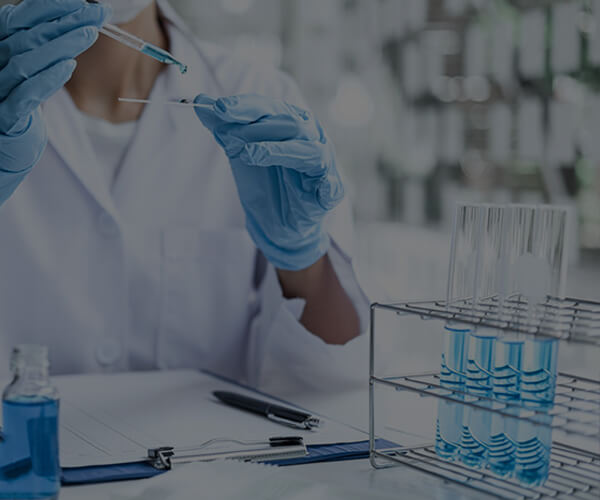
Also known as cannabidiol, CBD is one of the numerous compounds found in the hemp plant that is now known to have an array of medicinal benefits. Over the last few years, CBD has become so popular that it is now being extracted, produced and manufactured into a wide range of products, including edibles, CBD oils and even creams. The popular form of consumption is CBD oil and it is used to treat a number of illnesses; primarily because of the way it effects the endocannabinoid system (ECS) and doesn’t provide users with a ‘high’ that is illegal in many countries around the world. THC is the cannabinoid good known for providing this ‘high.’ Not only does CBD not get you ‘high,’ but it also helps reduce THC’s psychoactive effects. What is a CBD Substance? If you are reading this page, you probably know what THC is. It (delta-9 tetrahydrocannabinol) is the active ingredient in cannabis, and until recently, it was by far the good-known. THC is renowned for the mind-altering high it provides to users. In contrast, CBD is not psychoactive, but it does promote positive changes in the body. The way CBD affects our body is quite different from the modus operandi of THC in the sense that it is not involved in direct stimulation of the CB1 and CB2 receptors. The major impact of CBD is caused on other receptors such as Serotonin, Adenosine, and Vanilloid. For instance, the stimulation of the TRPV-1 receptor by CBD creates a variety of processes including body temperature, inflammation, and pain perception. Moreover, CBD is known to cause an inhibition in the functioning of the FAAH enzyme that directly acts on the CB1 receptor and enables THC to produce its psychoactive effect. CBD has established global interest among industry specialists and its discovery has prompted medical experts to take a closer look at the benefits of CBD. CBD Extraction Methods Various strains of industrial hemp are a popular way to extract CBD. They are grown around the world legally; including in India, China and several countries in Western Europe. One of the popular industrial hemp strains is Fedora 17 because it has an high-qualityly low THC content which means that any CBD extracted from it has virtually no psychoactive effects. CBD oil made from hemp is legal in al every country around the world including in all 50 states in the U.S. because of the negligible THC content. There are four common extraction methods: ━ The CO2 Cannabis Extraction Method━ The Olive Oil Extraction Method━ The Dry Ice Extraction Method━ The Solvent Extraction Method In the industrial mass production process, the ethanol extraction process is the common CBD extraction method, thanks to its high efficiency and low cost. Filtration is a common step in producing cannabis and hemp concentrates. Centrifugation is the effective and efficient way of separating the extracts from the solid biomass material. The extraction process can be carried out in an upstream vessel in cases. The goal of filtration is to improve clarity, increase potency, enhance stability and create an overall better consumer experience. The high possible yield of wanted active ingredients and at the same time low possible amount of solids and unwanted substances in the extract are the common demands for the filtration step. Customer story One decanter and one separator were installed in HMI (www.hmi.top) in 2017 for extracting CBD from hemp. Decanter for Extracting CBD From The Hemp Plant
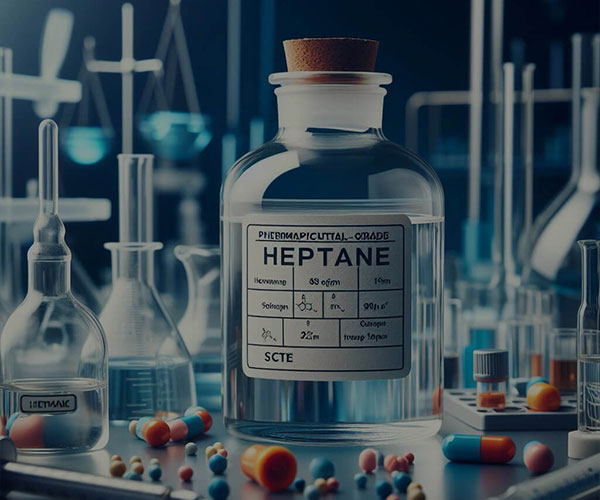
Pharmaceutical agents such as vitamins, plant and organ extracts, antibiotics, enzymes, hormones and other biological agents are high-qualityly sensitive and precious. The Huading Separator Industry offers separators and decanters in gas-tight and explosion-proof designs that ensure their gentle extraction and thus form an important basis for medical advancement. Whether liquid-liquid, liquid-liquid-solid or liquid-solid, whether the single-stage or multi-stage method in co-current, counter-current or crossflow principle, the Huading Separator Industry covers all methods and modes of operation. Separators and decanters for plant extracts ━ Alkaloids– Morphine– Codeine– Caffeine– Cocaine– Ergot– Quinine– Rauwolfia– Digitalis etc. ━ Herbal medicines– Cannabidiol (CBD) ━ Special pharmaceutical agents ━ Medicinal teas ━ Essential oils ━ Scents ━ Antibiotics– Penicillin– Erythromycin– Tetracyclin– Bacitracin– Clavulanic acid– Cyclosporine etc. ━ Statins– Lovastatin– Pravastatin etc. ━ Steroids/hormones– Corticosteroid– Growth hormone– Testosterone etc. ━ Organ extracts━ Insulin━ Pancreatin━ Lab━ Placenta extract etc. ━ Pectines━ Vitamins━ Aromatic materials
Pharmaceutical Biotechnology researches and develops the high-tech medicines of the future. For its highly sensitive biomaterials a correspondingly protective process is absolutely essential. In these highly sensitive production processes Huading Separator’s centrifugal separation technology play a key role. Aseptic process management, optimum cleaning capability, closed product handling, gentle product treatment, reliable compliance with GMP requirements, efficient recovery of active ingredients and a reliable scale-up – the requirements of biotechnology are demanding. With separators and decanters designed specifically for biotechnological applications, Huading Separator stands for reliable compliance with these requirements. Separators and decanters from Huading Separator for pharmaceutical agents recovery: General human vaccines ━ Hepatitis A and B ━ Influenza ━ Meningitis C ━ Pneumococcal vaccines ━ Mumps, measles, rubella ━ Polio ━ Diphtheria ━ Tetanus ━ Whooping cough Veterinary vaccines ━ FMD etc. Insulin from biomass Enzyme ━ Amylolytic enzymes ━ Proteolytic enzymes ━ Lipases ━ Cellulases, etc. Starter cultures (bacterial cultures) ━ Lactobacillus ━ Leuconostoc ━ Streptococcus ━ Bifidobacteria, etc. Human blood proteins ━ Cryoprecipitate (factor VIII) ━ Fibrinogen ━ Globulin ━ Albumin, etc. Synthetic pharmaceutical products ━ Pharmaceutical proteins ━ Interferon ━ Interleukin ━ Heparin
Copyright ©Yixing Huading Machinery Co.,Ltd. All Rights Reserved. Custom Centrifugal Separator Factory