What is a Oil Sludge Application Decanter Centrifuge, and what are its advantages?
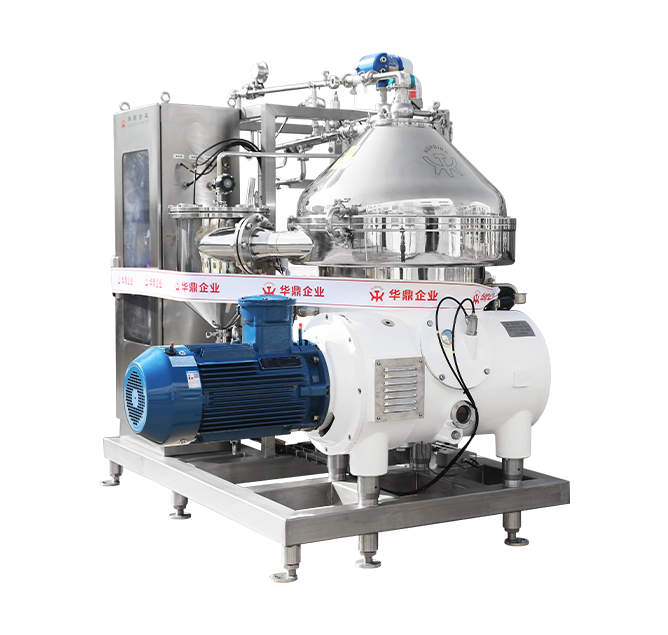
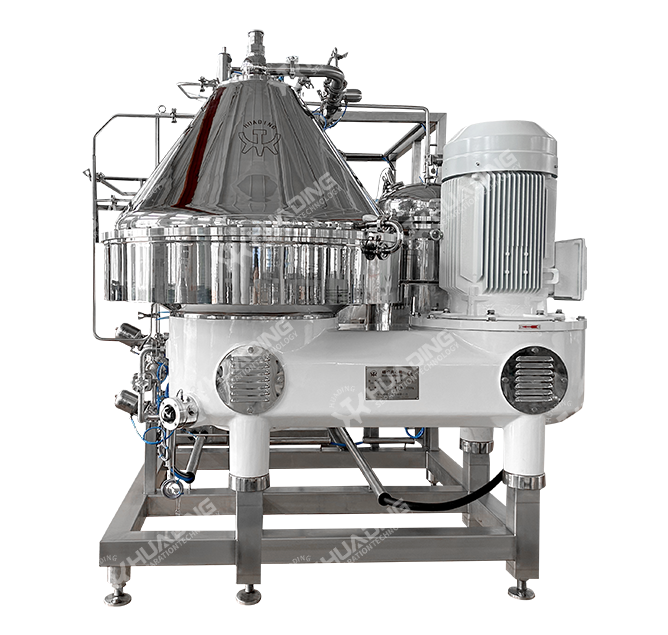
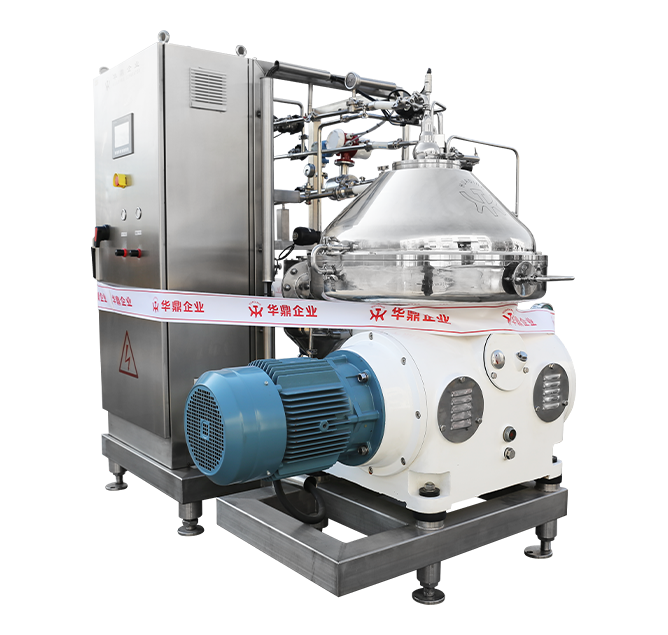
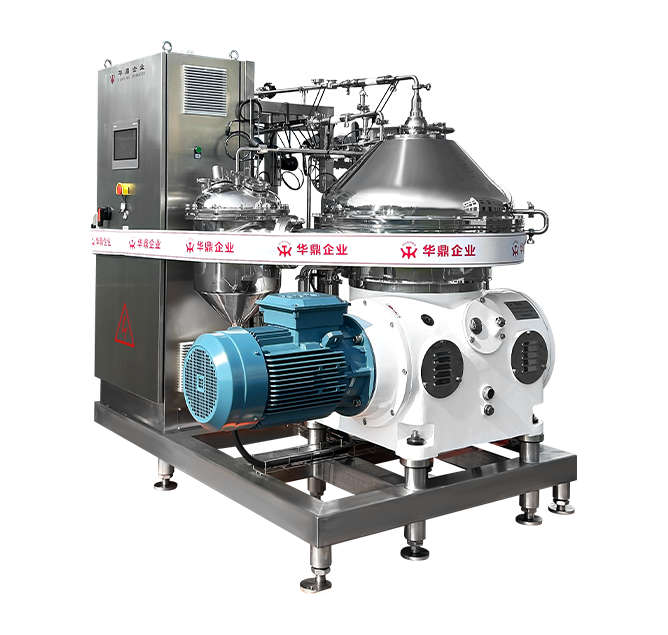
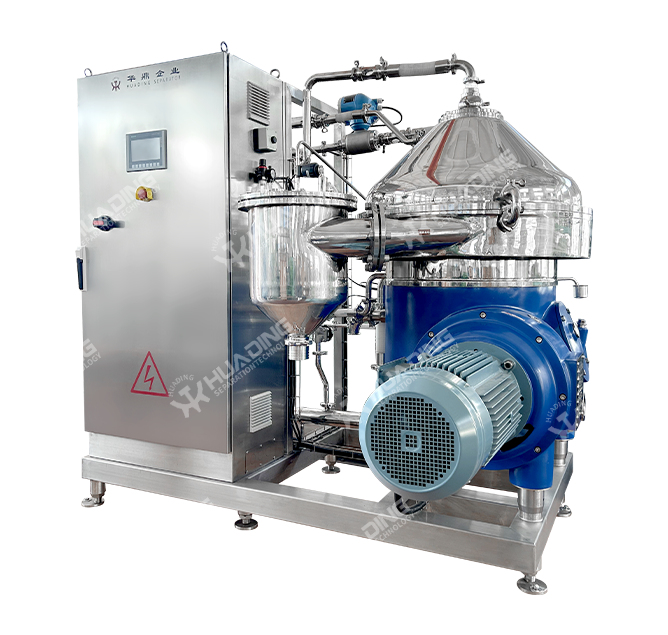
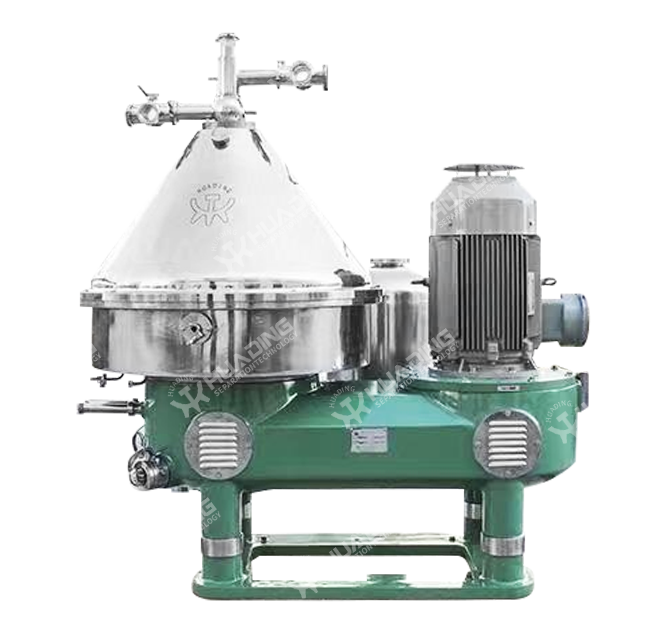
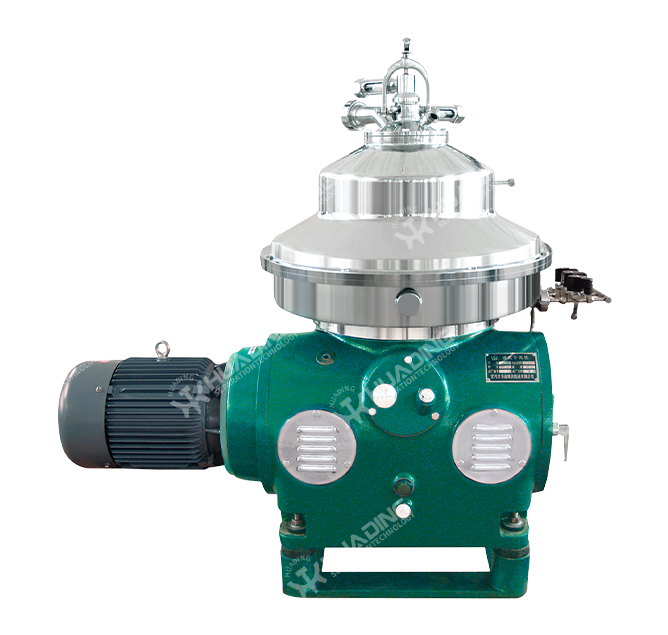
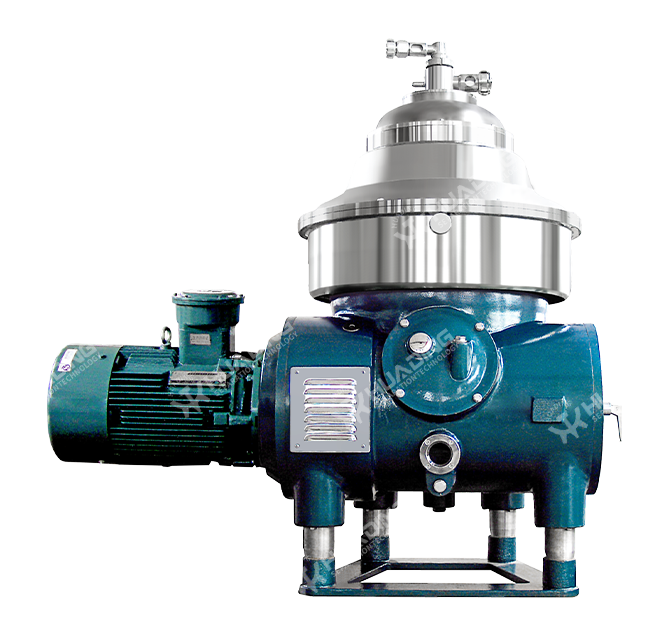
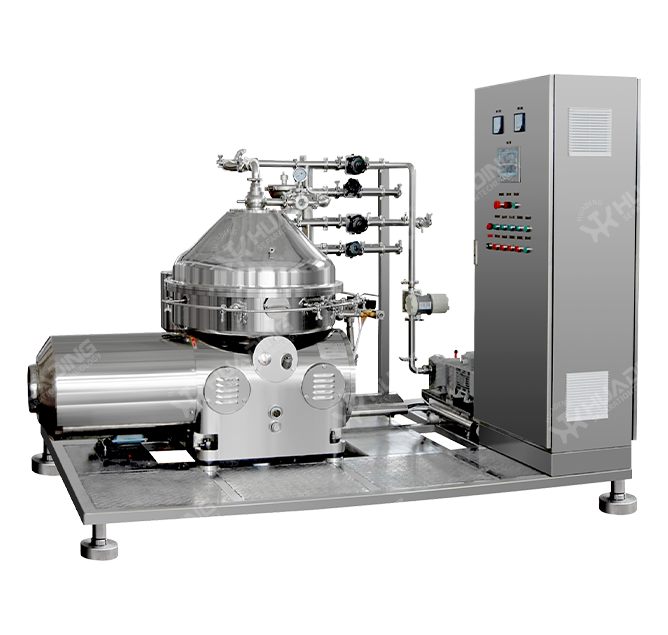
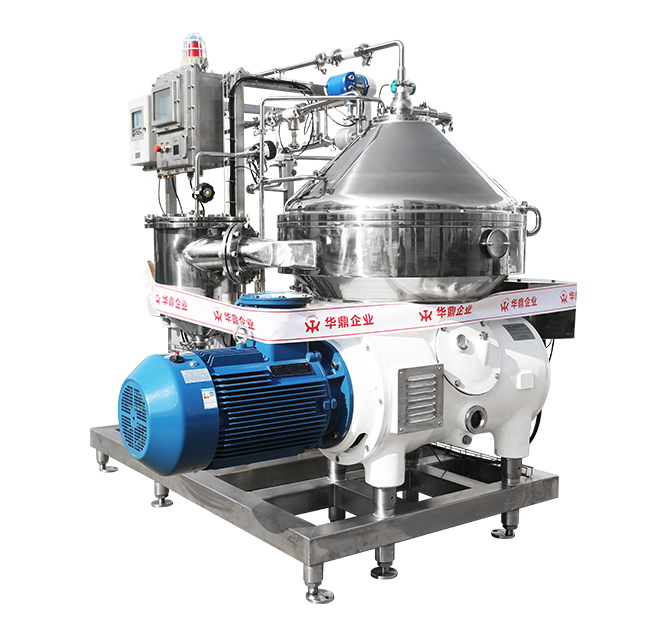
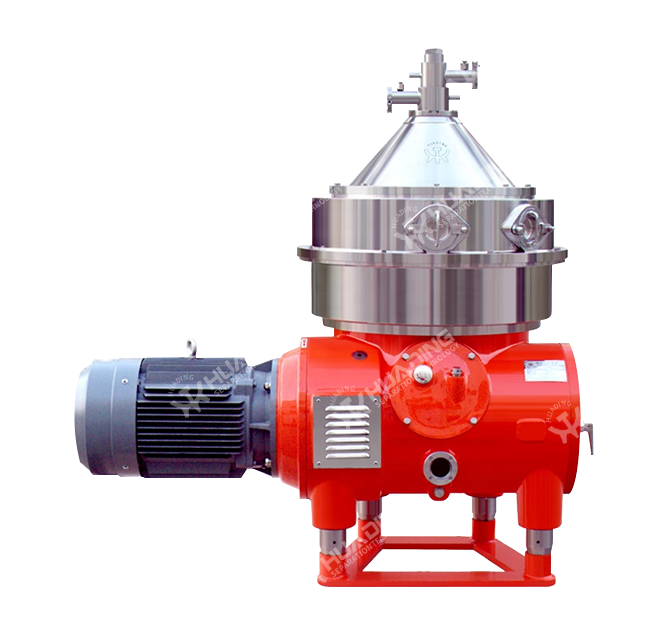
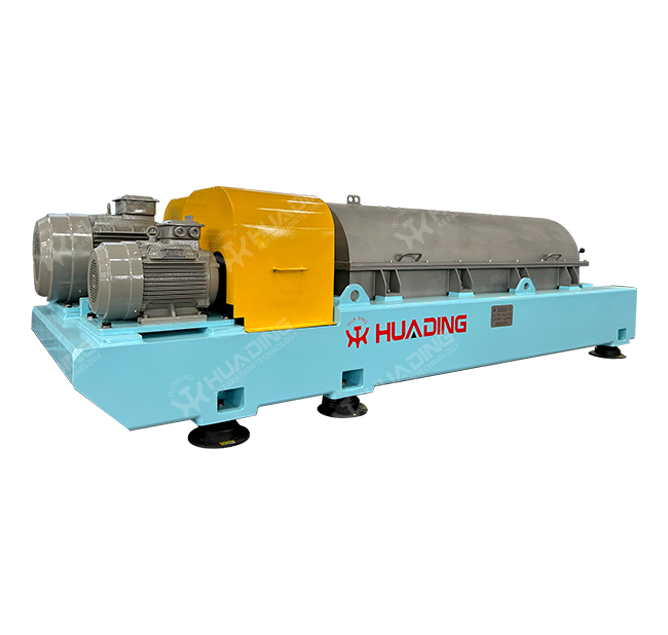
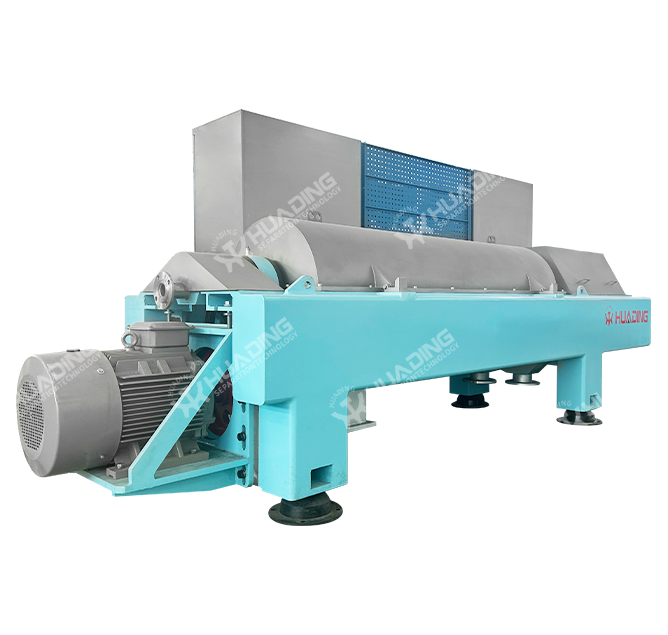
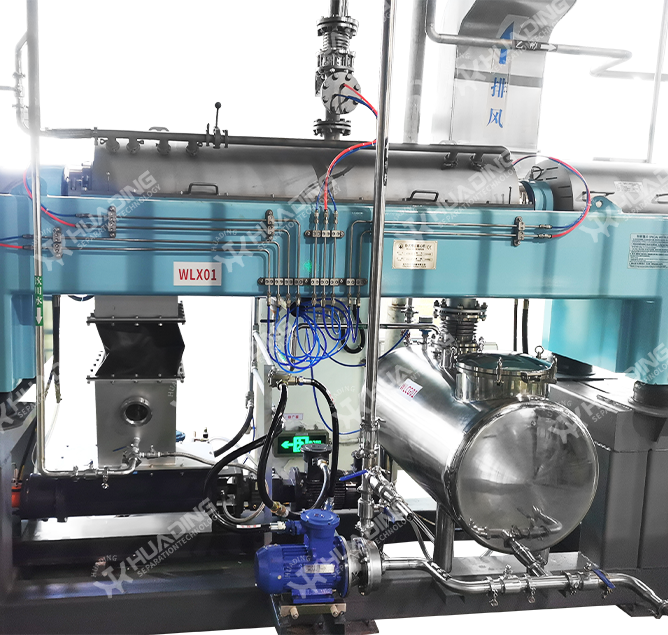
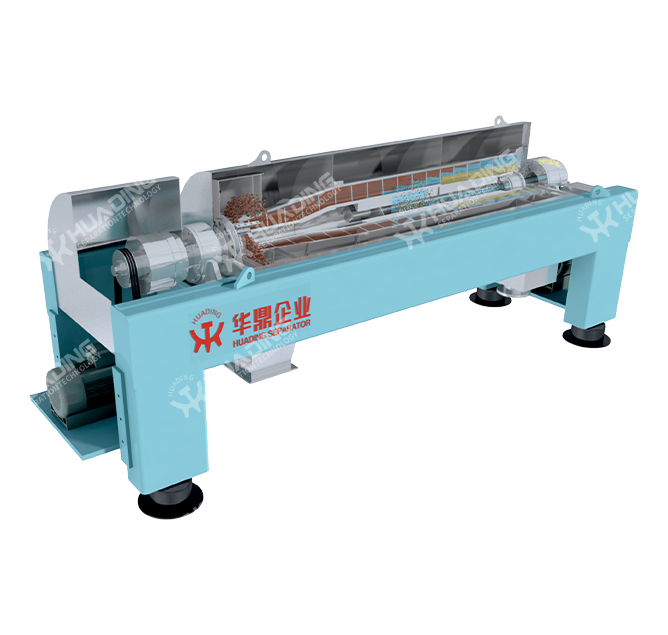
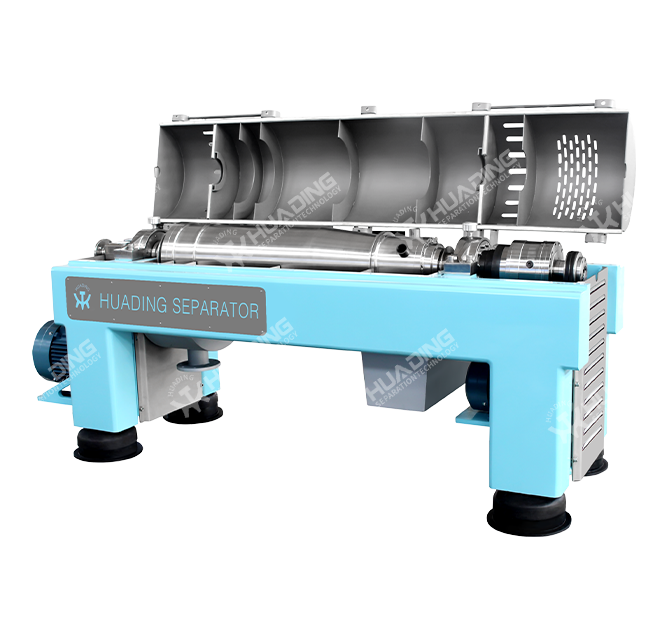
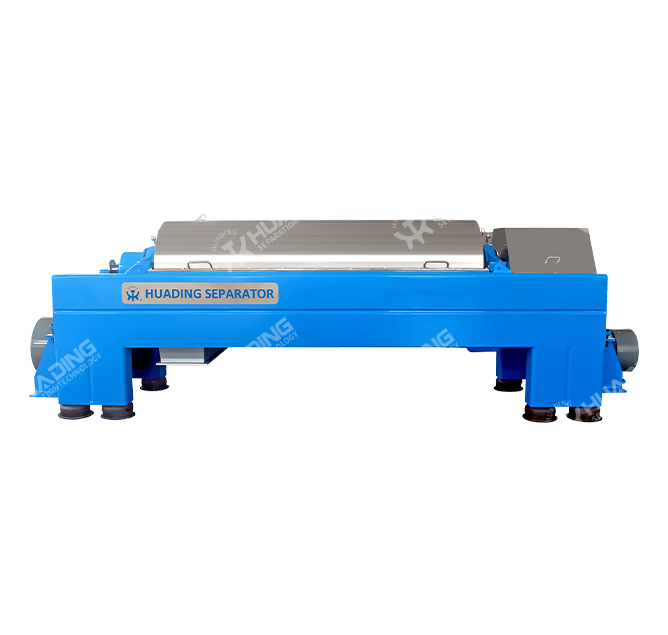
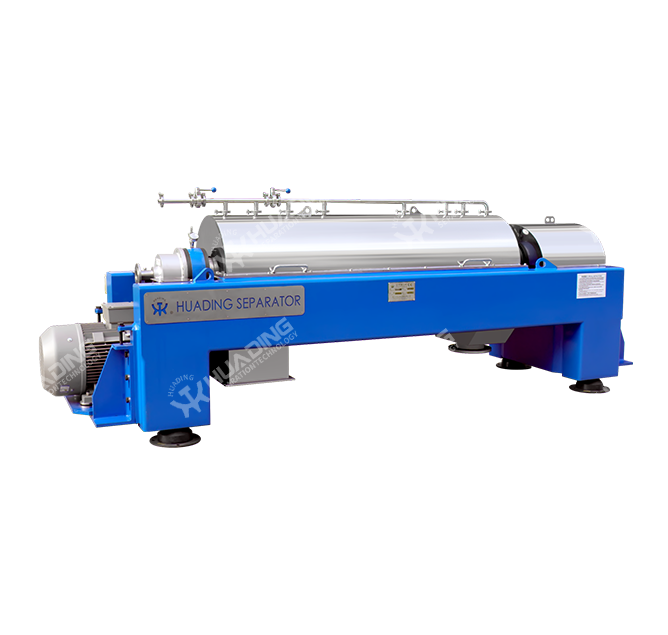
The Oil Sludge Application Decanter Centrifuge is a highly efficient device designed specifically for oil sludge separation, widely used in industries such as petroleum, chemical, and wastewater treatment. Its core function is to separate solids from liquids through centrifugal force, making it particularly suitable for processing sludge containing high amounts of oil and high viscosity. This device is designed with the unique characteristics of oil sludge in mind, including its high viscosity and fluctuating solids content. Two different drive modes are available: single-motor drive and dual-motor drive, enabling flexible adjustment to suit different material characteristics.
Single-motor drive mode: This is the basic configuration for this type of oil sludge centrifuge and is suitable for processing sludge with a relatively constant solids content. Its advantages include simple structure, easy operation, and low manufacturing cost. This mode indirectly achieves a speed differential between the bowl and the screw by adjusting the gear ratio or speed. While this method does not offer extremely high control accuracy, it can provide adequate separation for materials with less stringent moisture requirements. This mode is ideal for oil sludge with a relatively stable solids content and low moisture content requirements. For example, in some conventional sludge processing processes, a single-motor mode can efficiently complete separation tasks while reducing equipment complexity and maintenance costs.
Dual-motor drive mode: Compared to a single-motor drive mode, the dual-motor drive mode provides more precise differential speed control. By adjusting the speed of two variable-frequency motors, the differential speed between the bowl and the screw can be precisely controlled. This mode is ideal for sludge processing with fluctuating solids content and strict moisture content requirements. This mode achieves higher separation efficiency and better moisture control, making it suitable for demanding applications such as sludge processing requiring high recovery rates or industries with strict environmental emission standards. The main advantage of the dual-motor drive mode lies in its adaptability. It can process sludges with varying viscosities, solids contents, and can be adjusted to suit the material's characteristics. This makes it particularly effective for complex or highly variable sludge materials.
Equipment Advantages
High-dryness solid residue: After sludge separation, the equipment can control the oil content of the sludge cake to below 1% and the moisture content to below 60%, effectively meeting environmental emission standards. The lower moisture and oil content makes sludge cake processing more efficient and significantly reduces subsequent processing costs. Compared to traditional treatment methods, this high-dryness sludge cake offers greater stability, making it easier to transport, store, and dispose of. This advanced separation technology significantly reduces oil sludge emissions and minimizes environmental pollution risks, helping companies fulfill their environmental responsibilities and comply with increasingly stringent environmental regulations.
High Recovery Rate: This Decanter centrifuge for oily sludge offers excellent oil recovery capabilities, achieving a crude oil recovery rate of over 95%, significantly reducing resource waste. During the separation process, the equipment maximizes oil extraction. This increased recovery rate not only reduces sludge waste disposal costs but also increases the reuse rate of raw materials. This high recovery rate effectively reduces dependence on crude oil resources. This feature not only improves economic efficiency but also promotes sustainable resource utilization for companies with high raw material demands, such as those in the petroleum and chemical industries. It represents a powerful combination of modern production and environmental protection.
High Adaptability: This equipment can process a wide range of oily sludge, ranging from 1% to 40% solids content, offering exceptional adaptability. The equipment can also process oil sludge with a wide range of viscosities, from 0 to 50,000 cP. This allows the sludge centrifuge to handle a wide range of industrial sludge, including those from the petroleum, chemical, and environmental sectors. Whether it's low-viscosity, clean sludge or high-viscosity, impure sludge, the equipment ensures efficient separation, ensuring smooth production processes and providing tailored solutions for diverse industrial needs.
Low Operating Costs: Compared to traditional thermal desorption technology, the sludge centrifuge reduces energy consumption by over 60%, significantly reducing energy consumption during production. This energy saving not only lowers operating costs for businesses but also reduces energy demand, improving overall production efficiency. Furthermore, because the equipment utilizes more efficient centrifugal separation technology, it completes the sludge separation process in a shorter time, further reducing energy consumption and maintenance costs during operation. This low operating cost advantage enables businesses to meet environmental standards while improving production efficiency and achieving long-term economic benefits.
Application Scenarios
The dual-motor drive mode is particularly suitable for industries with high demands for sludge treatment quality. Industries such as oil extraction, chemical production, and wastewater treatment often face complex sludge treatment tasks. These tasks require not only efficient separation but also precise control of the sludge's moisture and solid residue content to meet environmental standards and production requirements. For these industries, dual-motor drive sludge centrifuges offer higher separation accuracy, ensuring optimal sludge treatment during production, reducing resource waste, and meeting environmental requirements.
Why is the single-motor drive suitable for certain sludge processes?
The core advantage of the single-motor drive lies in its simplified design and cost-effectiveness. It is particularly well-suited for sludge with a constant solids content and less stringent moisture discharge requirements. This model operates by using a variable-frequency motor and frequency converter to drive the bowl and screw. The speed differential between the bowl and screw is adjusted, or a gear ratio is used to achieve this. Without a complex differential speed control system, the entire device is simpler, easier to operate, and less expensive to manufacture. It is therefore well-suited for applications with relatively simple production requirements.
For example, for sludge with a relatively stable solids content and minimal compositional variation, the single-motor drive model can effectively separate sludge. For this type of material, while moisture content varies to some extent, requirements are not stringent, and excessive adjustment of separation accuracy is not necessary during operation. Therefore, the single-motor drive mode maintains processing efficiency while reducing energy consumption and maintenance costs, making it ideal for large-scale, standardized sludge processing.
However, the single-motor drive mode is limited in its ability to precisely control the moisture and solids content of the sludge, making it unsuitable for highly variable and complex sludge processing. In particular, when precise adjustment is required for alkaline or acidic sludge, sludge with high viscosity, or when strict control of moisture discharge is required, the single-motor drive mode's limited flexibility may not achieve optimal separation results. In these cases, the dual-motor drive mode offers higher control accuracy and adapts to more complex processing requirements.

 English
 русский
 Español
 عربى
عربى 中文简体
中文简体