
 English
 русский
 Español
 عربى
عربى 中文简体
中文简体
 Contact Us
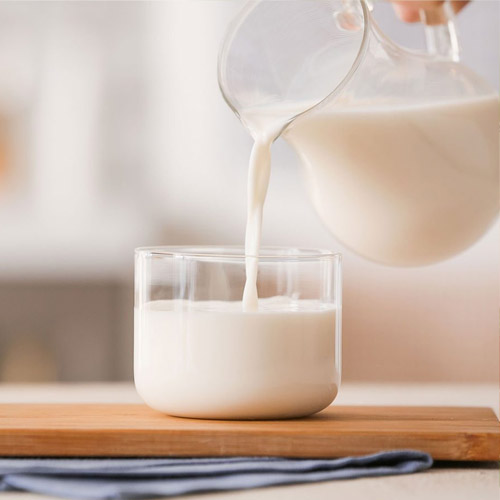
Application
View More
The oil and fat industries are booming and show no signs of slowing down. With the world’s population constantly growing, the demand for these products is only going to increase. But as the demand for these products grows, so does the need for efficient and reliable separation methods.
There are a variety of separation methods available, and the choice of method depends on the type of oil or fat being processed, the desired quality of the product, and the nature of the impurities. Common separation methods used in the oils & fats industry include filtration, centrifugation, and decantation. Filtration is a physical separation process that uses a filter to remove impurities from an oil or fat. Centrifugation is a physical separation process that uses centrifugal force to separate impurities from an oil or fat. Decantation is a gravity separation process that uses the difference in density between an oil or fat and its impurities to separate.
Our separators are available in a variety of sizes and configurations to suit your specific application needs. Whether you are looking for a small separation unit for a pilot plant or a large scale unit for your production line, we have the right solution for you.

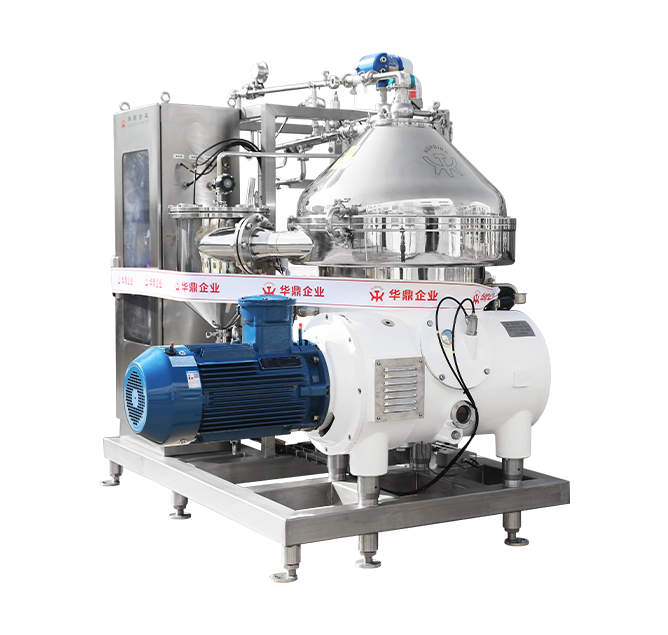
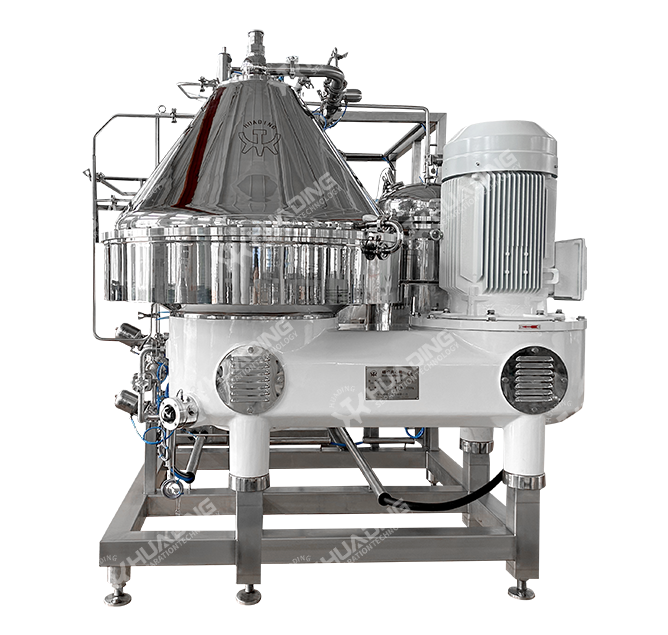
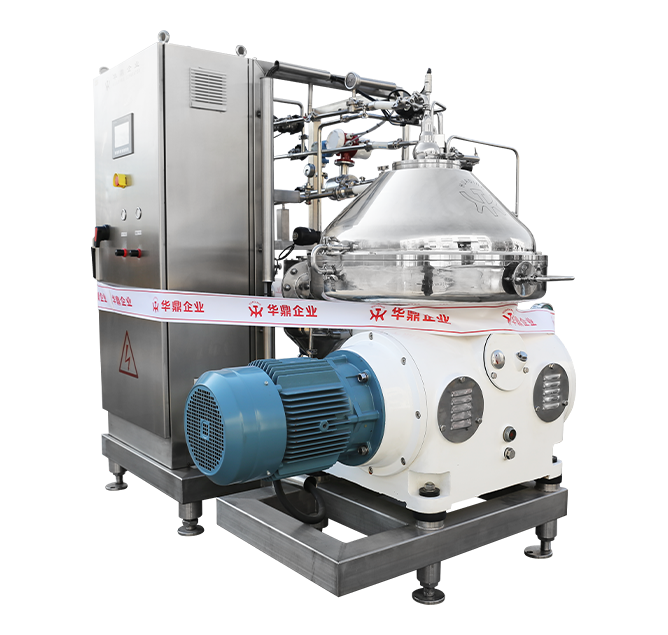
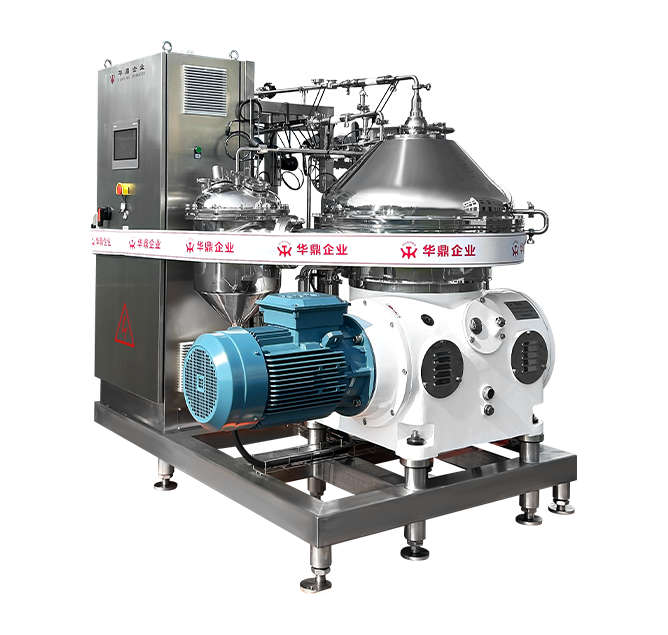
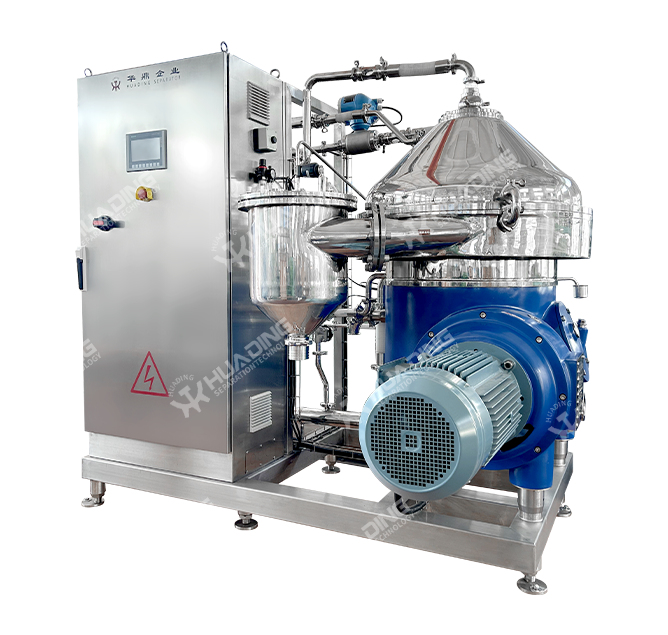
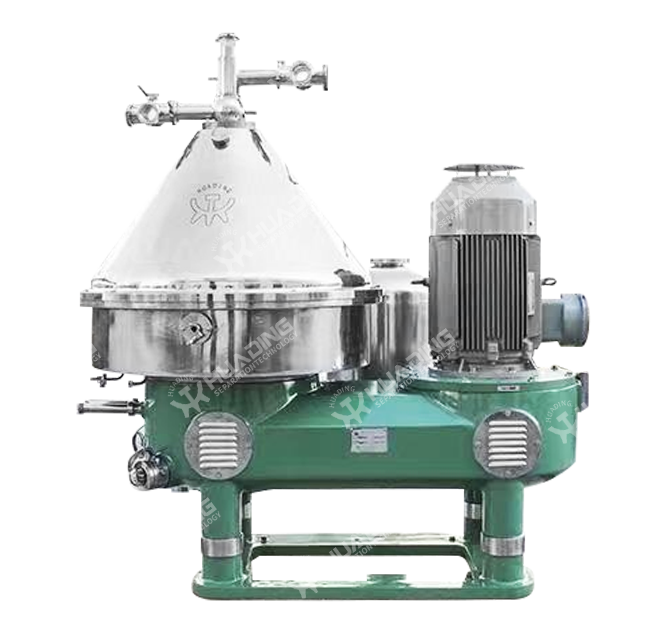
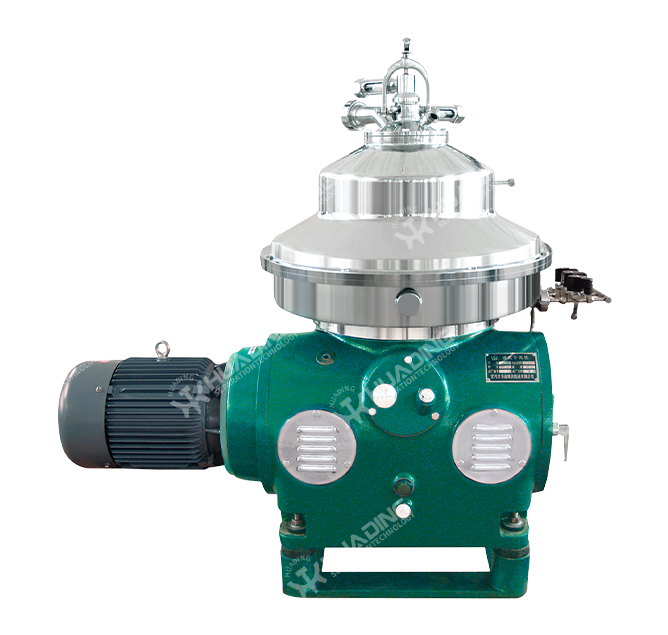
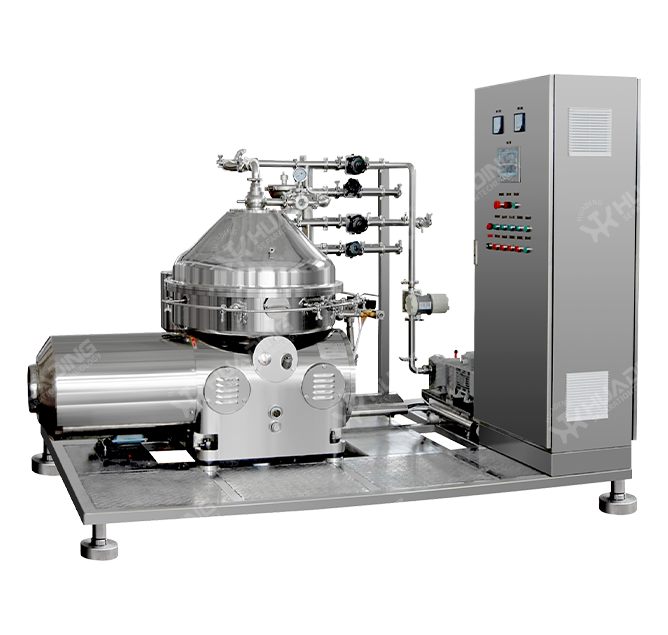
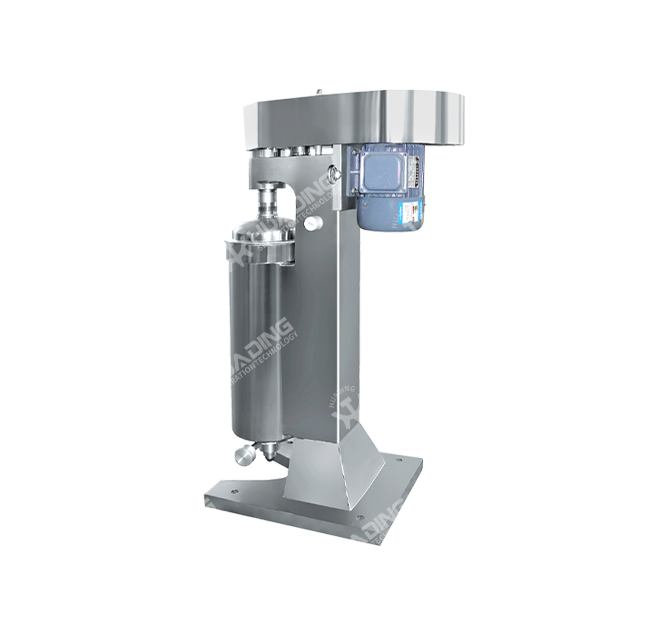
Palm oil purifier The palm oil Purifier is widely used for the purification of palm oil. The oil is fed from the oil tank to the purifier where impurities and water are removed. After purification the oil passes to the vacuum dryer, and is finally pumped to the main storage tank via an oil cooler. The PASB purifier is a solids ejecting disc stack type centrifuge. The rotating bowl is driven by the electric motor via the flat belt or gear worm. With the feed closed, oil is displaced from the bowl by the addition of displacement water and discharge water is added to release the hydraulic closing force, lowering the sliding bowl bottom. After the discharge cycle, a new water seal is established in the bowl and separation continues. Oil is fed into the purifier by using an external pump. The operating water slide and the complete hydraulic system controlling the sludge discharges are inside the bowl. There is no possibility of contamination from external sources. The separator bowl is designed for partial discharge of separated sludge, which means that there is a minimal loss of oil. The drive system is of belt drive, or the worm and worm wheel. The feed system is via external pump system. No operating water tank is required as the purifier requires water at high pressure and this is achieved by an external water pump which operates only during the discharge cycle. Discharging have to be made at regular interval of 15 to 20 minutes and each discharge cycle last for a period of several seconds. The discharge system is fully automated with manual override system. Operating principle of palm oil purifier Separation takes place inside a rotating bowl. The teed is introduced to the rotating centrifuge bowl from the top via a stationary inlet pipe, and is accelerated in the distributor, before entering the disc stack. The separation of liquid-liquld-solids takes place between the discs, with the oil phase moving through the disc stack to the center and is discharged via a stationary centripetal pump. The water and solids separated from the oil moves out to the periphery, the water is led via channels in the top disc to the paring chamber, where it flows out of the centrifuge via holes in the bowl hood. The solids are collected in the periphery of the bowl, from where it is discharged intermittently. The solids discharge is achieved by a hydraulic system which at preset suitable intervals forces the sliding piston to bend down and thus open the solids ports at the bowl periphery.
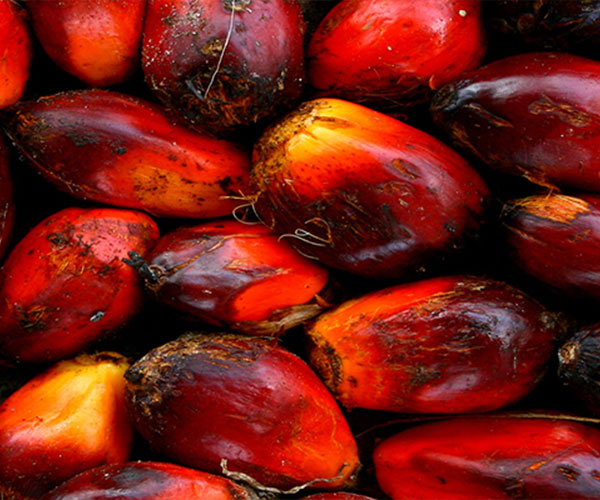
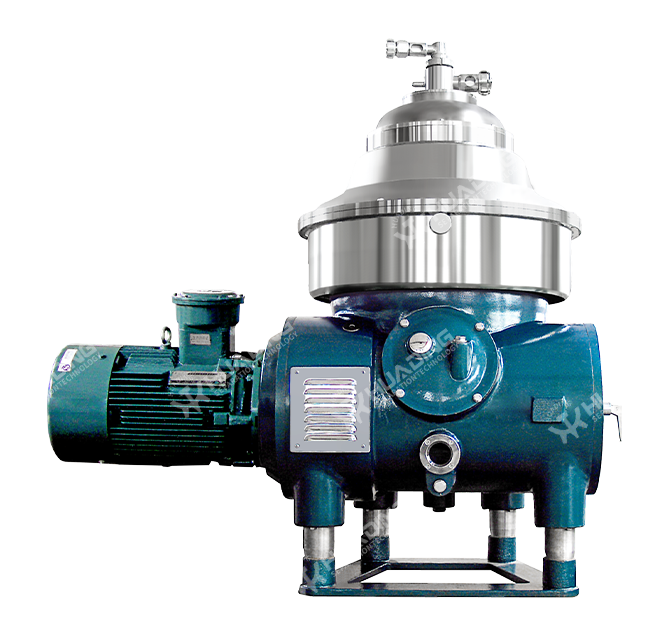
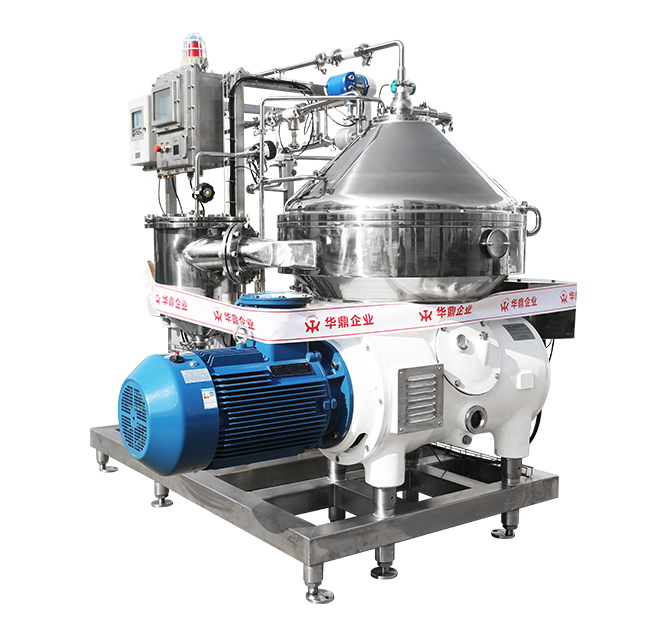
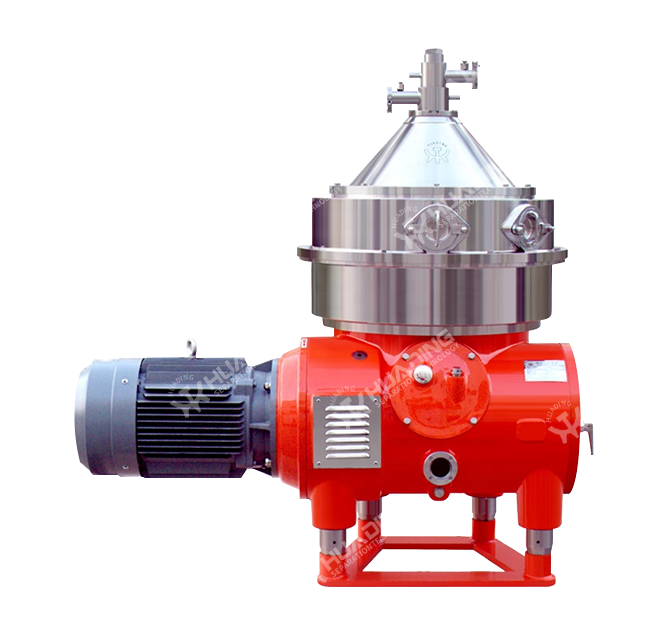
Nozzle separator PAND45 in 3-phase designPalm oil sludge separation and de-oiling of palm oil mill effluent The PAND nozzle separator is used for recovery of palm oil from the settling tank underflow in a palm oil mill. This underflow is commonly called sludge water. PAND nozzle palm oil separator is sometimes installed to recover oil from the heavy phase of a three-phase decanter. The decanter has removed of the oil and there is very little left for the PAND nozzle palm oil separator. The main task is to recover the oil in the third layer. The requested separation duty here is to separate between water and water with some oil containing suspended solids. Separation is performed in a rotating bowl containing conical discs, where in the space between each disc the actual separation takes place. The liquid feed enters the bowl through a stationary feed pipe into a rotating distributor insert in the center of the bowl and then passes into the disc stack. Solids are continuously discharged through the peripheral nozzles. The nozzles discharge leaves the machine by gravity via an outlet in the frame. Water are forced towards the bowl wall where they are discharged under pressure through the centripetal pump. The concentrated oil is pumped out by a built-in centripetal pump as well. Should the oil and water content in the bowl move outwards, with the risk of oil being ejected together with the solids, water from the overhead balance tank will automatically enter the bowl and push the oil level back to the normal position. By removing the nozzle holders from the outside and flushing the bowl with water while running at low speed the PAND nozzle separator can be cleaned without dismantling. In this way, machine down-time is reduced. In addition, the PAND nozzle palm oil separator comes with a CIP program. Flushing water is initially introduced into the feed inlet tube when the centrifuge is running at low speed over a few cycles to be followed later by introducing the flushing water into the clarified light phase (recovered oil) outlet through the disc stack when it is running at higher speed. All liquid-wetted parts are of stainless steel. The frame is made of cast iron except the top part & frame hood which are of stainless steel. As a protection against erosion, the PAND palm oil separator contains several erosion guards and liners. Specifications: Capacity up to 15m3/h Bowl speed 5400 rpm Motor power 30 Kw Weight 2000 Kg Dimension Dimension(mm) A B C D PAND45 1600 950 1700 2500 Nozzle Insert bush Both nozzle and insert bush can be used for other nozzle separators. More information, please contact us.
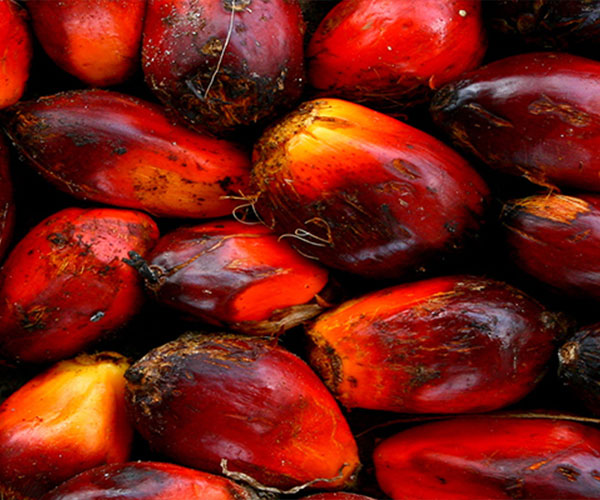
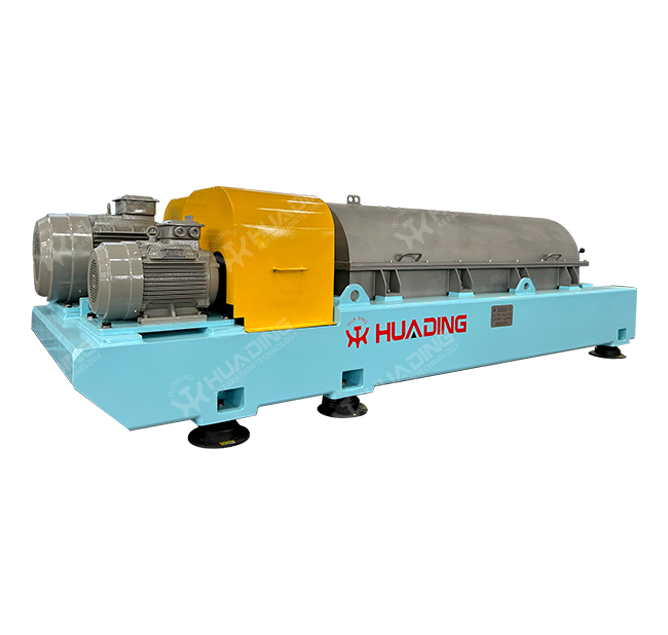
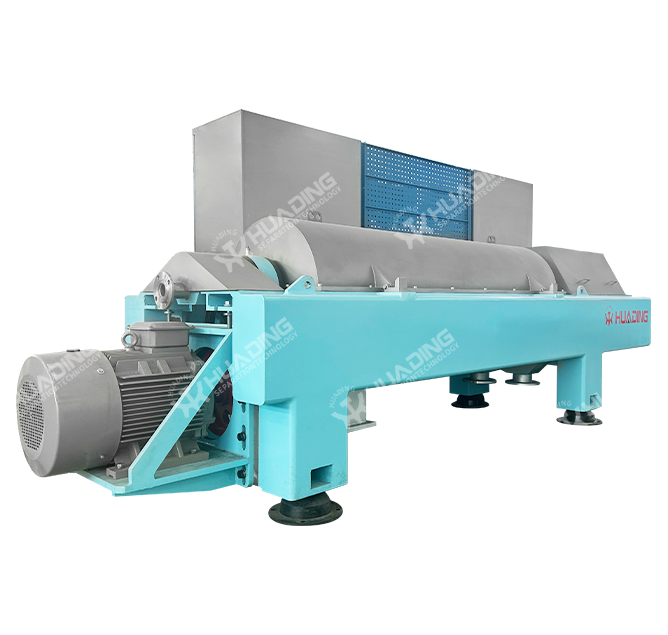
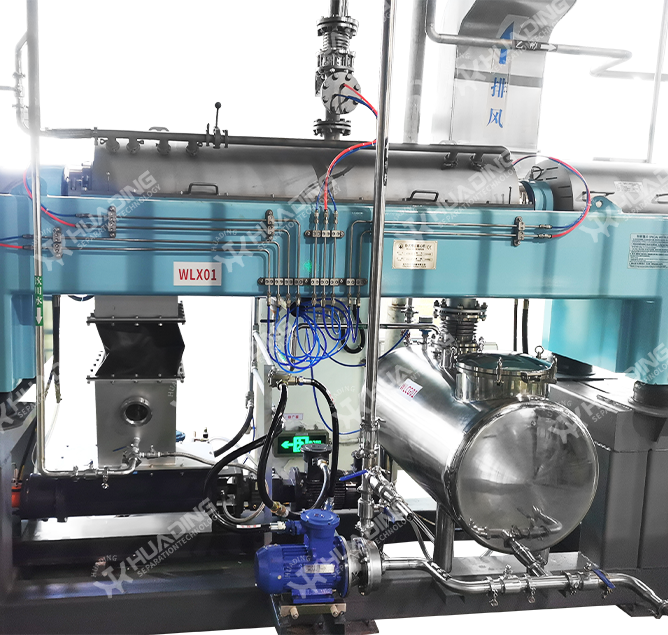
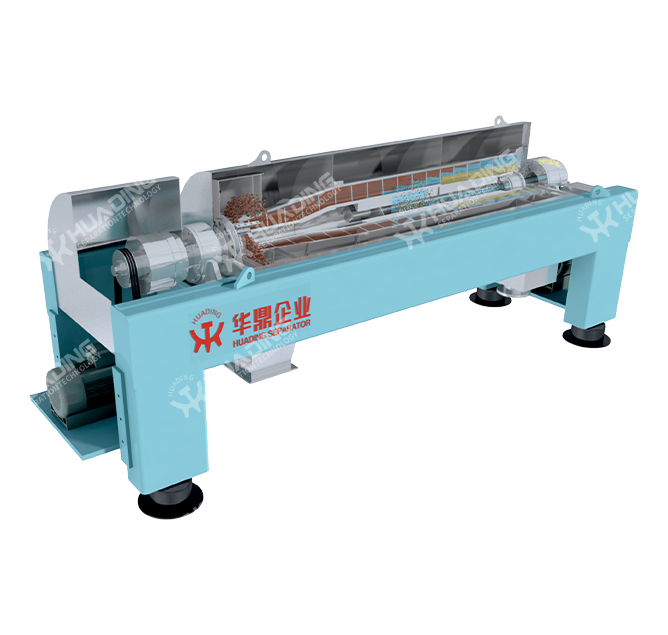
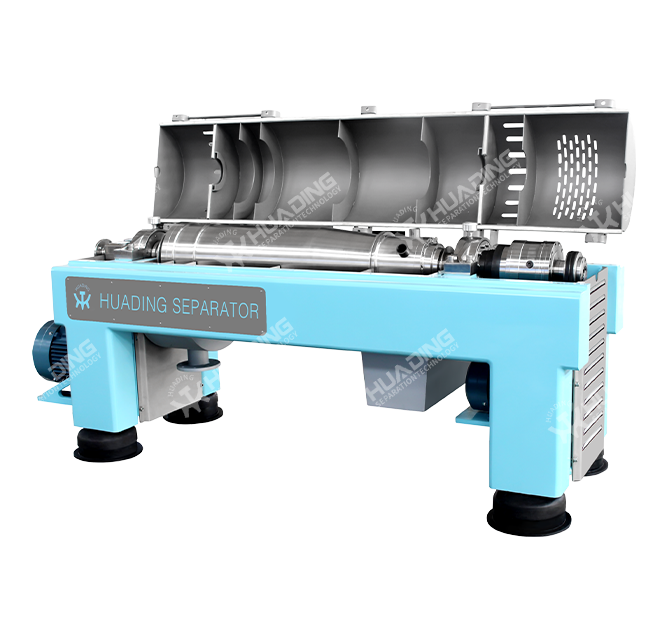
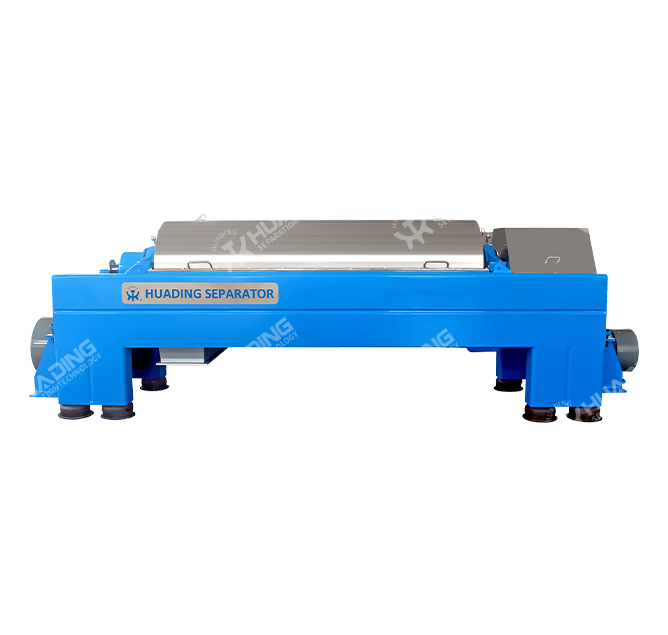
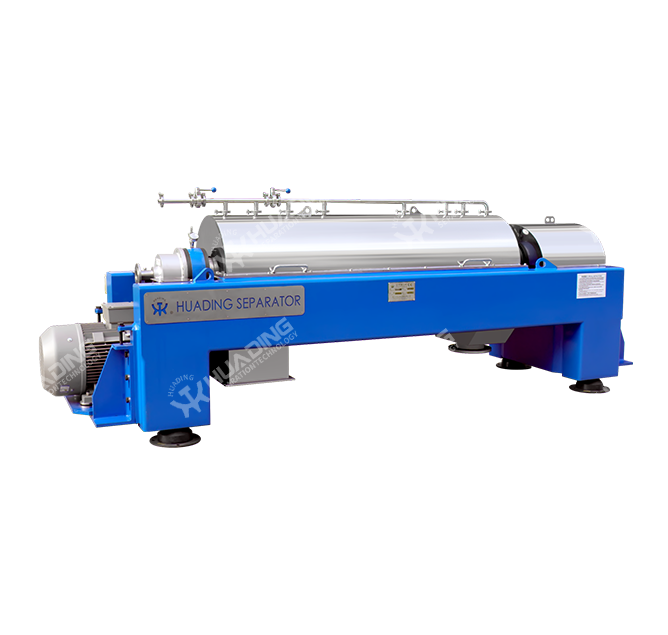
Decanter centrifuge for crude palm oil process The PAWT series 3-phase decanter separates the pressed crude oil mixture that comes from the underflow of the main settling tank into an oil phase, a dry solids cake and virtually oil-free wastewater. The oil phase is sent to a purifier, which polishes the palm oil and reliably removes even high-qualityly small contaminants. The palm oil sludge enters the rotating bowl through a stationary feed tube and is thrown radially outwards into the bowl through feed ports in the conveyor hub. By means of centrifugal force, the solids and liquids are separated from each other in the bowl. While the solids particles settle to the bowl wall and are discharged by means of a screw conveyor, the cleared liquid phase accumulates above the separated solids phase and is discharged at the opposite end of the bowl. The oil phase and water phase pass to their respective outlets. The light liquid phase (oil) discharged by means of adjustable dip tubes by gravity, and the heavy liquid phase discharged through overflow weirs. The PAWT series 3-phase decanter centrifuge comes with two motors, which are controlled by two separate VFD. The VFD system optimizes the differential speed without changing belts or pulleys during operation. The PAWT decanter centrifuge offers the wear protection. The different zones and elements in a decanter centrifuge need different wear protections. A variety of materials ensure that the operations are able to withstand high temperatures as well as heavy duty and corrosive products.• To protect the bowl, the inner surface has strips. Bowl outlets are protected with easily replaceable hardfacing bushings.• To protect the screw conveyor, the flights are protected with sintered tungsten carbide tiles.• To protect the sludge discharge ports, these ports are protected with erosion resistant bushings.• To protect the solids casing, the receiving surface has a thick stainless steel plate. Huading Separator supply centrifugal separation solutions for all procedures and processes for recovering palm oil. The continuously operating technology combines high-qualityly robust design with high product yield and positive oil quality. Huading Separator decanter centrifuge cover the whole throughput range required in the palm oil industry with capacities from 30t to 100 t FFB/h. crude-palm-oil-process-flowchart-decanter-centrifuge Model L (mm) W (mm) H (mm) weight (Kg) motor (Kw) capacity Back Drive System PAWT40E 3750 980 1180 2300 22 up to 30mt FFB/h Variable Frequency Drive PAWT50D 4200 1100 1300 3500 37 up to 45mt FFB/h Variable Frequency Drive PAWT55 4500 1230 1400 4000 45 up to 60mt FFB/h Variable Frequency Drive PAWT60C 5300 1425 1800 6500 75 up to 100mt FFB/h Variable Frequency Drive
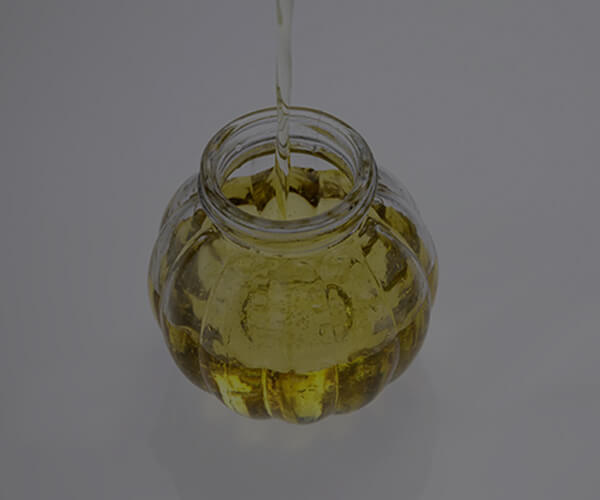
Huading Separator has a product range for the palm oil mill that concentrates on equipment for the oil room. Not only the palm oil separator, but also palm oil decanter centrifuge.The products we are marketing are: ━ Nozzle separator━ Decanter centrifuge━ Palm oil purifier crude-palm-oil-process-flowchart-decanter-centrifuge Palm oil from the underflow can be recovered by either of the following systems: ━Three-phase nozzle separator ━Three-phase decanter centrifuge ━Two or three-phase decanter in combination with nozzle separator Nozzle separator The PAND nozzle separator is used for recovery of palm oil from the settling tank underflow in a palm oil mill. This underflow is commonly called sludge water. PAND nozzle palm oil separator is sometimes installed to recover oil from the heavy phase of a three-phase decanter. The decanter has removed of the oil and there is very little left for the PAND nozzle palm oil separator. The main task is to recover the oil in the third layer. The requested separation duty here is to separate between water and water with some oil containing suspended solids. Separation is performed in a rotating bowl containing conical discs, where in the space between each disc the actual separation takes place. The liquid feed enters the bowl through a stationary feed pipe into a rotating distributor insert in the center of the bowl and then passes into the disc stack. Solids are continuously discharged through the peripheral nozzles. The nozzles discharge leaves the machine by gravity via an outlet in the frame. Water are forced towards the bowl wall where they are discharged under pressure through the centripetal pump. The concentrated oil is pumped out by a built-in centripetal pump as well. Should the oil and water content in the bowl move outwards, with the risk of oil being ejected together with the solids, water from the overhead balance tank will automatically enter the bowl and push the oil level back to the normal position. By removing the nozzle holders from the outside and flushing the bowl with water while running at low speed the PAND nozzle separator can be cleaned without dismantling. In this way, machine down-time is reduced . In addition, the PAND nozzle palm oil separator comes with a CIP program. Flushing water is initially introduced into the feed inlet tube when the centrifuge is running at low speed over a few cycles to be followed later by introducing the flushing water into the clarified light phase (recovered oil) outlet through the disc stack when it is running at higher speed. All liquid-wetted parts are of stainless steel. The frame is made of cast iron except the top part & frame hood which are of stainless steel. As a protection against erosion, the PAND palm oil separator contains several erosion guards and liners. Decanter centrifuge The PAWT series 3-phase decanter separates the pressed crude oil mixture that comes from the underflow of the main settling tank into an oil phase, a dry solids cake and virtually oil-free wastewater. The oil phase is sent to a purifier, which polishes the palm oil and reliably removes even high-qualityly small contaminants. The palm oil sludge enters the rotating bowl through a stationary feed tube and is thrown radially outwards into the bowl through feed ports in the conveyor hub. By means of centrifugal force, the solids and liquids are separated from each other in the bowl. While the solids particles settle to the bowl wall and are discharged by means of a screw conveyor, the cleared liquid phase accumulates above the separated solids phase and is discharged at the opposite end of the bowl. The oil phase and water phase pass to their respective outlets. The light liquid phase (oil) discharged by means of adjustable dip tubes by gravity, and the heavy liquid phase discharged through overflow weirs. The PAWT series 3-phase decanter centrifuge comes with two motors, which are controlled by two separate VFD. The VFD system optimizes the differential speed without changing belts or pulleys during operation. The PAWT decanter centrifuge offers the wear protection. The different zones and elements in a decanter centrifuge need different wear protections. A variety of materials ensure that the operations are able to withstand high temperatures as well as heavy duty and corrosive products.• To protect the bowl, the inner surface has strips. Bowl outlets are protected with easily replaceable hardfacing bushings.• To protect the screw conveyor, the flights are protected with sintered tungsten carbide tiles.• To protect the sludge discharge ports, these ports are protected with erosion resistant bushings.• To protect the solids casing, the receiving surface has a thick stainless steel plate. Huading Separator supply centrifugal separation solutions for all procedures and processes for recovering palm oil. The continuously operating technology combines high-qualityly robust design with high product yield and positive oil quality. Huading Separator decanter centrifuge cover the whole throughput range required in the palm oil industry with capacities from 30t to 100 t FFB/h. Oil purifierThe palm oil Purifier is widely used for the purification of palm oil. The oil is fed from the oil tank to the purifier where impurities and water are removed. After purification the oil passes to the vacuum dryer, and is finally pumped to the main storage tank via an oil cooler. The PASB purifier is a solids ejecting disc stack type centrifuge. The rotating bowl is driven by the electric motor via the flat belt or gear worm. With the feed closed, oil is displaced from the bowl by the addition of displacement water and discharge water is added to release the hydraulic closing force, lowering the sliding bowl bottom. After the discharge cycle, a new water seal is established in the bowl and separation continues. Oil is fed into the purifier by using an external pump. The operating water slide and the complete hydraulic system controlling the sludge discharges are inside the bowl. There is no possibility of contamination from external sources. The separator bowl is designed for partial discharge of separated sludge, which means that there is a minimal loss of oil. The drive system is of belt drive, or the worm and worm wheel.The feed system is via external pump system. No operating water tank is required as the purifier requires water at high pressure and this is achieved by an external water pump which operates only during the discharge cycle. Discharging have to be made at regular interval of 15 to 20 minutes and each discharge cycle last for a period of several seconds. The discharge system is fully automated with manual override system.
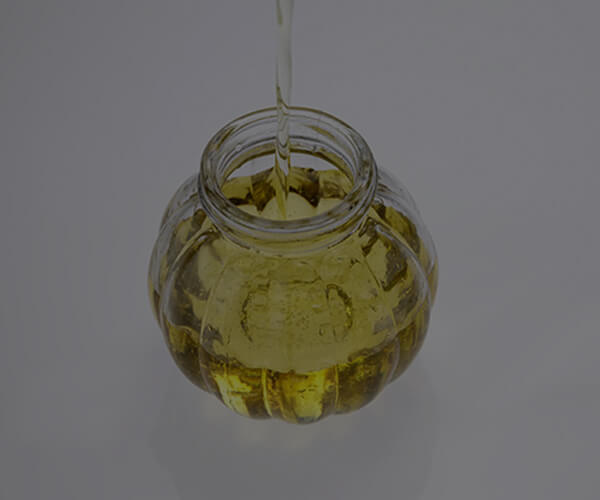
*, *::before, *::after { box-sizing: border-box; margin: 0; padding: 0; } :root { --brand: #c70f18; --brand-dark: #a00c13; --brand-light: #f9e5e6; --text-main: #1a1a1a; --text-secondary: #4a4a4a; --text-muted: #767676; --border: #e0e0e0; --bg-section: #f8f8f7; --bg-white: #ffffff; --bg-dark: #1c1c1c; --gold: #b8860b; --gold-light: #fdf6e3; --radius-sm: 4px; --radius-md: 8px; --radius-lg: 14px; } body { font-family: 'Georgia', 'Times New Roman', serif; color: var(--text-main); background: #fff; -webkit-font-smoothing: antialiased; } /* ── HERO BANNER ── */ .oc-hero { background: linear-gradient(135deg, #1a0002 0%, #c70f18 55%, #8b0000 100%); color: #fff; padding: 64px 48px 56px; position: relative; overflow: hidden; } .oc-hero::before { content: ''; position: absolute; top: 0; right: 0; bottom: 0; width: 42%; background: var(--brand); clip-path: polygon(12% 0, 100% 0, 100% 100%, 0% 100%); opacity: .18; } .oc-hero-label { font-family: 'Arial Narrow', Arial, sans-serif; font-size: 12px; letter-spacing: 3px; text-transform: uppercase; color: var(--brand); margin-bottom: 14px; } .oc-hero h1 { font-size: 36px; font-weight: 700; line-height: 1.25; max-width: 680px; margin-bottom: 20px; color: #fff; } .oc-hero h1 em { color: var(--brand); font-style: normal; } .oc-hero-desc { font-family: Arial, sans-serif; font-size: 16px; line-height: 30px; color: #c8c8c8; max-width: 620px; } .oc-hero-stats { display: flex; gap: 40px; margin-top: 40px; flex-wrap: wrap; } .oc-hero-stat-val { font-size: 30px; font-weight: 700; color: #fff; line-height: 1.1; } .oc-hero-stat-val span { color: #fff; } .oc-hero-stat-lbl { font-family: Arial, sans-serif; font-size: 13px; color: #fff; margin-top: 4px; letter-spacing: .5px; } /* ── SHARED LAYOUT ── */ .oc-section { padding: 60px 48px; } .oc-section--alt { background: #f5f5f5; } .oc-section--dark { background: var(--bg-dark); color: #fff; } .oc-inner { margin: 0 auto; } .oc-section-label { font-family: 'Arial Narrow', Arial, sans-serif; font-size: 12px; letter-spacing: 3px; text-transform: uppercase; color: var(--brand); margin-bottom: 10px; } .oc-section-title { font-size: 26px; font-weight: 700; line-height: 1.3; color: var(--text-main); margin-bottom: 18px; } .oc-section--dark .oc-section-title { color: #fff; } .oc-section-title strong { color: var(--brand); } .oc-divider { width: 44px; height: 3px; background: var(--brand); margin-bottom: 28px; } .oc-body { font-family: Arial, sans-serif; font-size: 16px; line-height: 30px; color: var(--text-secondary); } .oc-section--dark .oc-body { color: #bbb; } .oc-body + .oc-body { margin-top: 16px; } /* ── PROCESS STEPS ── */ .oc-steps { display: grid; grid-template-columns: repeat(auto-fit, minmax(180px, 1fr)); gap: 0; margin-top: 40px; border: 1px solid var(--border); border-radius: var(--radius-lg); overflow: hidden; } .oc-step { padding: 28px 22px; border-right: 1px solid var(--border); background: #fff; position: relative; } .oc-step:last-child { border-right: none; } .oc-step-num { font-size: 38px; font-weight: 800; color: var(--brand-light); line-height: 1; margin-bottom: 10px; font-family: Georgia, serif; } .oc-step-title { font-family: Arial, sans-serif; font-size: 15px; font-weight: 700; color: var(--text-main); margin-bottom: 8px; line-height: 1.4; } .oc-step-body { font-family: Arial, sans-serif; font-size: 14px; line-height: 2; color: var(--text-muted); } .oc-step-tag { display: inline-block; background: var(--brand); color: #fff; font-size: 11px; font-family: Arial, sans-serif; letter-spacing: 1px; text-transform: uppercase; padding: 3px 8px; border-radius: 2px; margin-top: 10px; } /* ── TWO COLS ── */ .oc-two-col { display: grid; grid-template-columns: 1fr 1fr; gap: 48px; align-items: start; } @media (max-width: 760px) { .oc-two-col { grid-template-columns: 1fr; gap: 32px; } .oc-hero { padding: 44px 24px; } .oc-section { padding: 44px 24px; } .oc-steps { grid-template-columns: 1fr 1fr; } .oc-step { border-bottom: 1px solid var(--border); border-right: none; } .oc-step:nth-child(odd) { border-right: 1px solid var(--border); } } /* ── MACHINE CARDS ── */ .oc-machine-cards { display: grid; grid-template-columns: 1fr 1fr; gap: 24px; margin-top: 36px; } @media (max-width: 640px) { .oc-machine-cards { grid-template-columns: 1fr; } } .oc-mcard { border: 1px solid var(--border); border-radius: var(--radius-lg); overflow: hidden; background: #fff; } .oc-mcard-head { background: var(--brand); padding: 18px 22px; display: flex; align-items: center; gap: 14px; } .oc-mcard-icon { width: 44px; height: 44px; background: rgba(255,255,255,.15); border-radius: 8px; display: flex; align-items: center; justify-content: center; flex-shrink: 0; } .oc-mcard-icon svg { width: 26px; height: 26px; fill: none; stroke: #fff; stroke-width: 1.5; stroke-linecap: round; stroke-linejoin: round; } .oc-mcard-name { font-family: Arial, sans-serif; font-size: 17px; font-weight: 700; color: #fff; line-height: 1.3; } .oc-mcard-sub { font-family: Arial, sans-serif; font-size: 13px; color: rgba(255,255,255,.75); margin-top: 2px; } .oc-mcard-body { padding: 22px; } .oc-mcard-desc { font-family: Arial, sans-serif; font-size: 15px; line-height: 1.8; color: var(--text-secondary); margin-bottom: 18px; } .oc-feat-list { list-style: none; display: flex; flex-direction: column; gap: 9px; } .oc-feat-list li { font-family: Arial, sans-serif; font-size: 14px; line-height: 2; color: var(--text-secondary); display: flex; align-items: flex-start; gap: 9px; } .oc-feat-list li::before { content: ''; display: block; width: 8px; height: 8px; background: var(--brand); border-radius: 50%; flex-shrink: 0; margin-top: 9px; } /* ── COMPARISON TABLE ── */ .oc-table-wrap { overflow-x: auto; margin-top: 32px; border-radius: var(--radius-lg); border: 1px solid var(--border); } .oc-table { width: 100%; border-collapse: collapse; font-family: Arial, sans-serif; font-size: 14px; line-height: 2; } .oc-table tr:first-child td, .oc-table tr:first-child th { background: var(--brand); color: #fff; font-weight: 700; font-size: 14px; padding: 14px 18px; } .oc-table tr:first-child td:first-child { background: var(--brand-dark); } .oc-table td { padding: 12px 18px; border-bottom: 1px solid var(--border); color: var(--text-secondary); vertical-align: middle; } .oc-table tr:last-child td { border-bottom: none; } .oc-table tr:nth-child(even) td { background: var(--bg-section); } .oc-table td:first-child { font-weight: 600; color: var(--text-main); white-space: nowrap; background: #fafafa; } .oc-table tr:nth-child(even) td:first-child { background: #f3f3f1; } .oc-badge { display: inline-block; padding: 2px 10px; border-radius: 20px; font-size: 12px; font-weight: 600; font-family: Arial, sans-serif; } .oc-badge--yes { background: #e6f4ea; color: #1e6f31; } .oc-badge--no { background: #fce8e6; color: #a8200d; } .oc-badge--opt { background: #fff3cd; color: #856404; } /* ── SPECS PANEL ── */ .oc-specs-grid { display: grid; grid-template-columns: 1fr 1fr; gap: 24px; margin-top: 32px; } @media (max-width: 640px) { .oc-specs-grid { grid-template-columns: 1fr; } } .oc-spec-block { background: #fff; border: 1px solid var(--border); border-radius: var(--radius-lg); overflow: hidden; } .oc-spec-block-title { background: var(--bg-section); border-bottom: 1px solid var(--border); padding: 12px 18px; font-family: Arial, sans-serif; font-size: 14px; font-weight: 700; color: var(--text-main); letter-spacing: .3px; } .oc-spec-row { display: flex; justify-content: space-between; padding: 10px 18px; border-bottom: 1px solid #f0f0f0; font-family: Arial, sans-serif; font-size: 14px; line-height: 2; } .oc-spec-row:last-child { border-bottom: none; } .oc-spec-key { color: var(--text-muted); } .oc-spec-val { color: var(--text-main); font-weight: 600; text-align: right; } /* ── SELECTION GUIDE ── */ .oc-guide-cards { display: grid; grid-template-columns: repeat(auto-fit, minmax(320px, 1fr)); gap: 20px; margin-top: 32px; } .oc-guide-card { border-left: 4px solid var(--brand); background: #fff; border-radius: 0 var(--radius-md) var(--radius-md) 0; padding: 20px 20px 20px 18px; box-shadow: 0 1px 4px rgba(0,0,0,.05); } .oc-guide-card-q { font-family: Arial, sans-serif; font-size: 14px; font-weight: 700; color: var(--brand); margin-bottom: 8px; line-height: 1.5; text-transform: uppercase; letter-spacing: .5px; font-size: 12px; } .oc-guide-card-t { font-family: Georgia, serif; font-size: 16px; font-weight: 700; color: var(--text-main); margin-bottom: 8px; line-height: 1.4; } .oc-guide-card-b { font-family: Arial, sans-serif; font-size: 14px; line-height: 2; color: var(--text-muted); } /* ── FAQ ── */ .oc-faqs { display: flex; flex-direction: column; gap: 0; border: 1px solid var(--border); border-radius: var(--radius-lg); overflow: hidden; margin-top: 32px; } .oc-faq-item { border-bottom: 1px solid var(--border); background: #fff; } .oc-faq-item:last-child { border-bottom: none; } .oc-faq-q { padding: 18px 22px; font-family: Arial, sans-serif; font-size: 15px; font-weight: 600; color: var(--text-main); cursor: pointer; user-select: none; display: flex; justify-content: space-between; align-items: center; gap: 16px; } .oc-faq-q:hover { background: var(--bg-section); } .oc-faq-arrow { width: 22px; height: 22px; border-radius: 50%; background: var(--brand-light); display: flex; align-items: center; justify-content: center; flex-shrink: 0; transition: transform .25s; } .oc-faq-arrow svg { width: 12px; height: 12px; fill: none; stroke: var(--brand); stroke-width: 2.2; stroke-linecap: round; } .oc-faq-item.open .oc-faq-arrow { transform: rotate(180deg); } .oc-faq-a { display: none; padding: 0 22px 18px; font-family: Arial, sans-serif; font-size: 14px; line-height: 2; color: var(--text-secondary); border-top: 1px solid var(--border); background: var(--bg-section); } .oc-faq-item.open .oc-faq-a { display: block; } /* ── PARAMETER TABLE ── */ .oc-param-table { width: 100%; border-collapse: collapse; font-family: Arial, sans-serif; font-size: 14px; line-height: 2; margin-top: 28px; } .oc-param-table tr.oc-pt-head td { background: var(--bg-dark); color: #fff; font-weight: 700; padding: 12px 16px; font-size: 14px; } .oc-param-table tr.oc-pt-head td:first-child { border-radius: var(--radius-sm) 0 0 0; background: var(--brand); } .oc-param-table td { padding: 11px 16px; border-bottom: 1px solid var(--border); color: var(--text-secondary); } .oc-param-table tr:last-child td { border-bottom: none; } .oc-param-table tr:nth-child(even) td { background: var(--bg-section); } .oc-param-table td:first-child { font-weight: 600; color: var(--text-main); } /* ── CTA STRIP ── */ .oc-cta { background: var(--brand); padding: 52px 48px; text-align: center; border-radius: 40px; } .oc-cta h2 { font-size: 28px; font-weight: 700; color: #fff; margin-bottom: 12px; line-height: 1.3; } .oc-cta p { font-family: Arial, sans-serif; font-size: 16px; line-height: 30px; color: rgba(255,255,255,.82); margin-bottom: 30px; max-width: 560px; margin-left: auto; margin-right: auto; } .oc-cta-btns { display: flex; gap: 14px; justify-content: center; flex-wrap: wrap; } .oc-btn { display: inline-block; padding: 13px 32px; border-radius: var(--radius-md); font-family: Arial, sans-serif; font-size: 15px; font-weight: 700; text-decoration: none; letter-spacing: .3px; cursor: pointer; border: 2px solid transparent; transition: background .18s, color .18s, border-color .18s; } .oc-btn--white { background: #fff; color: var(--brand); } .oc-btn--white:hover { background: #f5f5f5; } .oc-btn--outline { background: transparent; color: #fff; border-color: rgba(255,255,255,.6); } .oc-btn--outline:hover { background: rgba(255,255,255,.1); } /* ── TAG STRIP ── */ .oc-tags { display: flex; flex-wrap: wrap; gap: 8px; margin-top: 24px; } .oc-tag { background: var(--brand-light); color: var(--brand-dark); font-family: Arial, sans-serif; font-size: 13px; font-weight: 600; padding: 5px 13px; border-radius: 20px; letter-spacing: .2px; } /* ── INLINE HIGHLIGHT ── */ .oc-highlight-box { background: var(--gold-light); border-left: 4px solid var(--gold); border-radius: 0 var(--radius-md) var(--radius-md) 0; padding: 18px 22px; margin-top: 24px; } .oc-highlight-box p { font-family: Georgia, serif; font-size: 16px; line-height: 30px; color: #5a4000; } .oc-highlight-box strong { color: var(--gold); } /* ── ADVANTAGE GRID ── */ .oc-adv-grid { display: grid; grid-template-columns: repeat(auto-fit, minmax(200px, 1fr)); gap: 20px; margin-top: 32px; } .oc-adv-card { background: rgba(255,255,255,.06); border: 1px solid rgba(255,255,255,.12); border-radius: var(--radius-lg); padding: 24px 20px; } .oc-adv-num { font-size: 32px; font-weight: 800; color: var(--brand); line-height: 1; margin-bottom: 8px; font-family: Georgia, serif; } .oc-adv-title { font-family: Arial, sans-serif; font-size: 15px; font-weight: 700; color: #fff; margin-bottom: 8px; } .oc-adv-body { font-family: Arial, sans-serif; font-size: 14px; line-height: 2; color: #999; } .oc-hero p{ font-size: 16px; line-height: 30px; color: rgba(255,255,255,0.85); max-width: 620px; margin: 0; position: relative; z-index: 1; } .oc-hero h2{ font-size: 36px; line-height: 1.25; color: #fff; font-weight: 700; margin: 0 0 20px 0; max-width: 680px; position: relative; z-index: 1; } /* ── INLINE KEYWORD ACCENT ── */ .kw { color: var(--brand); font-weight: 600; } Industrial Application — Oils & Fats Olive Oil Centrifuge for Industrial-ScaleExtraction & Clarification Disc stack centrifuge and decanter centrifuge engineered for the full olive oil processing chain — from malaxation discharge through polishing clarification. Factory-direct configurations for two-phase and three-phase extraction systems. ≥ 98% Oil Recovery Rate <0.1% Residual Water in Oil Phase 2–8°C Cold Press Temperature Control 24/7 Continuous Operation Process Overview How Centrifugal Separation Works in Olive Oil Processing Olive oil extraction relies on mechanical cell disruption followed by phase separation. After the olive paste exits the malaxer, a decanter centrifuge performs the primary solid-liquid separation, splitting olive pomace from the oil-water emulsion at forces typically between 3,000 and 4,000 × g. This step defines throughput capacity and pomace dryness — both critical for oil yield and downstream processing efficiency. The oil-water mixture produced by the decanter still contains fine suspended solids, wax particles, and colloidal impurities. A disc stack centrifuge (vertical-spindle type) performs polishing separation at up to 10,000 × g, delivering clarified oil with turbidity below 5 NTU and removing residual moisture to protect shelf life and preserve polyphenol content. This two-stage centrifuge configuration is the international standard for premium extra virgin olive oil (EVOO) production. Cold-extraction compliance: Both the decanter centrifuge and disc centrifuge can be equipped with temperature monitoring and process water control systems to maintain oil temperature below 27 °C throughout the separation cycle — a mandatory threshold for EVOO designation under EU Regulation 1234/2007. The choice between a two-phase and three-phase olive oil decanter centrifuge is one of the most consequential decisions in plant design. A two-phase decanter produces an olive pomace phase and an oil-water phase, requiring minimal added water and generating less vegetation water (alpechín) — a significant environmental and operational advantage in water-scarce regions. A three-phase decanter produces oil, vegetation water, and pomace as three discrete streams, simplifying oil recovery but generating larger volumes of wastewater that require treatment. Selecting the correct centrifuge is a function of raw material quality, target output grade (EVOO, virgin, lampante), available water resources, and downstream pomace handling. As a centrifuge manufacturer, we offer both configurations with matching horizontal bowl geometries, scroll pitch designs, and differential speed control (back-drive gearbox) optimized specifically for olive paste rheology. Full Processing Chain Centrifuge Integration Points in the Olive Oil Production Line Each stage of the olive oil extraction process presents distinct separation challenges. The centrifuge equipment must be matched to the upstream and downstream process conditions at each point. 01 Washing & Crushing Olives are cleaned, weighed, and milled into paste. No centrifuge at this stage, but wash water quality and crusher type directly affect downstream centrifuge loading. 02 Malaxation Paste is kneaded at controlled temperature (20–27 °C) for 20–40 min to break oil-in-water emulsions and facilitate droplet coalescence before centrifuge entry. 03 Decanter Centrifuge Horizontal scroll decanter separates solid pomace from liquid phase at 3,000–4,000 × g. Core process step determining oil yield and pomace moisture. Primary Separation 04 Disc Stack Centrifuge Vertical disc centrifuge removes residual solids and excess water from the oil phase at up to 10,000 × g. Governs final clarity, color, and polyphenol retention. Polishing / Clarification 05 Vegetation Water Treatment Three-phase systems generate alpechín; optional disc separator applied here recovers residual oil from vegetation water before effluent treatment. Equipment Selection Centrifuge Types for Olive Oil Applications Two centrifuge families are central to any olive oil processing plant. Each addresses a different separation task and must be correctly specified to avoid yield loss, excessive maintenance, or product quality degradation. Olive Oil Decanter Centrifuge Primary solid-liquid separation The horizontal scroll decanter centrifuge is the workhorse of olive oil extraction. It continuously processes olive paste discharged from the malaxer, separating solid pomace at one end and liquid oil-water phase at the other. Bowl length-to-diameter ratio (L/D), scroll pitch, and differential speed — all optimized for high-moisture, high-viscosity olive paste — are the critical design parameters that determine separation efficiency and pomace dryness. Bowl diameter range: 250 mm – 660 mm; L/D ratio 3.5–4.5 Feed rate: 1 t/h – 20 t/h of olive paste G-factor: 2,500–4,200 × g selectable via VFD Two-phase and three-phase configurations available Scroll wear protection: tungsten carbide tiles on leading edges CIP-ready design; 316L stainless steel bowl and scroll Back-drive gearbox (differential speed): 0.5–15 RPM adjustable Pomace discharge moisture: < 25% wet basis (two-phase) Disc Stack Centrifuge Oil polishing & clarification The vertical-spindle disc stack centrifuge (disc separator) receives the decanter oil-water output and performs fine clarification. Hundreds of conical discs stacked at 35–50° half-angle reduce the sedimentation path to millimeters, enabling separation of particles down to 0.5 µm and water droplets down to 1 µm. For EVOO production, this stage defines product clarity, free acidity retention, and compliance with polyphenol grading standards. Bowl speed: 4,500–8,500 RPM; G-force up to 10,000 × g Disc number: 80–200 discs per bowl (model-dependent) Process water dosing: proportional injection for emulsion breaking Self-cleaning (hermetic) discharge — prevents re-emulsification Oil turbidity output: < 5 NTU (polished grade) Residual water in oil: < 0.1% by volume CIP in-place cleaning cycle; EHEDG-compliant sealing Flow rates: 0.5 m³/h – 30 m³/h (model series) Olive Oil Decanter Centrifuge EVOO Disc Centrifuge Two-Phase Decanter Three-Phase Decanter Oil Polishing Separator Vegetation Water Recovery Cold Extraction System Two-Phase vs. Three-Phase Decanter Centrifuge Configuration Comparison for Olive Oil The selection between two-phase and three-phase decanter centrifuge configurations has lasting consequences for oil quality, wastewater volume, water consumption, and overall extraction efficiency. The table below enables a direct operational comparison. Parameter Two-Phase Decanter Three-Phase Decanter Water Addition to Paste 0–20 L/100 kg olives 40–60 L/100 kg olives Vegetation Water (Alpechín) Volume Very low (10–25 L/100 kg) High (60–100 L/100 kg) Pomace Moisture Content 20–28% (wet basis) 28–35% (wet basis) Oil Retention in Pomace Higher (2–3%) Lower (1–1.5%) Polyphenol Preservation Higher Moderate EVOO Compliance Suitability Recommended With Optimization Wastewater Treatment Load Low High Throughput at Identical Bowl Size Slightly Higher Standard Downstream Disc Centrifuge Requirement Mandatory Mandatory Energy Consumption (kWh/t olive) 3.5–5.5 4.5–7.0 Typical Application Region Spain, North Africa, water-scarce areas Italy, Greece, Greece large-scale plants Technical Specifications Key Parameters — Olive Oil Centrifuge Series Standard specification ranges for the olive oil decanter centrifuge and disc stack centrifuge series. Custom bowl geometries, material grades, and automation levels are available on request for specific production requirements. Olive Oil Decanter Centrifuge — Mechanical Bowl Diameter250 – 660 mm Bowl Speed (Max)3,200 – 4,500 RPM G-Factor2,500 – 4,200 × g L/D Ratio3.5 – 4.5 Differential Speed0.5 – 15 RPM (back-drive) Drive Motor7.5 – 110 kW Bowl Material316L / Duplex 2205 Olive Oil Decanter Centrifuge — Process Olive Paste Feed Rate1 – 20 t/h Pomace Moisture (2-phase)< 25% wet basis Oil Loss in Pomace< 2.5% on dry matter Process Temp. (EVOO)≤ 27 °C CIP CycleFully automated Control InterfacePLC + HMI (Siemens / Allen-Bradley) Noise Level< 78 dB(A) Disc Stack Centrifuge (Polishing) — Mechanical Bowl Diameter200 – 800 mm Spindle Speed4,500 – 8,500 RPM G-FactorUp to 10,000 × g Disc Count80 – 200 discs Disc Half-Angle35° – 50° Drive Motor2.2 – 45 kW Discharge TypeHermetic / Self-cleaning nozzle Disc Stack Centrifuge (Polishing) — Process Oil Flow Rate0.5 – 30 m³/h Output Oil Turbidity< 5 NTU Residual Water in Oil< 0.1% v/v Min. Separable Particle0.5 µm Process Water InjectionProportional dosing pump Sealing StandardEHEDG / FDA 21 CFR Surface Finish (Wetted)Ra ≤ 0.8 µm Why Centrifugal Separation Centrifuge vs. Traditional Press — Performance Advantages Traditional hydraulic pressing and percolation (sinolea) methods have given way to centrifuge-based extraction in over 90% of commercial olive oil mills globally. The reasons are engineering-driven, not preference-based. 10× Higher Throughput A single decanter centrifuge processes 5–20 t/h of olive paste continuously; a hydraulic press requires batch loading, pressing cycles, and manual mat handling — incompatible with modern harvest volumes. ↑ 15% Higher Oil Yield Centrifugal force extracts oil more completely from the aqueous phase than percolation. Two-phase centrifuge configurations achieve <2.5% residual oil on dry pomace versus 4–6% for press-based extraction. CIP Closed, Hygienic System Centrifuge bowls and disc stacks operate as fully enclosed systems. CIP (clean-in-place) cycles eliminate cross-batch contamination and oxidation exposure that erode phenolic content in press operations. 24/7 Continuous Operation Both decanter and disc centrifuges run continuously without batch interruption, synchronizing with upstream malaxation and downstream storage/filtering for full-line automation and consistent oil quality. ≤27°C Cold Extraction Control Temperature is precisely controlled via process water injection and insulated bowl design. EVOO-grade cold extraction compliance is reproducible across every production run — not dependent on ambient conditions. VFD Adjustable Separation Variable-frequency drives on both bowl and back-drive motors allow real-time adjustment of G-force and differential speed as olive variety, ripeness, and moisture change through the harvest season. Specification Guide How to Select the Right Olive Oil Centrifuge Centrifuge selection for an olive oil production plant involves interconnected decisions across capacity, configuration, materials, and automation. Below are the primary selection dimensions and what each determines. Step 01 — Capacity Match Decanter to Harvest Throughput Size the decanter centrifuge bowl to handle peak daily olive intake ÷ operating hours. Undersizing causes paste queuing and quality degradation; oversizing raises capital cost and energy per tonne. Standard rule: select 20% buffer above peak throughput. Step 02 — Configuration Two-Phase or Three-Phase Decanter If water resource is limited or polyphenol preservation is a priority product claim (EVOO premium), specify two-phase. If downstream vegetation water re-use or simple oil-water-pomace stream management is needed, three-phase is standard. Step 03 — Polishing Select Disc Centrifuge Flow Rate The disc stack centrifuge must match the net oil-water output of the decanter, not the raw paste feed rate. Calculate: (decanter feed rate) × (oil + water fraction) to determine the required disc separator capacity in m³/h. Step 04 — Materials Bowl Alloy and Surface Finish 316L stainless is standard for most applications. High-polyphenol varieties (e.g., Picual, Koroneiki) in acidic conditions benefit from Duplex 2205 or electropolished surfaces (Ra ≤ 0.4 µm) to prevent iron migration into oil, which catalyzes oxidation. Step 05 — Automation PLC Integration and Remote Monitoring Modern centrifuge installations integrate with plant-level SCADA via OPC-UA or Modbus TCP. Automated CIP sequencing, vibration monitoring, and bowl speed feedback reduce labor requirements and extend service intervals. Step 06 — Compliance Certifications and Documentation For EU, US, and Middle East export markets, confirm CE marking, FDA 21 CFR materials compliance, and EHEDG hygienic design certification on food-contact components. Factory FAT (factory acceptance test) protocols available on request. Technical Questions Frequently Asked Questions — Olive Oil Centrifuge What is the difference between a decanter centrifuge and a disc centrifuge in olive oil processing? A decanter centrifuge (horizontal scroll type) handles the primary separation of solid olive pomace from the liquid oil-water mixture. It processes high-solids paste at moderate G-force (2,500–4,200 × g) and runs at several tonnes per hour. A disc stack centrifuge (vertical spindle type) processes only the liquid oil-water fraction coming out of the decanter. It operates at much higher G-force (up to 10,000 × g) to remove fine suspended solids and residual water from the oil, delivering the clarity and low-moisture content required for storage-stable, premium-grade olive oil. Both centrifuge types are mandatory in a complete extraction line; they address different separation tasks and cannot substitute for each other. Can a centrifuge process olive oil at cold-extraction temperatures for EVOO certification? Yes. Both the decanter centrifuge and disc centrifuge can be configured for cold-extraction compliance. Temperature control on the decanter is achieved by limiting process water temperature and using thermally insulated feed pipes. The disc centrifuge is inherently suited to cold processing because the separation occurs in milliseconds with minimal frictional heating. EU Regulation 1234/2007 requires oil temperature not to exceed 27 °C during extraction for EVOO labeling. Our centrifuge systems include inline temperature sensors and interlocked process water dosing to maintain and log compliance with this threshold automatically. How do I choose between a two-phase and three-phase olive oil decanter centrifuge? The key deciding factors are: (1) Water availability — two-phase decanters add minimal water to the paste (0–20 L per 100 kg olives vs. 40–60 L for three-phase), making them preferred in water-scarce regions. (2) Effluent treatment capacity — three-phase systems generate significantly more vegetation water (alpechín) requiring treatment or disposal; if wastewater handling is costly or restricted, two-phase is more practical. (3) Oil quality target — two-phase systems preserve more polyphenols in the oil because less water contacts the paste, so the water-soluble phenolics stay in the oil fraction rather than being washed out. For EVOO production with polyphenol content as a marketing claim, two-phase is almost always the preferred configuration. What maintenance is required for an olive oil decanter centrifuge? The primary wear components on a decanter centrifuge used for olive oil are: (1) Scroll wear protection — leading edges of the scroll conveyor contact abrasive pomace continuously. Tungsten carbide tiles or stellite hardfacing are standard. Inspection interval: every 500–1,000 operating hours during harvest season. (2) Main bearings — lubricated with food-grade grease; relubrication interval per OEM schedule, typically every 250–500 hours. (3) Back-drive gearbox — oil change every 2,000 hours or annually. (4) Seals and lip gaskets — checked at end-of-harvest CIP cycle. For disc centrifuges, disc stacks are inspected for deposits (wax, olive stone fines) annually; the hermetic discharge valve seats are the highest-frequency service item. What bowl material should be specified for high-polyphenol olive varieties? For high-polyphenol olive oil varieties (Picual, Koroneiki, Coratina) where the product's oxidative stability is a premium attribute, specifying Duplex 2205 stainless steel or electropolished 316L with Ra ≤ 0.4 µm surface finish is recommended. The reason is iron migration: standard 316L at Ra values above 0.8 µm can release trace iron into the oil, which acts as a pro-oxidant catalyst and accelerates polyphenol degradation during storage. Duplex 2205 has lower iron leaching rates and superior pitting resistance in acidic (pH 4–5) olive paste environments. For standard commercial grade olive oil production, 316L with standard mill finish is entirely adequate and more cost-effective. Can one centrifuge unit handle the full range of olive varieties and ripeness levels within a single harvest season? Yes, if the centrifuge is specified with VFD (variable-frequency drive) control on both the main bowl motor and the back-drive differential speed. Early-harvest olives (high phenolics, lower moisture, denser paste) require lower differential speed and higher G-force to achieve acceptable pomace dryness. Late-harvest olives (higher oil content, higher moisture, softer paste) often run optimally at higher differential speeds to prevent scroll overload. A properly specified olive oil decanter centrifuge with independent VFD control on both drives can adapt to this variation by operator adjustment of running parameters — typically guided by a process parameter chart supplied with the equipment at commissioning. Specify Your Olive Oil Centrifuge Configuration Factory-direct centrifuge solutions for two-phase and three-phase olive oil extraction. Submit your process parameters for a technical configuration recommendation and quotation from our engineering team. Request Technical Quotation Decanter Centrifuge document.querySelectorAll('.oc-faq-q').forEach(function(btn) { btn.addEventListener('click', function() { var item = this.parentElement; document.querySelectorAll('.oc-faq-item').forEach(function(i) { if (i !== item) i.classList.remove('open'); }); item.classList.toggle('open'); }); });
Biodiesel has established itself as an alternative fuel. Oil crises and increasing environmental awareness will accelerate the current boom globally. The use of alternative fuels is booming. Apart from bioethanol for adding to petrol, this development is due mainly to biodiesel. There are several reasons for biodiesel’s success: rising world market prices for oil, the high taxation of conventional fuels, and an international environmental policy that specifically promotes fuels from renewable resources. In addition, the quality of biodiesel is now equal to that of conventional diesel. Biodiesel can be extracted from virtually all vegetable oils. While rape is the productive plant in the world, soy bean oil or palm oil are high-qualityly important in other regions of the world. Unlike fossil fuels, whose sources are slowly but surely running out, renewable resources guarantee ‘replenishment’ with each harvest. And irrespective of the oilseed used, all the by-products, such as bruised grain or glycerin, can be used – so ecology and the economy are in positive harmony. Centrifugal separators can be used in the following process stages in virtually all of the following: ━ Separation of methyl ester and glycerine/catalyst / soap/methanol━ Washing of methyl ester━ Separation of fatty acids from glycerine━ Separation of salts from glycerine Model Capacity(T/d) Weight(Kg) BDSD10 10-20 600 BDSD30 30-50 750 BDSD60 70-150 1500 BDSD80 100-200 1700 BDSD110 150-300 2200 BDSD150 200-500 3500 BDSD200 300-800 4400 DOWNLOAD separators-for-biodiesel
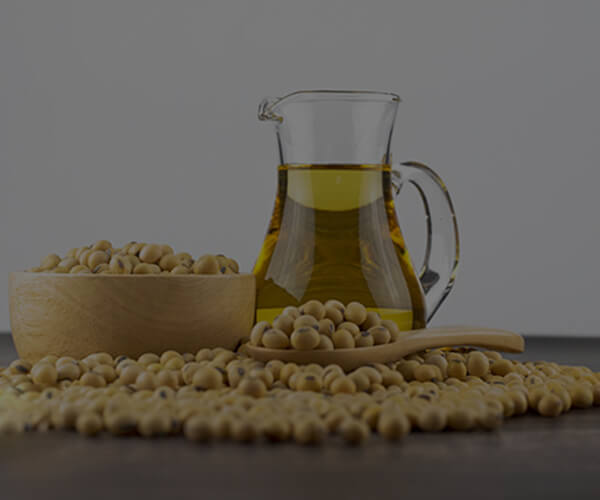
Premium Oil Clarification and Refining Technology Vegetable oil production demands specialized separation equipment that preserves natural properties while achieving market-required clarity standards. Our industrial centrifuges deliver consistent results across diverse oil types—from precious virgin oils to refined commodity products. Advanced centrifugal separation reduces water contamination, minimizes product oxidation, and extends shelf-life without chemical additives, creating superior value for producers focused on quality and sustainability. Vegetable Oil Types & Processing Requirements Olive Oil Extracted from Olea europaea fruit Extra virgin and virgin olive oils require minimal processing to preserve organoleptic properties and nutritional compounds. Centrifugal separation removes water content and fine particle matter while maintaining the oil's natural antioxidants and polyphenol content. Processing Focus: Gentle clarification, minimal heat exposure, preservation of natural flavor compounds and health-beneficial compounds Palm Oil Extracted from Elaeis guineensis fruit Palm oil processing requires efficient separation to achieve the clarity required for food manufacturing and industrial applications. Centrifuges remove suspended solids, carotenoids, and free fatty acids while optimizing yield from crude feedstock sources. Processing Focus: High-throughput clarification, removal of dark pigments, optimization of color stability and oxidative performance Virgin Coconut Oil (VCO) Cold-pressed from fresh coconut meat Virgin coconut oil requires delicate handling to maintain its distinctive aroma, flavor, and health properties. Centrifugal separation achieves crystalline clarity without heat, pressure, or chemical processing, preserving medium-chain triglycerides and natural therapeutic compounds. Processing Focus: Cold separation technology, preservation of sensory characteristics, removal of coconut milk residues without chemical treatment Avocado Oil Extracted from Persea americana fruit Premium avocado oil commands premium pricing, requiring careful separation to maintain purity and sensory quality. Centrifuges effectively remove tissue fragments, moisture, and contaminants while preserving the oil's rich nutrient profile including lutein and vitamin E. Processing Focus: Quality preservation, removal of fiber and cellular material, maintenance of green color and nutritional integrity Cocoa Butter Extracted from Theobroma cacao beans Cocoa butter requires precise separation to achieve the crystallinity and texture demanded by chocolate manufacturers and cosmetic producers. Centrifugal processing maintains cocoa butter's characteristic melting point and organoleptic profile essential for end-product quality. Processing Focus: Removal of cocoa solids and moisture, maintenance of proper crystalline structure, prevention of cocoa flavor loss Tree Nut Oils Almond, walnut, hazelnut, and other cultivars Specialty nut oils capture premium market segments for gourmet and health-conscious consumers. Centrifugal separation removes pulp residues, tannins, and suspended proteins while preserving the distinctive flavor profiles and nutritional components that differentiate premium products. Processing Focus: Flavor preservation, removal of astringent compounds, achievement of crystal clarity, maintenance of natural polyphenols Oil Separation & Refining Workflow 1 Raw Oil Reception Initial inspection and preliminary filtration to remove large particles before centrifugal processing begins 2 Primary Clarification Disc stack centrifuge removes suspended solids, plant tissue, and water content in first-pass separation 3 Secondary Polishing Additional centrifugal pass achieves ultra-fine clarity and removes residual emulsified impurities 4 Moisture Removal Specialized dewatering separates trace water content to achieve shelf-stability and extend product lifespan 5 Quality Testing Complete analysis confirms clarity, moisture levels, acid values, and sensory characteristics 6 Finished Product Storage Packaging in nitrogen-filled containers maintains oxidative stability and extends shelf-life through distribution Oil Quality Parameters by Category Quality Parameter Industry Standard Requirement Centrifuge Achievement Turbidity (NTU) Virgin oils: < 0.5 | Refined oils: < 0.1 Consistently < 0.08 NTU across all oil types Moisture Content (%) Virgin oils: < 0.3% | Refined: < 0.1% Achieves < 0.05% through multi-stage processing Free Fatty Acids (FFA) Extra virgin: < 0.8% | Refined: < 0.2% Maintains FFA levels through gentle separation without chemical treatment Sediment & Impurities (ppm) Industry average: 50-200 ppm removal required Removes 95-98% of suspended particulates and contaminants Peroxide Value (meq/kg) Fresh oil: < 10 | Storage limit: < 20 Reduces oxidation risk through removal of pro-oxidant impurities Color Stability (Lovibond) Varies by oil type; typically 2-8 scale Maintains original color while removing darkening impurities Processing Time Traditional methods: 24-72 hours Centrifugal separation: 2-8 hours continuous processing Water Content Removal Challenge Vegetable oils naturally absorb moisture during extraction and storage. Water promotes microbial growth, accelerates oxidation, and reduces shelf-life significantly. Multi-stage centrifugal dewatering reduces moisture from typical 0.3-1.0% to < 0.05%, extending product stability across supply chains and storage conditions. Sediment & Particulate Matter Fine plant tissue, seed fragments, and cell debris remain suspended even after conventional filtration, causing turbidity and reducing product visual appeal. Centrifugal force separates particles smaller than 1 micron, achieving crystal-clear oils that exceed industry visual standards and consumer expectations. Oxidative Stability Maintenance Trace metals, pro-oxidant compounds, and suspended catalysts promote oil degradation and rancidity development during storage and handling. Centrifuge separation removes catalytic impurities while avoiding heat exposure, preserving natural antioxidants and extending functional shelf-life significantly. Processing Capacity & Economics Manual and batch clarification methods require extended processing times, limiting production throughput and increasing operational costs per unit. Continuous centrifugal operation enables 24/7 processing with minimal labor involvement, reducing per-unit costs while increasing facility throughput substantially. Product Yield Optimization Inefficient separation discards recoverable oil along with separated solids, reducing overall yield and profitability of extraction operations. Precision separation recovers 98%+ of product value while enabling proper solids handling, improving bottom-line economics for producers. Fresh Water Consumption Reduction Traditional oil washing and clarification methods consume substantial water quantities, creating disposal challenges and environmental compliance concerns. Dry centrifugal separation eliminates water washing requirements, supporting sustainability initiatives and reducing operational environmental footprint. Centrifugal Separation vs Traditional Methods Processing Time 2-8 hrs Continuous centrifugal operation vs 24-72 hours for settling/gravity clarification Final Clarity 0.08 NTU Exceeds premium oil requirements vs 0.5+ NTU from conventional methods Water Use Zero Dry separation vs 10-50 liters per liter of oil for washing/settling Moisture Reduction 95%+ Removes moisture from 0.3-1.0% to < 0.05% in single operation Space Requirement 5-8 m² Compact footprint vs 50+ m² needed for traditional settling tanks Product Recovery 98% Maximizes yield vs 85-90% typical of gravity/settling approaches Environmental & Economic Advantages Sustainable Water Management Centrifugal separation eliminates water washing requirements, significantly reducing freshwater consumption and associated wastewater treatment burden for producers. Impact: Reduce facility water footprint by 1,000+ gallons per day on mid-scale operations Waste Stream Reduction Precise separation minimizes liquid waste generation, reducing environmental compliance costs and disposal logistics while enabling solids recovery for secondary applications. Impact: 60-80% reduction in liquid waste volume and treatment requirements Energy Efficiency Modern centrifuges incorporate variable-speed motors and optimized bowl design to minimize energy consumption while maintaining consistent separation performance. Impact: 25-35% lower energy costs vs conventional processing equipment Extended Product Shelf-Life Superior clarification and moisture removal maintain oxidative stability, allowing products to reach consumers with maximum nutritional properties and extended usability windows. Impact: 6-12 month extension of market-ready product lifespan Premium Product Positioning Crystal-clear oils with minimal processing and zero chemical additives command premium market pricing, directly improving per-unit profitability and brand positioning. Impact: 15-25% price premium for superior clarity and purity Certification & Compliance Physical separation methods enable products to meet organic, non-GMO, and natural product certifications while avoiding chemical processing requirements. Impact: Access to premium market segments and certification programs Frequently Asked Questions on Oil Separation How does centrifugal separation preserve oil flavor and aroma? Centrifuges operate at controlled temperatures without chemical additives or harsh processing conditions. The physical separation removes contaminants that compromise flavor while preserving volatile aromatic compounds responsible for sensory characteristics. This dry separation approach maintains the oil's natural profile better than traditional methods involving heat or chemical solvents. What is the optimal moisture level for packaged vegetable oils? Industry standards typically require moisture content below 0.1-0.3% for refined oils and < 0.3% for virgin oils. Centrifugal dewatering achieves < 0.05% moisture, providing substantial safety margin against microbial spoilage and oxidation during distribution and consumer storage. This superior dryness extends shelf-life and maintains product stability across varied climate conditions. Can centrifuges handle all oil viscosity ranges? Yes. Modern industrial centrifuges feature adjustable temperature control and bowl designs optimized for viscosity variation. Operator settings accommodate everything from light, thin oils (canola, safflower) to heavy, viscous products (cocoa butter, cold-pressed coconut oil). Processing parameters adjust automatically to maintain efficiency regardless of oil type or seasonal viscosity fluctuations. How frequently do centrifuge components require replacement? Well-maintained centrifuges operate 10,000+ hours between major maintenance intervals. Wear parts (bowl inserts, scroll bearings) typically require replacement every 18-24 months depending on feedstock characteristics and operating intensity. Regular preventive maintenance and monitoring substantially extend component lifespan and minimize downtime. What certifications can oils achieve through centrifugal separation? Physical separation methods enable organic, non-GMO, natural products, kosher, and halal certifications since no chemical additives are involved. Products processed entirely through centrifugal technology meet stringent requirements of premium market segments and specialty retailers, enabling premium pricing strategies. How does centrifugal separation compare economically to other methods? While initial centrifuge investment is higher than traditional settling tanks, operating costs prove significantly lower over equipment lifecycle. Reduced water usage, minimal labor requirements, higher yield recovery, and faster throughput combine to deliver positive ROI within 2-4 years on most installations. Premium product positioning further improves economic performance. * { margin: 0; padding: 0; box-sizing: border-box; } body { font-family: 'Segoe UI', Tahoma, Geneva, Verdana, sans-serif; background: #f9f9f9; color: #333; } .oil-applications-section { margin: 40px auto; padding: 0 20px; } /* Intro Banner */ .intro-banner { background: linear-gradient(135deg, rgba(209, 26, 36, 0.1) 0%, rgba(209, 26, 36, 0.05) 100%); border-left: 5px solid rgb(209, 26, 36); padding: 35px 30px; border-radius: 6px; margin-bottom: 50px; } .intro-banner h2 { font-size: 22px; color: rgb(209, 26, 36); margin-bottom: 15px; font-weight: 600; } .intro-banner p { font-size: 16px; color: #666; line-height: 30px; margin-bottom: 12px; } .intro-banner p:last-child { margin-bottom: 0; } /* Oil Types Overview */ .oil-types-section { margin-bottom: 50px; } .section-title { font-size: 24px; color: rgb(209, 26, 36); margin-bottom: 30px; font-weight: 600; padding-bottom: 15px; border-bottom: 2px solid rgb(209, 26, 36); } .oil-types-grid { display: grid; grid-template-columns: repeat(auto-fit, minmax(330px, 1fr)); gap: 25px; } .oil-type-card { background: white; border-radius: 8px; overflow: hidden; box-shadow: 0 2px 8px rgba(0,0,0,0.1); border-top: 4px solid rgb(209, 26, 36); transition: all 0.3s ease; } .oil-type-card:hover { box-shadow: 0 8px 20px rgba(209, 26, 36, 0.15); transform: translateY(-5px); } .oil-type-header { background: linear-gradient(135deg, rgba(209, 26, 36, 0.12) 0%, rgba(209, 26, 36, 0.04) 100%); padding: 22px; border-bottom: 2px solid #f0f0f0; } .oil-type-name { font-size: 18px; color: rgb(209, 26, 36); font-weight: 600; margin-bottom: 5px; line-height: 1.8; } .oil-source { font-size: 14px; color: #888; line-height: 2; } .oil-type-body { padding: 22px; } .oil-type-body p { font-size: 14px; color: #666; line-height: 2; margin-bottom: 15px; } .oil-key-points { background: rgba(209, 26, 36, 0.05); padding: 15px; border-radius: 4px; font-size: 14px; color: #555; line-height: 2; } /* Processing Workflow */ .workflow-section { background: white; padding: 40px; border-radius: 8px; margin-bottom: 50px; box-shadow: 0 2px 8px rgba(0,0,0,0.08); } .workflow-title { font-size: 22px; color: rgb(209, 26, 36); margin-bottom: 30px; font-weight: 600; } .workflow-grid { display: grid; grid-template-columns: repeat(auto-fit, minmax(320px, 1fr)); gap: 20px; } .workflow-step { background: linear-gradient(135deg, rgba(209, 26, 36, 0.08) 0%, rgba(209, 26, 36, 0.02) 100%); padding: 25px; border-radius: 6px; border-right: 3px solid rgb(209, 26, 36); position: relative; } .workflow-number { display: inline-block; width: 32px; height: 32px; background-color: rgb(209, 26, 36); color: white; border-radius: 50%; text-align: center; line-height: 32px; font-weight: bold; font-size: 14px; margin-bottom: 12px; } .workflow-step-title { font-size: 16px; color: rgb(209, 26, 36); font-weight: 600; margin-bottom: 10px; line-height: 30px; } .workflow-step-desc { font-size: 14px; color: #666; line-height: 2; } /* Quality Specifications */ .quality-section { background: white; padding: 40px; border-radius: 8px; margin-bottom: 50px; box-shadow: 0 2px 8px rgba(0,0,0,0.08); overflow-x: auto; } .quality-title { font-size: 22px; color: rgb(209, 26, 36); margin-bottom: 25px; font-weight: 600; } .quality-table { width: 100%; border-collapse: collapse; } .quality-table tr { border-bottom: 1px solid #f0f0f0; } .quality-table tr:last-child { border-bottom: none; } .quality-table tr:nth-child(even) { background-color: rgba(209, 26, 36, 0.02); } .quality-table td { padding: 18px 20px; font-size: 14px; color: #666; line-height: 2; } .quality-table td:first-child { font-weight: 600; color: rgb(209, 26, 36); width: 25%; } .quality-table td:nth-child(2) { width: 40%; color: #555; } .quality-table td:nth-child(3) { width: 35%; color: #777; } /* Separation Challenges & Solutions */ .challenges-section { display: grid; grid-template-columns: repeat(auto-fit, minmax(340px, 1fr)); gap: 25px; margin-bottom: 50px; } .challenge-box { background: white; padding: 30px; border-radius: 8px; box-shadow: 0 2px 8px rgba(0,0,0,0.08); } .challenge-title { font-size: 18px; color: rgb(209, 26, 36); font-weight: 600; margin-bottom: 15px; line-height: 1.8; } .challenge-problem { font-size: 14px; color: #666; line-height: 2; margin-bottom: 15px; padding-bottom: 15px; border-bottom: 1px solid #f0f0f0; } .challenge-solution { font-size: 14px; color: #555; line-height: 2; font-weight: 500; } /* Comparison Chart */ .comparison-section { background: white; padding: 40px; border-radius: 8px; margin-bottom: 50px; box-shadow: 0 2px 8px rgba(0,0,0,0.08); } .comparison-title { font-size: 22px; color: rgb(209, 26, 36); margin-bottom: 30px; font-weight: 600; } .comparison-grid { display: grid; grid-template-columns: repeat(auto-fit, minmax(320px, 1fr)); gap: 20px; } .comparison-item { padding: 25px; background: linear-gradient(to bottom, rgba(209, 26, 36, 0.08), rgba(209, 26, 36, 0.02)); border-radius: 6px; border-left: 4px solid rgb(209, 26, 36); } .comparison-metric { font-size: 16px; color: rgb(209, 26, 36); font-weight: 600; margin-bottom: 12px; line-height: 30px; } .comparison-value { font-size: 24px; color: rgb(209, 26, 36); font-weight: bold; margin-bottom: 8px; line-height: 1.8; } .comparison-desc { font-size: 14px; color: #666; line-height: 2; } /* Environmental Benefits */ .benefits-section { background: white; padding: 40px; border-radius: 8px; margin-bottom: 50px; box-shadow: 0 2px 8px rgba(0,0,0,0.08); } .benefits-title { font-size: 22px; color: rgb(209, 26, 36); margin-bottom: 30px; font-weight: 600; } .benefits-grid { display: grid; grid-template-columns: repeat(auto-fit, minmax(320px, 1fr)); gap: 25px; } .benefit-card { padding: 28px; background: linear-gradient(135deg, rgba(209, 26, 36, 0.1) 0%, rgba(209, 26, 36, 0.02) 100%); border-radius: 6px; border-right: 3px solid rgb(209, 26, 36); } .benefit-heading { font-size: 16px; color: rgb(209, 26, 36); font-weight: 600; margin-bottom: 12px; line-height: 30px; } .benefit-desc { font-size: 14px; color: #666; line-height: 2; margin-bottom: 12px; } .benefit-highlight { font-size: 14px; color: rgb(209, 26, 36); font-weight: 500; line-height: 2; } /* FAQ Section */ .faq-section { background: white; padding: 40px; border-radius: 8px; box-shadow: 0 2px 8px rgba(0,0,0,0.08); } .faq-title { font-size: 22px; color: rgb(209, 26, 36); margin-bottom: 30px; font-weight: 600; } .faq-item { margin-bottom: 25px; padding-bottom: 25px; border-bottom: 1px solid #f0f0f0; } .faq-item:last-child { border-bottom: none; margin-bottom: 0; padding-bottom: 0; } .faq-question { font-size: 16px; color: rgb(209, 26, 36); font-weight: 600; margin-bottom: 12px; line-height: 30px; } .faq-answer { font-size: 14px; color: #666; line-height: 2; } /* Responsive */ @media (max-width: 768px) { .oil-types-grid { grid-template-columns: 1fr; } .workflow-grid { grid-template-columns: 1fr; } .section-title { font-size: 20px; } .quality-table td { padding: 14px 10px; font-size: 13px; } }
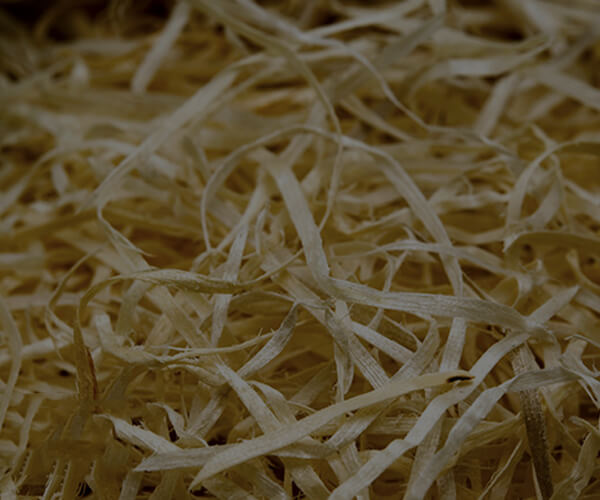
Huading Separator supplies separation technology for the recovery of gelatin, blood plasma and blood meal, for edible and inedible rendering processes as well as for the processing of flotation sludge, animal bones or cooking broths. In order to guarantee optimum yields and a high quality of the produced raw fats we provide i.e. complete wet rendering lines for the recovery of edible fats. Those lines are adapted by our process engineers to individual customer requirements and the specific raw materials used. The complete process, from feeding the plant, the removal of any metallic foreign objects and naturally all separation stages right through to the final testing of the purified fat, can be completely automated and is of course CIP-compatible. Application: ━ Abbatoir waste ━ Animal bones ━ Animal blood ━ Bone flesh ━ Cooking broths ━ Edible fats ━ Fat extractor contents ━ Gelatine ━ Inedible fats ━ Lanoline ━ Machine leather cuttings ━ Processing of flotation sludge ━ Wool fat
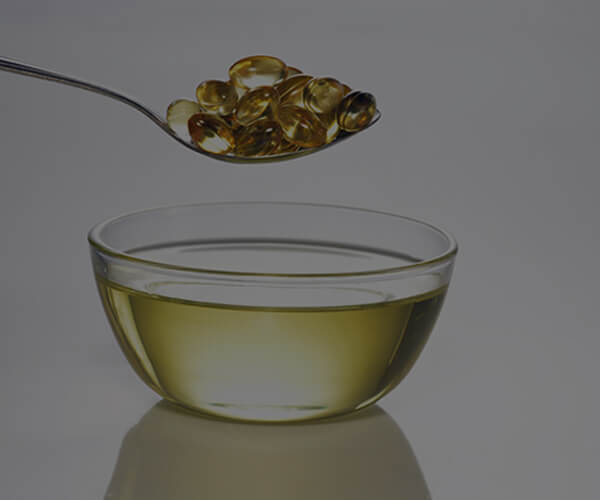
Both separators and decanters have been using for fish oil and fish meal processing more than 100 years ago. Huading Separator has developed, manufactured and delivered more than 1000 centrifuges for the fish oil industry while at the same time successfully and innovatively optimizing the processes. Whether using the Conventional process, Whole fish or Three-phase decanter process, the centrifuges of Huading Separator make sure that our customers always obtain the efficient separation of the dry substance (protein), fat and water while keeping the contact time . Huading Separator offers even new and worthwhile solutions for the processing of small capacities. Application ━ Fish meal━ Fish oil━ Liver oil━ Processing of flotation sludge━ Surimi
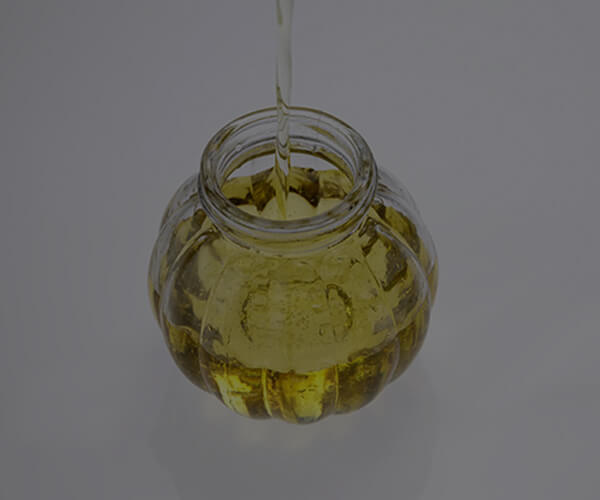
Modern Processes for recovering oils and raw fats are characterized by the broad application of centrifugal clarifying and separating technology. The quality of the end product depends on the production process as well as on the nature of raw materials and products used. Huading Separator offers value-adding solutions with a wide range of separators and decanters right through to complete process lines. The practical production methods and technologies have to be as varied as the different fats and oils. The centrifuge though is always the heart of the installation. As technology reputableer Huading Separator has proven to be an innovative and powerful partner when it comes to the processing of animal by-products, fish as well as the recovery of vegetable crude oils like olive, avocado or palm oil or the cleaning of frying oils. Whether 2-phase or 3-phase decanters, self-cleaning separators with automation or discontinuously operating systems, our customer will always find the cost-effective and good technological solution. ━ Abattoir waste━ Animal bones━ Avocado oil━ Blood meal━ Blood plasma━ Bone flesh━ Clarification of frying fat━ Cocoa butter━ Cooking broths━ Fat extractor contents━ Fish meal━ Fish oil━ Flotation sludge from the fish and meat━ Gelatine━ Lanoline━ Liver oil━ Machine leather cuttings━ Man-made fats━ Nut oils━ Olive oil━ Palm oil━ processing industry━ Sinclair’s glue━ Surimi━ Vegetable fat
Copyright ©Yixing Huading Machinery Co.,Ltd. All Rights Reserved. Custom Centrifugal Separator Factory