
 English
 русский
 Español
 عربى
عربى 中文简体
中文简体
WE ARE HAPPY TO SOLVE
PROBLEMS FOR CUSTOMERS
learn more >
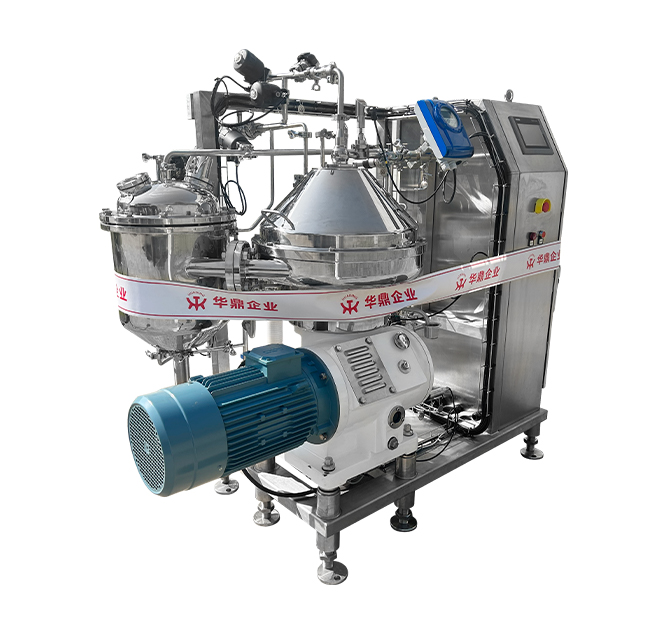
Industrial Application — Oils & Fats
Disc stack centrifuge and decanter centrifuge engineered for the full olive oil processing chain — from malaxation discharge through polishing clarification. Factory-direct configurations for two-phase and three-phase extraction systems.
Process Overview
Olive oil extraction relies on mechanical cell disruption followed by phase separation. After the olive paste exits the malaxer, a decanter centrifuge performs the primary solid-liquid separation, splitting olive pomace from the oil-water emulsion at forces typically between 3,000 and 4,000 × g. This step defines throughput capacity and pomace dryness — both critical for oil yield and downstream processing efficiency.
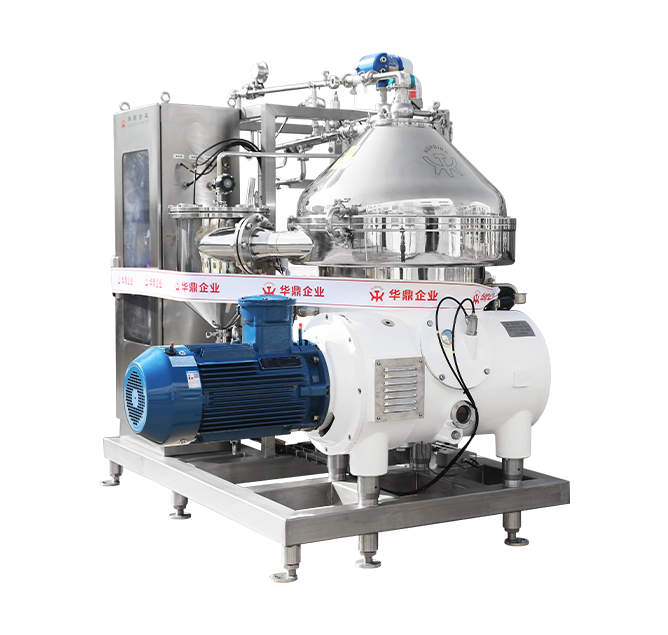
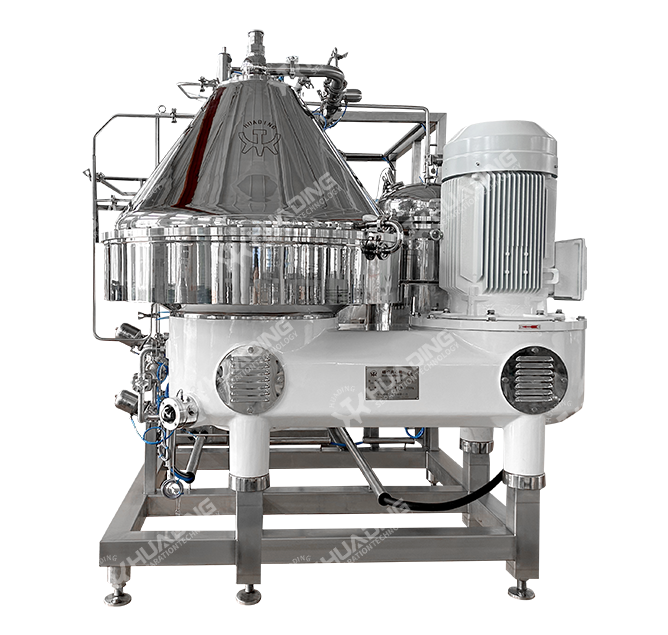
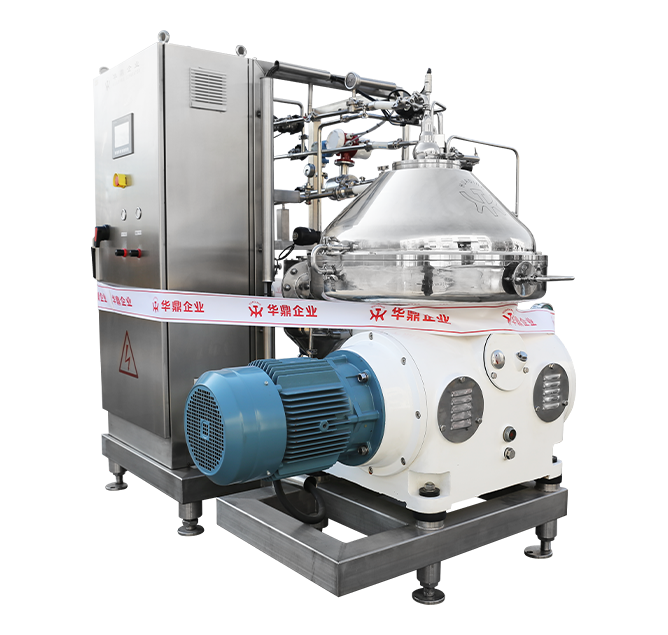
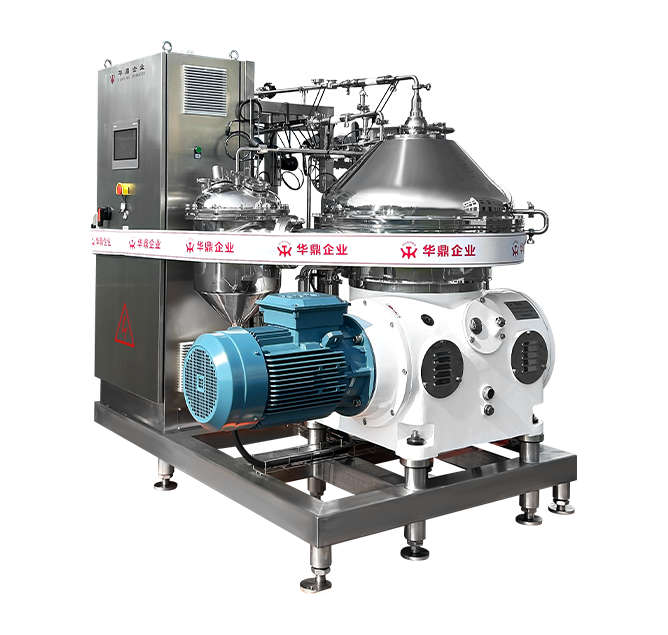
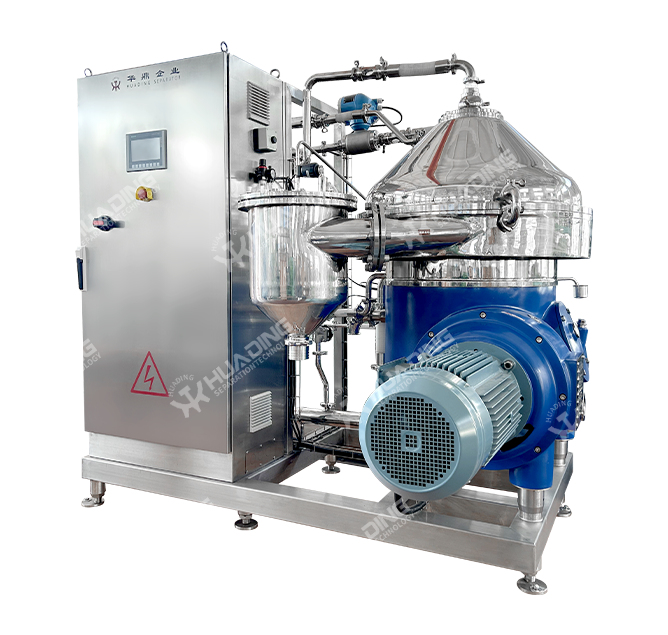
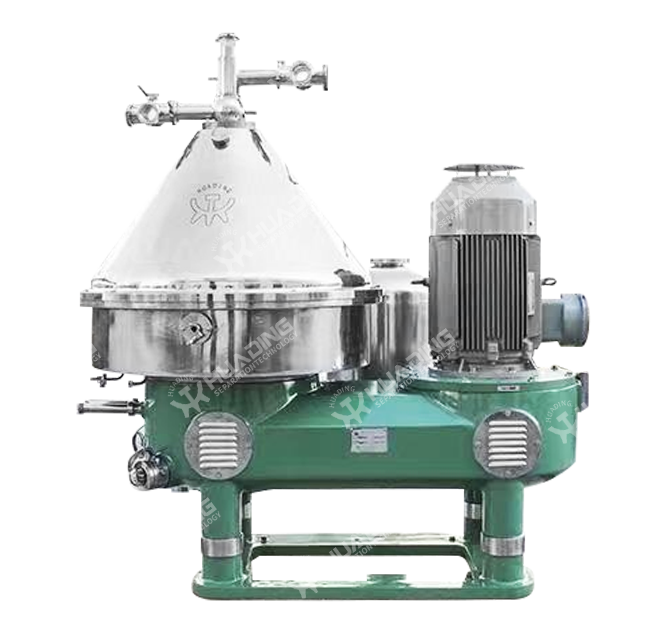
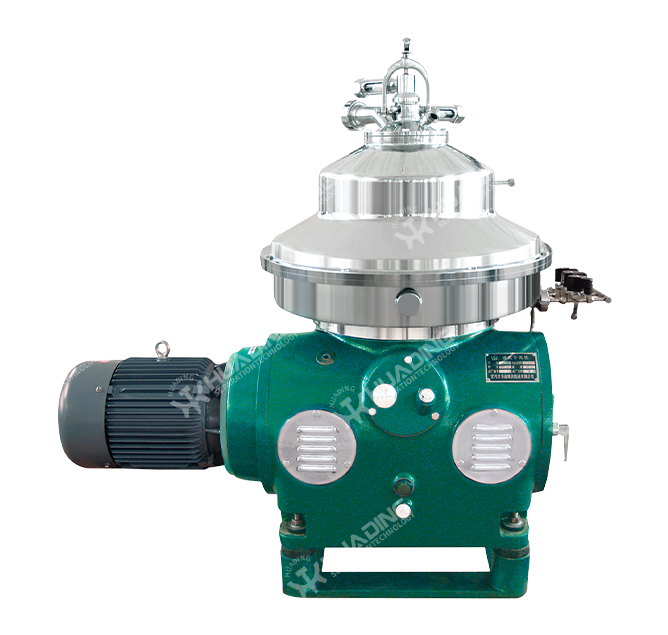
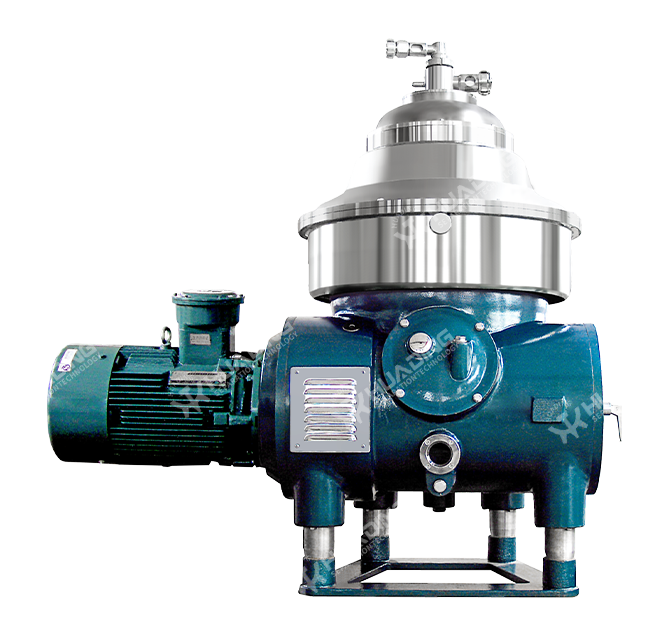
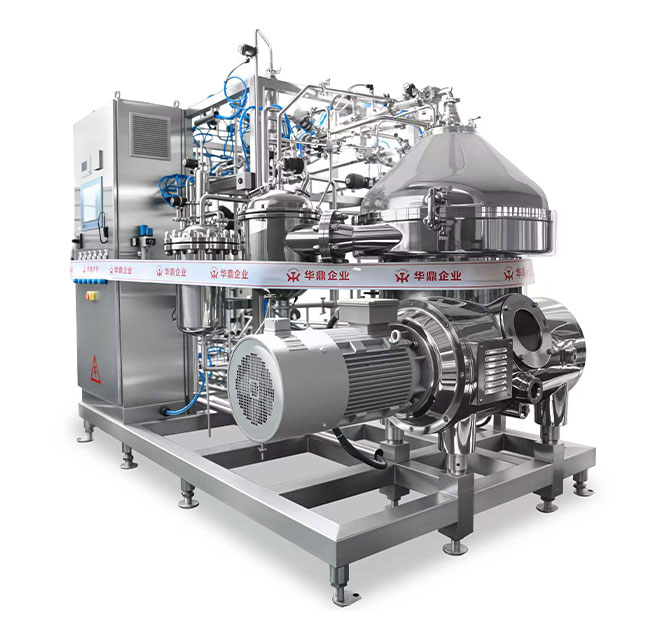
The oil-water mixture produced by the decanter still contains fine suspended solids, wax particles, and colloidal impurities. A disc stack centrifuge (vertical-spindle type) performs polishing separation at up to 10,000 × g, delivering clarified oil with turbidity below 5 NTU and removing residual moisture to protect shelf life and preserve polyphenol content. This two-stage centrifuge configuration is the international standard for premium extra virgin olive oil (EVOO) production.
Cold-extraction compliance: Both the decanter centrifuge and disc centrifuge can be equipped with temperature monitoring and process water control systems to maintain oil temperature below 27 °C throughout the separation cycle — a mandatory threshold for EVOO designation under EU Regulation 1234/2007.
The choice between a two-phase and three-phase olive oil decanter centrifuge is one of the most consequential decisions in plant design. A two-phase decanter produces an olive pomace phase and an oil-water phase, requiring minimal added water and generating less vegetation water (alpechín) — a significant environmental and operational advantage in water-scarce regions. A three-phase decanter produces oil, vegetation water, and pomace as three discrete streams, simplifying oil recovery but generating larger volumes of wastewater that require treatment.
Selecting the correct centrifuge is a function of raw material quality, target output grade (EVOO, virgin, lampante), available water resources, and downstream pomace handling. As a centrifuge manufacturer, we offer both configurations with matching horizontal bowl geometries, scroll pitch designs, and differential speed control (back-drive gearbox) optimized specifically for olive paste rheology.
Full Processing Chain
Each stage of the olive oil extraction process presents distinct separation challenges. The centrifuge equipment must be matched to the upstream and downstream process conditions at each point.
Equipment Selection
Two centrifuge families are central to any olive oil processing plant. Each addresses a different separation task and must be correctly specified to avoid yield loss, excessive maintenance, or product quality degradation.
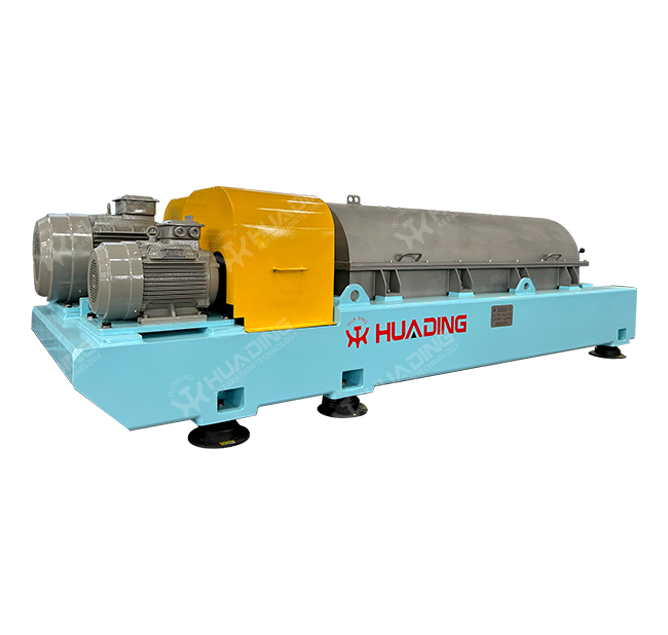
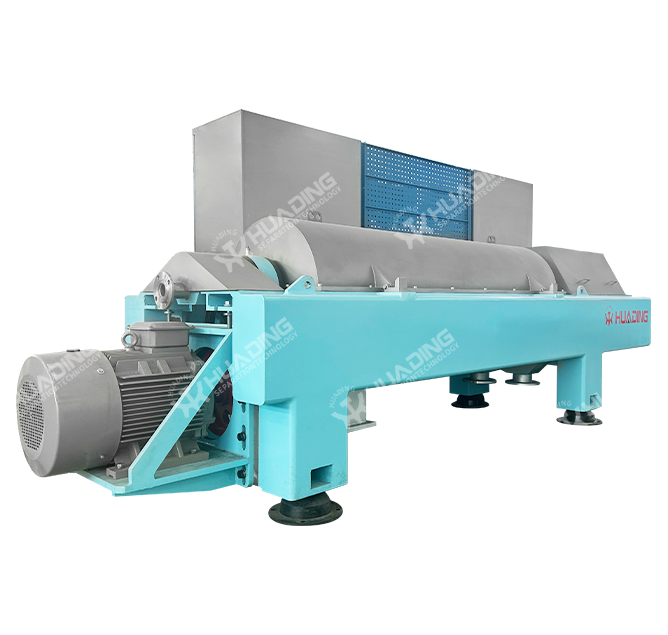
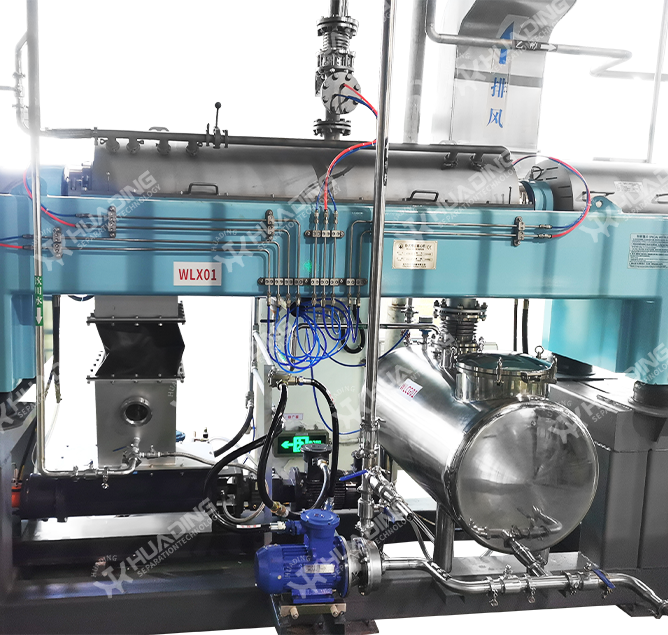
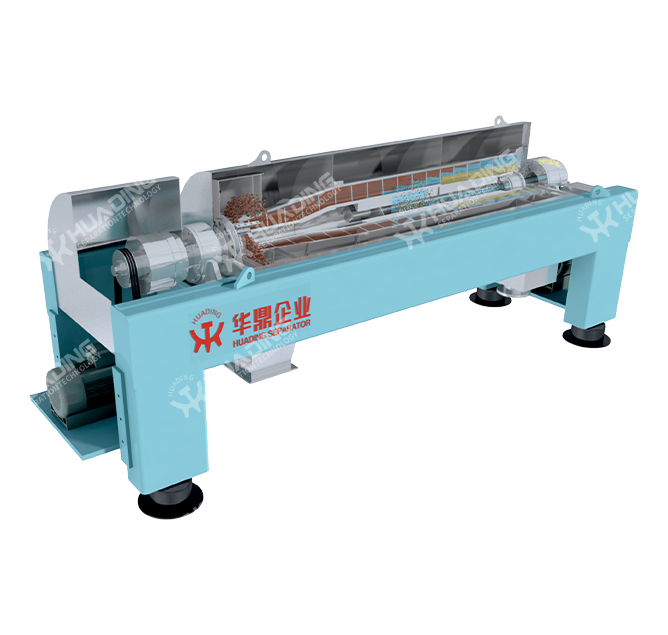
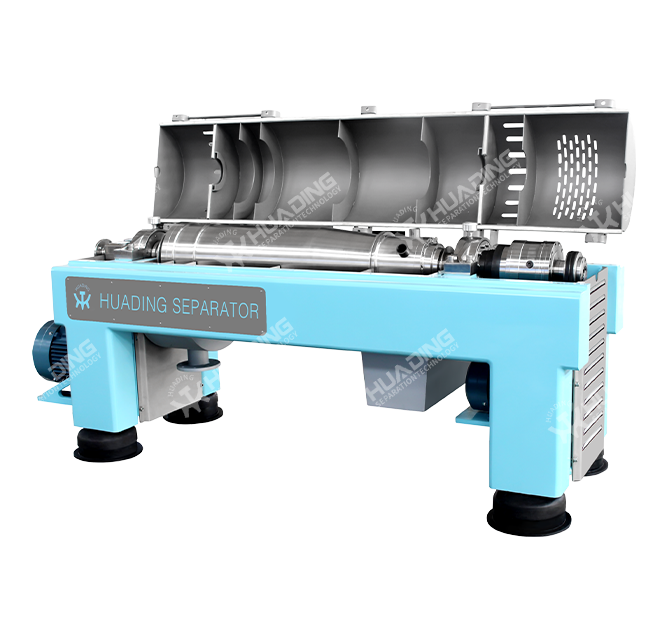
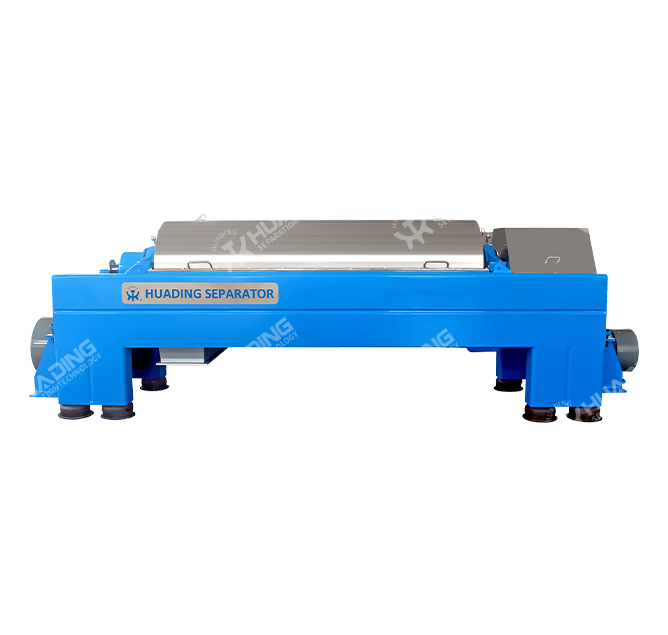
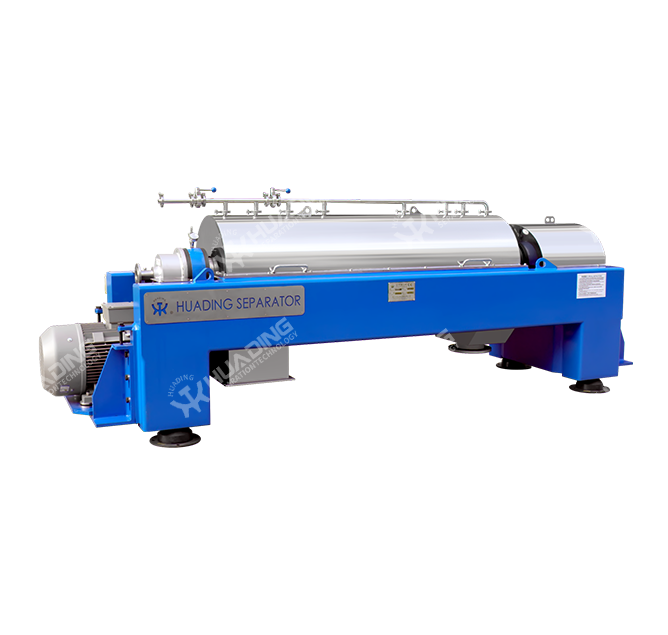
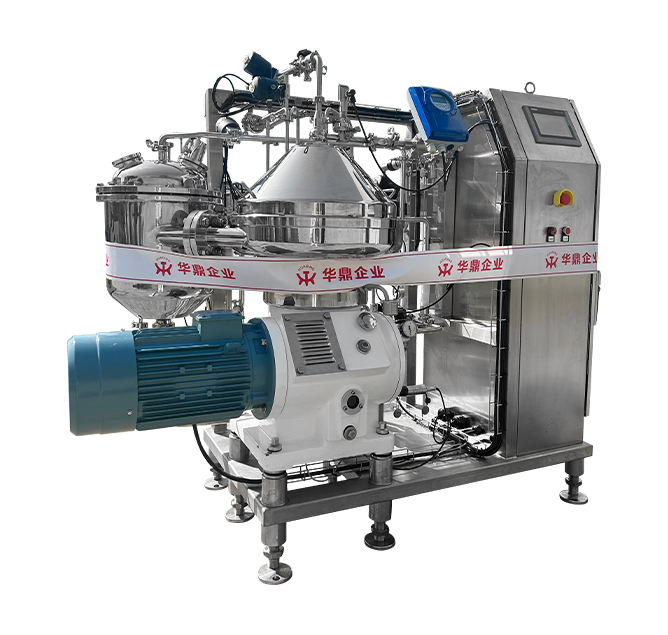
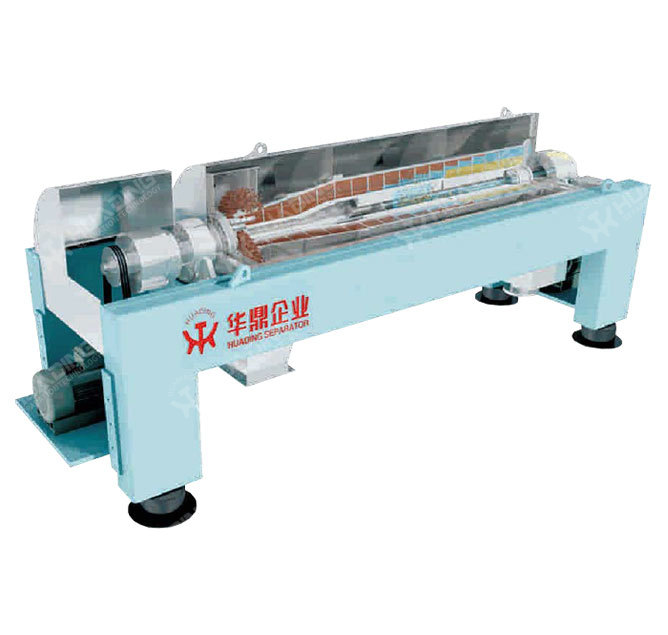
The horizontal scroll decanter centrifuge is the workhorse of olive oil extraction. It continuously processes olive paste discharged from the malaxer, separating solid pomace at one end and liquid oil-water phase at the other. Bowl length-to-diameter ratio (L/D), scroll pitch, and differential speed — all optimized for high-moisture, high-viscosity olive paste — are the critical design parameters that determine separation efficiency and pomace dryness.
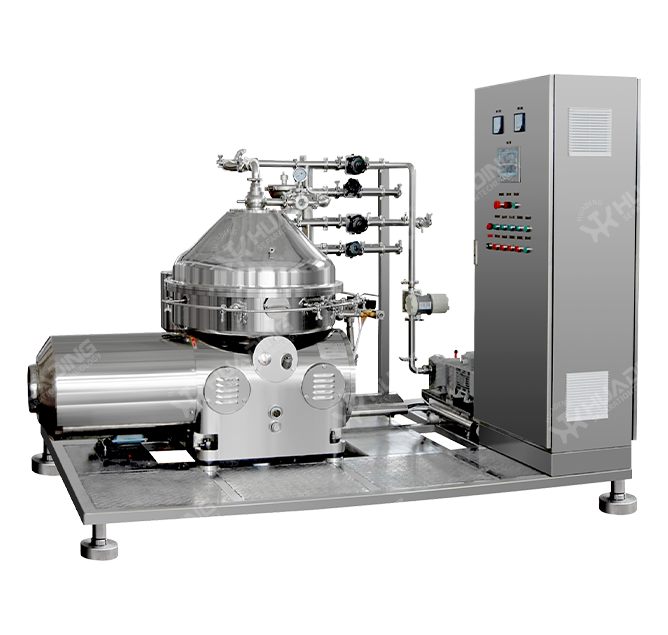
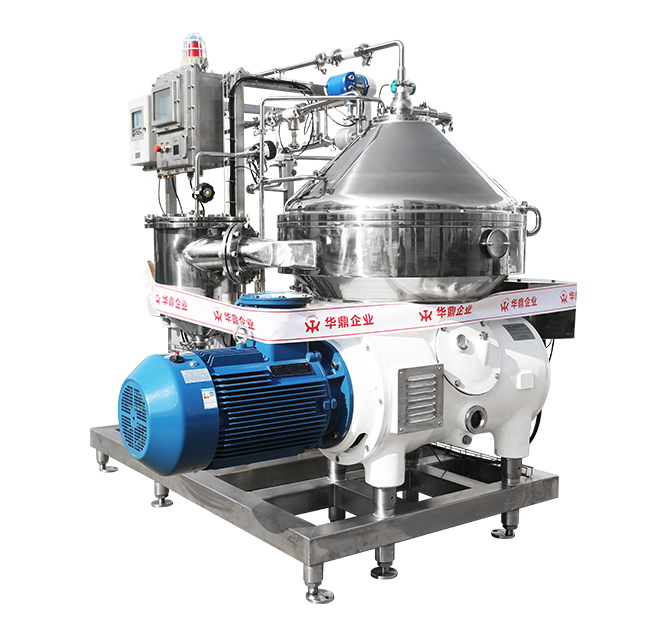
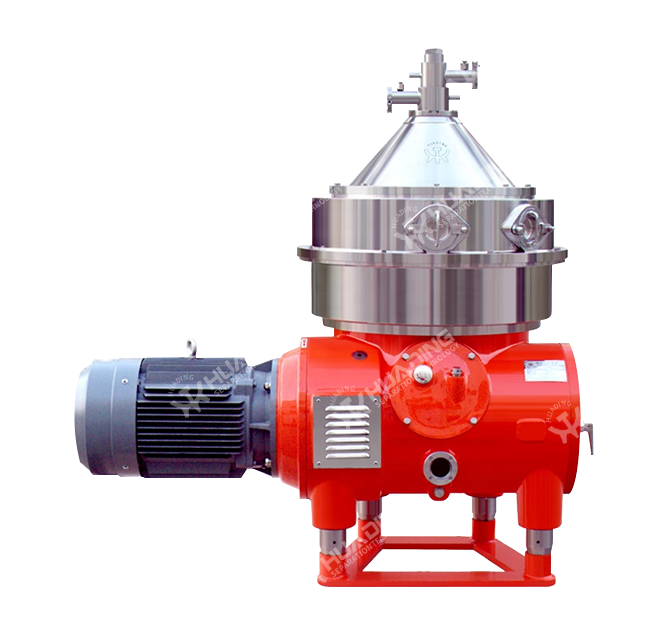
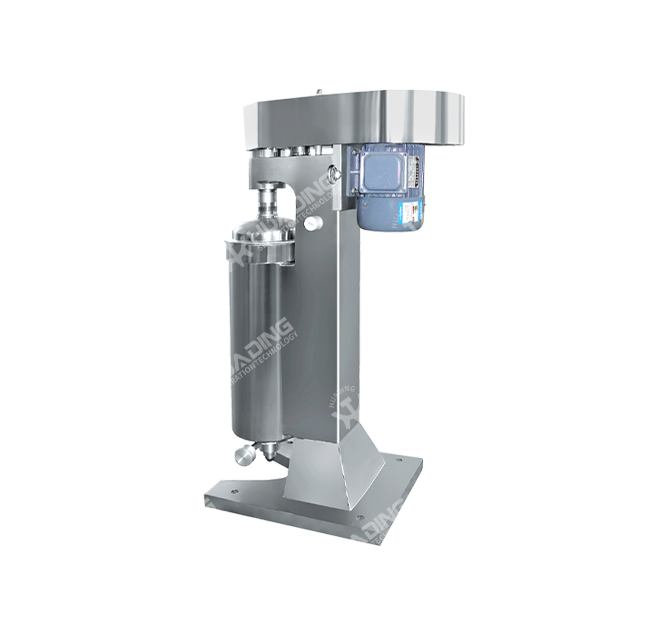
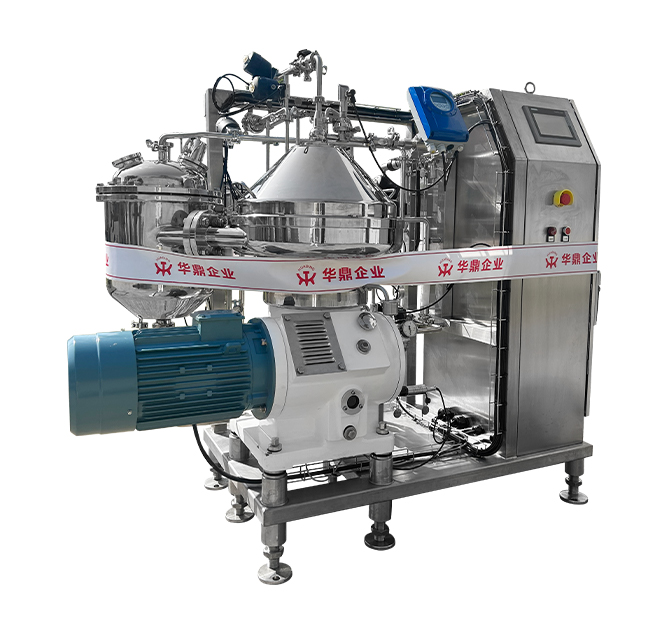
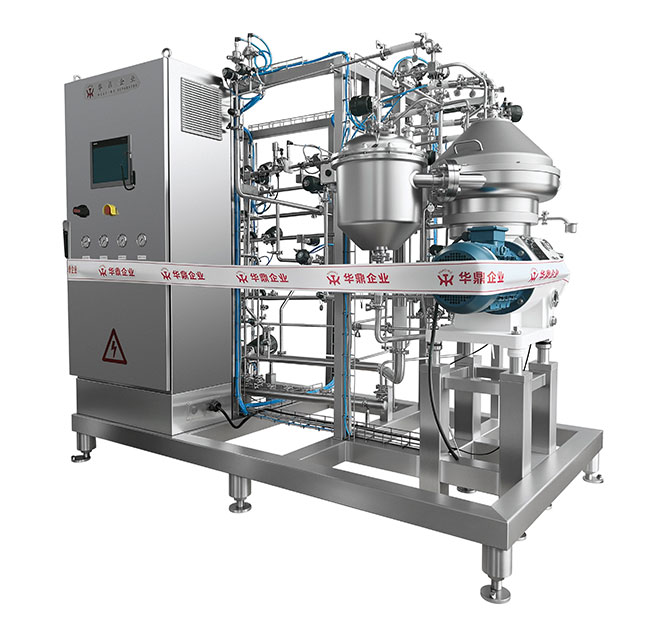
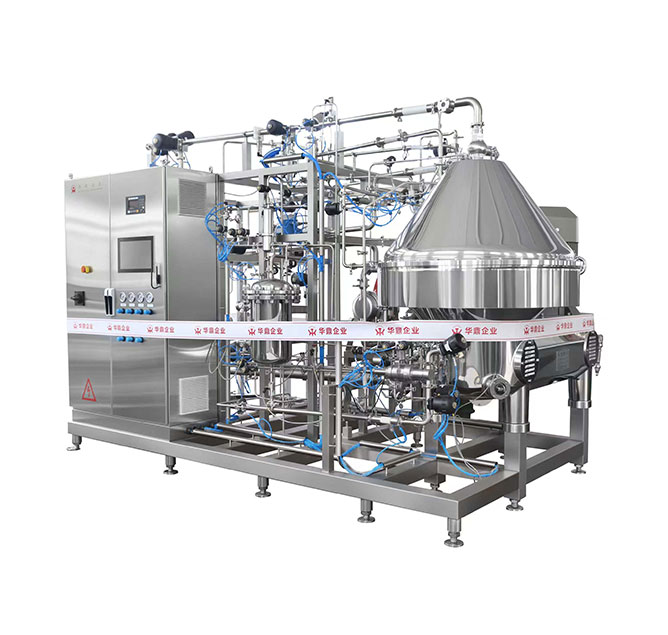
The vertical-spindle disc stack centrifuge (disc separator) receives the decanter oil-water output and performs fine clarification. Hundreds of conical discs stacked at 35–50° half-angle reduce the sedimentation path to millimeters, enabling separation of particles down to 0.5 µm and water droplets down to 1 µm. For EVOO production, this stage defines product clarity, free acidity retention, and compliance with polyphenol grading standards.
Two-Phase vs. Three-Phase
The selection between two-phase and three-phase decanter centrifuge configurations has lasting consequences for oil quality, wastewater volume, water consumption, and overall extraction efficiency. The table below enables a direct operational comparison.
| Parameter | Two-Phase Decanter | Three-Phase Decanter |
| Water Addition to Paste | 0–20 L/100 kg olives | 40–60 L/100 kg olives |
| Vegetation Water (Alpechín) Volume | Very low (10–25 L/100 kg) | High (60–100 L/100 kg) |
| Pomace Moisture Content | 20–28% (wet basis) | 28–35% (wet basis) |
| Oil Retention in Pomace | Higher (2–3%) | Lower (1–1.5%) |
| Polyphenol Preservation | Higher | Moderate |
| EVOO Compliance Suitability | Recommended | With Optimization |
| Wastewater Treatment Load | Low | High |
| Throughput at Identical Bowl Size | Slightly Higher | Standard |
| Downstream Disc Centrifuge Requirement | Mandatory | Mandatory |
| Energy Consumption (kWh/t olive) | 3.5–5.5 | 4.5–7.0 |
| Typical Application Region | Spain, North Africa, water-scarce areas | Italy, Greece, Greece large-scale plants |
Technical Specifications
Standard specification ranges for the olive oil decanter centrifuge and disc stack centrifuge series. Custom bowl geometries, material grades, and automation levels are available on request for specific production requirements.
Why Centrifugal Separation
Traditional hydraulic pressing and percolation (sinolea) methods have given way to centrifuge-based extraction in over 90% of commercial olive oil mills globally. The reasons are engineering-driven, not preference-based.
Specification Guide
Centrifuge selection for an olive oil production plant involves interconnected decisions across capacity, configuration, materials, and automation. Below are the primary selection dimensions and what each determines.
Technical Questions
Factory-direct centrifuge solutions for two-phase and three-phase olive oil extraction. Submit your process parameters for a technical configuration recommendation and quotation from our engineering team.
Copyright ©Yixing Huading Machinery Co.,Ltd. All Rights Reserved. Custom Centrifugal Separator Factory