
 English
 русский
 Español
 عربى
عربى 中文简体
中文简体
WE ARE HAPPY TO SOLVE
PROBLEMS FOR CUSTOMERS
learn more >
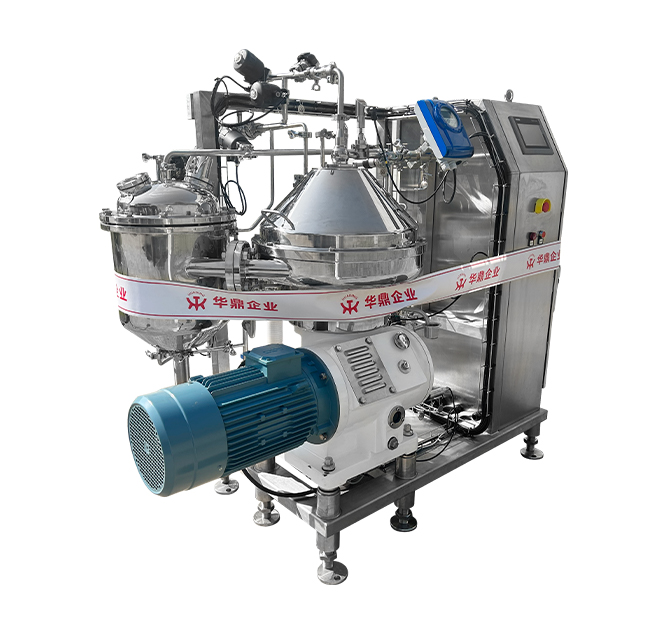
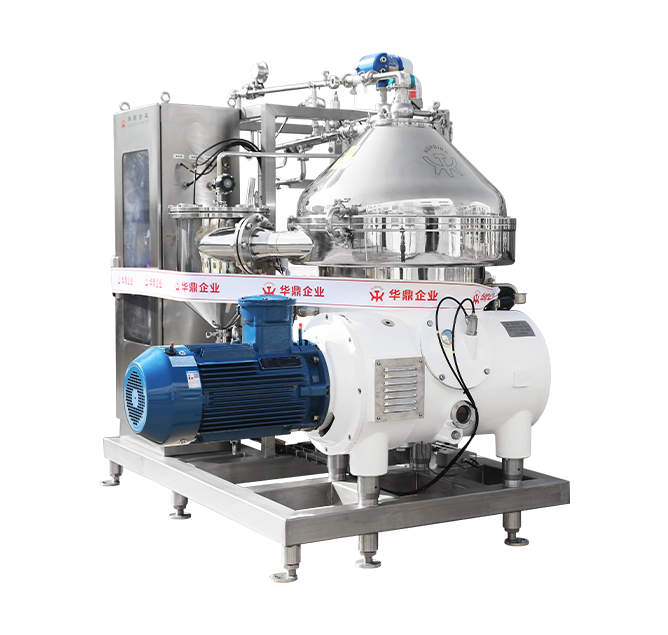
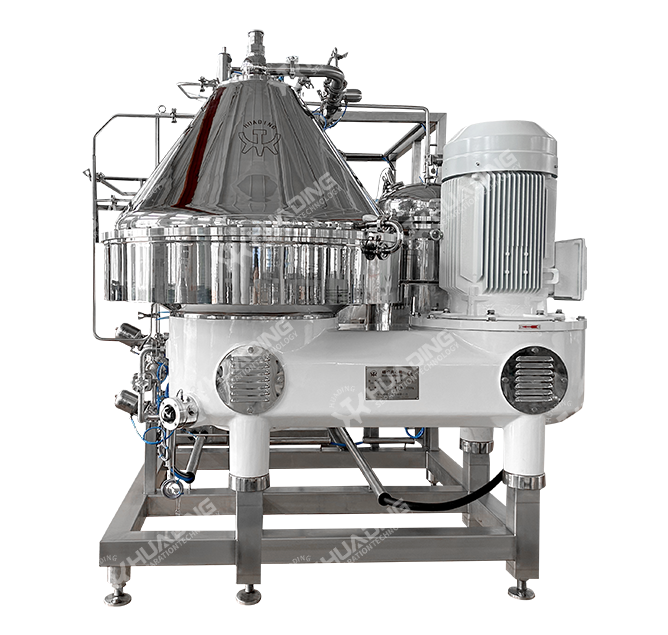
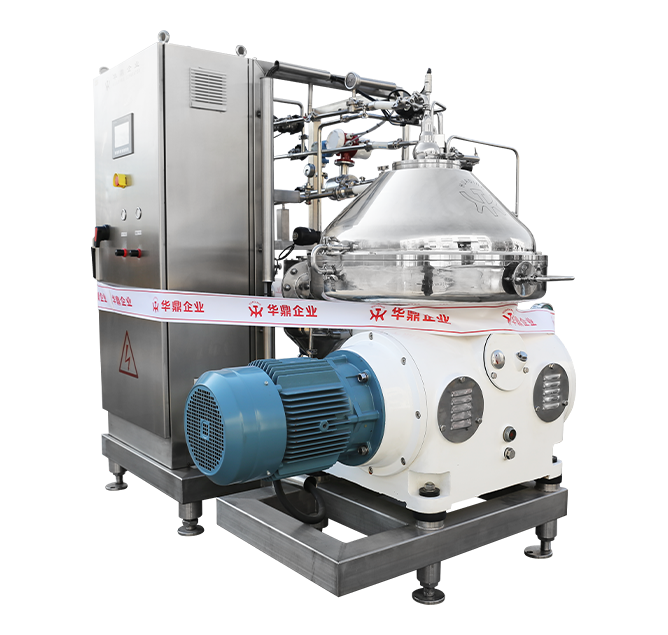
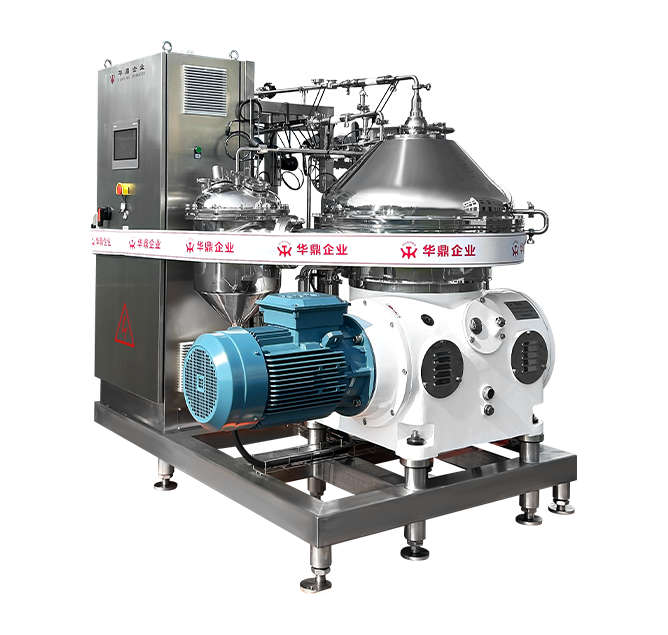
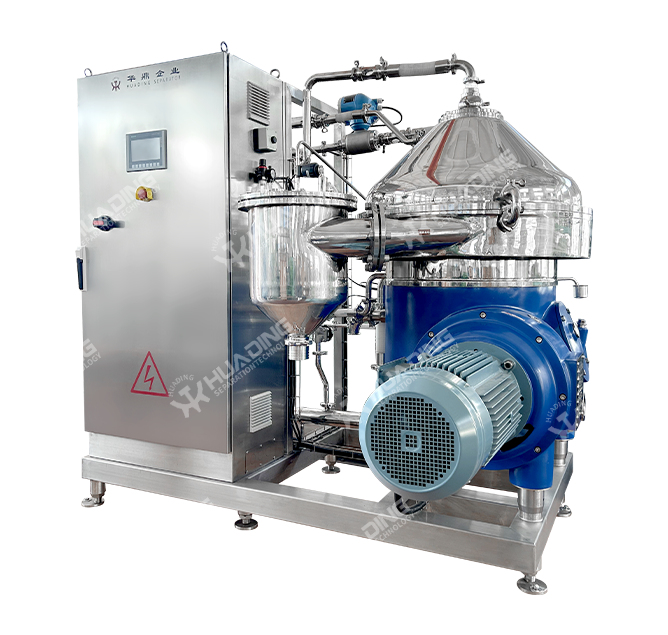
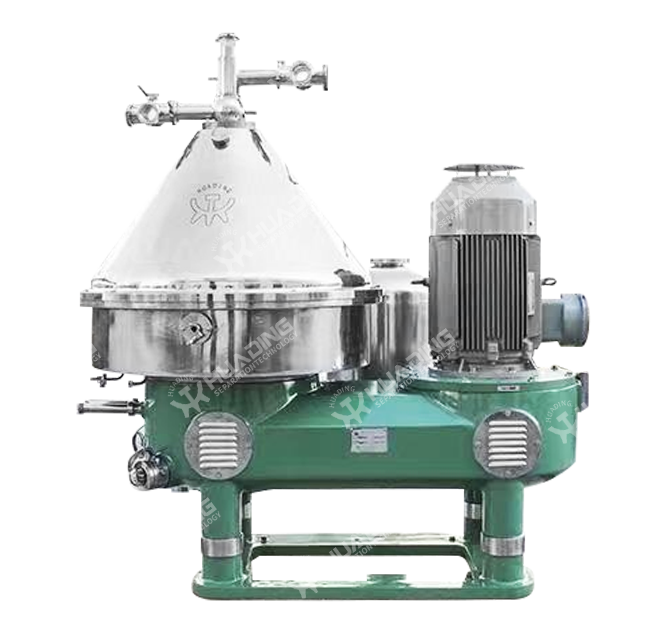
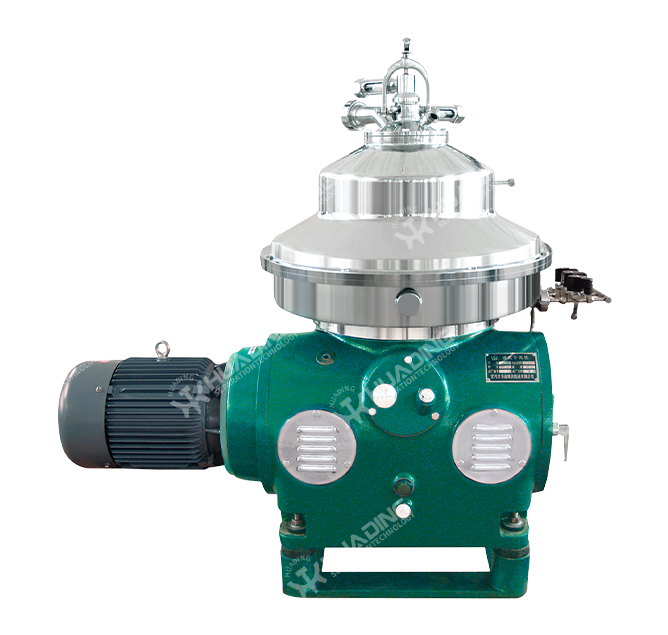
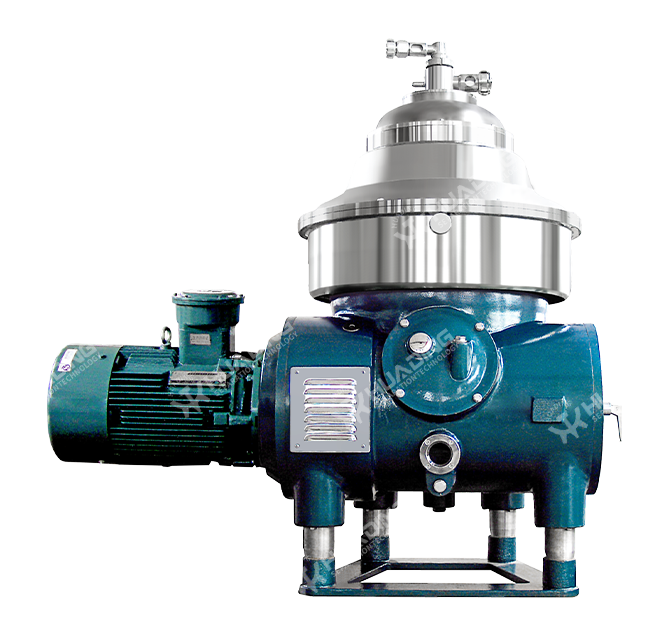
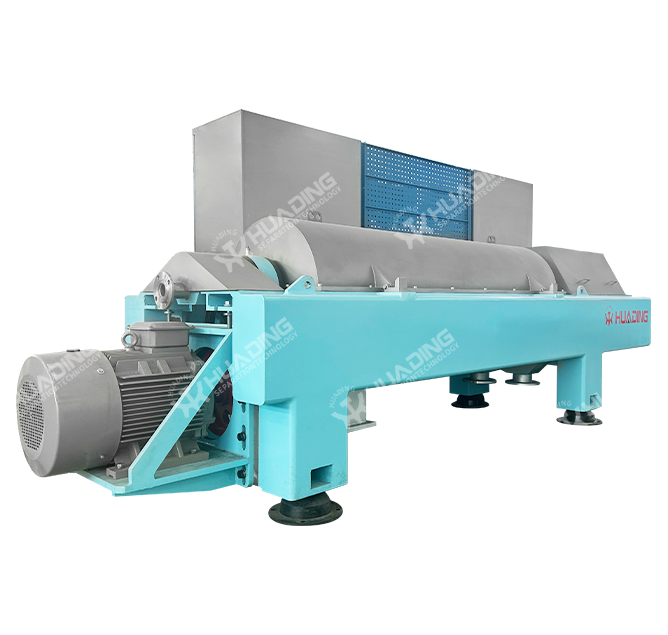
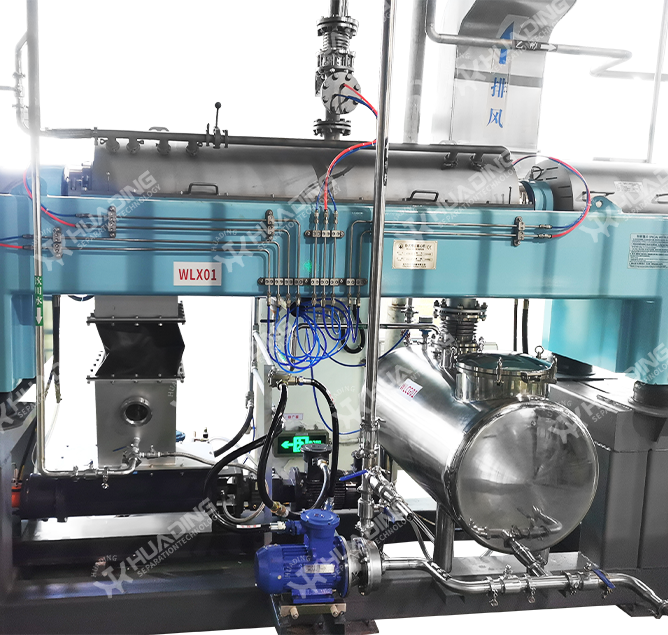
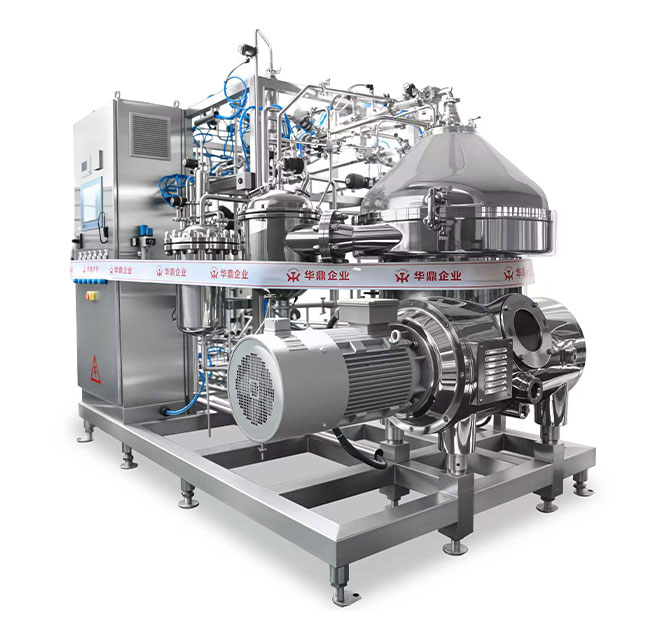
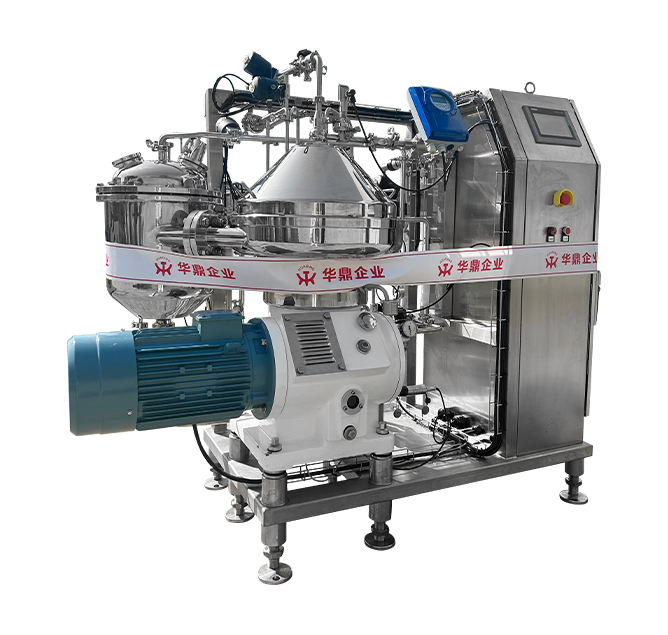
A Decanter Centrifuge is a device that uses centrifugal force to separate solids and liquids. It is widely used in a variety of applications, including wastewater treatment, food processing, and the chemical industry. It plays a crucial role in efficiently removing solids from liquids. Its operating principle and versatile design enable it to provide efficient and reliable separation processes across a wide range of industries.
Centrifugal dehydrators occupy an irreplaceable position in solid-liquid separation, particularly in applications involving high-concentration sludge and high-particulate matter. Their efficient separation performance is crucial across a wide range of industries. Centrifugal dehydrators utilize the powerful centrifugal force generated by high-speed rotation to separate solid particles from liquids, playing a key role in many industrial processes. The following explains the importance of centrifugal dehydrators in wastewater treatment and food processing, and their specific applications:
Wastewater treatment is one of the most widely used applications for centrifugal dehydrators, particularly in sludge dewatering. Traditional wastewater treatment methods often only reduce the concentration of harmful substances in wastewater, but sludge treatment remains a challenging problem. Centrifugal dehydrators can efficiently separate large amounts of sludge from wastewater, reducing solids in wastewater and thus meeting environmental emission standards.
Sludge Dewatering: In municipal wastewater treatment plants, centrifugal dehydrators effectively separate solids from treated wastewater and compress them into dehydrated sludge. This not only reduces treatment costs but also reduces the costs of transporting and handling sludge.
Solid Removal: In industrial wastewater treatment, centrifugal dehydrators remove suspended solids from wastewater, improving water quality and reducing secondary pollution.
Centrifugal dehydrators also play a vital role in the food processing industry, particularly in processes such as juice clarification and solid-liquid separation. Through efficient separation technology, centrifugal dehydrators help food manufacturers remove impurities generated during the processing of juices, beverages, and other foods, thereby improving product purity and quality.
Juice Clarification: During juice processing, centrifugal dehydrators effectively remove fibers and suspended particles from juice, resulting in clearer juice and enhancing its taste and appearance. Solid-Liquid Separation: In other aspects of the food industry, such as dairy, brewing, and syrup production, centrifugal dehydrators are used to separate solids from liquids, ensuring the quality and stability of the final product.
Compared to traditional solid-liquid separation equipment (such as filters or settling tanks), centrifugal dehydrators offer the advantages of high separation efficiency and a relatively small footprint. Especially when large volumes of wastewater or liquid materials need to be processed, centrifugal dehydrators not only offer high separation efficiency but also operate efficiently within a limited space. This makes them very popular in space-constrained production environments, particularly food processing plants and wastewater treatment plants.
Traditional separation methods for treating high-concentration sludge and high-particle matter often suffer from low efficiency, large footprint, and labor-intensive operations. Centrifugal dehydrators, on the other hand, can quickly and efficiently process high-concentration sludge, reducing the volume of solids after treatment and improving separation efficiency. This is particularly important for sludge treatment in sewage treatment plants, industrial wastewater treatment plants, and the food processing industry.
Centrifugal dehydrators significantly reduce the solids content in wastewater through efficient separation, thereby reducing environmental pollution and complying with increasingly stringent environmental policies and standards. Furthermore, their efficient energy utilization and low maintenance requirements contribute to high energy savings over the long term, helping businesses reduce operating costs.
A centrifugal dehydrator utilizes centrifugal force. High-speed rotation of the centrifugal bowl generates strong centrifugal forces to separate solids from liquids. This process is commonly used to treat wastewater, industrial fluids, and liquids used in food processing. Centrifugal dehydrators are particularly effective when the liquid contains high levels of suspended solids.
The operation of a centrifugal dehydrator begins with the feeding stage. During this stage, the liquid mixture (typically wastewater or other liquid containing solids) is fed into the centrifuge's feed pipe through the feed port. Depending on the application, the feed liquid may contain a variety of materials, such as sludge, particulate matter, or oil-water mixtures. During the feeding process, it is generally necessary to ensure that the liquid flows evenly into the centrifugal bowl to avoid uneven loading on the equipment, which can affect separation efficiency.
The feed liquid's concentration, particle size, and viscosity can all affect separation performance. Liquids with higher concentrations of solids may require a specially designed centrifugal dehydrator to handle the high-load separation requirements. The flow rate and stability of the feed are also crucial to ensuring proper equipment operation and separation efficiency.
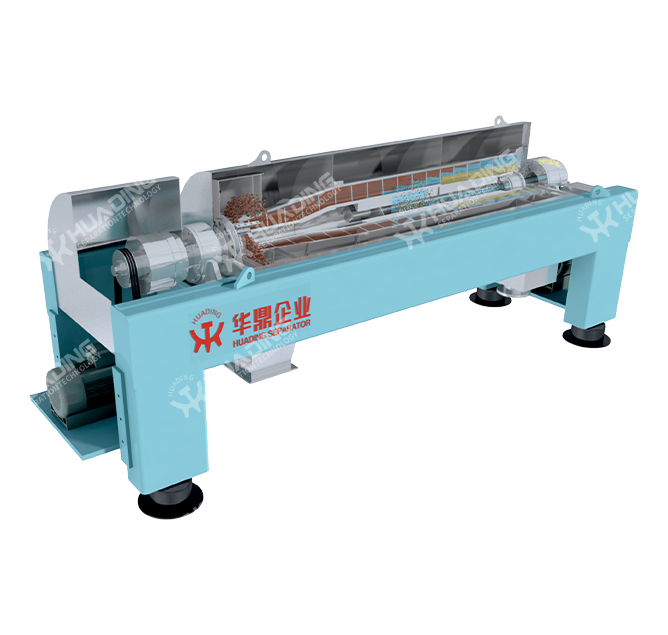
Once the liquid enters the centrifugal bowl of the centrifugal dehydrator, the equipment begins to rotate at high speed. The centrifugal bowl is the core component of the equipment, generating strong centrifugal force through rotation. As the liquid begins to spin, the centrifugal force pushes the solid particles in the liquid toward the outer walls of the bowl, while the lighter liquid components flow toward the inner walls.
The higher the rotation speed, the stronger the centrifugal force generated, and the better the separation effect. The settling rate of the solids in this process is closely related to their particle size, density, and the viscosity of the liquid. Larger, heavier solid particles settle more quickly, while smaller, lighter particles require more time and stronger centrifugal force to separate.
Typically, centrifugal dehydrators operate at very high speeds, reaching thousands of revolutions per minute. This process not only allows for efficient solid separation but also ensures that larger solid particles are not carried away by the liquid, thereby improving separation purity and efficiency.
During the rotation of the centrifugal bowl, the solids are pushed toward the outer walls of the bowl by centrifugal force. This is when the screw conveyor comes into play. The screw conveyor is a mechanical device shaped like a screw that, through its rotation, propels the settled solids along the outer walls of the centrifugal bowl and out of the equipment.
This process is crucial because it not only ensures the smooth discharge of solids but also prevents their accumulation within the bowl, ensuring efficient operation of the equipment. The screw conveyor's speed is typically adjustable, and its speed is adjusted based on the feed flow rate and solids concentration to achieve optimal separation.
Meanwhile, the center of the centrifugal bowl maintains liquid flow, and the clear liquid (such as water or other solvent) flows toward the center of the bowl and ultimately out through the drain port. This separation of the clear liquid from the solids ensures a high degree of purity in the separated product.
Centrifugal dehydrators are used in a variety of solid-liquid separation applications, each with its own unique design and application characteristics. The following are several common types of centrifugal dehydrators, covering a wide range of needs, from wastewater treatment to industrial applications.
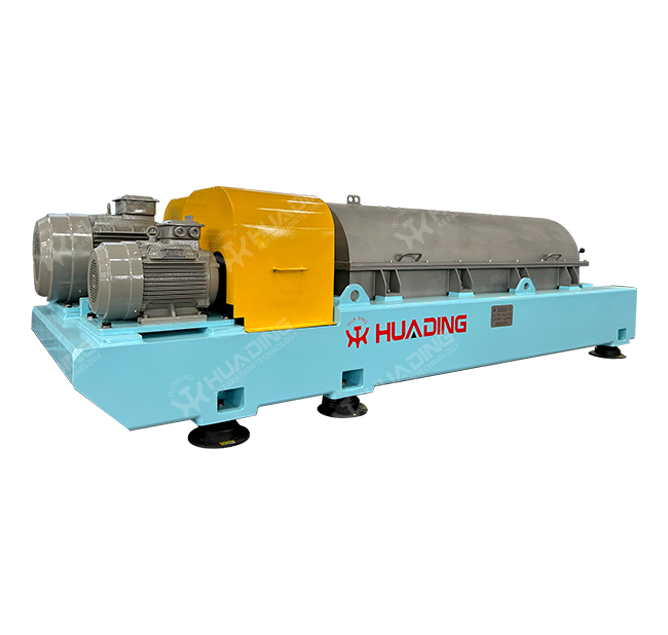
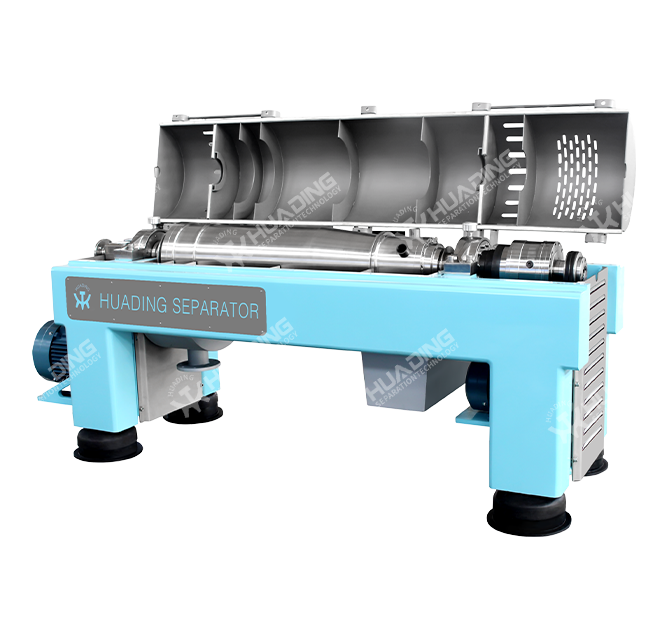
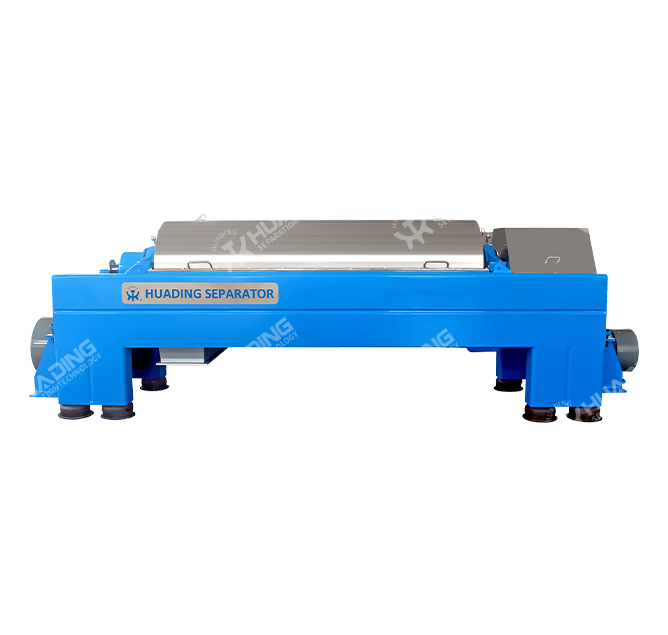
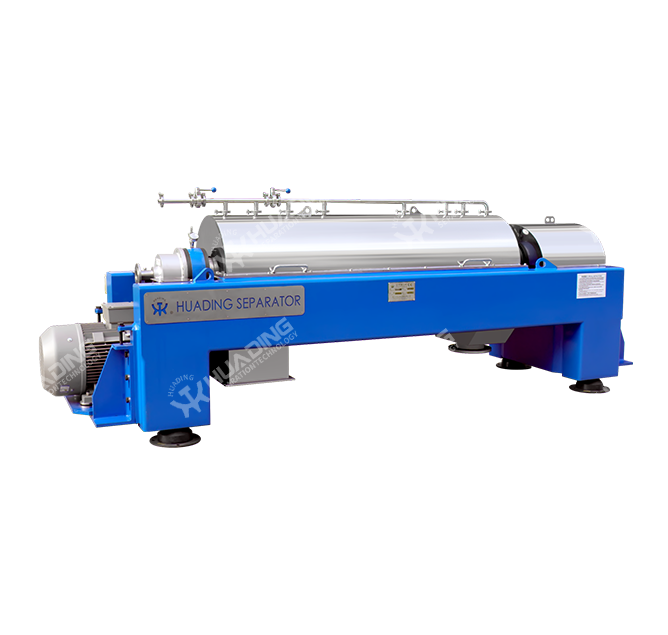
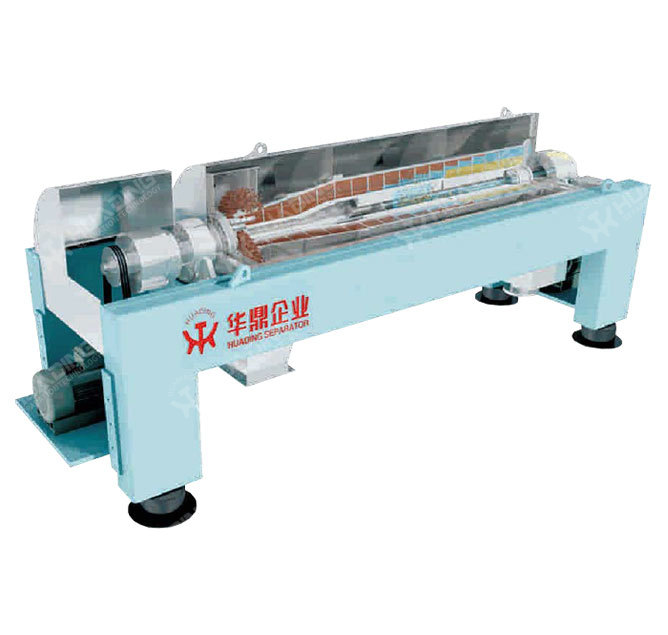
Horizontal centrifugal dehydrators are the most common type, featuring a stable and efficient design and are widely used in various industries requiring efficient solid-liquid separation. A key feature of this equipment is its horizontal layout, which allows the centrifugal bowl and screw conveyor to be installed horizontally, ensuring stable operation. This horizontal design can handle large material flows and achieves excellent separation efficiency, making it suitable for a variety of industrial environments.
In wastewater treatment and sludge dewatering, horizontal centrifugal dehydrators are highly effective in separating solids from liquids. Using powerful centrifugal forces, they separate suspended solids and solid particles from the liquid, significantly improving treatment efficiency. For industries that continuously process large volumes of wastewater and sewage, horizontal centrifugal dehydrators offer excellent processing capacity, ensuring efficient and economical wastewater treatment.
Horizontal centrifugal dehydrators play a vital role in the treatment of municipal and industrial wastewater. With the acceleration of urbanization, wastewater treatment has become a core environmental protection task. Through their powerful centrifugal force, horizontal centrifugal dehydrators effectively remove suspended matter and harmful particles from wastewater, ensuring that wastewater discharge meets environmental standards and avoids pollution of water bodies and ecosystems.
One of the advantages of this equipment is its ability to treat highly concentrated sludge. Because wastewater often contains high levels of solids, traditional treatment methods are often inefficient. Centrifugal dehydrators can quickly separate these solids from the liquid, converting the sludge into a smaller volume of dewatered sludge, significantly reducing subsequent transportation and storage costs.
The equipment's high efficiency saves energy during the treatment process and reduces overall treatment costs for enterprises. With increasing environmental protection requirements, horizontal centrifugal dehydrators are playing an increasingly important role in the wastewater treatment industry, becoming core equipment in many sewage treatment plants and industrial wastewater treatment facilities.
Horizontal centrifugal dehydrators play an indispensable role in food processing, particularly in juice clarification, syrup production, and other liquid food processing. In food production, especially in juice and syrup production, the liquid often contains large amounts of suspended matter, impurities, and pulp fibers. If these impurities are not removed promptly, they can affect the product's appearance and taste, and even reduce its shelf life.
Horizontal centrifugal dehydrators can quickly separate these solids from the liquid, ensuring the purity and quality of the final product. For example, in juice production, these devices can efficiently remove impurities such as pulp, peel, and fiber from the juice, resulting in a clearer, more transparent juice that meets consumer quality expectations.
In the chemical industry, chemical reactions often produce large amounts of solid matter, particularly precipitates, crystals, and other solid particles. Failure to remove these solids promptly can affect reaction efficiency, product purity, and subsequent production processes. Therefore, timely and effective separation of solid particles from reaction liquids is crucial to ensuring a smooth production process. Horizontal centrifugal dehydrators utilize their powerful centrifugal force to quickly and efficiently separate these solids, preventing the adverse effects of solid particles on chemical reactions. This equipment not only improves the purity of the reaction solution but also enhances the stability of the production process, ensuring that the final product meets high quality standards.
Whether in fertilizer, pharmaceutical, or pigment production, horizontal centrifugal dehydrators provide efficient solid-liquid separation, helping the chemical industry reduce waste, improve raw material utilization, and reduce equipment failures and downtime caused by solid accumulation. This makes horizontal centrifugal dehydrators an indispensable piece of equipment in the chemical industry.
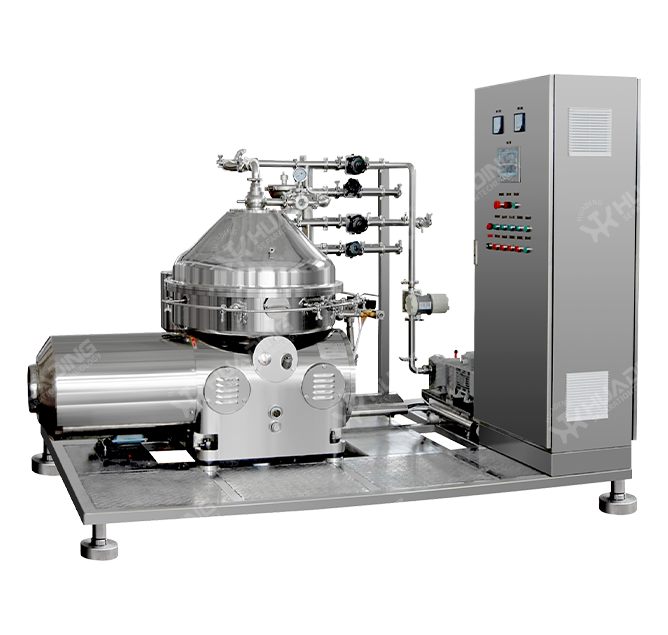
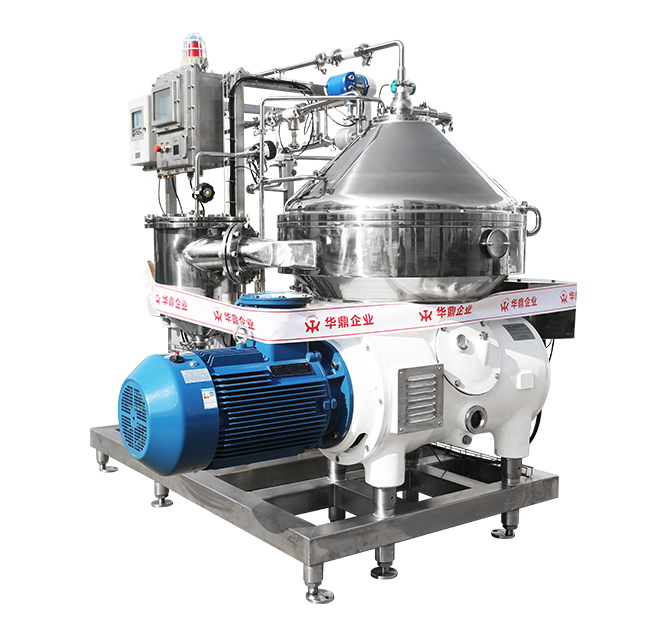
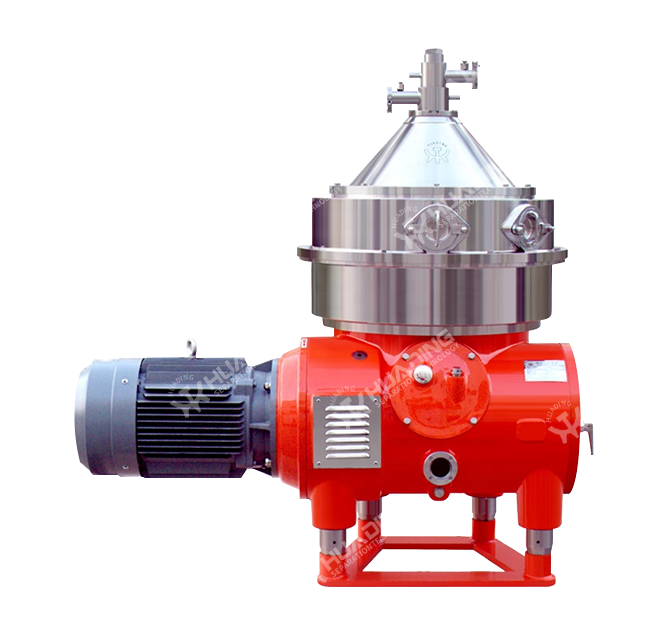
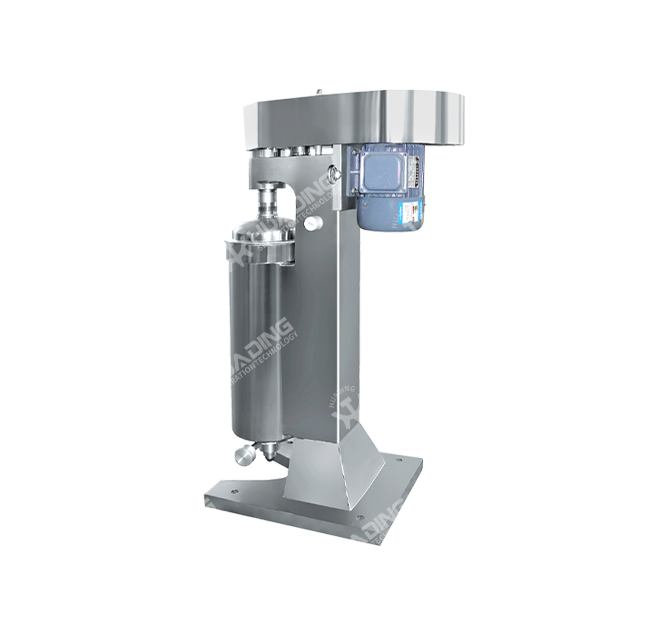
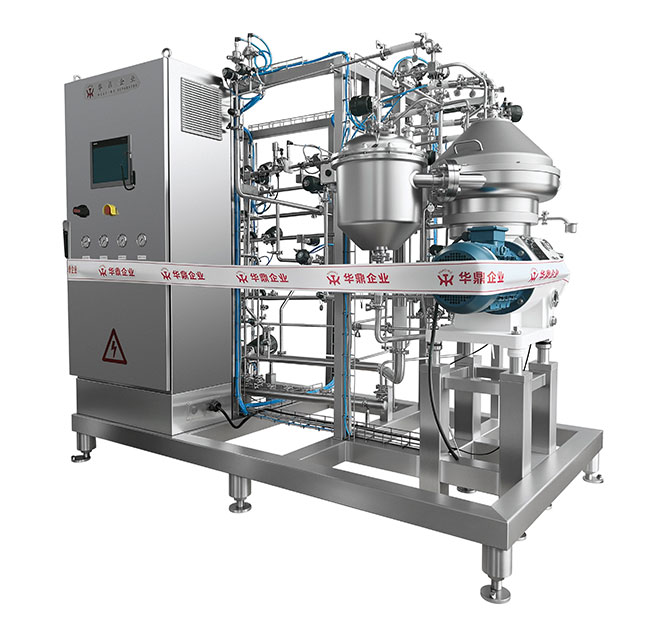
Vertical centrifugal dehydrators utilize a vertical layout, which reduces space and improves centrifugal separation accuracy. Vertical centrifugal dehydrators are typically used to separate difficult-to-handle fine particles, particularly in applications requiring high separation efficiency during solid-liquid separation. Due to their structural features, this type of equipment can efficiently separate complex materials in a shorter time.
Vertical centrifugal dehydrators offer higher separation accuracy and are particularly suitable for applications requiring high separation efficiency and stringent requirements on particle size and density. Its structure helps maintain efficient sludge dewatering when processing high-concentration sludge and complex liquids.
As a high-precision separation device, vertical centrifugal dehydrators are widely used in many industries, particularly in the chemical industry and food processing. Their superior solid-liquid separation capabilities and high separation accuracy make them ideal for processing fine particles and complex materials. The following are specific applications of vertical centrifugal dehydrators in different fields.
In the chemical industry, chemical reactions often produce various solid particles, such as crystals and precipitates. These solid particles need to be separated promptly to ensure the continued progress of the reaction and the purity of the final product. Traditional separation methods often have difficulty effectively removing these fine particles. However, vertical centrifugal dehydrators, through their sophisticated centrifugal separation technology, can achieve efficient separation in a short period of time.
The design of vertical centrifugal dehydrators enables them to handle more complex separation tasks, especially when dealing with difficult-to-separate fine solid particles. For example, in some chemical reactions, the crystals or precipitates produced are very fine, making them difficult to remove effectively using conventional filtration or sedimentation methods. Vertical centrifugal dehydrators utilize centrifugal force to efficiently sediment solid particles onto the outer walls of the equipment, ensuring the purity of the reaction liquid and avoiding unnecessary contamination.
Vertical centrifugal dehydrators not only separate fine particles but also reduce the impact of solids on reaction rates during the reaction process, thereby improving production efficiency. Their efficient separation performance helps increase chemical reaction yields and reactant utilization, making them indispensable equipment in the chemical industry.
Vertical centrifugal dehydrators are also widely used in the food industry, particularly in industries such as dairy processing and brewing. In these industries, liquids often contain numerous tiny particles or impurities. If these particles are not removed promptly, they can affect the product's taste, appearance, and even shelf life. Therefore, the use of efficient solid-liquid separation technology is crucial.
In dairy processing, vertical centrifugal dehydrators can effectively remove fine impurities from emulsions, such as milk fat particles and protein precipitates, ensuring the clarity and smoothness of dairy products. Similarly, in the beer brewing process, vertical centrifugal dehydrators can remove fine particles and sediment generated during the brewing process, such as yeast residue and hop impurities, ensuring beer clarity and taste, and improving the quality and consistency of the final product.
The high separation accuracy and efficient solid-liquid separation capabilities of vertical centrifugal dehydrators make them ideal for handling complex materials and separating fine particles. Compared to other types of centrifugal dehydrators, vertical centrifugal dehydrators are more compact and stable, capable of efficiently handling fine particles and difficult-to-separate materials. This makes them widely used in industries requiring precise separation and high-standard processing.
In chemical reactions, the equipment can quickly separate fine crystals from liquids to ensure product purity. In food processing, vertical centrifugal dehydrators can remove tiny particles, improving the appearance and taste of products. With the expansion of production scale and the increasing demand for separation accuracy, the application prospects of vertical centrifugal dehydrators will expand, especially in areas where separation efficiency and particle size precision are extremely important.
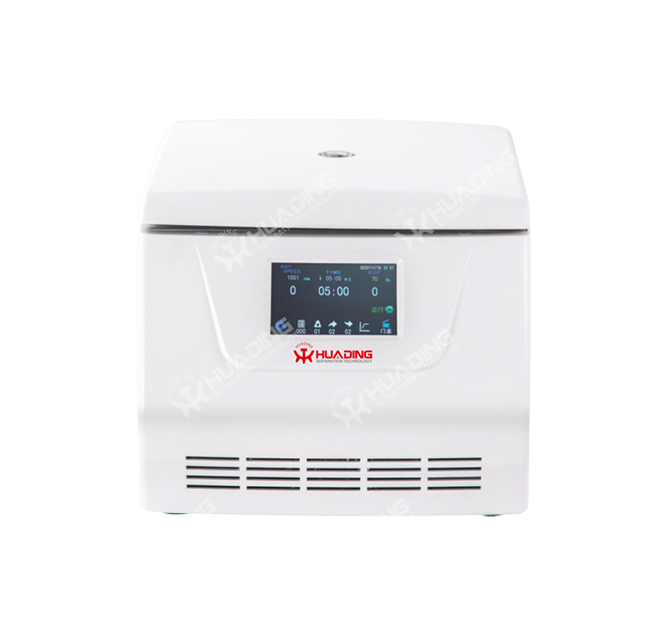
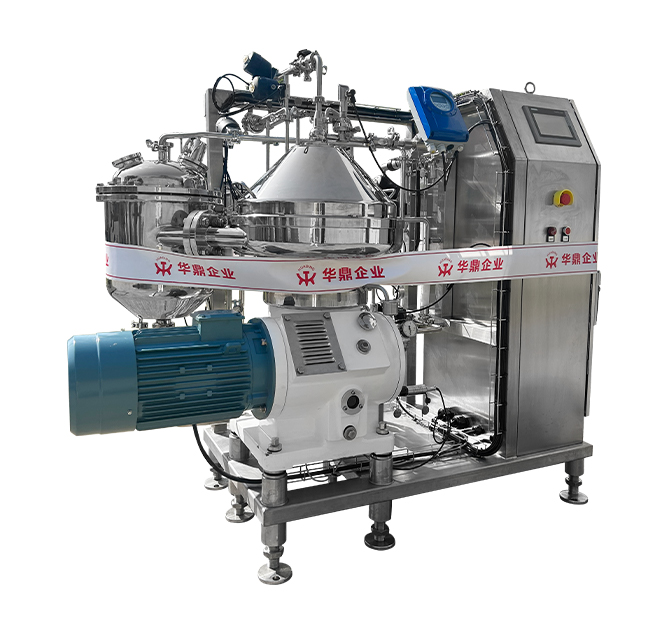
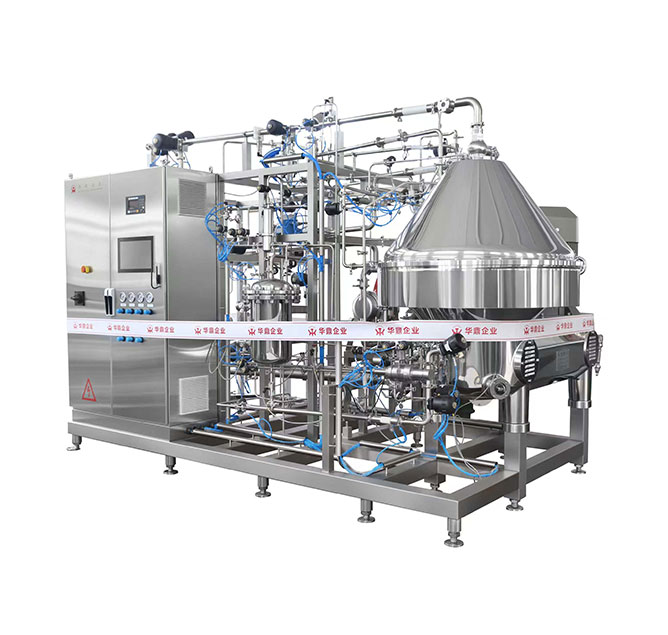
High-speed centrifugal dehydrators are specifically designed for separating fine particles. Their characteristic is their ability to generate stronger centrifugal forces at higher speeds than conventional equipment, enabling efficient separation of fine particles. Operating at speeds significantly higher than conventional equipment, high-speed centrifugal dehydrators are suitable for processing smaller particles and delivering higher separation efficiency in a shorter time.
Due to their powerful separation capabilities, especially where high-precision separation is required, high-speed centrifugal dehydrators are widely used in industrial centrifugation, solid-liquid separation, and other fine chemical industries. In fine particle separation and high-precision industrial applications, high-speed centrifugal dehydrators can achieve exceptionally high separation efficiency, ensuring material purity and quality.
High-speed centrifugal dehydrators, with their superior centrifugal separation capabilities, are widely used in industries requiring the processing of fine particles and high-precision separation. Their high speeds and strong centrifugal forces enable efficient separation of fine solid particles, making them particularly suitable for applications requiring fine particle separation, such as chemistry and pharmaceuticals. The following describes the specific performance of high-speed centrifugal dehydrators in various applications.
In the chemical and pharmaceutical industries, processing tiny solid particles such as crystals, polymer particles, and fine sediments is common. These particles are extremely small, often sub-micron in size, making them difficult to effectively remove using traditional separation methods. High-speed centrifugal dehydrators, with their ultra-high speeds and powerful centrifugal forces, can quickly and efficiently separate these tiny particles from liquids, ensuring product purity and stability.
Chemical reactions may produce tiny crystals or polymer particles. If not promptly removed, these particles can affect the efficiency of subsequent reactions and product quality. High-speed centrifugal dehydrators can precisely separate these fine particles, preventing them from negatively impacting the production process. Furthermore, in the pharmaceutical industry, many drugs contain fine drug particles or sediments. Using a high-speed centrifugal dehydrator ensures the purity of drug ingredients, reduces the impact of impurities on drug efficacy, and thus improves drug quality and safety.
The high separation accuracy of high-speed centrifugal dehydrators makes them an ideal choice for separating fine particles, especially in chemical and pharmaceutical production processes that require extremely high precision and purity.
In the electronics and semiconductor industries, every step of the production process requires extreme precision, especially when dealing with the separation of tiny particles and liquids. High-speed centrifugal dehydrators, with their high speed and strong centrifugal force, meet the extremely high separation precision requirements of these industries, ensuring product stability and consistency.
In the production process of electronic components, any tiny impurities or particles can affect component performance and even cause product failure. Therefore, high-speed centrifugal dehydrators are widely used in the electronics industry to separate tiny particles from liquids to ensure the quality of electronic products. Semiconductor manufacturing, on the other hand, involves delicate chemical solutions. Tiny impurities in liquids must be removed using efficient solid-liquid separation equipment to ensure the high quality and precision of semiconductor components.
High-speed centrifugal dehydrators provide high-precision separation technology, ensuring that all particle separations meet stringent standards in these high-precision industrial applications. This not only improves production efficiency but also ensures product competitiveness in the market.
The high precision and high separation efficiency of high-speed centrifugal dehydrators make them the equipment of choice for many industries with demanding separation requirements. Compared to other types of centrifugal dehydrators, high-speed centrifugal dehydrators offer higher separation precision, especially when processing fine particles. Their centrifugal separation efficiency and technical requirements are more refined, making them suitable for applications in the chemical, pharmaceutical, electronics, and semiconductor industries.
For fine particle separation, high-speed centrifugal dehydrators not only process extremely small particles but also ensure the integrity and purity of these particles during the separation process, preventing recontamination. In industrial applications requiring high-precision separation, these devices precisely remove impurities from liquids, ensuring that each batch of product meets the highest quality standards, significantly improving production efficiency and product consistency.
Two-phase and three-phase centrifugal dehydrators differ based on the type and quantity of materials being separated. Two-phase centrifugal dehydrators are specifically designed for separating liquids from solids, while three-phase centrifugal dehydrators can simultaneously separate two immiscible liquids and solids. Both types of equipment can be selected based on different separation requirements and operating conditions, and are widely used in complex industrial separation processes. Two-phase centrifugal dehydrators use centrifugal force to separate liquids from solids, making them suitable for wastewater treatment and some simple solid-liquid separation applications. This equipment is widely used in applications requiring the removal of solids from wastewater, such as sludge dewatering and other solid-liquid separation processes.
Three-phase centrifugal dehydrators can simultaneously separate three different substances. This is often useful in complex situations where a liquid contains two immiscible liquids and a solid. Examples include oil-water separation and the simultaneous separation of solids and liquids in certain industrial wastewaters. Three-phase centrifugal dehydrators are widely used in industries such as petroleum and chemical processing, particularly for the efficient recovery of oils and other liquids.
Centrifugal dehydrators are widely used in many industrial and environmental fields. Based on their processing methods, they can be divided into two-phase and three-phase centrifugal dehydrators. These devices play a vital role in a number of important areas, including solid-liquid separation, oil-water separation, and wastewater treatment.
Two-phase centrifugal dehydrators are primarily used to treat liquids such as industrial wastewater and food wastewater for solid-liquid separation. Using their powerful centrifugal force, these devices rapidly separate suspended solids from the water, significantly improving wastewater treatment efficiency.
In industrial wastewater treatment, two-phase centrifugal dehydrators effectively remove suspended solids, silt, grease, and other impurities, ensuring wastewater cleanliness and preventing solids from polluting the environment. For example, in wastewater treatment in the chemical, steel, power, and textile industries, two-phase centrifugal dehydrators can process large volumes of wastewater and convert it into discharge water that meets environmental standards.
This type of equipment also plays a vital role in food wastewater treatment. Food processing often generates large amounts of wastewater containing oil, sugar, and other organic matter. Two-phase centrifugal dehydrators remove suspended matter and harmful particles from wastewater, ensuring that wastewater discharge complies with environmental standards and reducing subsequent wastewater treatment costs.
The efficient solid-liquid separation capabilities of two-phase centrifugal dehydrators have made them widely used in wastewater treatment, particularly in environments requiring treatment of high concentrations of suspended matter or sludge.
Three-phase centrifugal dehydrators are primarily used in applications requiring the separation of three different substances, playing a particularly important role in oil-water separation and chemical wastewater treatment. These devices not only remove solid matter from wastewater but also effectively separate two immiscible liquids, such as oil and water. Due to their unique design and high separation efficiency, three-phase centrifugal dehydrators are widely used in the oil and gas industry, the chemical industry, and certain wastewater recovery applications.
In the oil and gas industry, three-phase centrifugal dehydrators are widely used for oil-water separation. Oil extraction often produces large amounts of oil-water mixtures. Three-phase centrifugal dehydrators use centrifugal force to effectively separate oil, solid particles, and water from these mixtures. This efficient separation maximizes oil resource recovery while minimizing environmental pollution. In daily oilfield operations, this equipment provides strong support for sustainable development.
In chemical wastewater treatment, three-phase centrifugal dehydrators are used to recover solvents and other organic matter from wastewater, particularly in the solvent recovery process. Many chemical plants and pharmaceutical companies need to recycle used solvents to reduce resource waste and environmental pollution. Three-phase centrifugal dehydrators can separate solvents from water and solid impurities, allowing them to be reused, significantly reducing raw material costs and improving wastewater treatment efficiency.
The advantage of three-phase centrifugal dehydrators lies in their ability to handle complex liquids, particularly those involving the separation of two immiscible liquids and solids. Whether in oil-water separation or solvent recovery, they provide efficient and stable separation solutions, meeting the high demands for separation precision and efficiency across multiple industries.
Continuous Operation: A significant advantage of a dewatering centrifuge is its ability to operate continuously. Compared to some traditional separation equipment that requires intermittent operation, it offers significant advantages in large-scale production and long-term processing tasks. For example, in wastewater treatment plants or industrial production lines, centrifuges can operate stably around the clock, significantly improving solid-liquid separation efficiency while reducing manual intervention and lowering operating costs.
High Separation Efficiency: Leveraging powerful centrifugal forces, centrifugal dewatering machines can quickly and efficiently separate solids from liquids. This high separation efficiency not only ensures a low moisture content in the solids after sludge dewatering, but also reduces material waste and improves resource utilization. In industries requiring high separation precision, such as food processing, chemicals, and pharmaceuticals, industrial centrifuges offer more stable and reliable separation results.
High Solids Concentration Handling: Compared to other separation equipment, centrifugal dewatering machines offer significant advantages in handling materials with high solids concentrations. They maintain excellent separation performance even with highly concentrated sludge, slurry-containing liquids, or highly particulate materials. This makes them indispensable equipment for sludge dewatering and industrial wastewater treatment, helping companies effectively reduce discharge volume and subsequent treatment costs.
Small Footprint: Due to their compact design, centrifugal dewatering machines occupy significantly less floor space than traditional sedimentation tanks or filtration systems, making them ideal for plant space constraints. Whether small or medium-sized enterprises or large wastewater treatment facilities, these compact industrial centrifuges can achieve efficient solid-liquid separation without the need for additional space.
High Initial Cost: While centrifugal dewatering machines offer high operational efficiency, the initial investment required for purchase and installation is high. Large, high-speed centrifugal dewatering machines or three-phase separation models, in particular, are typically significantly more expensive than traditional filter presses or gravity settling equipment. Therefore, when selecting a centrifugal dewatering machine, companies should consider their treatment needs, long-term benefits, and return on investment.
Maintenance Requirements: To ensure long-term stable operation, centrifugal dehydrators require regular inspection and maintenance, including screw conveyor wear detection, bearing lubrication, and hydraulic system maintenance. Lack of timely maintenance not only reduces solid-liquid separation efficiency but can also cause equipment downtime, impacting production and wastewater treatment processes.
Noise Issues: Due to the high speed of centrifugal dehydrators during operation, they inevitably generate considerable noise. In factories or wastewater treatment plants, if adequate soundproofing measures are not implemented, this can cause disturbances to operators. Therefore, many companies install industrial centrifuges with soundproof enclosures or place them in separate rooms to minimize noise impact.
|
Category |
Details |
|
Continuous Operation |
Designed for long-term stable performance, making it ideal for large-scale wastewater treatment and industrial production. |
|
High Separation Efficiency |
Utilizes centrifugal separation to achieve reliable solid-liquid separation, reducing material loss and ensuring process optimization. |
|
Handles High Solids Concentration |
Perfect for sludge dewatering, capable of processing high-concentration materials while maintaining efficiency. |
|
Compact Footprint |
The industrial centrifuge design is space-efficient, suitable for plants with limited installation area. |
|
High Initial Cost |
Requires significant upfront investment, especially for large-capacity dewatering centrifuges. |
|
Maintenance Requirements |
Needs consistent inspections and servicing, such as conveyor wear monitoring and bearing lubrication. |
|
Noise Issues |
High-speed operation produces noise, which may require additional soundproofing measures |
Choosing the right centrifuge is crucial for achieving efficient solid-liquid separation, reducing operating costs, and ensuring production continuity. Different operating conditions and industry needs will require different equipment performance, specifications, and configurations. Therefore, it's important to consider the following key factors when selecting a centrifuge.
When selecting a centrifugal dewaterer, it's crucial to fully understand the feed material's characteristics. This includes the solids concentration, particle size, shape, and viscosity of the liquid. For example, in wastewater treatment, if the feed contains a high concentration of fine particles or high-density sludge (sludge dewatering), an industrial centrifuge with higher separation capacity is required to ensure efficient processing. Conversely, if the feed contains larger particles and a lower solids concentration, the separation accuracy requirements may be less stringent, and a medium-sized model may be selected to reduce energy consumption and costs.
Different application scenarios have varying separation efficiency requirements. In the chemical, pharmaceutical, or food industries, extremely high separation precision is often required to ensure product purity and quality. High-efficiency, high-speed centrifugal dehydrators are ideal for these applications, utilizing powerful centrifugal forces (centrifugal separation) to separate fine particles. For municipal wastewater treatment or general industrial wastewater treatment, models with moderate separation efficiency can be selected to meet solid-liquid separation requirements while ensuring cost-effectiveness.
The processing capacity of a centrifugal dehydrator must be commensurate with the scale of production. A low flow rate may result in insufficient processing capacity, hindering production or wastewater treatment processes. Excessive flow rates, however, not only increase initial investment but also waste energy. Therefore, when selecting a centrifugal dehydrator, it is important to appropriately determine the flow rate and processing capacity based on the daily or hourly feed volume, solids loading, and treatment objectives. This is particularly important for sludge dewatering and high-volume wastewater treatment applications.
Different operating environments place varying demands on the performance of a centrifugal dehydrator. For example, when operating in high-temperature or high-pressure environments, industrial centrifuges made of heat-resistant and corrosion-resistant materials are required to ensure safety and durability. In the chemical or pharmaceutical industries, the processed fluids may be highly corrosive, requiring equipment made of stainless steel or other special alloys to extend service life and ensure separation efficiency. For wastewater treatment plants in cold regions, equipment startup and operational stability under low-temperature conditions must also be considered.
The size and capacity of a centrifugal dewatering machine require precise calculations. This calculation is typically based on a comprehensive consideration of the feed flow rate, solids concentration, and required separation efficiency. For example, when performing sludge dewatering in a wastewater treatment plant with a high solids load, a larger dewatering centrifuge capacity is necessary to avoid frequent overloading. Proper capacity design also improves separation efficiency and equipment life, reducing the frequency of maintenance downtime.
In addition to the performance of the equipment itself, supplier reliability is also crucial. Selecting a manufacturer with extensive experience, mature technology, and comprehensive after-sales service ensures equipment quality and timely support in the event of any problems. Especially in large-scale wastewater treatment projects or in the chemical industry, where production stability is extremely demanding, choosing a reputable supplier can significantly reduce potential risks and help companies achieve long-term process optimization and stable equipment operation.
Copyright ©Yixing Huading Machinery Co.,Ltd. All Rights Reserved. Custom Centrifugal Separator Factory