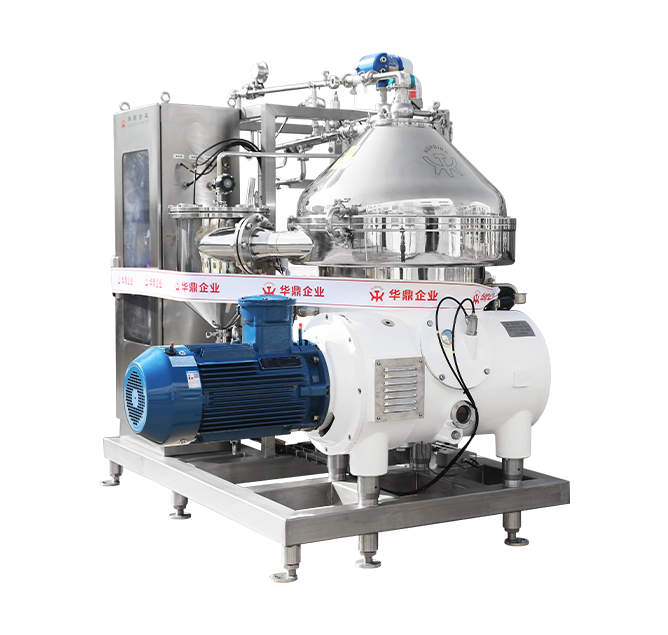
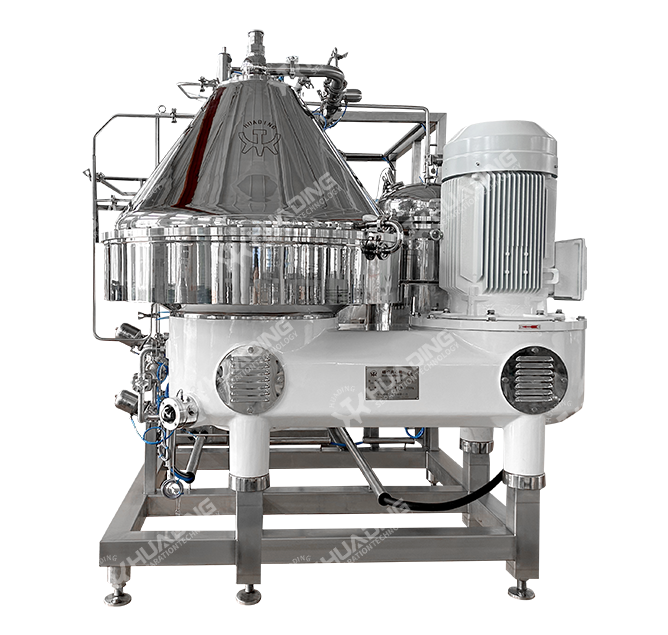
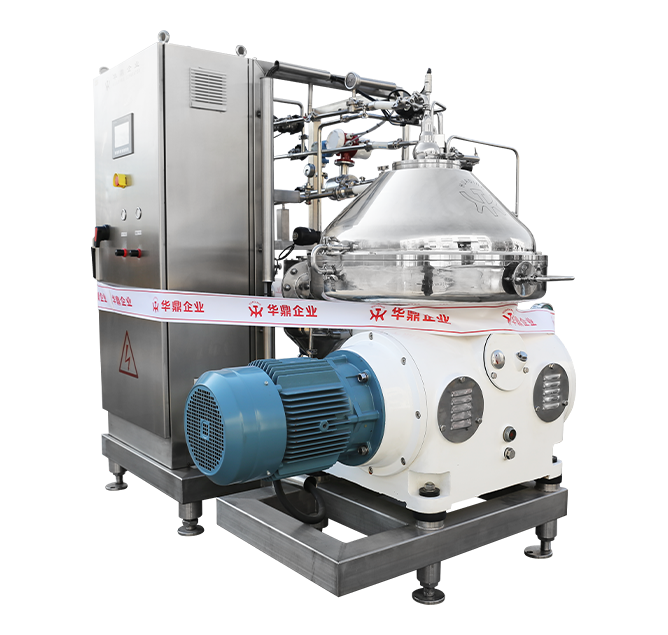
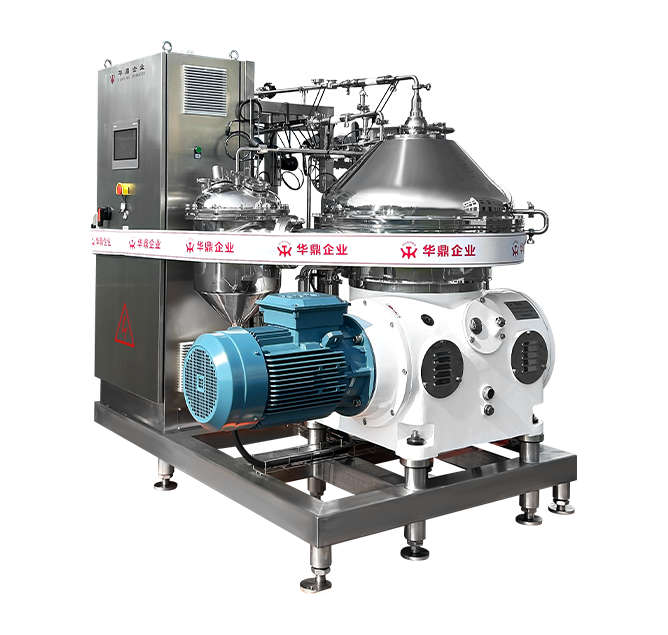
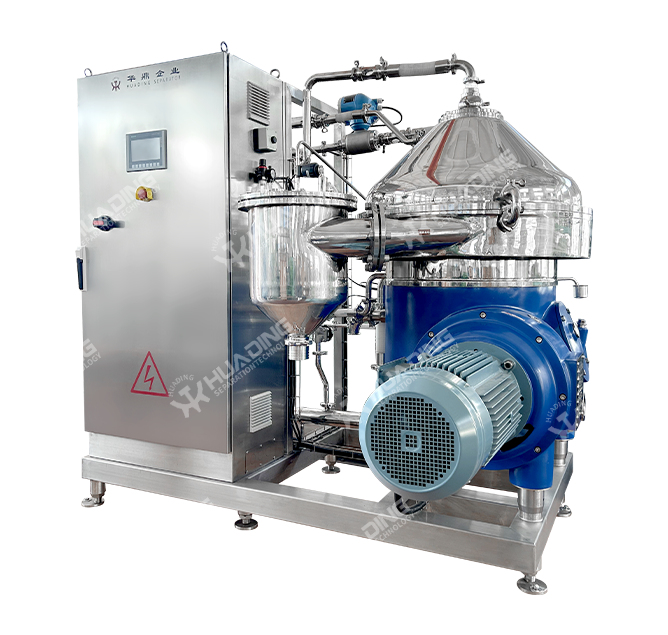
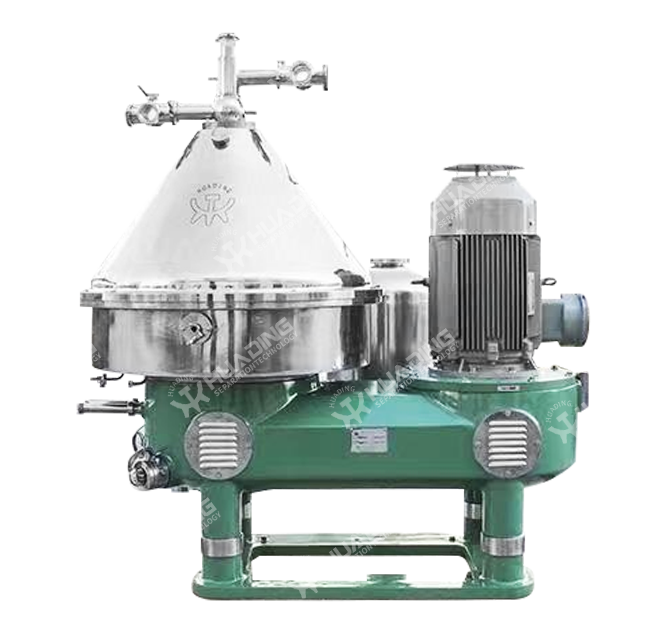
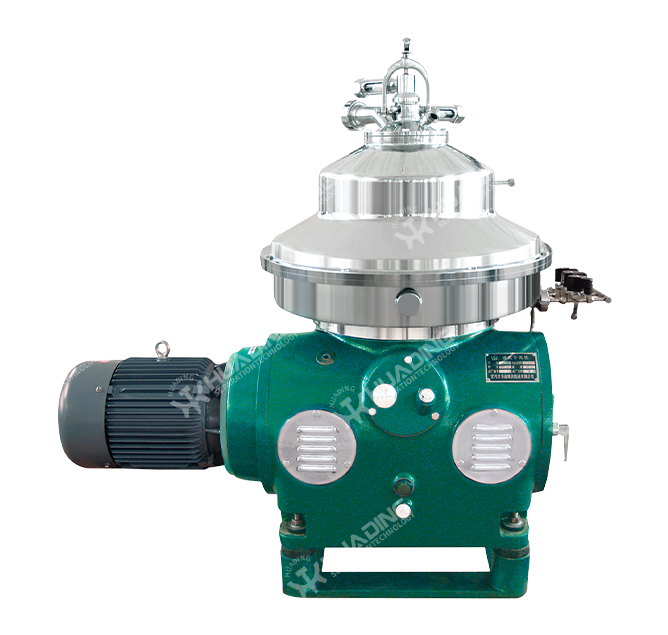
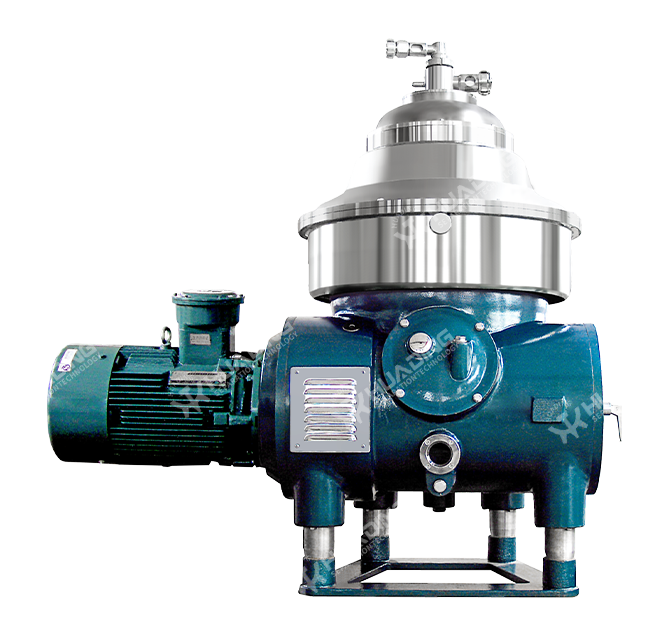
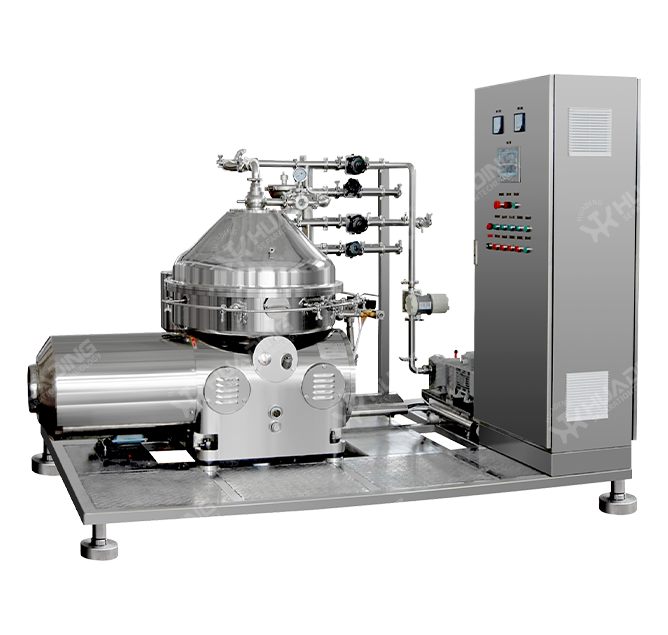
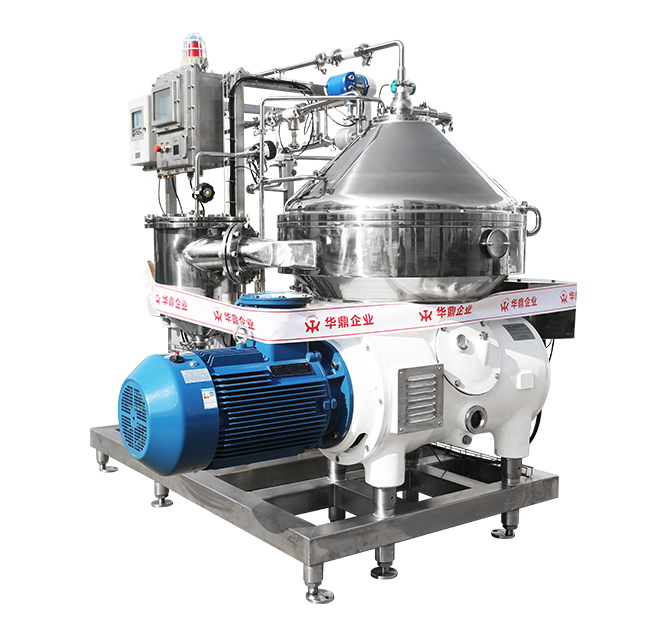
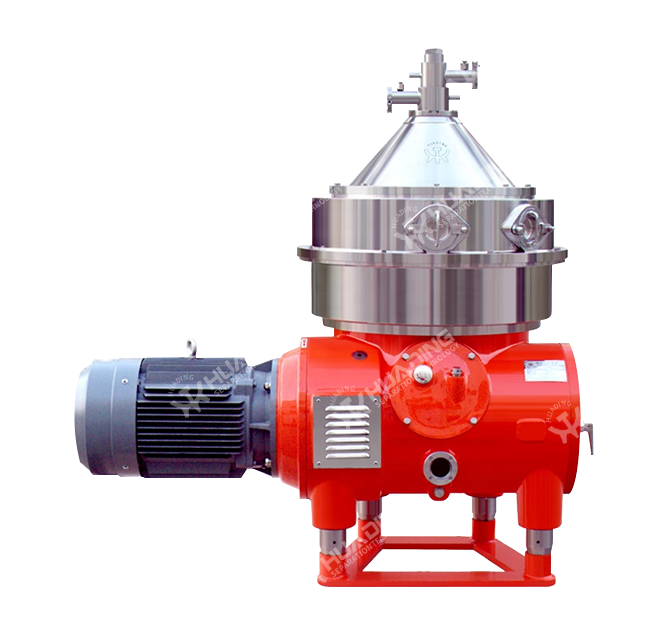
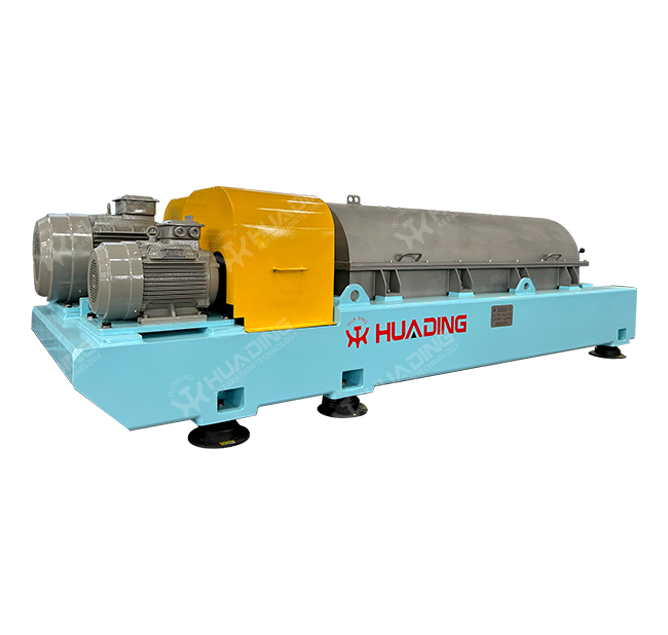
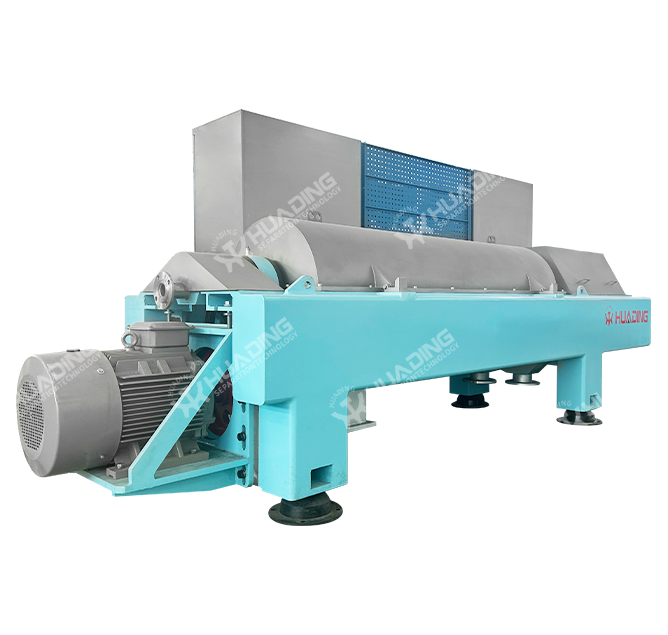
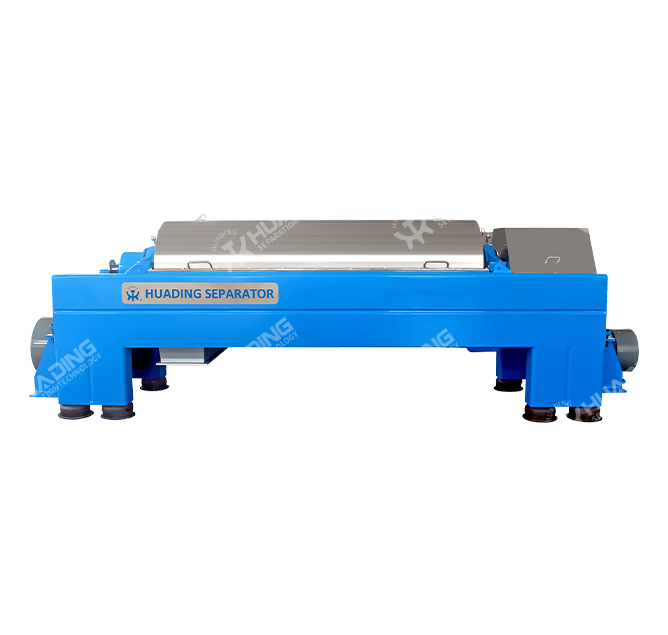
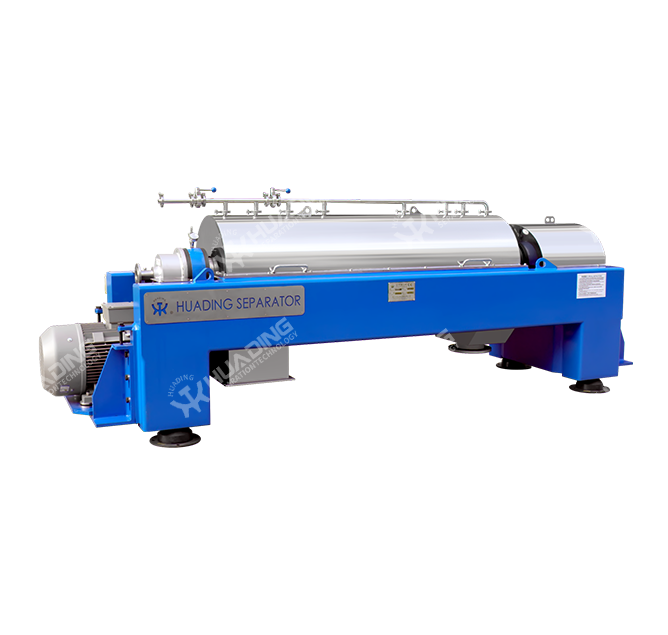
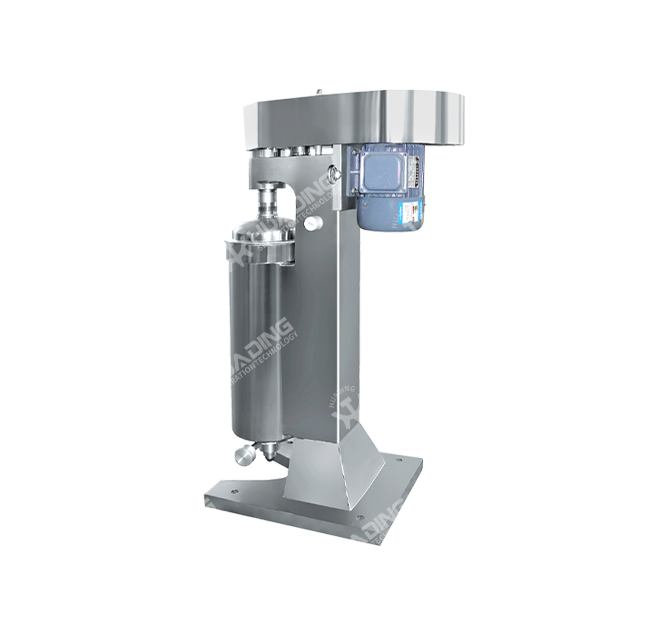
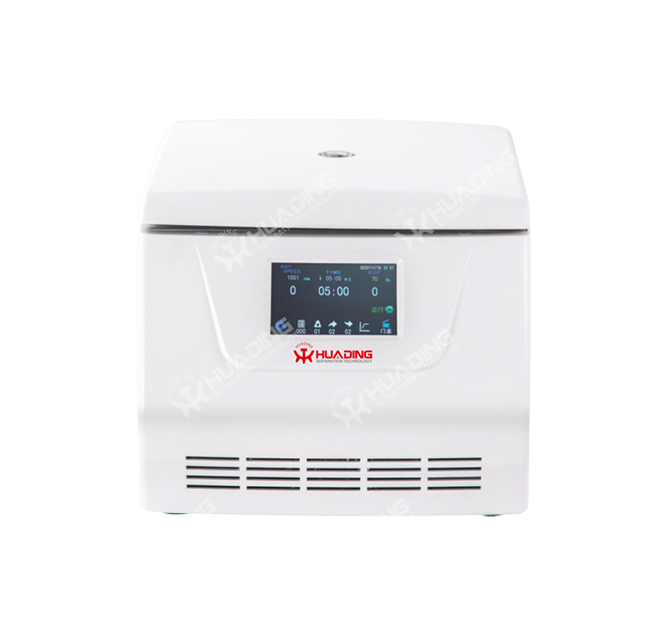
How does the Pharmaceutical Industry Decanter Centrifuge ensure separation accuracy and process adaptability?
In the pharmaceutical industry, separation accuracy and process adaptability are crucial, especially in processes such as alcohol precipitation of traditional Chinese medicines and fermentation broths. The equipment utilizes pharmaceutical-grade materials such as 316L stainless steel or titanium alloy, which comply with GMP standards, to effectively prevent metal ion contamination and ensure drug purity.
With a high separation factor of 3136-3567 G, the equipment can accurately separate micron-sized particles, making it particularly suitable for processing suspended solids in traditional Chinese medicine extracts. Furthermore, the equipment's adjustable frequency control system and differential speed control enable it to flexibly handle liquid drugs of varying viscosities, such as concentrated solutions, and achieve excellent results even with high-viscosity drugs.
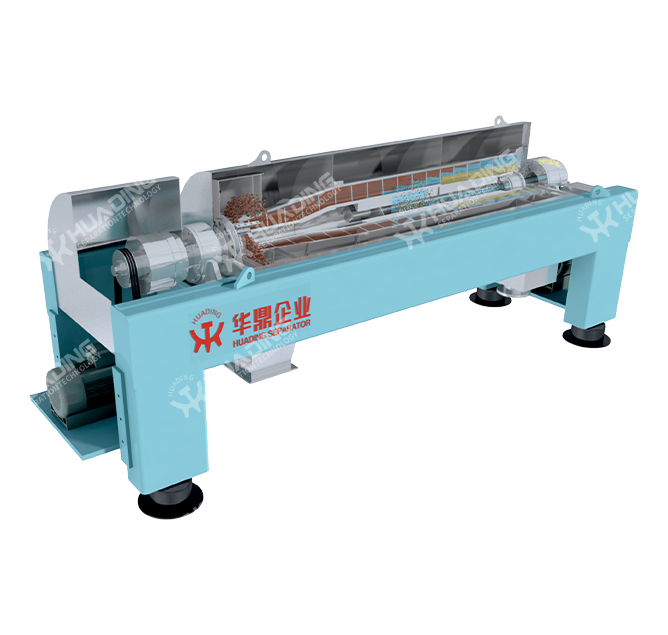
In the alcohol precipitation process of traditional Chinese medicines, the Pharmaceutical Industry Decanter Centrifuge uses three-phase separation to efficiently separate alcohol, drug solution, and drug residue, maximizing drug recovery while preserving the active ingredients. Its differential speed control system and real-time adjustment of the liquid ring thickness ensure precision and stability during the process, meeting the pharmaceutical industry's high demands for separation accuracy.
How does the Pharmaceutical Industry Decanter Centrifuge ensure process safety and hygienic standards during production?
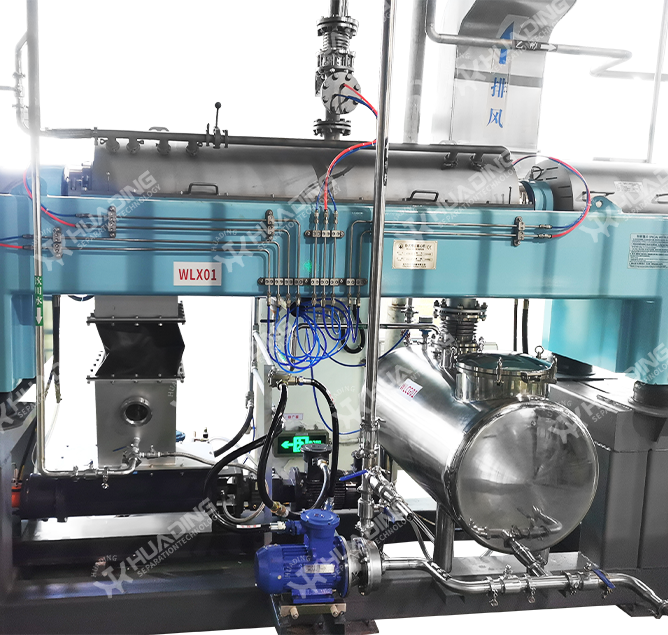
In the pharmaceutical industry, especially when working with organic solvents, equipment safety is crucial. The Pharmaceutical Industry Decanter Centrifuge features an explosion-proof design, especially when handling organic solvents like alcohol precipitation. Its ATEX-certified motor and fully enclosed structure effectively eliminate the risk of solvent volatilization and explosion, making it safer for use in flammable and explosive environments.
The equipment's interior surface undergoes a fine, hygienic polishing treatment with a surface roughness of Ra ≤ 0.4μm, minimizing drug residue and ensuring that CIP and SIP requirements are met after each use. This fully ensures the high purity and safety of drugs, providing reliable process support for pharmaceutical production.
The equipment's comprehensive cleaning system, equipped with high-pressure nozzles and multi-channel CIP piping, effectively removes accumulated material residues within the screw conveyor system, improving cleaning efficiency and reducing the risk of residual drug contamination. Compared to traditional cleaning methods, the Pharmaceutical Industry Decanter Centrifuge improves cleaning efficiency by over 60%, effectively reducing cross-contamination and improving production hygiene standards.
How does the Pharmaceutical Industry Decanter Centrifuge improve resource utilization and reduce costs?
The Pharmaceutical Industry Decanter Centrifuge not only improves separation accuracy but also significantly enhances resource utilization and reduces material waste during production. During the alcohol precipitation process of traditional Chinese medicine, the Pharmaceutical Industry Decanter Centrifuge efficiently separates alcohol, liquid medicine, and drug residue, ensuring an ethanol recovery rate exceeding 95%, significantly reducing ethanol consumption and production costs. For example, a traditional Chinese medicine injection manufacturer, using the LW450B centrifuge, not only improved separation efficiency but also saved 1.2 million yuan in ethanol costs.
The equipment also offers excellent solid residue dehydration, reducing the moisture content of drug residue to below 50%. This significantly reduces processing costs for subsequent treatment (such as incineration or composting) and improves resource reuse. The Pharmaceutical Industry Decanter Centrifuge utilizes high-torque planetary gears and precisely controlled differential speed control, enabling consistently efficient solids discharge. This reduces the maintenance and cleaning time associated with traditional filters and filter presses, improving overall equipment efficiency.
Pharmaceutical Industry Decanter Centrifuge Maintenance and Operation Recommendations
To ensure the long-term, stable operation of the Pharmaceutical Industry Decanter Centrifuge, regular inspection and maintenance are crucial. The following are some common maintenance recommendations:
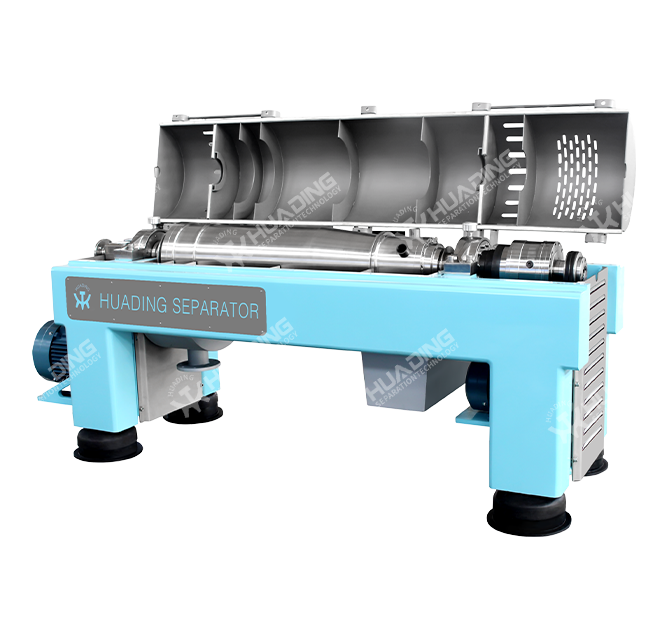
Spiral Blade Inspection: To ensure efficient operation of the Pharmaceutical Industry Decanter Centrifuge, inspect the spiral blades for wear every 500 hours. Spiral blades may wear over extended periods of operation, affecting separation performance. If significant wear is observed, dynamic balancing is required to ensure blade stability and accuracy, avoid uneven rotation, and ensure a smooth separation process.
Cleaning Method: To ensure internal cleanliness and prevent cross-contamination, regular cleaning with purified water and a 1% nitric acid solution is recommended. This cleaning method effectively removes drug residue and impurities while ensuring no residual cleaning agents can contaminate drug quality. Thorough cleaning after each production cycle helps extend equipment life and maintains hygiene standards, especially in the stringent pharmaceutical production environment.
Level Baffle Adjustment: The level baffle is a critical adjustment component in the Pharmaceutical Industry Decanter Centrifuge, directly impacting separation performance. Regular inspection and adjustment of the level baffle position is crucial to maintaining efficient equipment operation. Adjusting the level baffle helps optimize liquid stratification and ensure precise separation of solid, liquid, and oil layers, thereby improving separation performance and production efficiency.
Seal Inspection: Equipment seals are crucial for preventing drug spillage and cross-contamination. Screw conveyor system seals require regular inspection and replacement to prevent wear and aging that can lead to leaks and compromise equipment efficiency. Food-grade silicone or PTFE seals are recommended, as these materials meet pharmaceutical industry hygiene standards, effectively preventing cross-contamination and ensuring the safety and quality of drug production.

 English
 русский
 Español
 عربى
عربى 中文简体
中文简体