
 English
 русский
 Español
 عربى
عربى 中文简体
中文简体
WE ARE HAPPY TO SOLVE
PROBLEMS FOR CUSTOMERS
learn more >
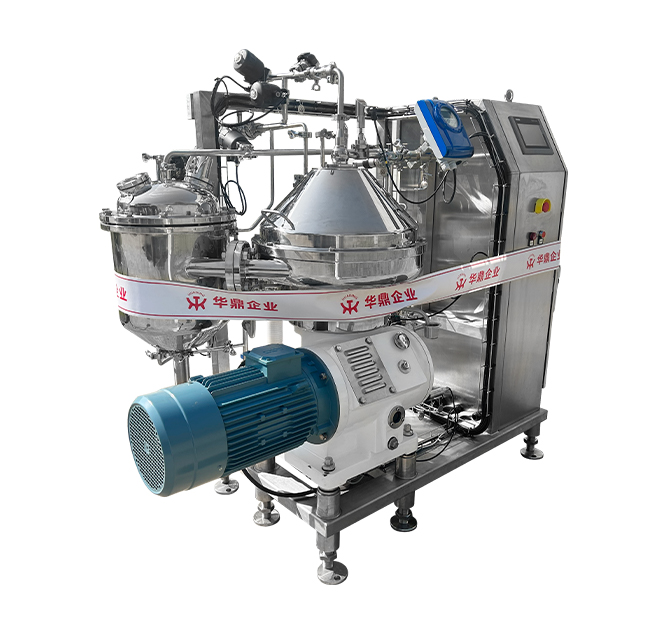
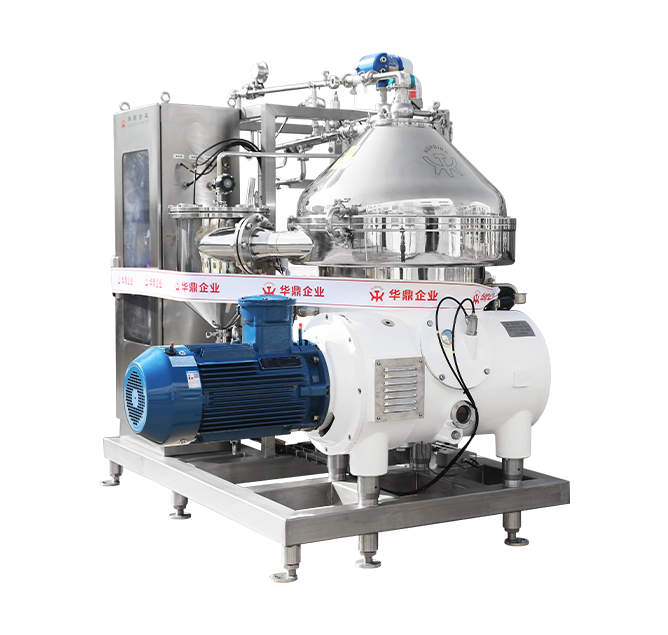
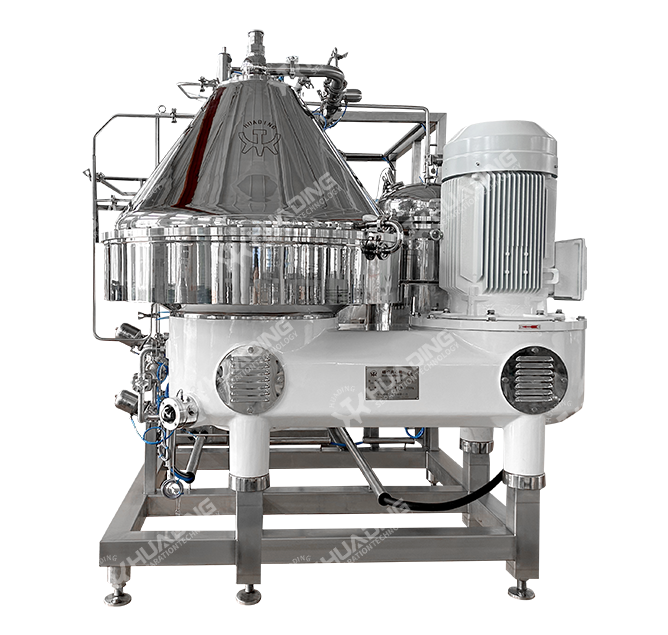
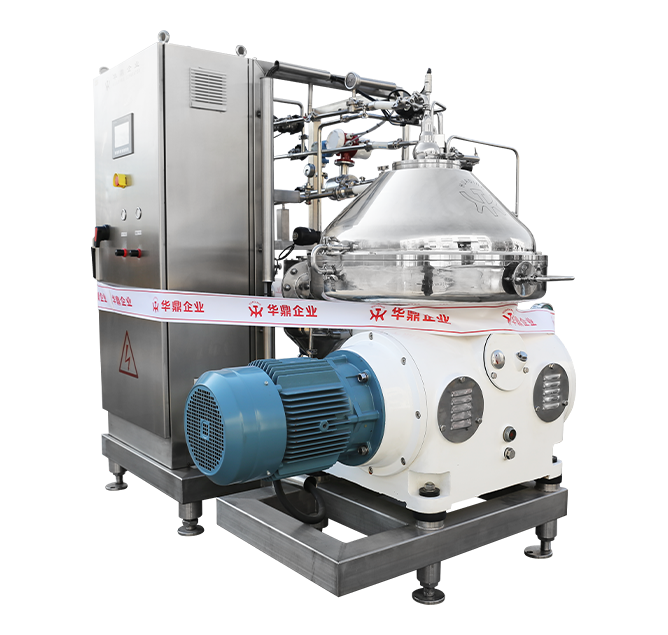
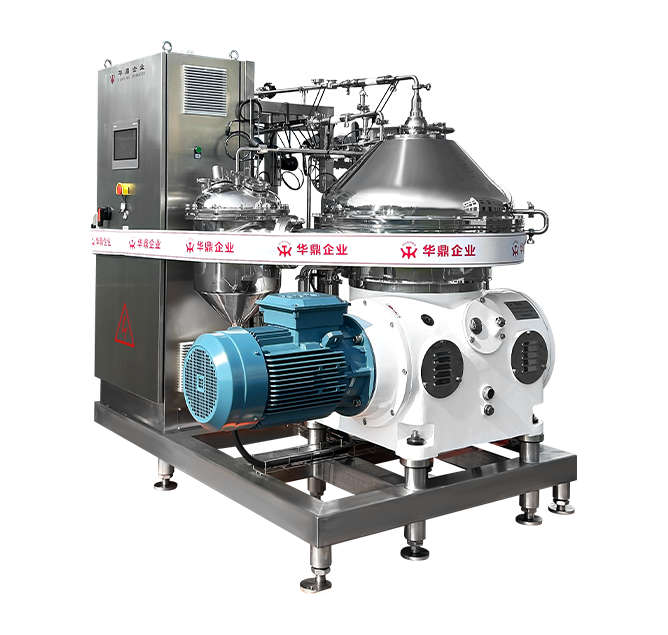
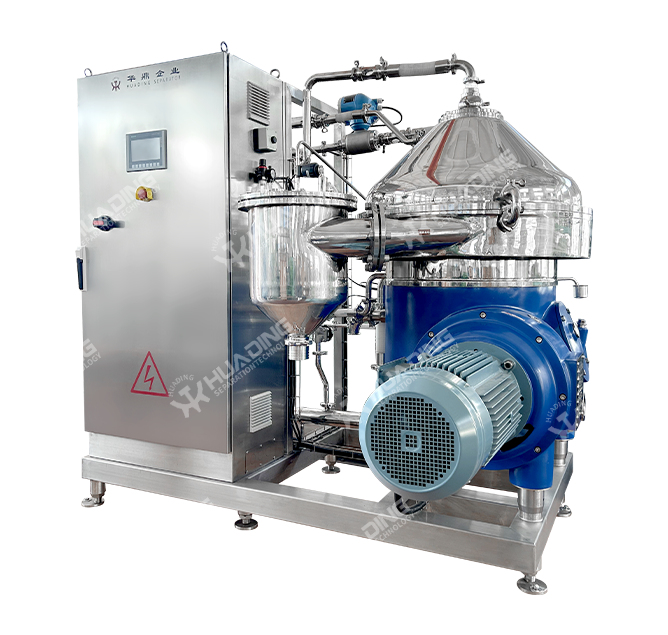
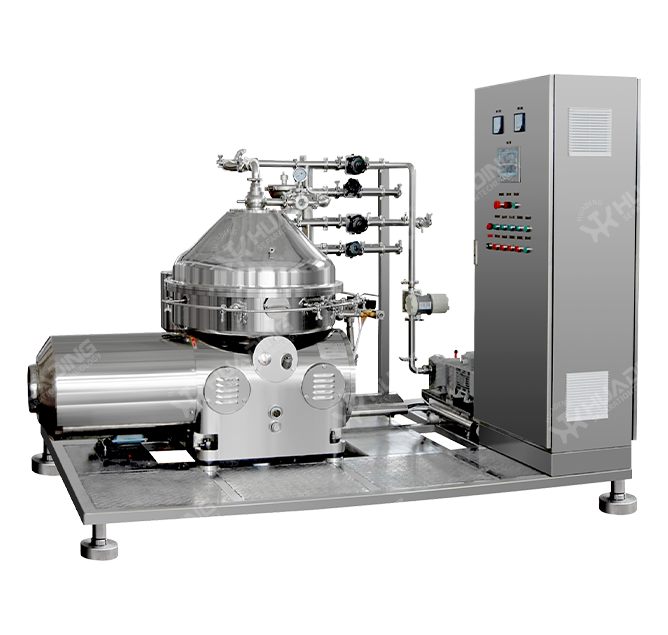
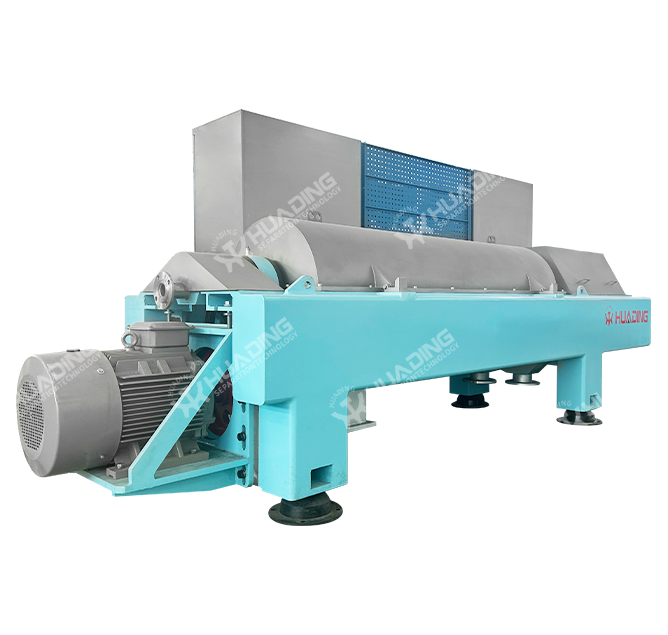
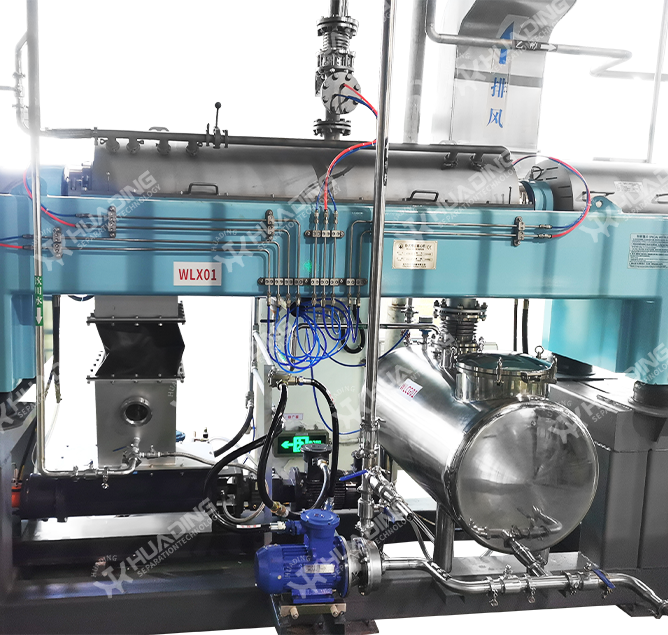
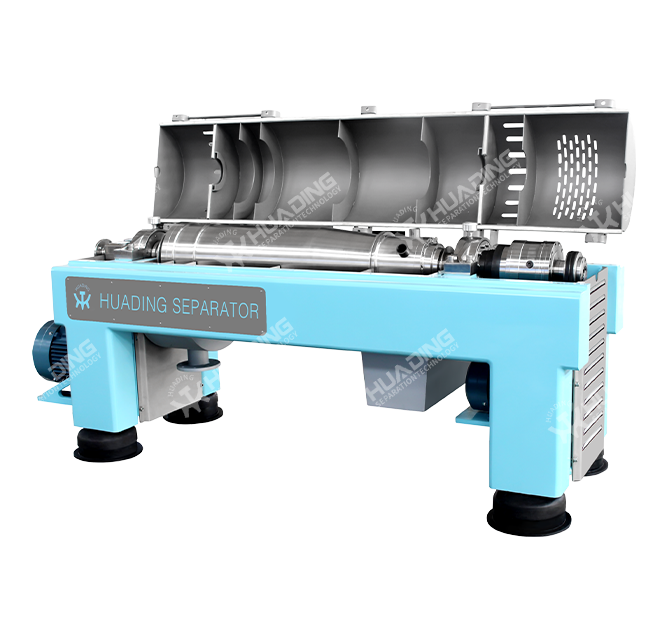
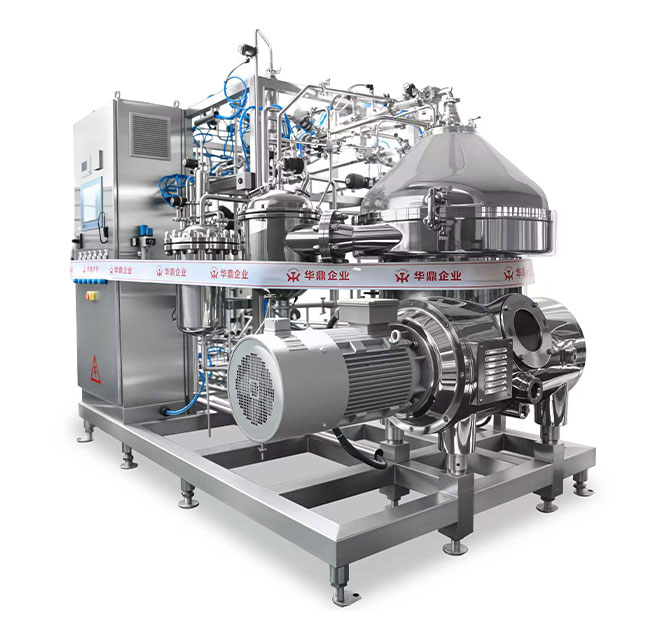
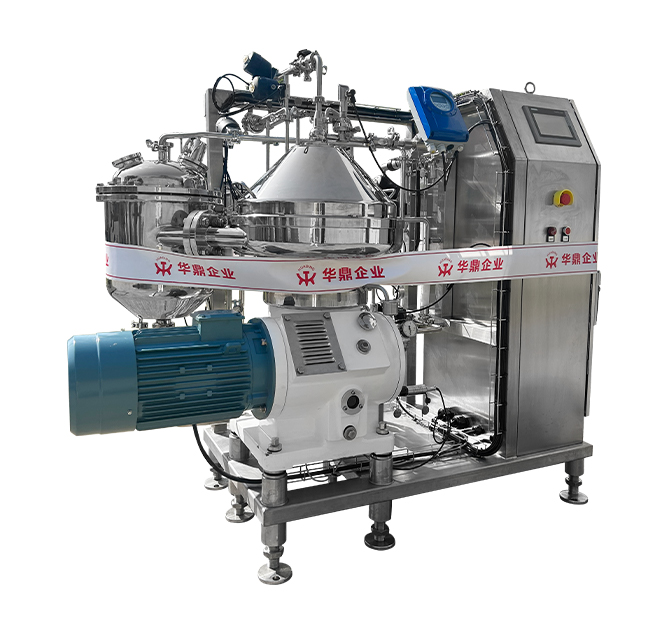
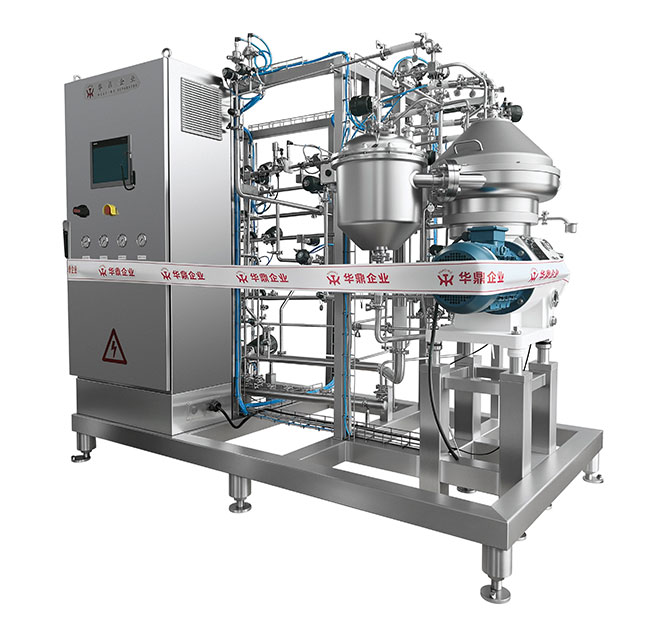
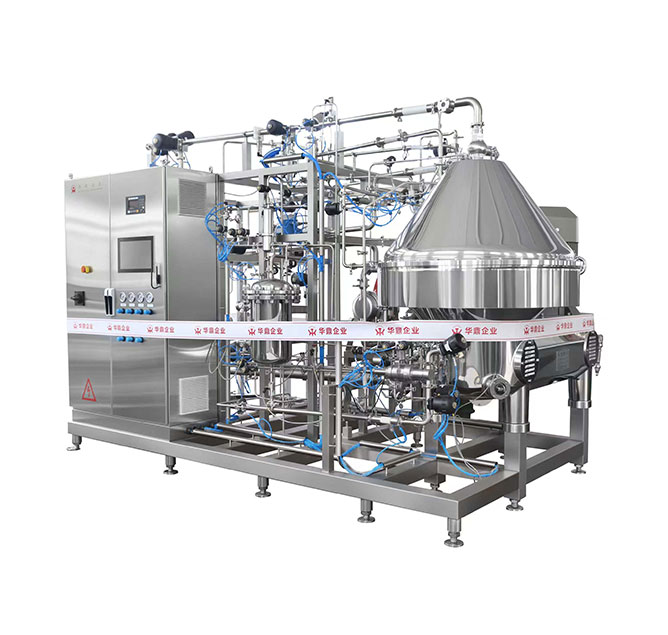
In modern industrial manufacturing, energy extraction, food processing, and environmental engineering, the efficient separation of multiphase fluid mixtures has always been a core link determining production efficiency and product purity. With the continuous improvement of process requirements, centrifugal separation technology, which uses density differences for accelerated sedimentation, has become an indispensable solution.
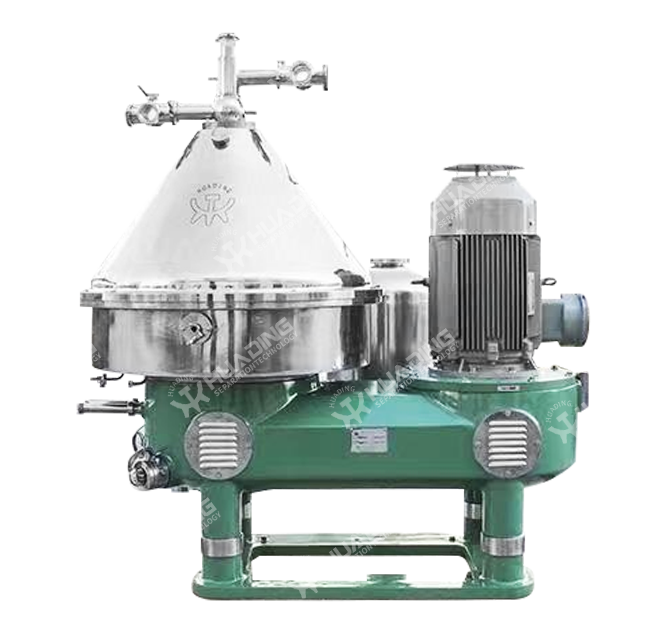
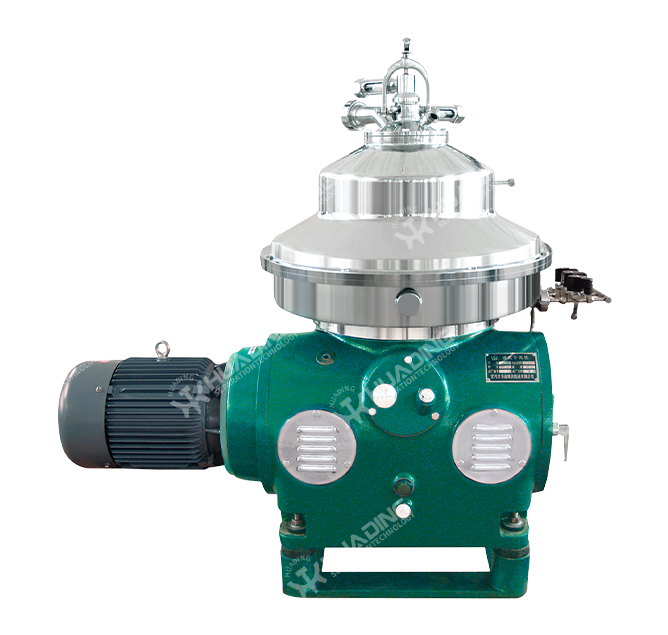
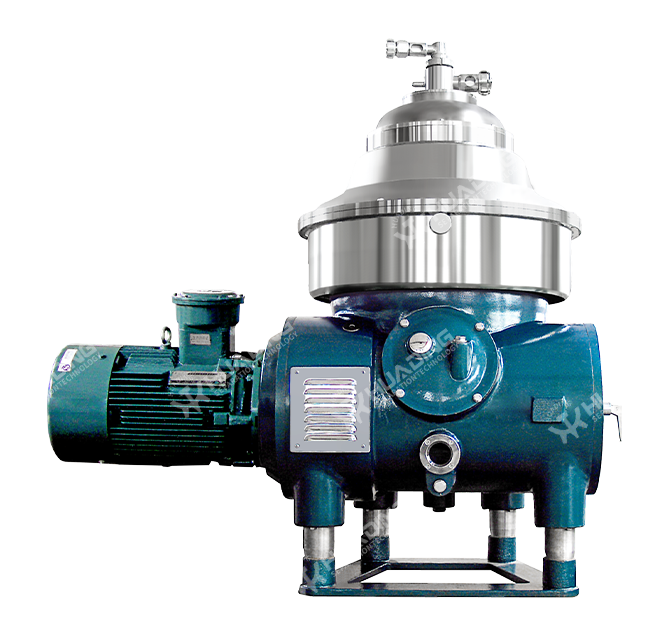
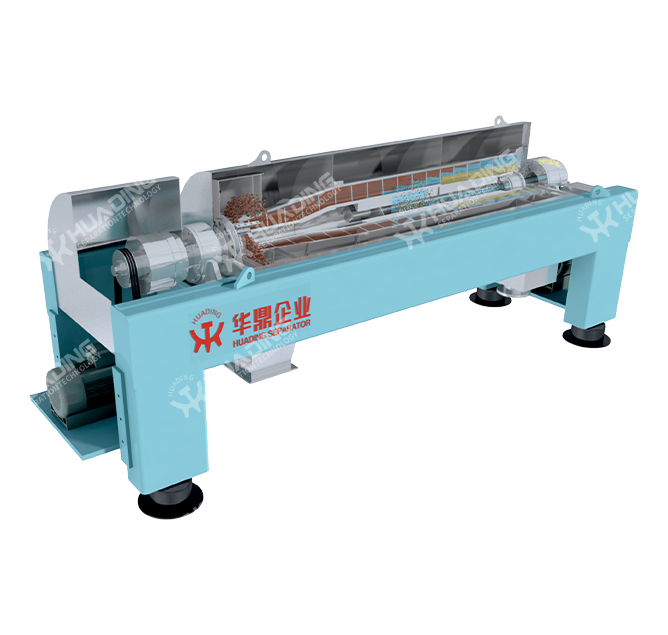
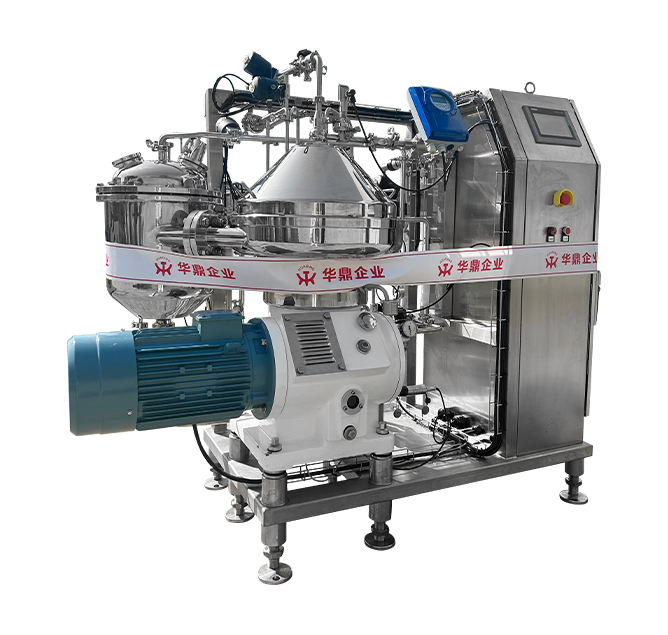
From the perspective of fluid mechanics, the core of an industrial centrifugal separator lies in the use of the centrifugal force field generated by high-speed rotation to replace traditional gravity sedimentation, thereby increasing the separation speed by tens to thousands of times. When a fluid containing components of different densities enters the equipment, the high-density solid particles or heavy-phase liquid are pushed to the outer wall of the bowl, while the low-density light-phase fluid gathers towards the center, thus achieving continuous and efficient phase separation.
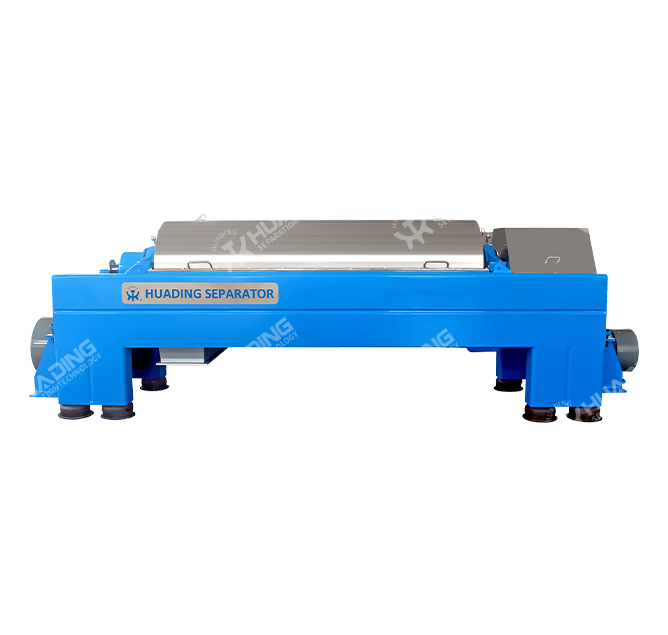
When processing heterogeneous mixtures containing a large number of suspended particles, the centrifugal solid liquid separator shows extremely high mechanical stability. This type of equipment effectively captures micron-sized solid particles by optimizing the bowl speed and the internal blade flow structure. Whether it is the solid-liquid separation of chemical crystallization liquids or the dewatering of mine tailings, choosing the right centrifugal separator can directly reduce the moisture content of the subsequent filter cake, significantly reduce drying energy consumption, and solve the industrial pain point of material clogging filter media.
In the fields of petrochemicals, machining, and heavy industry cleaning, the treatment of oil-water mixtures and high-viscosity sludge is often a process difficulty. Traditional gravity oil separators occupy a large area and cannot break the emulsified state.
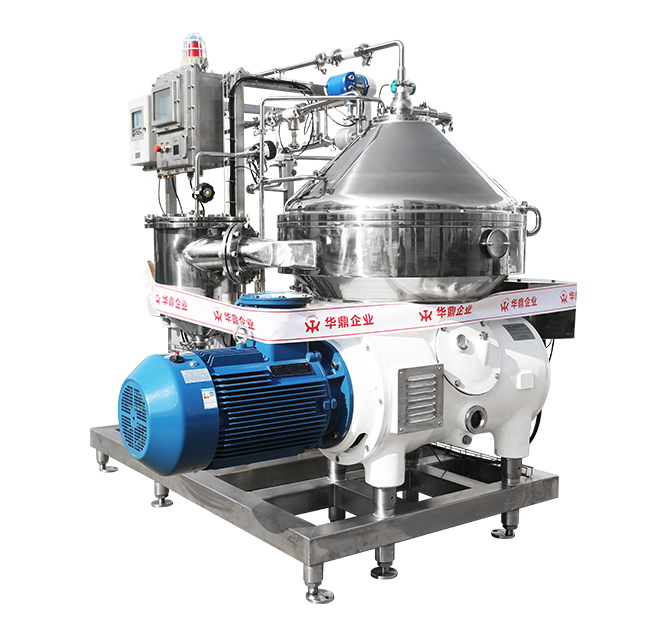
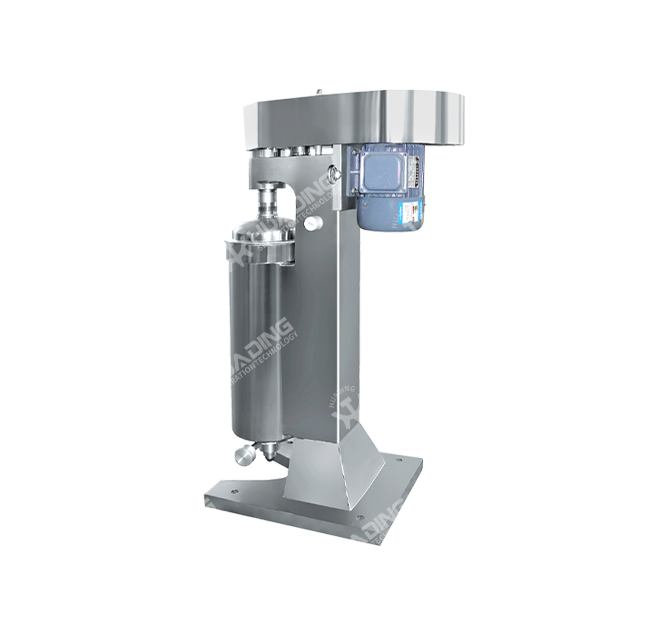
Aimed at mixed liquids containing floating oil, dispersed oil, and partially emulsified oil, the centrifugal oil water separator achieves three-phase or two-phase separation using extremely slight density differences between oil and water phases through precise speed control. In lubricating oil regeneration and cutting fluid circulation systems, using a centrifugal oil separator can quickly remove metal wear debris and free water from the oil to prevent oil deterioration; while a centrifugal water separator focuses on quickly extracting trace residues from a large amount of water phase to ensure discharge or reuse water quality meets standards.
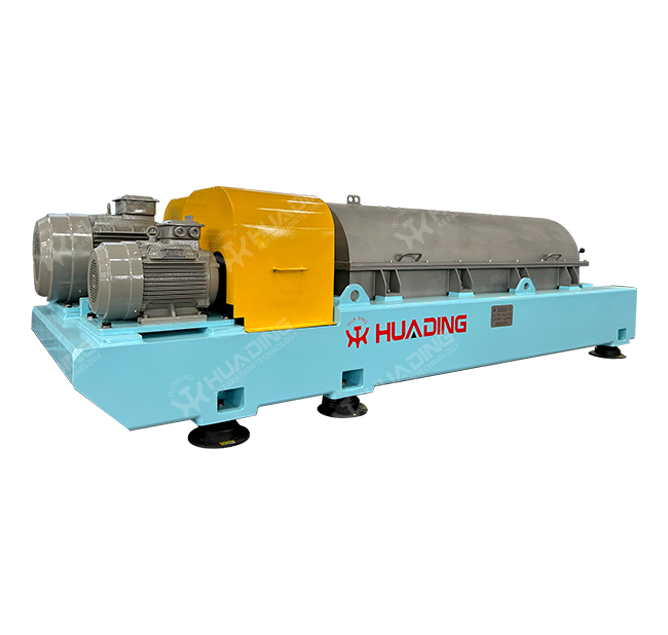
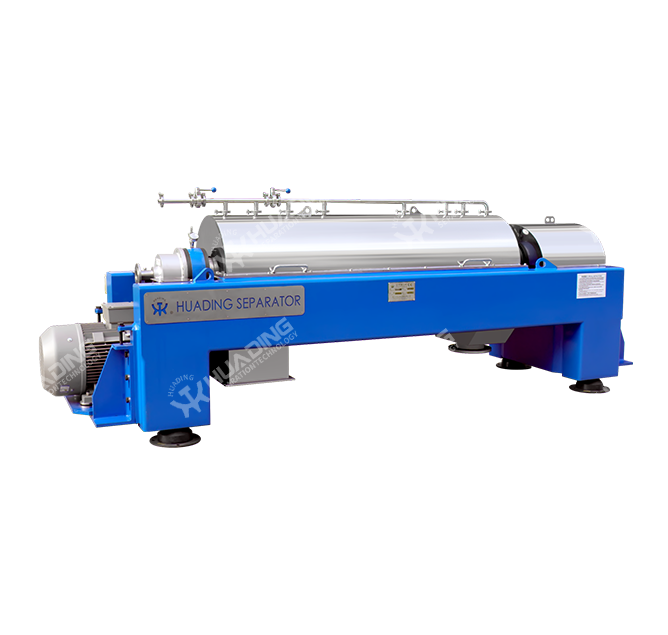
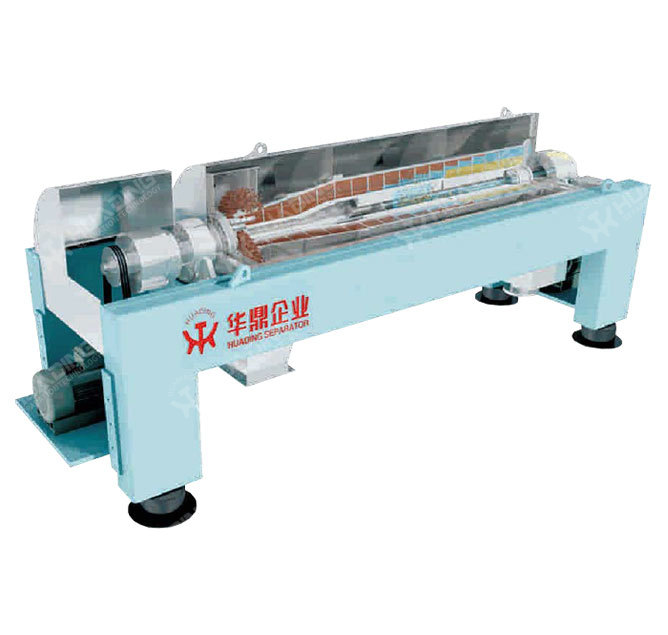
Primary settling sludge and excess activated sludge generated in environmental wastewater treatment have complex components and strong water retention. The centrifugal sludge separator uses a large length-to-diameter ratio bowl design and differential drive technology to forcefully destroy the colloidal structure of the sludge under ultra-high centrifugal force. This design can not only achieve efficient dewatering of high-concentration sludge but also output high-dryness mud cakes without adding excessive chemical flocculants, directly reducing transportation and disposal costs for subsequent sludge handling.
To facilitate engineering and technical personnel in precise equipment selection based on actual material characteristics, the core technical parameter ranges of different types of centrifugal separator under standard working conditions are listed below:
| Equipment Type | Separation Factor (G-value Range) | Target Particle Size | Typical Processed Materials | Main Technical Focus |
|---|---|---|---|---|
| centrifugal solid liquid separator | 1500 - 4500 | 2 μm - 5 mm | Chemical crystallization, pulp, solid-liquid mixtures | Filter cake moisture content, wear-resistant lining life |
| centrifugal oil water separator | 3000 - 8000 | 1 μm - 100 μm | Emulsified oil-water, oily wastewater, crude oil dewatering | Interface layer control accuracy, emulsification breaking capability |
| centrifugal sludge separator | 2000 - 4000 | 5 μm - 500 μm | Municipal sludge, industrial biochemical sludge | Differential torque, mud dryness and clear liquid purity |
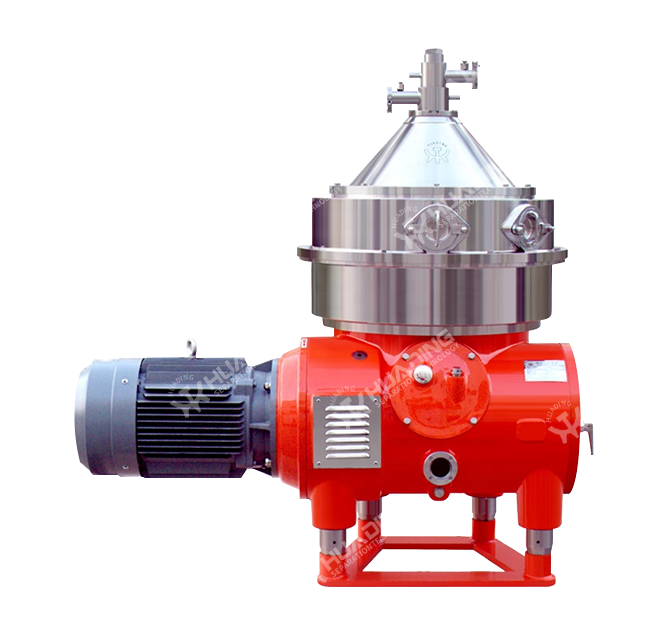
| centrifugal milk separator | 5000 - 10000 | < 1 μm | Fresh milk skimming, whey clarification | CIP online cleaning, sterile sealing performance |
Copyright ©Yixing Huading Machinery Co.,Ltd. All Rights Reserved. Custom Centrifugal Separator Factory