
 English
 русский
 Español
 عربى
عربى 中文简体
中文简体
WE ARE HAPPY TO SOLVE
PROBLEMS FOR CUSTOMERS
learn more >
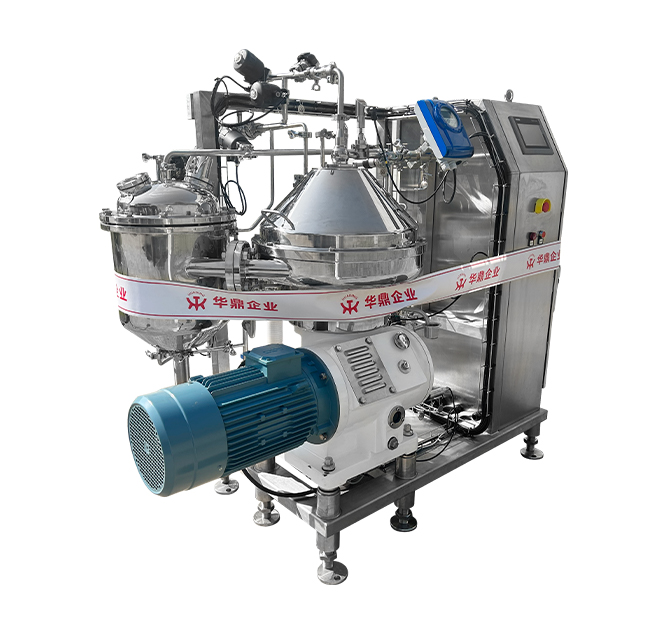
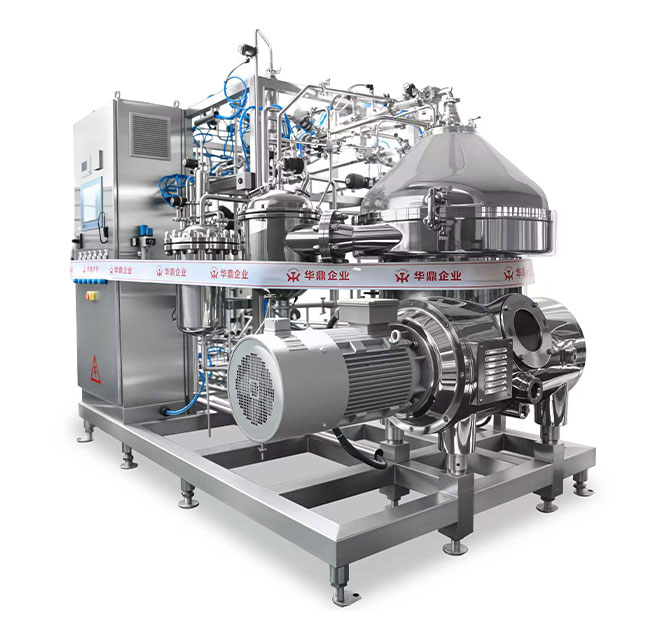
In complex fluid processing techniques, traditional methods relying on gravity settling can no longer meet the requirements for high precision and efficiency. Modern industry widely adopts solid liquid separation by centrifugation technology, generating extremely strong centrifugal forces through mechanical rotation to achieve rapid separation of different density phases. This physical process strictly follows Stokes' law, where the settling velocity of particles is directly proportional to the square of the particle diameter and the centrifugal acceleration, and inversely proportional to the dynamic viscosity of the fluid.
Unlike static settling tanks, centrifuges can generate gravitational acceleration ranging from 1,000 G to over 10,000 G within the rotating bowl. Under this extreme physical environment, denser solid particles are rapidly pushed towards the inner wall of the bowl, while the lighter liquid phase forms a concentric annular layer in the central region. This high-intensity mechanical power enables even extremely small, fine particles to be effectively captured and separated.
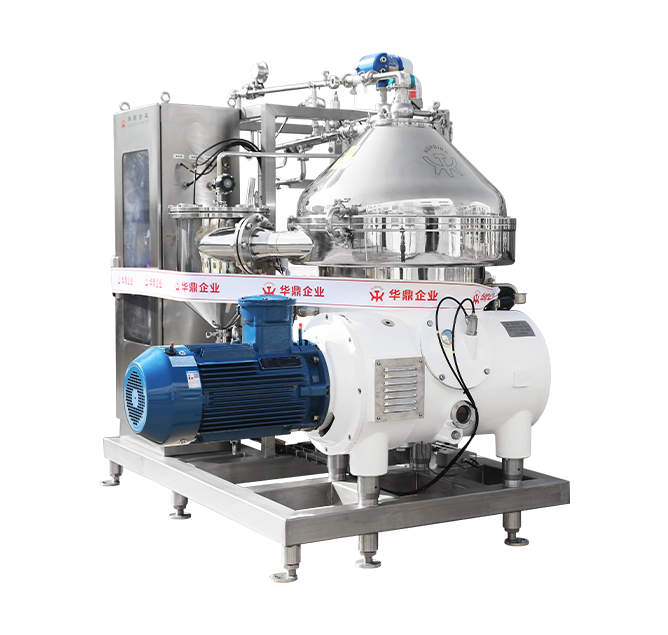
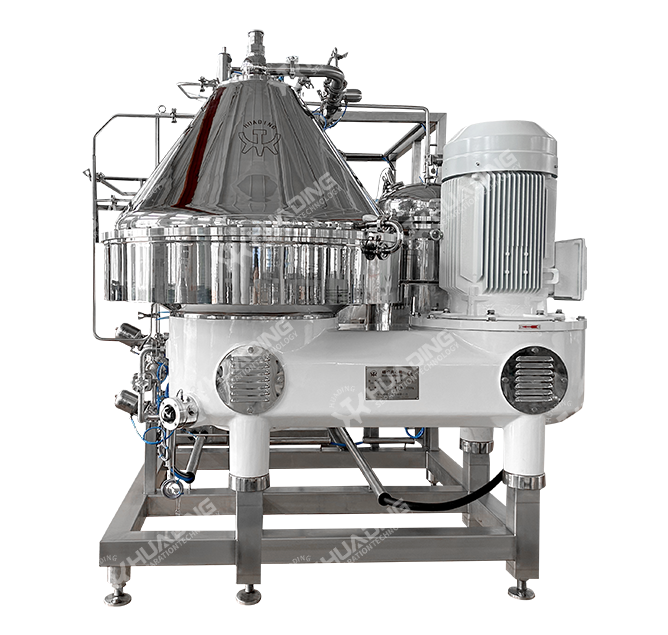
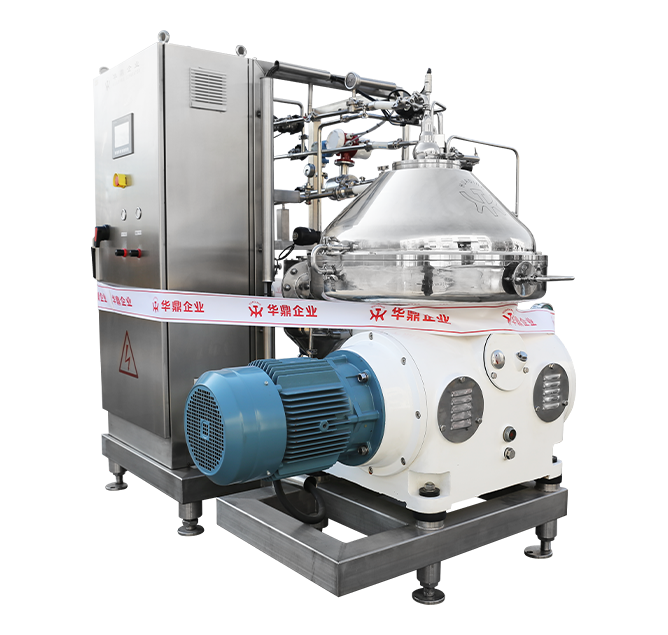
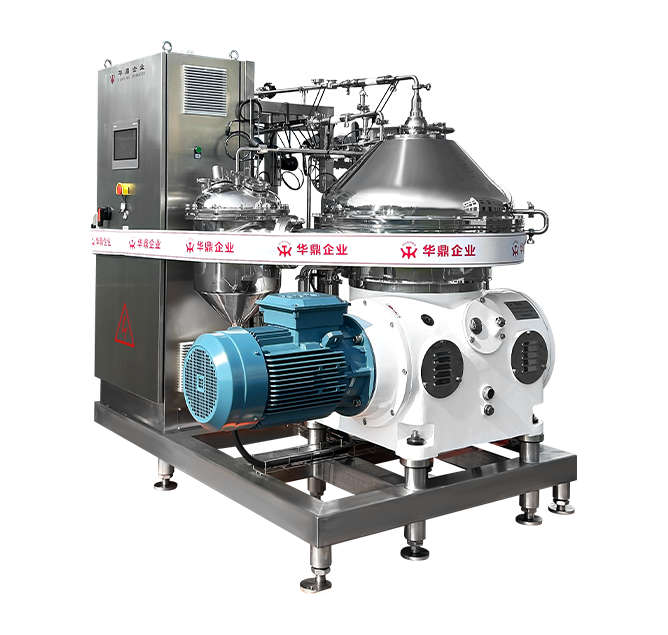
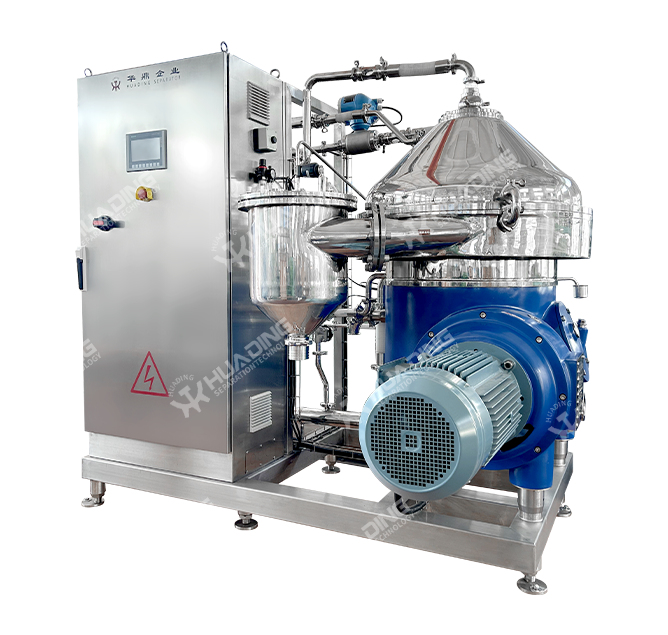
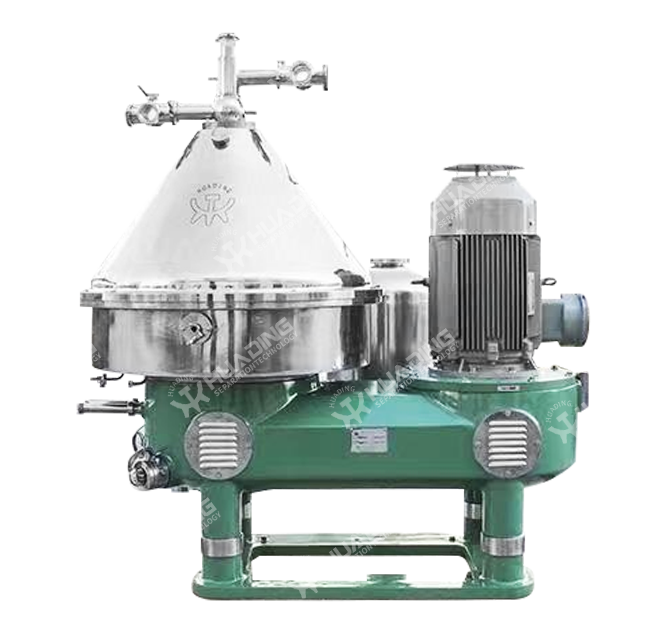
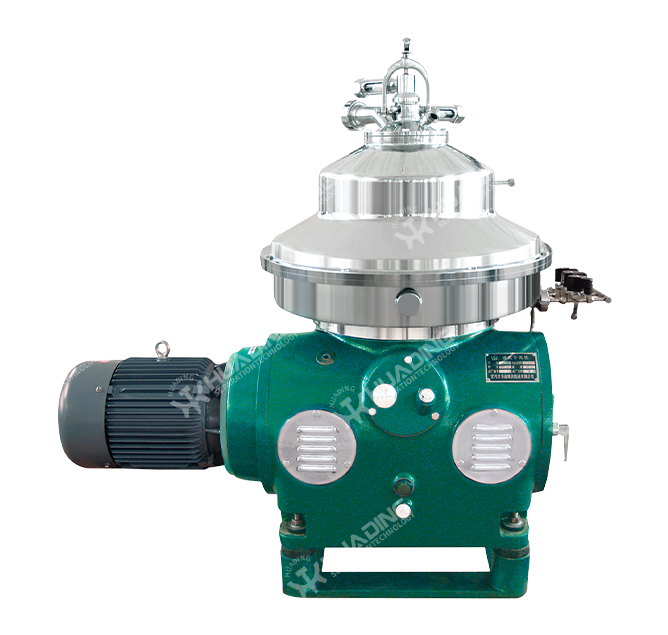
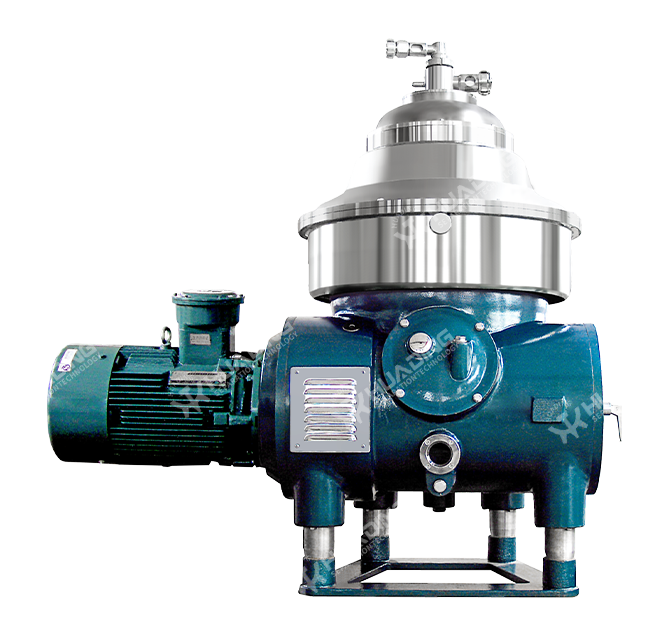
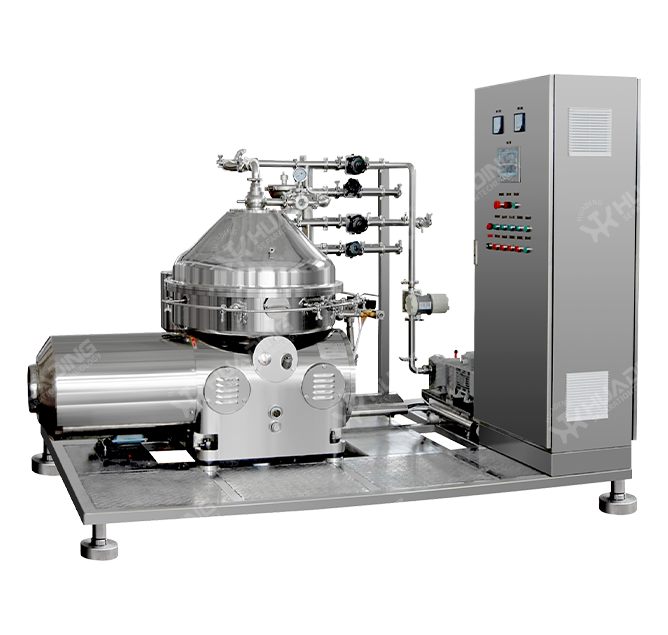
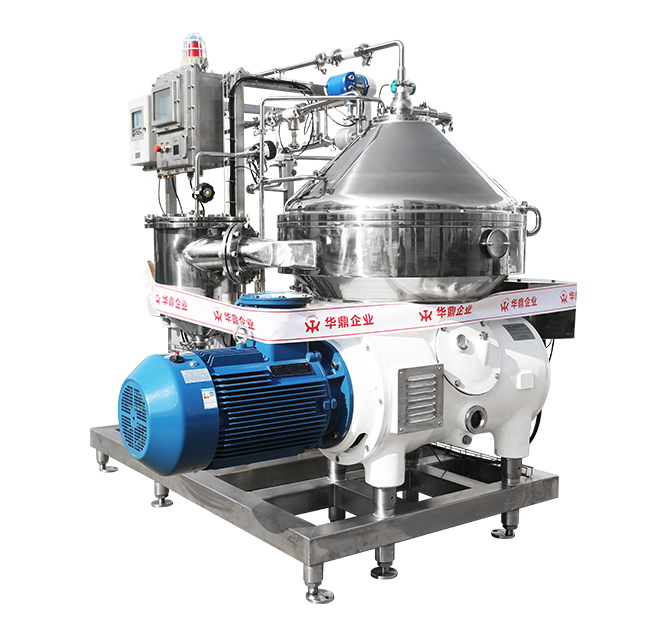
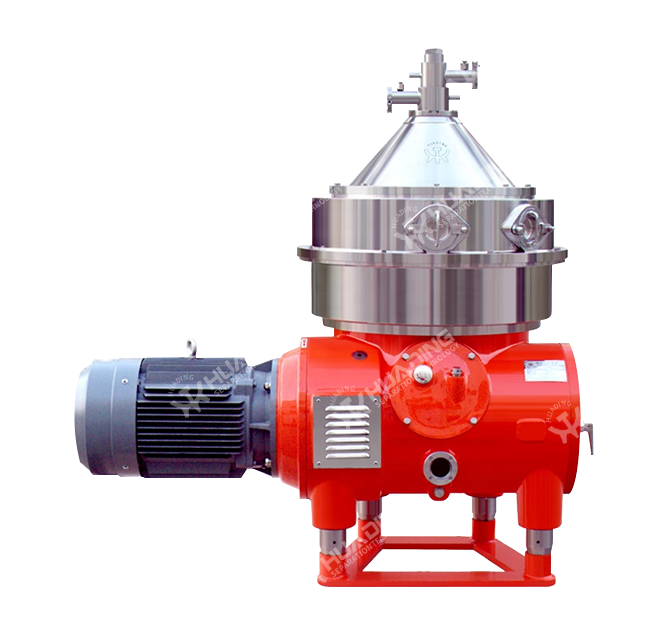
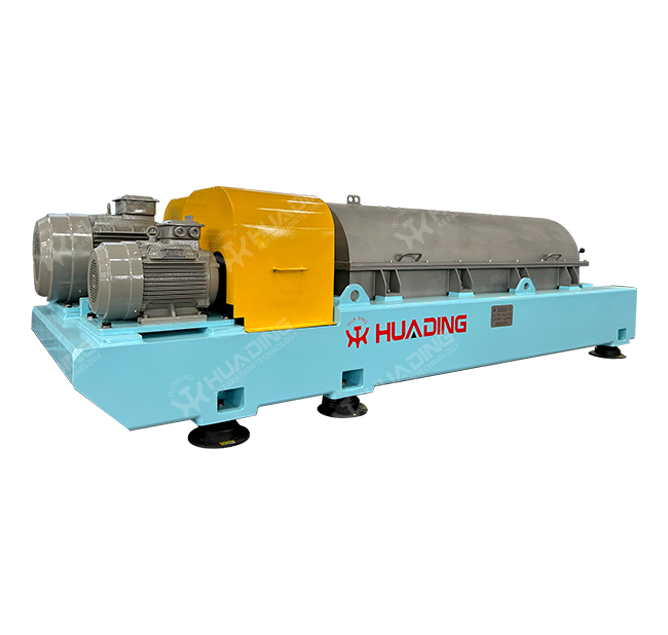
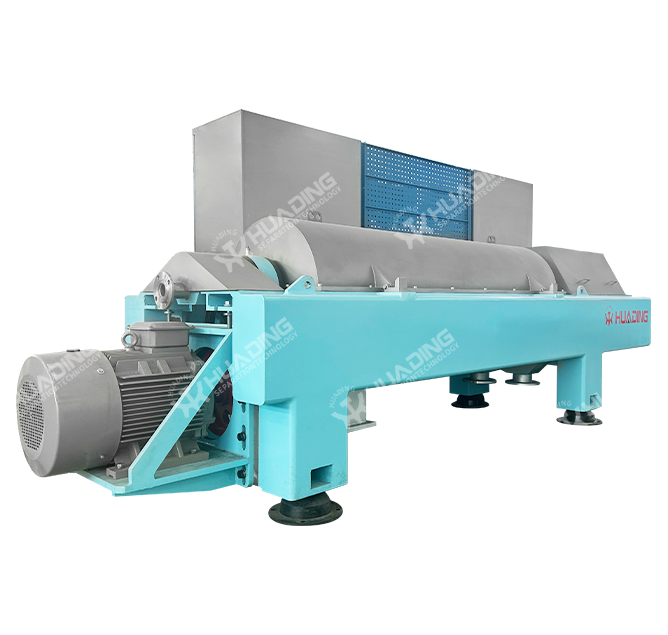
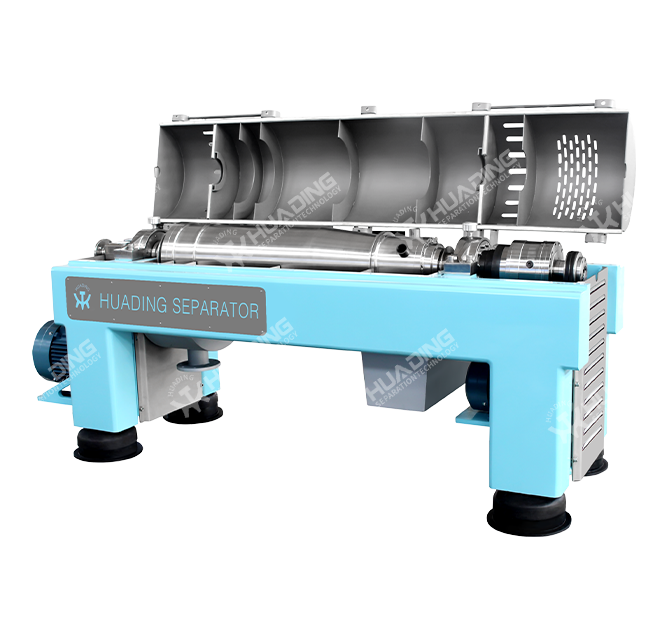
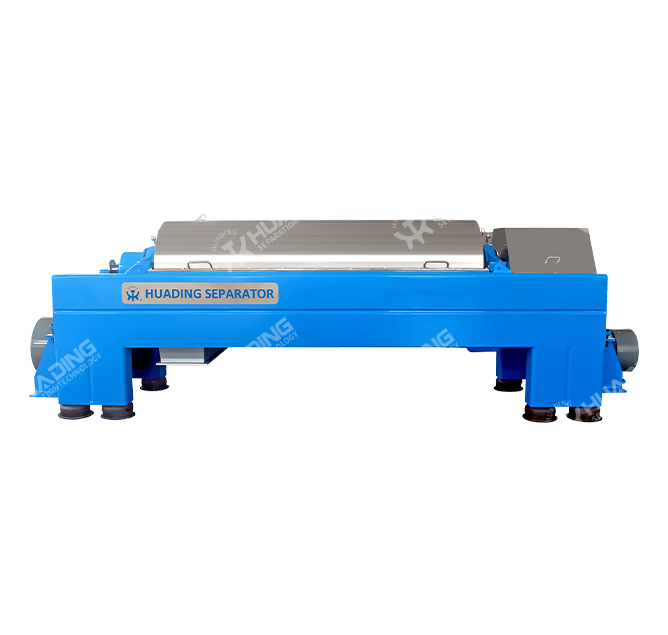
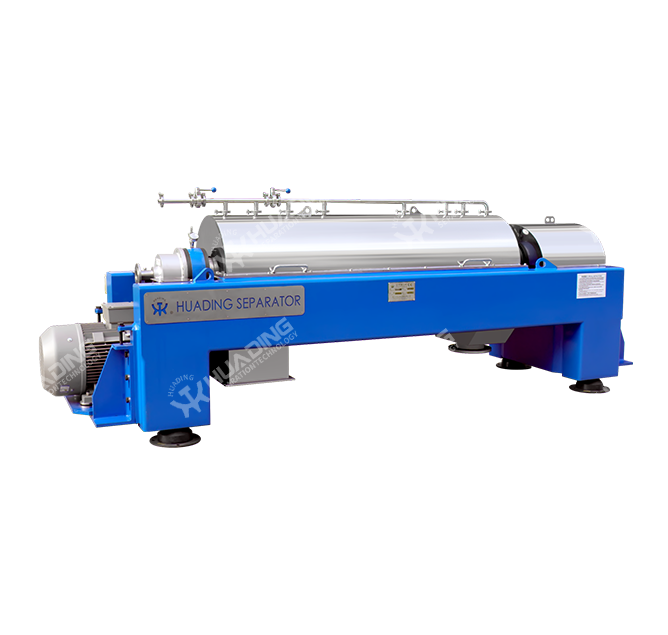
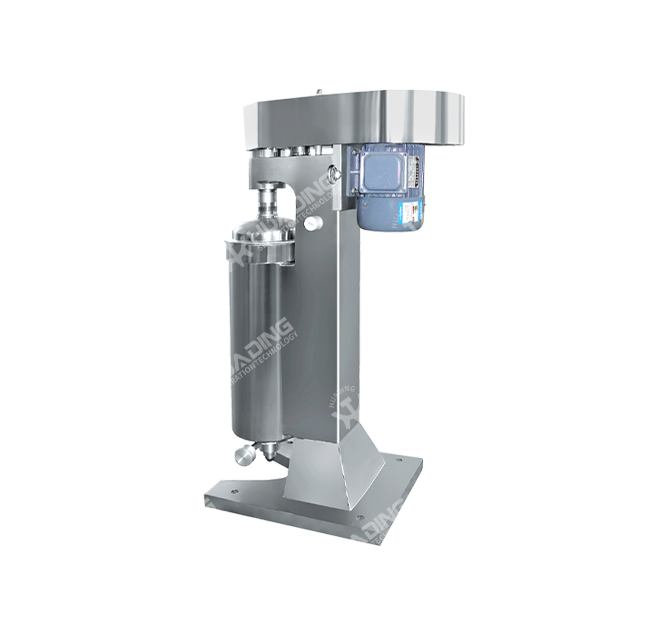
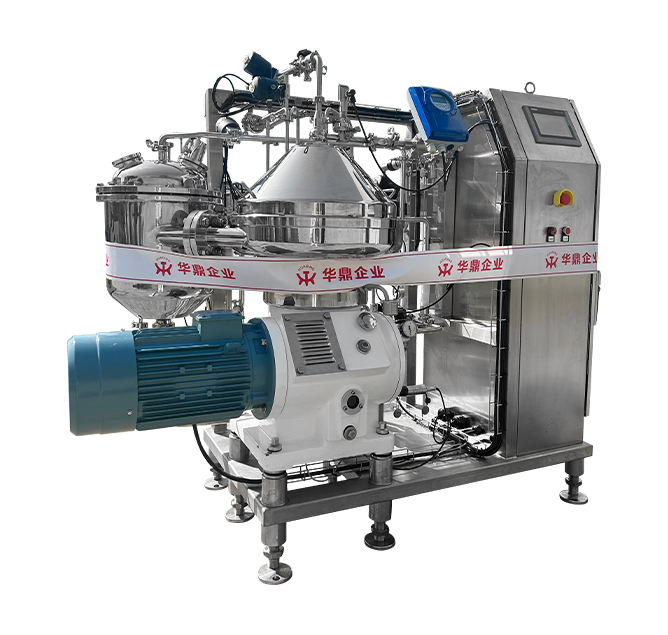
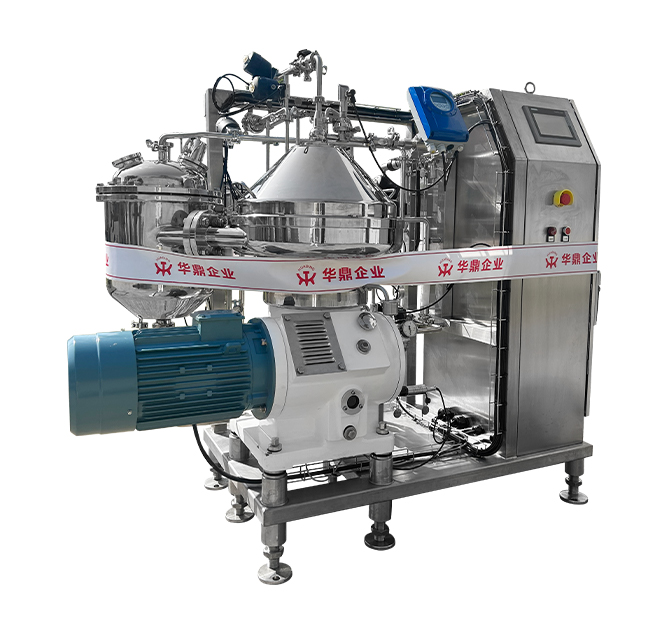
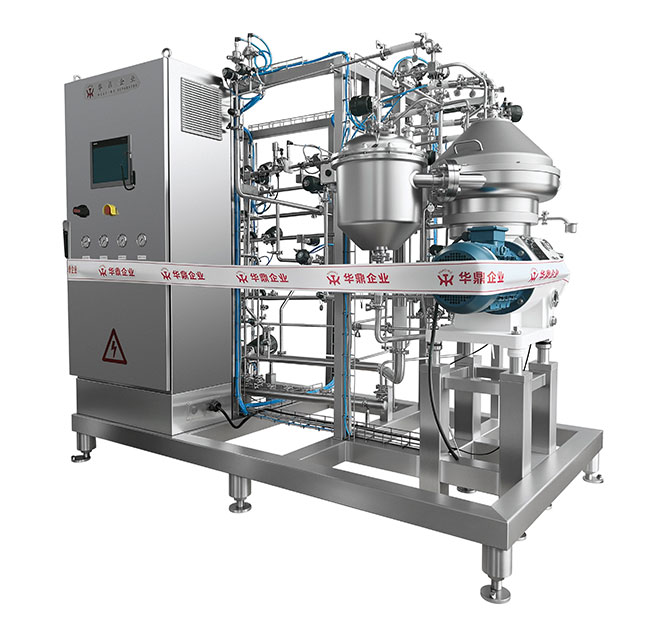
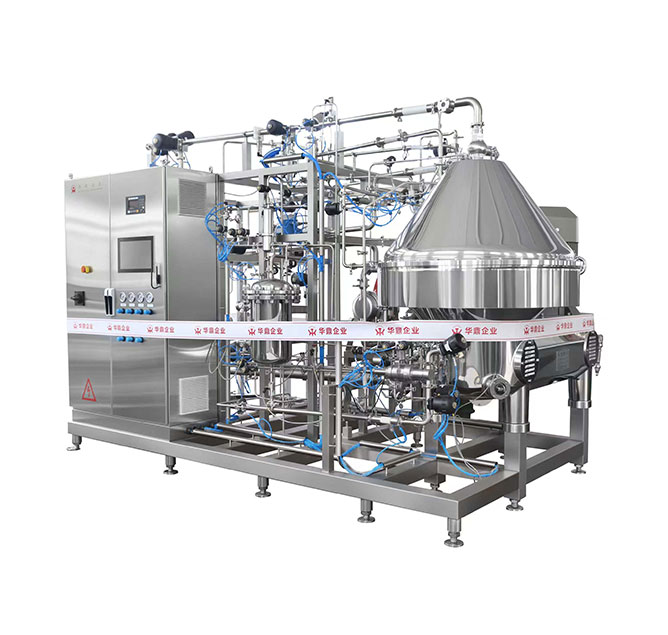
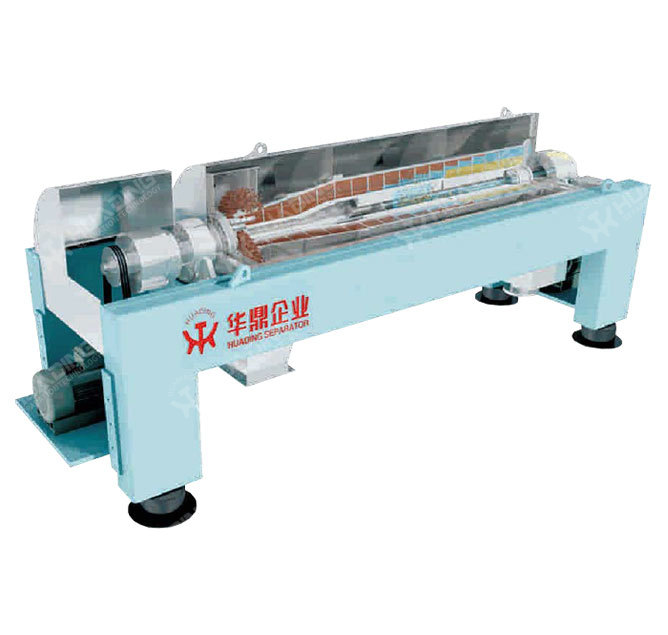
The physical properties of different materials require different geometric designs. Among various centrifuge solid liquid separation solutions, the decanter configuration and the disc configuration are the two most core designs. The former specializes in handling high concentrations and large particles, while the latter excels in fine particles and multiphase fluids. Especially when performing liquid liquid separation by disc stack centrifuge, its unique internal conical disc stack geometrically amplifies the effective settling area.
When executing the liquid solid centrifugation process, the stable operation of the equipment and the final purity depend on the precise control of multiple dynamic variables:
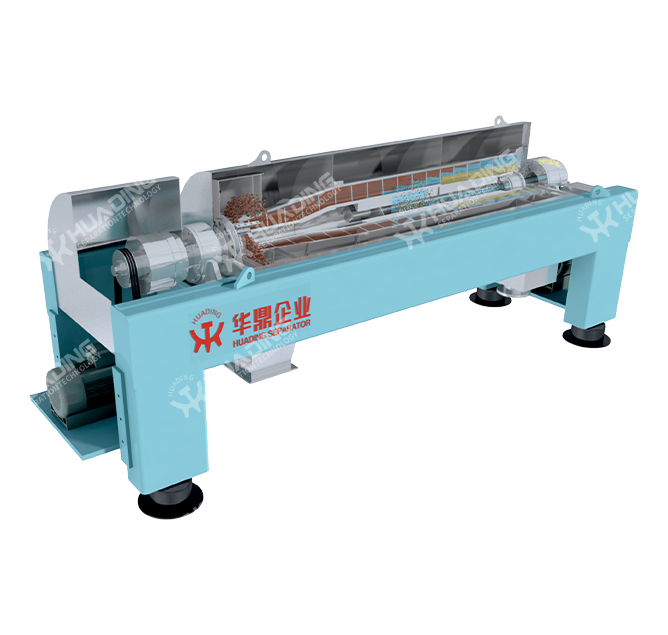
Differential Speed: In a decanter centrifuge, there is a slight differential speed between the rotating bowl and the internal screw conveyor. The differential speed directly determines the residence time of solid materials in the centrifugal force field. A smaller differential speed increases the squeezing time of solids in the centrifugal field, thereby discharging solids with a lower moisture content; while a larger differential speed can increase overall fluid throughput, it will correspondingly increase solid moisture.
Centrifugal Acceleration and Operating Speed: The multiple of gravitational acceleration determines the critical separation particle size. However, although extremely high speeds can capture finer particles, they may also cause particle breakage in shear-sensitive materials and significantly increase unnecessary mechanical energy consumption.
Pond Depth and Overflow Weir: The height of the overflow weir at the liquid discharge port determines the thickness of the liquid ring inside the bowl. A deeper pond can increase fluid clarity because the liquid phase residence time is extended; a shallower pond helps lengthen the drying zone inside the bowl, thereby obtaining a more compact solid discharge.
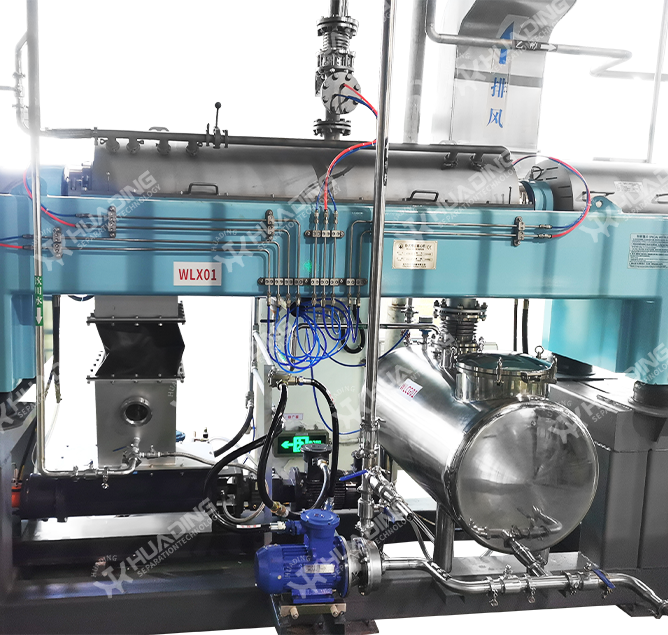
For any processing task, the core of evaluating centrifuge for solid liquid separation performance lies in a comprehensive analysis of the feed material. When the processing object is a highly abrasive suspension containing a large amount of hard particles, a screw conveyor equipped with tungsten carbide or high-performance ceramic wear-resistant coatings must be configured. Conversely, if the processing goal is to obtain an absolutely pure centrifuge liquid, such as precision industrial oils with trace moisture and nanoscale impurities removed, equipment equipped with a small-spacing (0.3mm - 1mm) disc stack internally becomes the inevitable choice.
Suspensions sensitive to shear forces or special chemical emulsions need to pass through special low-shear feed tubes when entering the centrifugal equipment to prevent flocs from breaking. Operators must strictly match the effective separation area parameters of the equipment according to the kinematic viscosity of the fluid and the density difference between solids and liquids to achieve optimal processing efficiency.
How to calculate the effective settling area of centrifugal equipment?
The effective settling area (Sigma value) represents the area of an imaginary gravity settling tank, which is directly proportional to the physical dimensions of the equipment and the square of the rotational speed. The larger this value, the stronger the separation processing capacity and precision of the equipment.
When processing emulsions, why is a disc stack structure preferred?
The diameter of tiny droplets in emulsions is usually extremely small (less than 5 micrometers), and traditional centrifugal settling cannot overcome the Brownian motion within the fluid. The disc stack instantly breaks the emulsified state and achieves fluid phase separation by shortening the vertical settling distance to less than 1 millimeter and combining it with extremely high centrifugal acceleration.
What is the "differential speed" in the equipment, and how does it affect solid dryness?
Differential speed refers to the absolute difference in rotational speed between the high-speed rotating bowl and its internal screw conveyor. Lowering the differential speed allows solids to stay in the cone section of the equipment for a longer time, subjected to longer centrifugal force squeezing, thereby discharging solid blocks with lower water content.
What negative impact does excessively high fluid dynamic viscosity have on separation effects?
According to Stokes' law in fluid mechanics, the radial settling velocity of particles is inversely proportional to fluid viscosity. High-viscosity fluids will generate huge frictional resistance to the movement of particles, leading to a sharp drop in separation efficiency. It is usually necessary to effectively reduce dynamic viscosity by preheating the materials.
What is an "overflow weir", and how does it adjust separation clarity?
The overflow weir is a mechanical adjustment component located at the liquid discharge end. Raising the overflow weir increases the pond depth inside the bowl, directly extending the residence cycle of the fluid in the machine, thereby making the discharged liquid clearer and free of impurities.
What physical protection should the equipment have when processing highly abrasive solids?
Wear-resistant kits made of hard alloys (such as tungsten carbide) or high-performance alumina ceramics must be configured on the stress edges of the screw conveyor blades, the feed distribution buffer port, and the solid discharge port to prevent the internal geometric structure of the equipment from being rapidly worn and destroyed.
How should operating parameters be adjusted when the density difference of multiphase fluids is extremely small?
When the density difference between two phases is extremely small, in addition to ensuring the maximum operating speed to obtain the maximum G-force, it is also necessary to precisely adjust the physical inner diameter of the heavy phase discharge port to ensure that the position of the critical interface of the two-phase fluid is exactly in the center area of the separation hole group.
Why are excessively high speeds not suitable for certain specific separation processes?
For certain fragile flocs or substances extremely sensitive to shear stress, excessively high speeds and the resulting strong internal turbulence will mechanically break them into finer fragments, making these newly generated tiny particles unable to be successfully settled and captured.
How to solve the problem of internal equipment blockage caused by high-concentration feed?
Facing feed conditions with extremely high solid content, a large-torque planetary gear transmission box needs to be adopted and matched with an automatic back-pressure control feedback system. When the sensor detects an abnormal increase in push torque, the system should automatically reduce the flow rate of the feed pump and increase the differential speed to accelerate the internal solid discharge efficiency.
What physical factors mainly dominate the power consumption of separation equipment operating at full load?
The actual power consumption of the equipment depends not only on the metal mass of the bowl and the rotational inertia of the material load but is also significantly affected by the kinetic energy consumption when the fluid is accelerated to the maximum operating speed and the aerodynamic wind resistance friction generated by the internal high-speed running fluid and air.
Copyright ©Yixing Huading Machinery Co.,Ltd. All Rights Reserved. Custom Centrifugal Separator Factory