
 English
 русский
 Español
 عربى
عربى 中文简体
中文简体
WE ARE HAPPY TO SOLVE
PROBLEMS FOR CUSTOMERS
learn more >
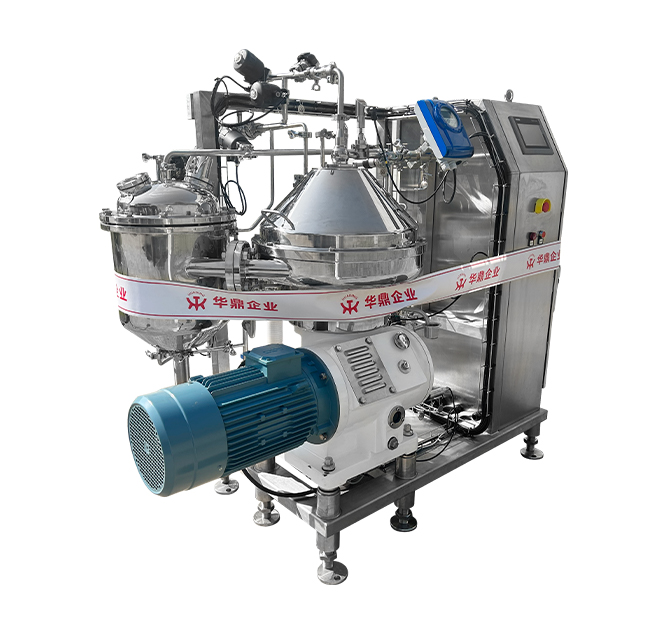
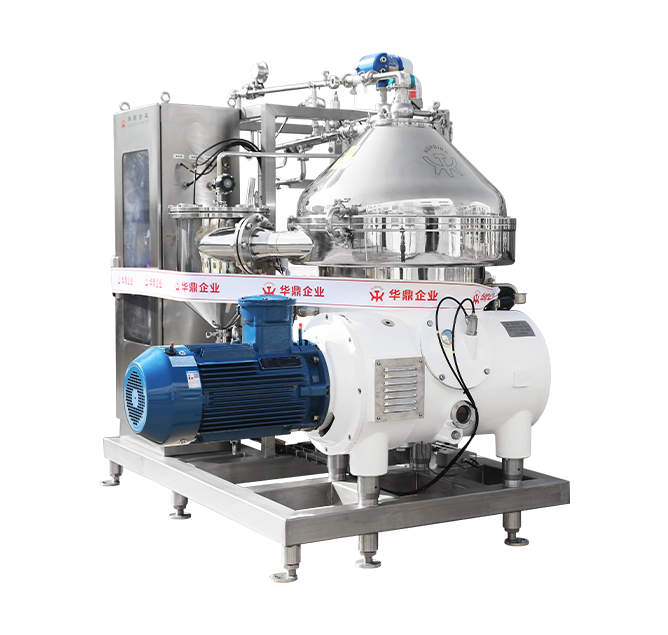
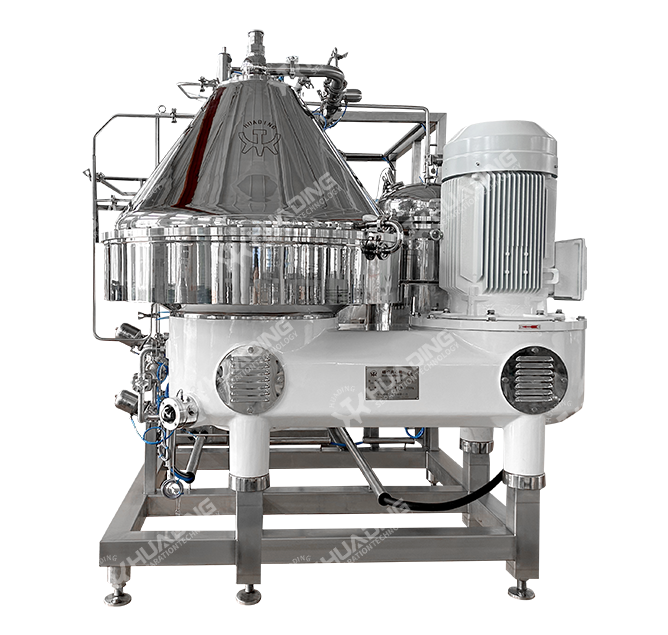
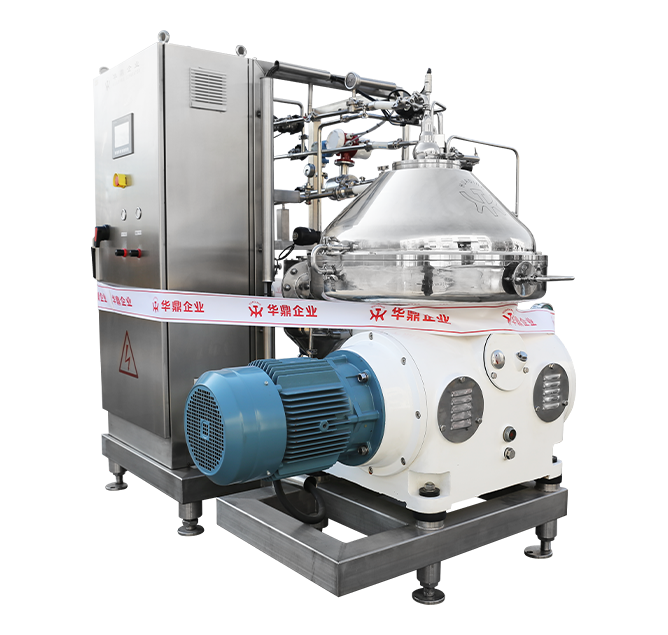
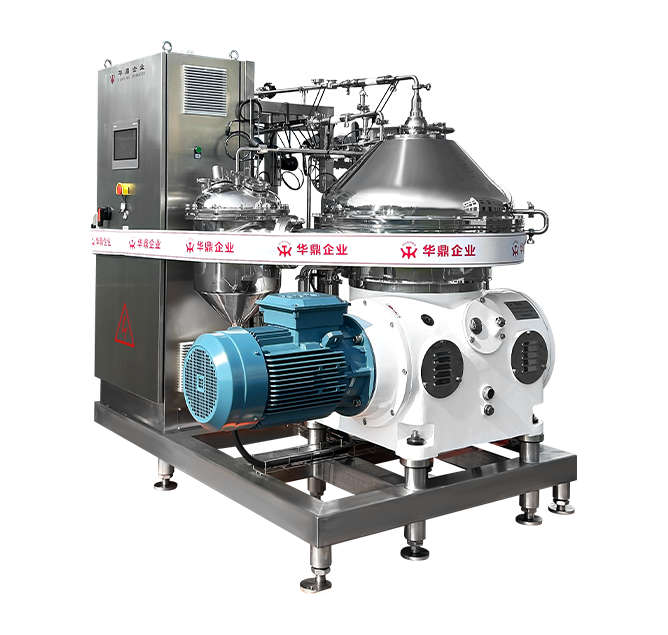
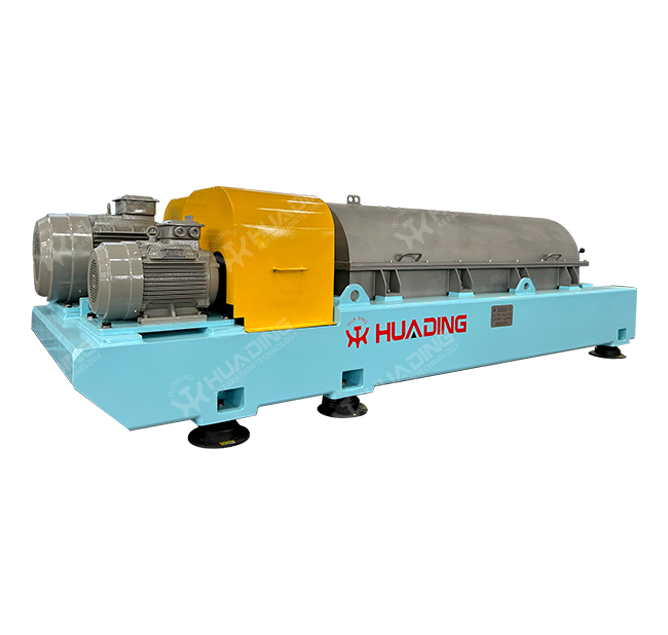
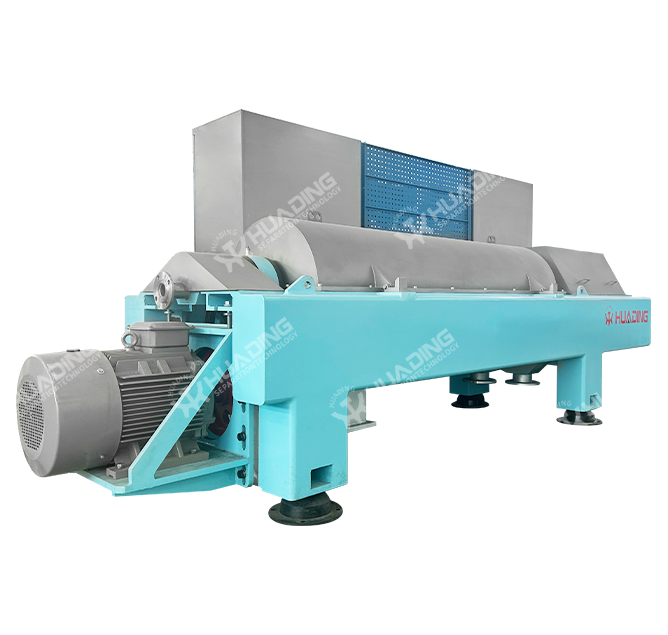
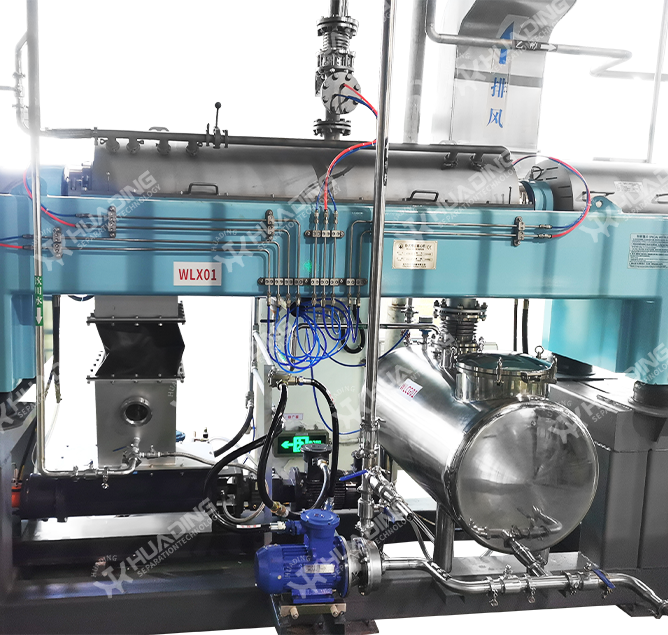
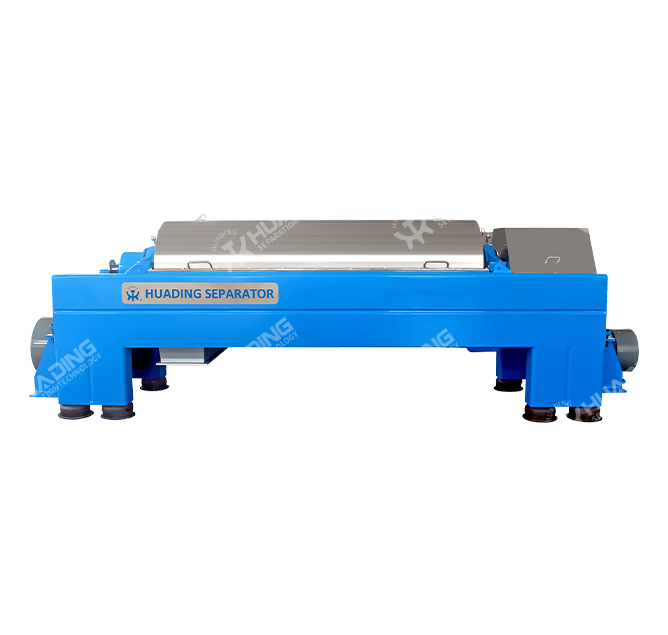
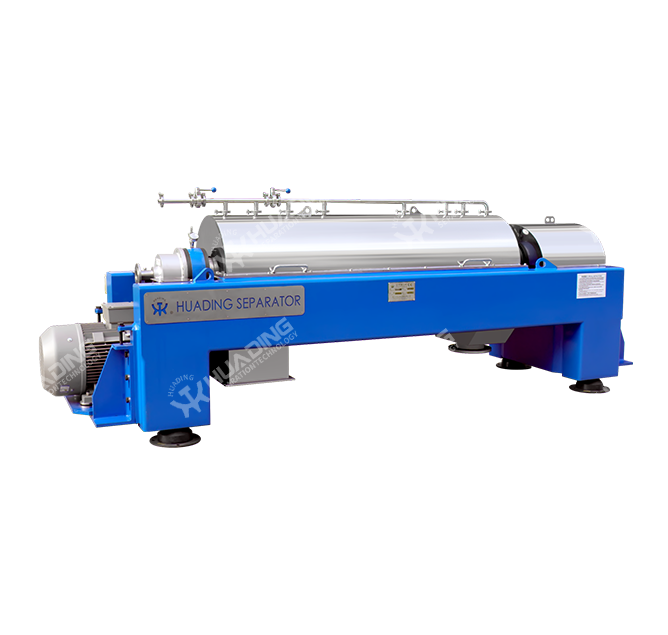
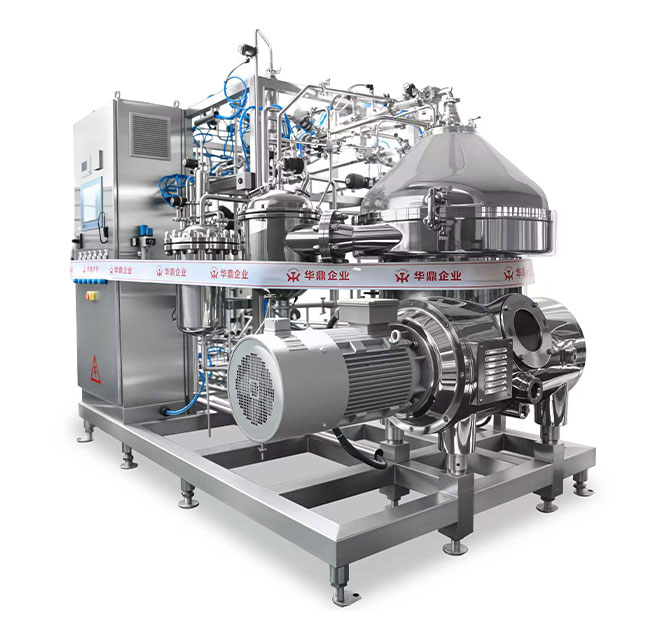
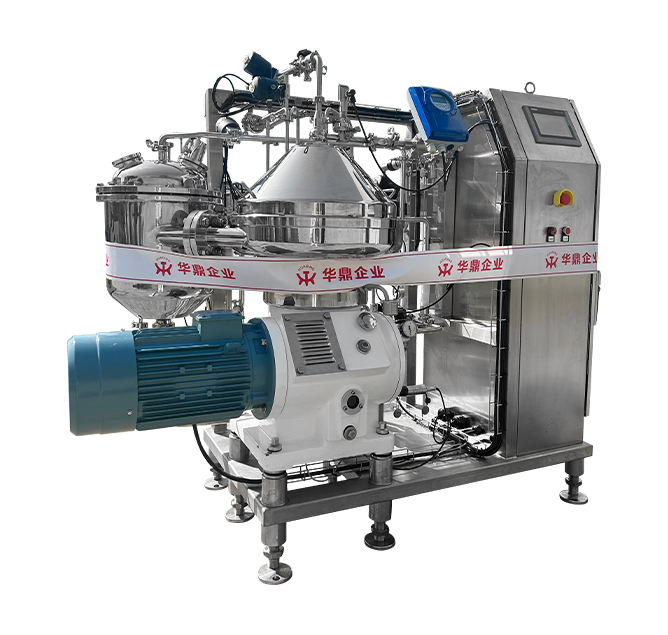
In modern industrial processes, achieving efficient solid-liquid separation is a critical link in improving product quality and production efficiency. As a precision device in the field of separation technology, the industrial decanter has demonstrated superior performance in processing high-concentration suspensions and achieving continuous operations. Through precise control of the physical characteristics of materials, this type of equipment is widely used in high-technical-requirement fields such as environmental protection, chemical engineering, and food processing.
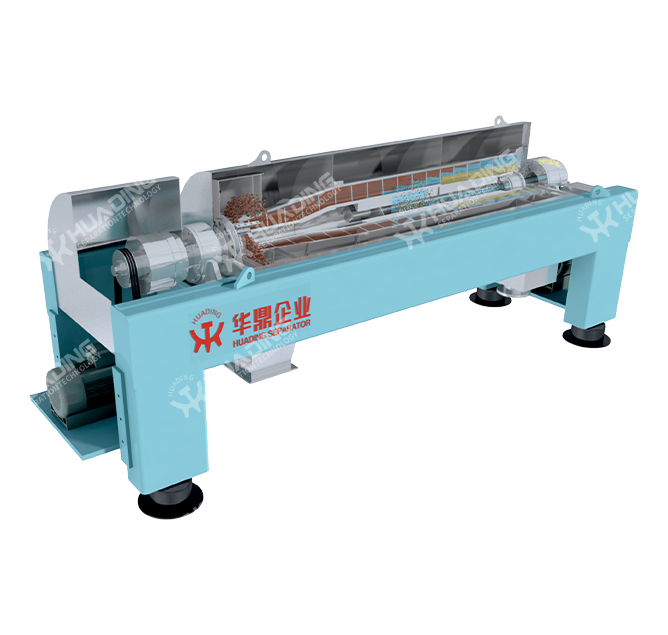
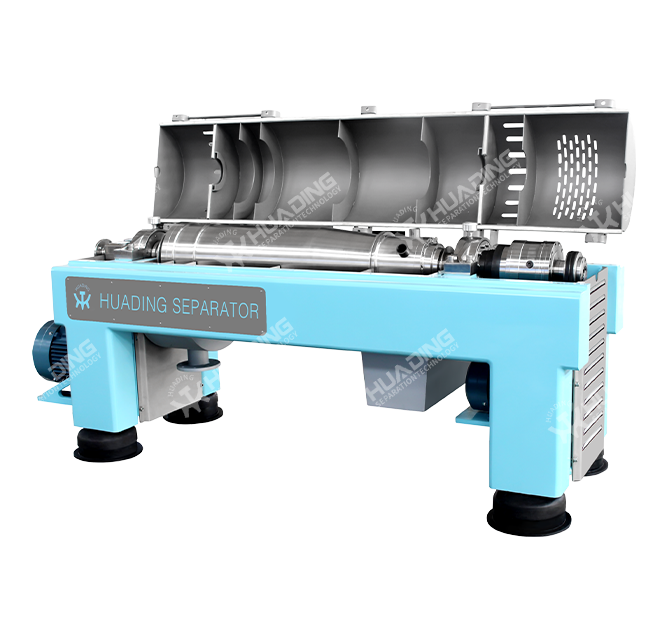
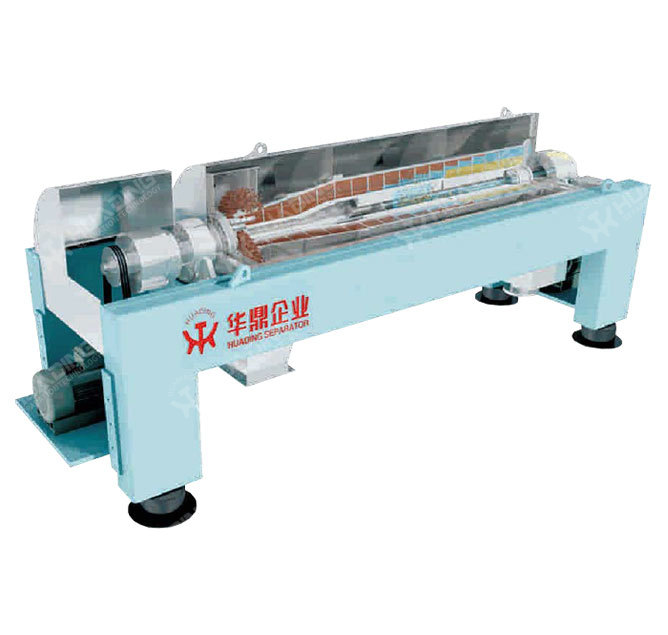
The industrial decanter, commonly known as a horizontal decanter centrifuge, bases its core operating principle on the density difference of materials in a centrifugal force field. When material enters the bowl through the feed pipe, it is subjected to strong centrifugal force generated by high-speed rotation. Heavier solid particles are rapidly thrown against the inner wall of the bowl, forming a sediment layer, while lighter liquid phases collect toward the center of the bowl, forming a clear liquid layer.
There is a slight speed difference between the internal screw conveyor and the bowl. Through this differential speed, solid particles settled on the inner wall are continuously pushed toward the conical discharge end of the bowl, dehydrated in the drying zone, and then discharged. The liquid phase is continuously discharged through overflow ports. This design ensures the system can operate 24/7 without interruption, greatly increasing the unit output of material processing.
In industrial production practice, selecting an appropriate industry Decanter centrifuge requires considering indicators such as solid content, particle size distribution, and viscosity. Compared with traditional filter presses or belt filters, this centrifuge has significant engineering advantages:
Closed-loop circulation capability: The entire separation process is completed in a closed environment, effectively preventing material volatilization and environmental pollution, meeting current green production standards.
High space utilization: Due to its extremely high processing efficiency, the footprint of the equipment is far smaller than traditional sedimentation tanks or filtration systems for the same processing capacity.
Strong adaptability: It can handle various suspensions with solid content between 2% and 40% and can automatically adjust the bowl speed and differential speed according to operating conditions to cope with fluctuations in material concentration.
To help engineering and technical personnel better understand equipment performance, the following table lists the key parameter comparisons of industrial dewatering equipment in practical applications:
| Parameter Index | Centrifugal Separation Technology | Filtration Separation Technology |
| Operation Mode | Continuous Automation | Batch or Semi-automatic |
| Solid Content Range | 2% - 40% | 5% - 20% |
| Separation Accuracy | Very High (Micron level) | Medium |
| Manual Intervention | Very Low | High (Filter cloth cleaning/replacement) |
| System Footprint | Small (Compact design) | Large (Multiple units in series) |
Regardless of the form of centrifugal equipment used, maintenance is the prerequisite for long-cycle operation. During long-term use of the industrial decanter, special attention should be paid to the wear of the screw conveyor and the dynamic balancing calibration of the bowl. When handling materials with high abrasiveness, it is recommended to perform wear-resistant alloy surfacing on the surface of the screw blades. Simultaneously, a high-precision variable-frequency drive system is crucial for improving the separation efficiency of the industry Decanter centrifuge. By precisely controlling the centrifugal force multiplier, the optimal clarification of the liquid phase can be achieved for specific particle materials.
In engineering applications, through scientific adjustments to feed flow, bowl speed, differential speed, and overflow port diameter, the optimal solution for equipment performance can be achieved. For production lines with strict requirements on solid recovery rates and liquid clarity, customized bowl cone angles and pushing logic will further unleash equipment potential, ensuring the stability and efficiency of industrial production lines.
Copyright ©Yixing Huading Machinery Co.,Ltd. All Rights Reserved. Custom Centrifugal Separator Factory