
 English
 русский
 Español
 عربى
عربى 中文简体
中文简体
WE ARE HAPPY TO SOLVE
PROBLEMS FOR CUSTOMERS
learn more >
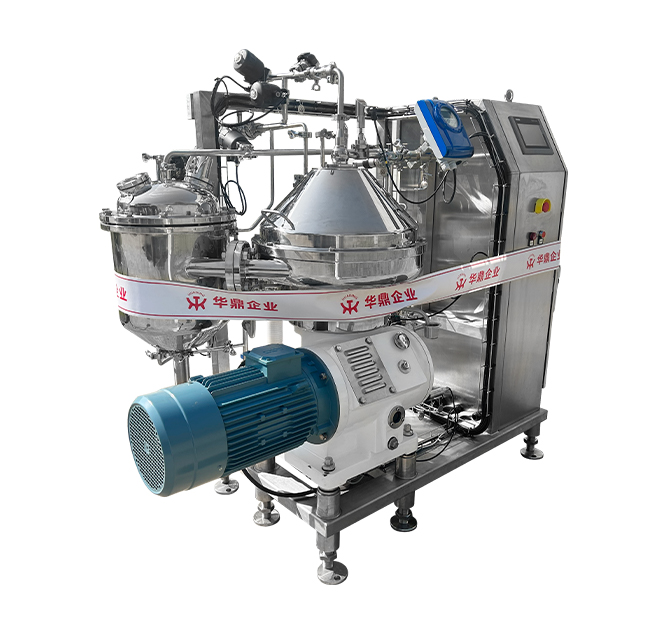
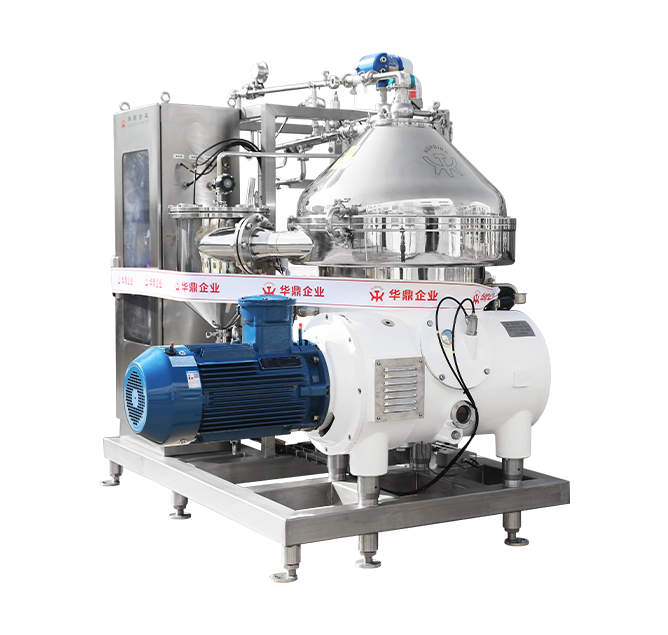
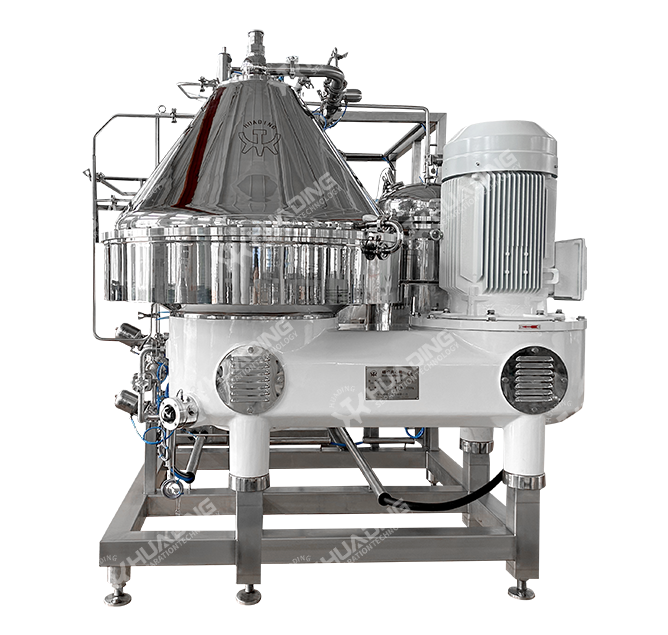
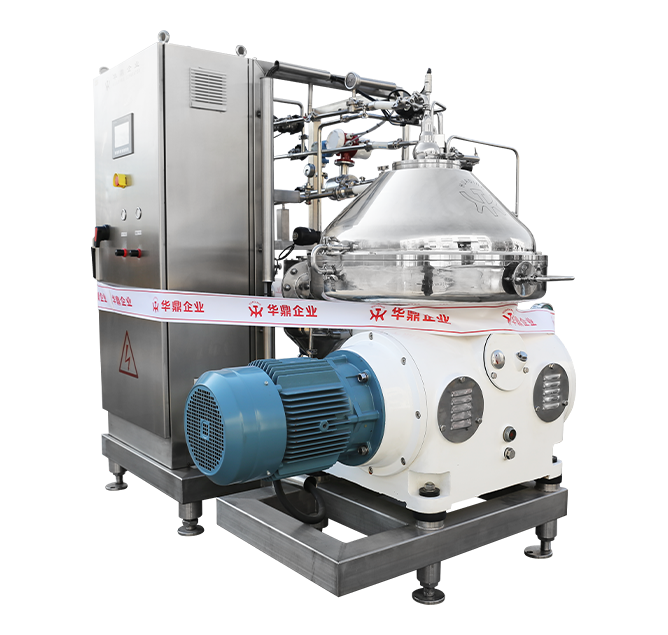
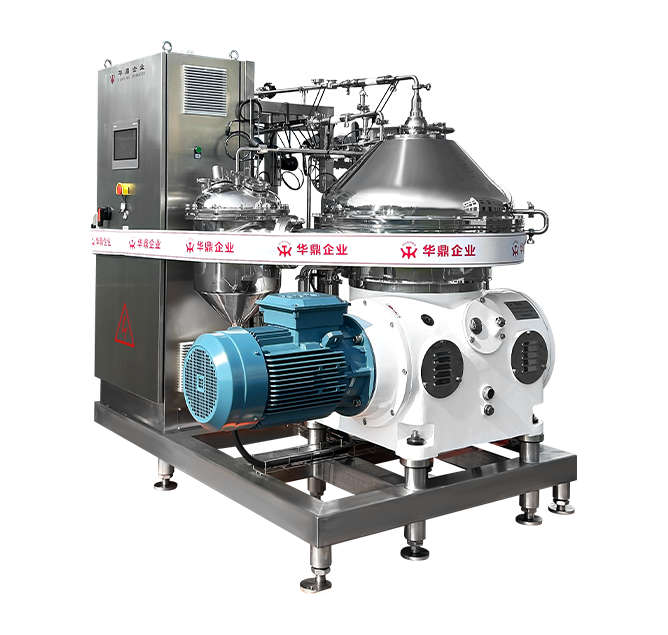
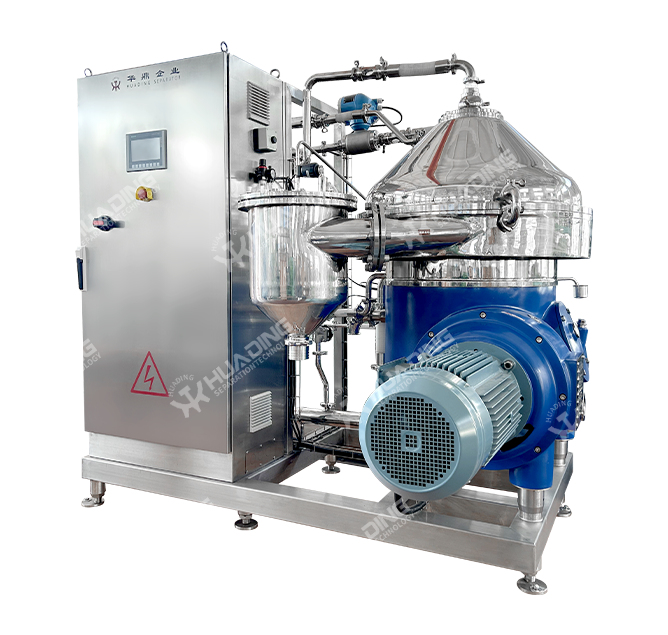
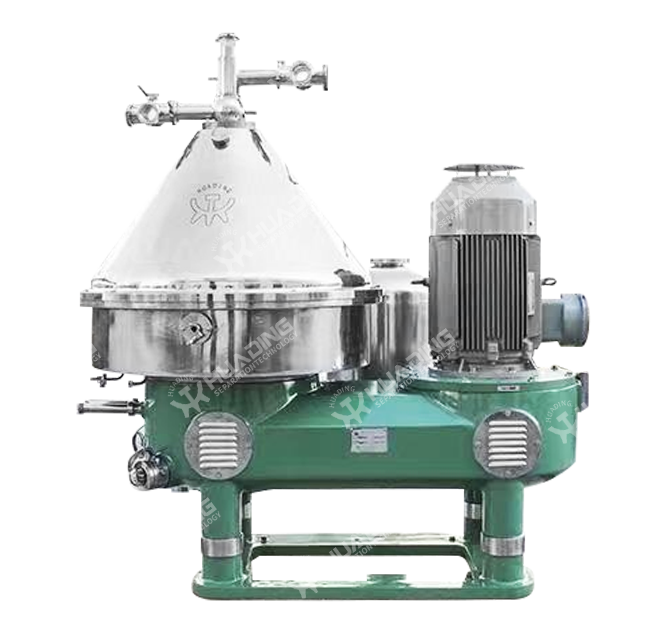
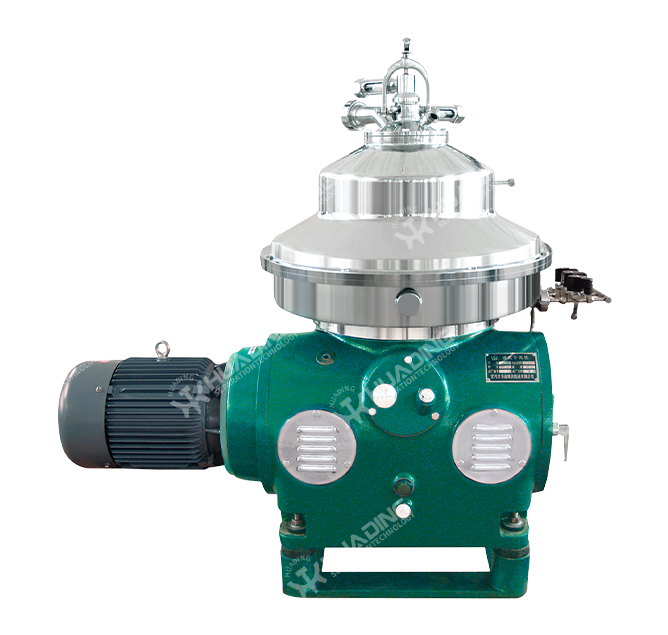
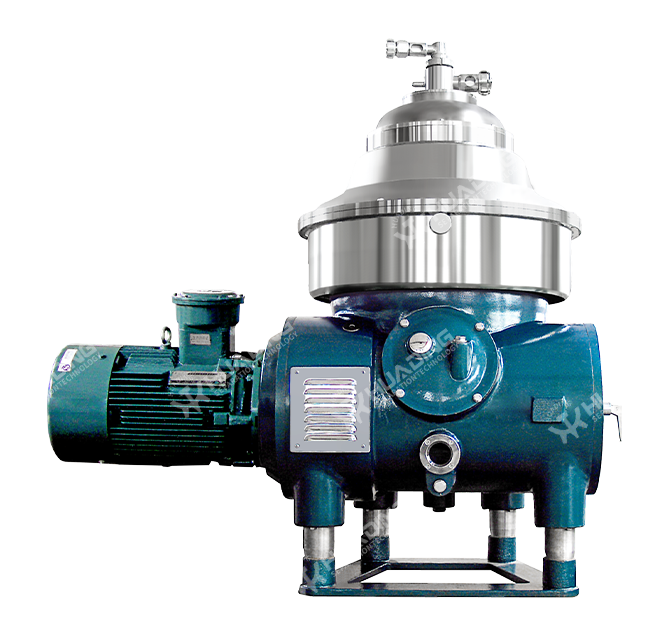
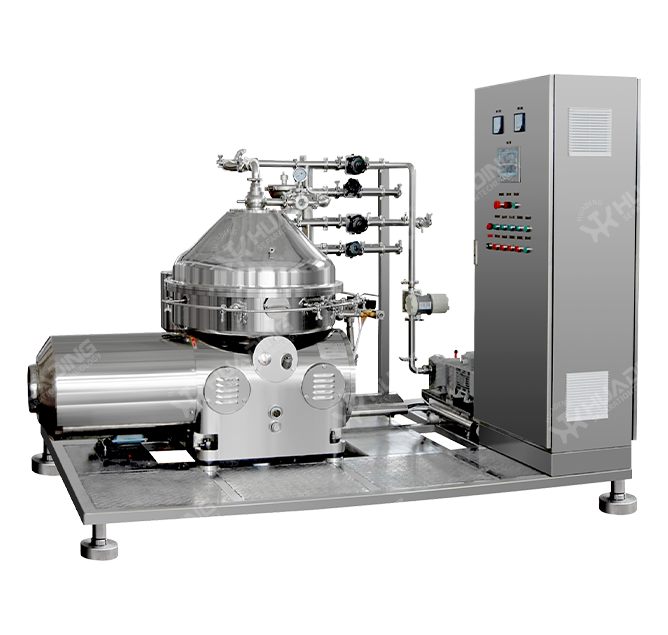
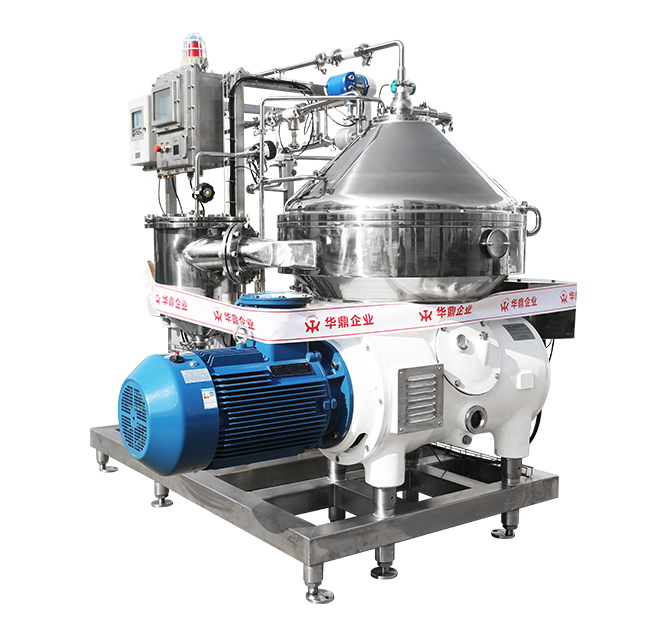
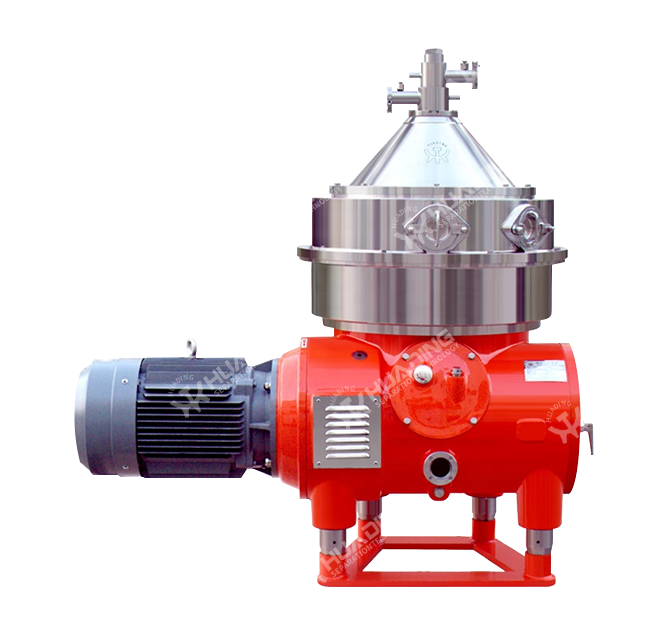
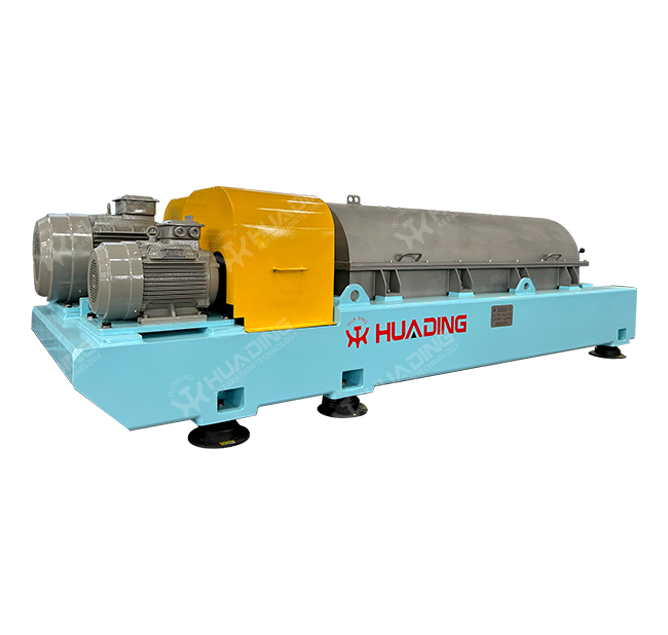
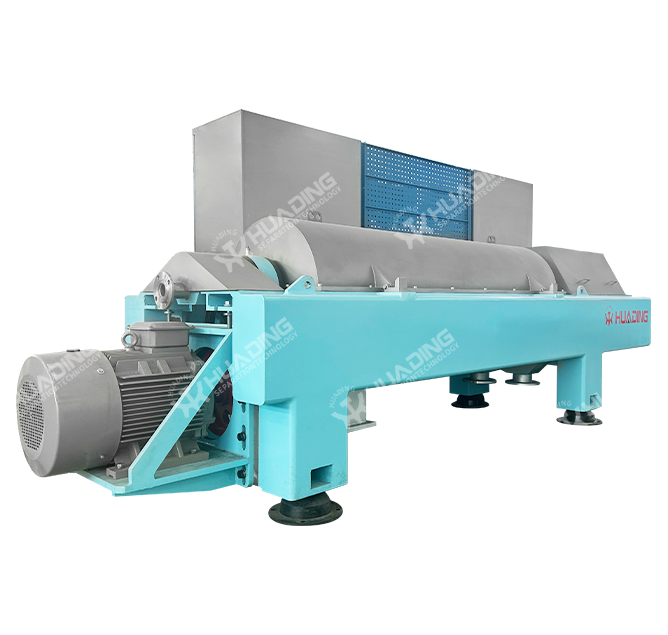
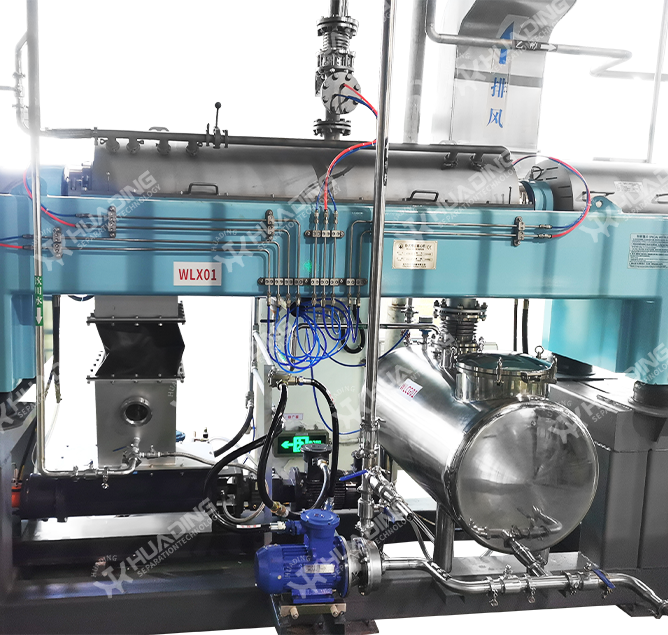
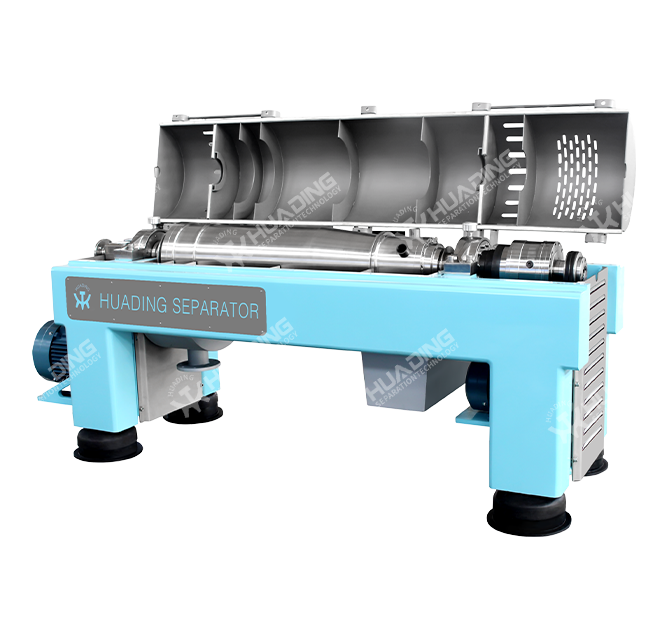
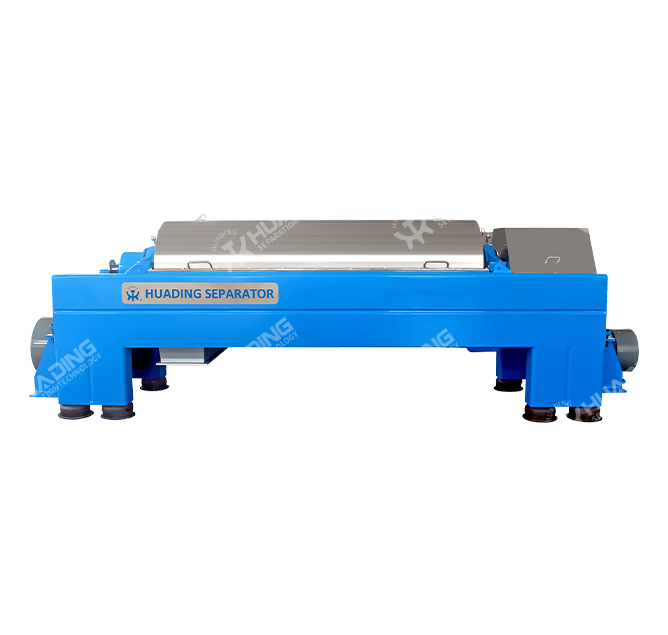
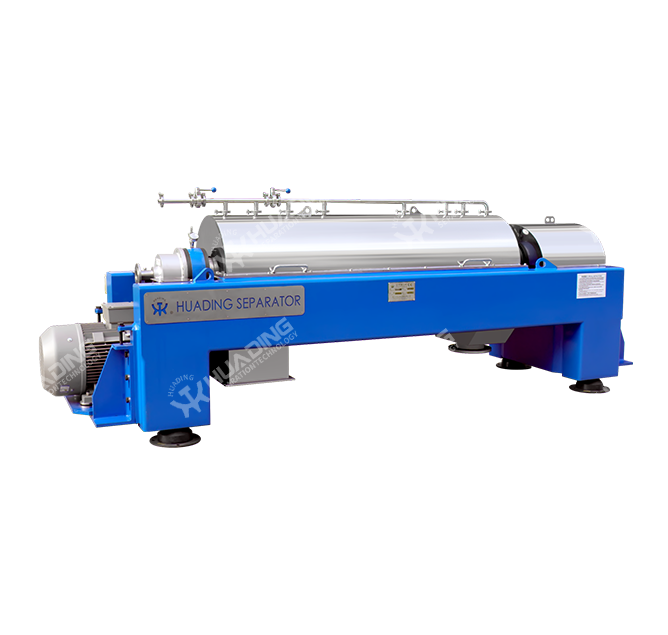
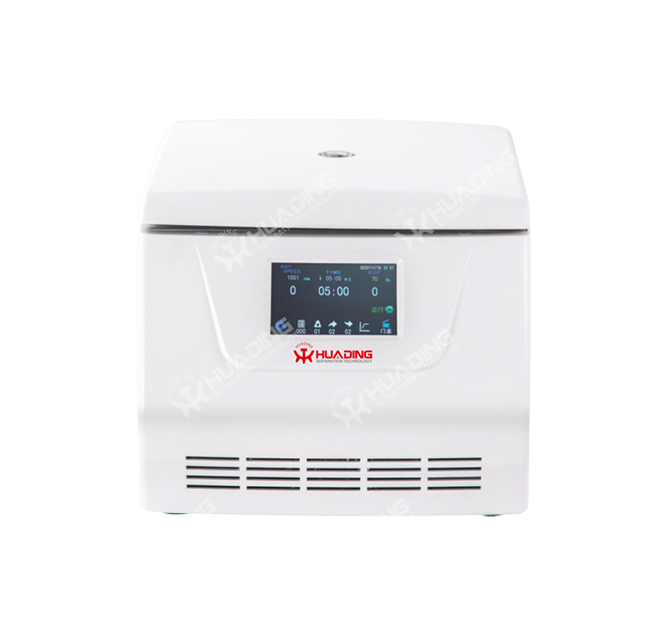
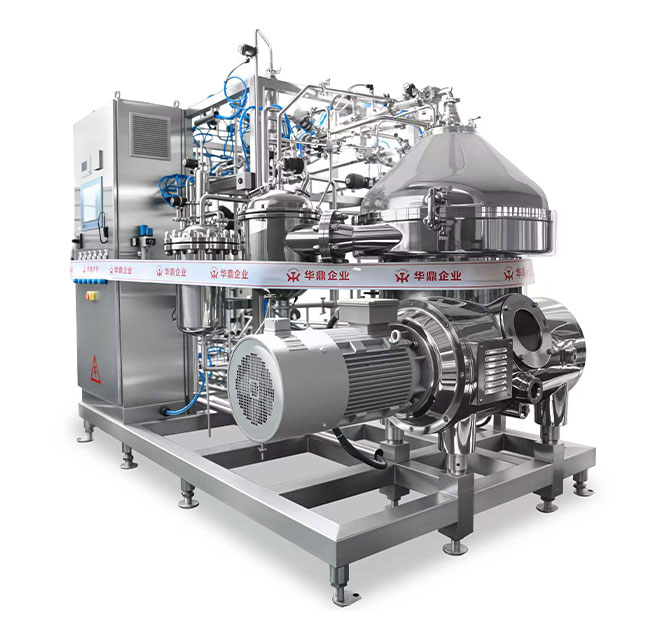
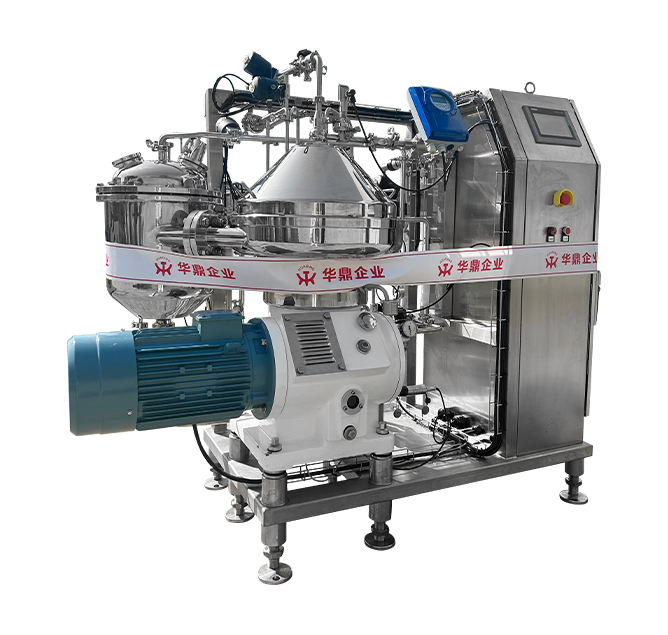
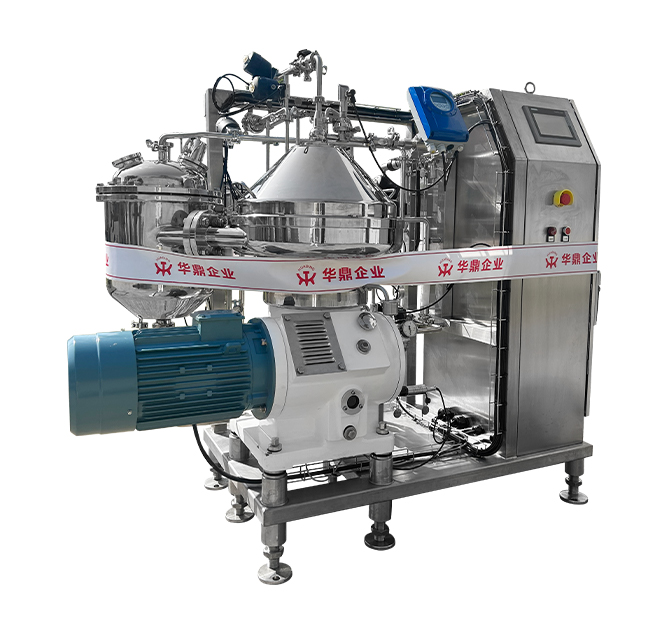
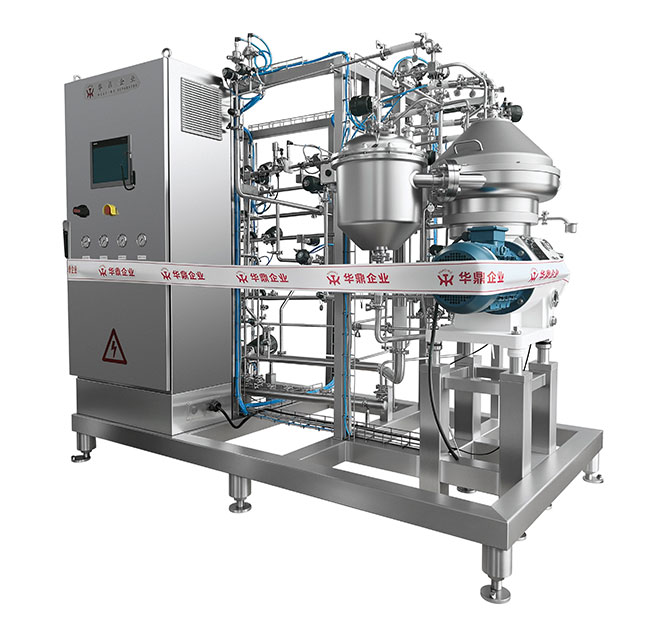
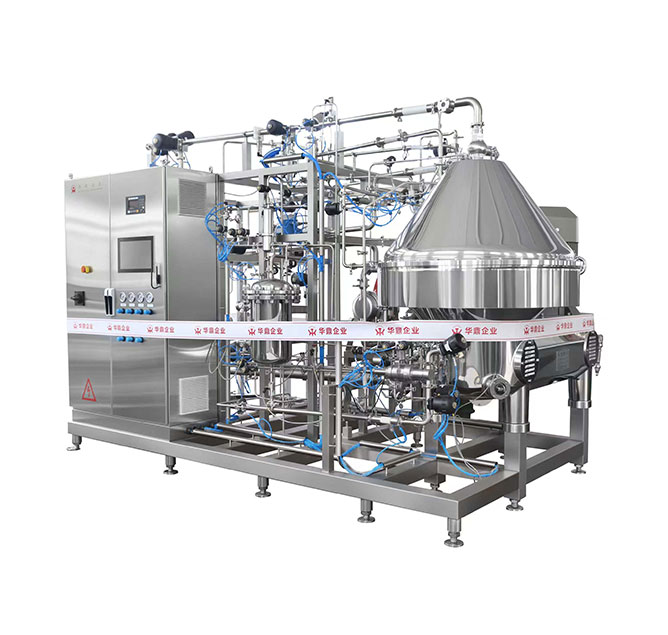
In modern industrial production and laboratory research, achieving solid-liquid separation and liquid-liquid separation is a critical step in many process workflows. With the expansion of production scales and the increasing demand for product purity, higher technical requirements have been placed on centrifugal separation equipment. Continuous centrifuge, as a mainstay in industrial production, has demonstrated significant advantages in improving production efficiency and reducing labor costs. Among the many centrifugal devices, Continuous tubular centrifuge, with its unique characteristics of high speed and high separation factor, has become the core solution in the field of high-difficulty separation.
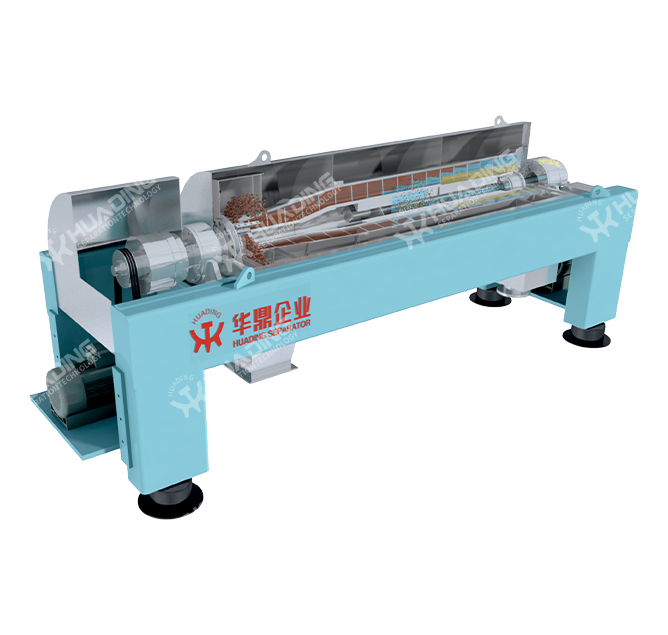
The design logic of a Continuous centrifuge is to realize rapid stratification of materials with different densities within the bowl through the continuous action of centrifugal force. To adapt to the requirements of continuous production, such equipment continuously delivers materials into the bowl through a feed pump, while ensuring that the separated materials can be discharged without interruption through a slag or liquid discharge system, thereby avoiding the drawbacks of frequent shutdowns and cleanings associated with traditional batch centrifuges.
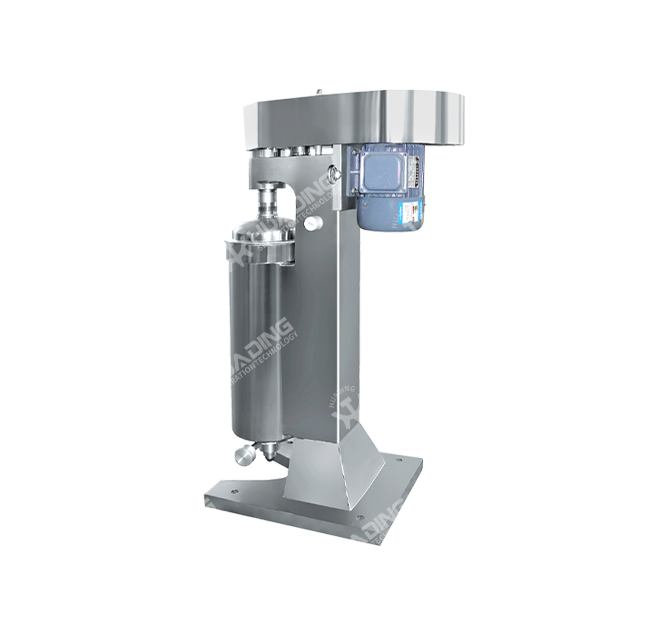
In contrast, Tubular centrifuge is a precision device developed specifically for the separation of fine particles, low-concentration suspensions, and emulsions. Its bowl is shaped like a slender tube with a large aspect ratio. Through the immense centrifugal force generated by extremely high speeds, it can forcefully separate tiny solid particles or microscopic droplets from the continuous phase. Continuous tubular centrifuge builds on this by further improving throughput and operational convenience through optimized internal liquid flow paths and automatic slag discharge designs.
To more intuitively understand the application boundaries of different centrifugal devices, the following is a comparison of their core technical indicators:
| Technical Parameters | Tubular centrifuge | General Decanter Centrifuge |
| Rotation Speed | Extremely High (usually >15,000 RPM) | Low to Medium (3,000 - 6,000 RPM) |
| Separation Factor | 10,000 - 20,000 | 2,000 - 4,000 |
| Particle Retention Range | 0.1 μm - 10 μm | > 10 μm |
| Applicable Material Viscosity | Low to Medium | Low to High |
| Operation Mode | Mostly Semi-continuous or Continuous | Fully Continuous |
| Main Application Scenarios | Biopharmaceuticals, Fine Chemicals, Vaccine Extraction | Sewage Treatment, Mineral Processing, Dewatering |
In the pharmaceutical and biochemical industries, the performance of Continuous tubular centrifuge is particularly outstanding. Because biological products are usually sensitive to shear forces and require the extraction of tiny proteins, antibodies, or bacterial cells from complex fermentation broths, Tubular centrifuge has become the gold standard in separation processes due to its unique high-speed, short residence time, and relatively gentle fluid dynamic characteristics.
In the field of plant extraction and fine chemicals, Continuous centrifuge is widely used for liquid clarification and purification. By precisely controlling the feed rate and the residence time within the bowl, the equipment can effectively retain suspended impurities, ensuring the transparency and chemical stability of the finished liquid. For processes that are highly susceptible to oxidation or require sterile environments, the fully enclosed design of the tubular structure can minimize material contact with the external environment, significantly improving the sanitary grade of the production process.
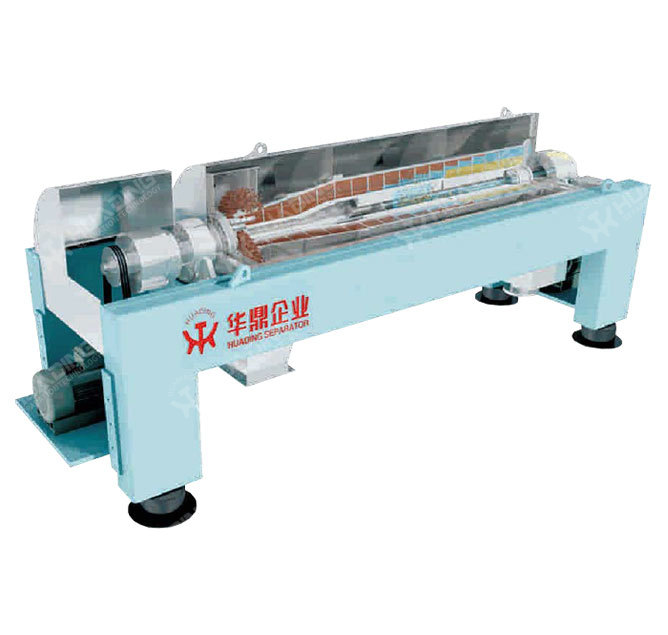
Selecting the appropriate separation equipment requires consideration of the physical properties of the material. If the solid particles to be separated are large and the processing capacity is very high, a general Continuous centrifuge can meet the process requirements and is more conducive to subsequent large-scale automated production. However, when facing special operating conditions such as emulsion separation, difficulty in fine particle sedimentation, or the need for extremely high clarification, Continuous tubular centrifuge is an irreplaceable choice.
Engineering personnel should focus on evaluating material density differences, particle distribution, and thermal sensitivity when selecting models. Since Tubular centrifuge generates a certain amount of heat during high-speed operation, if the material is extremely temperature-sensitive, professional cooling systems are usually required. At the same time, considering the maintenance cycle, selecting equipment with corrosion-resistant materials and precision-balanced bowls is a prerequisite for ensuring long-term stable operation.
Through the in-depth application and scientific maintenance of Continuous centrifuge and Tubular centrifuge, industrial users can effectively solve "bottleneck" problems in production. Whether it is improving material purity, shortening process times, or reducing unit energy consumption, rationally configuring centrifugal separation systems will bring significant efficiency gains to the production process.
Copyright ©Yixing Huading Machinery Co.,Ltd. All Rights Reserved. Custom Centrifugal Separator Factory