
 English
 русский
 Español
 عربى
عربى 中文简体
中文简体
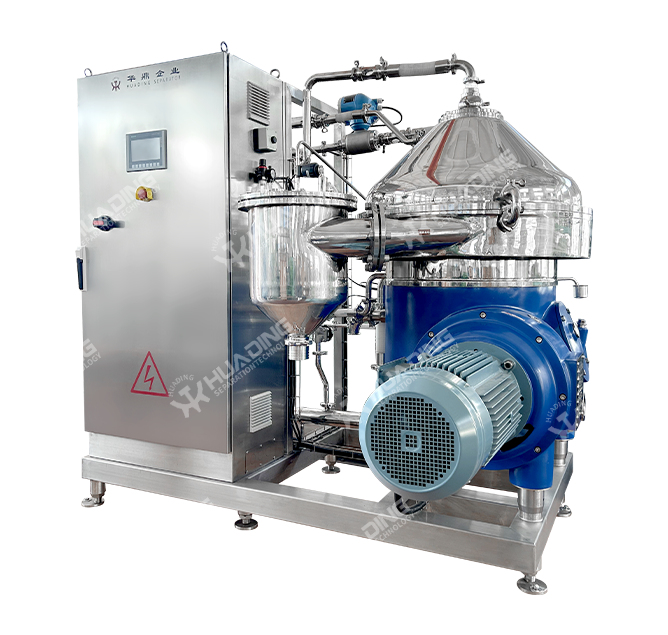
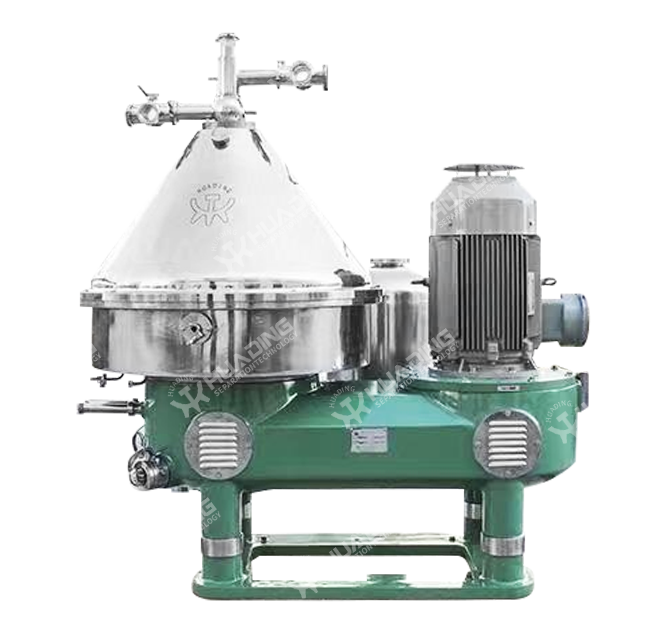
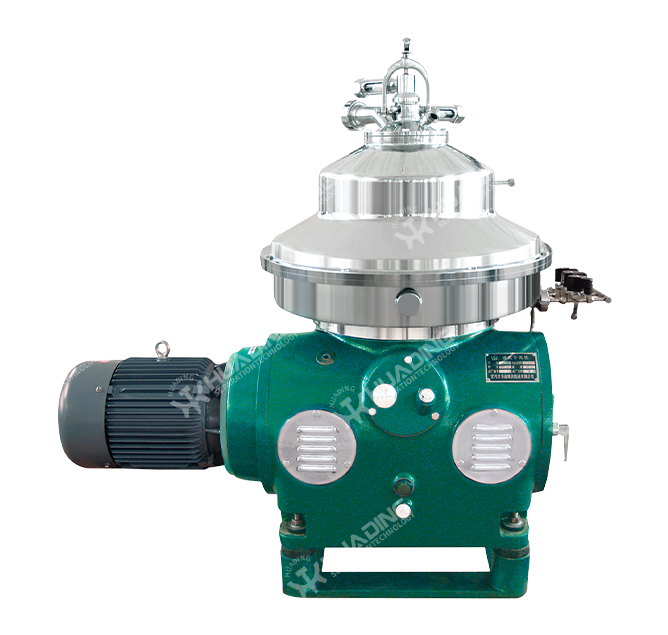
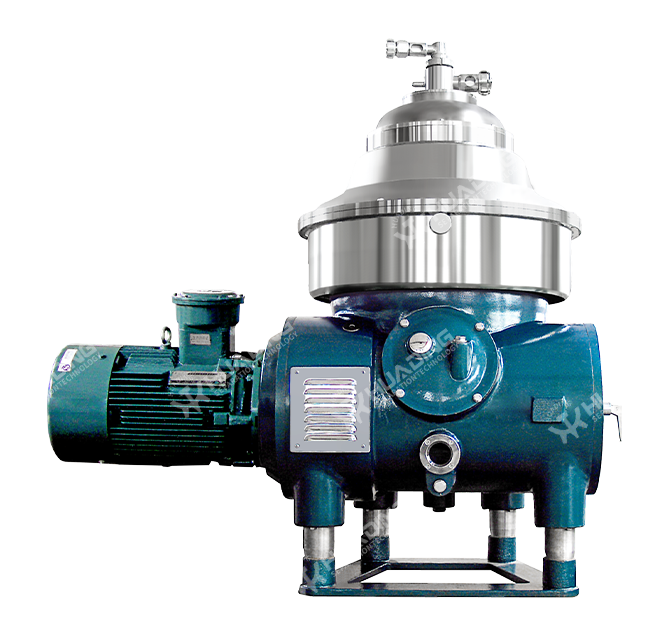
WE ARE HAPPY TO SOLVE
PROBLEMS FOR CUSTOMERS
learn more >
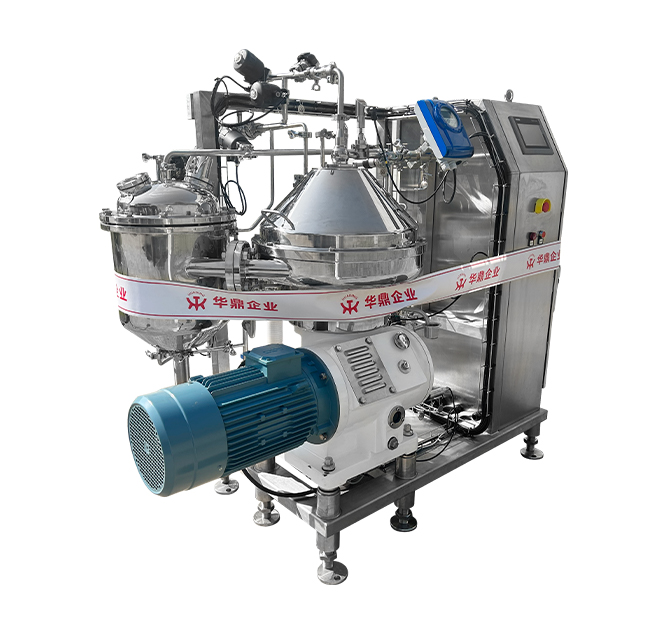
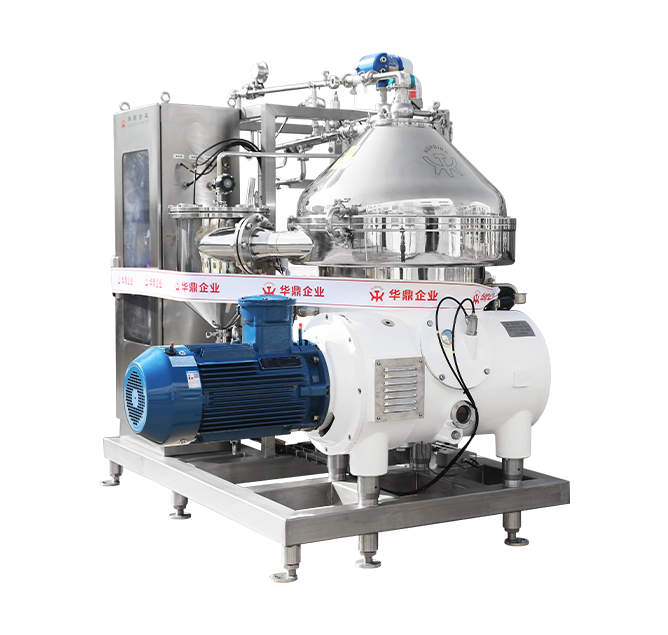
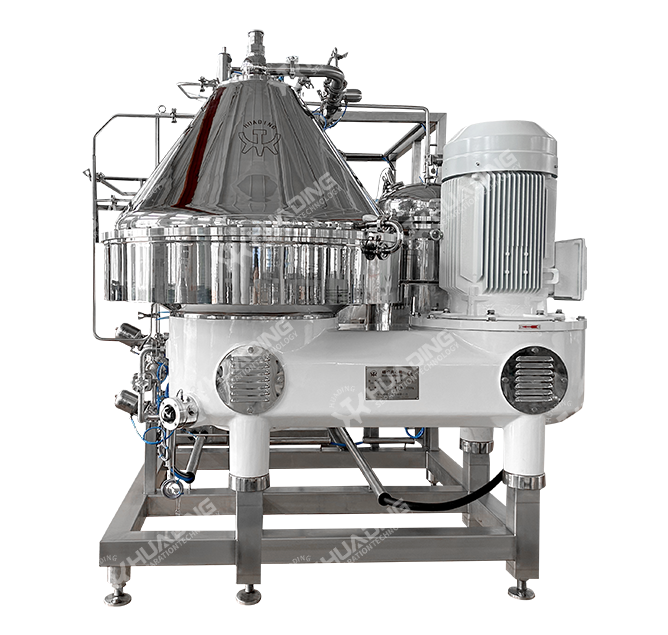
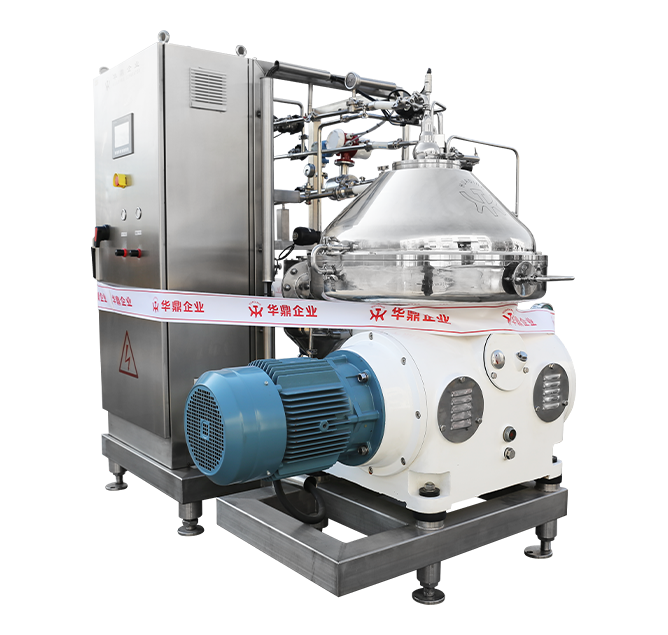
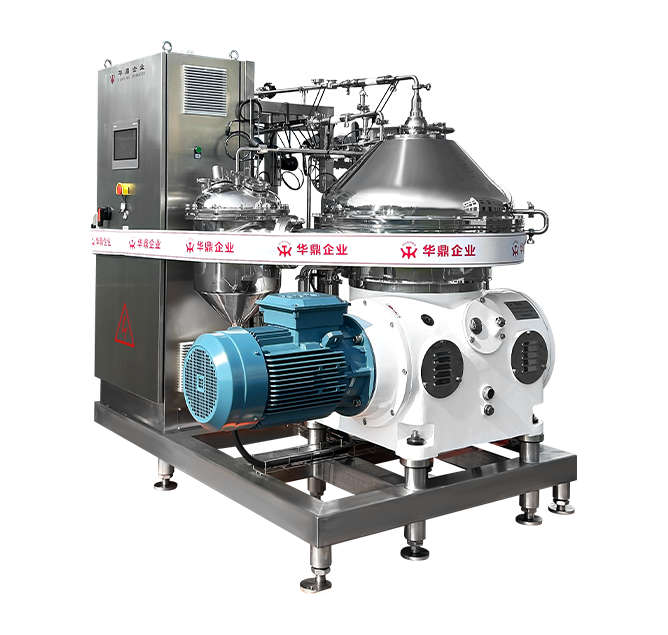
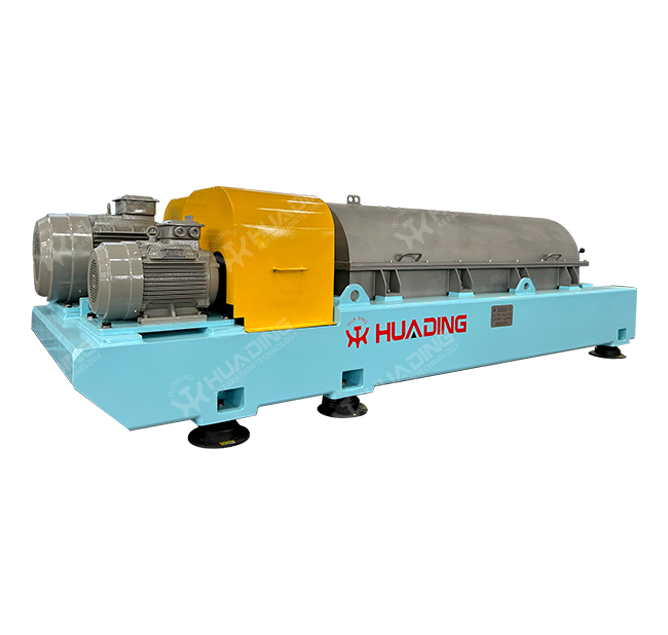
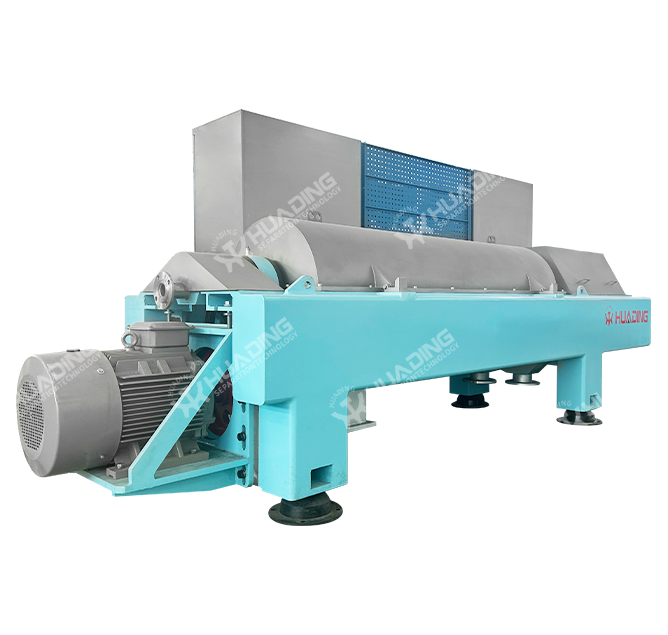
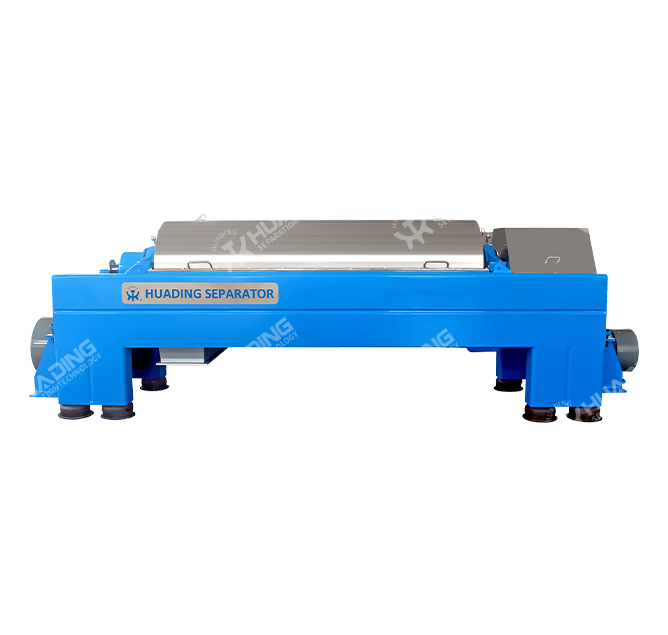
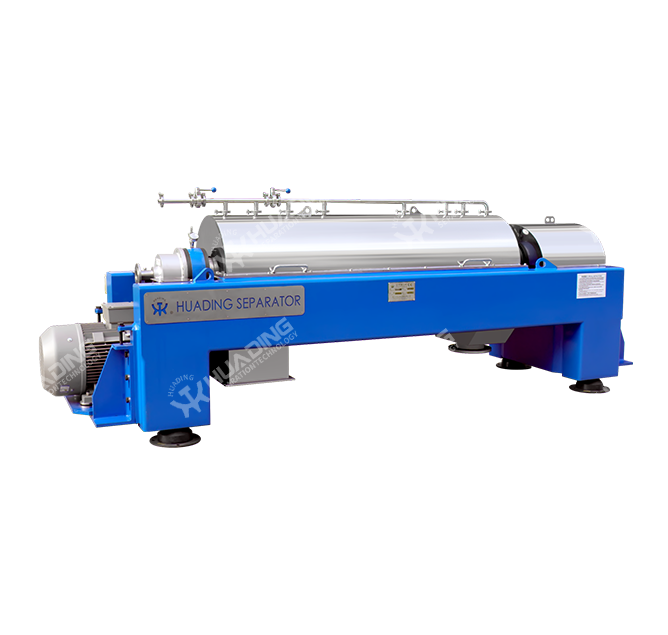
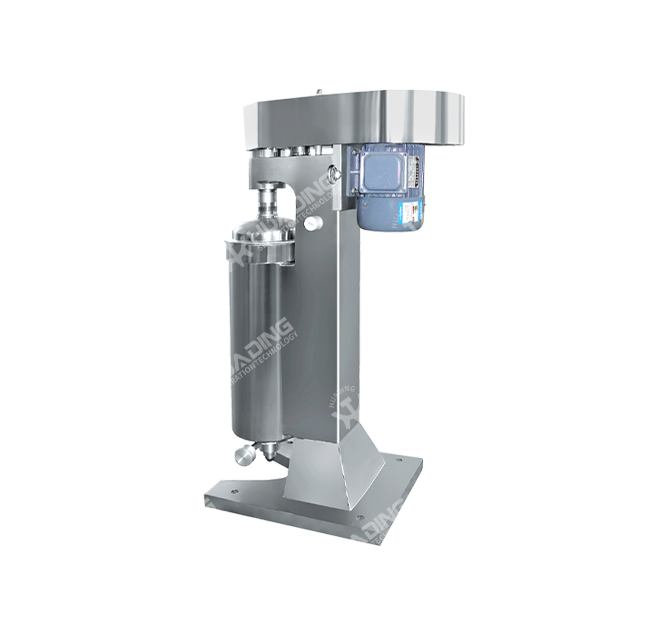
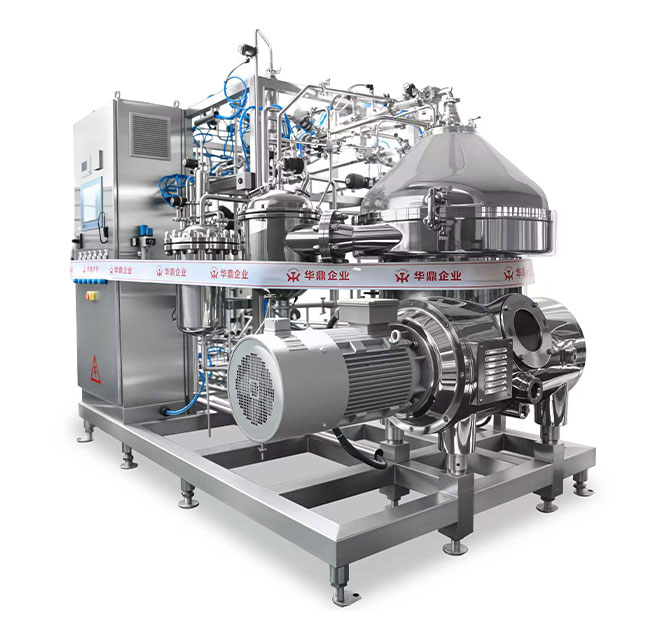
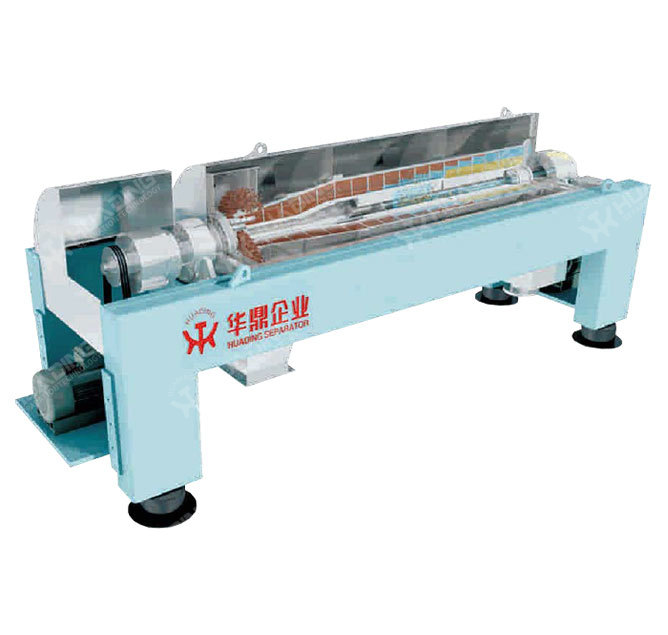
In modern industrial processes and laboratory research, efficient solid-liquid separation is the core link to ensuring process stability and product quality. The Decanter Centrifuge is a mature and efficient separation device. Relying on its continuous operation capability and excellent separation results, it has become an indispensable equipment in fields such as chemical industry, environmental protection, pharmaceuticals, and food processing. To meet the needs of different production scales, from the large-scale processing of Industrial Decanter to the precise experiments of Laboratory Decanter Centrifuge, this technology demonstrates extremely high adaptability.
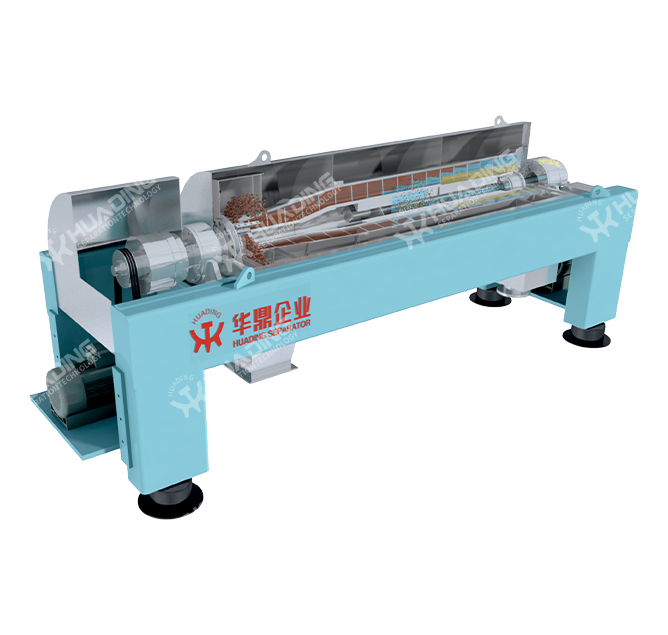
The working principle of the Decanter Centrifuge is based on centrifugal sedimentation. After the mixture enters the high-speed rotating bowl, under the action of powerful centrifugal force, solid particles settle on the inner wall of the bowl and are continuously pushed to the sludge discharge port by the screw conveyor. The clarified liquid phase is discharged from the overflow port.
Its core advantages include:
Continuous operation: Compared with batch processing equipment such as filter presses, this device can achieve 24-hour uninterrupted operation, significantly improving production efficiency.
Small footprint: Its horizontal structure design makes the space required to handle the same flow rate much smaller than that of a sedimentation tank.
Strong processing capability: Whether it is a high-solids suspension or dewatering of fine particles, it can maintain stable separation performance.
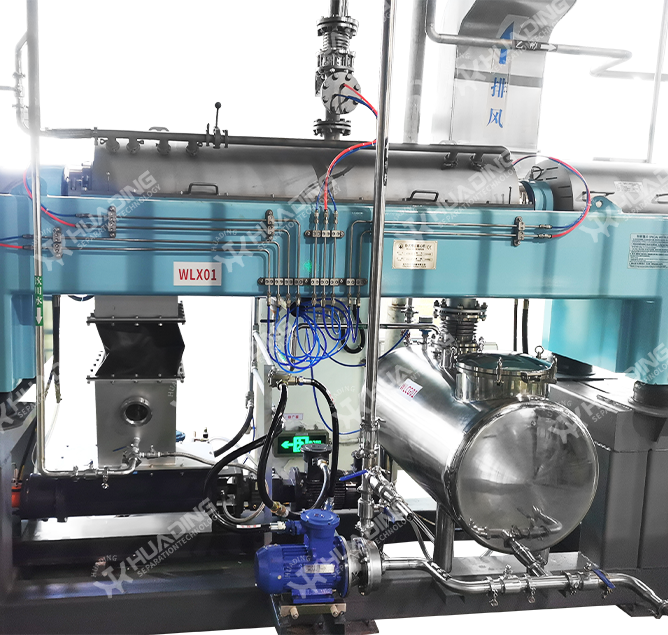
In large chemical plants, sewage treatment plants, and mineral processing, the Industrial Decanter Centrifuge undertakes critical dewatering and clarification tasks. This type of equipment is usually manufactured with corrosion-resistant, high-strength alloy materials to adapt to complex and harsh industrial environments.
The design focus of the Industrial Decanter Centrifuge is on durability and the degree of automation. The advanced variable frequency drive system can automatically adjust the bowl speed and differential speed according to real-time changes in material concentration, thereby ensuring that the moisture content of the sludge is always at the optimal level. In chemical production lines, this equipment is often used for the recovery of valuable catalysts or for the reduction treatment of high-concentration wastewater.
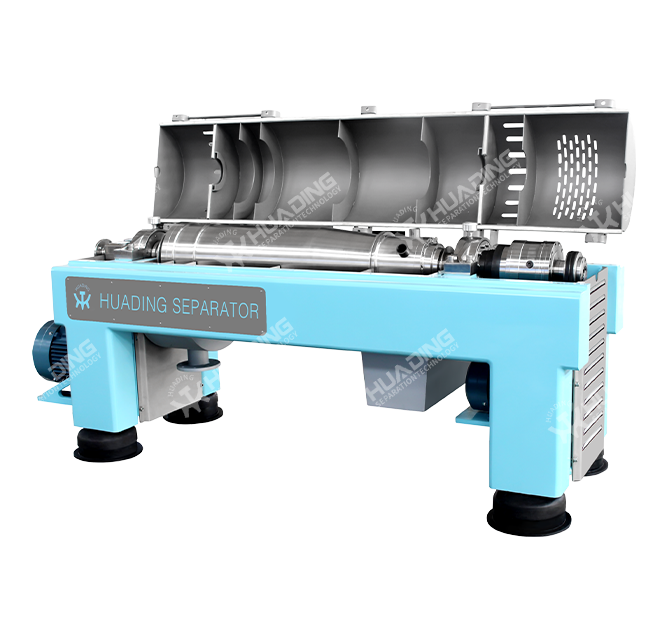
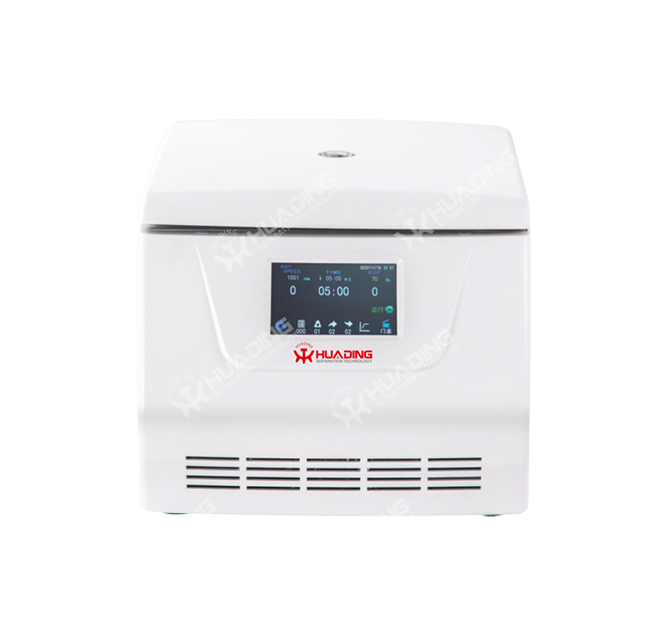
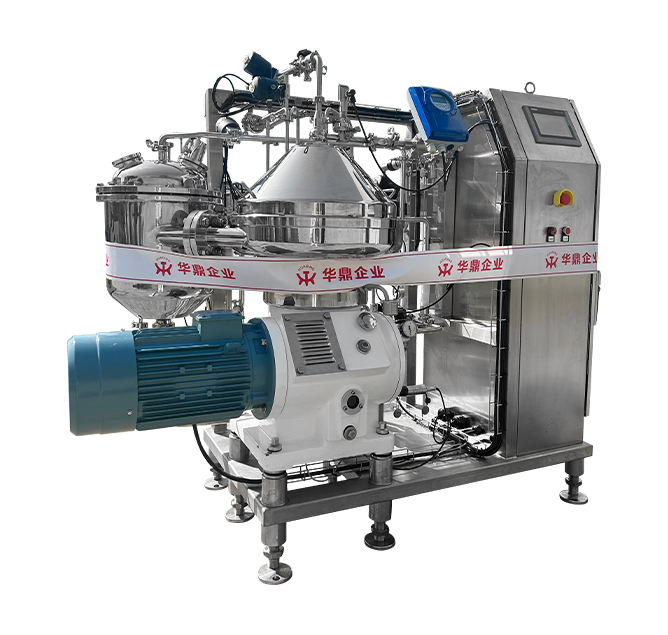
For R&D departments or pilot workshops, the Laboratory Decanter Centrifuge is a key piece of equipment for verifying process parameters. Compared with large-scale equipment, laboratory-type equipment focuses more on the reproducibility of experimental data and precise control.
Its main application scenarios include:
New process feasibility verification: Evaluating the separation characteristics of materials before scaling up production.
Small-batch special material processing: Such as the purification of high-value biological products or fine chemicals.
Process parameter exploration: Finding the optimal separation curve by finely adjusting centrifugal force, residence time, and liquid level height.
To help users better evaluate equipment, the following lists key reference indicators when choosing between an Industrial Decanter Centrifuge and a laboratory-type device:
| Performance Indicator | Industrial Decanter Centrifuge | Laboratory Decanter Centrifuge |
| Maximum Throughput | 5 - 100 cubic meters per hour | 0.05 - 0.5 cubic meters per hour |
| Bowl Speed Range | 2,000 - 4,500 RPM | 5,000 - 8,000 RPM |
| Material Requirements | 316L / Duplex Stainless Steel / Coating Process | 316L / Titanium Alloy / Precision Balancing |
| Drive Control | PLC Automated Variable Frequency Control | High-Precision Servo Closed-Loop Control |
| Structural Form | Horizontal Heavy-Duty Structure | Compact Benchtop or Floor-Standing Structure |
Choosing the right equipment requires a comprehensive consideration of the rheological properties of the material, the density difference of solid particles, and specific requirements for separation purity. The selection of an Industrial Decanter Centrifuge focuses on long-term operational reliability and ease of maintenance; while for scenarios pursuing extreme separation precision, a Laboratory Decanter Centrifuge can solve technical bottlenecks that are difficult to separate for complex materials through a more precise centrifugal separation field.
In actual applications, maintaining the balance of the speed difference between the bowl and the screw conveyor is the key to determining the separation effect. During equipment operation, vibration frequency and bearing temperature should be monitored regularly to ensure that the Decanter Centrifuge remains in the best working condition. By precisely controlling process conditions, industrial enterprises can achieve significant cost reduction and efficiency improvement.
Copyright ©Yixing Huading Machinery Co.,Ltd. All Rights Reserved. Custom Centrifugal Separator Factory