
 English
 русский
 Español
 عربى
عربى 中文简体
中文简体
WE ARE HAPPY TO SOLVE
PROBLEMS FOR CUSTOMERS
learn more >
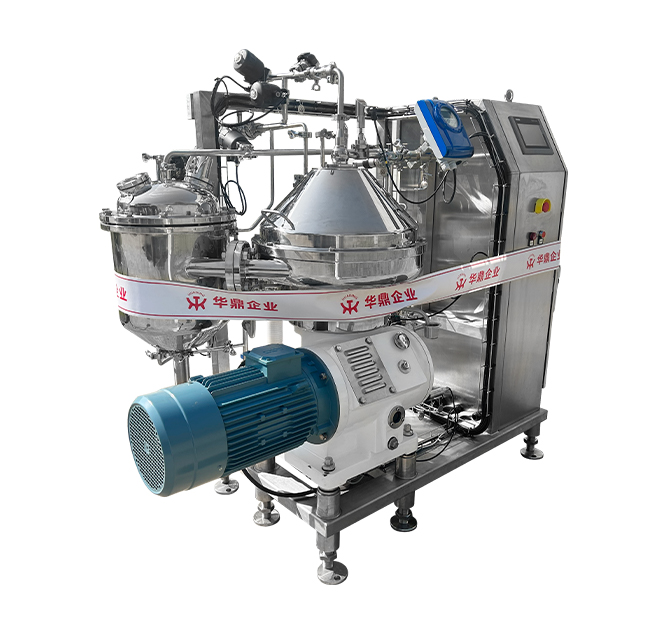
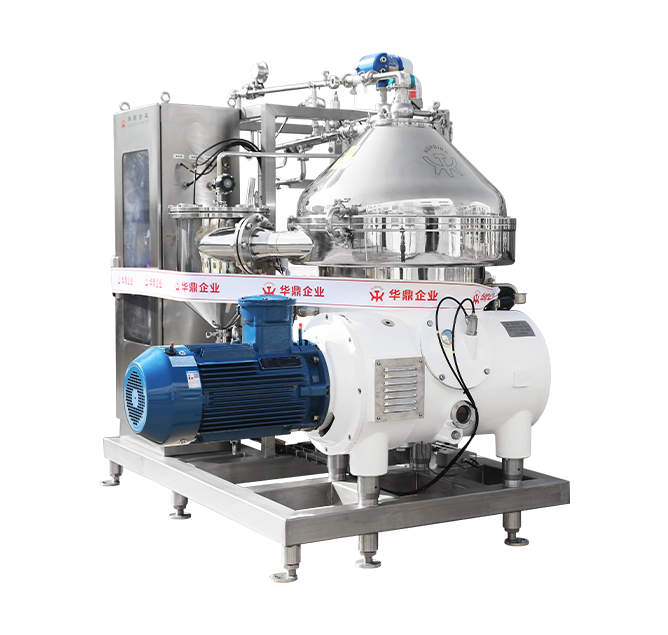
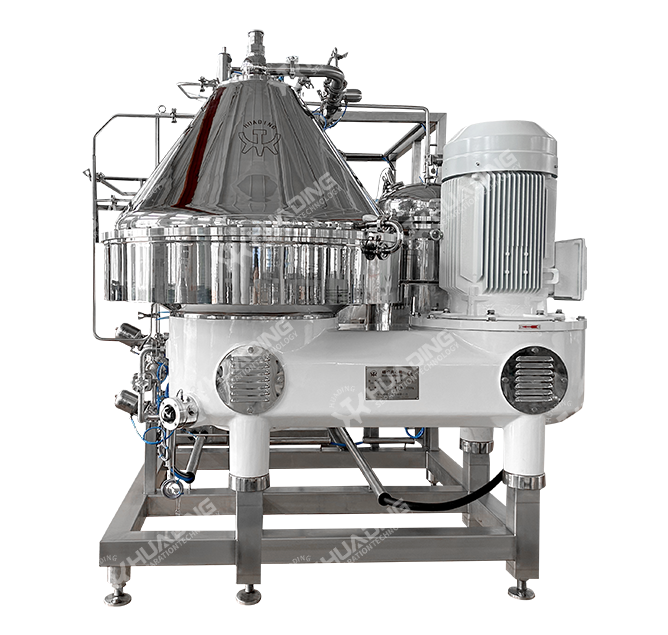
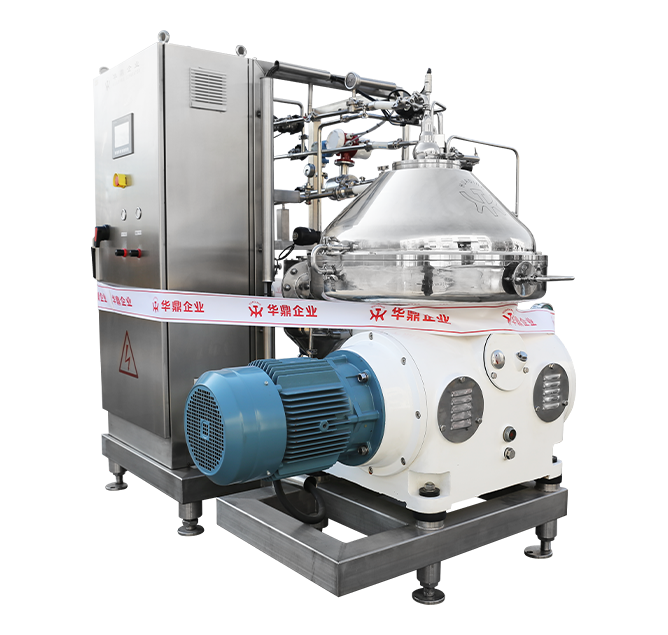
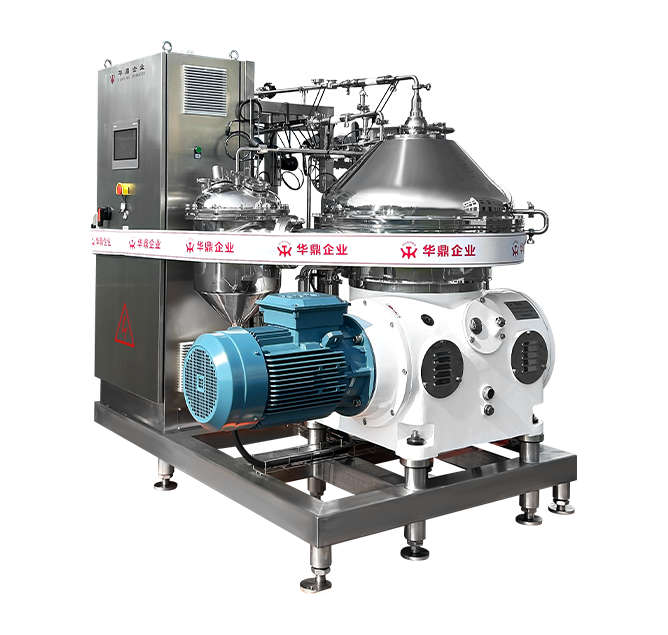
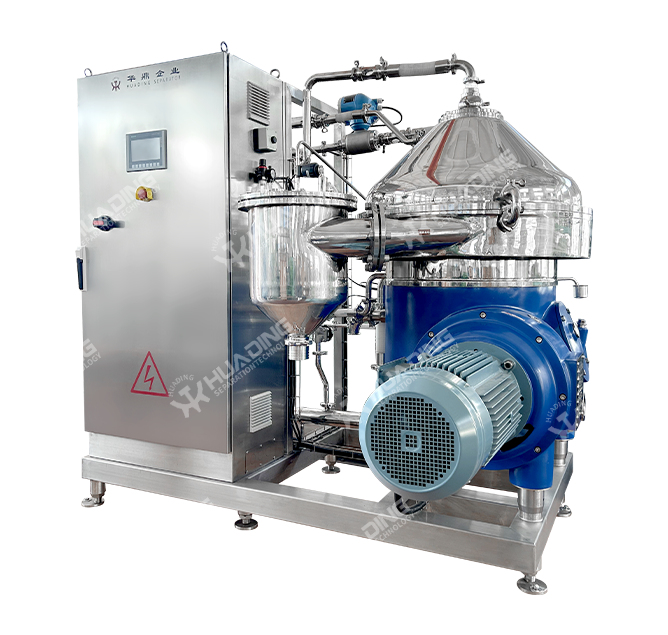
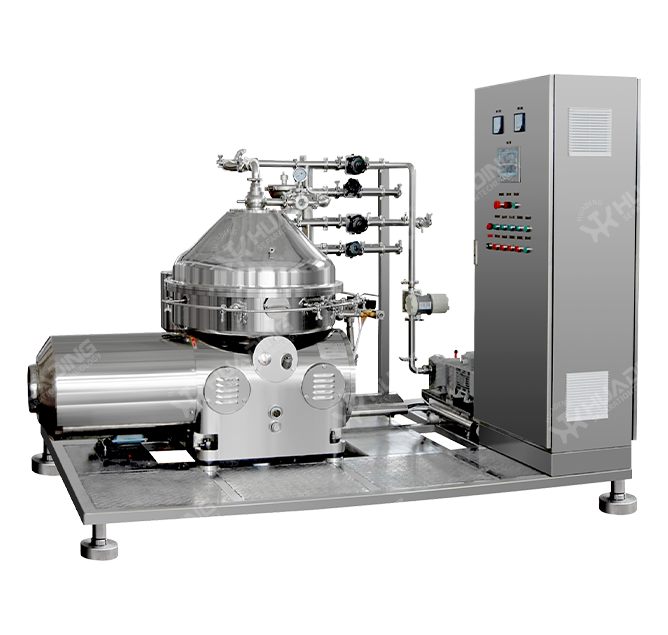
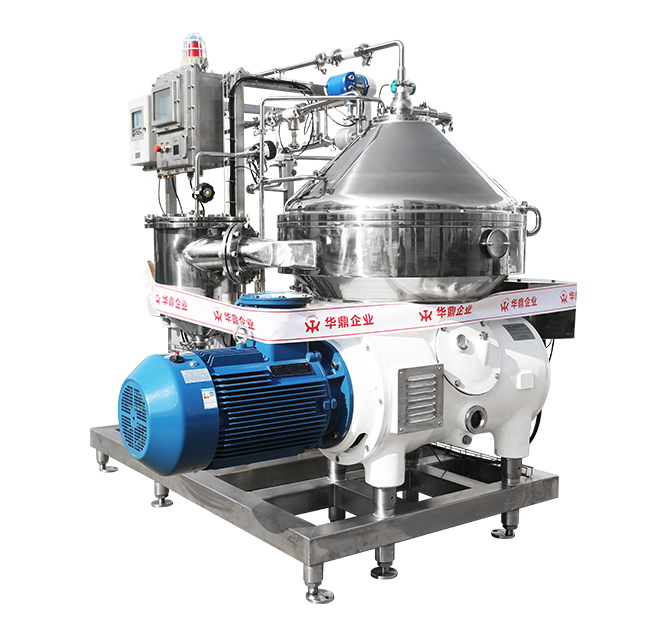
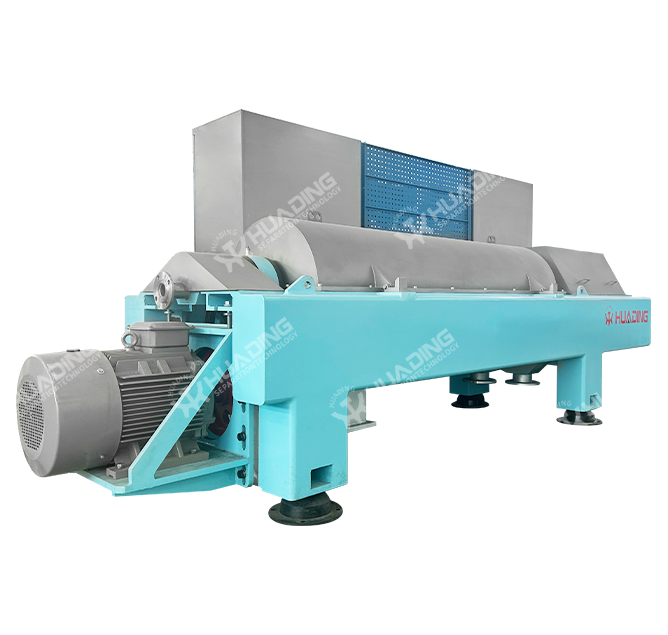
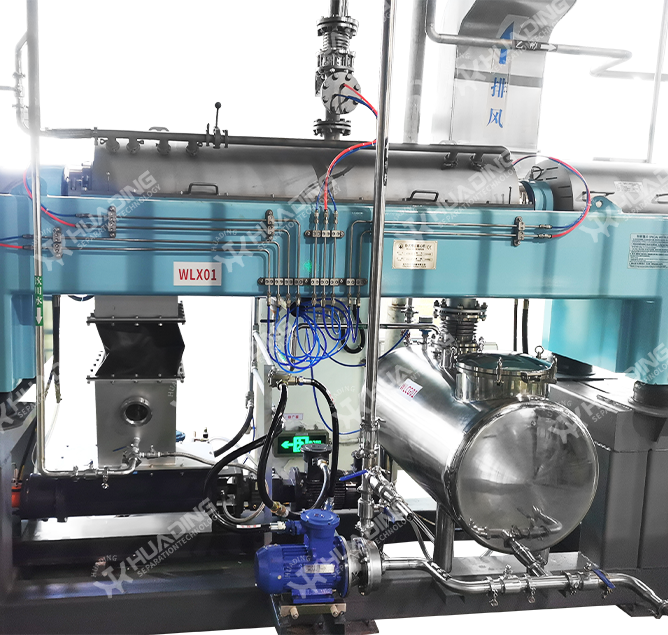
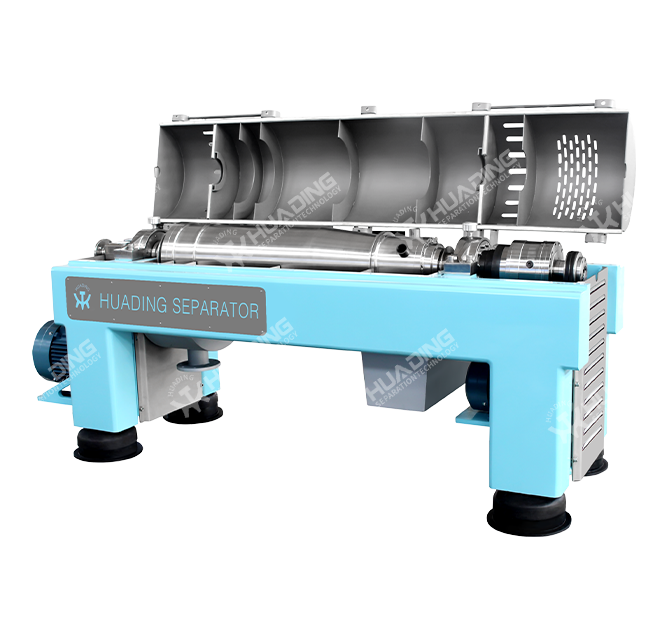
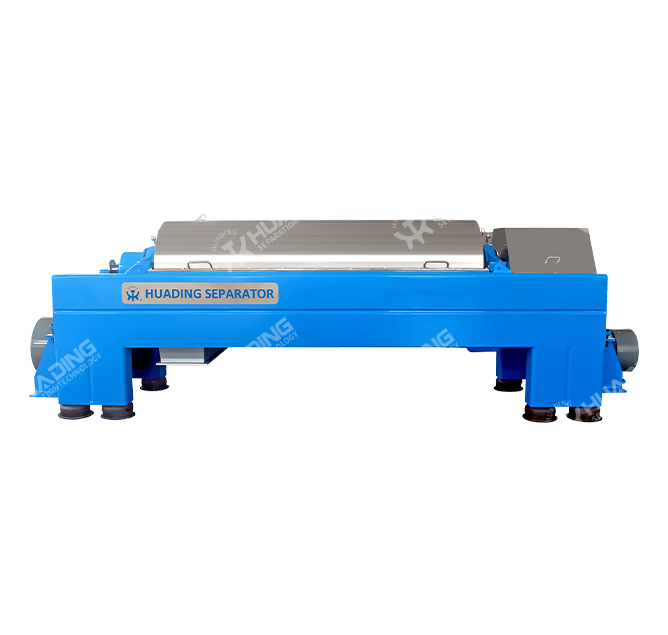
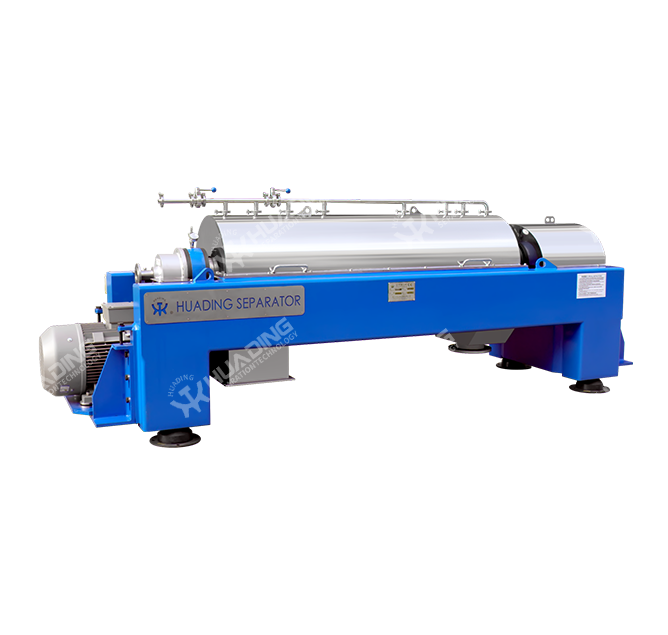
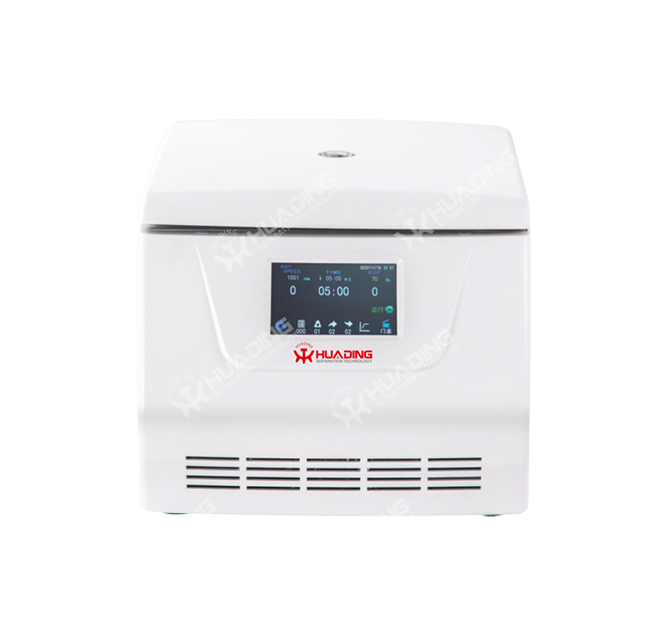
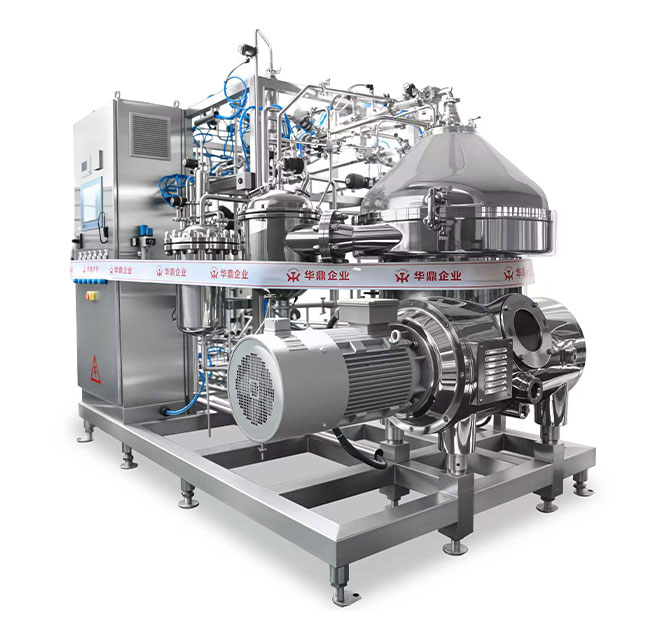
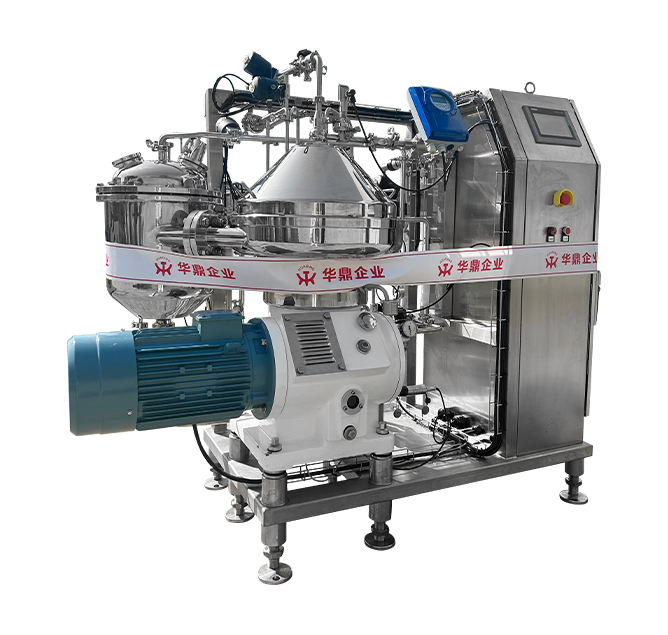
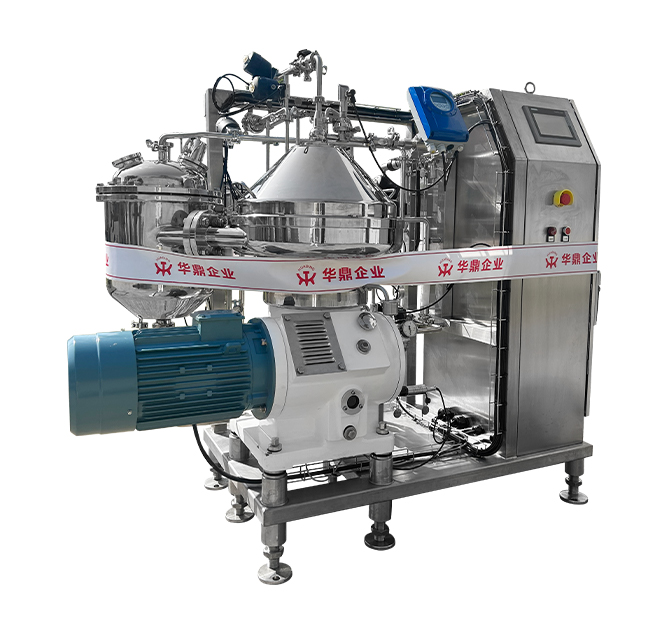
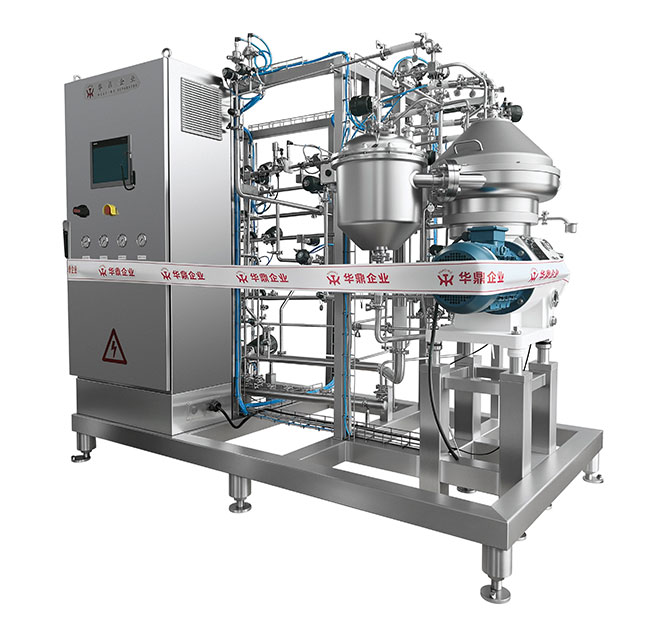
In modern industrial fluid processing systems, achieving rapid solid-liquid separation for complex suspensions has long been a core challenge in process optimization. As manufacturing industries trend toward higher precision and improved yield-to-input ratios, centrifugal separation technology, represented by the Disc stack centrifuge, has become a standard component in high-value industrial workflows due to its unique separation mechanism. From pharmaceutical manufacturing to chemical production, the technical maturity of this equipment directly determines the purity of output and process stability.
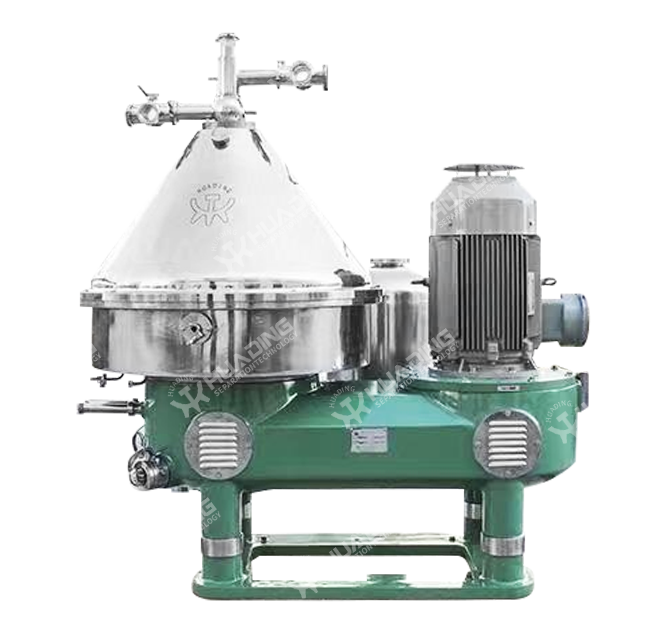
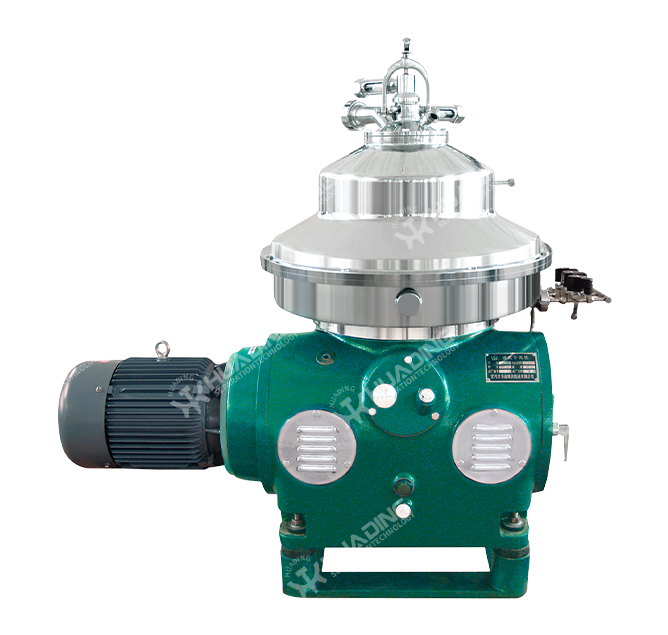
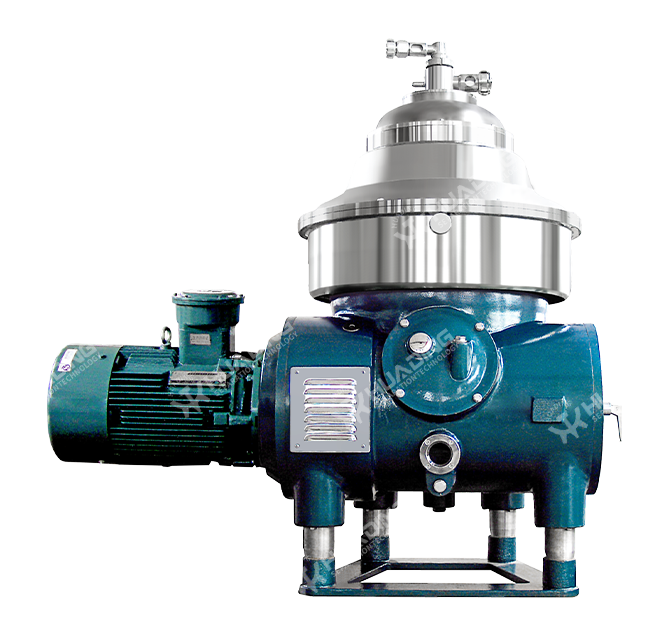
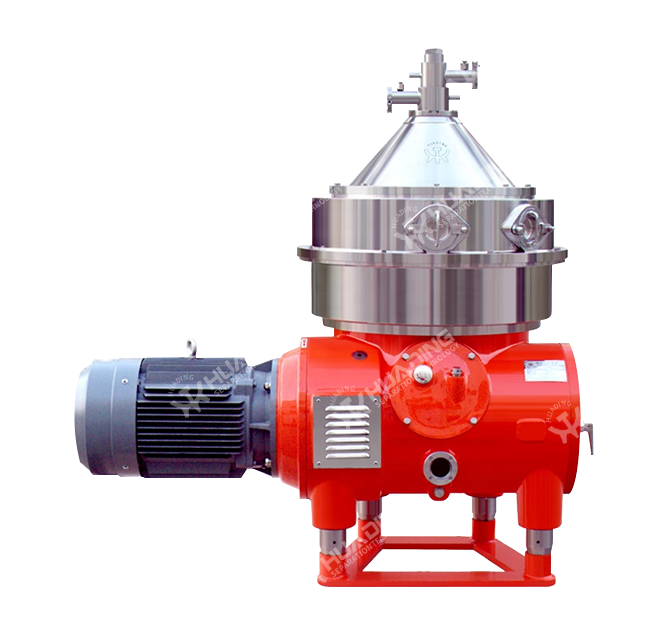
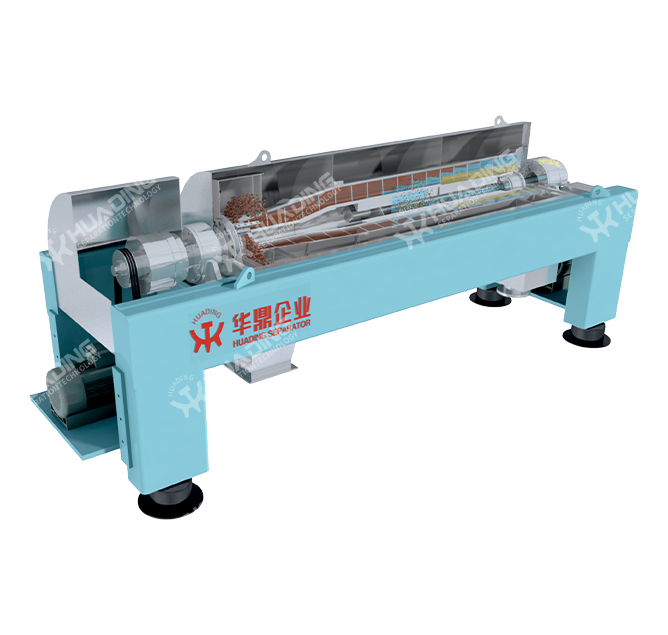
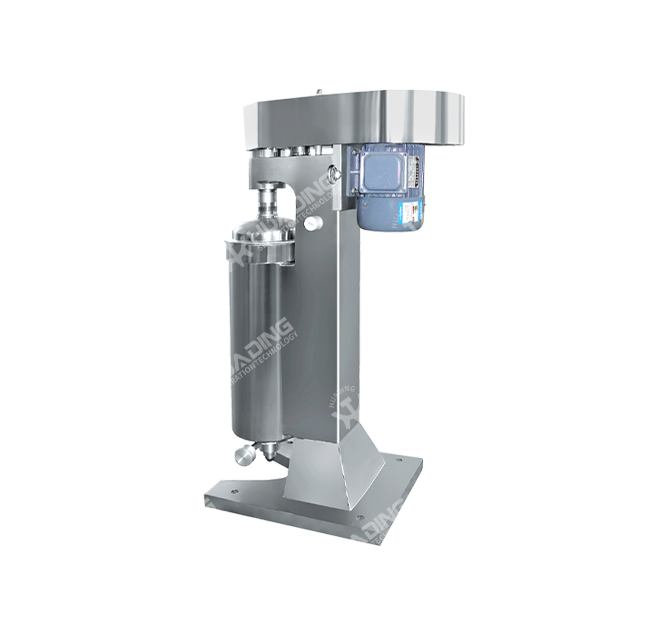
The core value of the Disc separator lies in its extremely high G-force. Inside the high-speed rotating bowl, fluid is forced to distribute between dozens or even hundreds of precision-engineered conical discs. This design is not merely a stack; it transforms the massive sedimentation chamber into countless micro-sedimentation spaces, significantly shortening the settling distance for particles as dictated by Stokes' Law.
For the Disc stack centrifuge, the disc stack inside the bowl provides immense equivalent settling area while also acting as flow guides, allowing the material to gain rotational kinetic energy before separation. This smooth laminar state reduces secondary interference from turbulence on already separated material, ensuring that even micron or sub-micron solid particles are effectively stripped from the liquid phase.
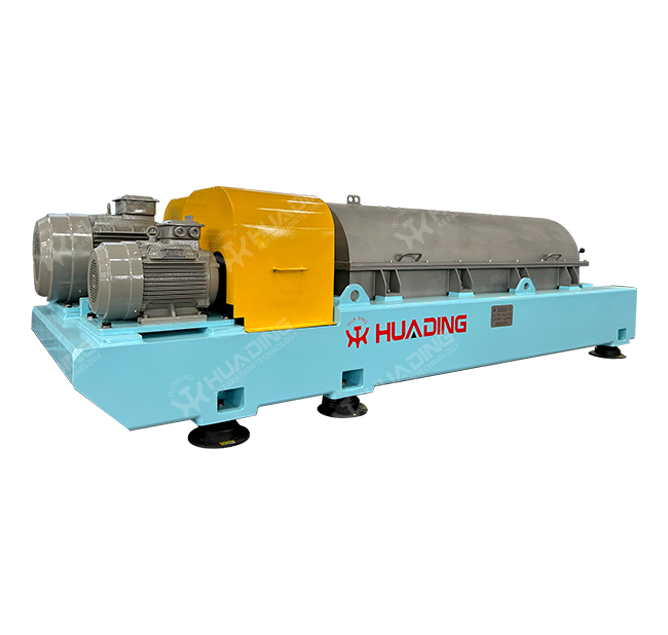
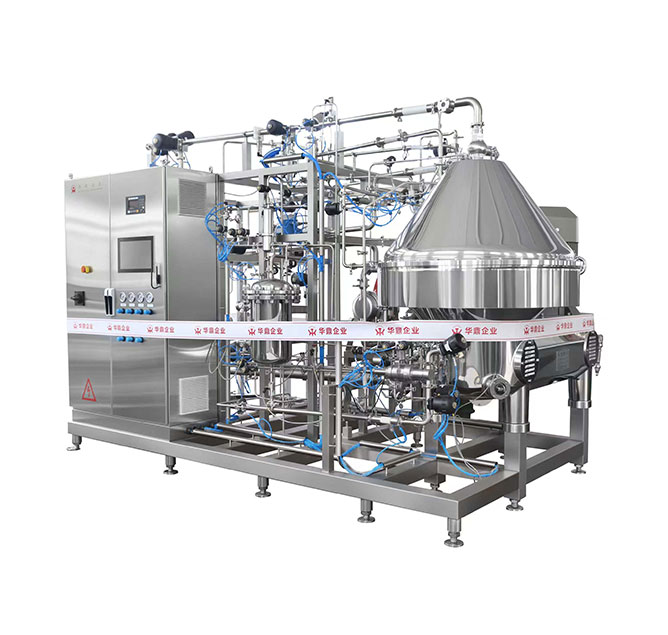
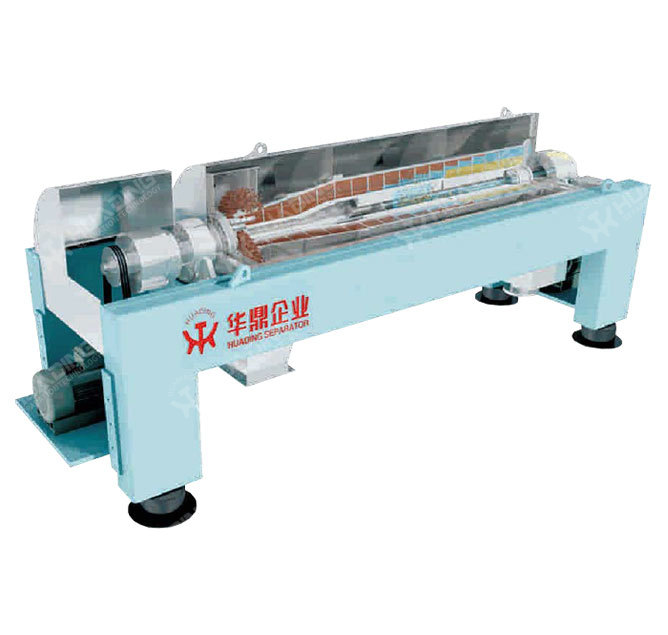
Modern production lines impose strict requirements on the continuous operational capability of equipment. The Continuous disk stack centrifuge has fundamentally altered the limitations of traditional batch filtration. By integrating an automatic solids discharge mechanism, the unit can precisely eject accumulated solids at the bowl periphery within milliseconds, all while maintaining continuous feed.
In actual engineering applications, the stability of equipment output relies on the precise balance of the following parameters:
| Engineering Parameter | Impact Logic | Optimization Direction |
| Bowl Speed | Directly affects G-force and determines separation limits | Adjust frequency based on material density difference |
| Feed Flow Rate | Determines residence time of material inside the bowl | Maintain steady flow to ensure processing precision |
| Discharge Frequency | Determines the equilibrium point of solid accumulation | Set cycles automatically based on solid content |
| Seal Pressure | Affects adaptability to volatile or vacuum environments | Utilize high-specification mechanical or static seals |
Through precise control of these parameters, the Disc bowl centrifuge ensures consistent clarity of the liquid phase or dryness of the solid phase, even when dealing with component fluctuations, which is vital for the continuity of downstream production steps.
The application range of the Disc stack separator is defined by its high degree of customization. Depending on the chemical properties of the material, both the internal bowl components (such as specialized stainless steel or corrosion-resistant alloys) and the elastomer materials of the sealing components can be replaced according to requirements.
When handling materials prone to foaming, the Disc centrifuge with a center-feed design can effectively reduce the impact of fluid before it enters the high-speed zone, thereby inhibiting foam generation. In the field of biological fermentation, for materials sensitive to cell rupture, precision adjustment of shear force and flow velocity allows the Disc separator system to achieve enrichment of the target product while maintaining cell integrity.
With the integration of digital control systems, the modern Continuous disk stack centrifuge has evolved beyond a mere mechanical component. By monitoring vibration, temperature rise, and speed deviation through real-time sensors, the equipment achieves predictive maintenance. In industrial environments pursuing high yields and low operating costs, scientific selection and fine-tuning of Disc stack centrifuge systems enable enterprises to achieve a step-change in separation efficiency while significantly reducing the burden on subsequent drying or purification processes.
Copyright ©Yixing Huading Machinery Co.,Ltd. All Rights Reserved. Custom Centrifugal Separator Factory