
 English
 русский
 Español
 عربى
عربى 中文简体
中文简体
WE ARE HAPPY TO SOLVE
PROBLEMS FOR CUSTOMERS
learn more >
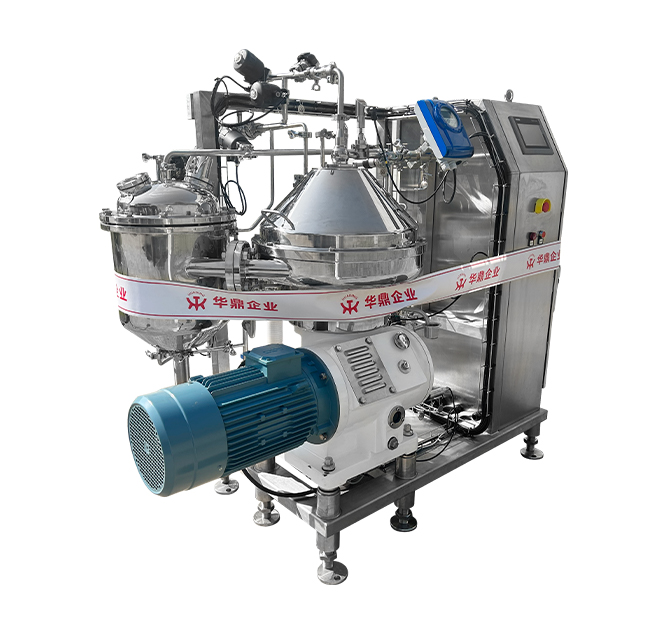
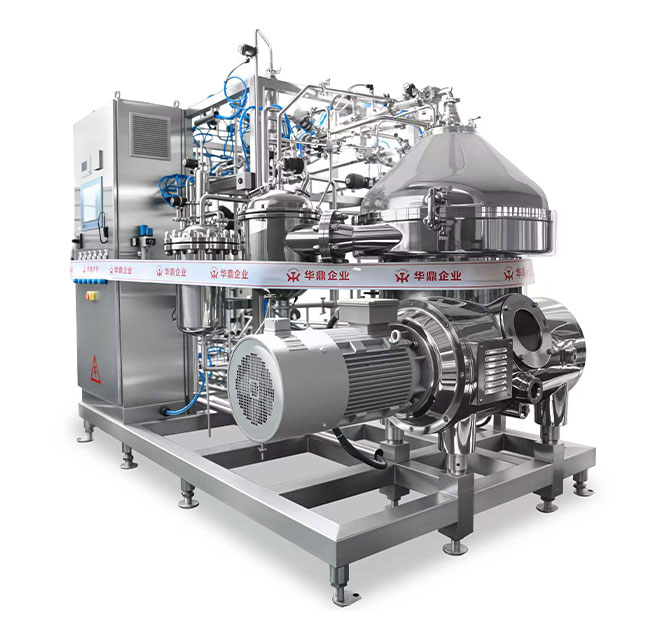
The demand for product purity and recovery rates is central to modern industrial fluid processing. Whether in food processing or energy recovery, selecting the right centrifugal separation equipment directly impacts production efficiency and cost control. This guide explores the technical characteristics of various Centrifugal Separator types to help you choose the solution that matches your physical property requirements.
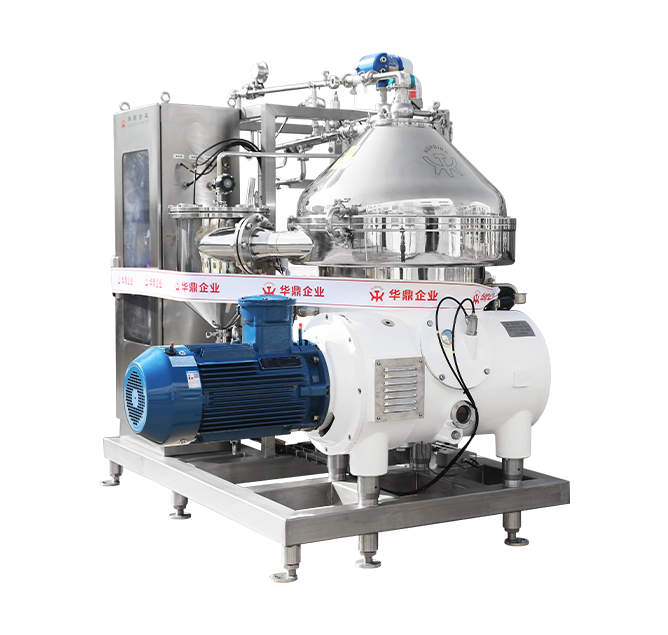
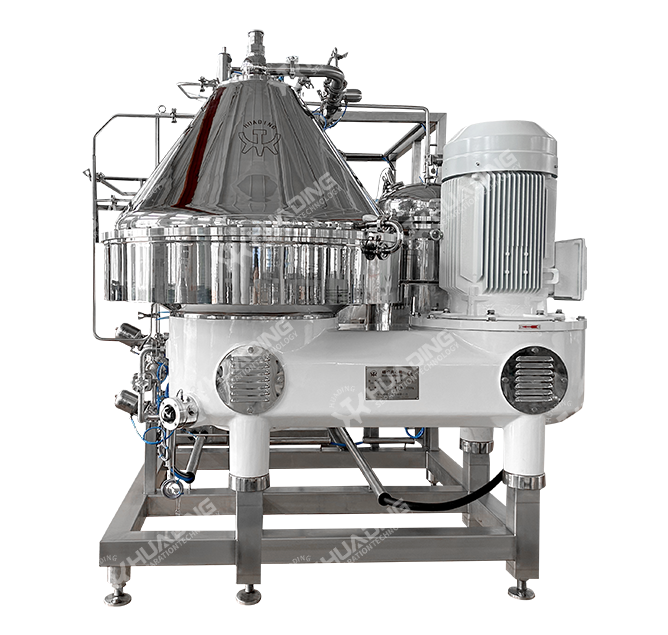
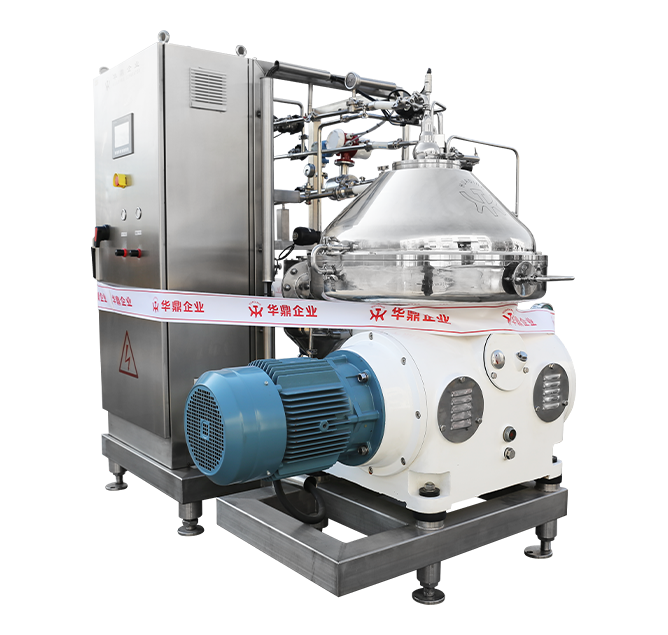
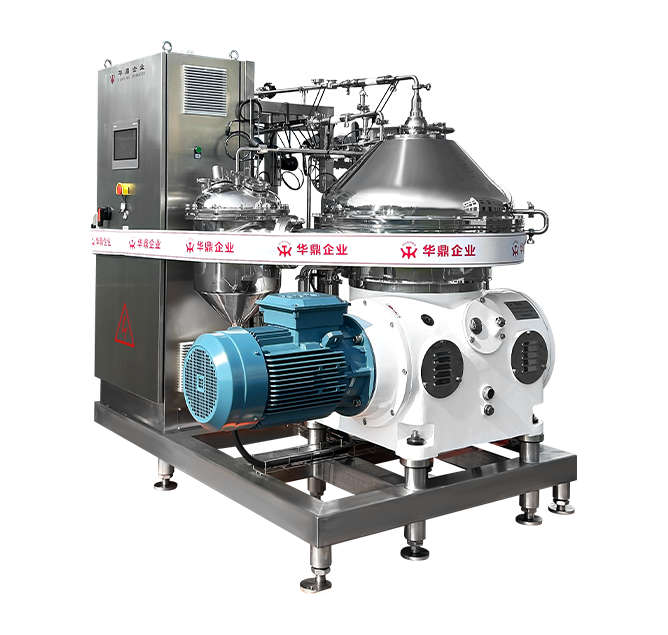
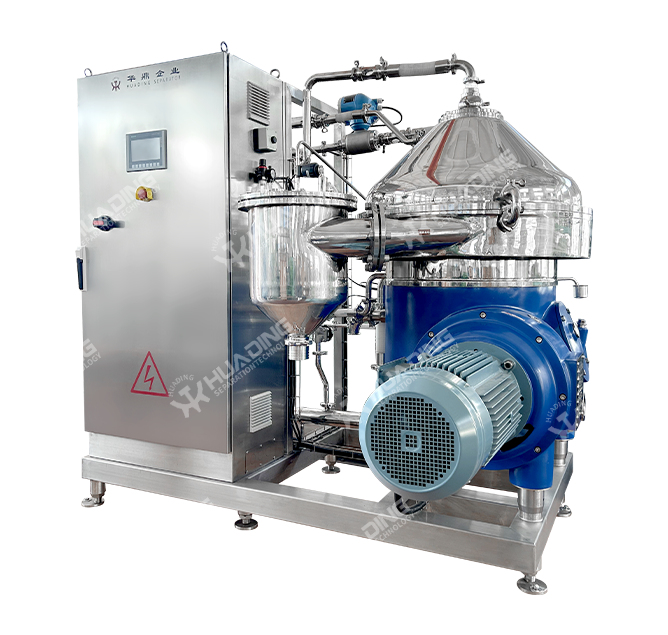
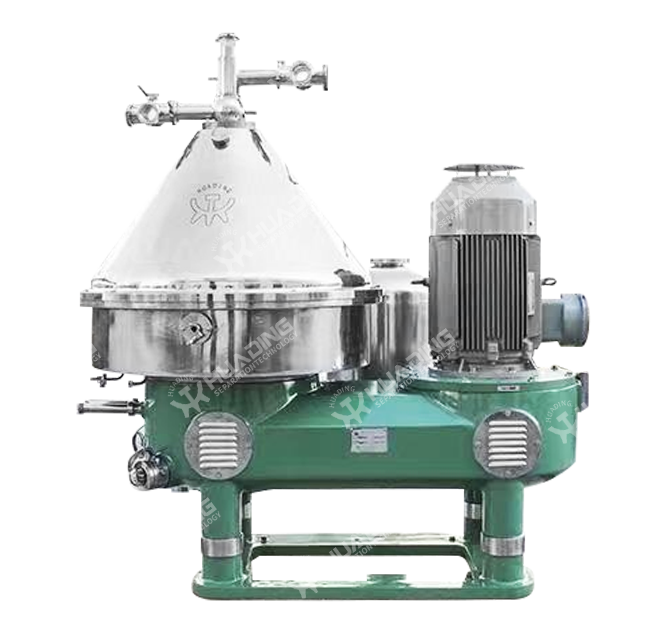
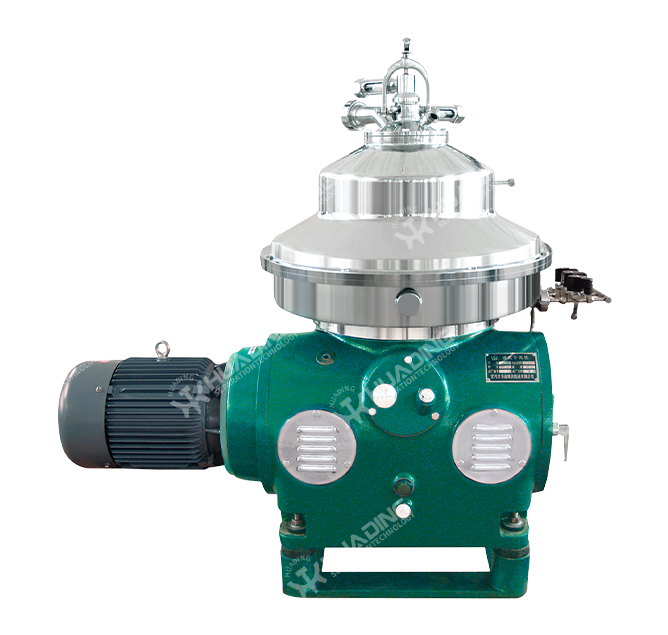
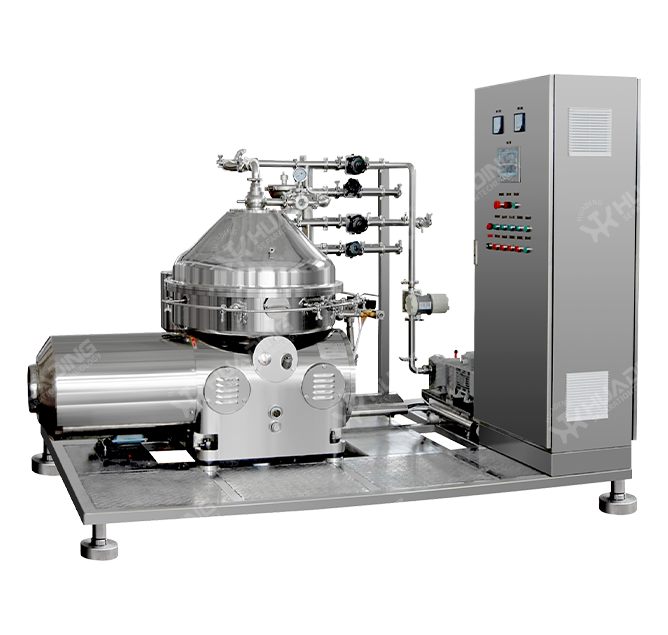
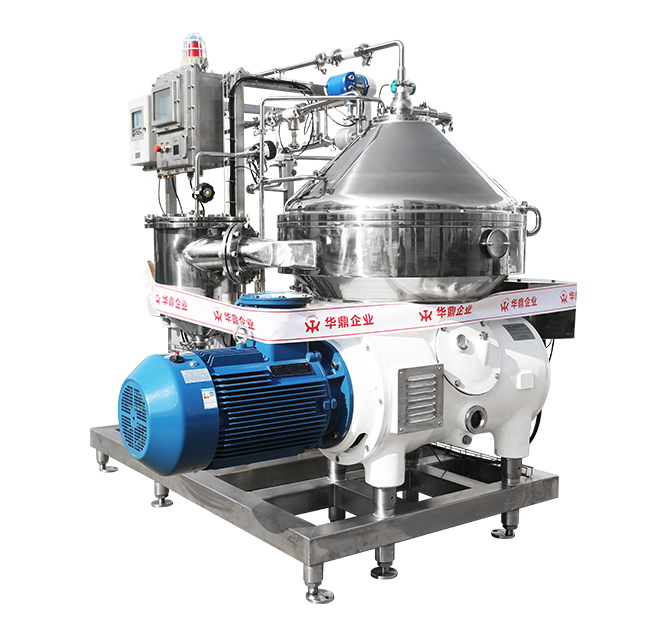
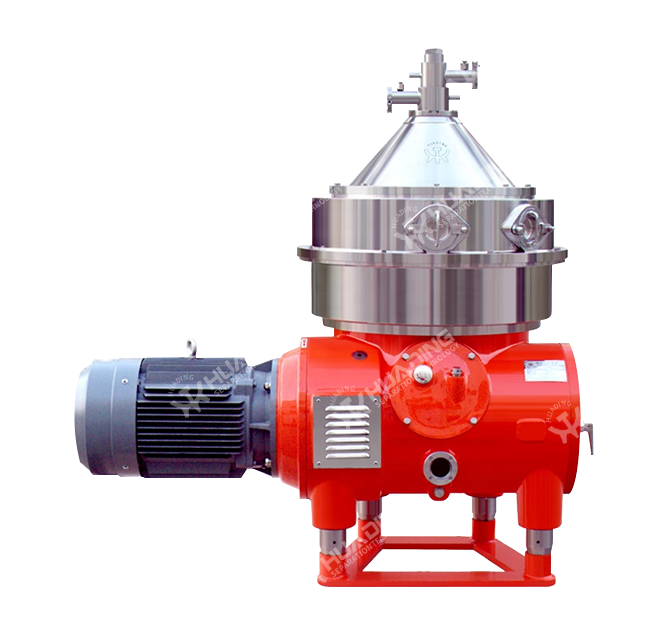
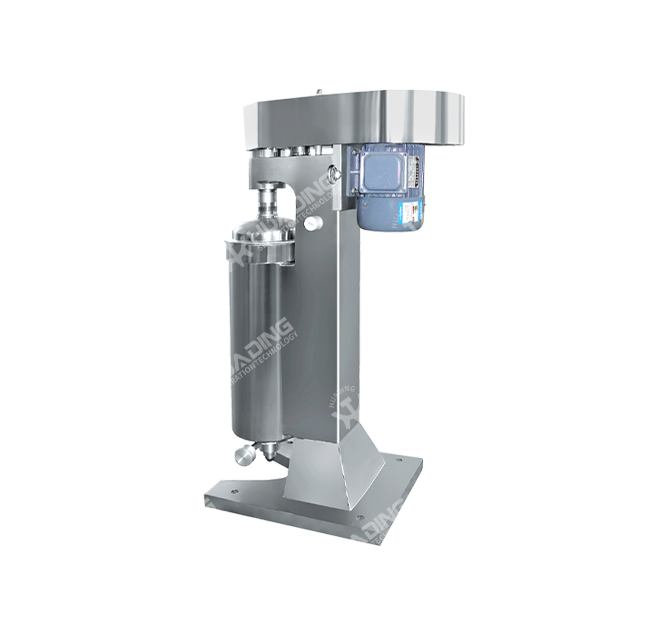
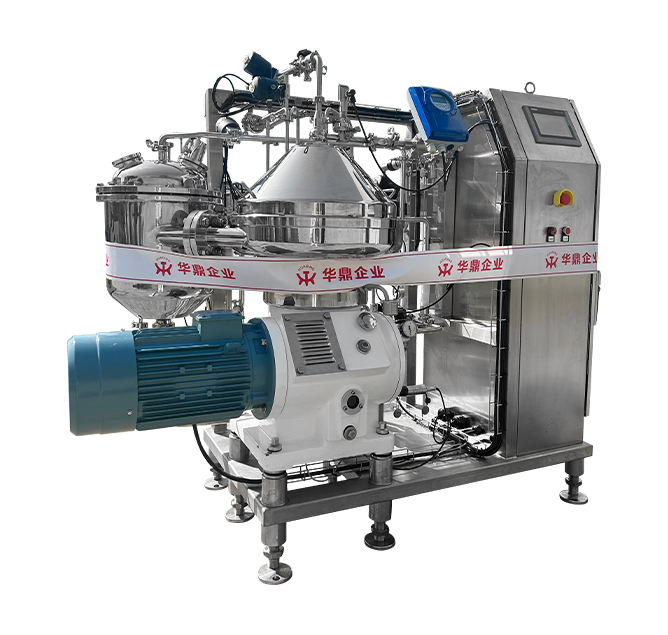
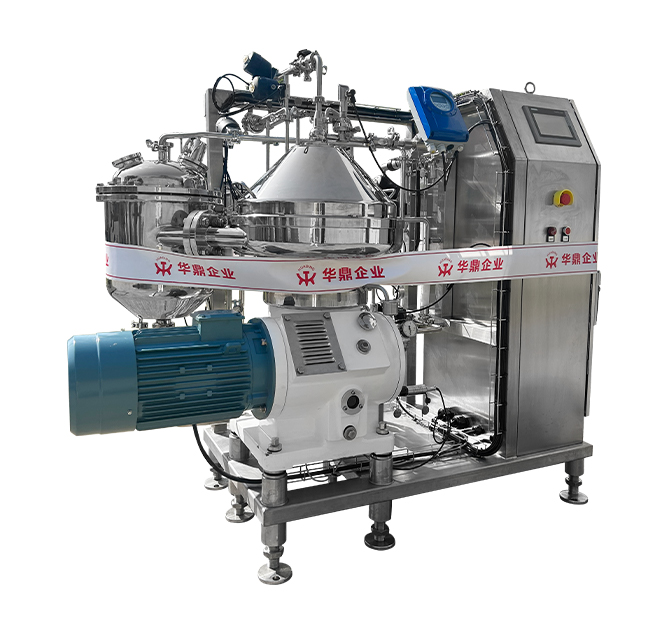
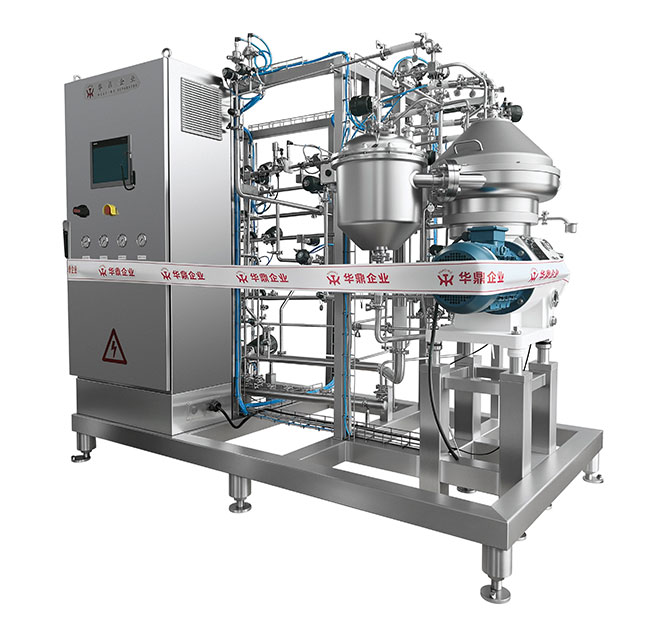
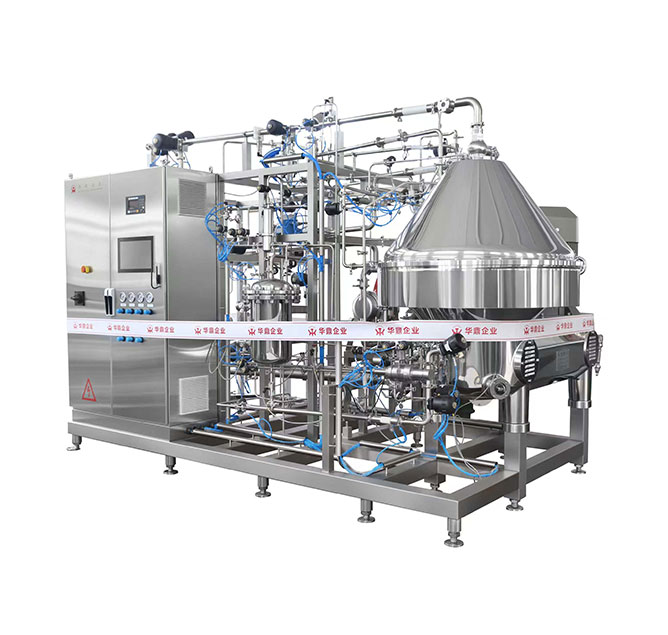
When handling suspensions or emulsions with low solid content (typically less than 3%) and extremely small particle diameters, the disc stack centrifuge is the industry standard. Its interior consists of a series of closely stacked conical discs, which significantly increases the effective settling area and shortens the travel distance of particles within the bowl.
In the dairy industry, this equipment is commonly referred to as a milk centrifuge or centrifugal milk separator. Its core function is to achieve precise separation of cream by utilizing the density difference between fat and skim milk.
Separation Precision: Capable of capturing particles as small as 0.5-1 micron.
Application Scenarios: Dehydration of trace water in centrifugal oil water separator fields, and cell sedimentation in biopharmaceuticals.
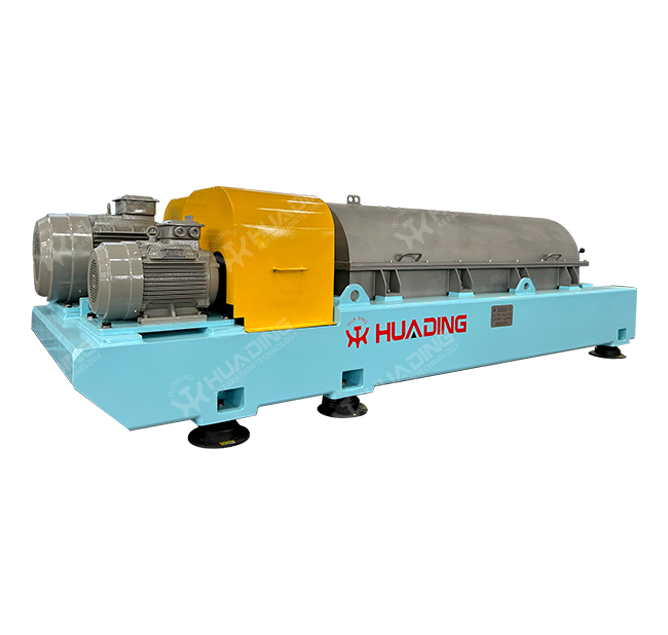
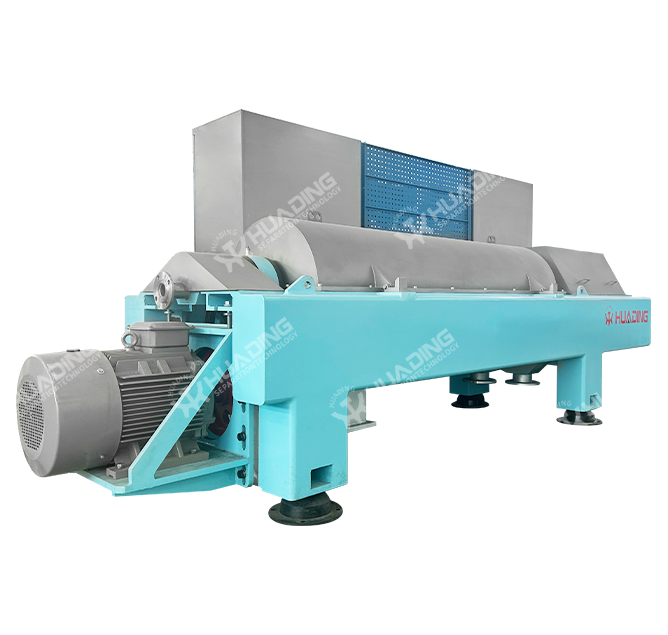
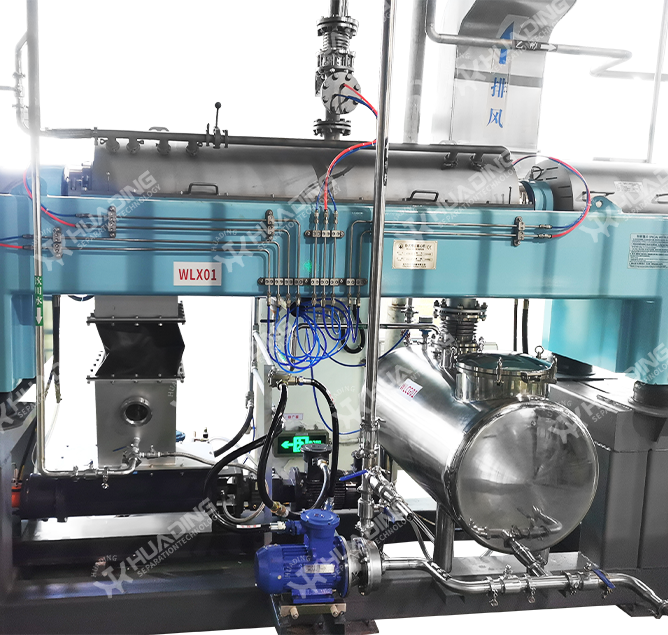
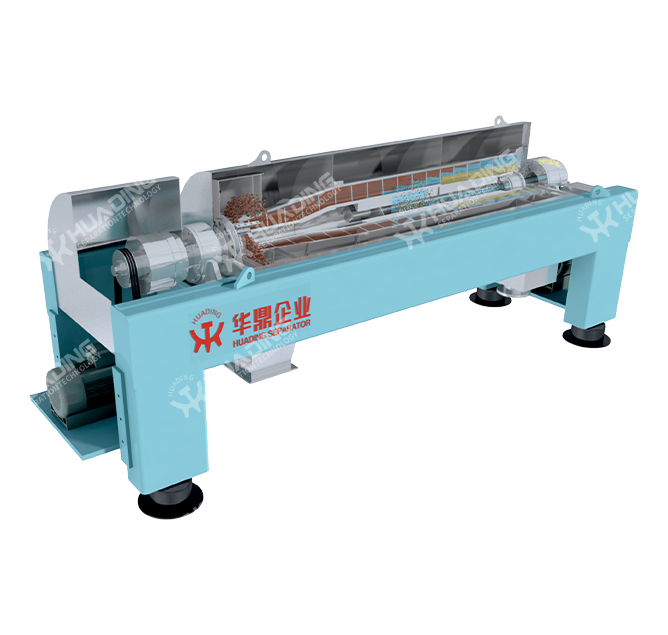
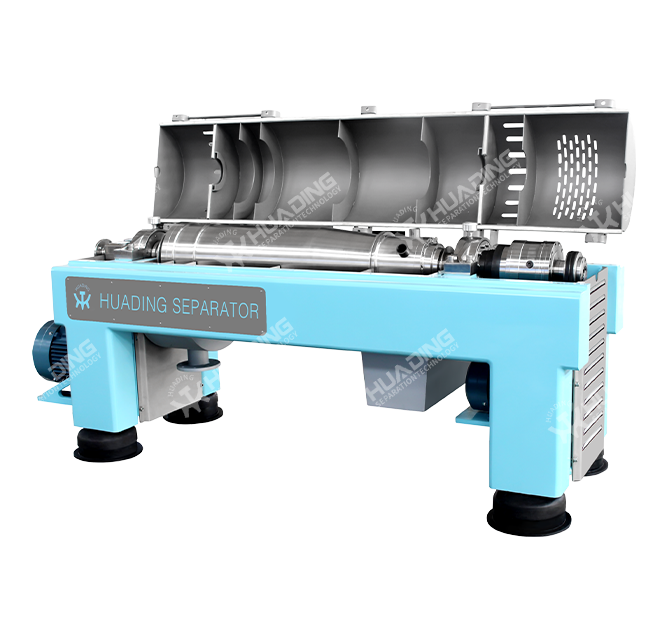
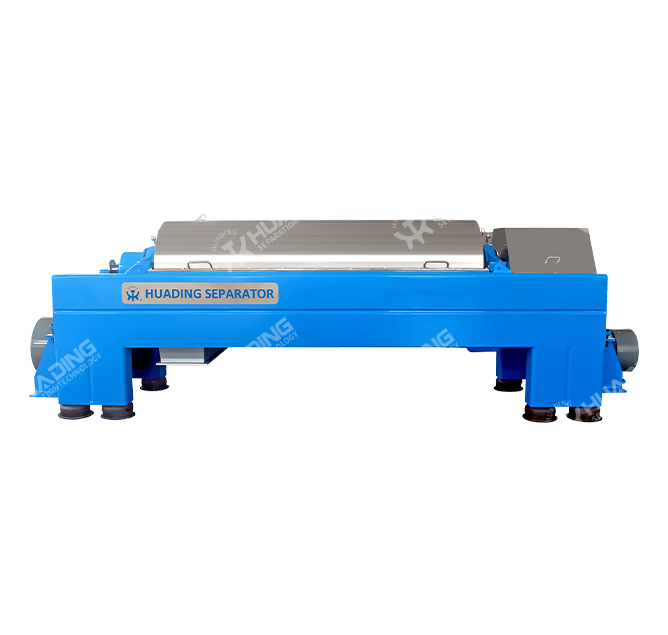
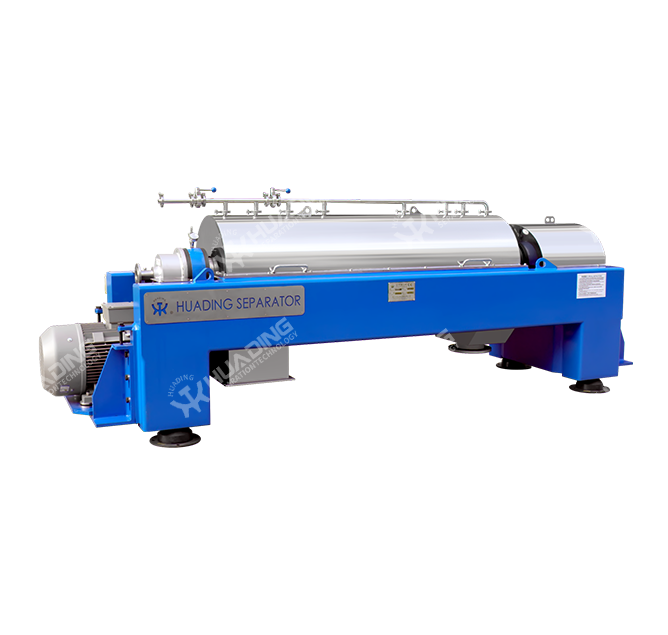
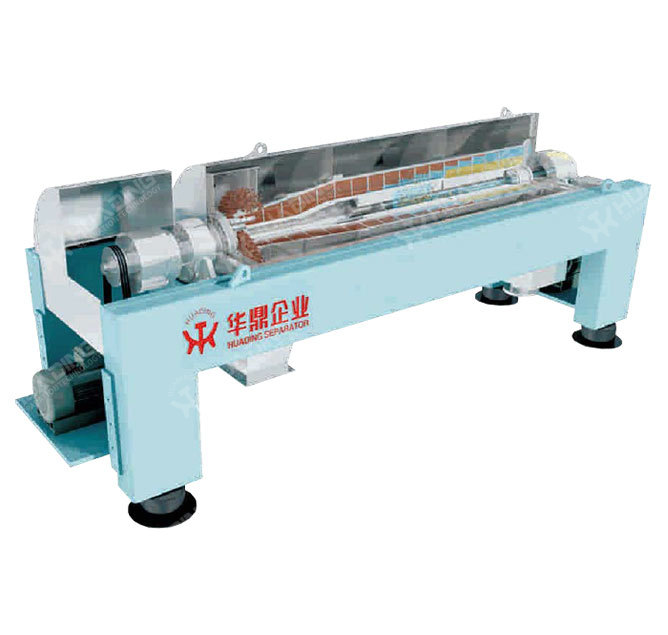
Unlike disc separators designed for precision, the decanter centrifuge is engineered for high solid content materials. This solid bowl centrifuge utilizes a horizontal bowl structure with an internal screw conveyor.
The working principle involves using the differential speed between the bowl and the screw to continuously push solids settled on the bowl wall toward the discharge port. This equipment demonstrates extreme durability when processing industrial wastewater or heavy oil desilting with high viscosity and coarse particles.
|
Parameter Feature |
disc stack centrifuge |
decanter centrifuge |
|
Rotation Speed (RPM) |
High (5000 - 12000) |
Medium-High (2500 - 4500) |
|
G-force |
Very Large (Up to 12000g) |
Medium-Large (Up to 3500g) |
|
Inlet Solid Content |
Less than 5% |
5% - 40% |
|
Primary Function |
Liquid-Liquid-Solid Precision Separation |
Liquid-Solid Large Capacity |
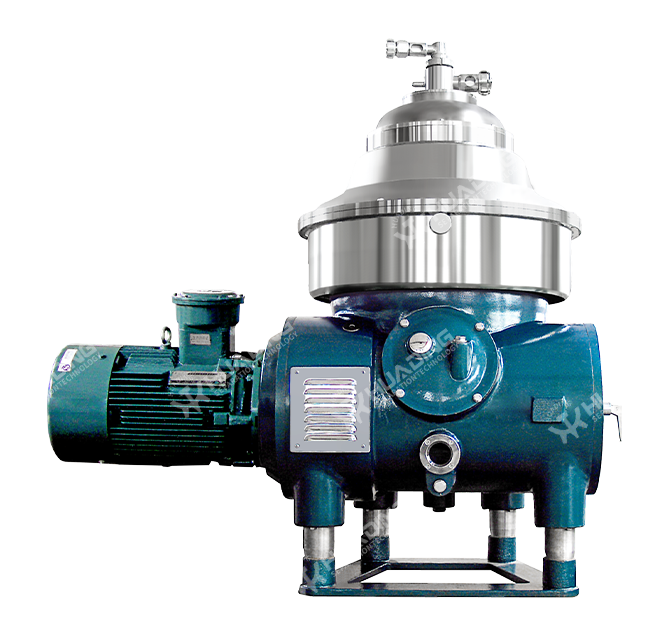
In the energy and marine industries, the centrifugal oil separator acts as a guardian for purifying lubricating oil and fuel. Through the centrifugal force generated by high-speed rotation, mechanical impurities and water in the oil are rapidly thrown toward the periphery.
This equipment is often sub-categorized into the centrifugal water separator (focused on dehydration) and the centrifugal oil water separator (focused on two-phase equilibrium separation). Its core advantage lies in its ability to break oil-water emulsion layers, ensuring oil cleanliness meets ISO standards even under complex conditions.
For circulating water treatment in mining or construction, the centrifugal solids separator focuses on removing sand, stones, and heavy particles to prevent damage to downstream pump sets.
When selecting a centrifugal separator, physical parameters must be considered to avoid equipment overload or poor separation:
Material Viscosity: High viscosity significantly reduces the efficiency of a disc centrifuge; heating is often required to reduce dynamic viscosity.
Particle Abrasiveness: If solid particles are abrasive, the screw blades of a solid bowl centrifuge should be sprayed with tungsten carbide coating.
Density Difference: Centrifugal separation relies on density differences. If the densities of two phases are extremely close, even a high-performance centrifugal solids separator will struggle to achieve ideal clarity.
Balance is the lifeline of any centrifugal separator. A disc stack centrifuge must undergo regular CIP (Clean-in-Place) to prevent residual solids from clogging the disc channels. For large decanter centrifuge units, lubrication of bearings and monitoring of the vibration are critical.
By precisely adjusting the centripetal pump pressure and bowl speed, the discharge effect of a centrifugal oil water separator can be optimized in real-time. This ensures a clear boundary between the light phase (such as essential oils or purified oil) and the heavy phase (water or waste residue), minimizing product loss.
Understanding the technical differences from the centrifugal milk separator to the industrial-grade solid bowl centrifuge allows for a more scientific construction of fluid processing lines, achieving minimized energy consumption while ensuring purity.
Copyright ©Yixing Huading Machinery Co.,Ltd. All Rights Reserved. Custom Centrifugal Separator Factory