
 English
 русский
 Español
 عربى
عربى 中文简体
中文简体
WE ARE HAPPY TO SOLVE
PROBLEMS FOR CUSTOMERS
learn more >
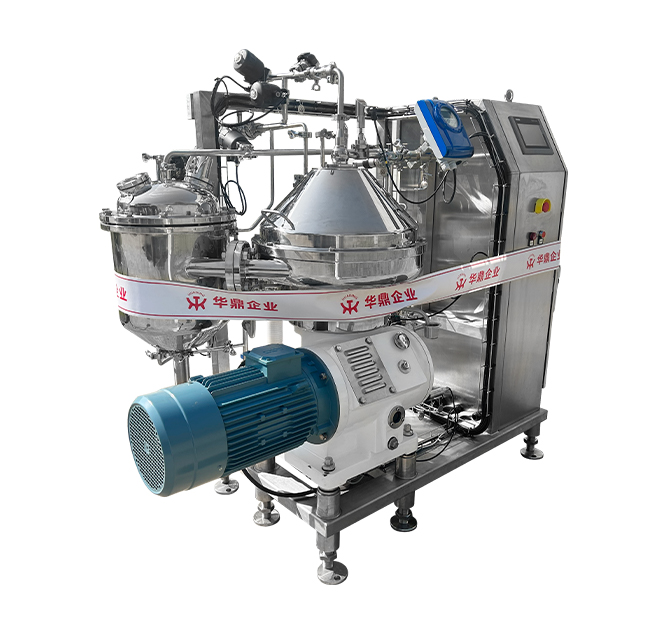
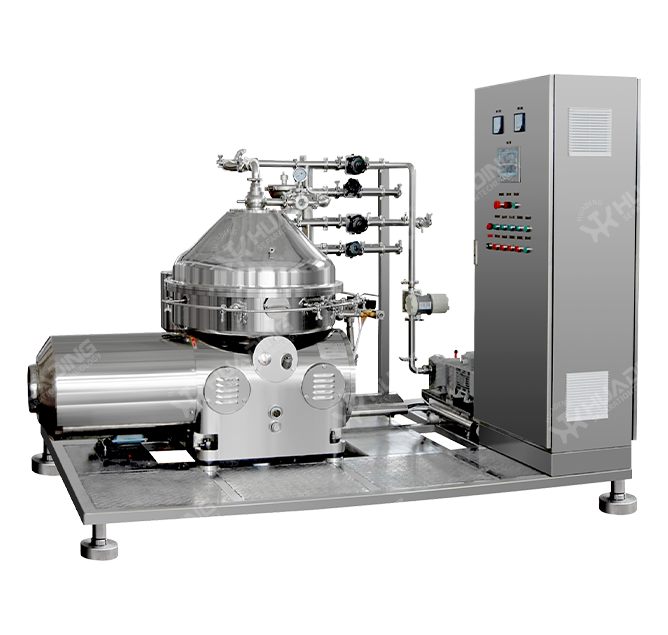
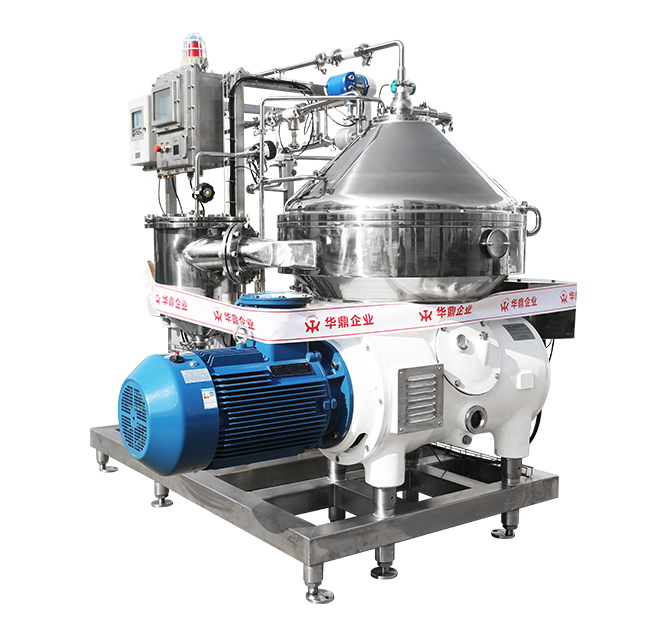
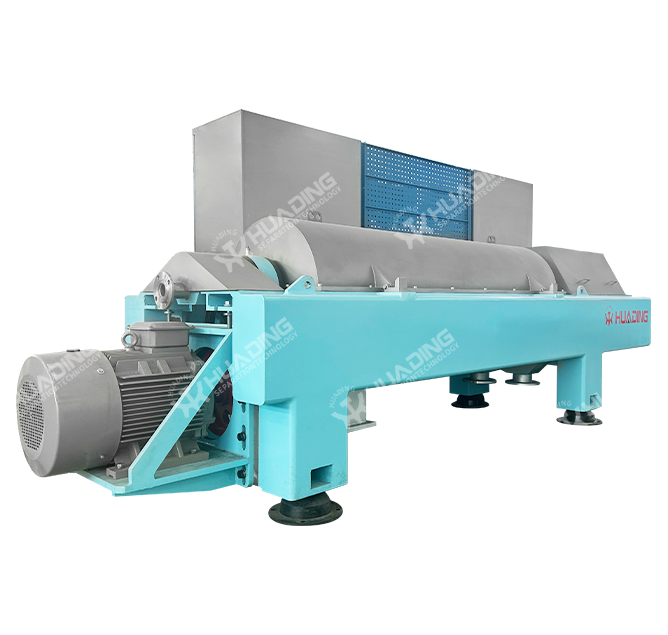
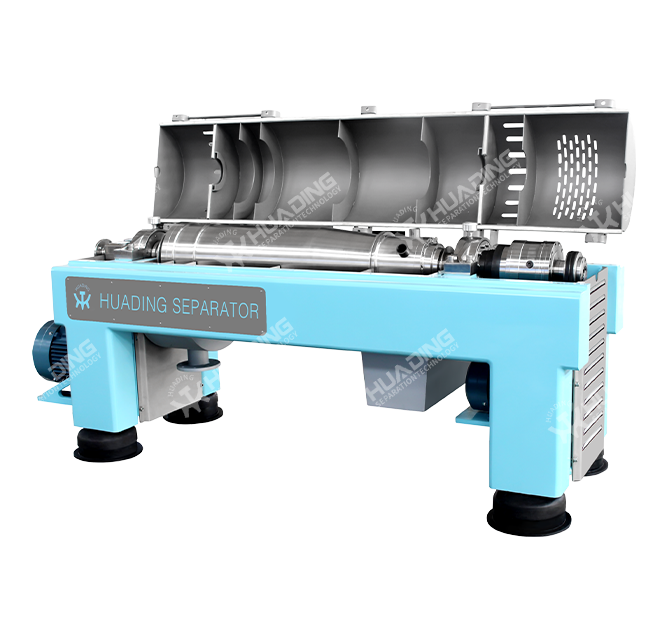
In modern industrial production processes, achieving high-purity material extraction and waste resource utilization is always the key to improving production efficiency. centrifuge solid liquid separation, as an efficient means of achieving non-homogeneous system separation using physical centrifugal force, is widely used in many rigorous industrial environments such as chemical industry, pharmaceuticals, food processing, and mineral dehydration.
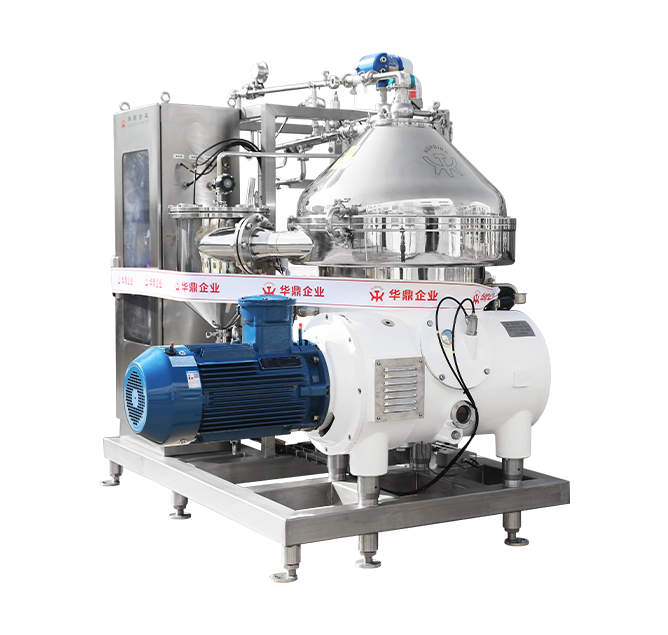
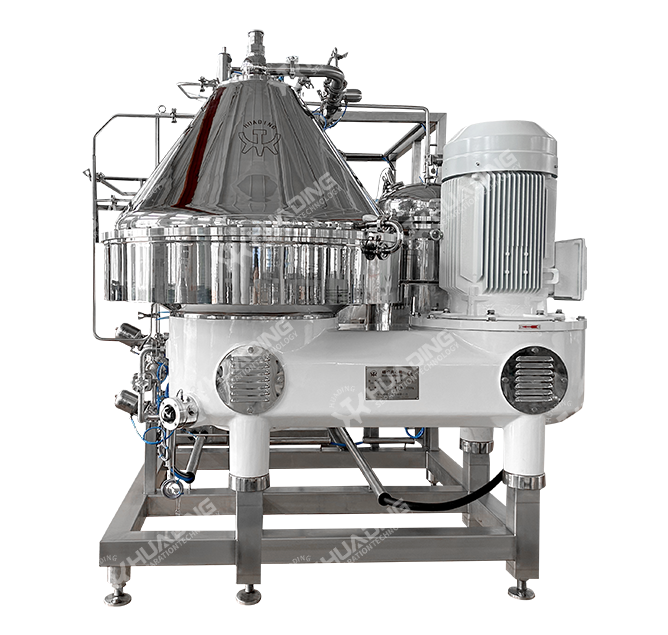
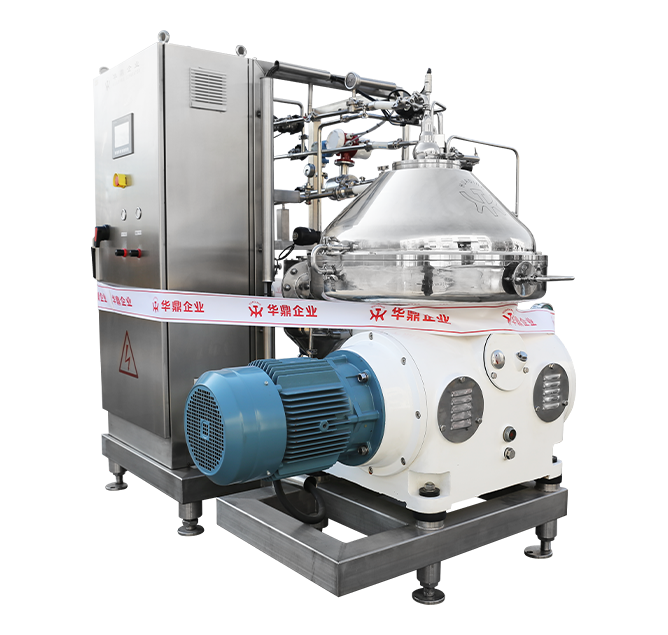
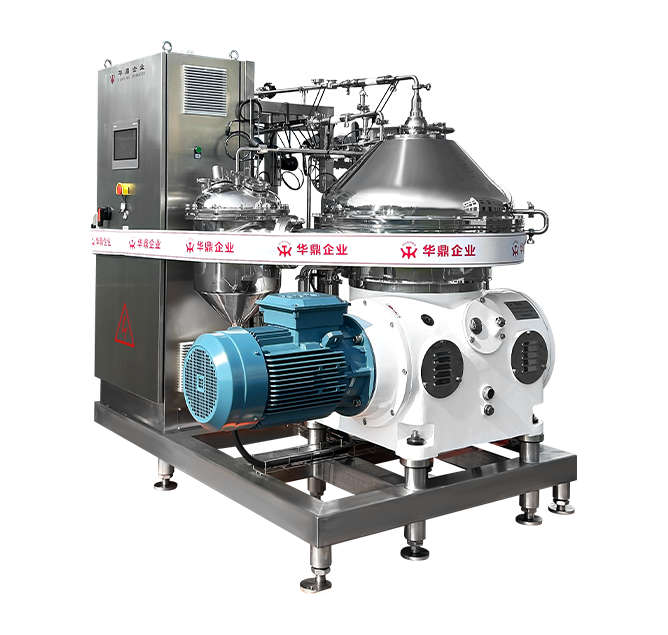
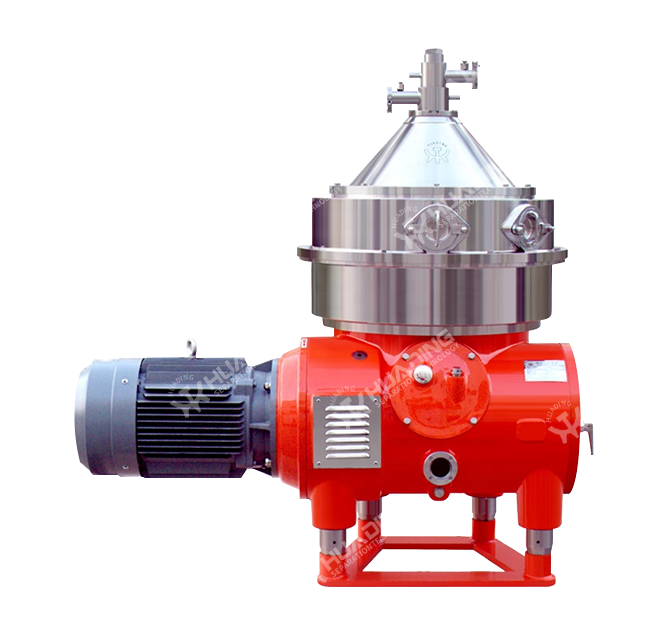
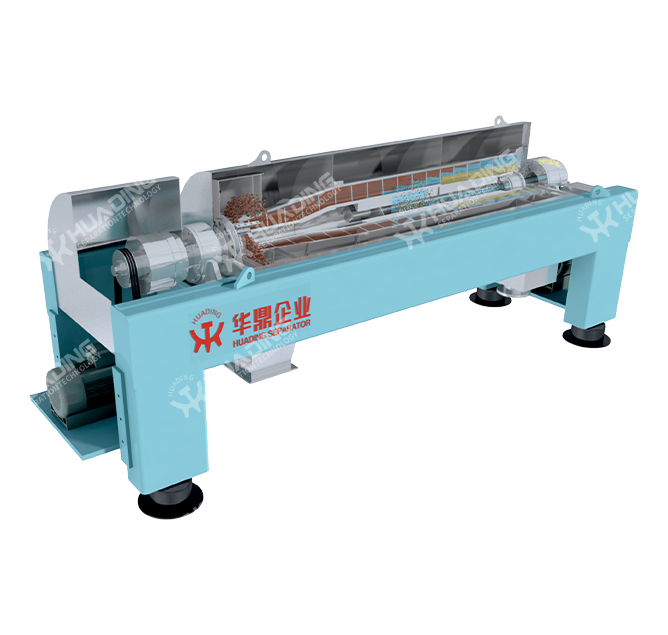
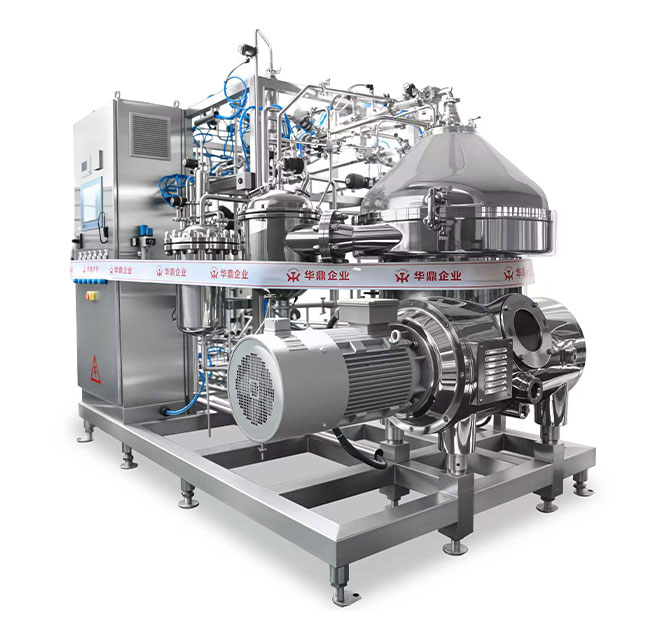
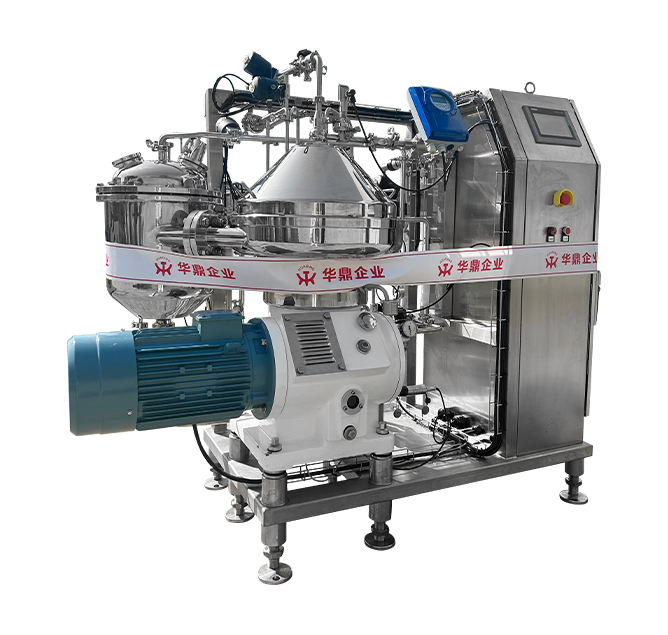
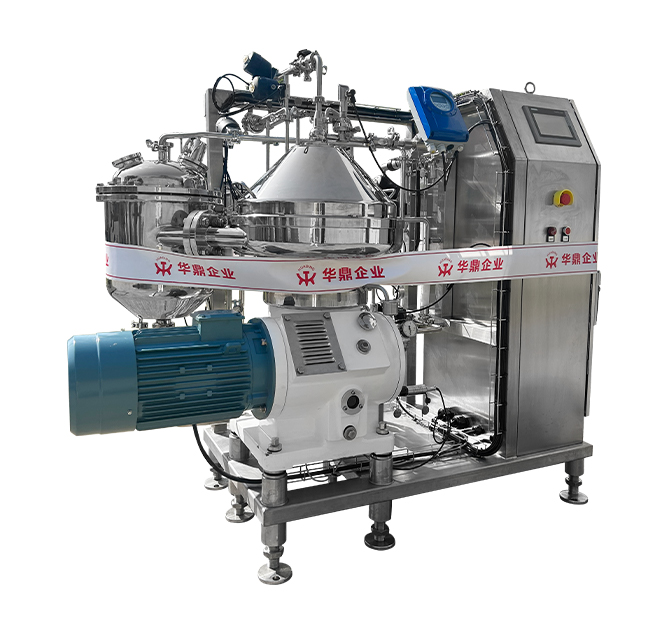
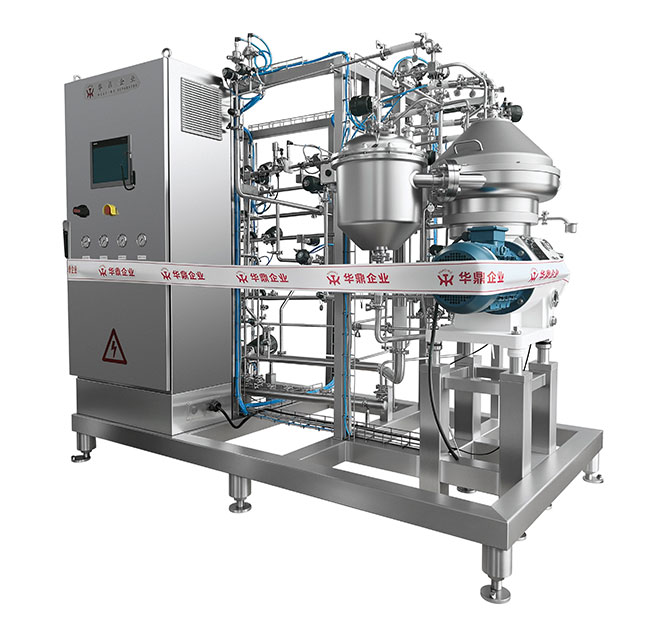
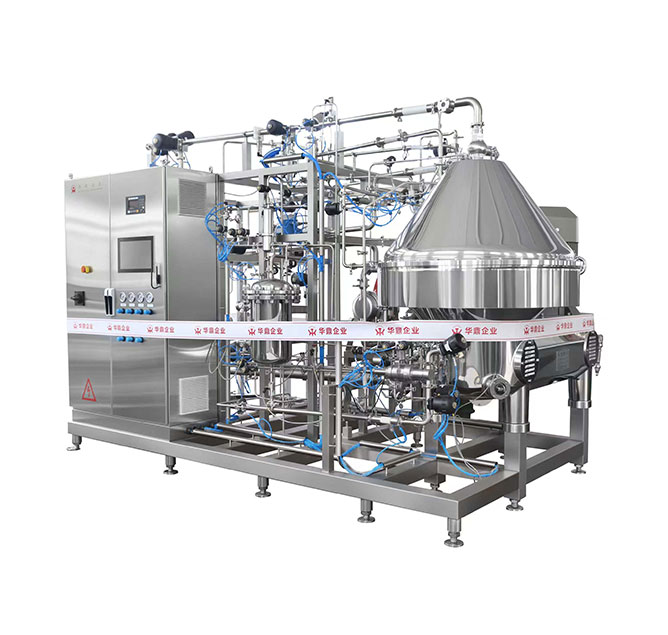
The working core of a Liquid Centrifuge lies in using the centrifugal force field generated by the high-speed rotation of the drum to replace traditional gravity sedimentation. Due to the density difference between solid particles and the liquid medium, under the action of acceleration thousands of times that of gravity, the solid particles quickly settle toward the drum wall, forming a solid cake layer, while the clarified liquid is discharged through the liquid outlet.
The efficiency of this solid liquid centrifuge process mainly depends on several key parameters: centrifugal force intensity (G-value), residence time, and material viscosity. For high-viscosity suspensions or extremely fine particles, traditional filtration methods are often prone to clogging the filter mesh, while centrifugal technology can maintain a constant separation rate.
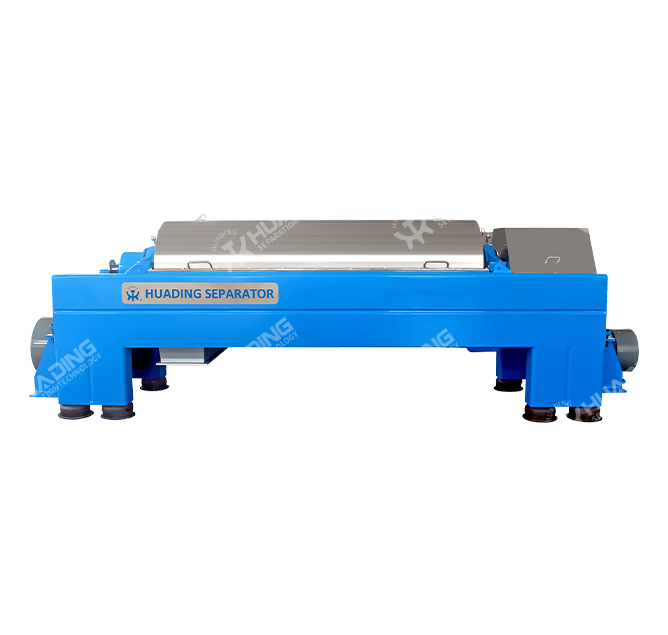
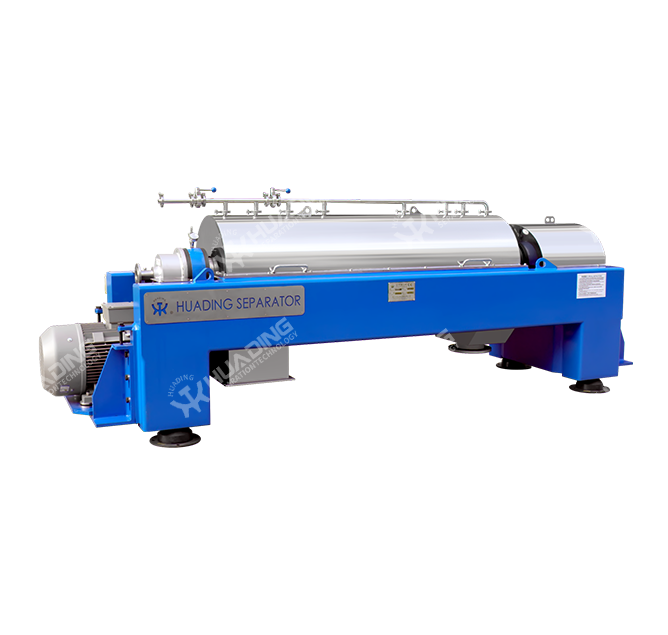
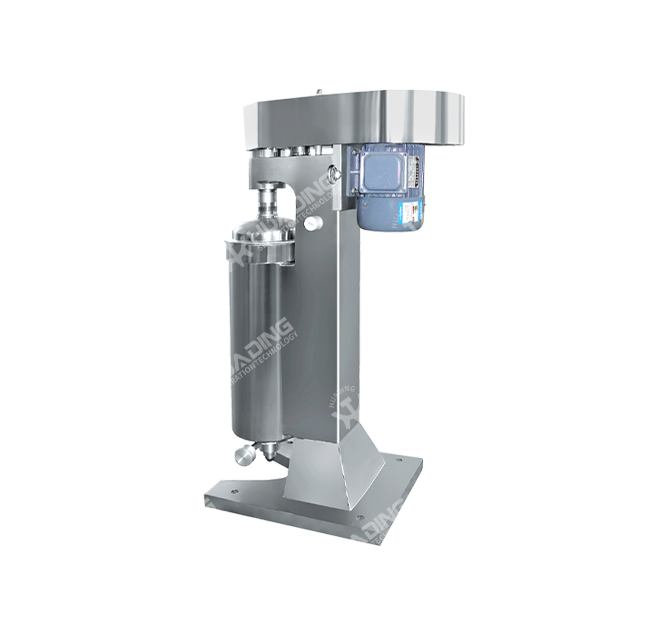
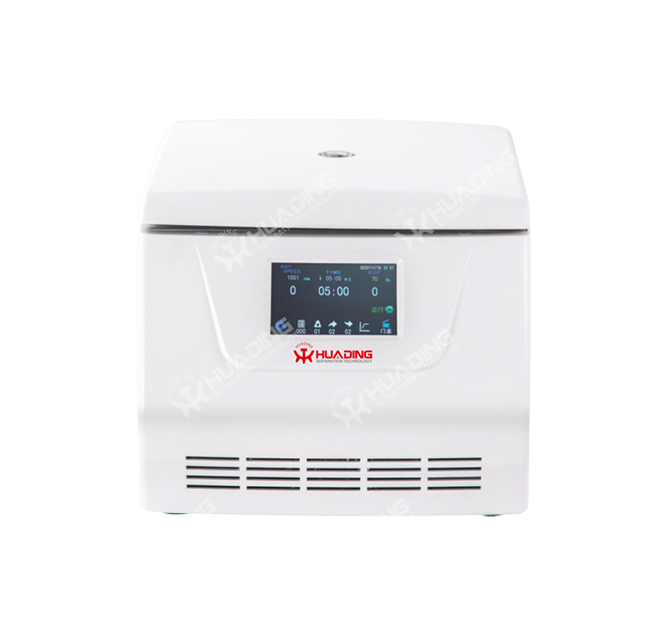
To help engineers select the most suitable equipment based on specific process requirements, the following table lists the performance parameter comparisons of several common centrifugal separation devices in the industrial field:
| Indicator | Decanter Centrifuge | Tubular Centrifuge | Disc Stack Separator |
|---|---|---|---|
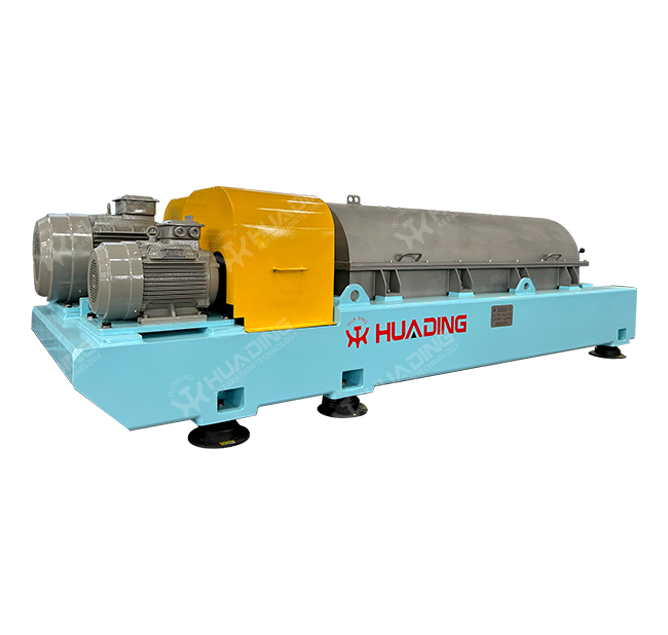
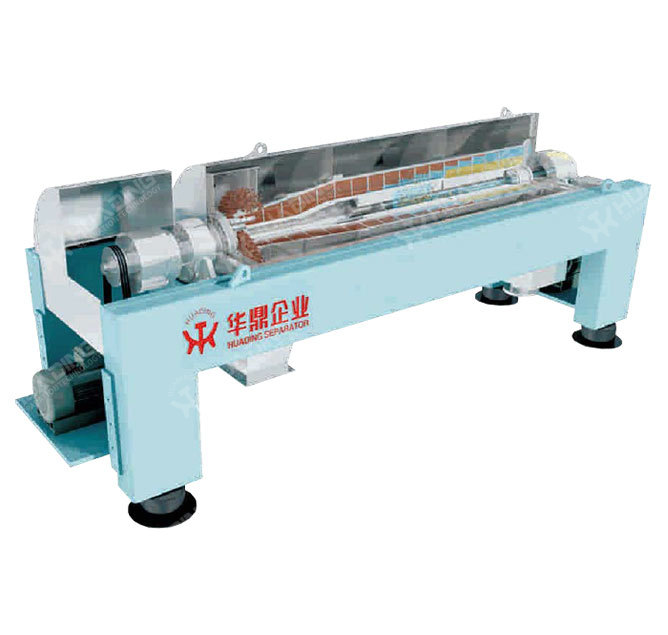
| Main Function | Solid product centrifuge solid liquid separation | Fine liquid product clarification | Liquid Centrifuge (liquid-liquid and liquid-liquid-solid separation) |
| Rotational Speed (RPM) | 2,000 - 4,500 | 15,000 - 20,000 | 5,000 - 10,000 |
| Centrifugal Force (G) | 3,000 - 4,000 | 13,000 - 17,000 | 6,000 - 12,000 |
| Solids Content Handling | 0.5% - 40% | less than 1% | less than 5% |
| Operation Mode | Continuous feeding, continuous discharging | Intermittent solids discharging | Automatic/Semi-automatic continuous discharging |
In actual production, users often face problems with uneven particle size distribution or easy emulsification of materials. The design advantage of the solid liquid centrifuge lies in its adjustability. By changing the rotational speed of the drum or adjusting the differential speed, the dryness of the solid cake layer and the clarity of the liquid phase can be precisely controlled.
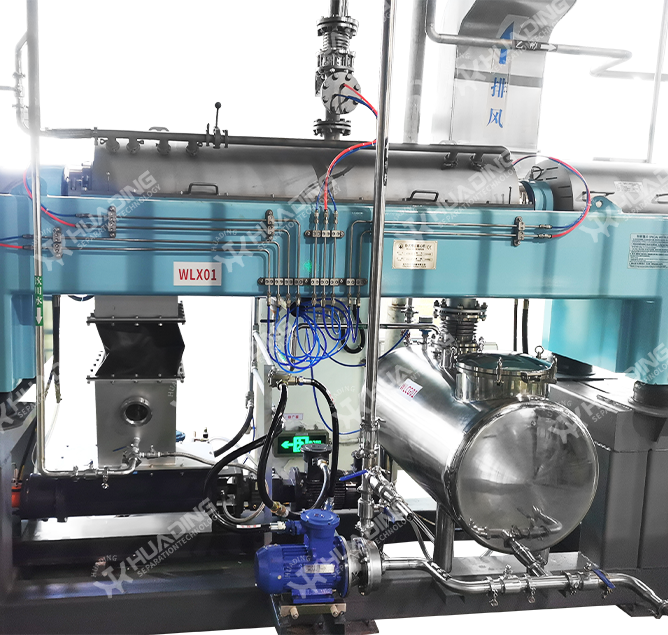
For example, during the extraction of chemical intermediates, the centrifuge liquid system needs to handle corrosive solvents. In this case, the choice of equipment material (such as duplex stainless steel or titanium alloy) and the reliability of the sealing system are crucial. High-quality centrifugal equipment not only solves the problem of incomplete separation but also effectively prevents solvent volatilization, ensuring the safety of the operating environment.
Achieving high-quality centrifuge solid liquid separation depends not only on high rotational speed but also on the design of the internal flow field. Modern Liquid Centrifuge units use optimized feed distributors, which can reduce the shear force when the material enters the drum, which is vital for protecting biologically active substances or fragile crystals.
Acceleration Phase: The material enters through the center feed pipe and smoothly reaches synchronous rotation speed under the action of the acceleration cone, reducing turbulence.
Sedimentation Phase: Solids are pressed against the wall under strong centrifugal force, forming a dense solid phase layer.
Compression and Discharge: The internal screw conveyor of the solid liquid centrifuge pushes the solid phase toward the drying zone at a specific differential speed for further dehydration before being discharged from the machine.
To ensure the long-term stable operation of the centrifuge liquid, users need to focus on the following core maintenance indicators:
Vibration Monitoring: Centrifuges are high-speed rotating equipment, and any uneven accumulation of solids will lead to the destruction of dynamic balance. Real-time vibration sensors are essential for preventing equipment damage.
Liquid Level Depth (Weir Plate Adjustment): By adjusting the diameter of the weir plate at the liquid outlet, the depth of the liquid pool inside the drum can be changed, directly affecting the clarity of the liquid phase.
Washing Function: In some centrifuge solid liquid separation processes, it is necessary to wash the solid phase while separating to remove impurities attached to the surface and improve product purity.
By deeply understanding these technical points, enterprises can significantly reduce energy consumption, reduce filter media consumption, and achieve higher levels of automation in complex production processes. Choosing the right centrifugal solution is an efficient way to solve liquid clarification and solid recovery problems.
Copyright ©Yixing Huading Machinery Co.,Ltd. All Rights Reserved. Custom Centrifugal Separator Factory