
 English
 русский
 Español
 عربى
عربى 中文简体
中文简体
WE ARE HAPPY TO SOLVE
PROBLEMS FOR CUSTOMERS
learn more >
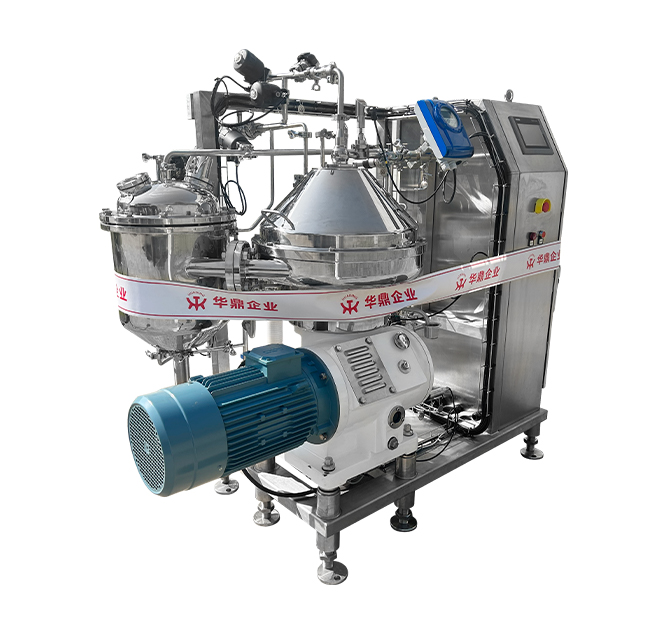
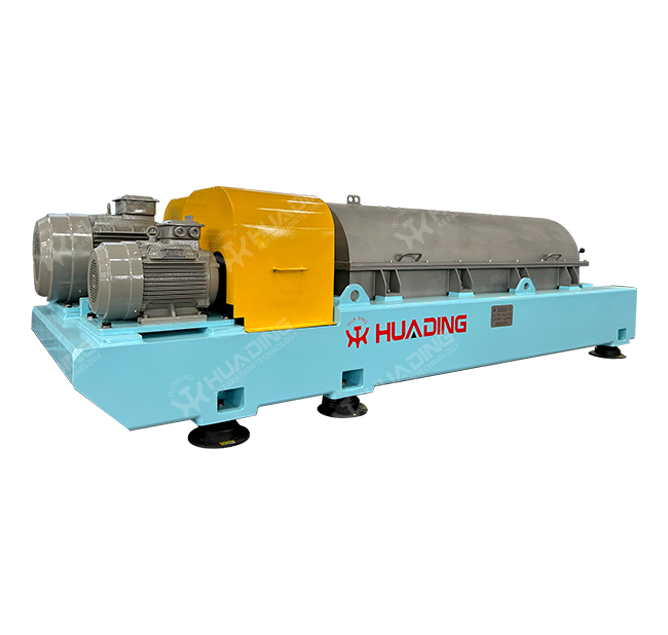
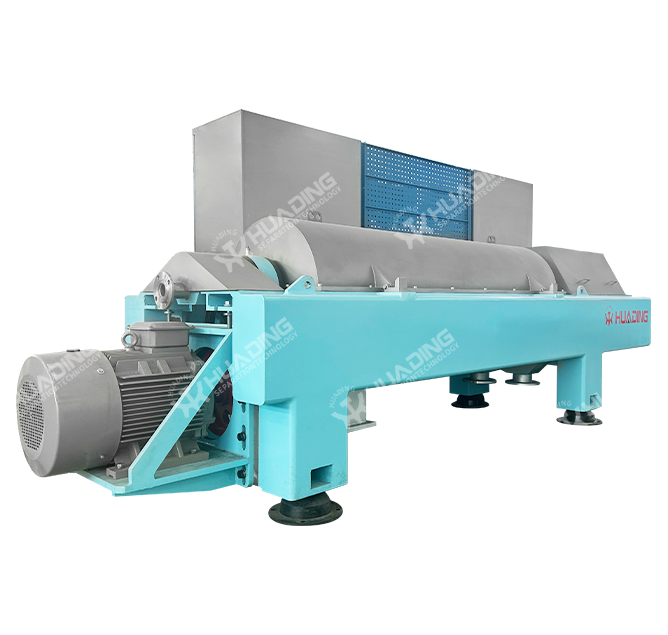
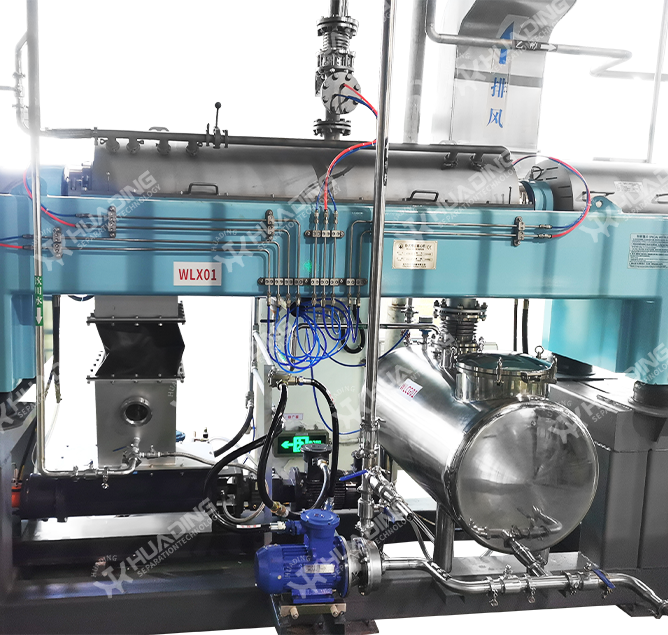
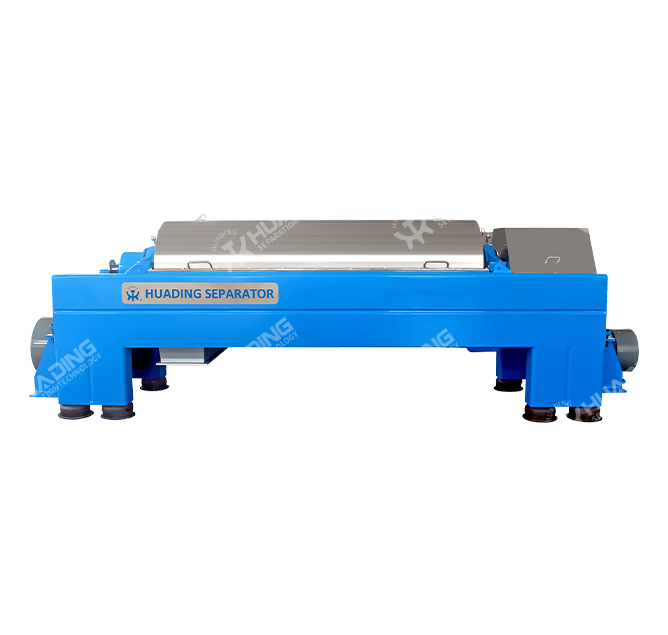
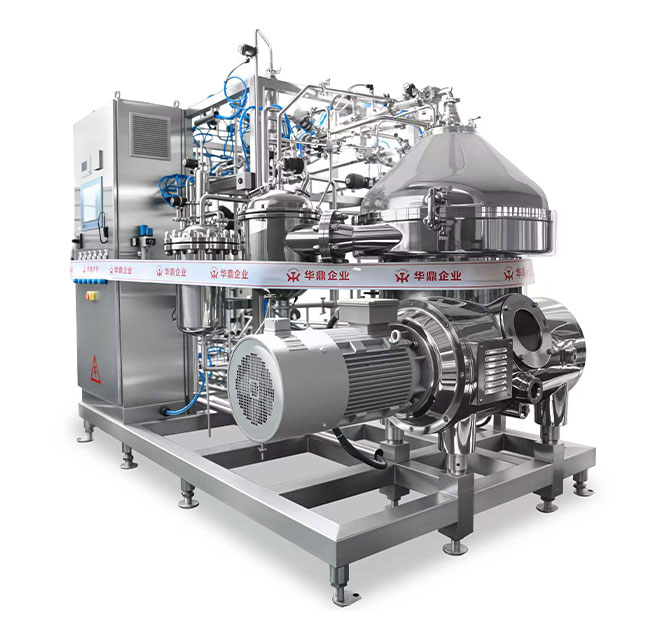
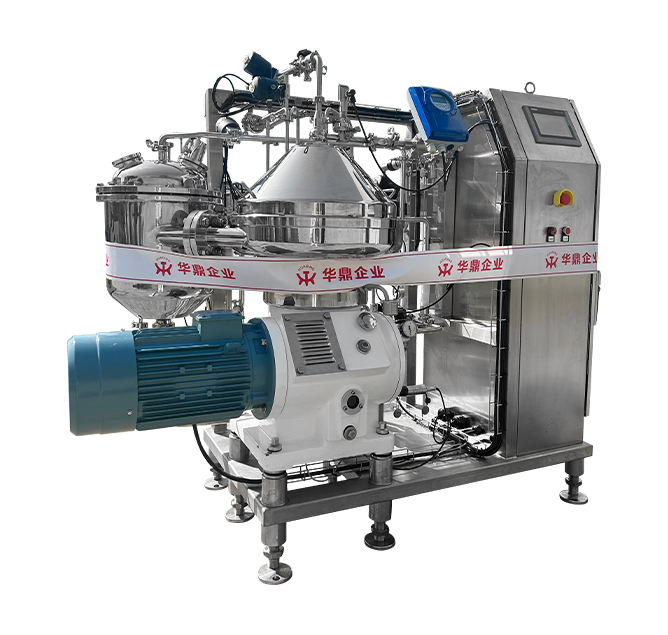
In the modern landscape of industrial processing, the demand for precision separation has never been higher. The decanter centrifuge has emerged as the definitive solution for continuous separation of solids from liquids. Whether dealing with municipal wastewater or complex chemical slurries, the decanter centrifuge machine provides a robust, automated, and high-capacity framework for modern factories.
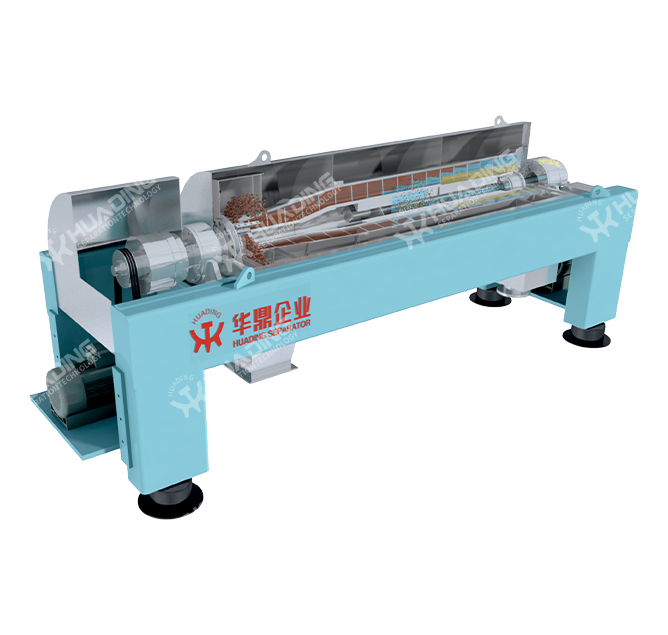
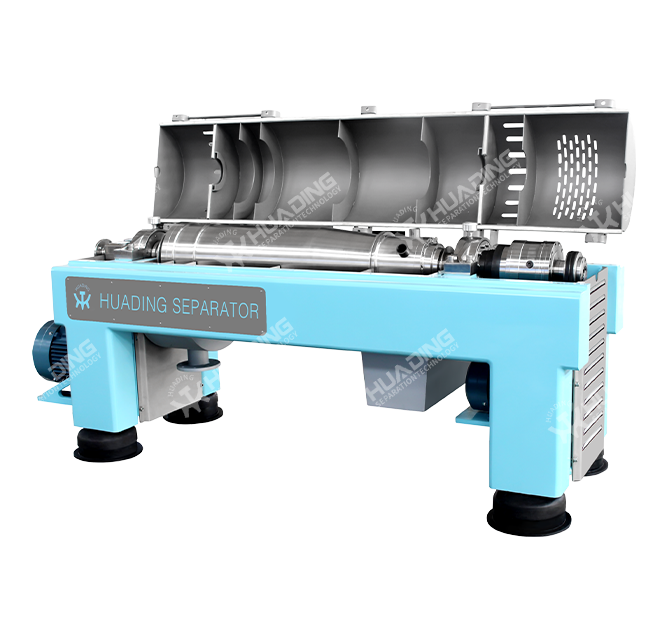
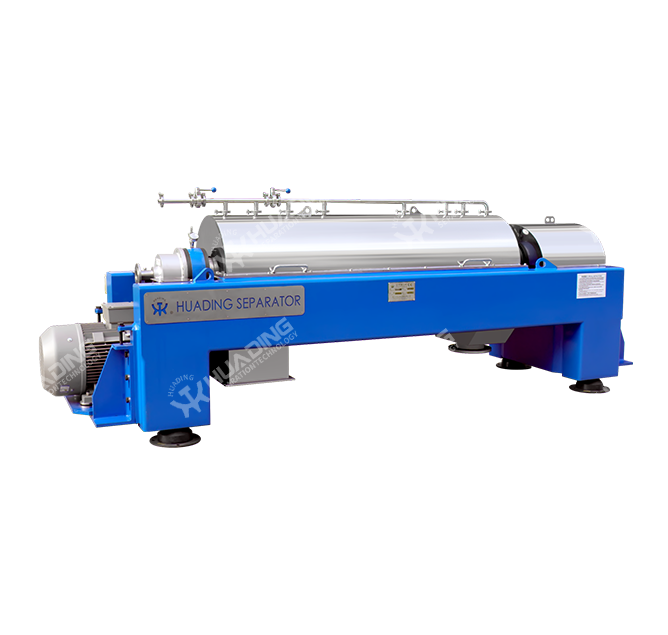
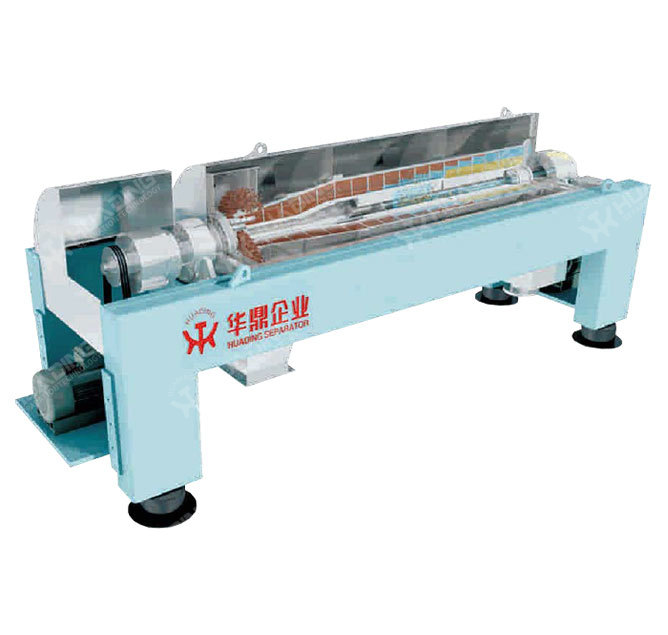
The solid bowl decanter centrifuge is engineered for maximum durability and separation force. At its heart lies a horizontal cylindrical bowl rotating at high speeds, creating a centrifugal force thousands of times stronger than gravity. Inside this bowl, a screw (also known as a scroll or conveyor) rotates at a slightly different speed. This internal screw is responsible for constantly pushing the collected solids toward the conical end of the bowl for discharge, ensuring the system never clogs during continuous operation.
Selecting the correct configuration depends entirely on the composition of the feed material. A two phase centrifuge is designed for standard liquid-solid separation, where the objective is to produce a clear liquid and a dry solid cake. However, many industrial processes, such as oil sludge treatment or fish oil extraction, require the separation of two immiscible liquids of different densities along with a solid phase. In these instances, the three phase decanter is the essential tool. The three phase decanter utilizes specialized discharge ports to isolate the light liquid phase (e.g., oil), the heavy liquid phase (e.g., water), and the solid particles in a single, streamlined process.
The efficiency of any decanter centrifuge machine is dictated by the decanter centrifuge differential speed. This term refers to the difference in rotational speed between the bowl and the internal conveyor. Adjusting the decanter centrifuge differential speed allows operators to control the "residence time" of the solids inside the machine. A lower differential speed typically results in a drier solid cake because the solids remain under centrifugal force for a longer duration. Conversely, a higher differential speed increases the capacity of the machine to handle high-solids-content feed without overloading the motor torque.
When processing ultrafine particles, a standard machine may not suffice. This is where the high speed decanter centrifuge becomes necessary. Below is a technical comparison of performance parameters across different configurations:
| Feature | Standard Decanter Centrifuge | High Speed Decanter Centrifuge |
| G-Force (Separation Factor) | 1,500 - 3,000 G | 3,500 - 5,000+ G |
| Particle Size Capability | > 50 microns | 2 - 10 microns |
| Main Application | Waste Sludge, Large Particles | Fine Chemicals, Clarification |
| Installation Footprint | Horizontal - Large | Horizontal - Large |
To reduce downtime and ensure the longevity of a high speed decanter centrifuge, operators must monitor the feed consistency and the decanter centrifuge differential speed in real-time. Modern systems often use variable frequency drives (VFDs) to allow for instantaneous adjustments. By fine-tuning these parameters, the decanter centrifuge can adapt to fluctuating feed concentrations, ensuring that the moisture content of the solids and the clarity of the liquid phase remain within the required specifications for the specific industrial application.
Copyright ©Yixing Huading Machinery Co.,Ltd. All Rights Reserved. Custom Centrifugal Separator Factory