
 English
 русский
 Español
 عربى
عربى 中文简体
中文简体
WE ARE HAPPY TO SOLVE
PROBLEMS FOR CUSTOMERS
learn more >
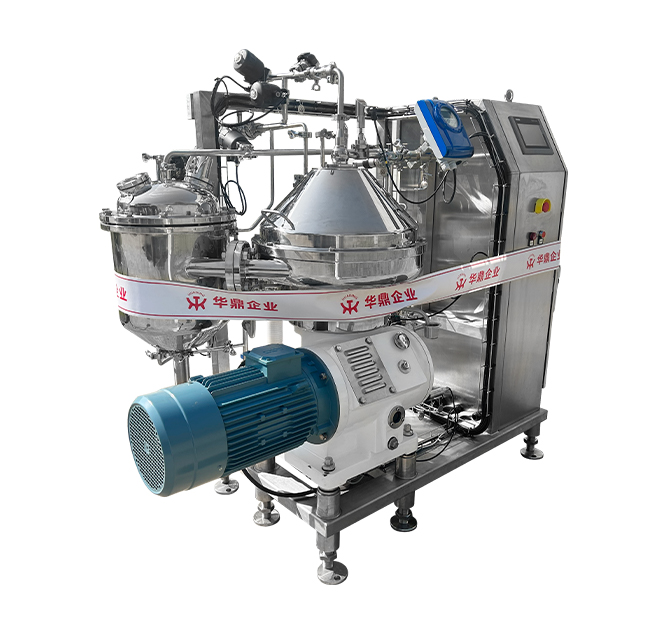
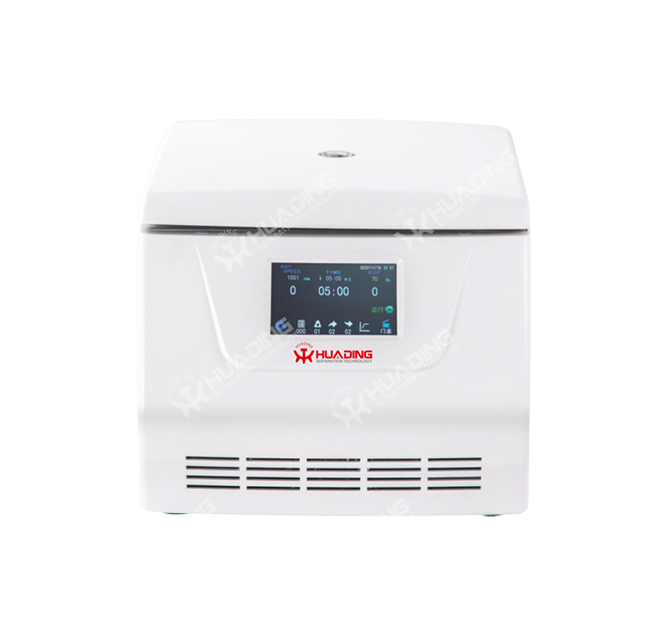
In the fields of biopharmaceuticals and precision chemicals, material separation, purification, and concentration are the core links that determine the quality of the final product. Centrifugation in pharmaceutical industry, as a physical means of phase separation based on density differences, is widely used in cell recovery, protein separation, and the washing and dehydration of Active Pharmaceutical Ingredients (API).
The core principle of a pharmaceutical centrifuge machine is to use the powerful centrifugal force generated by the high-speed rotation of the drum to accelerate the sedimentation speed of solid particles in the suspension, or to achieve the separation of two immiscible liquids. In pharmaceutical production, this centrifugal force often needs to reach thousands or even tens of thousands of times the acceleration of gravity to ensure the efficient interception of sub-micron particles.
The centrifugation process not only requires efficient separation capabilities but also must strictly comply with GMP (Good Manufacturing Practice) requirements. Equipment is usually designed with a fully enclosed structure, and parts in contact with materials must use 316L stainless steel or higher-grade anti-corrosion materials, equipped with CIP (Cleaning in Place) and SIP (Sterilization in Place) systems to prevent cross-contamination between batches.
For different material characteristics (such as viscosity, particle size, solid content, etc.), the selection of types of centrifuge in pharmaceutical industry is crucial. The following are several mainstream industrial centrifuge types:
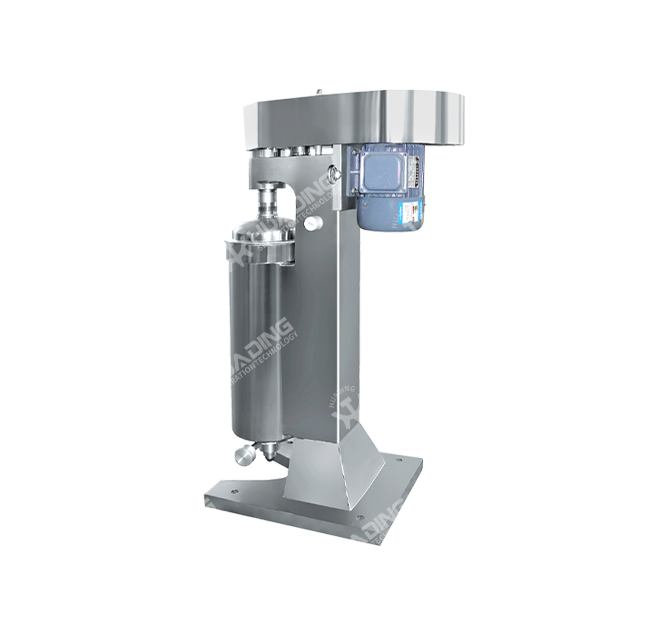
This is a high-speed equipment with a high separation factor, and the drum is long and tubular. It is mainly used for liquid-solid separation or liquid-liquid-solid three-phase separation with extremely low solid content (usually less than 1%). In vaccine production and the clarification of traditional Chinese medicine extracts, tubular centrifuges can effectively remove fine impurities.
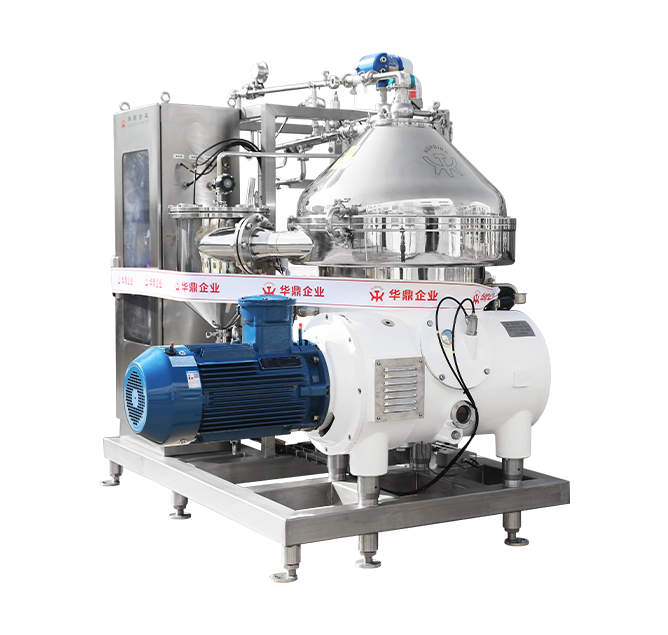
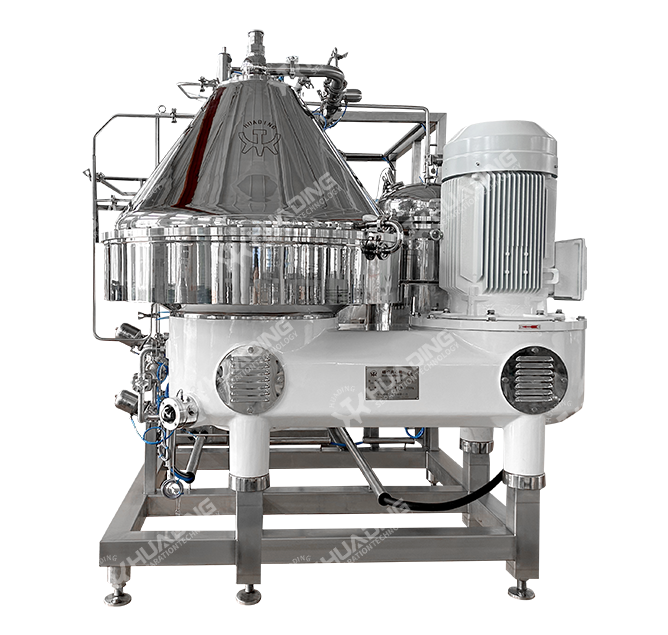
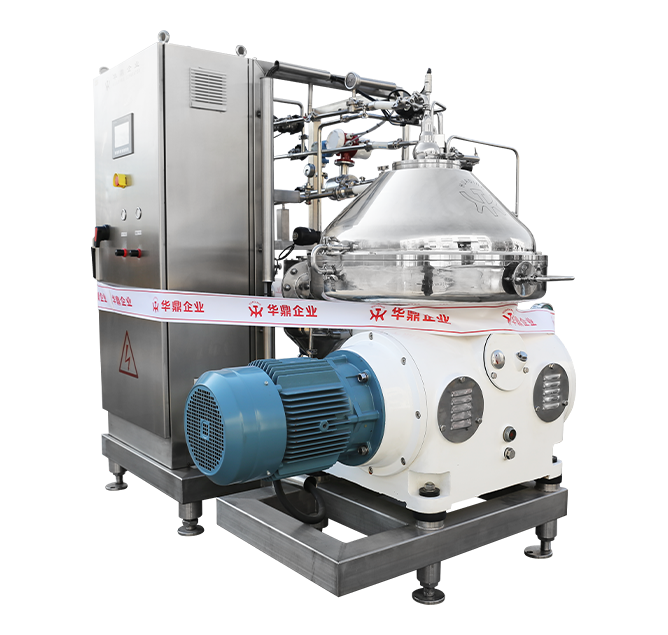
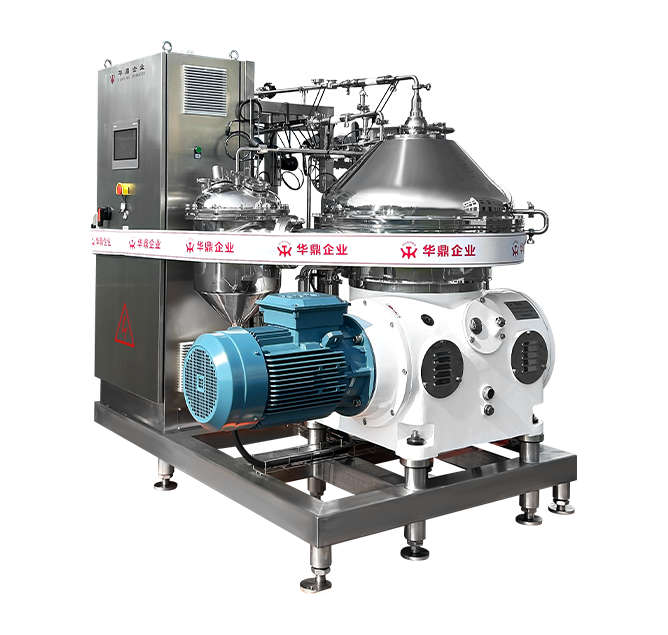
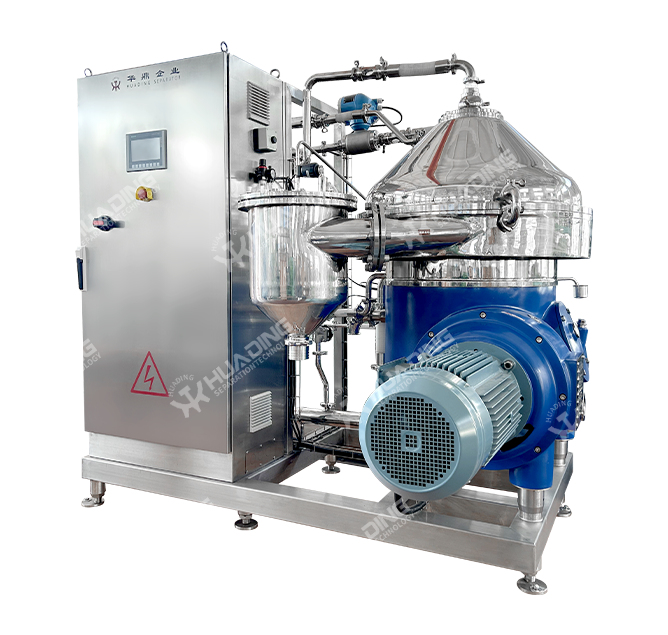
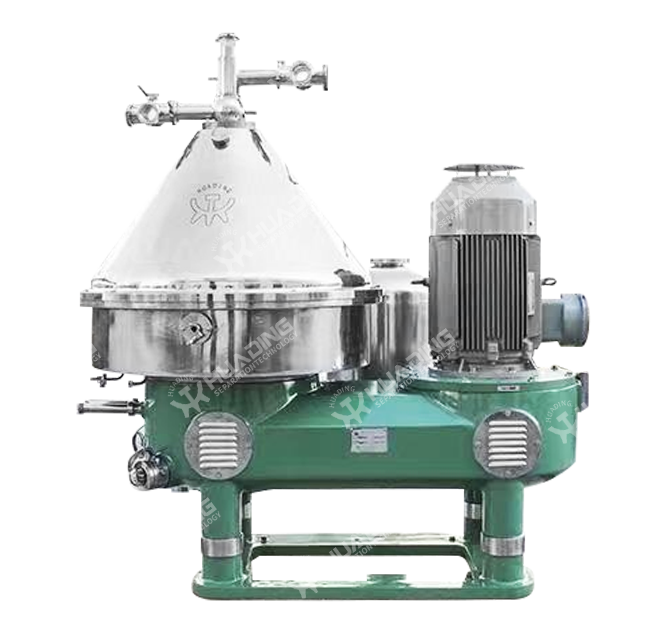
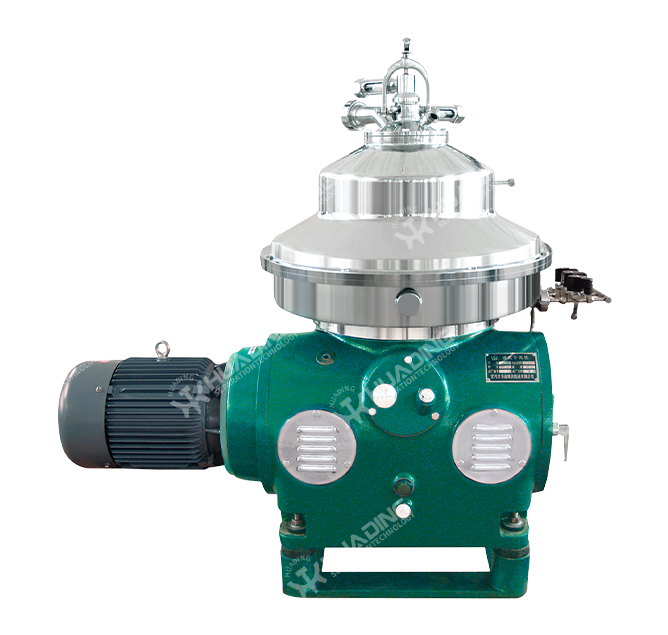
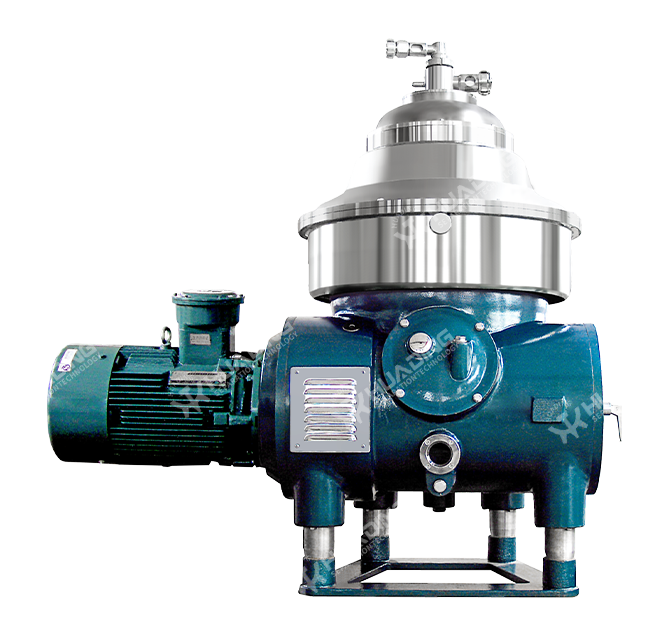
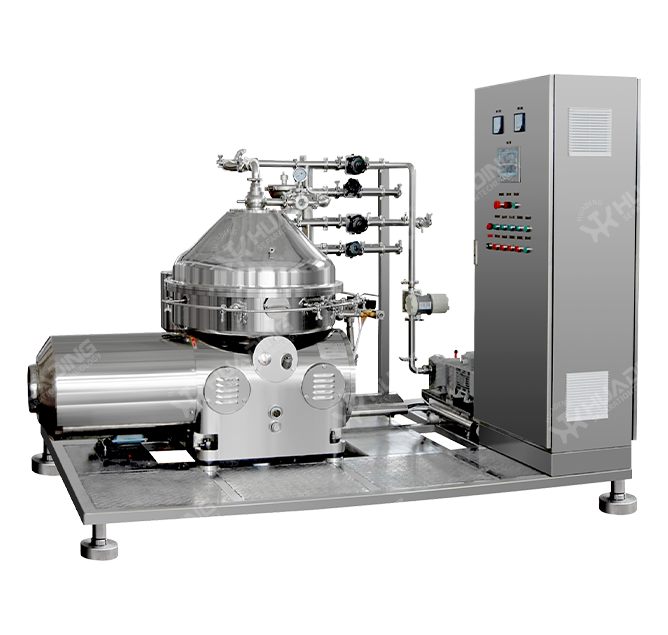
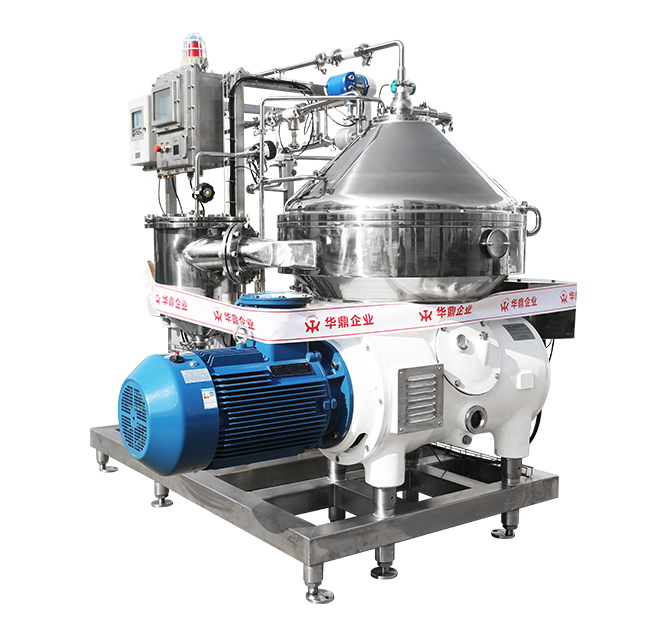
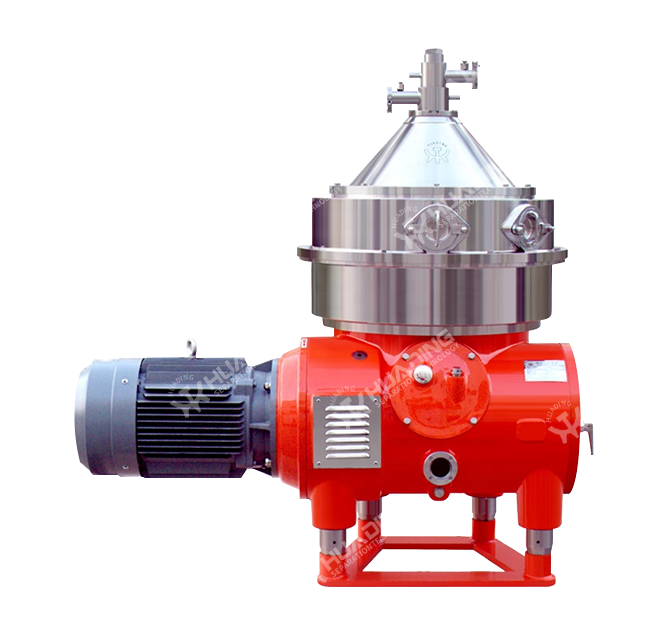
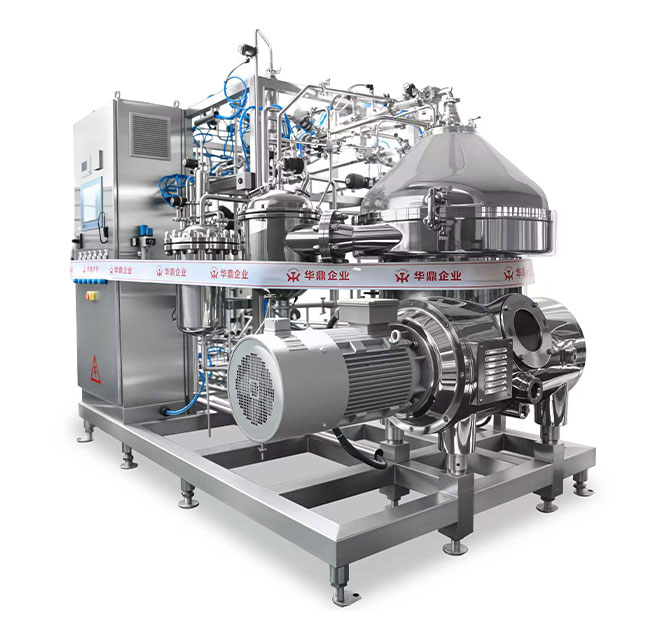
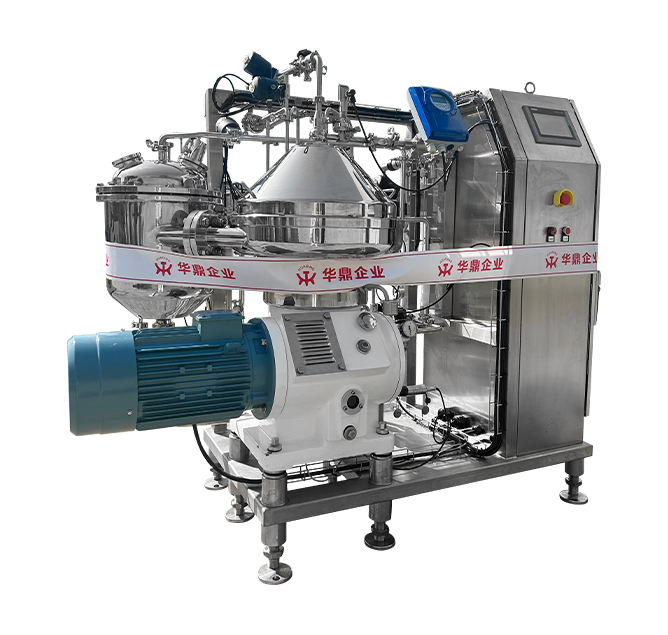
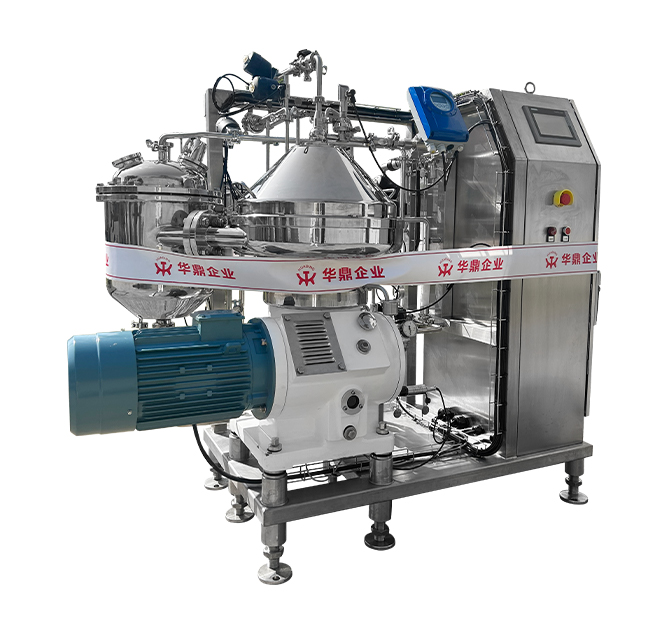
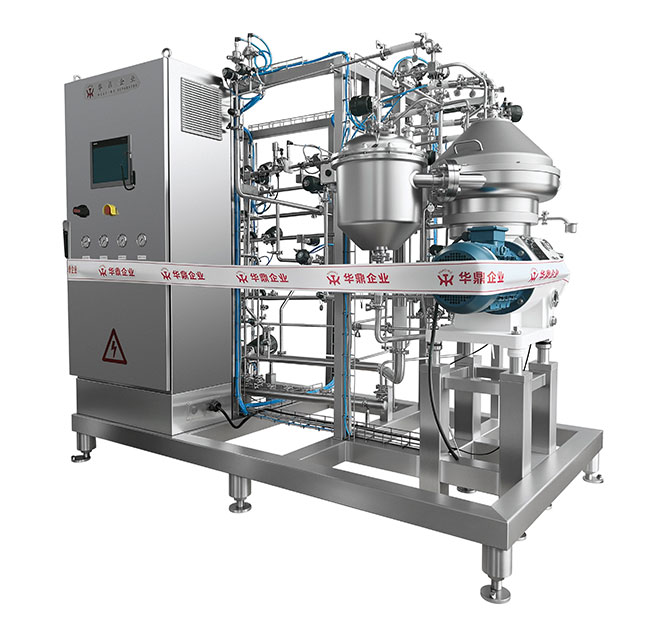
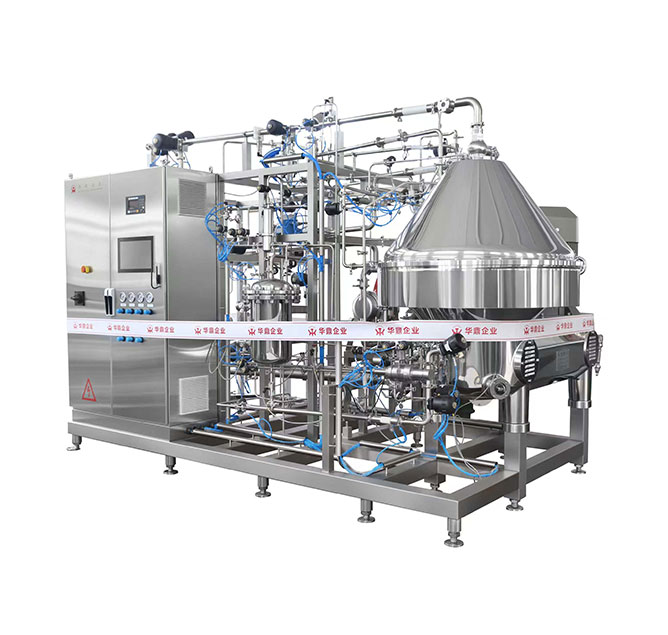
One of the most common types of Bio-pharmaceutical Centrifuge. Its interior stacks a series of conical discs, which greatly increases the sedimentation area. The disc stack separator supports continuous operation and can handle suspensions containing 1%-15% solids, making it the preferred equipment for cell harvesting and fermentation broth clarification.
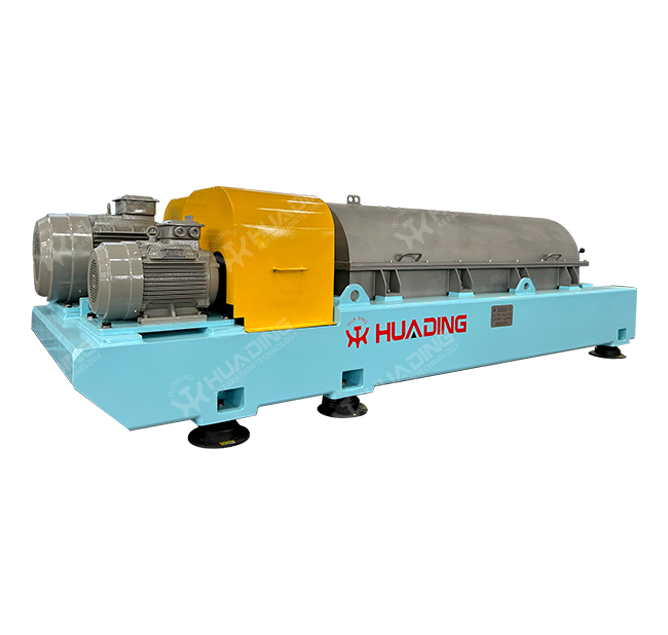
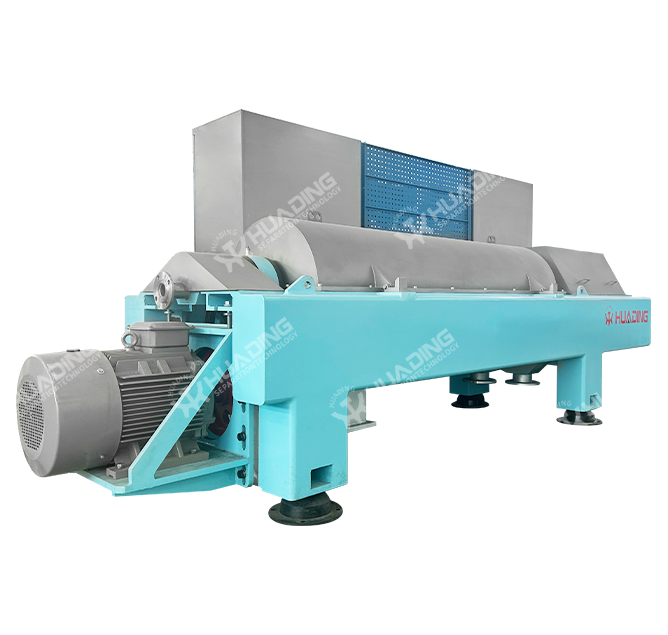
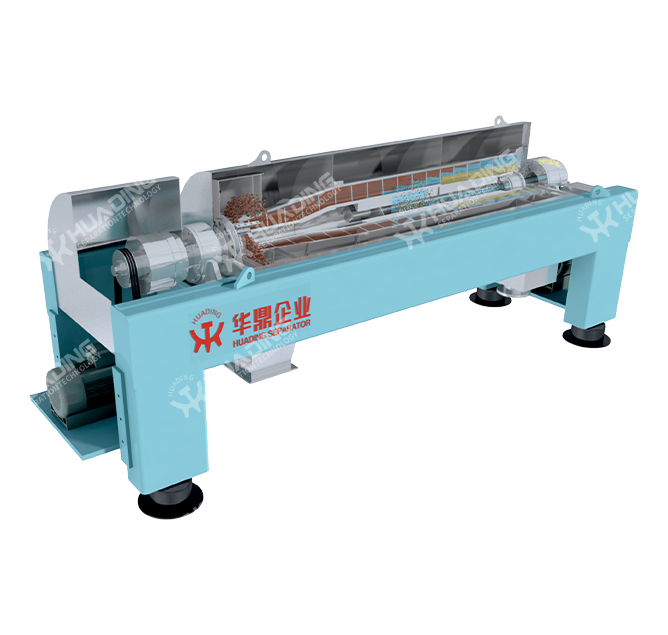
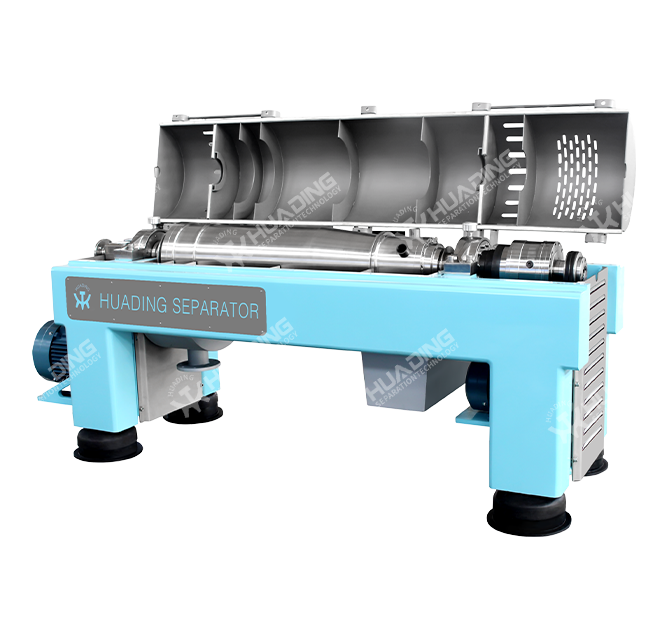
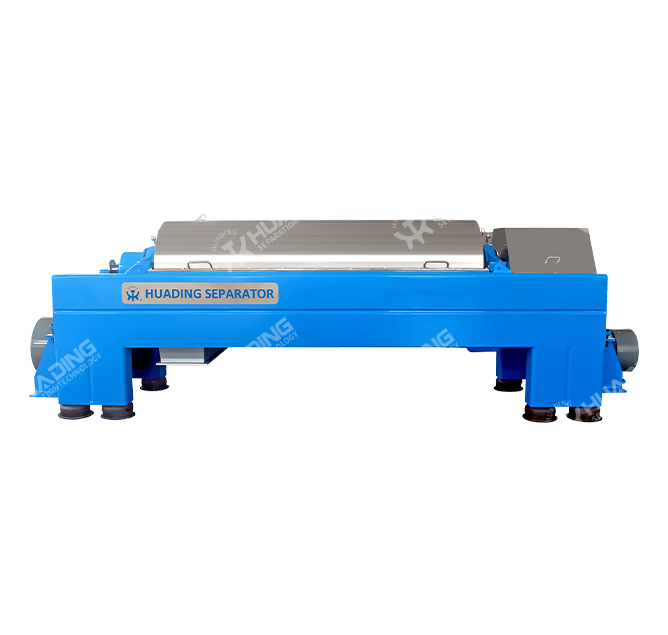
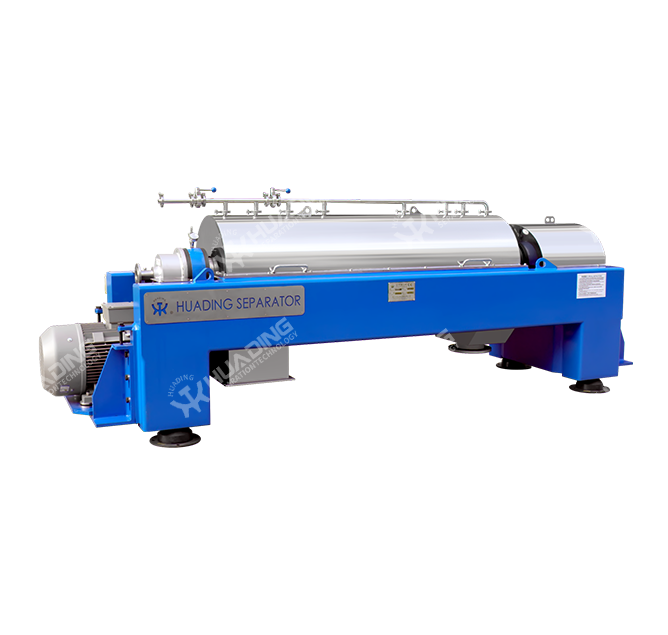
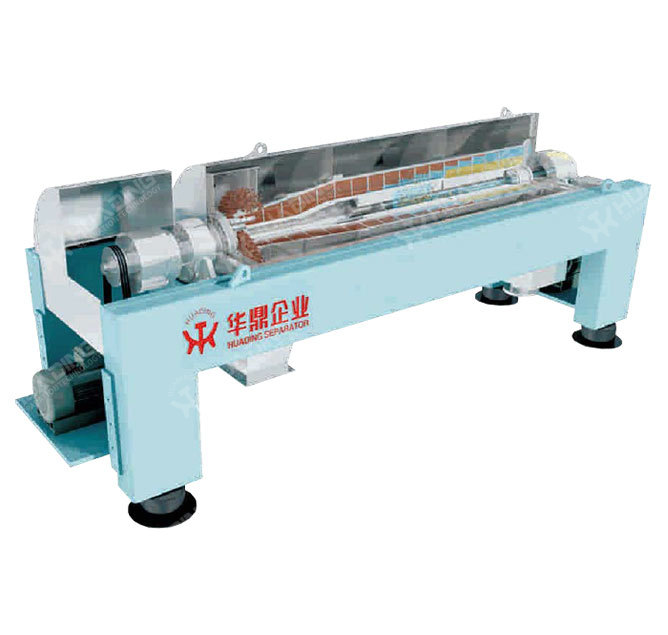
It is often used for the pretreatment of high-flow-rate, high-solids-content mixtures, with a wide range of treatment concentrations (5-40%), and can often be used in combination with disc separators for separation processes.
Mainly used for the dewatering of crystalline APIs. Solids are intercepted by the filter cloth, and the liquid is discharged through the filter cake under the action of centrifugal force. This type of machine emphasizes the protection of the crystal structure and thorough washing of the filter cake.
| Equipment Type | Separation Factor (G-Force) | Throughput | Applicable Solid Content | Automation Level | Typical Application |
| Tubular Centrifuge | 13,000 - 20,000 | Small | Less than 1% | Manual/Semi-auto | Protein, Vaccine Clarification |
| Disc Separator | 5,000 - 12,000 | Large | 1% - 15% | Fully Automatic Continuous | Cell Recovery, Serum Separation |
| Decanter Centrifuge | 2,000 - 4,000 | Very Large | 5% - 40% | Fully Automatic Continuous | Concentration, Large-scale separation |
| Peeler Centrifuge | 1,000 - 3,000 | Medium | More than 10% | Batch/Fully Automatic | Crystal Washing, dewatering |
In actual operation, the efficiency of centrifugation in pharmaceutical industry depends not only on equipment performance but also on the fine control of process parameters.
Adjustment of the Separation Factor: The separation factor is proportional to the square of the rotation speed. For active-sensitive biological macromolecules, excessive centrifugal force may cause protein denaturation, so a balance must be found between separation rate and activity retention.
Temperature Control: Since high-speed rotation generates frictional heat, Bio-pharmaceutical Centrifuge is usually equipped with a jacket cooling system. Precise temperature control can prevent the failure of heat-sensitive drug components.
Feeding Speed: The flow rate directly determines the residence time of the material in the centrifugal field. By optimizing the feeding curve, the moisture content in the filter cake can be significantly reduced.
Every pharmaceutical centrifuge machine must undergo strict validation (IQ/OQ/PQ) before being put into production. Core concerns include:
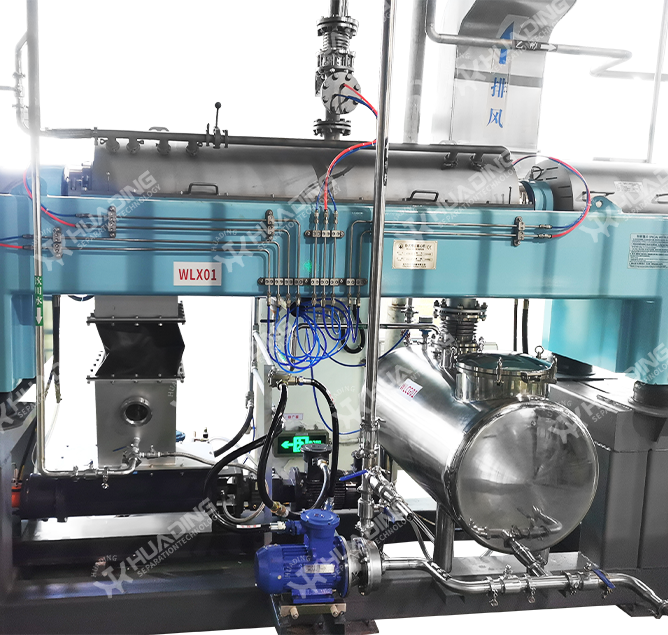
Explosion-proof Performance: For pharmaceutical processes involving organic solvents, the equipment should be configured with nitrogen protection systems and oxygen content monitoring.
Surface Roughness: The Ra value of the inner surface in contact with materials should usually be less than 0.4 microns to reduce bacterial growth.
Sealing Reliability: Use mechanical seals or labyrinth seals to ensure that biological hazardous substances do not leak into the operating environment.
Through a deep understanding and scientific application of types of centrifuge in pharmaceutical industry, pharmaceutical companies can significantly improve extraction purity and shorten production cycles. Choosing the right pharmaceutical centrifuge machine is not just an equipment procurement decision, but a deep optimization of the drug quality control system.
Copyright ©Yixing Huading Machinery Co.,Ltd. All Rights Reserved. Custom Centrifugal Separator Factory