
 English
 русский
 Español
 عربى
عربى 中文简体
中文简体
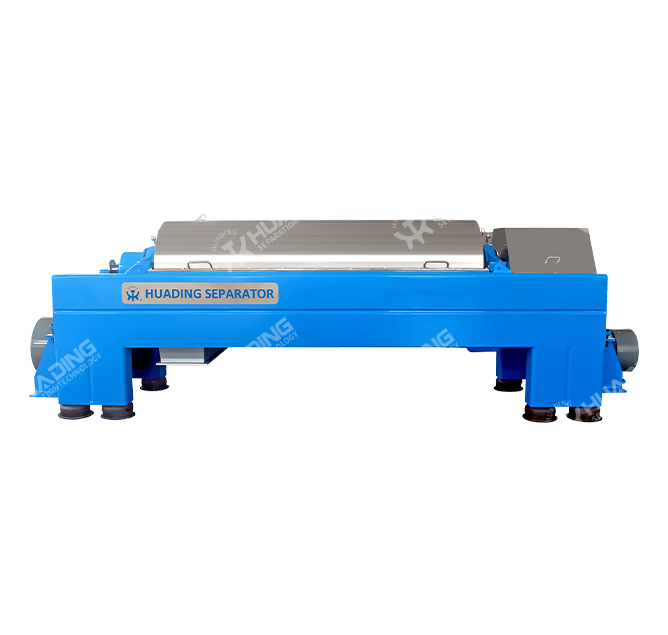
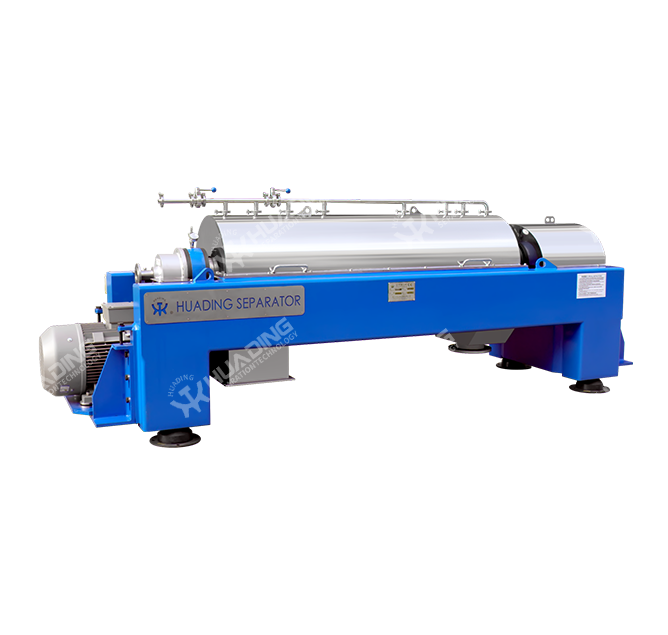
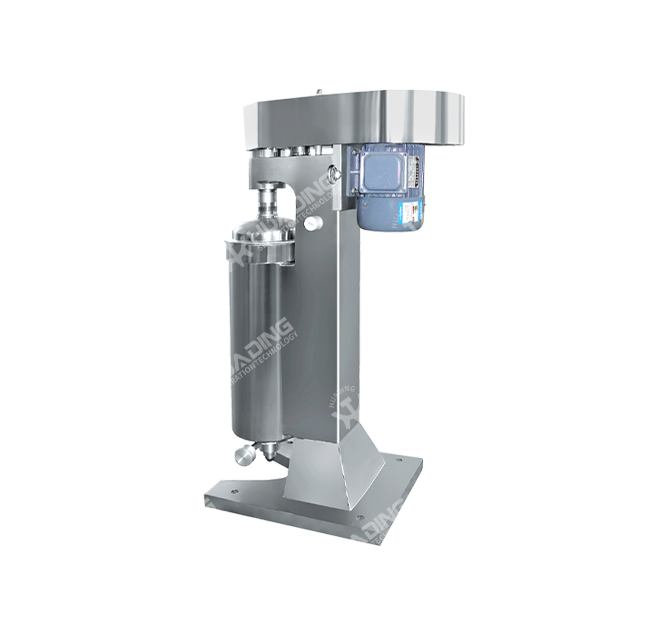
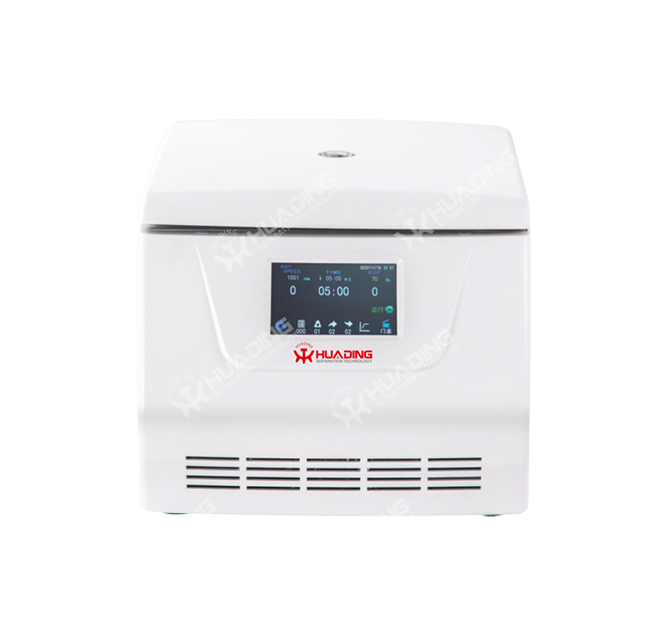
WE ARE HAPPY TO SOLVE
PROBLEMS FOR CUSTOMERS
learn more >
The core production process of biodiesel is transesterification. Under the influence of an alkaline catalyst (NaOH or KOH), triglycerides in vegetable oils or animal fats react with methanol to produce fatty acid methyl esters (FAME, or biodiesel) and glycerol (glycerin).
The stoichiometry of this reaction requires 3 mol of methanol to react with 1 mol of triglyceride, producing 3 mol of biodiesel and 1 mol of glycerol. Upon completion, the product is not pure biodiesel but a complex mixture of multiple components.
The glycerol phase acts as the "waste collection layer" of the process, containing approximately 90% of the catalyst and 70% of the excess methanol. Similarly, the biodiesel phase contains contaminants such as soaps, residual methanol, free glycerol, and residual catalysts.
For every ton of biodiesel produced, approximately 100 kg of glycerol is generated as a byproduct. Crude glycerol contains methanol, soaps, salts, FAME, and other organic impurities, making the thorough separation of biodiesel and glycerol a critical step for product quality.
In batch processing, gravity settling is commonly used: after the reaction, the mixture rests until natural stratification occurs. Denser glycerol settles at the bottom, while biodiesel floats on top. However, this process typically takes 4 to 8 hours, resulting in very low production efficiency.
In laboratory settings, separation in a funnel may take up to 24 hours to complete. For industrial continuous flow production lines, such time costs are unacceptable. In these facilities, the separation rate in settling tanks is too slow, necessitating the use of centrifuges as a replacement for gravity settling.
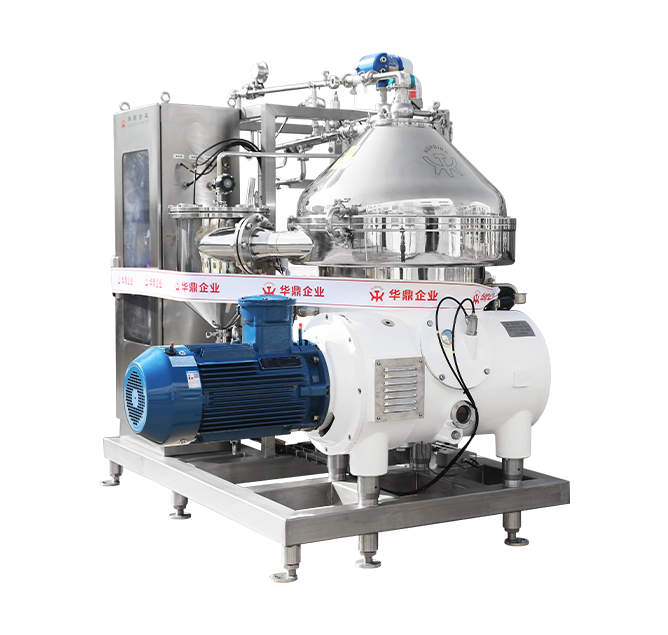
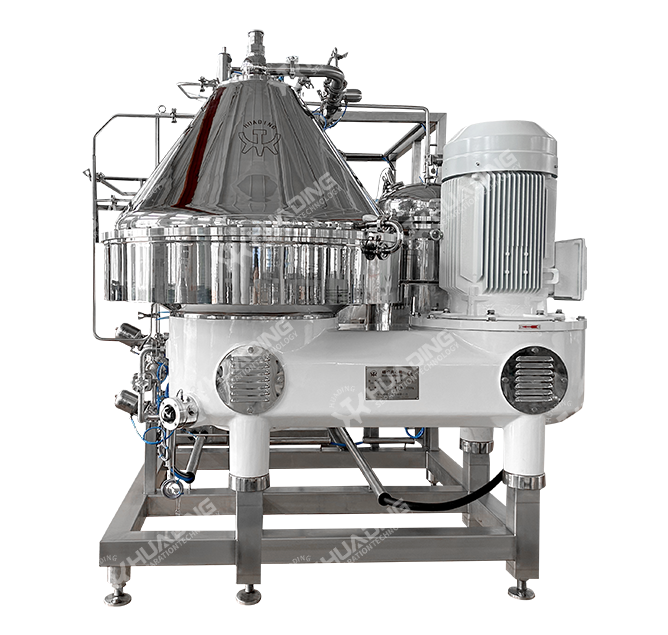
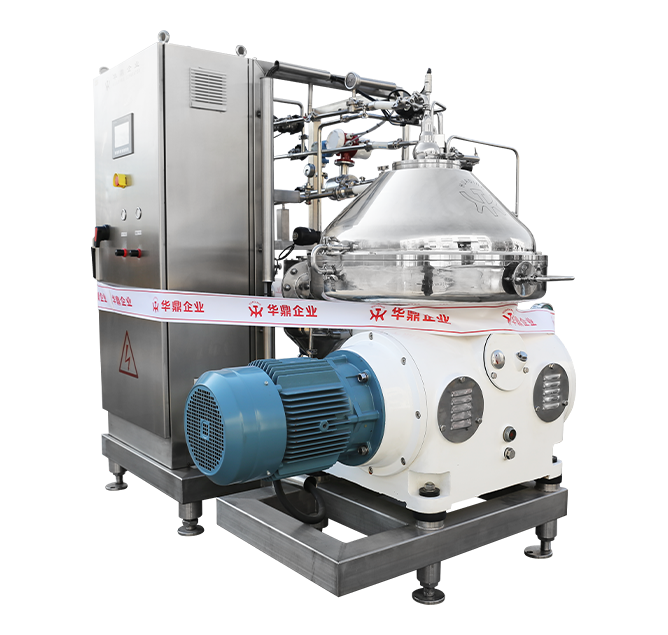
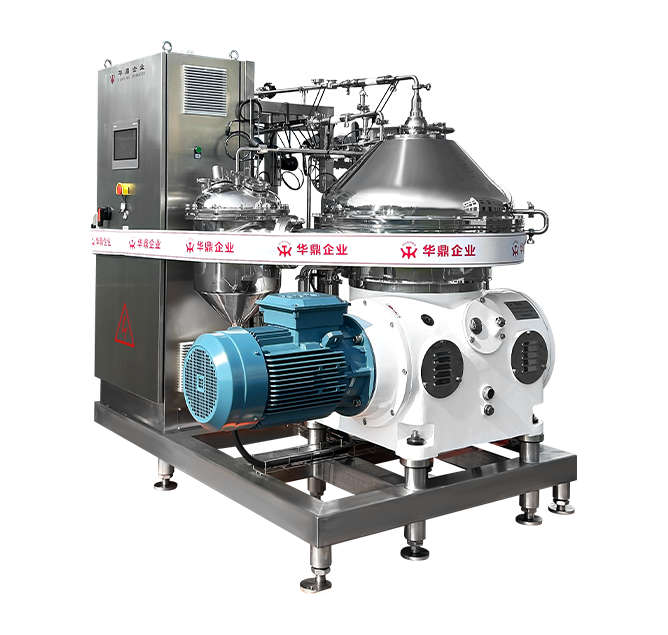
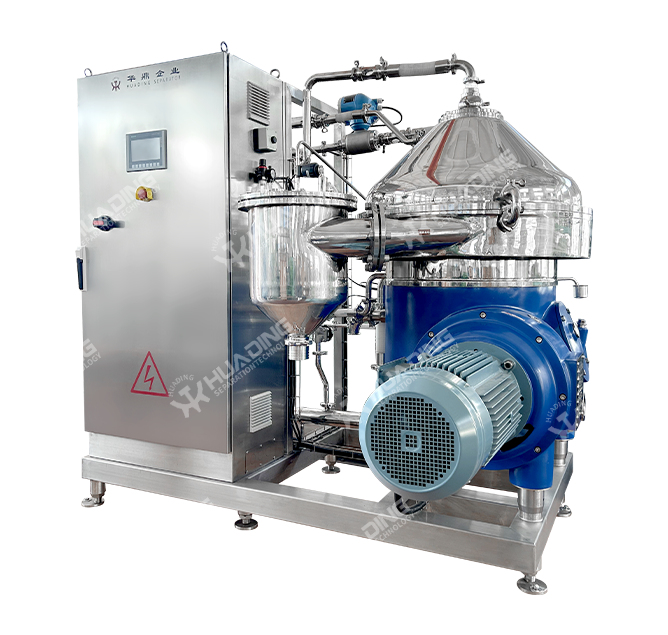
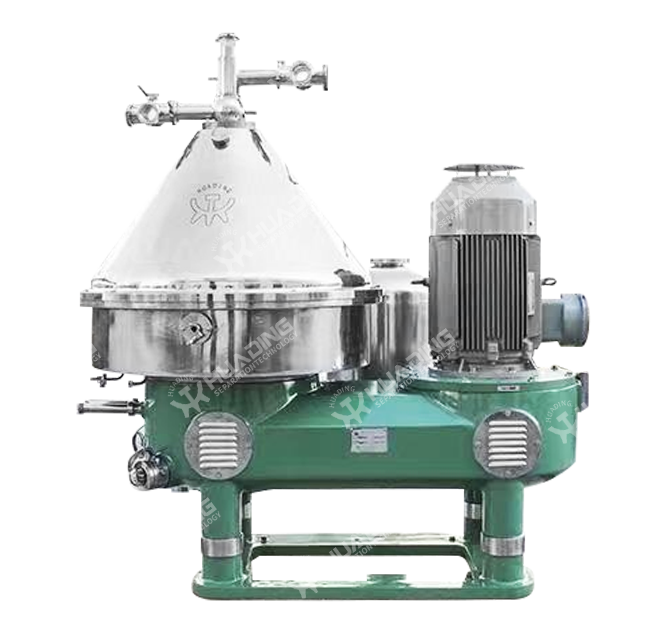
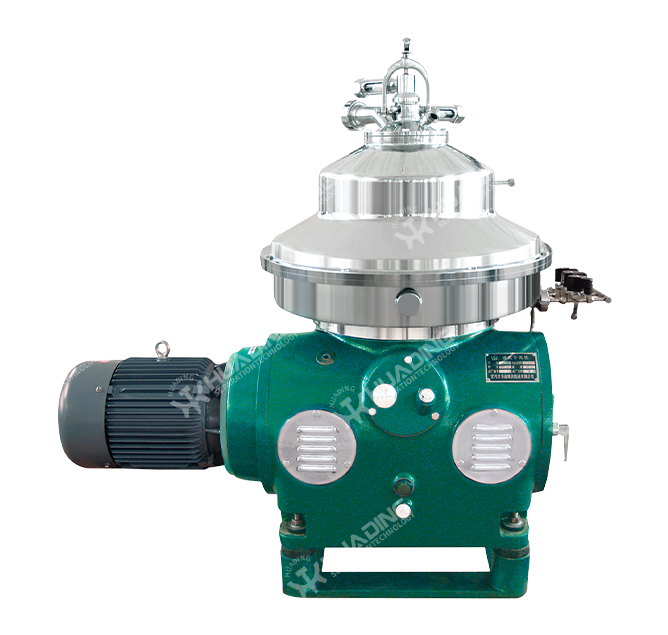
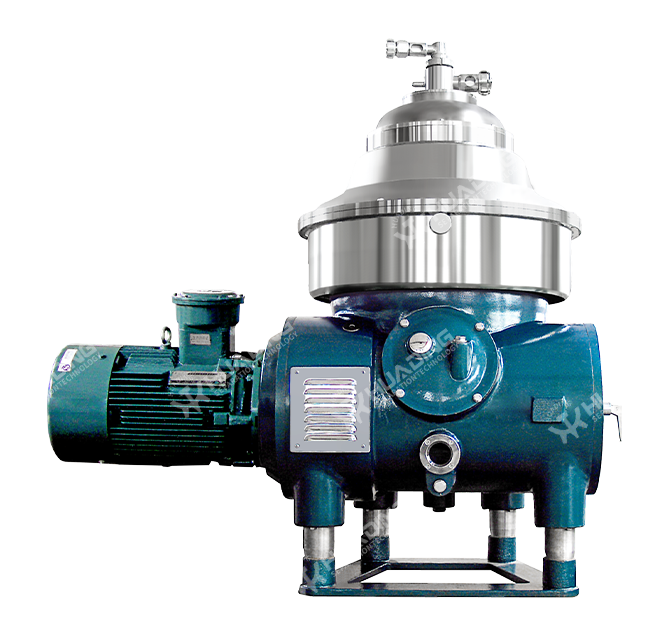
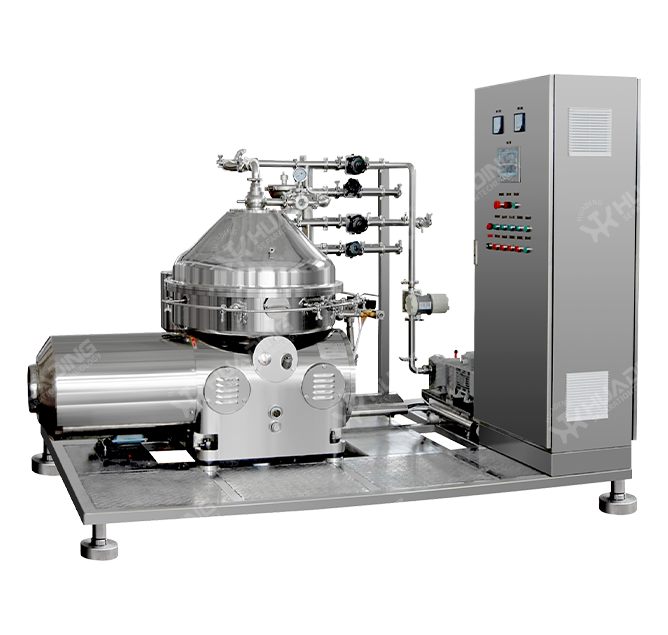
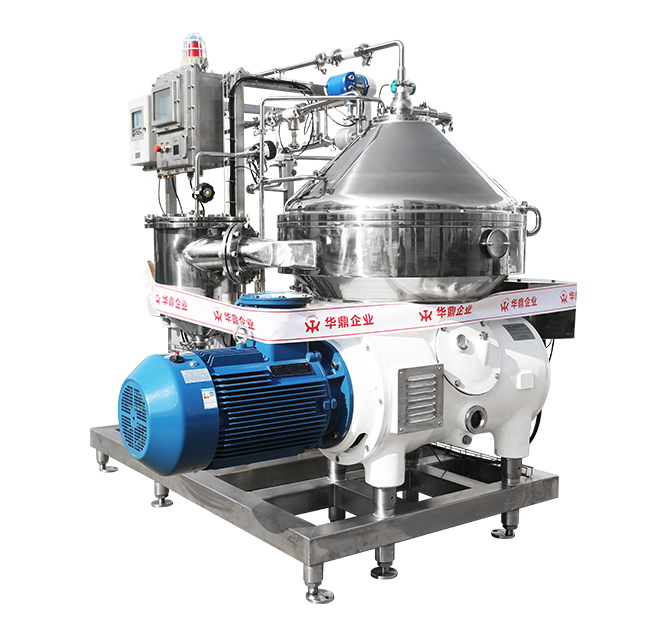
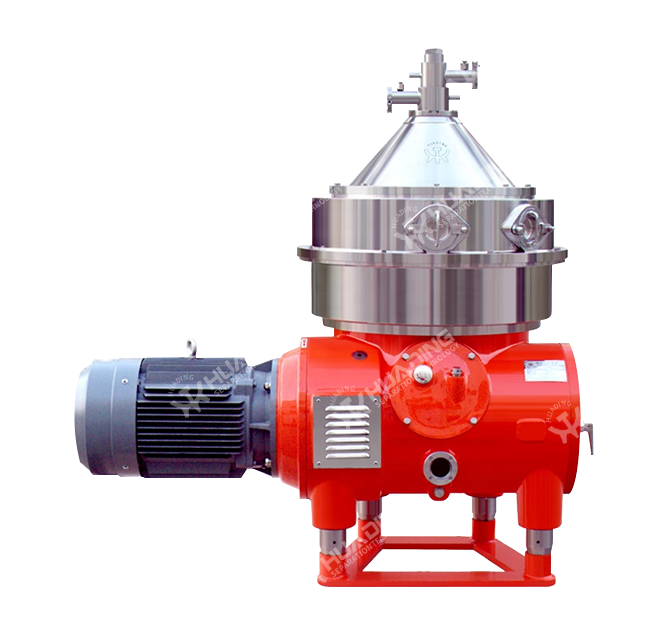
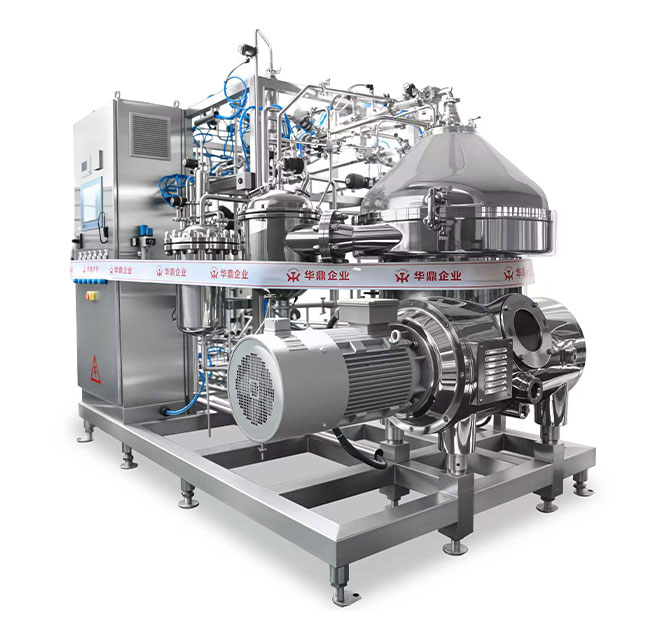
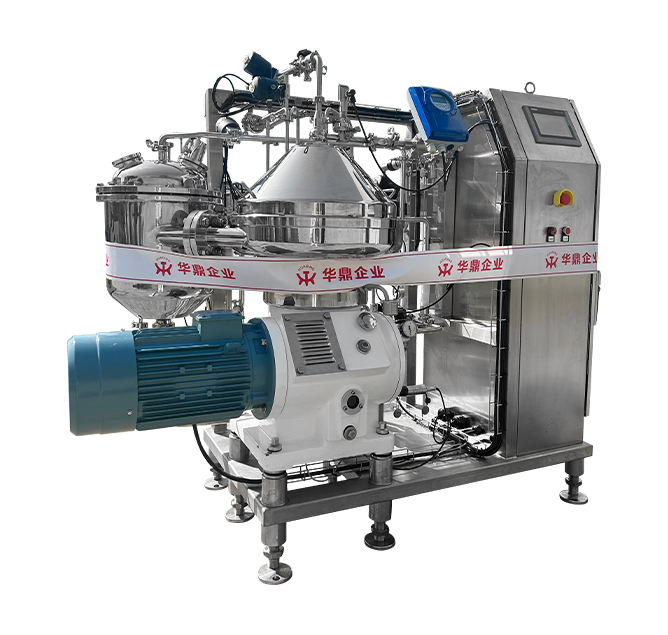
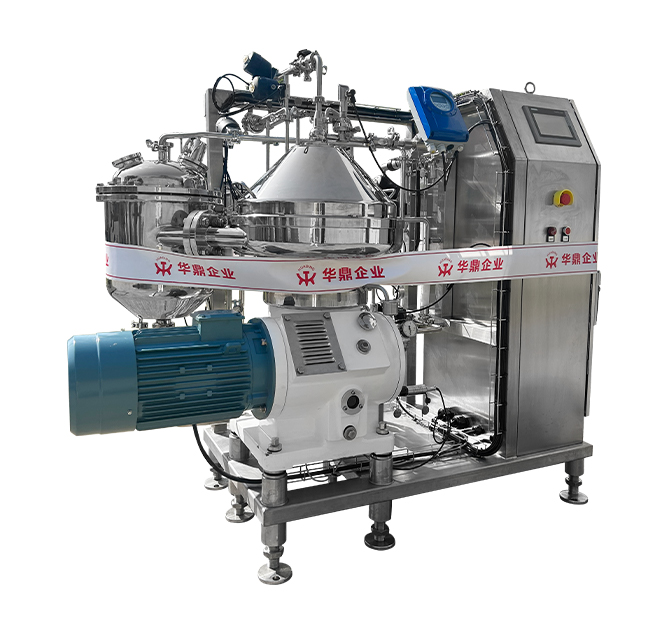
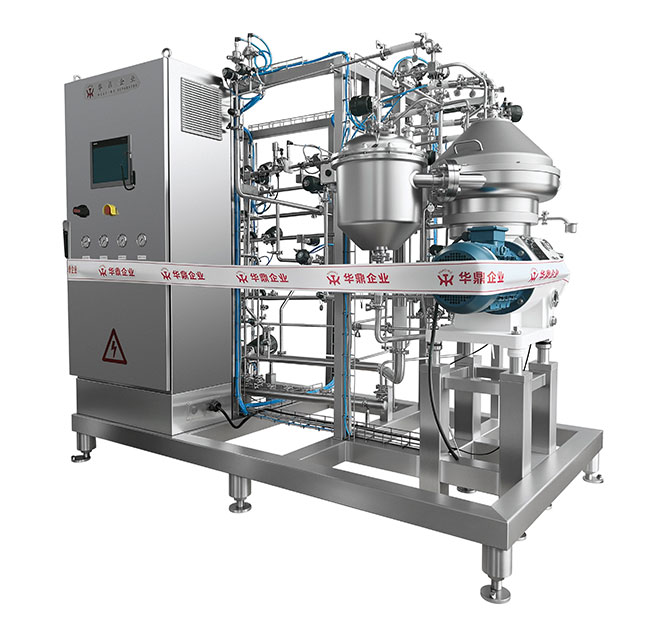
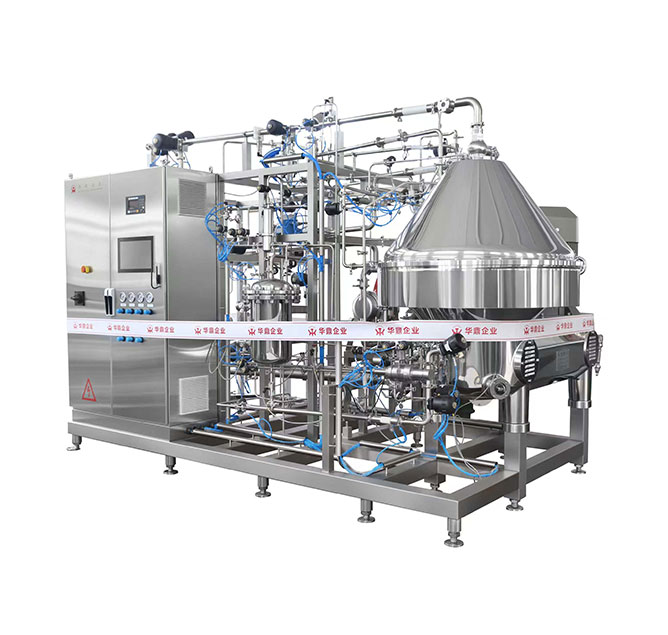
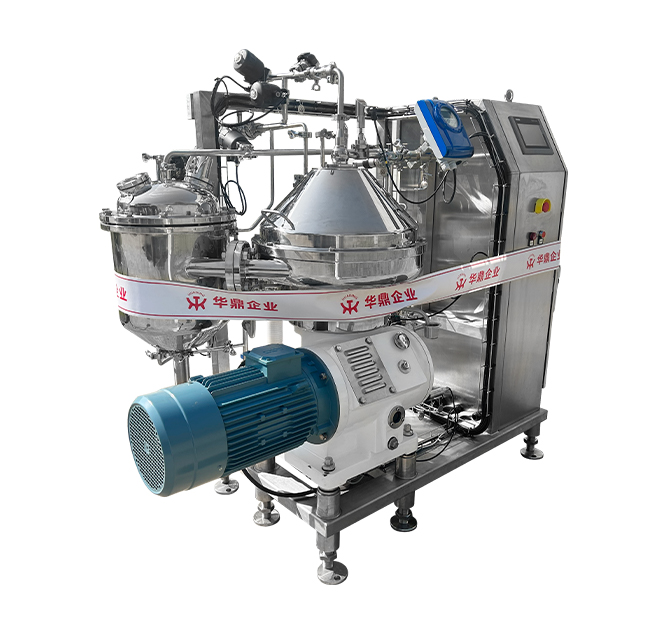
The biodiesel disc centrifuge relies on density differences to achieve high-efficiency separation. The core mechanism involves replacing the natural gravity field with a controllable, high-centrifugal force field.
By rotating the bowl at high speeds, centrifugal forces—thousands of times stronger than gravity—act on the liquids. Under this intense force, the denser components are pushed toward the outer walls of the bowl.
In this specific application, biodiesel has a density of approximately 0.88 g/cm³, while glycerol is approximately 1.26 g/cm³. The mixture is pumped into the center of the rotating bowl. The high G-force migrates the heavier glycerol toward the outer edge of the disc stack, where it exits through the heavy phase outlet. The lighter biodiesel (FAME) is forced toward the center axis and discharged through the light phase outlet via a centripetal pump under backpressure.
The defining feature of a biodiesel disc centrifuge is the disc stack. Inside the bowl, a series of conical metal discs are stacked closely together, creating narrow gaps (typically 0.3–1.5 mm).
Each gap acts as an independent thin-layer separation unit. Compared to a large open bowl, the disc stack reduces the settling distance from tens of centimeters to less than 1 millimeter. Glycerol droplets only need to travel a tiny distance to be separated, drastically increasing the separation rate and precision.
This design essentially divides a large settling space into hundreds of parallel thin-layer spaces, significantly expanding the effective settling area and allowing high flow rates without sacrificing efficiency.
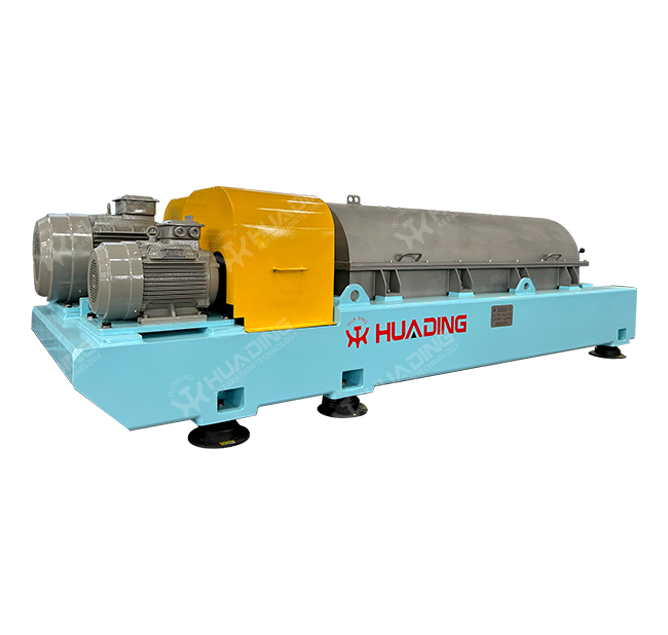
Industrial biodiesel disc centrifuges are often configured for three-phase separation, allowing the equipment to simultaneously handle biodiesel (light liquid phase), glycerol/water (heavy liquid phase), and solid particles (solid phase).
To achieve optimal transesterification conversion, glycerol must be removed as quickly and completely as possible. In three-phase mode, solids—including catalyst residues and soap precipitates—accumulate at the bowl wall and are ejected through a self-cleaning discharge mechanism. This ensures continuous, automated operation without the need for manual cleaning or downtime.
The efficiency of glycerol separation depends on the precise regulation of several parameters:
Rotation Speed (RPM) and G-force: Separation efficiency is directly related to centrifugal force. However, excessive speeds (e.g., above 2,100 RPM) can cause shear emulsification, creating a stable emulsion that is harder to separate. Optimal speeds provide enough force to separate phases while maintaining a gentle flow.
Temperature: Increasing the feed temperature reduces the viscosity of both biodiesel and glycerol. Studies suggest an optimal temperature around 55°C. Temperatures that are too high may cause methanol to flash or alter the density ratios unfavorably.
Flow Rate: This determines the residence time in the disc gaps. If the flow is too high, glycerol droplets may be swept out before they can migrate to the heavy phase layer. If it is too low, productivity suffers.
Gravity Disc Selection: The gravity disc is a mechanical component that regulates the position of the liquid-liquid interface inside the bowl. Choosing the correct inner diameter is vital to prevent cross-contamination between the biodiesel and glycerol outlets.
| Parameter | Impact on Separation |
| Temperature (50–65°C) | Reduces viscosity; accelerates droplet migration. |
| G-Force | Determines the magnitude of the separation drive. |
| Residence Time | Determines if droplets have enough time to reach the disc surface. |
Glycerol separated by the centrifuge is a valuable byproduct. By distilling the separated glycerol, methanol can be recovered for reuse. Crude glycerol can be further purified through acidification and ion exchange to remove soaps and catalysts, turning it into high-purity glycerin for the pharmaceutical and cosmetic industries.
Gravity settling is limited by low yield, slow operation, and large equipment footprints. In contrast, the biodiesel disc centrifuge compresses separation time from hours to minutes. Its high G-force capabilities minimize biodiesel loss in the glycerol phase, directly increasing total yield. Furthermore, the self-cleaning design eliminates filter clogging issues associated with substances like sterol glucosides, reducing maintenance costs and operational downtime.
Copyright ©Yixing Huading Machinery Co.,Ltd. All Rights Reserved. Custom Centrifugal Separator Factory