
 English
 русский
 Español
 عربى
عربى 中文简体
中文简体
WE ARE HAPPY TO SOLVE
PROBLEMS FOR CUSTOMERS
learn more >
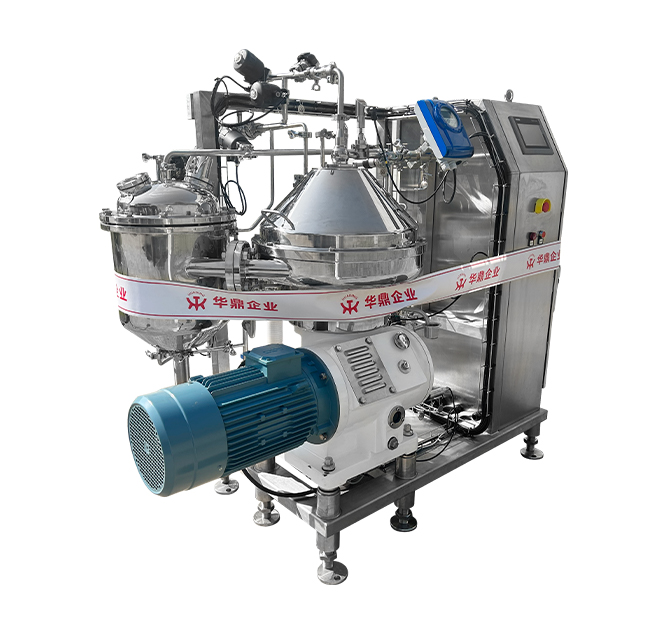
In industrial biodiesel production, the transesterification reaction does not yield pure biodiesel directly. Instead, the output is a complex mixture containing multiple impurities. Among these, soap and emulsions are the two most difficult to handle and have the greatest impact on final product quality.
During the transesterification process, impurities such as alcohol, catalyst, free glycerol, free fatty acids (FFA), water, metals, soap, and incompletely reacted glycerides are generated as byproducts. Soap forms when the alkaline catalyst (NaOH or KOH) reacts with free fatty acids in the feedstock through saponification, producing fatty acid salts. Soap is typically present in the water phase, formed by the interaction of oils and water in the presence of an alkaline catalyst.
The problem of emulsions is considerably more complex. The presence of detergents, soaps, and other surface-active agents is the root cause of emulsion formation, and such chemically bonded emulsions are extremely difficult to separate using conventional gravity settling methods. Once a stable emulsion forms, the interface between biodiesel and the water or glycerol phase disappears. Conventional settling tanks cannot break this structure, resulting in significant biodiesel losses to the wastewater phase and severely affecting product yield and purity.
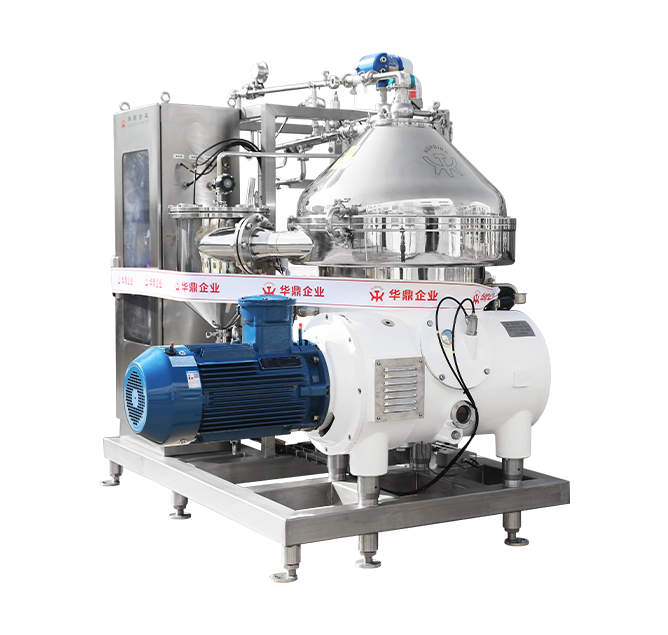
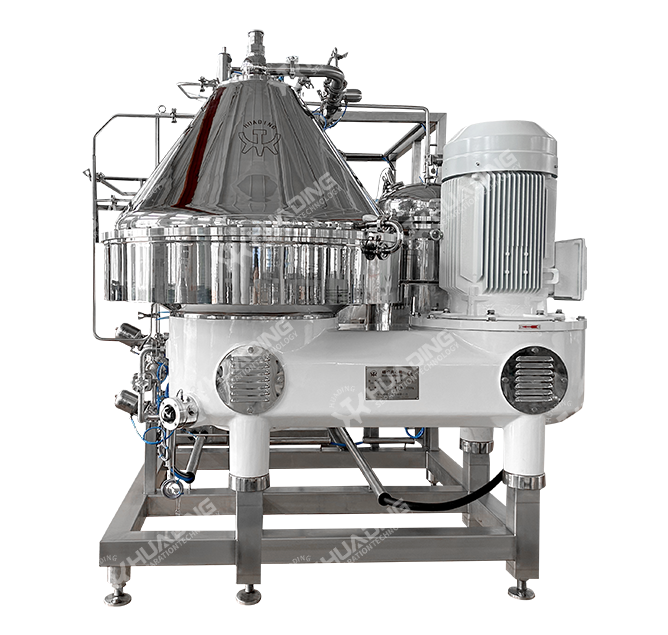
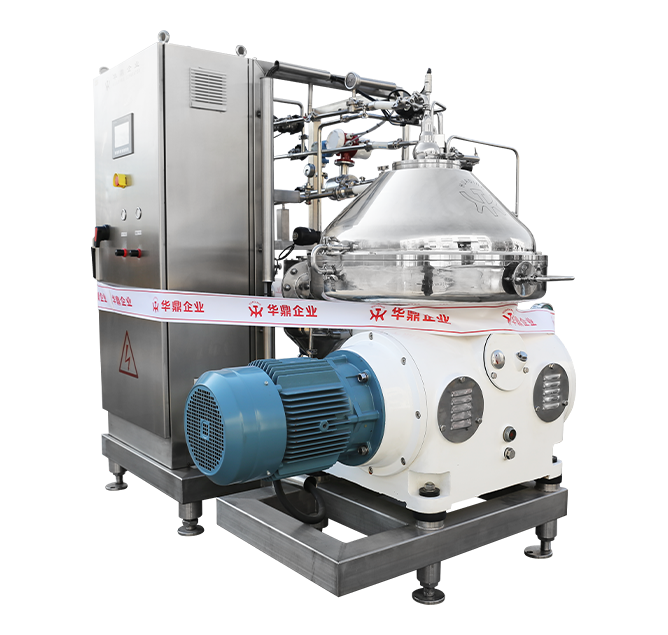
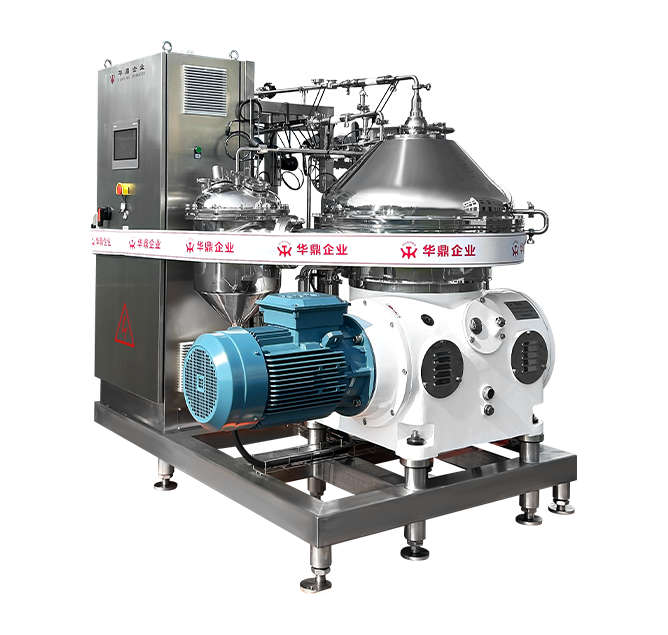
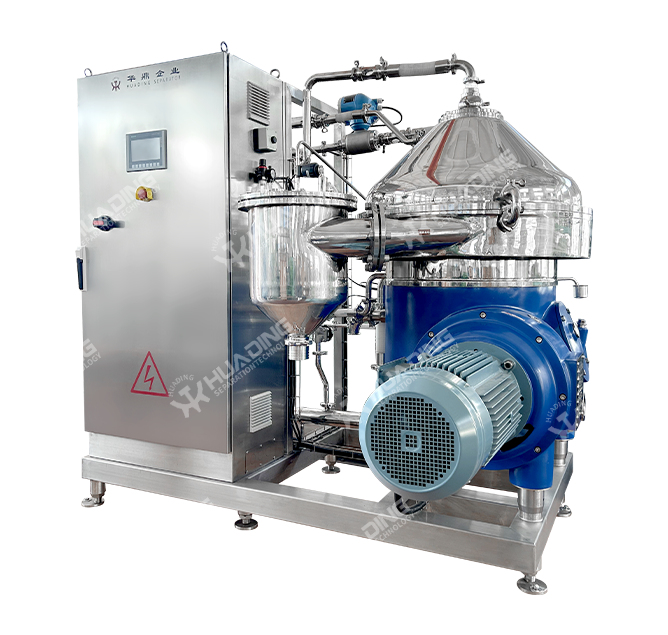
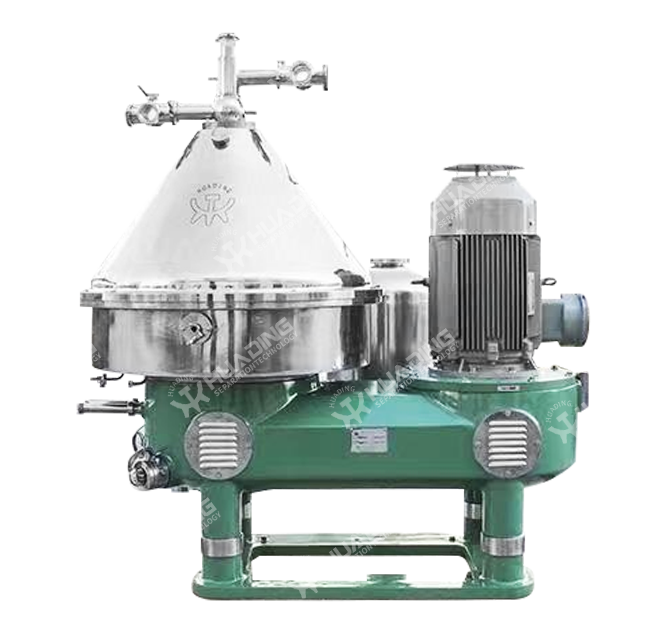
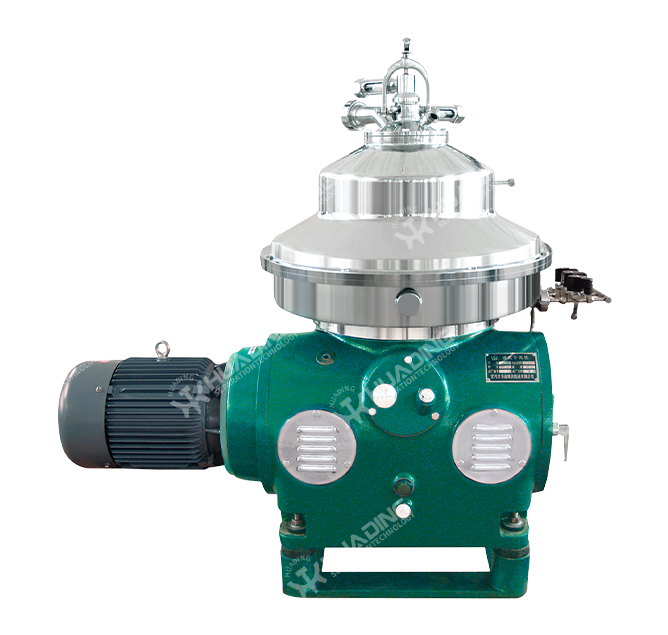
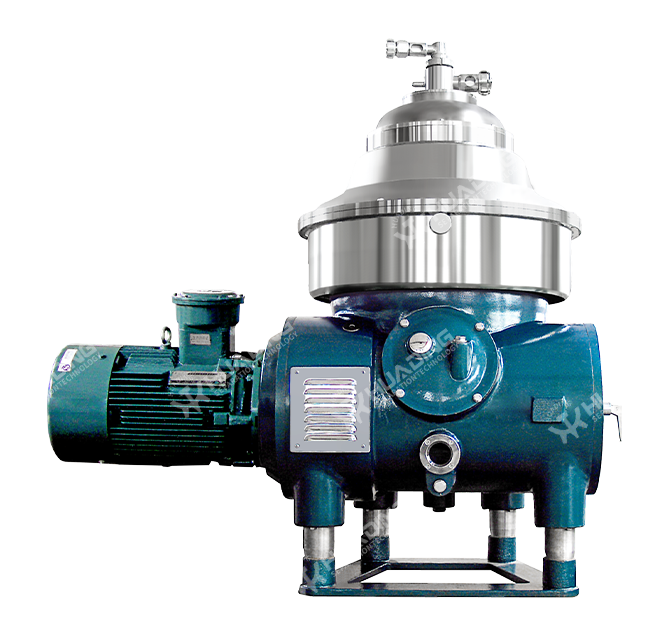
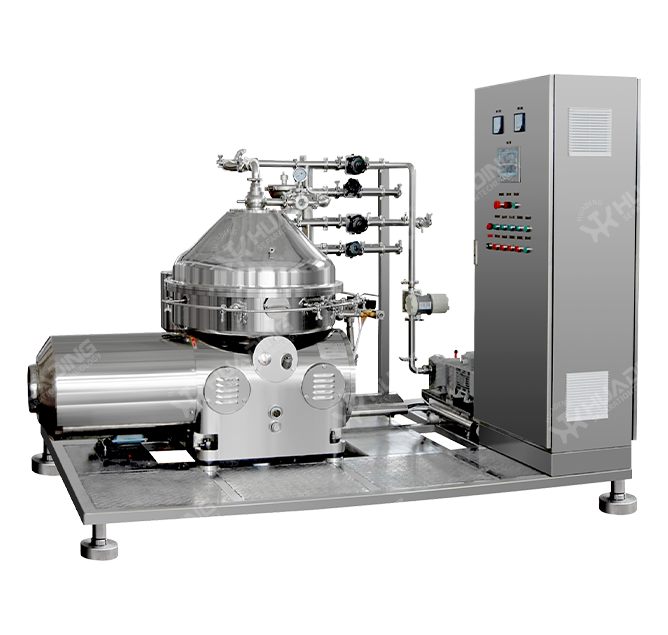
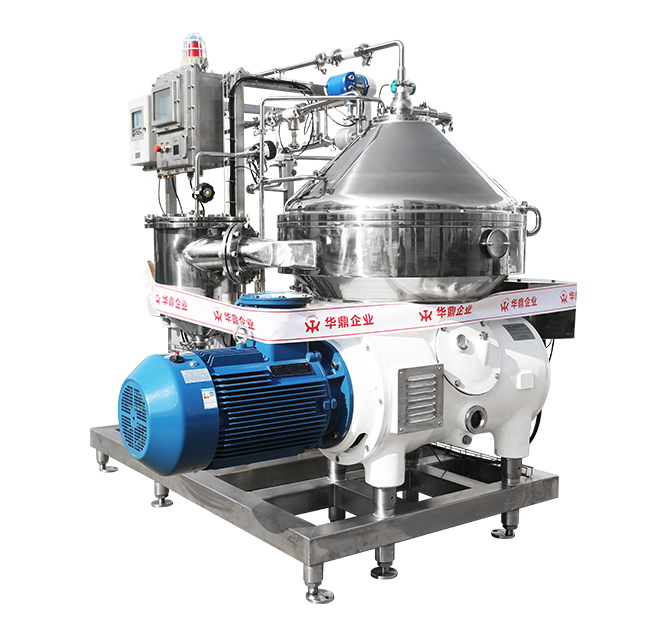
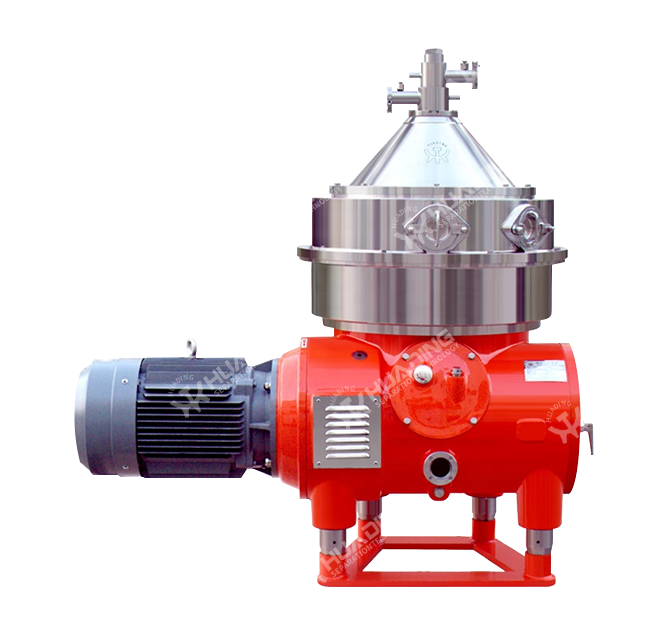
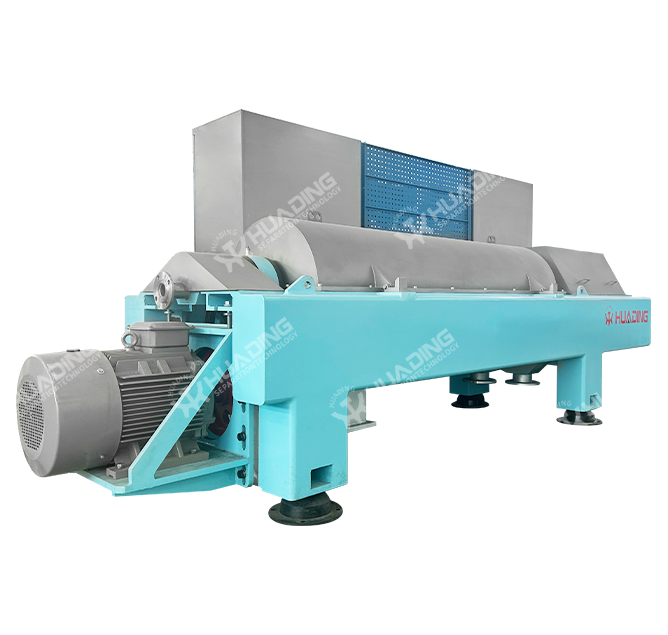
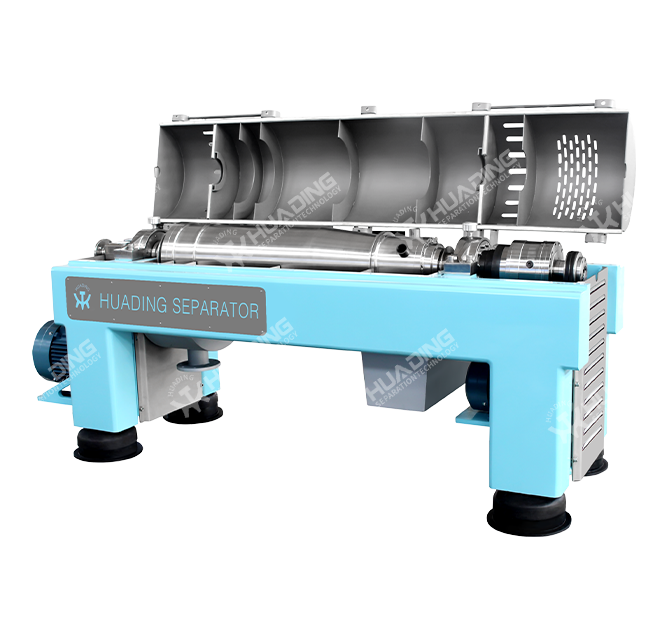
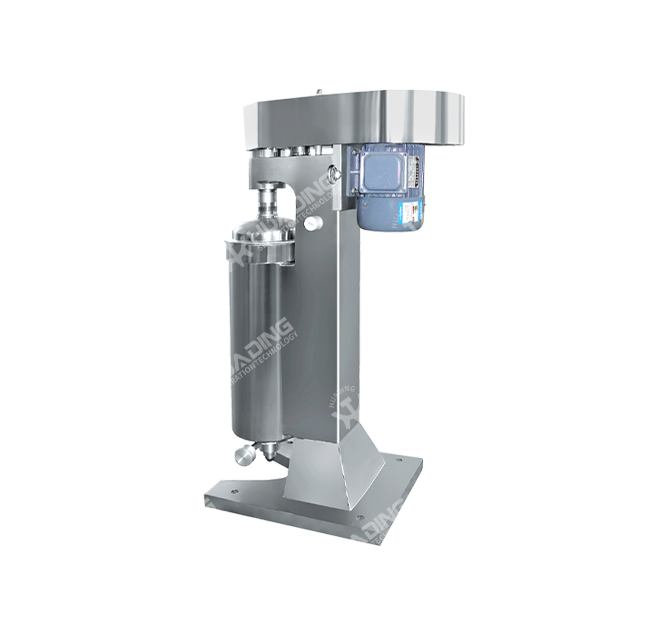
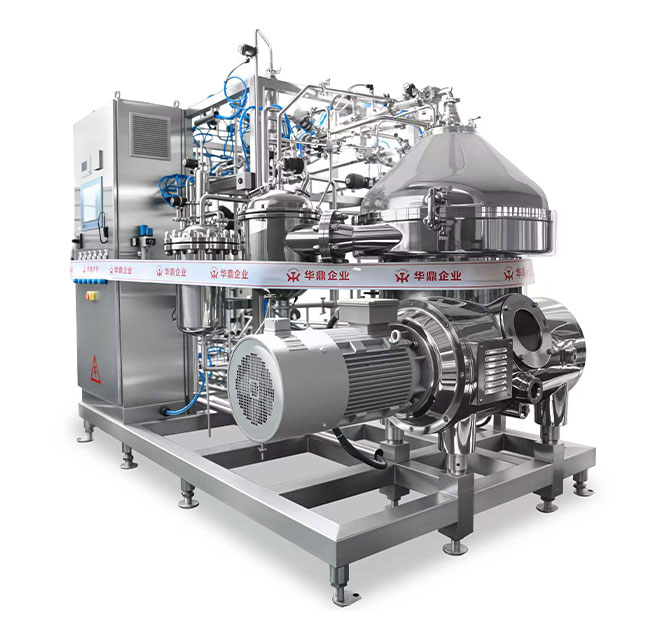
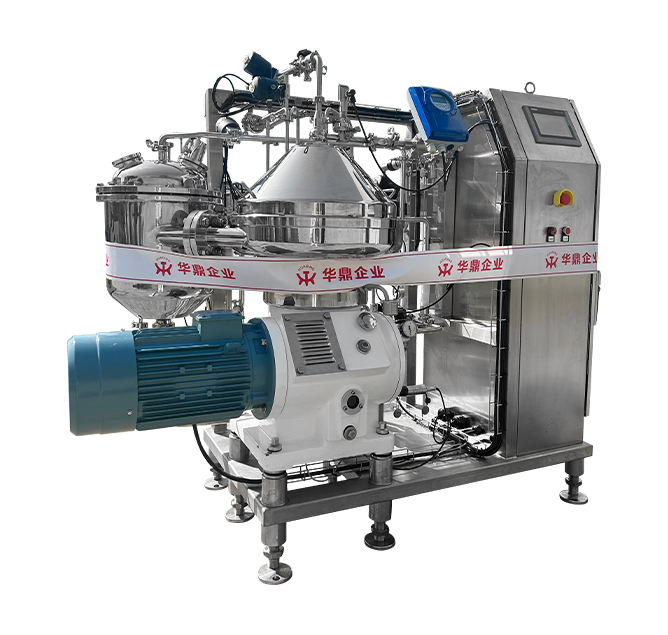
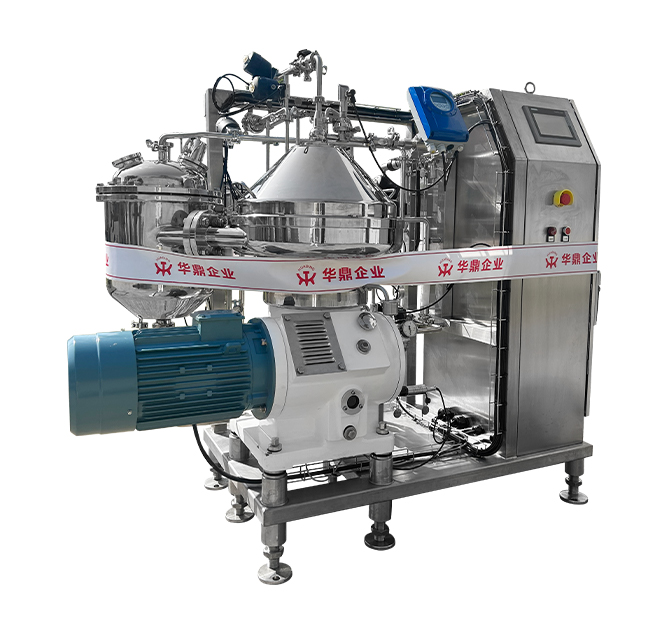
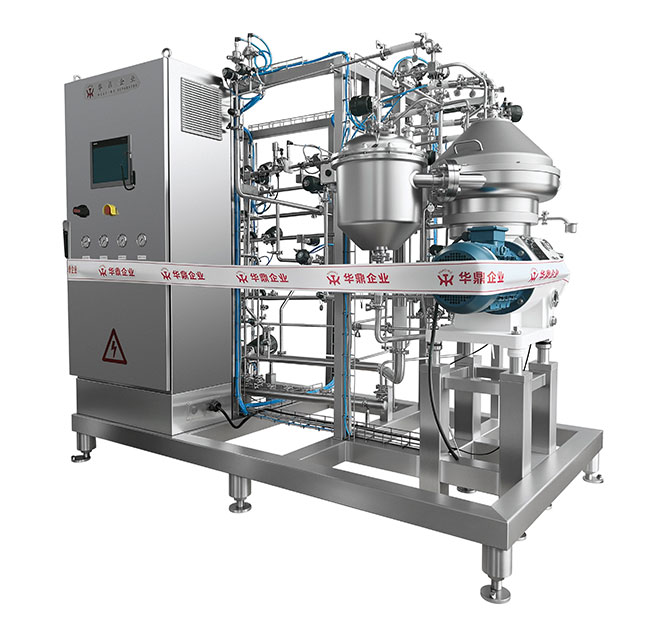
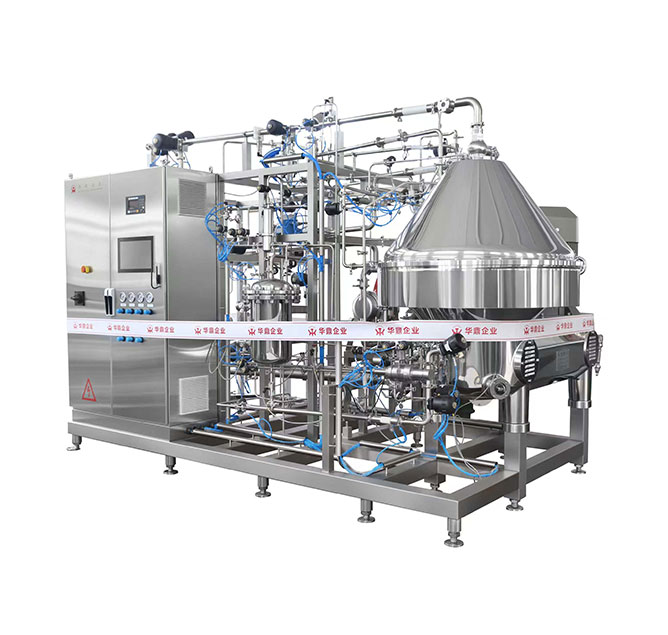
The reason a biodiesel disc centrifuge can effectively handle soap and emulsions lies in the ultra-high centrifugal force field it generates.
An industrial disc stack centrifuge can produce up to 8,000 Gs of centrifugal force at approximately 7,000 RPM. Under this centrifugal force, the denser glycerol is forced outward to the heavy-phase outlet, while the lighter biodiesel exits continuously through a separate outlet. This powerful mechanical force field is the physical foundation for breaking emulsions.
The centrifugal force drives the flocculation of fine suspended solid particles within the emulsion — it is precisely these particles that maintain the stability of the emulsion structure. Once these solid particles are removed, the emulsion breaks down and the two liquid phases separate successfully. This process occurs in two stages: the first is coalescence, where centrifugal force causes dispersed microdroplets of water or glycerol to collide and merge into larger droplets; the second is flocculation, where the sustained centrifugal force field causes colloidal particles to aggregate into clusters that then settle out of the continuous phase.
The ultra-high centrifugal force generated by a high-speed disc stack centrifuge — exceeding 7,000 Gs — is typically sufficient to pull out the fine particles that stabilize the emulsion. Once these particles are removed, the emulsion collapses and the oil and water phases achieve separation.
For soap removal, the biodiesel disc centrifuge also relies on density difference principles. Soap has a density between that of biodiesel and the glycerol phase. Within the intense centrifugal force field generated by the disc stack, soap settles outward along with the water phase and glycerol phase, exiting through the heavy-phase outlet and achieving clean separation from biodiesel. Vegetable oil refiners commonly add KOH or NaOH to convert free fatty acids into soap through saponification, and then remove the soap using a centrifuge.
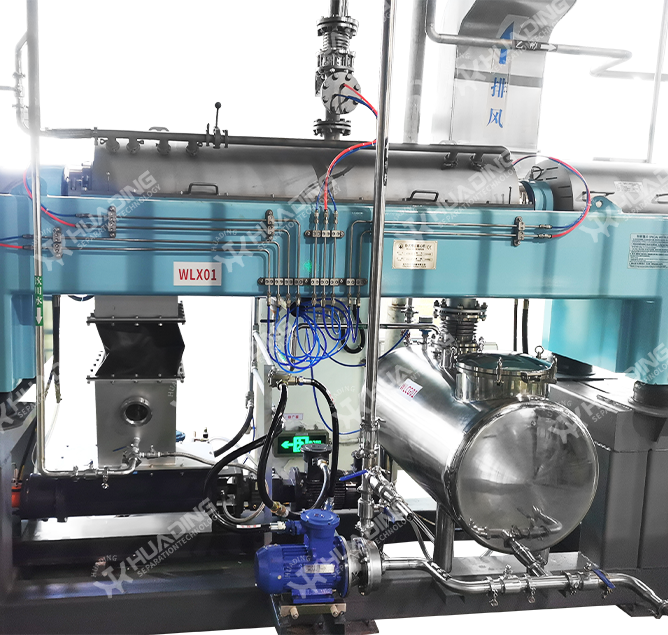
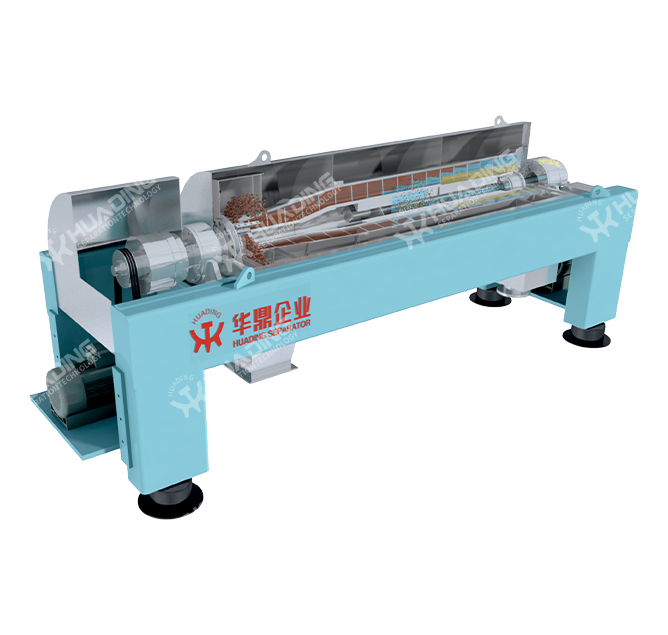
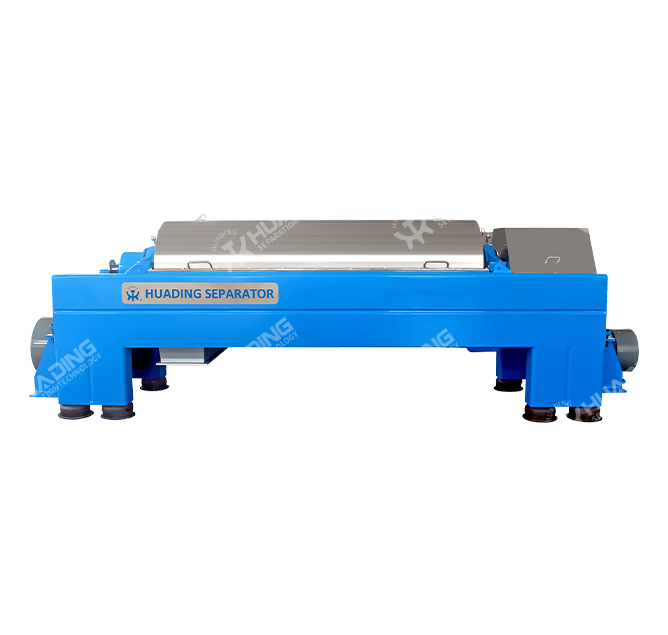
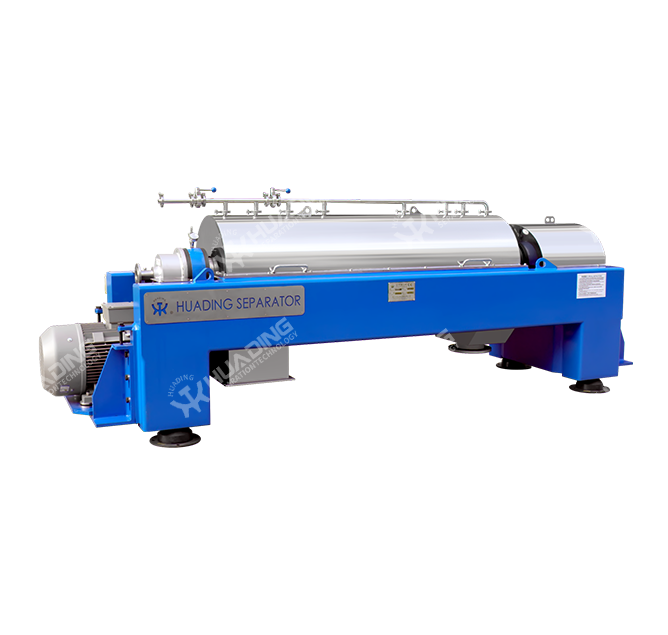
In industrial production, a biodiesel disc centrifuge typically operates in three-phase separation mode, simultaneously handling soap, emulsions, glycerol, and solid particles in a single operation step.
A three-phase disc stack centrifuge discharges biodiesel (light phase), water or glycerol (heavy phase), and solids through three separate outlets simultaneously. Solids are automatically discharged intermittently through the sludge port. This design makes the entire purification process highly integrated and significantly reduces the number of processing steps required.
Industrial centrifuges can simultaneously separate fine solid deposits without the need for filters, which are prone to clogging. The centrifuge also breaks any emulsions present and removes wash water, ultimately producing 100% clear biodiesel.
The soap removal and emulsion breaking performance of a biodiesel disc centrifuge is highly dependent on precise control of operating parameters. The four primary dimensions are as follows.
Higher rotational speed is not always better. When the speed is excessively high — for example, in the range of 2,100 to 2,400 RPM — the intense mechanical shear forces break biodiesel and glycerol into uniformly dispersed fine droplets, paradoxically forming a stable emulsion and reducing separation efficiency. Operators must therefore find the optimal RPM range where the centrifugal force is sufficient to break emulsions without introducing new emulsification problems.
Temperature is the most critical fluid property affecting emulsion separation. Higher temperatures reduce the viscosity of both the biodiesel and water phases, lower interfacial tension between droplets, and facilitate the coalescence of small droplets into larger ones that can more readily separate under centrifugal force. It is generally recommended that feed material be preheated to 55–65°C before entering the centrifuge.
Lower flow rates reduce the likelihood of emulsification and enhance glycerol separation from biodiesel. However, once the flow rate exceeds a certain threshold, reduced residence time and increased turbulence within the bowl will weaken phase stratification and cause separation efficiency to decline.
The inner diameter of the gravity disc determines the position of the liquid-liquid interface inside the bowl and is the key mechanical parameter for controlling two-phase separation precision. Selecting a gravity disc with the appropriate inner diameter based on the density ratio of biodiesel to the water phase ensures that soap and the emulsified phase are reliably directed to the heavy-phase outlet, preventing heavy-phase contamination of the light-phase product. In actual operation, flow rate, back pressure, temperature, and gravity disc selection are the four core control variables for emulsion separation.
In production lines using waste vegetable oil (WVO) or animal fat as feedstock, biodiesel must undergo a water wash step to further remove residual impurities and bring the product up to ASTM purity levels. At this stage, a disc centrifuge is the optimal equipment for separating wash water from biodiesel.
The water wash step introduces large volumes of wash water, which itself can easily generate new emulsions. During water washing, thorough mixing is needed to remove soap, residual methanol, free glycerol, and catalyst, but mixing intensity must also be controlled to avoid forming emulsions between the biodiesel and water. After washing, the mixed liquid enters the biodiesel disc centrifuge directly, where the high G-force completely separates the wash water phase — containing soap and other water-soluble contaminants — from the biodiesel.
For the final biodiesel product, both ASTM D6751 and EN 14214 standards specify a water content of no more than 500 ppm. Since the solubility of water in biodiesel is approximately 1,500 ppm, efficient water phase separation is critical for reducing downstream drying energy consumption and minimizing water-related contamination in the finished product.
After the primary separation and water wash stages, biodiesel still requires a fine clarification step. In this stage, dried biodiesel undergoes additional cleaning or polishing through a disc separator, removing residual trace impurities and further elevating product quality.
When palm oil or soybean oil is used as feedstock, sterol glucosides may precipitate within the biodiesel, imposing frequent and costly maintenance burdens on the production system. A disc separator can efficiently remove these precipitates, reducing the risk of process malfunctions and unplanned downtime.
Compared to gravity settling, a biodiesel disc centrifuge delivers the following core advantages:
Efficient removal of soap and emulsions is a prerequisite for biodiesel meeting international standards such as ASTM D6751 and EN 14214. A biodiesel disc centrifuge, with its powerful mechanical emulsion-breaking capability, continuous three-phase separation design, and precisely adjustable operating parameters, has become an indispensable core piece of equipment on modern industrial-scale biodiesel production lines.
Copyright ©Yixing Huading Machinery Co.,Ltd. All Rights Reserved. Custom Centrifugal Separator Factory