
 English
 русский
 Español
 عربى
عربى 中文简体
中文简体
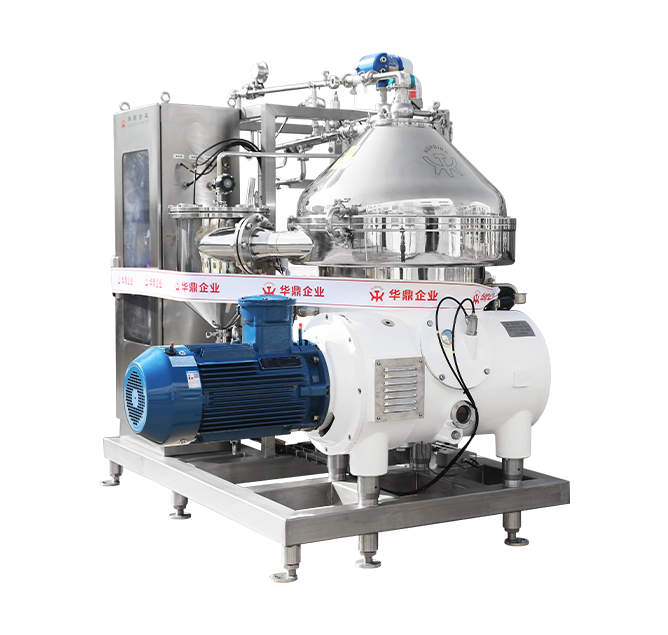
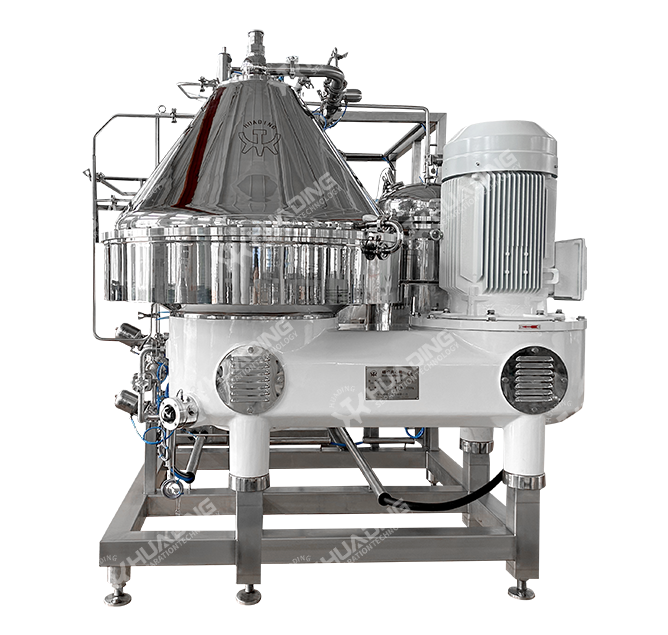
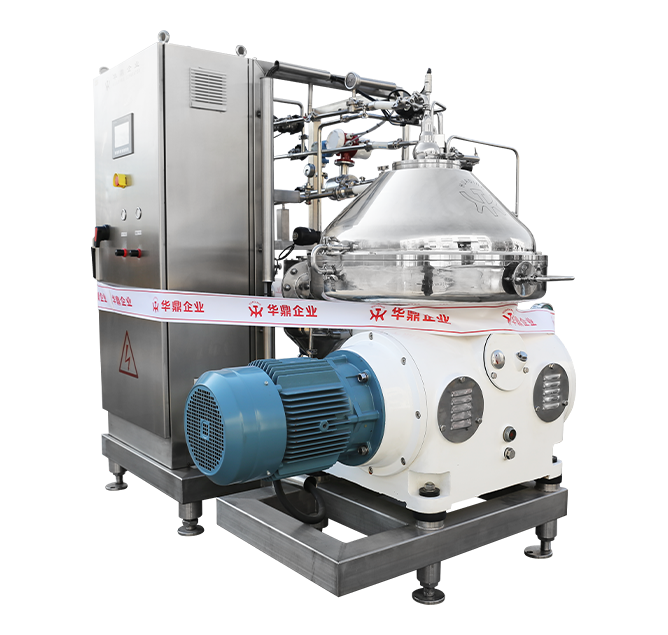
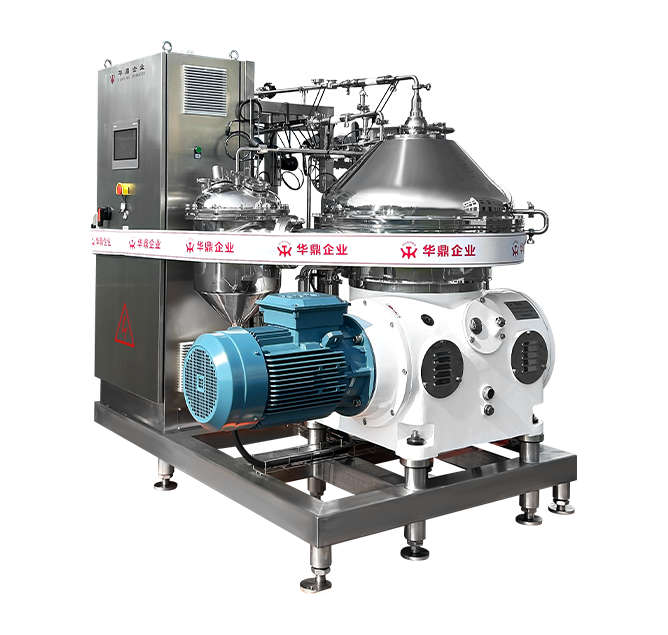
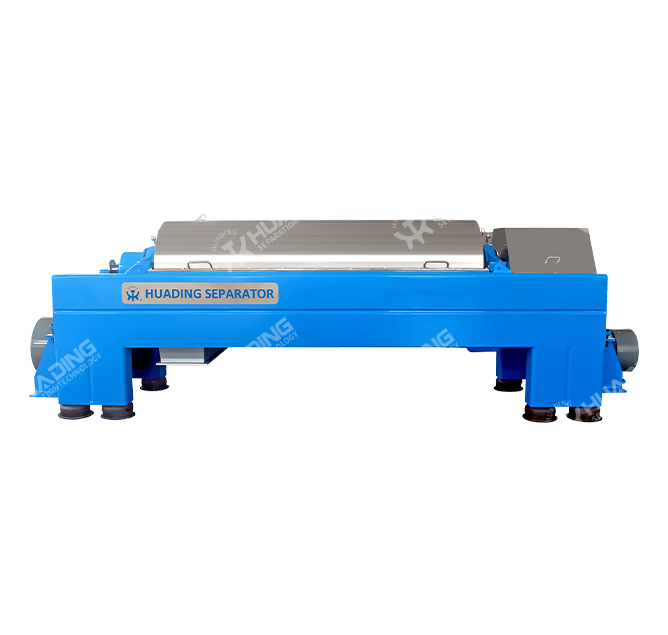
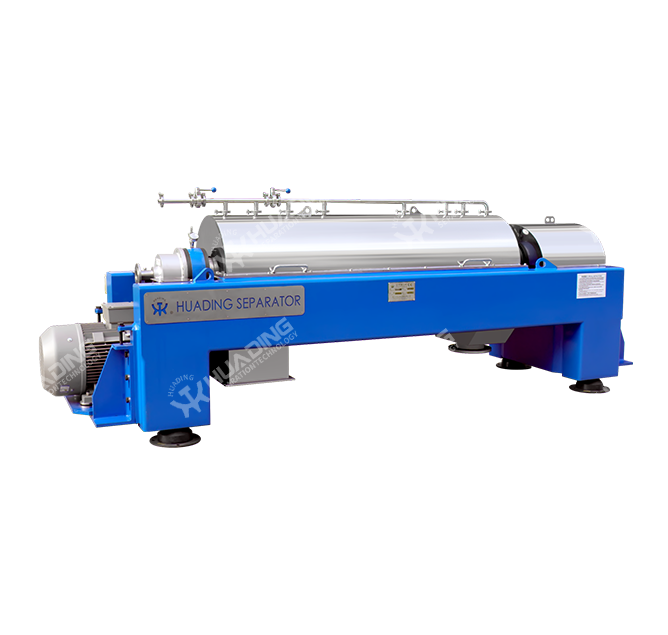
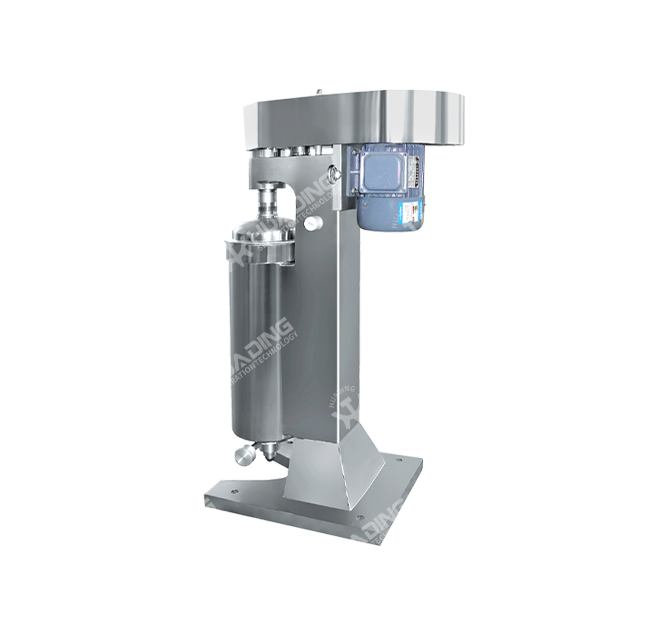
Mini Master
Core functions and innovative design Intelligent control and interaction Touch...
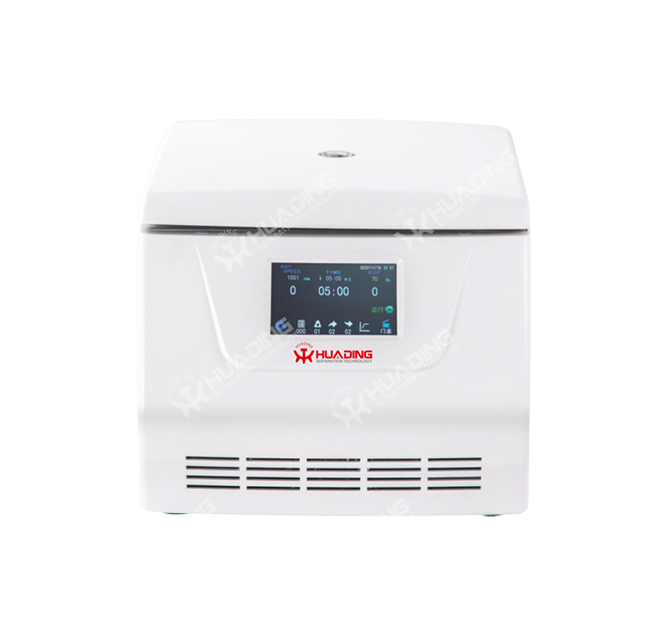
Yixing Huading Machinery Co., Ltd. was established in 1954 and is a market positive in China's centrifugal separation technology with more than 60 years of equipment research and development experience. The company takes centrifuge separators as its core products, covering more than ten industries such as biomedicine, food and beverage, chemical energy, etc.
Biomedicine
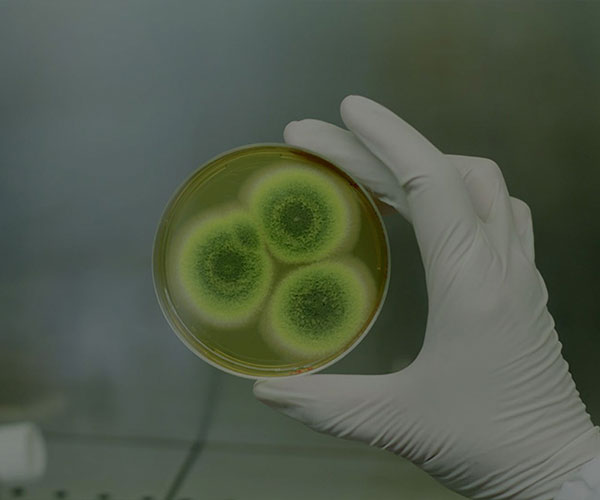
Used for DNA/RNA extraction, virus isolation, protein precipitation
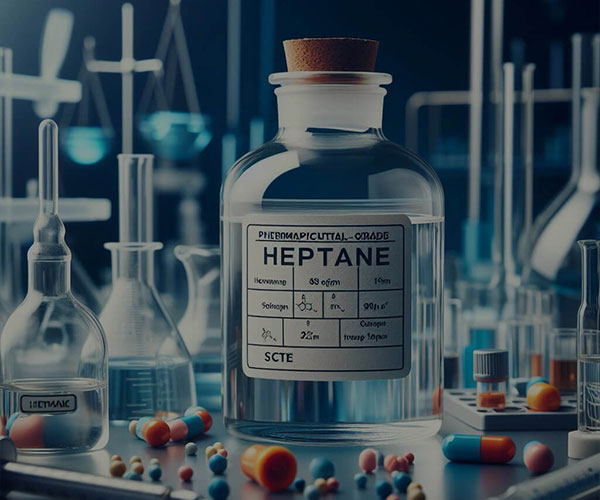
Serum/plasma fractionation, urinalysis, cell culture.
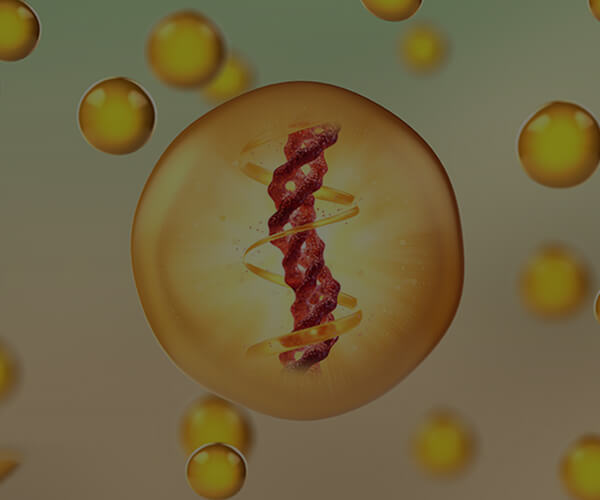
Liposome preparation, purification of pharmaceutical components.
Industry and production

Juice clarification, dairy separation, oil extraction.

Nanoparticle separation, catalyst recovery
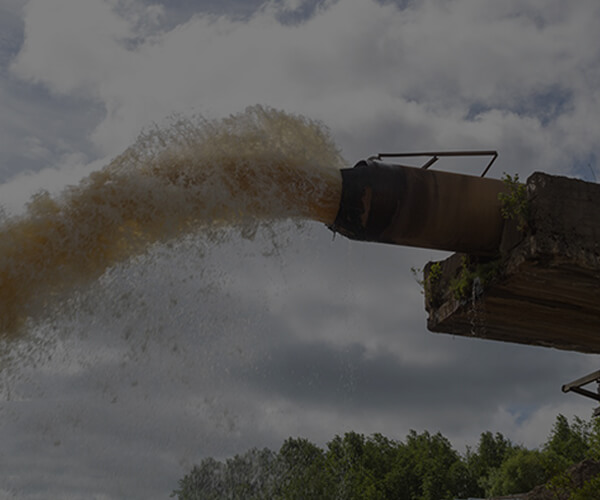
Sewage sludge dehydration, environmental sample analysis
Scientific research and education
Organelle separation (such as mitochondria, and ribosomes).
Routine experiments in colleges and universities and third-party testing institutions
| Speed and centrifugal force | |
| Maximum speed | ≥16,500 rpm |
| Maximum relative centrifugal force (RCF) | ≤21,615×g |
| Speed accuracy | ±10 rpm (to ensure repeatability) |
| RCF adjustment accuracy | Can be accurate to 1×g (supported by some models) |
| Capacity and Compatibility | |
| Maximum capacity | 12×5 ml (for standard centrifuge tubes) or 4×600 ml (large capacity model) |
| Compatible with a variety of containers | including microplates, blood tubes, conical tubes, etc., supporting mixed loading |
| Temperature control system | |
| Temperature range | -20°C to +40°C (refrigerated model) |
| Temperature accuracy | ±1.0°C (ensuring stability of low-temperature sensitive samples) |
| Physical parameters | |
| Noise level | ≤55 dBA (low noise at high speed) |
| Dimensions and weight | Compact design (approximately 360×270×250 mm), net weight ≤10 kg, suitable for table operation |
| Power supply | AC 220V 50Hz, power ≤550 W |
| Program control | |
| Timing range | 1 second to 99 minutes, supporting continuous operation mode |
| Acceleration/deceleration curve | Adjustable in multiple gears (such as 9 levels of acceleration/braking). |
Intelligent control

Large touchscreen panel supports operation with gloves, can store 98 custom programs
Automatically identify the rotor through a unique ID to prevent overspeed and record service life
Safety and reliability
Six-axis gyroscope technology monitors vibration in real-time and automatically shuts down when imbalanced
Electronic door lock, overspeed protection, fault code display, and sound alarm
The rotor is equipped with a sealing cover to prevent aerosol diffusion.
Efficient maintenance design
Brushless motor reduces maintenance requirements.
Stainless steel inner cavity and autoclavable rotor
Core functions and innovative design Intelligent control and interaction Touch...
Vegetable Oil Separator Manufacturing: Structural Design, Capacity Selection and Quality Control As a manufacturer producing Vegetable Oil Separator equipment for edible oil processing, food production and industrial oi...
READ MOREChoosing the Right Decanter Centrifuge for Your Production Line Selecting a suitable decanter centrifuge involves far more than comparing bowl diameter or motor power. As a factory engaged in daily manufacturing and te...
READ MOREIn modern industrial manufacturing, energy extraction, food processing, and environmental engineering, the efficient separation of multiphase fluid mixtures has always been a core link determining production efficiency a...
READ MOREIn-depth Analysis of Core Physical Mechanisms and Equipment Parameter Comparison in centrifuge solid liquid separation In complex fluid processing techniques, traditional methods relying on gravity settling can no longer...
READ MOREIn the laboratory and industrial separation field, centrifuges, as core equipment, are widely used in clarification, purification, and concentration processes. Based on their structure and size, common laboratory and pilot-scale centrifuges can be divided into laboratory centrifuges and floor-standing centrifuges. These two types differ significantly in terms of application scenarios, capacity range, ease of operation, and scalability.
As a long-established supplier with independent core technology, Yixing Huading Machinery Co., Ltd. has been dedicated to the research and application of separation technology since its establishment in 1954. Leveraging its experience in the design of disc centrifuges and decanter centrifuges, Huading provides customers with clarification, purification, and concentration solutions while also continuously focusing on the application needs of different types of laboratories and factories. Therefore, a professional analysis of the differences between laboratory and floor-standing centrifuges is valuable for customers in equipment selection and process optimization.
Equipment Structure and Footprint
laboratory centrifuges are typically small and compact, allowing them to be placed directly on the laboratory bench for easy operation and management, making them ideal for space-constrained lab environments. In contrast, floor-standing centrifuges are larger and typically require a separate operating area. They are therefore suitable for labs with higher sample throughput and pilot/production lines.
Huading has observed over the years that clients prefer laboratory centrifuges in the early stages of experimental research, while gradually shifting to floor-standing centrifuges for greater sample processing capacity during validation experiments, batch sample separation, and even small-scale production.
Capacity and Processing Efficiency
laboratory centrifuges are primarily designed for small-volume test tubes or microcentrifuge tubes, resulting in limited single-shot processing capacity. They are therefore more suitable for high-frequency, small-volume separations. Floor-standing centrifuges, on the other hand, offer a higher sample capacity and can accommodate larger test tubes, centrifuge bottles, and even specialized rotors, offering significant advantages in processing efficiency.
Speed and Centrifugal Force
In terms of speed, modern laboratory centrifuges can now cover the medium-to-high speed range required for everyday scientific research, meeting the needs of molecular biology, cell separation, protein extraction, and other fields. Floor-standing centrifuges emphasize stable operation at high capacity, with some models even surpassing laboratory models in relative centrifugal force, making them suitable for rapid and efficient separation of large sample volumes.
Function and Application Scenarios
laboratory centrifuges are more commonly used in research laboratories, such as blood component separation, molecular biology sample pretreatment, and cell precipitation. Floor-standing centrifuges, on the other hand, are often used in pilot plants, clinical testing centers, or process validation, and can handle medium-scale continuous separation tasks.
When Huading provides system solutions for industries such as biopharmaceuticals, food and beverages, plant extraction, and water treatment, it often positions laboratory centrifuges as R&D tools, while floor-standing centrifuges serve as essential equipment for process scale-up and production.
Operation and Safety
laboratory centrifuges, due to their small size and ease of operation, are often used as daily tools by researchers. Floor-standing centrifuges, due to their larger rotors and higher capacity, require more stringent sample balance and safety precautions. Huading's centrifuges are designed with safety controls such as imbalance detection, automatic lid locking, and temperature control systems to ensure user safety in various application scenarios. VI. Typical Parameter Comparison
The following table briefly summarizes the key parameter comparisons between laboratory centrifuges and floor-standing centrifuges:
|
Parameter |
laboratory Centrifuge |
Floor-standing Centrifuge |
|
Installation |
Placed on lab bench |
Independent installation on floor |
|
Capacity per run |
Small to medium (e.g., 0.2–100 mL tubes) |
Medium to large (up to liters per run) |
|
Speed (RPM) |
Up to ~15,000–21,000 RPM |
5,000–30,000 RPM (depending on model) |
|
Relative Centrifugal Force |
Medium to high (up to ~25,000 × g) |
Medium to very high (up to ~60,000 × g) |
|
Typical Applications |
Research labs, molecular biology, cell prep |
Pilot scale, clinical labs, process testing |
|
Space Requirement |
Minimal, fits on bench |
Larger, requires dedicated floor space |
|
Flexibility |
Suited for small-volume, diverse experiments |
Suited for large-volume, repetitive tasks |
In laboratory and pilot studies, laboratory centrifuges are a common tool, widely used for tasks such as blood component separation, cell precipitation, protein purification, and sample pretreatment. However, with the continuous expansion of experimental scale and the increasing complexity of separation processes, laboratory centrifuges have gradually exposed some limitations in separating mixtures. These limitations not only affect the accuracy and reproducibility of research results but also, to a certain extent, hinder the smooth transition from experimental to production.
As a professional separation technology provider, Yixing Huading Machinery Co., Ltd., established in 1954, has leveraged its core technologies in clarification, purification, and concentration to not only provide industrial equipment such as disc centrifuges and decanter centrifuges, but also conducts in-depth research on the application characteristics of laboratory centrifuges. Drawing on years of industry experience, Huading has professionally analyzed the main limitations of laboratory centrifuges when separating mixtures.
Limited Processing Capacity
Laboratory centrifuges are typically characterized by their small size and low capacity. Common rotors are compatible with tubes ranging from 0.2 mL to 100 mL, limiting their single-shot processing capacity. This efficiency is significantly insufficient when separating larger mixtures or when performing continuous separations on multiple batches of samples. While this processing capacity is generally sufficient for small-sample processing in research, it often struggles to meet the demands of medium- or large-scale sample processing in industrial applications.
In our work with clients, Huading has observed that many R&D institutions use laboratory centrifuges for pilot trials, but must switch to floor-standing or more efficient disc and decanter centrifuges for scale-up and production to ensure efficiency and cost-effectiveness.
Limited Separation Precision
The complexity of mixtures is particularly prominent in industries such as biopharmaceuticals, food and beverages, and chemicals and energy. While laboratory centrifuges can achieve solid-liquid or liquid-liquid separations through high-speed rotation, their separation precision is limited by their rotor structure and operating mode. For example:
laboratory centrifuges struggle to completely separate mixtures with relatively small particle sizes.
When processing low-concentration or ultra-microparticles, their separation performance is inferior to that of high-efficiency industrial centrifuges. When sample density varies slightly, a laboratory centrifuge may require repeated operation to achieve optimal results.
Huading's disc centrifuge, however, utilizes a highly efficient separation drum design to achieve continuous separation of submicron particles, better meeting the requirements of high-precision processes.
Insufficient Continuous Operation Capability
Laboratory centrifuges typically operate in an intermittent mode, meaning that after loading, the sample needs to be separated in one go before being manually removed. This mode is flexible for small-batch experiments, but lacks efficiency and stability for processes requiring long-term, stable operation. This is particularly true in industries such as food and beverage, dairy, and plant extracts, where continuous processing capacity has a direct impact on production costs and product quality.
In contrast, Huading's decanter centrifuge enables large-scale, continuous solid-liquid separation, better meeting the needs of industrial continuous production.
Sample Characteristics
Laboratory centrifuges have limitations when handling certain special samples:
High-viscosity materials: When sample viscosity is too high, separation efficiency decreases significantly.
Volatile samples or those requiring strict temperature control: Although some laboratory centrifuges have refrigeration functions, their temperature control capabilities are limited and unsuitable for processes requiring long-term, precise temperature control.
Corrosive or highly abrasive samples: laboratory equipment often uses standard laboratory materials, which lack corrosion and wear resistance.
Huading's separation equipment for industries such as petrochemicals and wastewater treatment addresses these limitations by designing specialized materials and drum structures tailored to the specific material characteristics.
Safety and Operational Limitations
laboratory centrifuges are typically operated directly by researchers. While convenient, they still present certain risks under high-speed operation, such as sample imbalance, rotor metal fatigue, or vibration and noise caused by improper use. These risks limit their application in higher-load and more complex environments.
Huading's industrial equipment improves overall safety and controllability through technologies such as imbalance detection, automatic control, and a fully enclosed design. 6. Difficulties in Transitioning from Experimental to Production
Many companies use laboratory centrifuges to generate experimental data during the R&D phase. However, when the process enters the pilot or industrial stage, they find that the equipment's throughput, separation performance, and operating mode fall short of actual production needs. This "scale-up effect" incurs additional time and cost.
Huading offers a full range of separation equipment, from experimental to industrial scale, to help customers achieve a smooth transition between R&D and production. For example, its disc centrifuges and decanter centrifuges range in capacity from 500 L/h to 90 T/h, providing continuous solutions for customers at different stages of their process lifecycle.
Mechanical Protection: Rugged Housing and Rotor Protection Chamber
The first safety barrier of a laboratory centrifuge lies in its mechanical structure. Its housing is typically constructed of thickened metal or high-strength composite materials to withstand the impact forces generated by high-speed rotation. Furthermore, the rotor is enclosed in a dedicated chamber, preventing direct harm to the operator even if a sample tube ruptures during high-speed rotation.
Huading widely utilizes pressure-resistant and corrosion-resistant materials in the design of industrial centrifuge equipment and extends this philosophy to the design of the laboratory centrifuge's protective chamber. This not only enhances overall strength but also ensures the equipment can adapt to complex experimental environments with varying sample characteristics.
Electrical Protection: Automatic Lid Locking and Interlocking System
Inadvertently opening the lid of a high-speed centrifuge while the rotor is still running can be extremely dangerous. Therefore, modern laboratory centrifuges commonly utilize automatic lid locking and electrical interlocking systems.
Automatic Lid Locking: Once the device begins operating, the locking mechanism immediately activates, preventing the lid from being opened manually.
Interlocking System: The control system releases the lock, allowing the lid to be opened, only when the rotor has come to a complete stop. This design prevents operators from accidentally contacting high-speed rotating components. Huading utilizes reliable electrical interlock technology in its equipment to ensure precise alignment of protective actions with operating conditions, providing a safe operating environment for users.
Balance Detection: Real-Time Monitoring and Automatic Shutdown
Sample imbalance is a common problem in laboratory centrifuge operation. If the mass of the centrifuge tubes is unevenly distributed, the rotor will generate strong vibrations at high speeds, affecting separation efficiency and even damaging the equipment.
In modern protective designs, balance detection systems monitor the rotor's operating status in real time. When vibration exceeds the allowable range, the system automatically issues an alarm and shuts down operation, preventing further damage. Huading's experience in dynamic balancing control, accumulated in decanter and disc centrifuges, has also been applied to laboratory centrifuges, ensuring stability even at high speeds.
Temperature Control and Overheating Protection
During high-speed rotation, friction and motor operation generate heat. If not controlled, this can lead to sample denaturation, overheating of instrument components, and even damage. Tabletop centrifuges are typically designed with temperature control systems and overheat protection features:
Temperature control systems maintain the sample chamber within a set temperature range, protecting temperature-sensitive samples.
Overheat protection: If an abnormally high temperature is detected in the motor or key components, the system automatically shuts down to prevent accidents.
Huading attaches great importance to protecting sample activity when providing separation equipment for the biopharmaceutical and food industries. Its experience in industrial cooling and temperature control technology provides solid support for the precise temperature control of its tabletop centrifuges.
Rotor Life and Material Protection
The rotor is the core component of a tabletop centrifuge, and high-speed operation places extremely high demands on its material strength and fatigue resistance. Therefore, protective design not only includes rotor life management (such as recording the number of uses or time), but also involves material selection and corrosion-resistant treatment.
Huading's expertise in materials science and process engineering, accumulated in the manufacture of industrial centrifuge equipment, ensures that its rotor structures offer excellent durability and safety, thereby extending the overall service life of the equipment. 6. Intelligent Monitoring and Early Warning Systems
With the advancement of automation and intelligence, some laboratory centrifuges are increasingly equipped with data acquisition and monitoring capabilities, enabling real-time recording of operating parameters and prompting alerts when anomalies occur. This intelligent protection significantly reduces the risk of human error and improves experimental reliability and traceability.
Huading has long employed intelligent monitoring and remote diagnostic technologies in large-scale separation systems and is gradually applying these concepts to small and medium-sized equipment, helping customers achieve a higher level of safety during R&D and experimental stages.
Copyright ©Yixing Huading Machinery Co.,Ltd. All Rights Reserved.
 Custom Laboratory (Benchtop) centrifuge Manufacturers

