
 English
 русский
 Español
 عربى
عربى 中文简体
中文简体
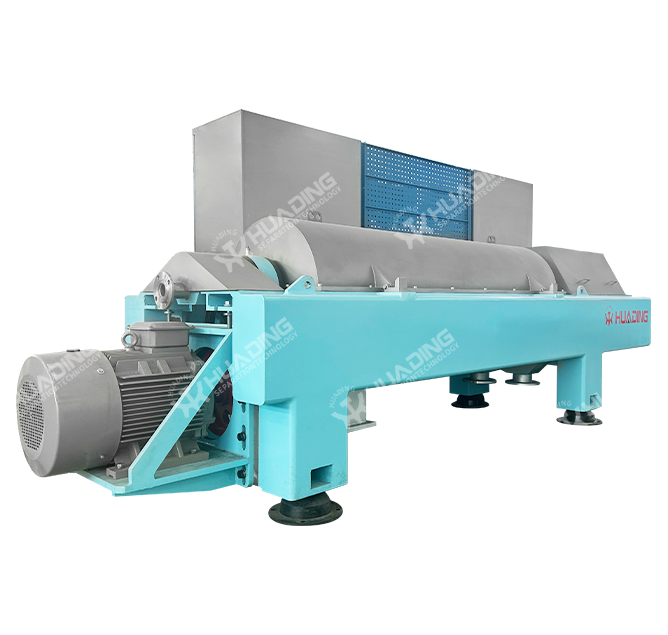
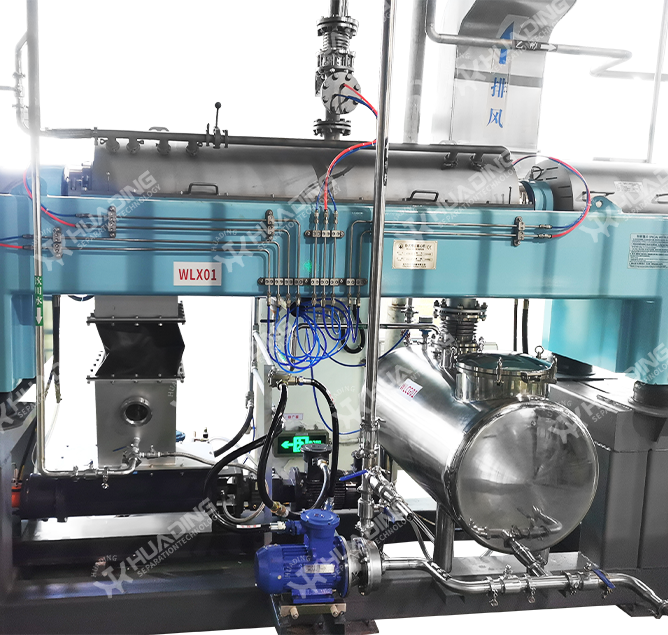
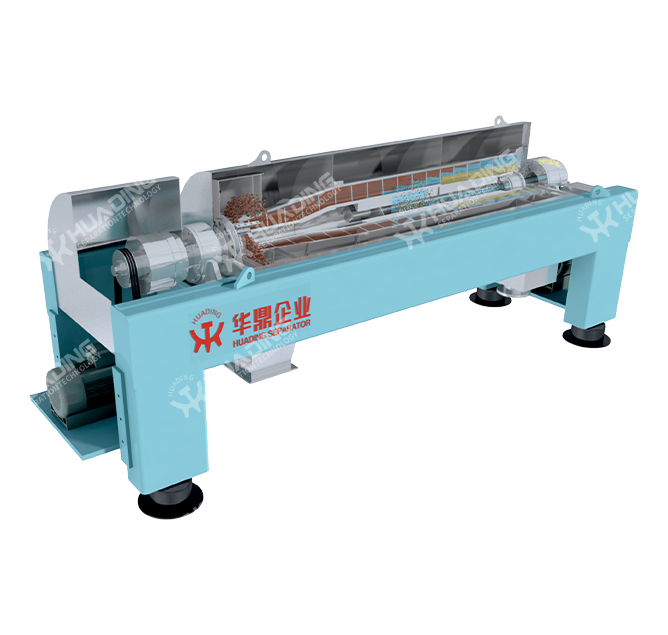
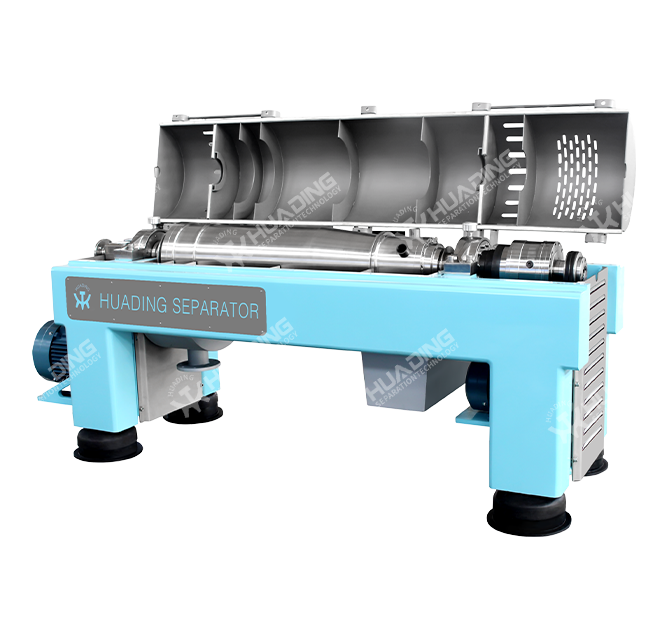
 Contact Us
Application
View More
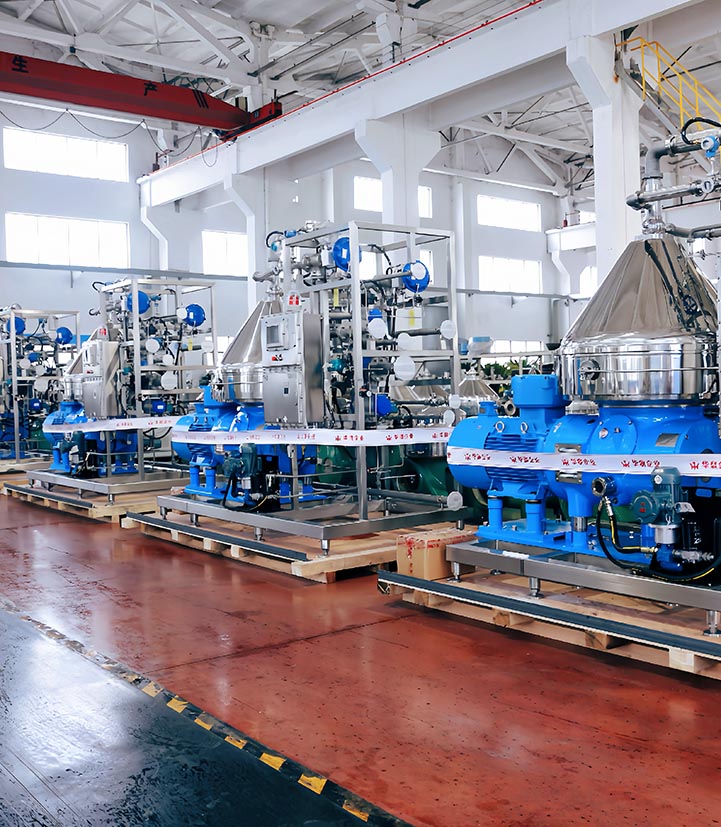
Industrial Centrifuge Applications in Chemical Processing Modern chemical manufacturing demands precision separation technology that combines efficiency with reliability. Our industrial centrifuges are engineered to handle complex liquid-solid separation challenges across diverse chemical processing operations, delivering consistent results and optimized productivity. Polymer Processing & Resin Separation Precision separation for advanced materials In polymer manufacturing, achieving pure resin products requires removing suspended solids, catalysts, and unwanted particulates. Industrial centrifuges enable efficient clarification of polymer solutions and latex suspensions, ensuring product purity while minimizing material loss. The centrifugal force effectively separates molecular-weight polymers while maintaining their structural integrity. High-speed clarification of epoxy and polyester resins Catalyst recovery and separation optimization Reduced downtime in continuous processing operations Pharmaceutical Intermediate Refining Quality assurance through advanced separation Pharmaceutical synthesis generates intermediate compounds requiring multi-stage purification. Centrifuges remove impurities, unreacted starting materials, and byproducts with precision unmatched by conventional filtration. This ensures pharmaceutical intermediates meet strict quality specifications while reducing processing time significantly. Selective separation of active pharmaceutical ingredients Removal of fine suspended particles and crystalline impurities Compliance with pharmaceutical production standards Pigment & Dye Concentration Color intensity and product consistency Pigment manufacturing requires concentrating fine particles while removing moisture and liquid carriers. Industrial centrifuges deliver superior performance in dewatering colorants, ensuring consistent hue and color strength specifications. The equipment prevents agglomeration while achieving high concentration ratios without heat damage. Efficient moisture removal from pigment suspensions Preservation of color properties during processing Scalable solutions for small to large batch operations Specialty Chemical Manufacturing Separation precision for complex formulations Specialty chemicals—including surfactants, additives, and performance compounds—often contain suspended solids requiring removal prior to final packaging. Centrifugal separation enables rapid clarification of these complex formulations, maintaining chemical stability while achieving FDA-compliant purity levels required for downstream applications. Rapid separation of suspended particles and contaminants Minimal chemical reaction interference during processing Enhanced shelf-life through effective contaminant removal Chemical Waste Treatment & Recovery Environmental responsibility meets cost efficiency Industrial facilities generate process waste containing recoverable chemicals and solvents. Centrifuge-based separation recovers valuable materials while enabling proper waste disposal, reducing environmental impact and operational costs simultaneously. This approach transforms waste streams into resource recovery opportunities. Solvent recovery for reuse in manufacturing processes Separation of hazardous from non-hazardous waste fractions Reduced disposal costs and enhanced regulatory compliance Coating & Varnish Clarification Surface quality optimization for coatings industry Protective coatings and decorative varnishes require complete clarity to ensure flawless surface finishes. Centrifuges remove micro-scale dust, grit, and unwanted particles that would otherwise compromise coating quality. The process maintains viscosity and chemical properties while delivering pristine products to end-users. Elimination of dust and particulate matter before packaging Improved product appearance and customer satisfaction Prevention of surface defects in end-application Performance Advantages in Chemical Processing 10,000+ Operational Hours Between Maintenance 99.8% Separation Efficiency Rate 50-200 Capacity Range (Liters/Minute) 24/7 Continuous Operation Capability 500+ G-Force Generation 30-40% Energy Efficiency Improvement vs Alternatives Chemical Processing Applications Reference Chemical Category Separation Challenge Centrifuge Solution Organic Compounds Removal of catalysts and reaction byproducts from organic synthesis Disc stack centrifuge for fine particle separation at high speeds Inorganic Salts Separation of crystalline solids from mother liquor solutions Decanter centrifuge for efficient washing and dewatering Fine Chemicals Isolation of fine particles from suspension media Tubular centrifuge for laboratory and pilot-scale operations Industrial Solvents Purification and removal of water and contaminants Multi-stage disc centrifuge for sequential purification Emulsions & Suspensions Breaking emulsions and stabilizing unstable suspensions Horizontal centrifuge with optimized bowl design Chemical Additives Concentration of active ingredients from dilute solutions High-G centrifuge for rapid concentration and dewatering Waste Streams Recovery of valuable chemicals and proper waste segregation Robust decanter for continuous waste processing Industry-Specific Centrifuge Applications Fine Chemistry Sector Fine chemical producers depend on precision separation for manufacturing high-purity compounds. Centrifuges remove trace impurities that compromise product specifications, enabling consistent output for downstream pharmaceutical and specialty applications. Key Requirement: Particle removal down to sub-micron levels Petrochemical Refining Petrochemical operations utilize centrifuges for separating process streams, removing suspended solids from catalytic reactors, and recovering valuable fractions. High-throughput capacity meets demanding refinery schedules while maintaining product quality specifications. Key Requirement: High-volume continuous processing capability Agricultural Chemical Production Agrochemical manufacturers produce formulations, pesticides, and fertilizer additives requiring precise separation. Centrifuges ensure homogeneity and prevent sediment formation during extended storage, extending product shelf-life and market viability. Key Requirement: Stable product formulations without sedimentation Cosmetic & Personal Care Cosmetic and personal care products demand visual clarity and microbiological purity. Centrifugal separation removes particulate matter, ensuring products meet consumer expectations and regulatory safety standards for topical and oral applications. Key Requirement: Microbiological safety and aesthetic clarity Environmental & Water Treatment Water and wastewater treatment facilities employ centrifuges for sludge dewatering and process water clarification. The technology enables efficient treatment of industrial wastewater while supporting environmental compliance and sustainability initiatives. Key Requirement: Robust operation in harsh conditions with variable feedstock Food & Beverage Additives Food-grade chemical additives—including emulsifiers, thickeners, and stabilizers—require separation equipment meeting strict food safety standards. Centrifuges ensure additive purity while eliminating contamination risks in food supply chains. Key Requirement: FDA and food safety certification compliance Why Choose Centrifugal Separation for Chemical Processing 1 Superior Separation Efficiency Centrifugal force reaches 3000+ times gravity, separating particles far smaller than traditional filtration can achieve. This delivers cleaner products and more consistent quality across production batches. 2 Continuous Operation Capability Unlike batch-based separation methods, centrifuges operate 24/7 with minimal downtime. This maximizes throughput, reduces production delays, and significantly improves return on equipment investment. 3 Compact Footprint, Maximum Capacity Industrial centrifuges occupy minimal floor space compared to equivalent filtration systems. This enables facility optimization while achieving higher processing volumes in existing production areas. 4 Reduced Maintenance & Operating Costs Modern centrifuge design minimizes wear, extends service intervals, and reduces replacement part costs. Energy-efficient motors and optimized bowl design significantly lower utility expenses over equipment lifespan. 5 Precision Control & Automation Advanced control systems enable real-time monitoring and adjustment of separation parameters. Operators achieve optimal results consistently, improving product quality while reducing variability. 6 Scalability for Growth Centrifuge technology scales seamlessly from pilot operations to full-scale production. Expansion doesn't require complete equipment replacement—modular designs accommodate growing processing demands efficiently. Key Benefits for Chemical Manufacturers Enhanced Product Purity Achieve superior clarity and remove trace contaminants that compromise chemical specifications and end-product performance in downstream applications. Increased Throughput Process higher volumes with faster cycle times, translating directly to increased production capacity and improved facility economics without facility expansion. Reduced Material Waste Precise separation minimizes product loss during processing, improving material yields and reducing overall production costs per unit of final product. Regulatory Compliance Meet stringent quality standards and industry certifications with consistent, repeatable results that exceed regulatory requirements systematically. Lower Total Cost of Ownership Reduced energy consumption, minimal maintenance requirements, and high reliability deliver exceptional value over equipment's operational lifespan. Environmental Sustainability Enable waste recovery and solvent recycling programs that reduce environmental impact while creating new revenue streams from recoverable materials. * { margin: 0; padding: 0; box-sizing: border-box; } body { font-family: 'Segoe UI', Tahoma, Geneva, Verdana, sans-serif; background: #f9f9f9; color: #333; } .applications-section { margin: 40px auto; padding: 0 20px; } .section-header { text-align: center; margin-bottom: 50px; } .section-header h2 { font-size: 28px; color: rgb(209, 26, 36); margin-bottom: 15px; font-weight: 600; } .section-header p { font-size: 16px; color: #666; line-height: 30px; max-width: 800px; margin: 0 auto; } /* Application Cards Grid */ .applications-grid { display: grid; grid-template-columns: repeat(auto-fit, minmax(340px, 1fr)); gap: 30px; margin-bottom: 50px; } .app-card { background: white; border-radius: 8px; overflow: hidden; box-shadow: 0 2px 8px rgba(0,0,0,0.1); transition: all 0.3s ease; border-top: 4px solid rgb(209, 26, 36); } .app-card:hover { box-shadow: 0 8px 20px rgba(209, 26, 36, 0.15); transform: translateY(-5px); } .app-card-header { background: linear-gradient(135deg, rgba(209, 26, 36, 0.1) 0%, rgba(209, 26, 36, 0.05) 100%); padding: 25px; border-bottom: 2px solid #f0f0f0; } .app-card-title { font-size: 18px; color: rgb(209, 26, 36); font-weight: 600; margin-bottom: 8px; line-height: 1.8; } .app-card-subtitle { font-size: 14px; color: #888; line-height: 2; } .app-card-content { padding: 25px; } .app-card-content p { font-size: 16px; color: #555; line-height: 30px; margin-bottom: 15px; } .app-features { list-style: none; margin-top: 15px; } .app-features li { font-size: 14px; color: #666; line-height: 2; padding-left: 0; margin-bottom: 8px; display: flex; align-items: center; } .app-features li:before { color: rgb(209, 26, 36); font-weight: bold; margin-right: 10px; font-size: 16px; } /* Performance Metrics Section */ .metrics-section { background: white; padding: 40px; border-radius: 8px; margin-bottom: 50px; box-shadow: 0 2px 8px rgba(0,0,0,0.08); } .metrics-header { font-size: 22px; color: rgb(209, 26, 36); margin-bottom: 30px; font-weight: 600; } .metrics-grid { display: grid; grid-template-columns: repeat(auto-fit, minmax(320px, 1fr)); gap: 25px; } .metric-box { text-align: center; padding: 25px; background: linear-gradient(135deg, rgba(209, 26, 36, 0.05) 0%, rgba(209, 26, 36, 0.02) 100%); border-radius: 6px; border-left: 3px solid rgb(209, 26, 36); } .metric-value { font-size: 28px; color: rgb(209, 26, 36); font-weight: bold; margin-bottom: 8px; line-height: 1.8; } .metric-label { font-size: 14px; color: #666; line-height: 2; } /* Chemical Applications Table */ .applications-table-wrapper { background: white; padding: 40px; border-radius: 8px; margin-bottom: 50px; box-shadow: 0 2px 8px rgba(0,0,0,0.08); overflow-x: auto; } .table-title { font-size: 20px; color: rgb(209, 26, 36); margin-bottom: 25px; font-weight: 600; } .chemical-applications-table { width: 100%; border-collapse: collapse; } .chemical-applications-table tr { border-bottom: 1px solid #f0f0f0; } .chemical-applications-table tr:last-child { border-bottom: none; } .chemical-applications-table tr:nth-child(even) { background-color: rgba(209, 26, 36, 0.02); } .chemical-applications-table td { padding: 20px; font-size: 14px; color: #666; line-height: 2; } .chemical-applications-table td:first-child { font-weight: 600; color: rgb(209, 26, 36); } .chemical-applications-table td:nth-child(2) { color: #555; } /* Industry Applications Section */ .industry-section { background: white; padding: 40px; border-radius: 8px; margin-bottom: 50px; box-shadow: 0 2px 8px rgba(0,0,0,0.08); } .industry-title { font-size: 20px; color: rgb(209, 26, 36); margin-bottom: 30px; font-weight: 600; } .industry-grid { display: grid; grid-template-columns: repeat(auto-fit, minmax(320px, 1fr)); gap: 25px; } .industry-item { padding: 25px; background: linear-gradient(135deg, rgba(209, 26, 36, 0.05) 0%, rgba(209, 26, 36, 0.02) 100%); border-radius: 6px; border-left: 4px solid rgb(209, 26, 36); } .industry-item-title { font-size: 16px; color: rgb(209, 26, 36); font-weight: 600; margin-bottom: 12px; line-height: 30px; } .industry-item-text { font-size: 14px; color: #666; line-height: 2; margin-bottom: 12px; } .industry-item-highlight { font-size: 14px; color: rgb(209, 26, 36); font-weight: 500; line-height: 2; } /* Solution Section */ .solutions-section { background: white; padding: 40px; border-radius: 8px; margin-bottom: 50px; box-shadow: 0 2px 8px rgba(0,0,0,0.08); } .solutions-title { font-size: 20px; color: rgb(209, 26, 36); margin-bottom: 30px; font-weight: 600; } .solutions-grid { display: grid; grid-template-columns: repeat(auto-fit, minmax(320px, 1fr)); gap: 30px; } .solution-item { padding: 30px; background: linear-gradient(135deg, rgba(209, 26, 36, 0.08) 0%, rgba(209, 26, 36, 0.03) 100%); border-radius: 6px; position: relative; } .solution-number { display: inline-block; width: 36px; height: 36px; background-color: rgb(209, 26, 36); color: white; border-radius: 50%; text-align: center; line-height: 36px; font-weight: bold; font-size: 16px; margin-bottom: 15px; } .solution-heading { font-size: 16px; color: rgb(209, 26, 36); font-weight: 600; margin-bottom: 12px; line-height: 30px; } .solution-text { font-size: 14px; color: #666; line-height: 2; } /* Benefits Section */ .benefits-section { background: white; padding: 40px; border-radius: 8px; box-shadow: 0 2px 8px rgba(0,0,0,0.08); } .benefits-title { font-size: 20px; color: rgb(209, 26, 36); margin-bottom: 30px; font-weight: 600; } .benefits-container { display: grid; grid-template-columns: repeat(auto-fit, minmax(320px, 1fr)); gap: 25px; } .benefit-item { padding: 25px; background: linear-gradient(to right, rgba(209, 26, 36, 0.1), rgba(209, 26, 36, 0.02)); border-radius: 6px; border-right: 3px solid rgb(209, 26, 36); } .benefit-item-title { font-size: 16px; color: rgb(209, 26, 36); font-weight: 600; margin-bottom: 10px; line-height: 30px; } .benefit-item-desc { font-size: 14px; color: #666; line-height: 2; } /* Responsive Design */ @media (max-width: 768px) { .applications-grid { grid-template-columns: 1fr; } .metrics-grid { grid-template-columns: repeat(2, 1fr); } .app-card-title { font-size: 16px; } .metric-value { font-size: 24px; } .section-header h2 { font-size: 24px; } }
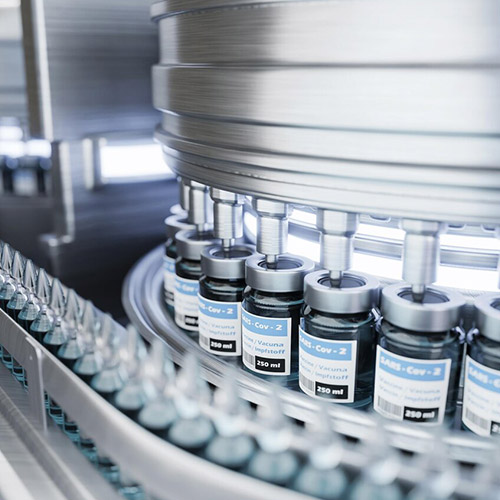
Safety, sterility, and maximum recovery are the three pillars of vaccine production. Huading Separator provides high-end Bio-pharmaceutical centrifuges that meet the most stringent GMP and FDA requirements. In the delicate process of virus or bacterial vaccine manufacturing, our equipment ensures the gentle separation of cells and cell debris without compromising the integrity of the viral antigens. ━ Applications Viral Vaccine Production: Separation of infected cell cultures or allantoic fluid. Bacterial Vaccines: Harvesting of pathogens and separation of toxoids. Fractionation of Blood Plasma: Precise separation under temperature-controlled conditions. Recombinant Proteins: Recovery of inclusion bodies and clarified supernatants. ━ Process Steps Cell Harvesting: Separating host cells (e.g., Vero cells or yeast) from the culture medium. Clarification: Post-lysis, the centrifuge removes cell debris to leave a clear supernatant containing the viral antigens. Purification: Using high-speed separation to isolate specific protein fractions. Sterilization (SIP): The entire system is sterilized with pressurized steam (typically 121°C) before and after the production run. ━ Key Considerations Bio-containment: The separator must be hermetically sealed to prevent any aerosol leakage into the cleanroom (Biosafety levels). Validation: Equipment must be supplied with full DQ/IQ/OQ documentation to meet global pharmaceutical regulatory standards.
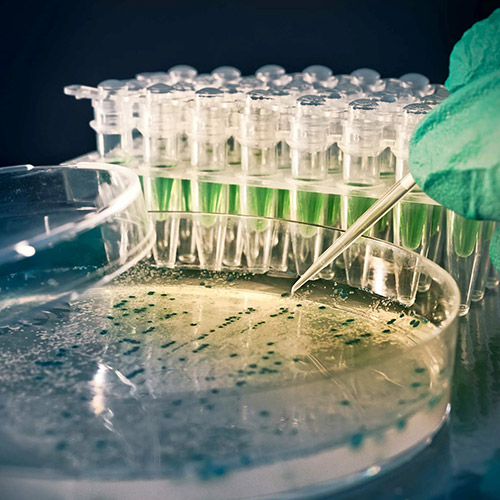
In the field of industrial biotechnology, the efficiency of downstream processing is determined by the precision of primary separation. Fermentation broths are complex systems containing shear-sensitive microorganisms, metabolic by-products, and residual media. Huading Separator offers specialized disc centrifuges designed to handle these challenges with maximum biomass yield and purity. ━ Applications Bacteria and Yeast Harvesting: E. coli, lactic acid bacteria, and yeast cultures. Mycelia Separation: Specialized designs for fibrous fermentation broths. Enzyme Recovery: Rapid separation to prevent enzymatic degradation. Amino Acids & Organic Acids: High-throughput clarification for large-scale production. ━ Process Steps Pre-treatment: Adjust pH and temperature of the broth to optimize viscosity and particle stability. Feeding: The broth is pumped into the disc stack centrifuge through a gentle feeding system to minimize shear stress on cells. Separation: Under high centrifugal force, microorganisms are concentrated at the periphery, while the clarified liquid moves to the center. Discharge: Concentrated biomass is intermittently discharged via the self-cleaning bowl, while the clear phase is discharged under pressure. CIP Cleaning: Automated Cleaning-in-Place cycles ensure no biological residue remains between batches. ━ Key Considerations Shear Sensitivity: Some cells are fragile; ensure the centrifuge speed and inlet design are optimized to prevent cell lysis. Temperature Control: Fermentation products are often heat-sensitive; cooling jackets may be required to maintain biological activity. Aseptic Integrity: High-quality mechanical seals are essential to prevent environmental contamination.
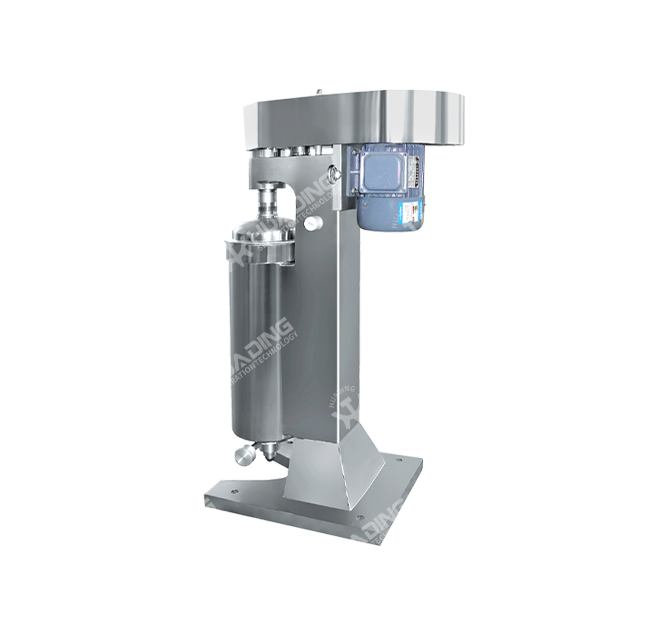
The manufacturing of high-performance nanomaterials requires separation technology that operates at the limits of physics. In the production of pigments, catalysts, and electronic chemicals, achieving a precise particle size distribution is critical. Huading Separator’s high-speed disc stack technology is engineered to capture sub-micron particles that traditional filtration cannot reach. ━ Applications Titanium Dioxide (TiO2) & Pigments: Precision classification and grit removal. Graphene & Carbon Nanotubes: Efficient liquid-phase exfoliation and purification. Catalyst Recovery: Precious metal catalyst separation from liquid phases. Silica & Alumina Slurries: Clarification and concentration for polishing agents (CMP). ━ Process Steps Dispersion: The nanomaterial slurry is pre-dispersed using ultrasonic or high-shear mixing to break up loose aggregates. Classification: The centrifuge is tuned to a specific G-force to separate "oversized" particles from the desired "target size" particles. Multi-stage Washing: Separated solids are re-slurried with solvent and centrifuged again to wash away residual ions or impurities. Concentration: The final purified nano-suspension is concentrated to the required solid content for downstream packaging. ━ Key Considerations Abrasion Resistance: Nanomaterials can be highly abrasive. Huading utilizes tungsten carbide or ceramic coatings on wear-prone parts. Explosion Proofing: If using flammable organic solvents (e.g., Ethanol), an ATEX-certified gas-tight design with nitrogen inerting is mandatory. Agglomeration: Monitor the chemistry of the carrier liquid; changes in ionic strength can cause particles to clump, affecting efficiency.
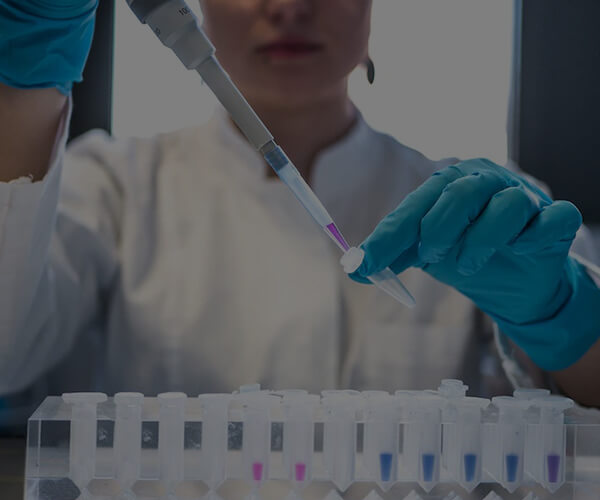
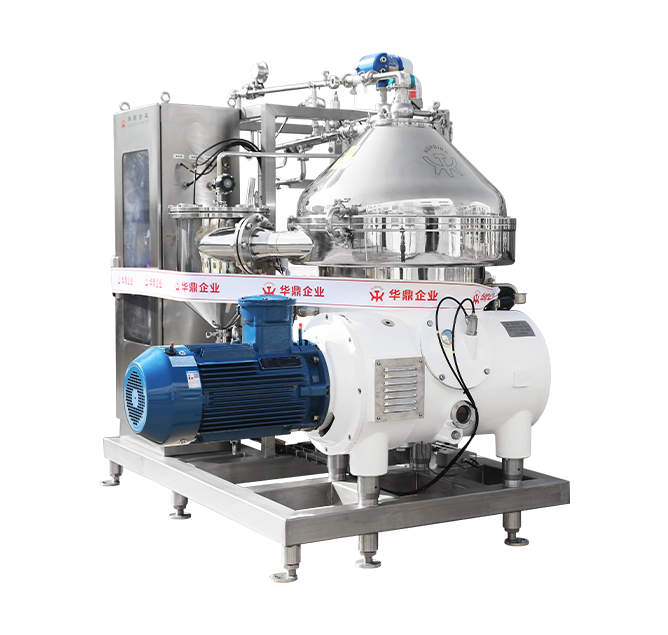
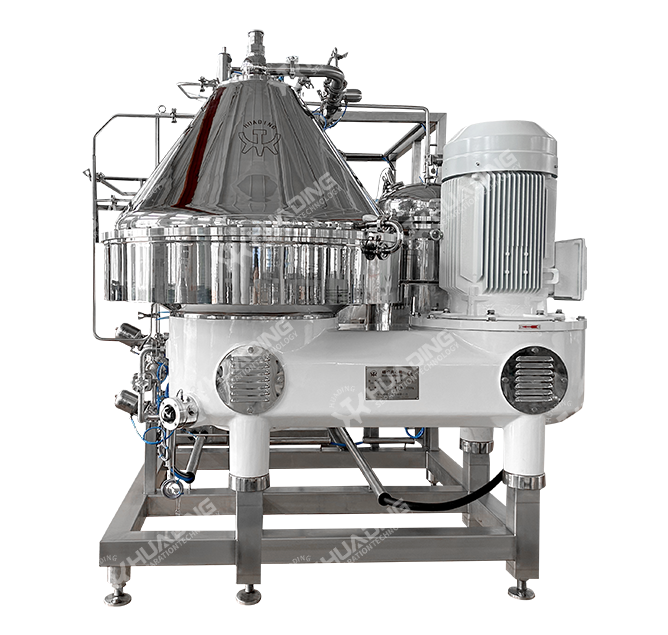
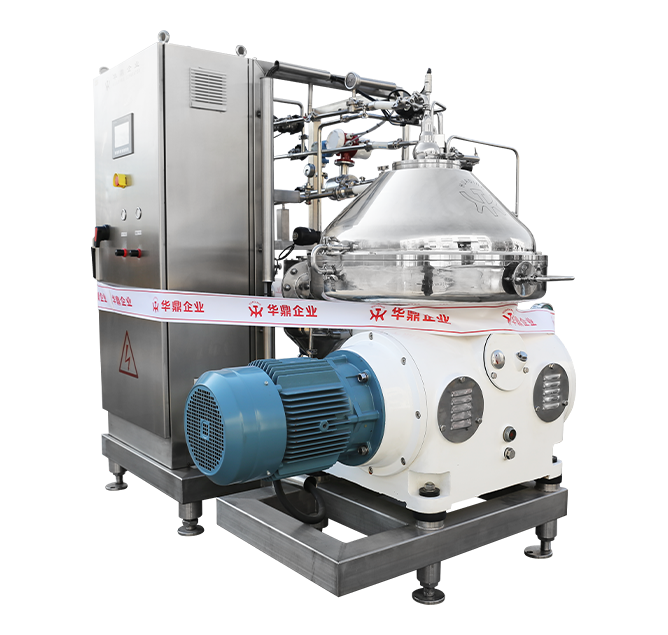
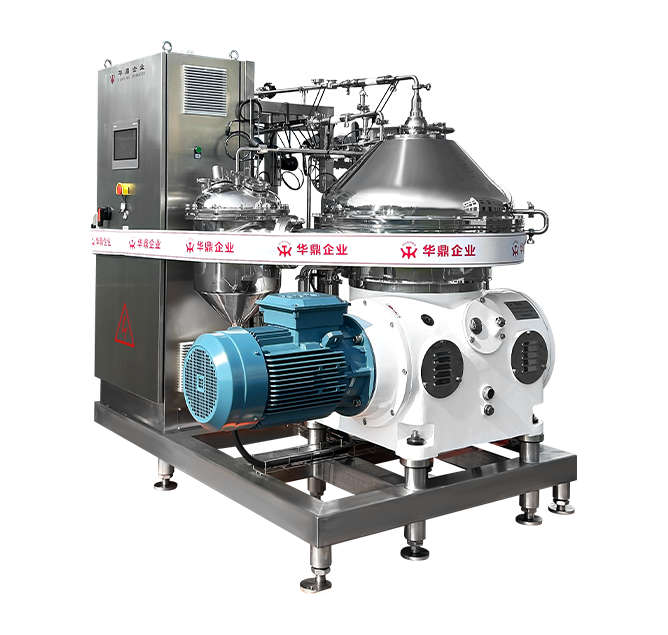
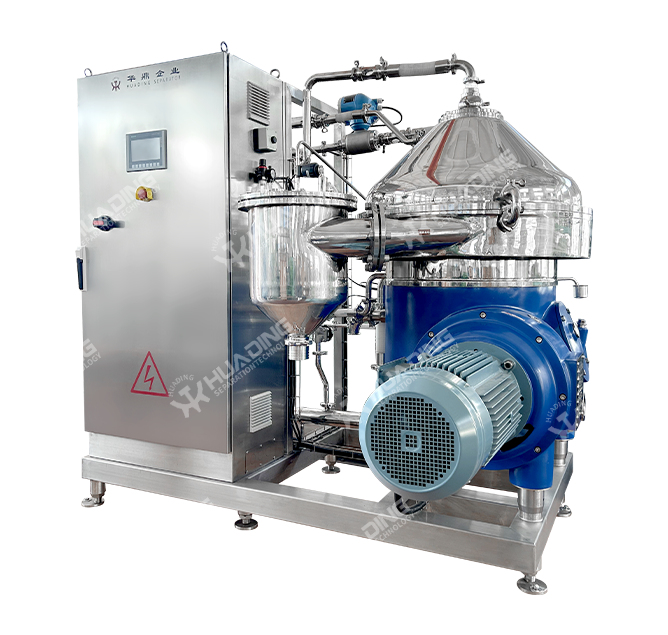
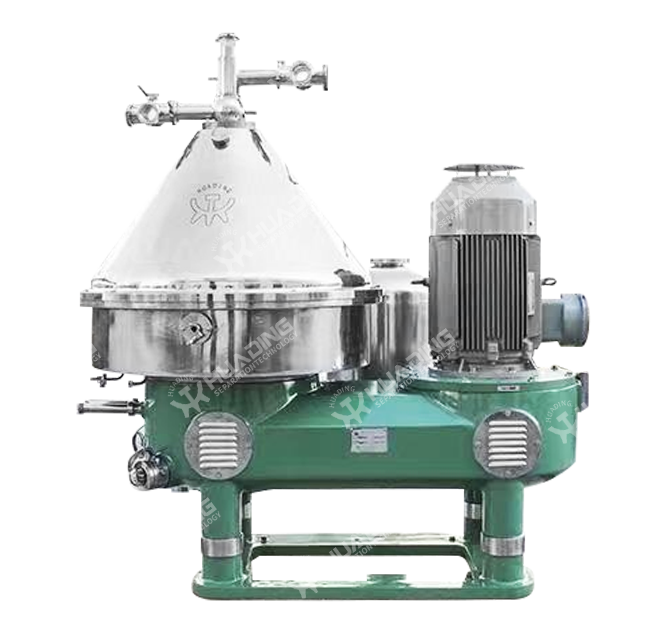
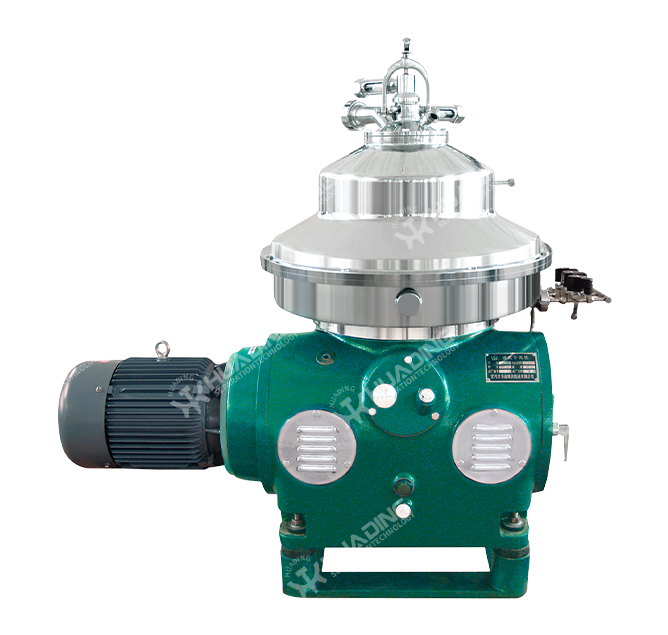
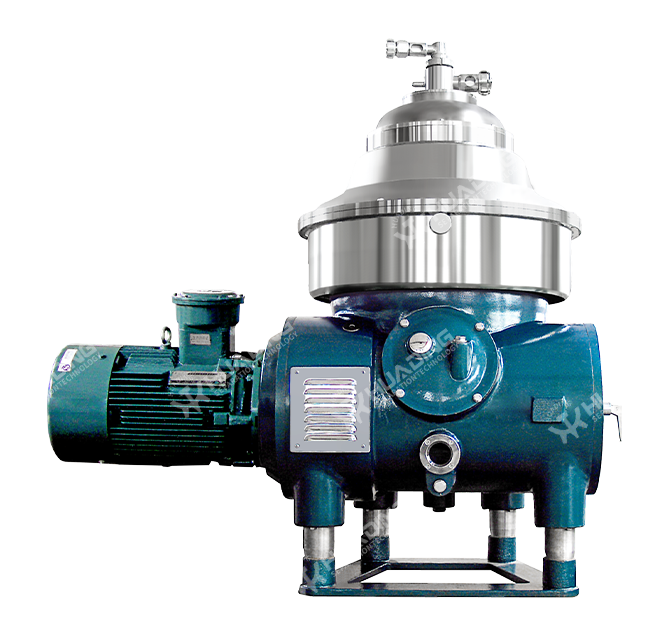
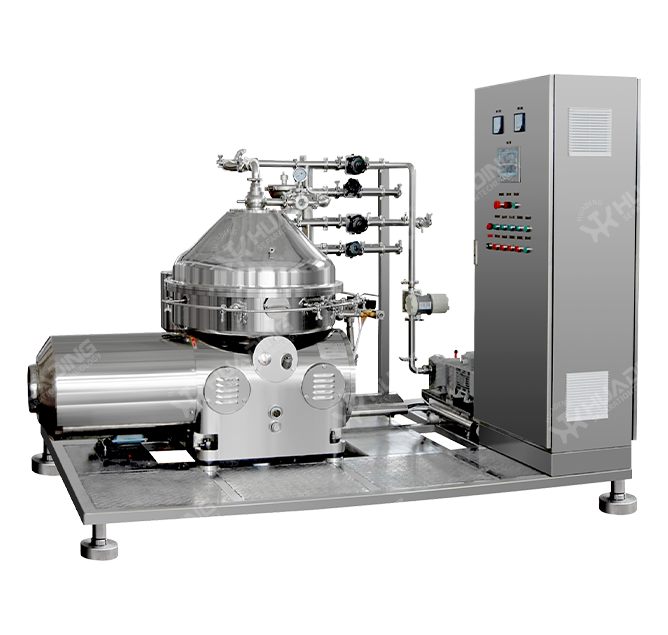
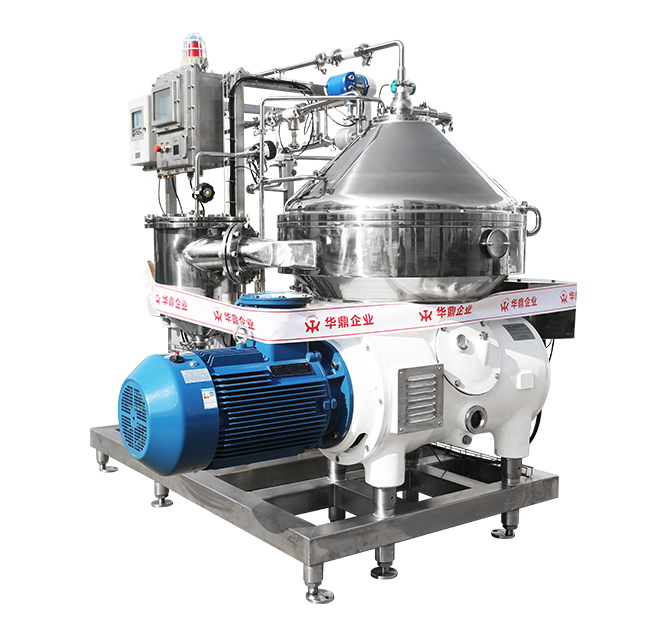
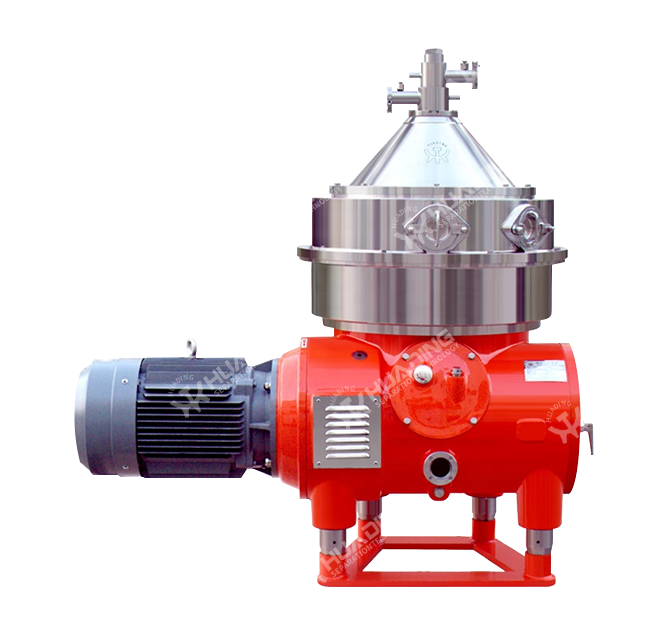
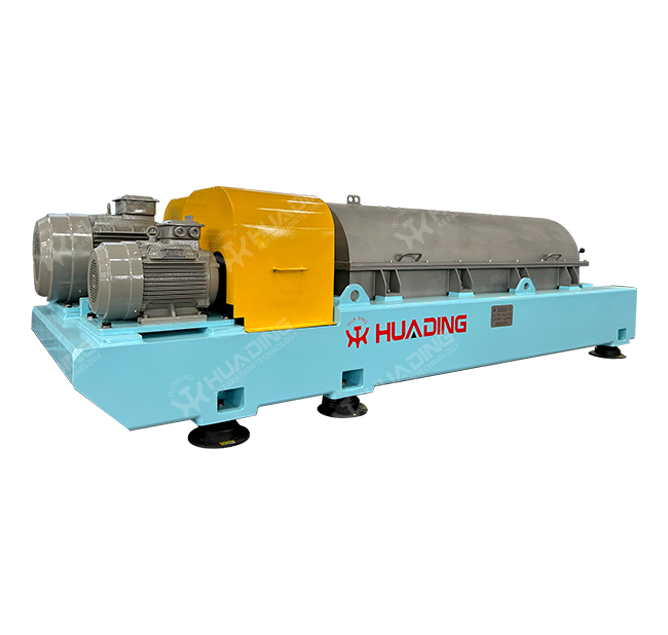
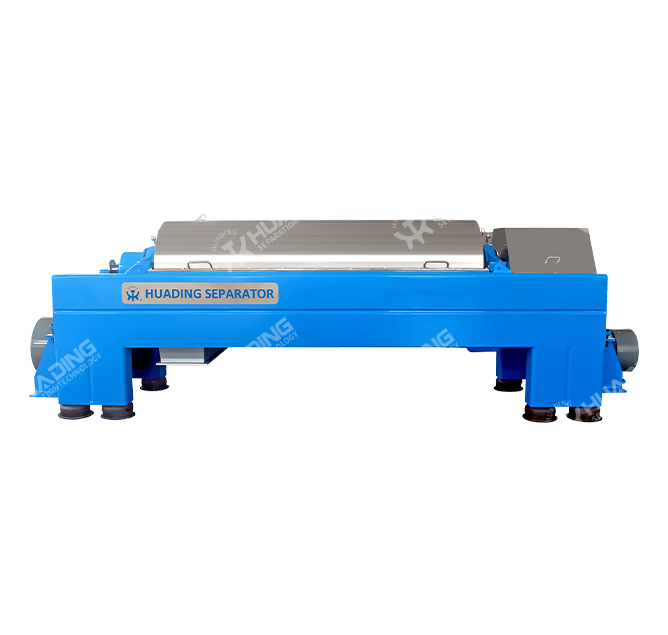
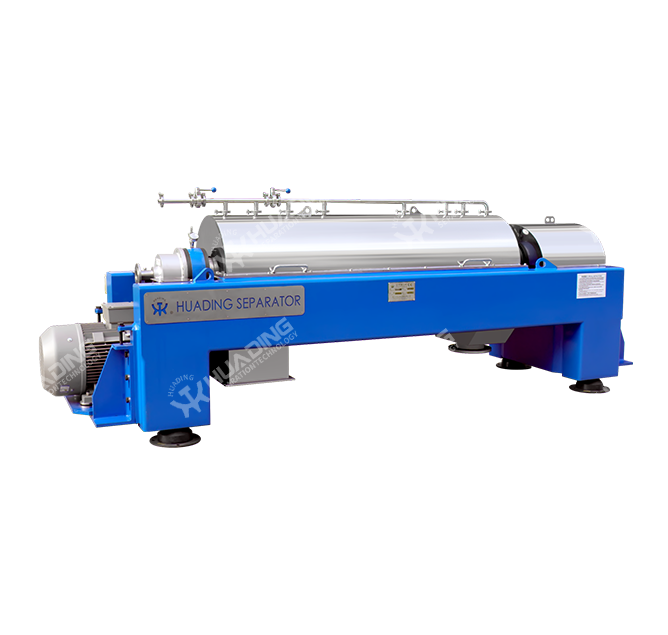
Hardly any other sector does safety have such a high priority than chemistry. Where concentrated acids and explosive substances are part of day-to-day business, separators and decanters must show that they are made of strong stuff. All machines meet the stringent quality requirements and are customized to the individual needs of each specific application. The Huading Separator Industry, as the technology reputableer since 1954, can select the special materials appropriate to each specific product, temperature and medium. And, of course, the separators and decanters from the Huading Separator Industry are available in gas-tight, explosion-protected designs and in compliance with the ATEX directive. In organic and inorganic chemistry, decanters and separators are widely used for: ━ Aldehydes/alcohols━ Barium sulphate━ Recovery of alkaline salts (boiler ash)━ Celluloses and Derivates━ Printing colours/inks━ Colours/paints/resins━ Aniline colourings━ Clear lacquers━ Coloured lacquers━ Epoxy resins━ Amide resins━ Phenolic resins (bakelite), etc.━ Gum arabic━ Catalytic segregation━ Cosmetic and hygiene products━ Alkalis━ Luminescent materials ━ Solvent recovery and clarification━ Nitration of aromatics━ Nylon, caprolactam━ Oil additives━ Pesticides━ Peroxides━ Recovery of peroxides━ Recovery of working solutions━ Phosphoric acid━ Polyacetates━ Acids (inorganic and organic)━ Suspensions with━ hydroxides━ metals━ oxides━ salts━ Viscose, cellulose acetate In petrochemistry and plastics chemistry, decanters and separators are widely used for: ━ Xanthan━ Plastic suspensions (e.g. PVC, polyacetal)━ Polycarbonates━ PTA (purified terephthalic acid)
Copyright ©Yixing Huading Machinery Co.,Ltd. All Rights Reserved. Custom Centrifugal Separator Factory