Solid-liquid separation, a fundamental process in various industries, is crucial for purposes like product purification, waste treatment, and material recovery. Decanter centrifuges and disc stack centrifuges are two primary technologies used for this purpose. This article aims to provide a detailed comparison of these two systems, outlining their working principles, key differences, applications, and other factors to consider when choosing the right separation technology.
Working Principles
Decanter Centrifuge
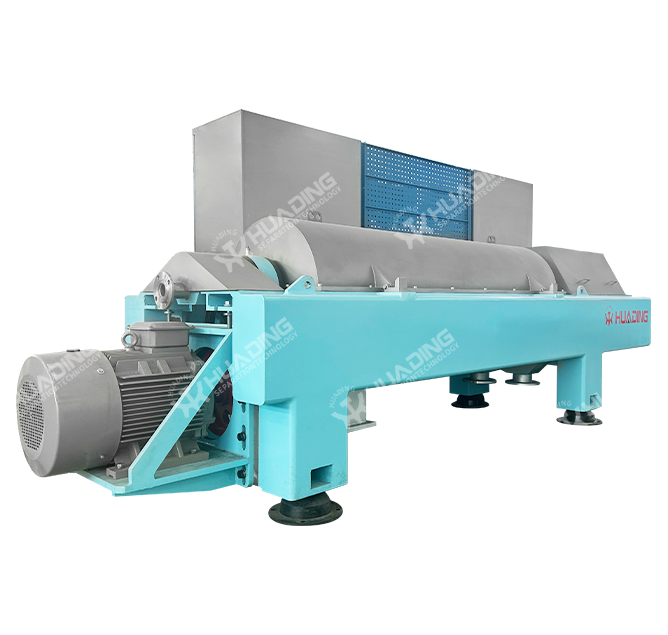
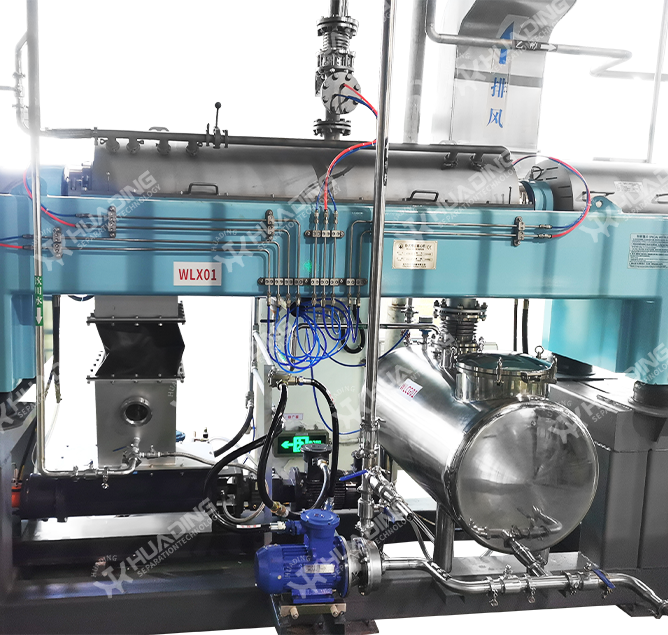
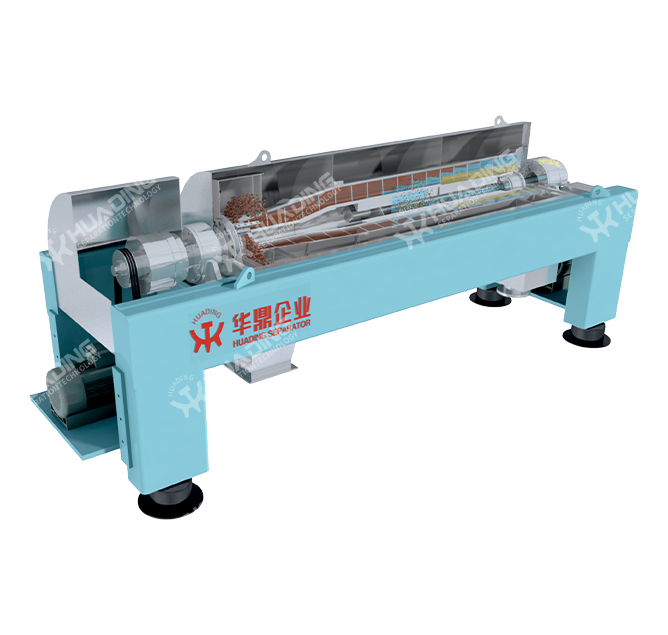
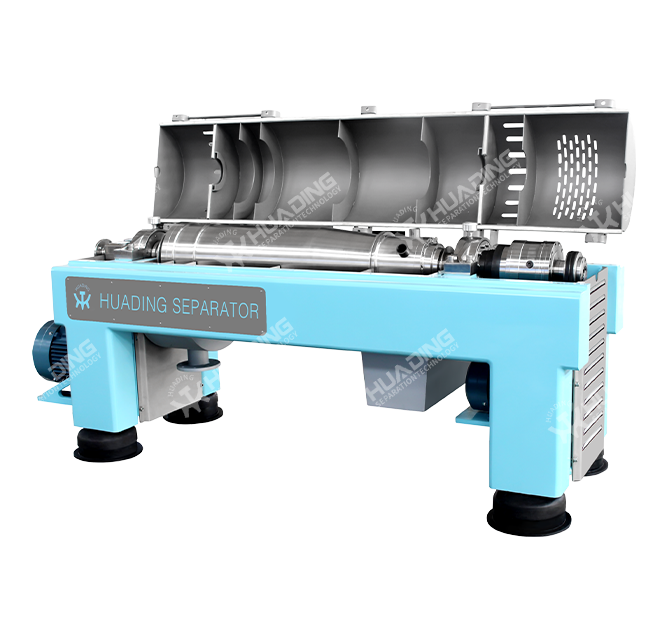
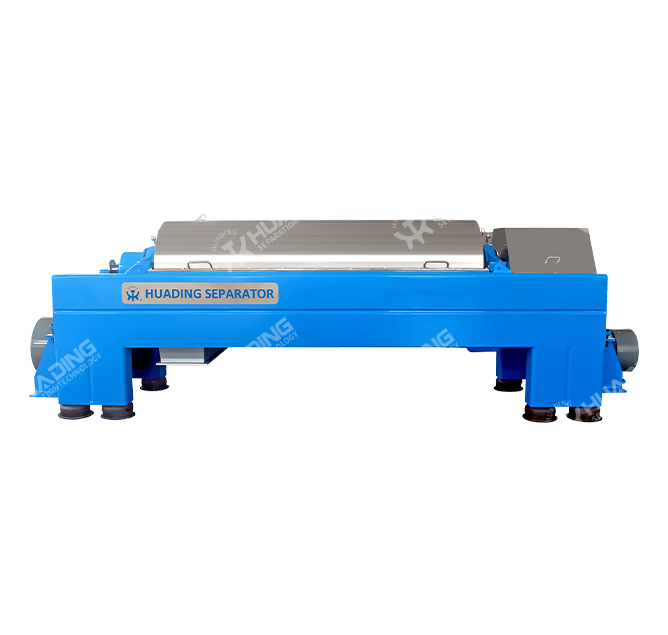
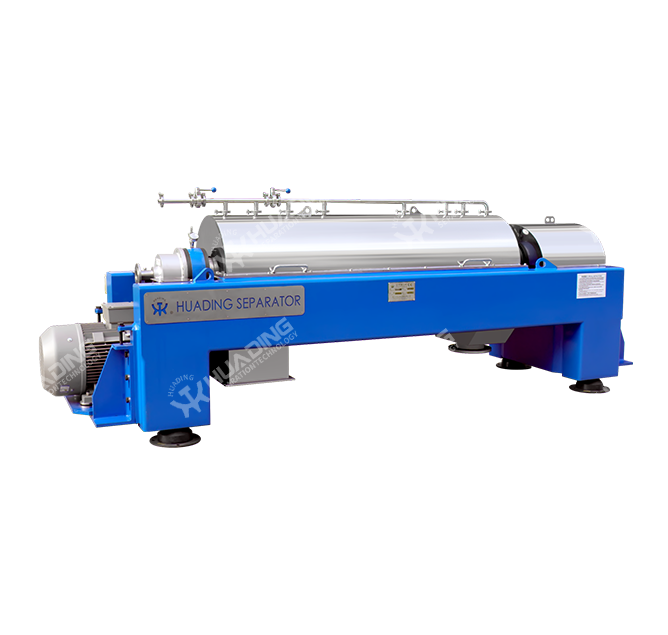
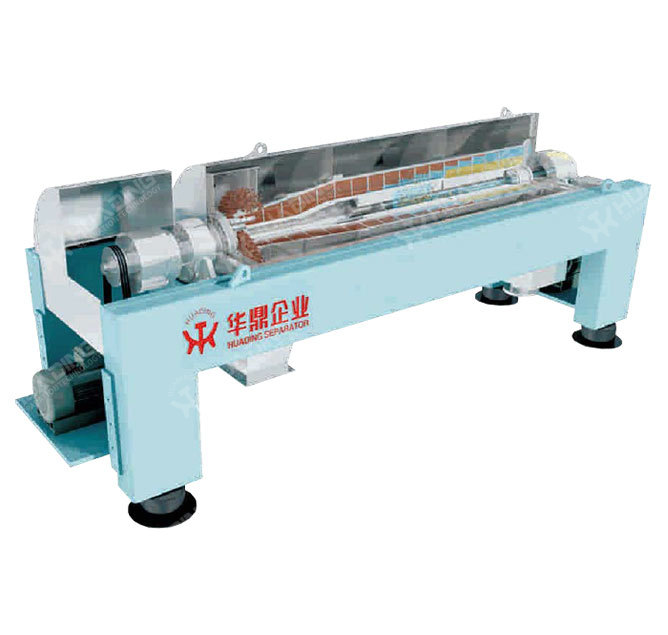
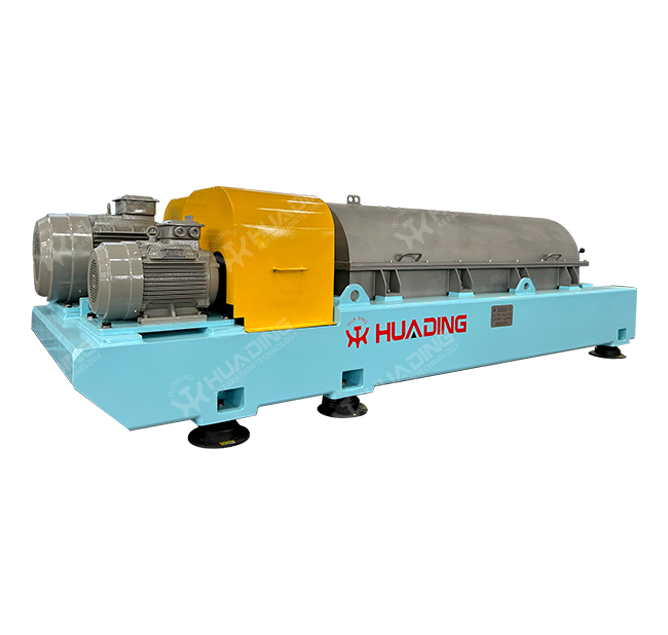
A decanter centrifuge operates on the principle of continuous sedimentation under high centrifugal force. The mixture (slurry) is fed into a horizontal cylindrical-conical bowl that rotates at high speed. The main components are the bowl, a scroll conveyor, and a drive system.
- Feeding: The slurry is pumped through a stationary inlet pipe into the center of the rotating bowl, where it's accelerated to the bowl's rotational speed.
- Settling: The centrifugal force, which can be thousands of times greater than gravity, causes the denser solid particles to settle rapidly against the inner wall of the bowl. The less dense liquid phase, called the centrate, forms an inner concentric layer.
- Discharge: The scroll conveyor, which rotates at a slightly different speed than the bowl, continuously scrapes the settled solids (known as cake) from the bowl wall and pushes them up the conical "beach" to a discharge port. The clarified liquid exits through weirs or dam plates at the other end.
This process allows for the continuous, simultaneous discharge of both the solid and liquid phases.
Disc Stack Centrifuge
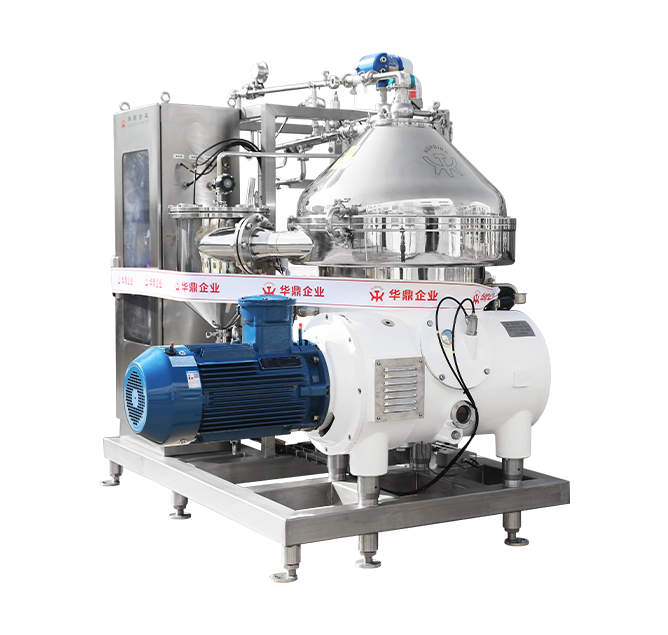
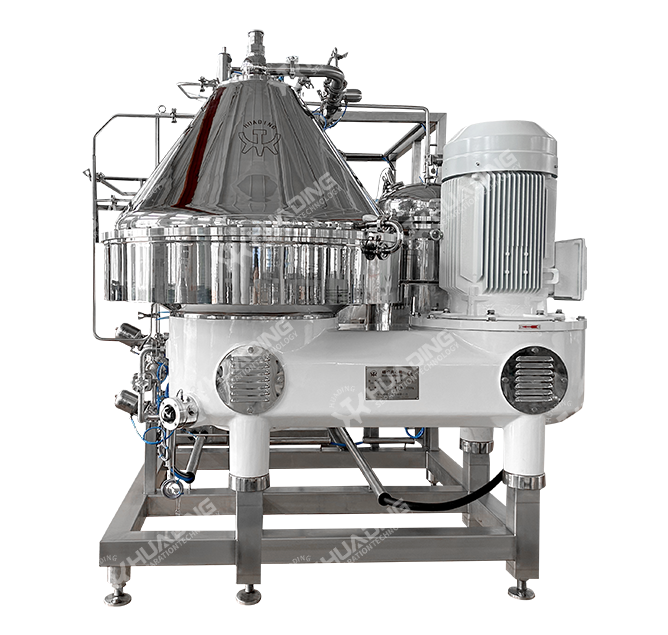
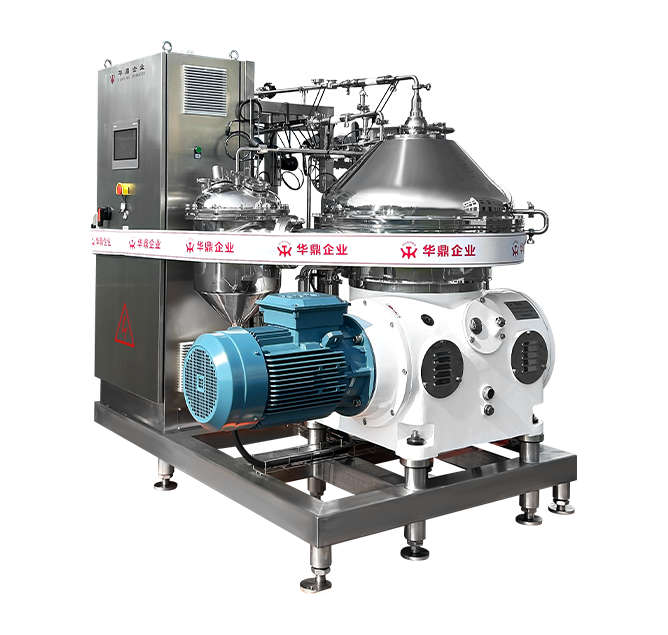
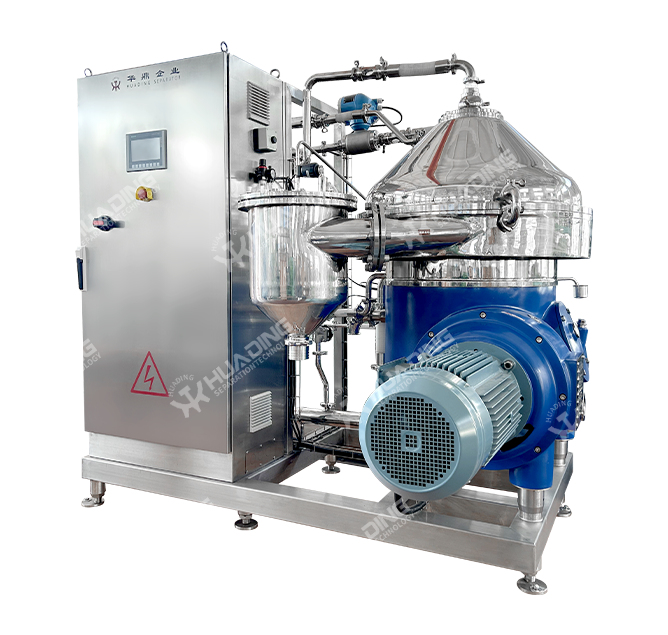
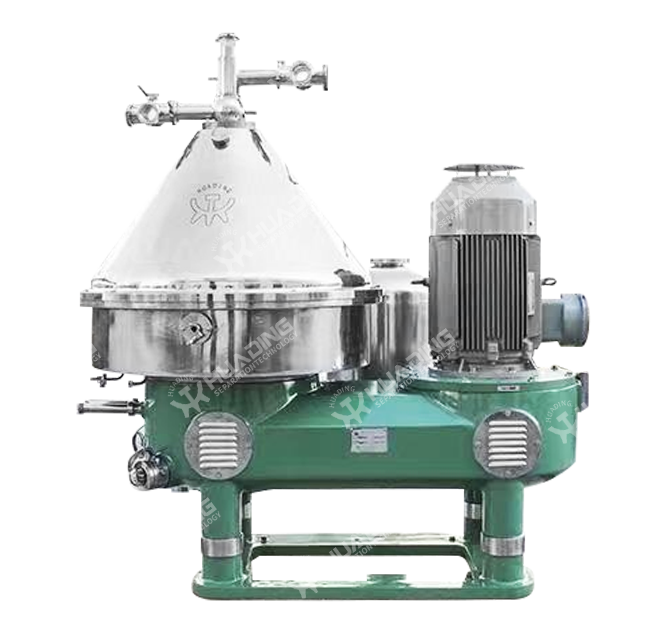
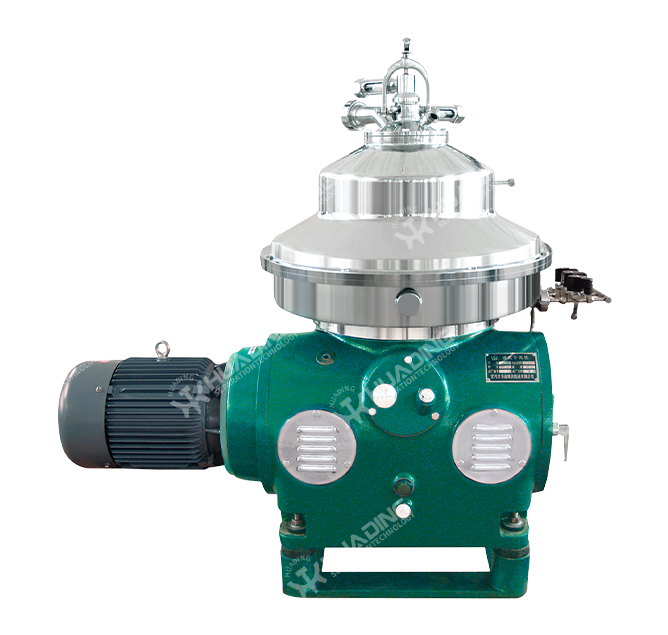
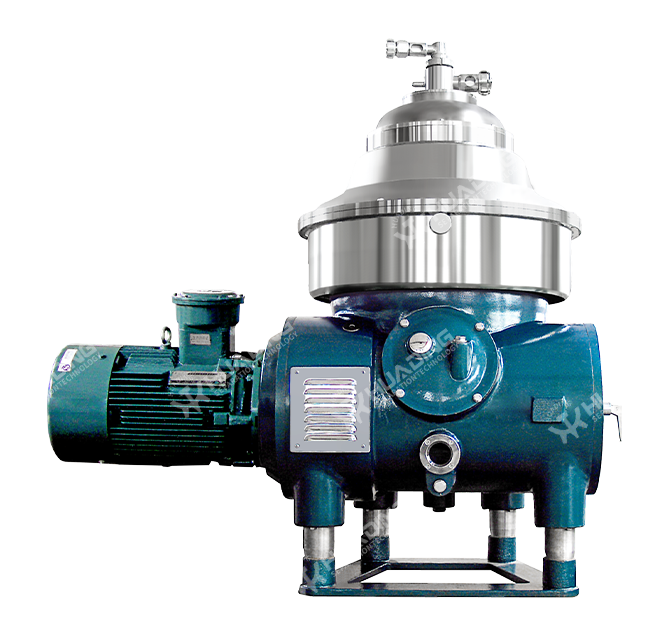
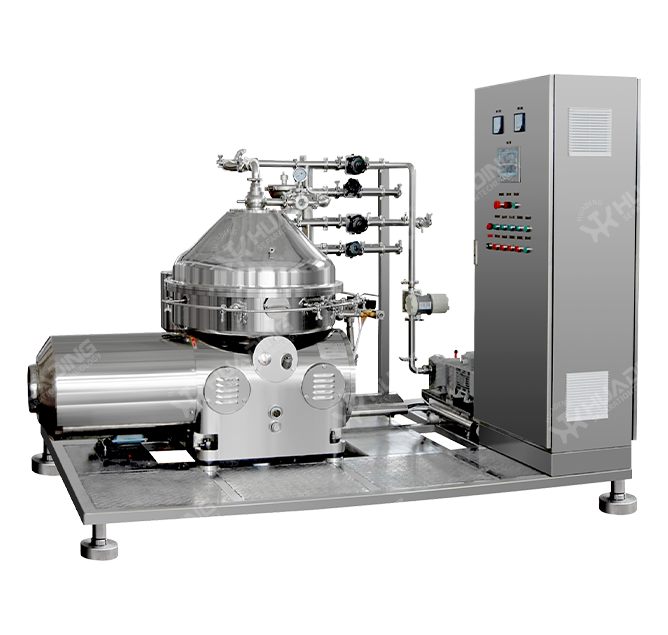
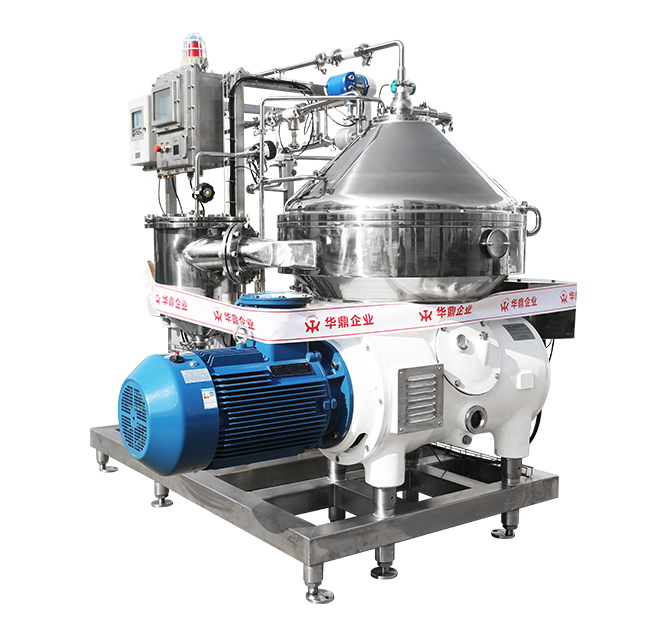
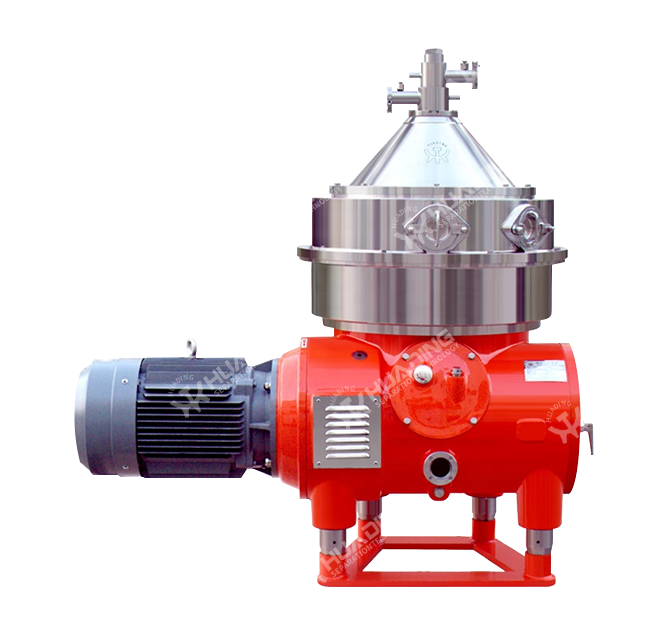
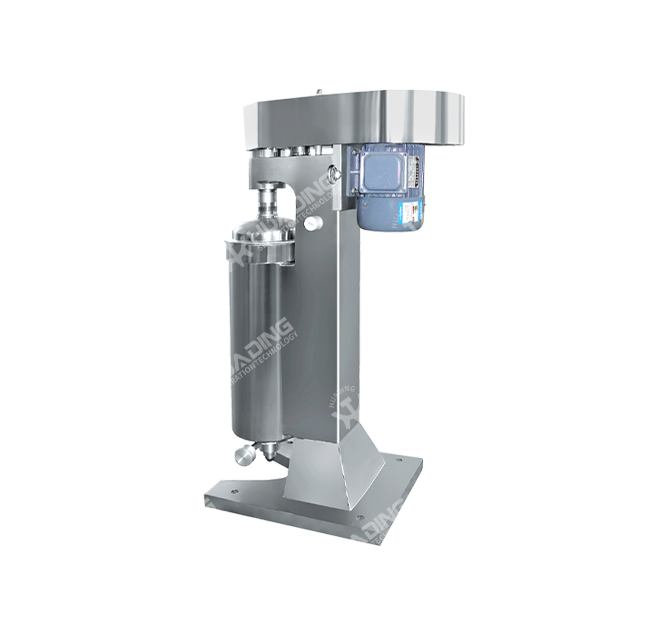
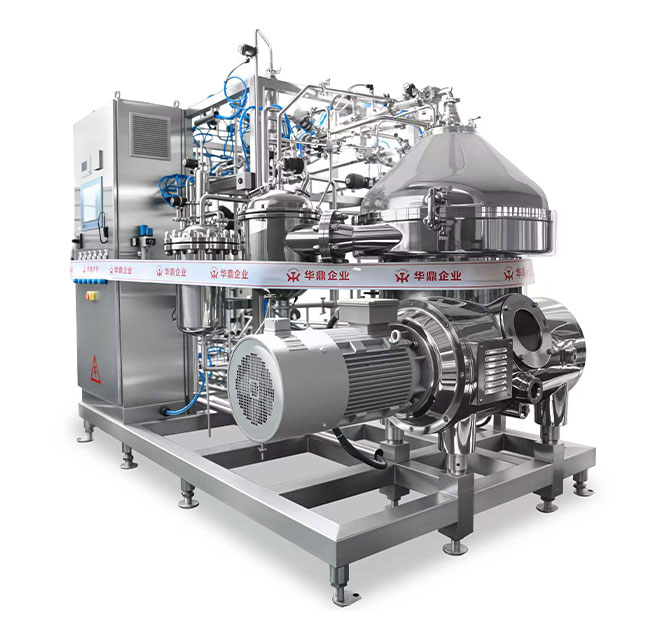
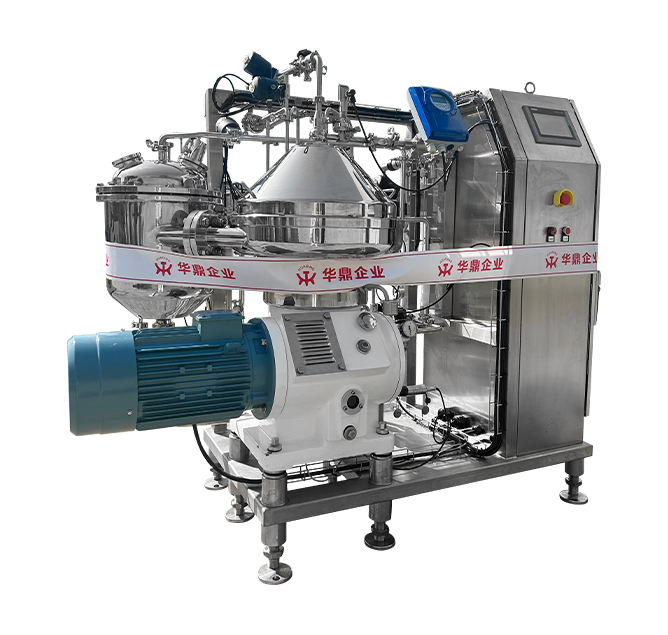
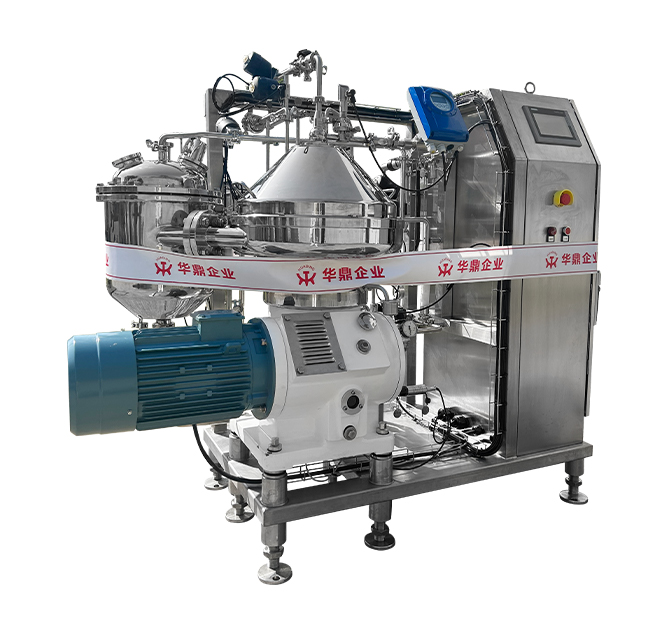
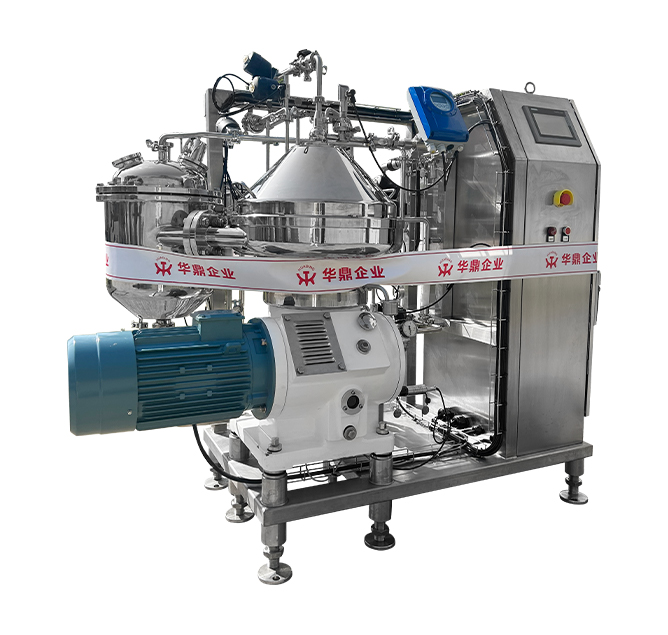
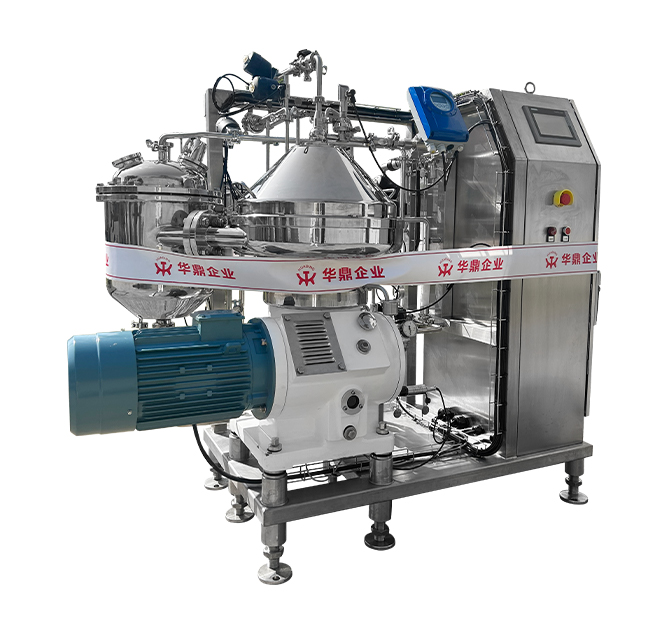
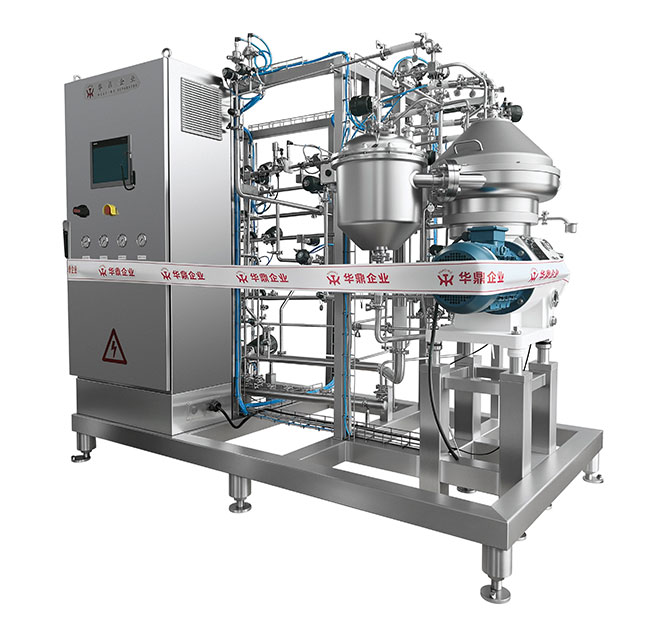
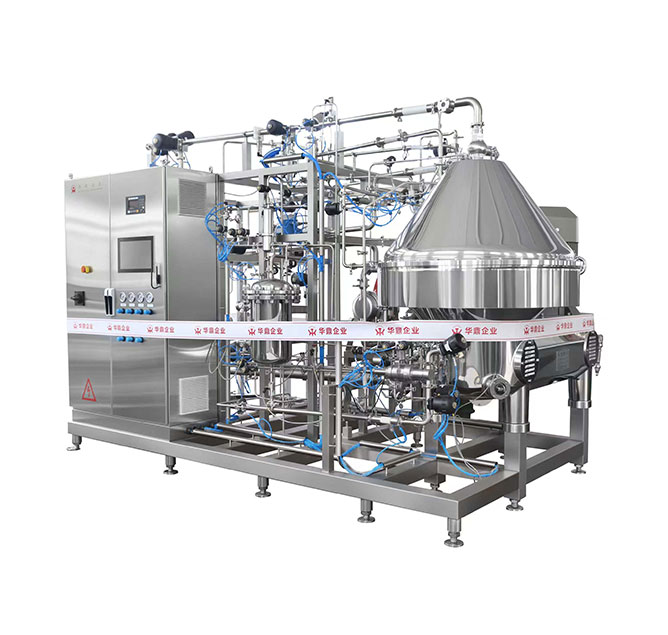
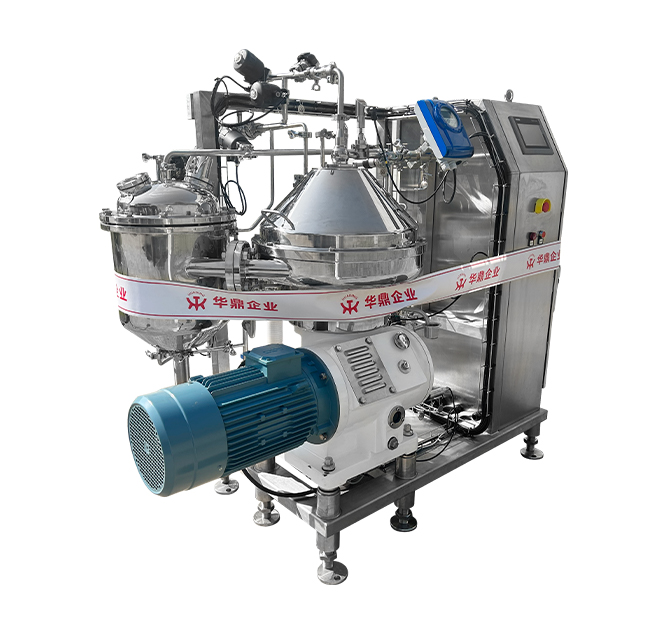
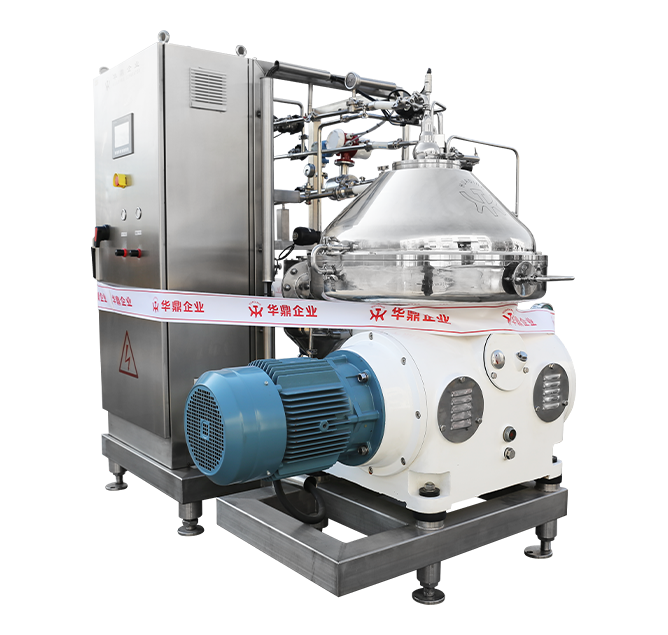
A disc stack centrifuge uses a series of closely spaced conical discs within a high-speed rotating bowl to enhance separation efficiency. This design drastically increases the available surface area for separation. The key components are the rotor (bowl), the disc stack, and the frame.
- Feeding: The feed mixture is introduced into the center of the bowl.
- Separation: As the mixture travels through the narrow channels between the stacked discs, the centrifugal force separates the components. The path for particles to settle is significantly shortened by the presence of the discs. Denser solids or liquids move outward to the bowl's periphery and slide down the underside of the discs, while the lighter liquid phase moves inward toward the center.
- Discharge: The clarified liquid(s) are discharged through outlets at the top of the bowl, often using a built-in centripetal pump. The separated solids accumulate in a sludge chamber and are either discharged continuously (e.g., through nozzles) or intermittently (e.g., via a self-cleaning "ejection" mechanism) depending on the model.
The presence of the disc stack makes the separation highly efficient for fine particles and small density differences.
|
Diary Disc Centrifuge
|
Decanter Centrifuge
|
|
Applications

|
Applications
|
Key Differences
Separation Mechanism
The fundamental difference lies in how each centrifuge facilitates separation.
- Decanter Centrifuge: Relies on sedimentation in a large, open volume. Solids settle against the bowl wall, and the scroll continuously moves them. The separation path is the full radius of the bowl.
- Disc Stack Centrifuge: Utilizes a series of parallel plates (discs) to create multiple, short settling paths. Particles only need to travel a short distance to the surface of a disc before they are guided to the periphery, significantly increasing the effective clarification area and enhancing separation efficiency for fine particles.
Solid Handling Capacity
This is a major distinguishing factor.
- Decanter Centrifuge: Designed to handle high solids concentrations, typically ranging from 1% to 60% by weight. Its robust scroll conveyor and large volume make it ideal for slurries with a high solids load. The system can often handle variations in feed concentration without significant issues.
- Disc Stack Centrifuge: Less suited for high solids feeds. It typically works best with feed concentrations of less than 1% to 10% by volume for continuous operation. Higher concentrations can quickly clog the narrow channels between the discs, requiring frequent cleaning or leading to reduced separation efficiency.
Particle Size
The size of the particles to be separated dictates the choice of technology.
- Decanter Centrifuge: Effective for separating coarse to medium-sized particles, generally from 2 microns up to several millimeters. It is less efficient for very fine particles due to the longer settling path and the potential for a small amount of solid material to be carried out with the liquid.
- Disc Stack Centrifuge: Highly efficient for separating fine particles, often down to 0.5 microns or less. The short settling path within the disc stack is optimized for clarifying liquids from very fine suspended solids or for separating two immiscible liquids.
| Parameter |
Decanter Centrifuge |
Disc Stack Centrifuge |
| Solids Concentration (Feed) |
High (1-40% by weight) |
Low (1-10% by volume) |
| Particle Size (Separation) |
Coarse to medium (>2 microns) |
Fine (<2 microns, down to 0.5 microns or less) |
| Clarity of Liquid |
Good, but can be less clear for very fine particles |
Excellent, often required for product quality |
| Solids Dryness |
High (due to long compaction time in the conical section) |
Variable (solids are often still wet, as they aren't compacted) |
| Operation Type |
Continuous discharge of both phases |
Continuous or intermittent discharge of solids |
Application Areas
The choice between a decanter and a disc stack centrifuge is often dictated by the specific requirements of the process and the characteristics of the materials being separated.
Decanter Centrifuge
Known for its robustness and ability to handle high solids loads, the decanter is the workhorse for many industries.
- Wastewater Treatment: A primary application is dewatering municipal and industrial sludge. Decanters significantly reduce the volume of sludge, which lowers disposal and transportation costs.
- Food Processing: Used for a wide range of tasks, including the extraction of olive oil, dewatering fruit and vegetable pulp, clarifying fruit juices, and separating animal fats from proteins.
- Chemical & Petrochemical: Separation of solids from slurries in chemical production, processing of drilling muds, and dewatering various industrial sludges.
- Mining: Used for dewatering mineral slurries and tailings, recovering valuable materials, and clarifying process water.
Disc Stack Centrifuge
Favored for applications requiring high separation efficiency and the clarification of liquids with low solids content.
- Dairy Processing: Essential for skimming milk (separating cream from skim milk), clarifying milk to remove fine particles and bacteria, and separating whey fines.
- Beverage Clarification: Used extensively in the production of beer, wine, and fruit juices to remove yeast, pulp, and other fine particles, resulting in a clear, high-quality final product.
- Pharmaceutical & Biotechnology: Critical for separating cell cultures from fermentation broths, harvesting proteins, and clarifying blood plasma. The gentle handling and high efficiency are crucial for these sensitive applications.
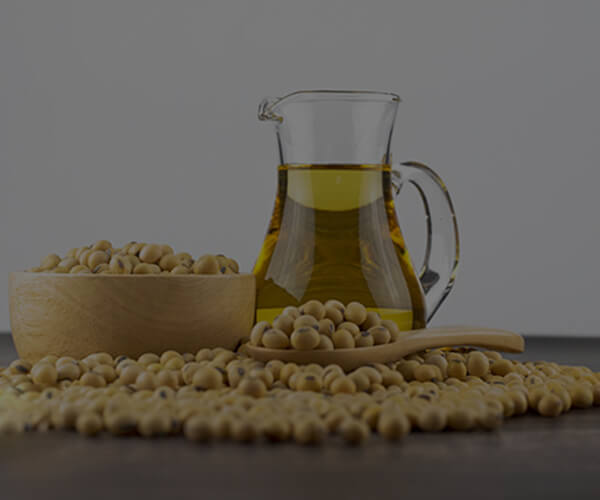
- Edible Oil Processing: Used for the purification of various edible oils by removing residual solids and water, improving product clarity and shelf-life.
Maintenance
Maintenance requirements differ significantly due to the design and operational principles of each centrifuge type.
Decanter Centrifuge
Generally requires less frequent and less intensive maintenance.
- Wear Parts: The main wear parts are the scroll and the bowl, which are subject to abrasive wear from the solids. These components are often coated with wear-resistant materials like tungsten carbide, but they will eventually need refurbishment or replacement.
- Cleaning: Cleaning can be more challenging due to the enclosed nature of the bowl. For many applications, cleaning-in-place (CIP) systems are integrated, but they may not be as effective as for disc stack centrifuges, especially if the solids are sticky.
- Frequency: Maintenance is typically scheduled based on operating hours and the abrasiveness of the feed material. The robust design allows for longer continuous operation between service intervals.
Disc Stack Centrifuge
Can require more frequent cleaning, especially with feeds that tend to clog the disc stack.
- Wear Parts: While some internal components are subject to wear, the primary concern is the potential for clogging. Many models have self-cleaning or automated discharge mechanisms to eject accumulated solids, which helps reduce manual intervention.
- Cleaning: The disc stack and sludge space can be prone to fouling. Automated solids discharge helps manage this, but complete cleaning may require disassembly of the bowl and manual cleaning of the discs.
- Frequency: Maintenance frequency is often tied to the number of intermittent solids discharges or the nature of the feed. Regular cleaning and inspection of the discs are crucial to maintain separation efficiency.
| Parameter |
Decanter Centrifuge |
Disc Stack Centrifuge |
| Primary Maintenance Concern |
Abrasive wear on the scroll and bowl |
Clogging of the disc stack |
| Typical Cleaning Method |
(CIP) |
Automated discharge (self-cleaning) or manual disassembly |
| Service Frequency |
Less frequent, based on wear |
More frequent, based on fouling and process demands |
Advantages and Disadvantages
Decanter Centrifuge
Advantages
- High Solids Capacity: It can handle slurries with a high concentration of solids, making it suitable for thick sludges and dewatering applications.
- Robust Design: Its simple, sturdy construction with a screw conveyor makes it less sensitive to variations in the feed, such as inconsistent particle size or flow rate.
- Continuous Operation: The system provides a continuous discharge of both the solids and the liquid, which is ideal for high-volume, uninterrupted processes.
- Drier Solids Output: The solids are compacted on the conical section of the bowl, resulting in a drier cake with a lower moisture content compared to many other separation methods.
- Lower Maintenance Costs (Relative to Disc Stacks): While it has wear parts, the maintenance is generally less complex and less frequent than the intricate disc stack system.
Disadvantages
- Lower Separation Efficiency: It is less effective at separating very fine particles (less than 2 microns) and is not ideal for clarifying liquids to a high degree of purity.
- Larger Footprint: Decanter centrifuges are horizontally oriented and can be quite long, requiring more floor space.
- Shear-Sensitive Materials: The action of the scroll conveyor can be too harsh for certain shear-sensitive biological materials, potentially damaging cells or breaking up particles.
Disc Stack Centrifuge
Advantages
- High Separation Efficiency: The disc stack provides an immense surface area for settling, allowing it to separate very fine particles (down to 0.5 microns) and liquids with small density differences.
- Excellent Liquid Clarity: It is the preferred choice for applications where a highly clarified or polished liquid product is required, such as in beverage or pharmaceutical processing.
- Compact Design: Its vertical orientation and smaller size give it a smaller footprint, saving valuable floor space.
- Liquid-Liquid Separation: Many disc stack models are specifically designed to separate two immiscible liquids simultaneously with a solid phase (three-phase separation).
Disadvantages
- Limited Solids Capacity: The narrow gaps between the discs are prone to clogging, making this technology unsuitable for feeds with high solids concentrations or large particles.
- Sensitive to Feed Variations: It is more sensitive to changes in the feed rate and solids concentration. A sudden increase in solids can quickly foul the disc stack.
- Higher Maintenance and Operating Costs: The self-cleaning mechanism often requires a supply of clean water, and the intricate design can lead to more frequent and complex maintenance, including potential manual cleaning of the disc stack.
Factors to Consider When Choosing
Feed Characteristics
The properties of the material to be separated are paramount.
- Solids Concentration: A high solids concentration (generally >10% by volume) strongly favors a decanter centrifuge. Conversely, a low solids concentration (<10% by volume) points toward a disc stack centrifuge.
- Particle Size: Decanter centrifuges are best for larger particles (typically >2 microns). Disc stack centrifuges are designed for much finer particles, often separating down to 0.5 microns or less.
- Viscosity: The viscosity of the liquid phase affects the settling rate. Higher viscosity can slow separation in both systems, but it can be particularly problematic for disc stack centrifuges, potentially requiring heating of the feed to lower viscosity.
Separation Requirements
The desired outcome of the separation process is a critical consideration.
- Clarity of Liquid Phase: If the goal is to produce a highly clarified liquid (often called "polishing"), a disc stack centrifuge is the superior choice due to its high separation efficiency.
- Dryness of Solid Phase: If the objective is to produce a dry, stackable solid cake to minimize disposal or transportation costs, a decanter centrifuge is the better option. The compaction phase in the decanter's conical section results in a much drier cake.
- Number of Phases: Decanter centrifuges are primarily used for solid-liquid separation (two-phase). Disc stack centrifuges are commonly configured for three-phase separation, where two immiscible liquids are separated from a solid phase.
Throughput
- Volume: Decanter centrifuges are generally built to handle a larger volume of material and are better suited for high-throughput, continuous operations. Their processing capacity can range from several to hundreds of kiloliters per hour.
- Disc stack centrifuges, while efficient, are typically used for lower-volume processes where the value of the product justifies the higher precision.
Costs
Both capital and operational costs should be factored into the decision.
- Capital Costs: The initial purchase price can vary widely. While the cost of a centrifuge is a significant investment, decanter centrifuges may have a higher initial capital cost than a comparably sized disc stack centrifuge for a given capacity.
- Operating Costs: These include energy consumption, chemical additives (e.g., flocculants for decanters), and labor. Decanter centrifuges can have higher energy consumption due to the torque required to move the scroll conveyor.
- Maintenance Costs: These costs are related to the frequency and complexity of service. Abrasive materials in a decanter can lead to wear on the scroll, requiring periodic and potentially expensive refurbishment. The sensitive nature of a disc stack may require more frequent, though often less expensive, maintenance to clean the discs and replace seals.
| Parameter |
Decanter Centrifuge |
Disc Stack Centrifuge |
| Capital Cost |
Generally Higher |
Generally Lower (for similar capacity) |
| Operating Cost (Energy) |
Higher |
Lower (for similar capacity) |
| Maintenance Cost |
Less frequent, but can be more expensive (wear parts) |
More frequent, but often less expensive (cleaning, seals) |
| Solids Concentration (Feed) |
Primary consideration for selection |
Major limiting factor |
| Particle Size |
Primary consideration for separation efficiency |
Primary consideration for separation efficiency |
| Desired Output |
Drier solids cake |
Higher liquid clarity |
Recent advances in Decanter and Disc-Stack Centrifuge technologies.
Advancements in both decanter and disc stack centrifuge technologies are focused on improving efficiency, reducing energy consumption, and incorporating smart automation for better control and maintenance.
Decanter Centrifuge
- Enhanced Separation Efficiency: New designs with improved feed acceleration systems and optimized bowl and scroll geometries allow for better separation of finer particles, a traditional weakness of decanters. These innovations help reduce the amount of solids in the liquid output and can even increase throughput for "difficult-to-separate" slurries.
- Advanced Control Systems: Modern decanters are equipped with sophisticated automation and control systems. These include variable frequency drives (VFDs) that automatically adjust bowl and scroll speeds to accommodate changes in feed characteristics. This real-time monitoring and adjustment ensures consistent performance, optimizes energy use, and prevents torque overloads.
- Improved Materials: The use of advanced materials like tungsten carbide coatings and high-strength, corrosion-resistant alloys has significantly increased the durability and lifespan of wear parts, especially the scroll conveyor. This reduces maintenance frequency and costs, making the centrifuges more reliable for handling abrasive materials.
Disc Stack Centrifuge
- High-G Force and Optimized Design: Modern disc stack centrifuges are being engineered to operate at higher G-forces (often exceeding 10,000 x G) to achieve even greater separation efficiency. Computational fluid dynamics (CFD) modeling is used to optimize the flow patterns within the disc stack, preventing cell damage and maximizing recovery of valuable products.
- Single-Use Technology: A significant development in the biopharmaceutical and food industries is the advent of single-use disc stack centrifuges. These systems use disposable internal components that come into contact with the product. This eliminates the need for time-consuming and costly cleaning-in-place (CIP) and sterilization-in-place (SIP) processes, reducing the risk of cross-contamination and increasing turnaround time.
- Hybrid Systems: Some manufacturers are developing flexible systems that can switch between two-phase (solid-liquid) and three-phase (liquid-liquid-solid) separation dynamically. This versatility allows a single unit to be used for multiple stages of a production process, improving plant efficiency and reducing capital investment.
- Energy Efficiency: Innovations such as low-friction designs and energy-recovery systems are being incorporated to reduce power consumption. For example, some designs minimize air pressure in the space between the bowl and the frame, which can cut energy use by a significant margin.

 English
 русский
 Español
 عربى
عربى 中文简体
中文简体