
 English
 русский
 Español
 عربى
عربى 中文简体
中文简体
WE ARE HAPPY TO SOLVE
PROBLEMS FOR CUSTOMERS
learn more >
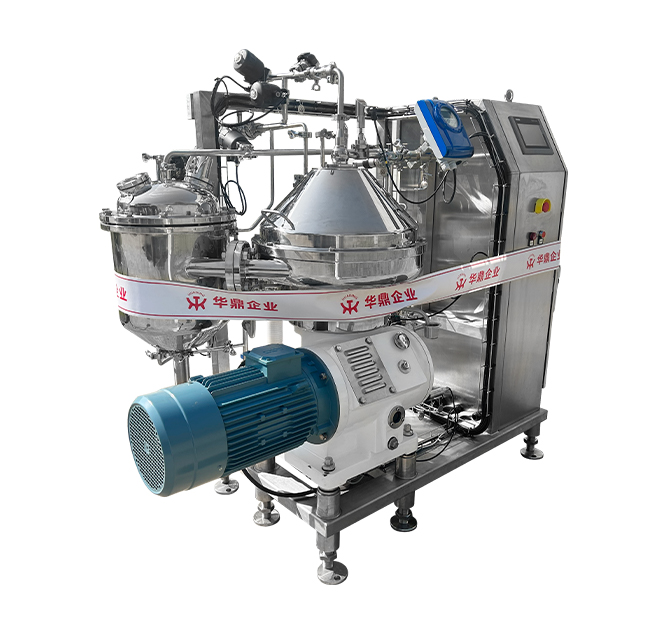
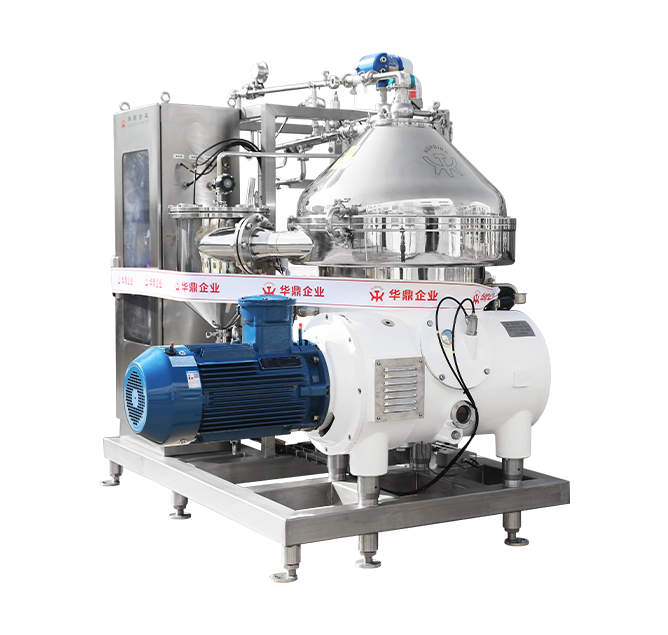
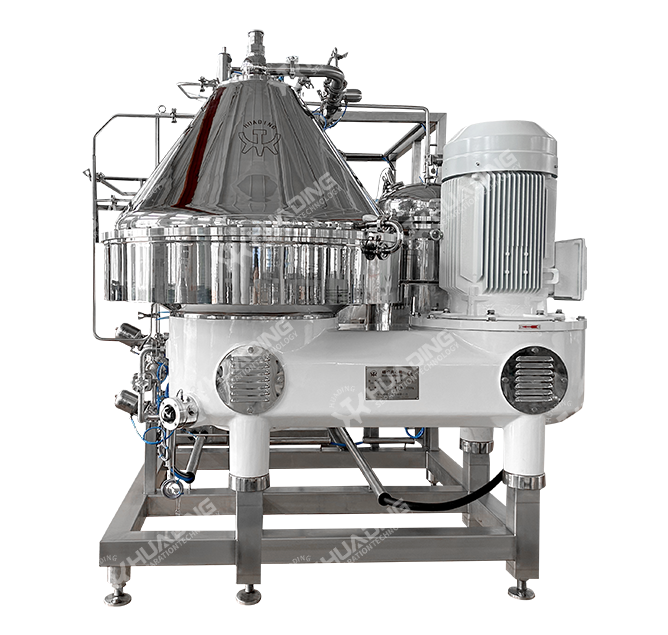
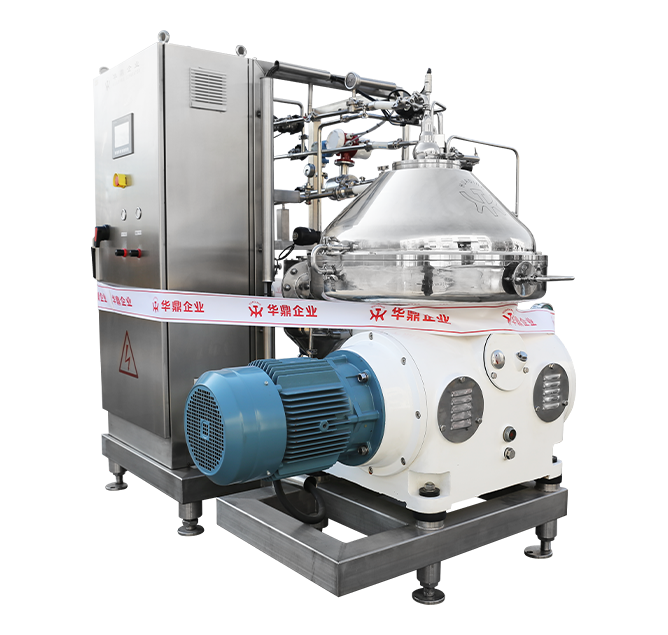
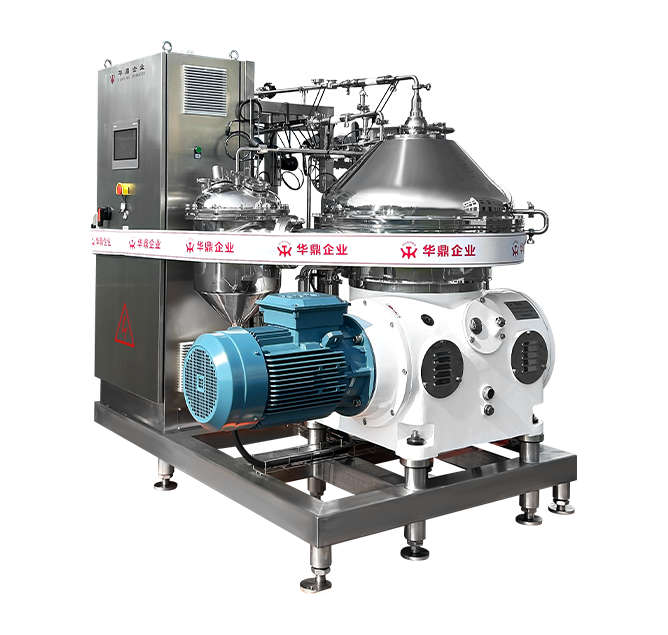
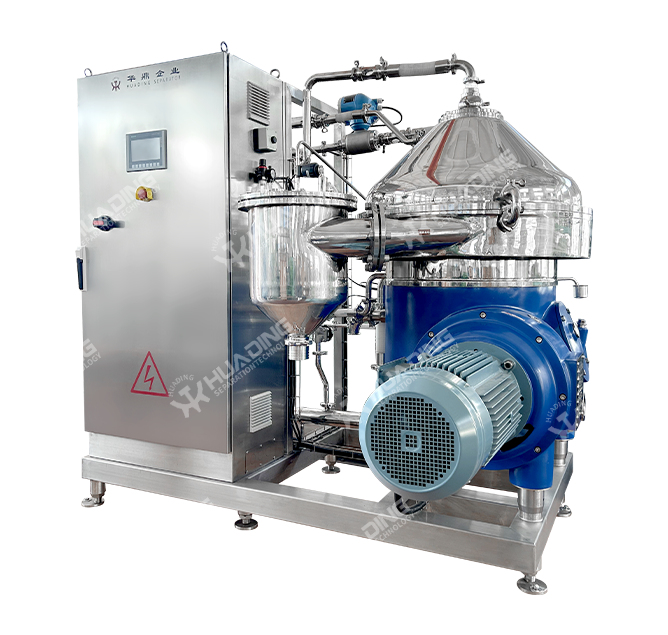
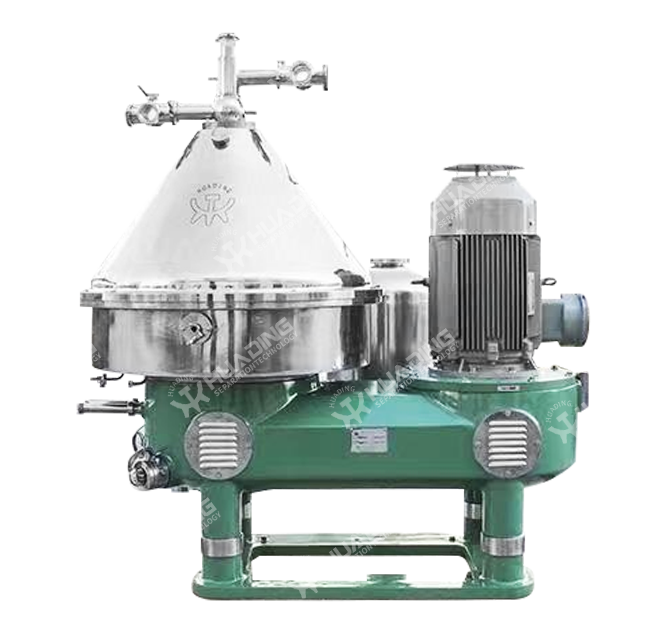
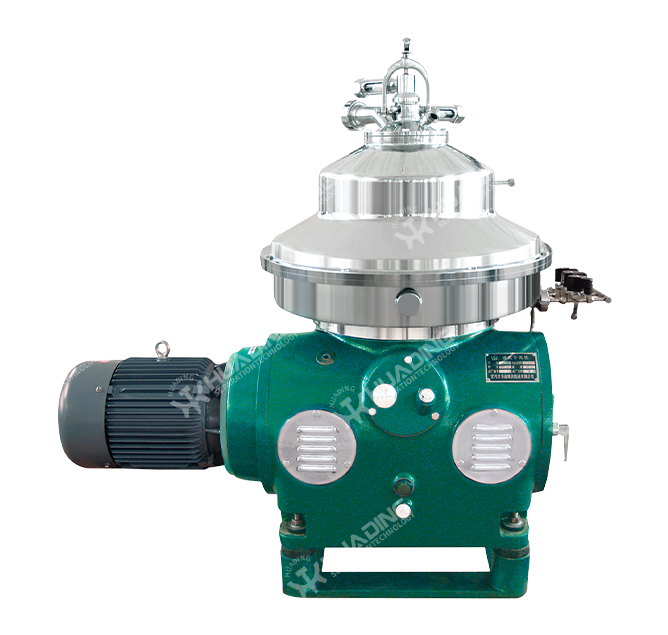
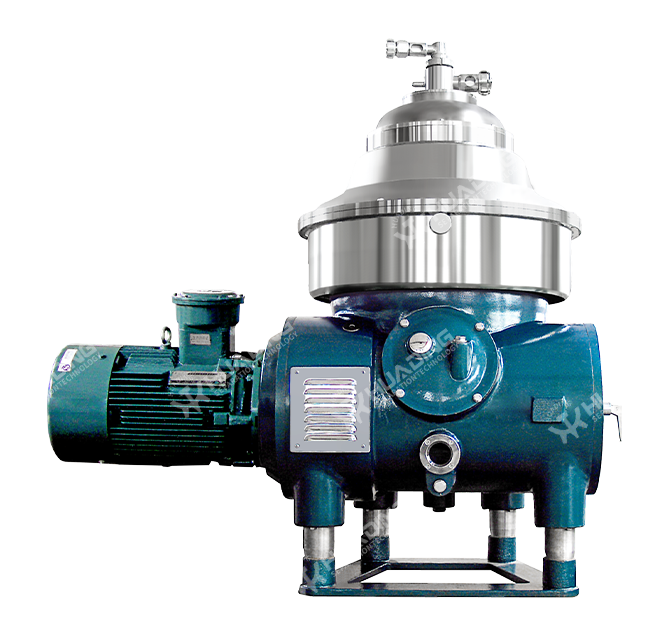
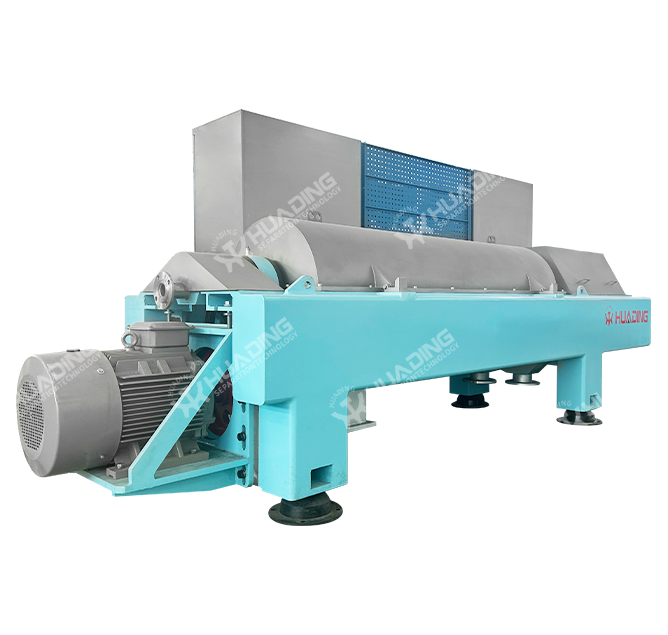
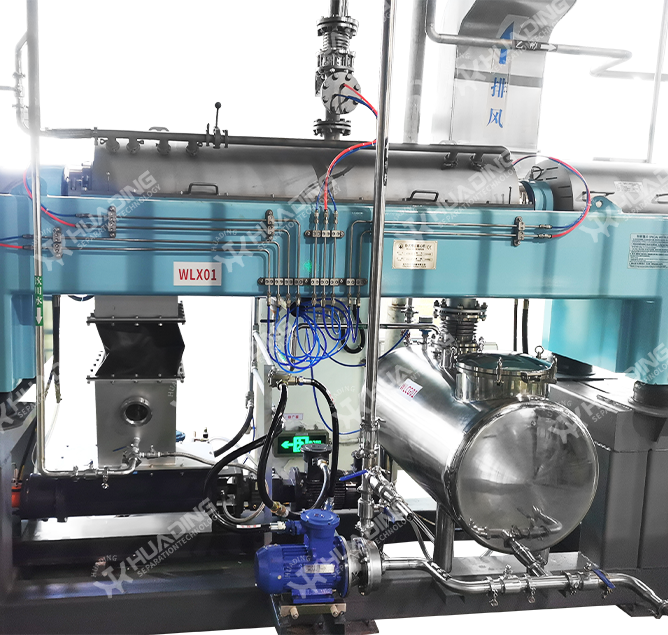
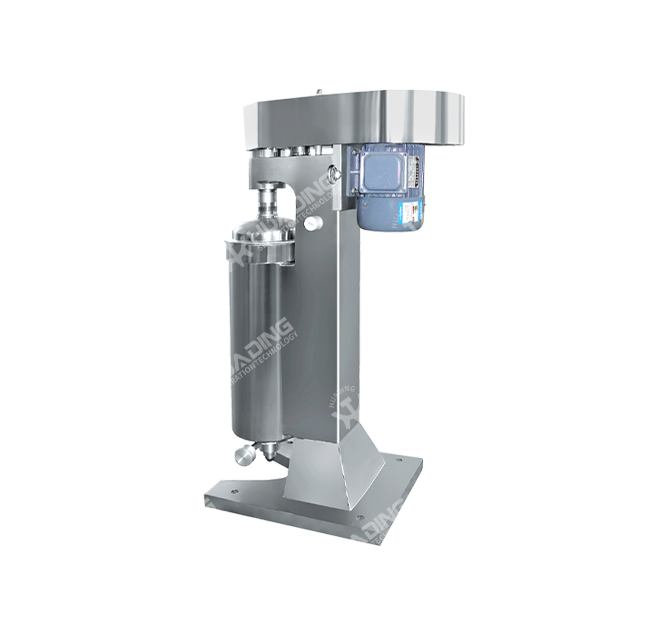
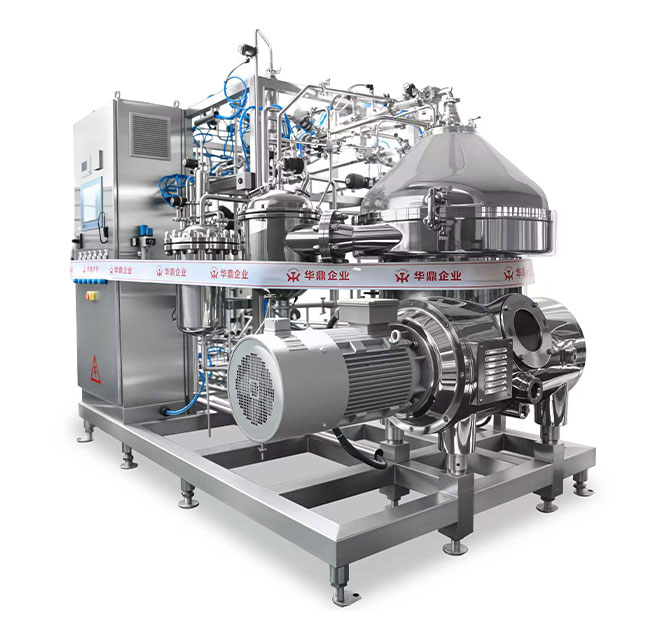
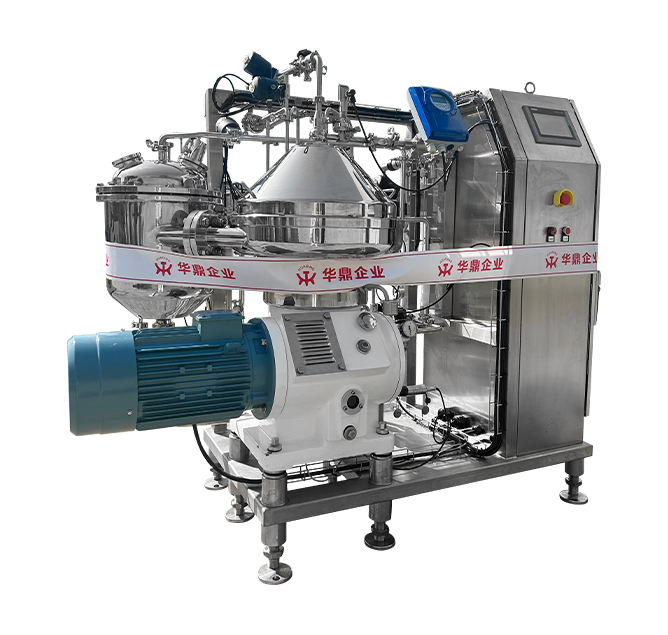
A tubular centrifuge is a type of industrial centrifuge widely used for the separation of solid-liquid or liquid-liquid mixtures with fine particles or emulsions. Its design consists of a long, narrow, tubular-shaped rotor that spins at extremely high speed to generate strong centrifugal force. This centrifugal force accelerates the sedimentation process of suspended particles or the separation of immiscible liquids, making it possible to achieve clear separation results that cannot be easily obtained through conventional filtration or gravitational settling. The working principle is based on the density difference of the substances within the mixture: denser particles or liquid phases move outward toward the tube wall, while lighter fractions concentrate closer to the center of the rotor. This continuous and efficient separation process allows tubular centrifuges to be applied in biotechnology, pharmaceuticals, the food and beverage sector, and chemical industry processes such as oil separation and blood fractionation.
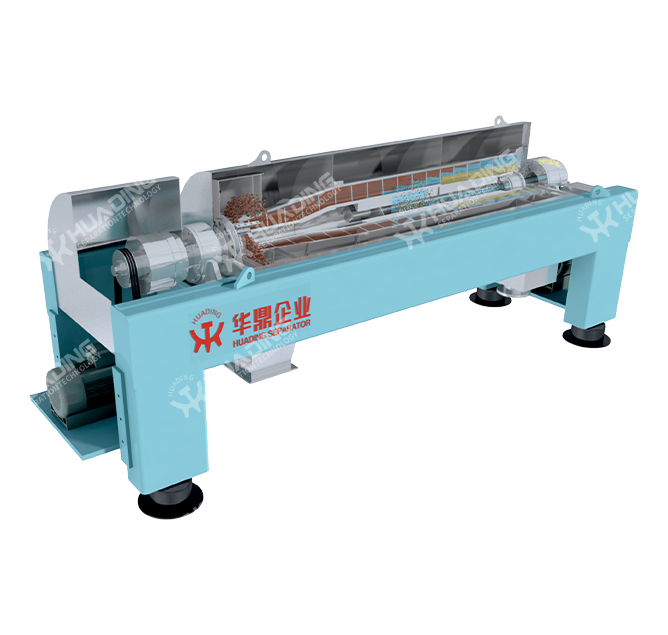
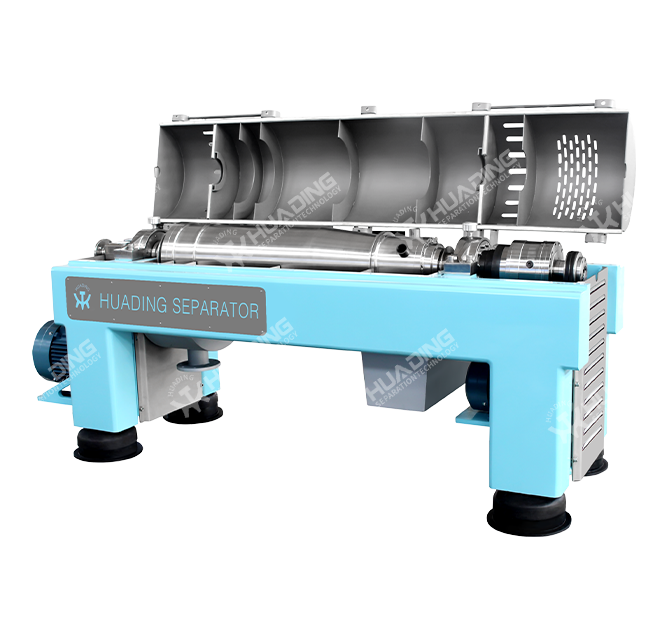
The structure of a tubular centrifuge is engineered for precision and stability. The tubular bowl serves as the main site of separation, and its narrow and elongated geometry allows particles to travel shorter distances before reaching the wall, thereby accelerating sedimentation. The inlet system introduces the feed material steadily into the rotor, while the outlet channels discharge clarified liquids and separated solids without interrupting continuous operation. A high-speed drive mechanism, often based on an electric motor, provides the necessary rotation, and this motion is stabilized by carefully designed bearings and housing that minimize vibration. Finally, the separated fractions are directed into a collection chamber, which ensures that the clarified liquid and sedimented solids are handled appropriately. Each of these components works together in an integrated system that not only ensures precise separation but also facilitates centrifuge maintenance by minimizing mechanical complexity.
Tubular centrifuges have several advantages that make them preferable in specific applications. Compared with other designs such as disc-stack centrifuges or decanter centrifuges, tubular models are particularly effective in separating small particles or achieving clear liquid phases. They operate at higher centrifugal speeds, which enhances sedimentation efficiency. Another advantage lies in their ability to handle delicate substances such as proteins during protein purification or fragile cells during cell harvesting without excessive mechanical stress.
Furthermore, the simple design allows easier cleaning and less downtime during operation. In laboratories, tubular centrifuges are used in vaccine production and blood fractionation where high clarity and precise separation are required. In industrial sectors such as oil and gas, their capability in oil separation and handling emulsions provides practical value.
In biotechnology and pharmaceutical industries, tubular centrifuges are often applied to sensitive processes such as protein purification, cell harvesting, and vaccine production. These operations demand efficient separation of biological components without compromising their structural integrity. The high centrifugal force makes it possible to separate proteins from fermentation broths or collect cells from culture media quickly. During blood fractionation, tubular centrifuges help isolate plasma, red blood cells, and other components in a controlled manner. Their role in these fields highlights their importance as reliable tools for laboratory centrifuge as well as pilot-scale and industrial-scale systems.
The food and beverage industry also benefits from tubular centrifuges. Processes such as clarification of juices, removal of fine sediments, or oil separation in edible oil refining often require precision. The centrifugal force generated ensures that suspended particles are removed efficiently, producing a clearer final product. For beverage applications, tubular centrifuges contribute to consistent quality by maintaining uniformity in liquids and removing impurities that could affect flavor or stability.
In the chemical industry, tubular centrifuges are applied in the separation of fine catalysts, removal of unwanted particulates, and clarification of emulsions. Oil and gas sectors particularly use them for oil separation and treatment of drilling fluids. The ability of tubular centrifuges to separate immiscible liquids and accelerate sedimentation provides significant benefits for continuous processes. Their robustness under demanding conditions also makes them reliable in large-scale operations.
To better illustrate the differences between tubular centrifuges and other designs, the following table compares their main characteristics:
|
Type of Centrifuge |
Separation Ability |
Typical Applications |
Speed (RPM) |
Maintenance Complexity |
|
Tubular Centrifuge |
Excellent for fine particles, emulsions |
Cell harvesting, protein purification, oil separation |
15,000 – 50,000 |
Moderate |
|
Disc-Stack Centrifuge |
Good for continuous liquid-liquid separation |
Dairy, beverage clarification |
6,000 – 10,000 |
Higher |
|
Decanter Centrifuge |
Suitable for larger particles and slurries |
Wastewater treatment, mining |
2,000 – 4,000 |
Moderate to High |
|
Laboratory Centrifuge |
Flexible for small-scale separations |
Blood fractionation, R&D |
Up to 20,000 |
Low |
This comparison shows why tubular centrifuges are particularly advantageous in specific processes that require high rotational speeds and fine separation.
Centrifuge maintenance plays a crucial role in ensuring the long-term operation of tubular centrifuges. Since they operate at high speeds, proper lubrication of bearings, inspection of seals, and balancing of the rotor are essential. Regular cleaning of the tubular bowl is necessary to avoid sediment build-up, which can cause imbalance and reduce separation efficiency. Operators should also ensure that safety mechanisms such as vibration monitoring and overspeed protection are functioning correctly. These measures help maintain safety standards and extend the service life of the equipment.
Recent developments in tubular centrifuge design focus on enhancing automation, improving energy efficiency, and reducing downtime during centrifuge maintenance. Integration of real-time monitoring systems allows operators to track performance parameters such as vibration levels and separation efficiency. Biotechnology and pharmaceutical industries are also seeing advancements in specialized rotor coatings that improve protein purification and cell harvesting by reducing product losses. In the food and beverage industry, emphasis is being placed on hygienic designs that comply with strict regulatory standards.
A tubular centrifuge is a type of industrial centrifuge widely used in biotechnology, pharmaceuticals, food and beverage processing, the chemical industry, and the oil and gas sector. The working principle of this centrifuge relies on centrifugal force, which drives sedimentation and separation of solid particles or immiscible liquids. Its cylindrical, elongated bowl structure enables very high rotational speeds, making it particularly effective for applications that demand fine separation such as cell harvesting, protein purification, oil separation, blood fractionation, and the treatment of delicate emulsions.
Compared to other centrifuges, the tubular centrifuge design is relatively simple, yet highly efficient in handling liquids with fine particles or very low solid content. It is a trusted separation tool in laboratory centrifuge settings for small-scale analysis as well as in industrial centrifuge applications where continuous processing is necessary. Understanding its working principle helps explain why it is applied across diverse industries and why centrifuge maintenance is critical to ensure continuous, reliable performance.
The foundation of the tubular centrifuge’s working principle is centrifugal force. When a liquid mixture enters the rotating bowl of the centrifuge, every particle inside experiences an outward force proportional to its mass and the speed of rotation. This centrifugal force acts much stronger than gravity, accelerating the process of sedimentation.
Sedimentation in this context refers to the settling of particles or the separation of liquids with different densities. For example, in protein purification, heavier protein aggregates move outward to the inner wall of the bowl, while lighter fractions remain closer to the axis of rotation. In oil separation, denser impurities or water droplets are forced outward, allowing clarified oil to be collected.
The magnitude of centrifugal force can be calculated using the formula:
F=m⋅r⋅
Where:
F = centrifugal force
m = mass of the particle
r = radial distance from the axis of rotation
= angular velocity
Because tubular centrifuges can reach speeds of more than 15,000 revolutions per minute (RPM), the effective centrifugal force may reach several thousand times the force of gravity. This amplified force makes sedimentation and separation extremely fast, even for very fine particles or for liquids with minimal density differences.
Inside the tubular centrifuge, the separation process follows a predictable pattern. A feed mixture enters the bowl through a centrally located inlet. As the bowl spins, centrifugal force immediately acts on the suspended particles or immiscible liquid phases.
Denser components migrate toward the inner wall of the tubular bowl. This sediment layer can include cells in biotechnology processes, solid contaminants in chemical industry operations, or red blood cells in blood fractionation. The clarified liquid, being lighter, remains closer to the axis and is collected through a separate outlet system.
In some cases, such as vaccine production or protein purification, delicate materials require gentle handling. The tubular centrifuge provides continuous separation without excessive shear forces, which helps preserve the structure of sensitive biological products. The result is efficient separation without compromising product quality.
The separation efficiency depends not only on centrifugal force but also on flow rate, residence time, and fluid properties such as viscosity. Therefore, optimizing the operating conditions of the tubular centrifuge is crucial to achieving the desired separation outcome.
The performance of a tubular centrifuge depends on multiple operational and physical parameters. These factors directly influence how well sedimentation and separation occur.
The speed of rotation determines the centrifugal force generated. Higher speeds increase the separation efficiency, especially for small or low-density particles. However, very high speeds also generate additional stress on the centrifuge components, making centrifuge maintenance critical to ensure safe operation.
The viscosity of the feed mixture plays a vital role in determining sedimentation behavior. High-viscosity fluids resist particle migration, which can reduce separation efficiency. For example, in protein purification or vaccine production, buffers with low viscosity enhance separation, while viscous oils in food and beverage processing may require adjustments in speed or temperature to optimize performance.
The separation of fine particles such as bacterial cells or protein aggregates is more challenging than separating larger particles. Similarly, mixtures with small density differences, such as oil-water emulsions, require higher centrifugal forces. The tubular centrifuge is particularly effective for these difficult tasks due to its slender, high-speed rotor design.
The flow rate at which feed material is introduced into the centrifuge influences how long particles remain inside the rotor. A higher flow rate reduces residence time and can compromise separation efficiency. Conversely, lower flow rates allow more thorough sedimentation but may reduce overall processing capacity.
The working principle of tubular centrifuges finds applications across multiple industries due to its adaptability. Each sector leverages centrifugal force and sedimentation for specific separation needs.
|
Industry / Field |
Application of Tubular Centrifuge |
Key Purpose of Separation |
|
Biotechnology |
Cell harvesting, vaccine production, protein purification |
Isolate cells, recover proteins, remove impurities |
|
Pharmaceuticals |
Blood fractionation, vaccine purification |
Separate plasma, recover active ingredients |
|
Food and Beverage |
Oil separation, clarification of juices |
Remove solids, improve product clarity |
|
Chemical Industry |
Emulsion breaking, solvent recovery |
Enhance product purity, recycle solvents |
|
Oil and Gas |
Treatment of lubricants, separation of water from oil |
Improve fuel quality, extend equipment life |
This wide range of applications shows how a single separation principle can serve diverse industrial centrifuge and laboratory centrifuge roles.
The working principle of a tubular centrifuge offers a cohesive set of benefits that arise from its slender, high-speed bowl and stable hydrodynamics, enabling separation driven by strong centrifugal force with minimal internal flow disturbance. Because the rotor radius is small and the rotational speed is high, the accelerating field enhances sedimentation of fine particles and facilitates the breakup of delicate emulsions, which leads to clarified liquid phases in scenarios where gravity settling or conventional filtration struggle. This performance is valuable in biotechnology and pharmaceuticals, where gentle but effective separation supports cell harvesting, protein purification, vaccine production, and blood fractionation without exposing products to excessive shear.
In the food and beverage sector and in oil and gas processing, the same principle underpins reliable oil separation and the clarification of heat- or oxidation-sensitive liquids, helping maintain product attributes while sustaining throughput. The axial, continuous flow path reduces residence-time dispersion and simplifies clean-in-place routines, so operators can balance quality with productivity in both laboratory centrifuge trials and industrial centrifuge lines. From an operational standpoint, the comparatively simple internals ease centrifuge maintenance, since there are fewer components that collect deposits or require frequent alignment, and the predictable relationship between speed, viscosity, and flow rate allows process engineers to scale from bench to plant with clear control parameters.
These characteristics position the tubular centrifuge as a practical choice when precise separation, compact equipment footprint, and steady, continuous operation are needed across biotechnology, pharmaceuticals, food and beverage, the chemical industry, and oil and gas applications.
While the working principle is straightforward, reliable operation depends on proper centrifuge maintenance. High rotational speeds subject the bowl and drive system to continuous stress, so regular inspection is required. Bearings, seals, and drive belts must be maintained to prevent operational failures.
In laboratory centrifuge applications, cleaning after each run ensures that cross-contamination is avoided. In industrial centrifuge systems, automated cleaning systems may be integrated to reduce downtime. Furthermore, operators must balance the need for high separation efficiency with the practical limitations of flow rate and speed. Proper centrifuge maintenance ensures that these machines can deliver consistent separation performance across applications such as protein purification, vaccine production, and oil separation.
To better understand the efficiency of tubular centrifuges, it is useful to compare them with other designs such as disc-stack centrifuges and decanter centrifuges.
|
Centrifuge Type |
Strengths |
Limitations |
|
Tubular Centrifuge |
High speed, excellent for fine particle separation, suitable for emulsions |
Limited solids holding capacity, manual discharge required |
|
Disc-Stack Centrifuge |
Large solids capacity, suitable for continuous operation |
Lower maximum speed, less effective for very fine particles |
|
Decanter Centrifuge |
Handles high solid content, continuous discharge |
Lower centrifugal force, less efficient for fine separations |
This comparison highlights that the tubular centrifuge is particularly advantageous when very fine sedimentation and precise separation are required.
The fundamental working principle of tubular centrifuges will continue to be applied in industries where fine separation is essential. With ongoing developments in biotechnology and pharmaceuticals, processes such as vaccine production and protein purification will increasingly rely on high-speed centrifuges that minimize product damage.
In the food and beverage industry, demand for high-quality, clarified oils and beverages will sustain the use of industrial centrifuges. The oil and gas sector, facing increasing requirements for efficient oil separation and treatment, will also benefit from tubular centrifuge technology. Future improvements may focus on automation, enhanced centrifuge maintenance features, and greater energy efficiency.
A tubular centrifuge is a specialized form of centrifuge designed with a long, narrow cylindrical bowl that rotates at high speed to achieve separation by centrifugal force. This design maximizes the acceleration field, allowing efficient separation of liquids with suspended solids or immiscible liquid phases. Tubular centrifuges are widely adopted in biotechnology, pharmaceuticals, food and beverage, the chemical industry, and oil and gas because of their ability to clarify liquids and perform delicate separations such as cell harvesting, protein purification, oil separation, and blood fractionation. The classification of tubular centrifuges is often based on the discharge method, application field, and specific models tailored to operational needs.
One of the most common ways to distinguish tubular centrifuges is by their discharge mechanism. Since separation occurs within the slender bowl, the method of removing solids or clarified liquids plays a critical role in efficiency and ease of use.
Manual discharge tubular centrifuges require stopping the rotation before removing accumulated solids from the bowl. This design is often suitable for laboratory centrifuge work or small-batch processes where sedimentation volumes are low. They are straightforward in structure, which simplifies centrifuge maintenance but limits continuous operation.
Automatic discharge tubular centrifuges are engineered for higher throughput in industrial centrifuge systems. They incorporate mechanisms that expel solids without stopping the machine, ensuring continuous operation. This approach is valuable in processes like vaccine production, protein purification, and industrial-scale oil separation, where downtime directly impacts productivity. The choice between manual and automatic discharge depends on whether the application prioritizes small-scale flexibility or continuous industrial production.
Another important dimension of classification is the field of application, as tubular centrifuges are designed differently for laboratory and industrial environments.
Laboratory centrifuges emphasize compact design, precise control of speed, and easy handling of small samples. They are widely used in research laboratories for biotechnology and pharmaceuticals, where accurate sedimentation of cells, proteins, or blood fractions is critical. Their role in vaccine development and medical diagnostics also highlights their importance in handling delicate biological samples.
Industrial centrifuges, by contrast, are designed for continuous processing and large-scale throughput. They feature robust structures that can withstand higher centrifugal force for prolonged operation. Industrial tubular centrifuges are integral in food and beverage industries for clarifying juices, wines, and dairy products, as well as in chemical industry operations that involve emulsions or separation of fine solid impurities. In oil and gas applications, tubular centrifuges support efficient oil separation and purification under demanding conditions.
Within the broad categories of manual or automatic, and laboratory or industrial, specific models are developed to meet particular process requirements. These models vary in bowl size, rotational speed, and discharge system design, directly influencing separation efficiency and suitability for different industries.
Some laboratory-focused models are optimized for high rotational speeds with smaller sample volumes, ideal for tasks like protein purification or cell harvesting where sample quality matters more than throughput. In contrast, industrial-scale models may feature extended bowls, higher feed capacities, and continuous discharge mechanisms, enabling efficient sedimentation in high-volume production lines.
Manufacturers often tailor models to industry-specific needs, such as pharmaceutical-grade centrifuges with compliance to hygienic design standards, or food and beverage centrifuges that prioritize easy cleaning to prevent contamination. In the chemical industry, tubular centrifuge models are designed to handle corrosive fluids and emulsions, while in oil and gas, ruggedized models can withstand high temperatures and impurities.
The following table highlights key differences between manual and automatic discharge tubular centrifuges, providing a clearer understanding of their respective advantages and limitations.
|
Discharge Type |
Operation Style |
Suitable Environment |
Advantages |
Limitations |
|
Manual Discharge |
Requires stopping for cleaning |
Laboratory centrifuge, small batches |
Simple structure, easy centrifuge maintenance |
Not suitable for continuous separation |
|
Automatic Discharge |
Continuous expulsion of solids |
Industrial centrifuge applications |
Continuous operation, high throughput |
More complex design, higher cost |
Selecting the right tubular centrifuge requires aligning the model type with the intended application. For laboratories focusing on biotechnology or medical testing, compact centrifuges with precise control systems ensure reliable sedimentation of small samples. Industrial operations in pharmaceuticals, food and beverage, and oil and gas benefit from large-capacity centrifuges that sustain continuous operation.
The table below illustrates model suitability across industries:
|
Industry |
Typical Application |
Recommended Model Features |
|
Biotechnology |
Cell harvesting, protein purification |
Laboratory centrifuge, high-speed precision |
|
Pharmaceuticals |
Vaccine production, blood fractionation |
Automatic discharge, hygienic design compliance |
|
Food and Beverage |
Juice clarification, dairy separation |
Industrial centrifuge, easy cleaning, continuous flow |
|
Chemical Industry |
Emulsions, impurity removal |
Corrosion-resistant materials, robust structure |
|
Oil and Gas |
Oil separation, water removal |
High-capacity, ruggedized design |
Beyond discharge method and industry application, other parameters affect the choice of tubular centrifuge. Speed determines the strength of centrifugal force and directly influences sedimentation efficiency, particularly in delicate processes like protein purification. Viscosity of the feed material also matters, as highly viscous fluids require longer retention times to achieve separation. Feed capacity determines whether a laboratory centrifuge or industrial centrifuge is appropriate.
Maintenance considerations further guide selection. Simpler manual designs may be sufficient where centrifuge maintenance is easy and downtime is acceptable. For large-scale industries, automatic discharge systems reduce downtime and streamline production, though they require more sophisticated support.
The availability of different types and models allows users to select a tubular centrifuge that aligns precisely with their process needs. This adaptability ensures efficient separation across industries ranging from biotechnology to oil and gas. The high centrifugal force generated by tubular centrifuges ensures reliable performance in handling sedimentation of small particles or separating emulsions. At the same time, operators can choose models that balance throughput, sample care, and centrifuge maintenance needs.
Laboratory models provide control and accuracy, while industrial models deliver robust and continuous separation. This versatility underscores the wide applicability of tubular centrifuges and their central role in advancing processes such as vaccine production, food clarification, chemical industry separations, and oil purification.
Tubular centrifuges are specialized separation devices that operate at high rotational speeds to create strong centrifugal force. By using this principle, they separate liquids from solids, clarify suspensions, or fractionate immiscible liquid phases. Their high efficiency in sedimentation makes them valuable across industries ranging from biotechnology and pharmaceuticals to food and beverage, the chemical industry, and oil and gas. Because of their unique design, tubular centrifuges are frequently used in both laboratory centrifuge settings for small-scale experiments and in industrial centrifuge operations for large-scale production. The following sections explore in detail the various applications of tubular centrifuges and how they contribute to critical processes in different sectors.
In biotechnology, tubular centrifuges are extensively used for cell harvesting. When microorganisms or mammalian cells are cultivated in bioreactors, they must be separated from the culture medium for downstream processes. The strong centrifugal force inside the tubular centrifuge drives the cells toward the wall of the rotor, leaving clarified liquid in the center. This process ensures efficient separation of viable cells from the culture broth.
Protein purification is another vital biotechnology application. Proteins expressed by cells often need to be isolated from complex mixtures containing cell debris and extracellular material. Tubular centrifuges facilitate sedimentation of unwanted solids, enabling purification of the target protein. The reliability of separation enhances processes in vaccine production and other therapeutic protein manufacturing pipelines.
The pharmaceutical industry depends heavily on centrifuge technology for critical tasks. In vaccine production, tubular centrifuges are used to separate viral particles, bacterial cells, or cell substrates from growth media. This ensures that the final vaccine formulation contains only the desired biological components. Their continuous operation mode makes them highly suitable for large-scale vaccine production.
Blood fractionation is another application where tubular centrifuges are indispensable. By applying centrifugal force, blood can be separated into plasma, red cells, white cells, and platelets. This process is critical in therapeutic procedures and pharmaceutical preparations that require precise separation of blood components. Unlike some other centrifuge types, tubular centrifuges are well-suited for handling biological fluids where maintaining product integrity is essential.
In the food and beverage industry, tubular centrifuges are widely applied for juice clarification. Freshly pressed juices often contain pulp, suspended solids, and other impurities. When passed through a tubular centrifuge, these unwanted components are forced to the rotor wall while the clarified liquid flows out. The result is a clearer, more stable juice product without the need for extensive filtration.
Oil separation is another area where tubular centrifuges excel. Edible oils such as olive oil, palm oil, and soybean oil require clarification to remove water, waxes, or particulate matter. Tubular centrifuges effectively separate these impurities, ensuring stable and safe oils for consumer use. Their role in food safety and product consistency highlights the importance of efficient sedimentation and liquid-liquid separation.
The chemical industry frequently deals with emulsions that are difficult to separate using conventional methods. Tubular centrifuges, with their high centrifugal force, are capable of breaking such emulsions and isolating immiscible phases. This is particularly useful in processes involving oil-water mixtures or solvent recovery operations.
Additionally, purification of chemicals often requires removing trace amounts of solid contaminants or other phases. A tubular centrifuge provides precise and continuous separation, which is valuable in ensuring chemical quality and consistency. Whether in specialty chemicals, polymers, or fine chemicals, the role of the centrifuge is essential for maintaining purity standards.
In the oil and gas sector, separation processes are crucial for maintaining product quality and protecting downstream equipment. Crude oil often contains water, sand, and other solids that must be removed. Tubular centrifuges provide a reliable method for separating these impurities. The centrifugal force ensures rapid and effective removal of contaminants, leaving cleaner oil suitable for refining and transport.
This separation process not only improves the quality of crude oil but also reduces wear and tear on pipelines, pumps, and other equipment. The role of the industrial centrifuge in this sector highlights its ability to handle large volumes under demanding conditions while ensuring consistent separation results.
Beyond the primary industries mentioned, tubular centrifuges find applications in several other fields. In wastewater treatment, they help clarify effluents by separating suspended solids. In textile processing, they remove excess water from fibers or assist in dye recovery. In cosmetics manufacturing, they are used for clarifying creams, lotions, and emulsions.
Laboratory centrifuge versions of tubular centrifuges are also used in academic and industrial research. These smaller systems allow scientists to test separation principles on a small scale before scaling up to industrial centrifuge operations. Their adaptability across industries underscores their importance as versatile tools for separation and purification.
The success of tubular centrifuge applications depends on several operational factors. The speed of rotation directly impacts the centrifugal force generated, which determines how effectively particles or immiscible phases separate. The viscosity of the feed material also influences separation efficiency, as higher viscosity slows down particle sedimentation.
Feed concentration, particle size, and flow rate are other variables that must be optimized depending on the industry. For example, cell harvesting requires different conditions than oil separation. Understanding these parameters ensures that the centrifuge is applied correctly, delivering reliable and consistent separation results across all applications.
|
9. Industry |
10. Main Application |
11. Example Process |
12. Benefit of Tubular Centrifuge Use |
|
13. Biotechnology |
14. Cell harvesting, protein purification |
15. Fermentation broth clarification |
16. High separation efficiency, gentle handling |
|
17. Pharmaceuticals |
18. Vaccine production, blood fractionation |
19. Plasma separation |
20. Precise fractionation, product integrity |
|
21. Food & Beverage |
22. Juice clarification, oil separation |
23. Olive oil purification |
24. Cleaner, stable products |
|
25. Chemical Industry |
26. Separation of emulsions, chemical purity |
27. Solvent recovery |
28. Continuous operation, purity improvement |
|
29. Oil and Gas |
30. Separation of water and solids from oil |
31. Crude oil conditioning |
32. Protects equipment, improves oil quality |
|
33. Other Industries |
34. Wastewater treatment, cosmetics, textiles |
35. Effluent clarification, emulsion work |
36. Versatile, wide applicability |
Tubular centrifuges are widely recognized for their efficiency in the field of solid-liquid and liquid-liquid separation. By utilizing centrifugal force, these centrifuges enable the removal of fine particles, emulsions, or contaminants from liquids, making them indispensable across biotechnology, pharmaceuticals, food and beverage, chemical industry, and oil and gas. While tubular centrifuges offer several advantages, they also come with certain limitations. Understanding both sides is important to ensure the correct choice of equipment, proper use, and effective centrifuge maintenance. This article explores the benefits and drawbacks of tubular centrifuges, providing detailed explanations supported by industry-related examples.
One of the primary advantages of a tubular centrifuge is its ability to achieve high separation efficiency. The narrow and elongated bowl design generates strong centrifugal force, which promotes rapid sedimentation of fine particles and effective separation of immiscible liquids. This design makes the tubular centrifuge especially useful in applications such as cell harvesting, protein purification, blood fractionation, and oil separation. In biotechnology and pharmaceuticals, where even small impurities can affect product quality, the efficiency of the centrifuge is valuable. In industrial centrifuge settings such as the chemical industry, this efficiency enables the removal of trace impurities, enhancing downstream processing.
Tubular centrifuges are designed for continuous operation, which improves productivity in large-scale applications. Unlike batch centrifuges, which require frequent interruptions for loading and unloading, the tubular centrifuge can process materials in a continuous flow. This makes it suitable for industries such as vaccine production, clarification of beverages, or large-scale oil and gas processing, where uninterrupted operation is necessary. The continuous mode reduces downtime and increases throughput, which is critical for both industrial centrifuge and laboratory centrifuge environments.
Another notable advantage of tubular centrifuges is their compact size compared to other industrial centrifuges. Despite their high-speed operation, they require relatively little installation space. This makes them suitable for laboratories where space is limited, as well as for small production facilities in the food and beverage or chemical industry. The small footprint also simplifies installation and relocation, making the centrifuge adaptable to different settings. Additionally, the streamlined design aids centrifuge maintenance because components are accessible without requiring large service areas.
While tubular centrifuges excel at separating fine particles and liquids, they have limitations when dealing with feed materials containing high concentrations of solids. Because the separation space in the tubular bowl is narrow, excessive solids can cause blockages, reduce separation efficiency, and increase wear on the equipment. For applications such as sedimentation of heavy slurries in the chemical industry or oil and gas, alternative centrifuge types may be more suitable. This limitation means users must carefully evaluate the solid content of feed streams before selecting a tubular centrifuge.
Centrifuge maintenance is another important factor to consider. Due to the high-speed operation of tubular centrifuges, components such as bearings, seals, and drive mechanisms are subject to wear and require regular inspection. While maintenance is not overly complex, neglecting it can lead to reduced efficiency and equipment downtime. Industries such as pharmaceuticals and biotechnology often have strict regulations that demand consistent centrifuge performance, making preventive maintenance essential. Compared to other centrifuges with automated discharge systems, manual cleaning of tubular centrifuges may require more frequent operator intervention.
The following table summarizes the main strengths and weaknesses of tubular centrifuges to provide a clearer comparison.
|
Aspect |
Advantages |
Disadvantages |
|
Separation Efficiency |
Effective for fine particles, emulsions, and delicate products. |
Limited when dealing with high solids concentrations. |
|
Operation Mode |
Continuous operation enhances productivity. |
Requires careful monitoring to prevent clogging. |
|
Space Requirement |
Compact design with a relatively small footprint. |
Small size may limit capacity compared to larger centrifuge models. |
|
Application Scope |
Suitable for biotechnology, pharmaceuticals, food and beverage, etc. |
Not ideal for heavy industrial slurries or high solid loads. |
|
Centrifuge Maintenance |
Straightforward design simplifies basic servicing. |
High-speed parts require regular inspection and possible replacement. |
|
Reliability |
Provides consistent separation with stable performance. |
Manual discharge versions can increase downtime compared to automated models. |
The balance of advantages and disadvantages varies depending on the industry. In biotechnology, the high separation efficiency of tubular centrifuges is a major advantage for applications such as protein purification and cell harvesting. In pharmaceuticals, continuous operation and reliability are valued for processes like vaccine production and blood fractionation. In the food and beverage industry, the small footprint is useful for facilities where space is limited, while in the oil and gas sector, the limitation in handling high solids is a challenge. The chemical industry often employs tubular centrifuges for separation of emulsions, but operators must ensure proper centrifuge maintenance to sustain efficiency.
The practical use of tubular centrifuges depends on factors such as feed material characteristics, viscosity, solids content, and required separation precision. While the centrifuge excels in delicate and low-solid-content processes, it may not be the most cost-effective choice for heavy industrial separation. Users must also consider centrifuge maintenance schedules and operator training, as manual cleaning and component inspection remain necessary to preserve efficiency and extend service life.
Copyright ©Yixing Huading Machinery Co.,Ltd. All Rights Reserved. Custom Centrifugal Separator Factory