
 English
 русский
 Español
 عربى
عربى 中文简体
中文简体
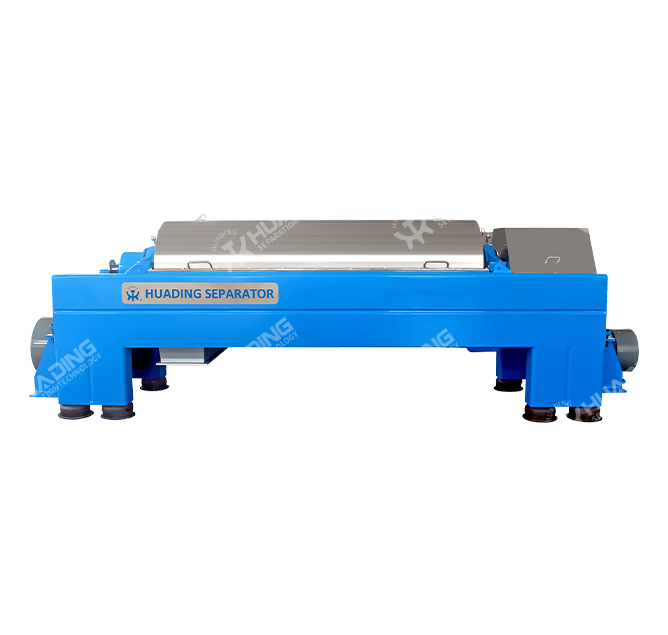
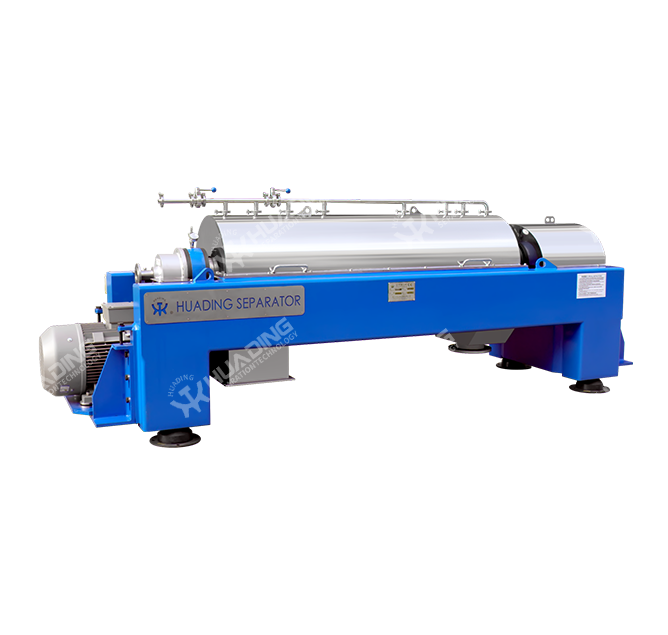
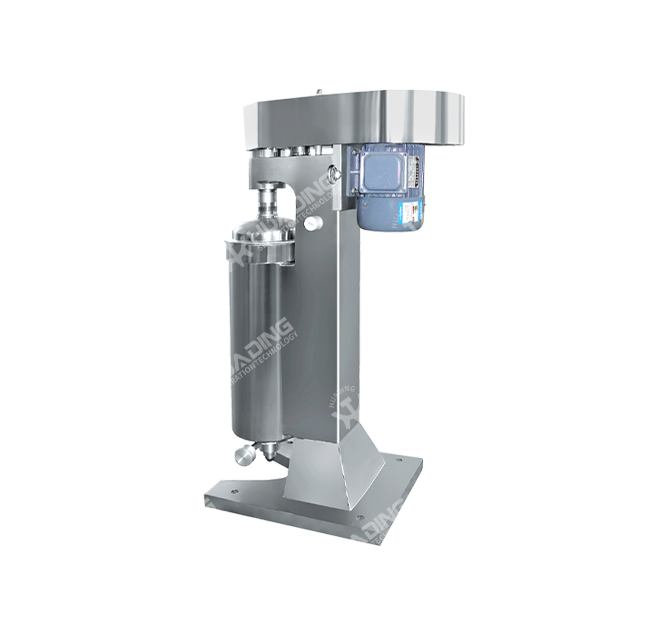

 Contact Us
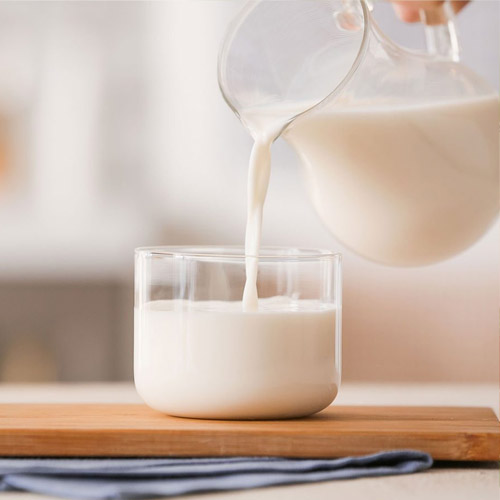
Application
View More
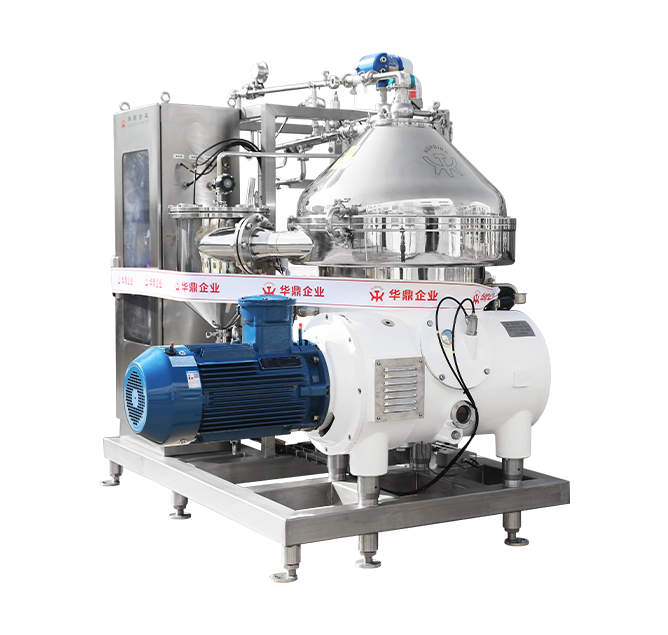
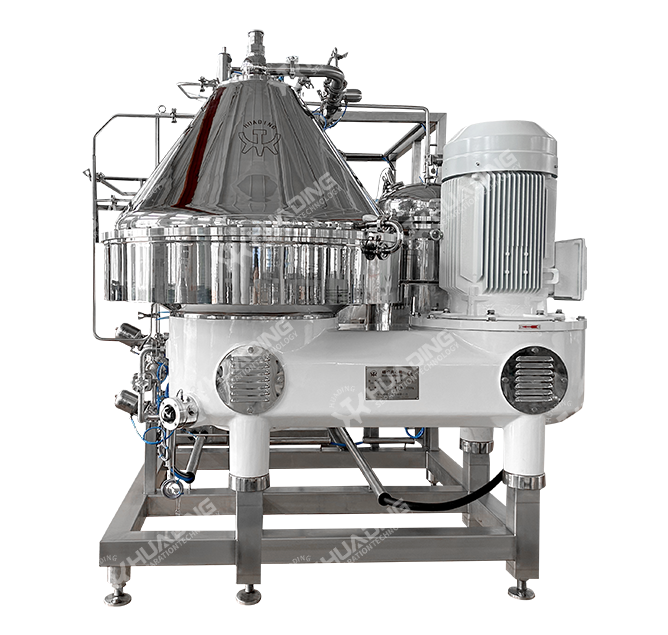
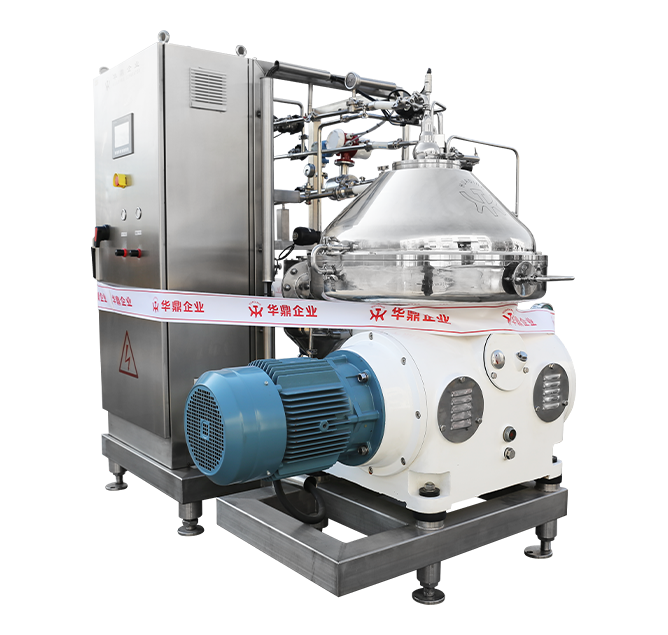
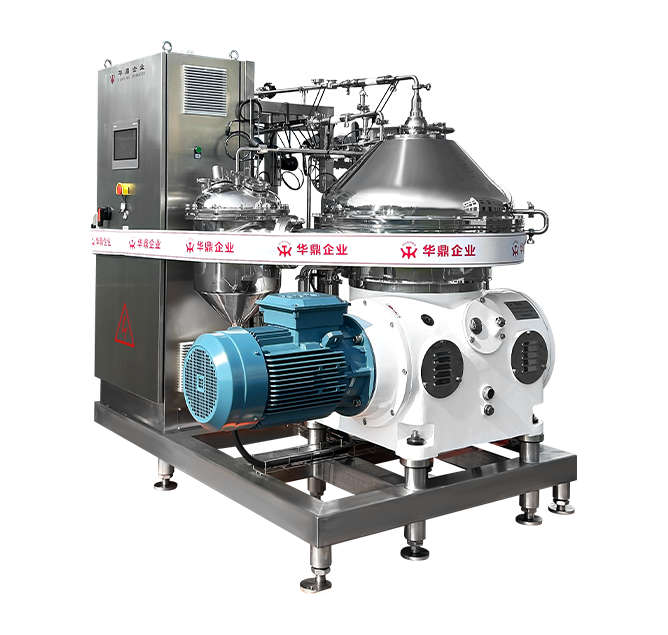
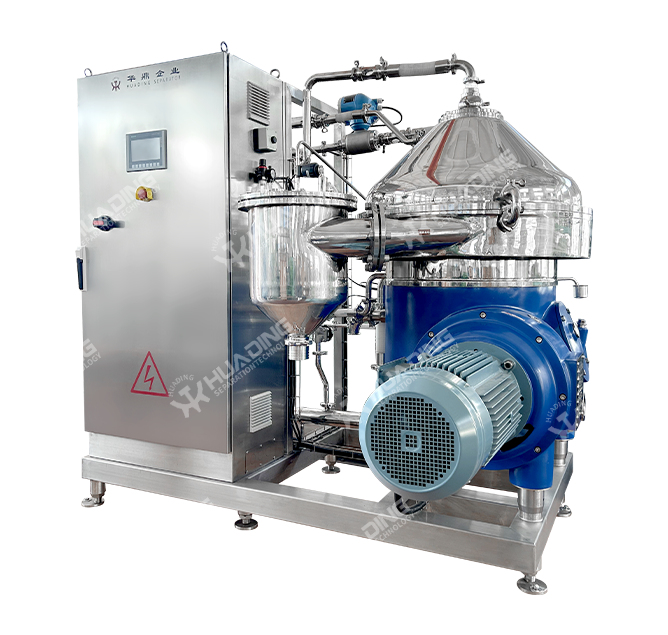
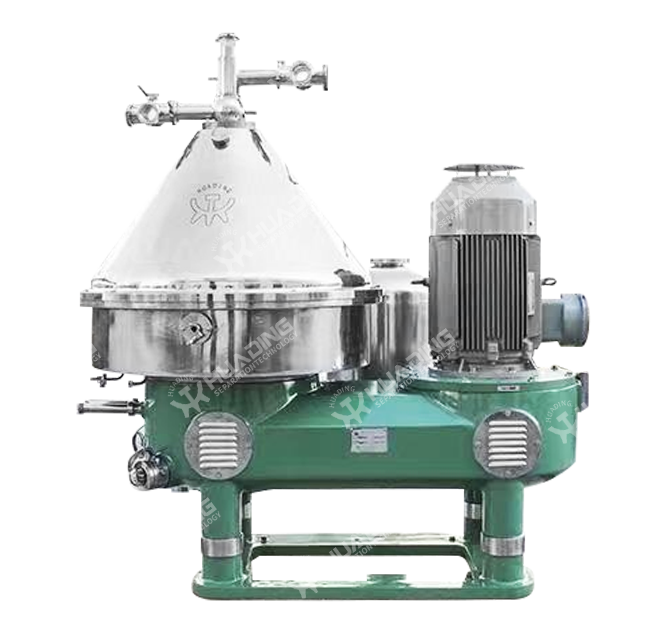
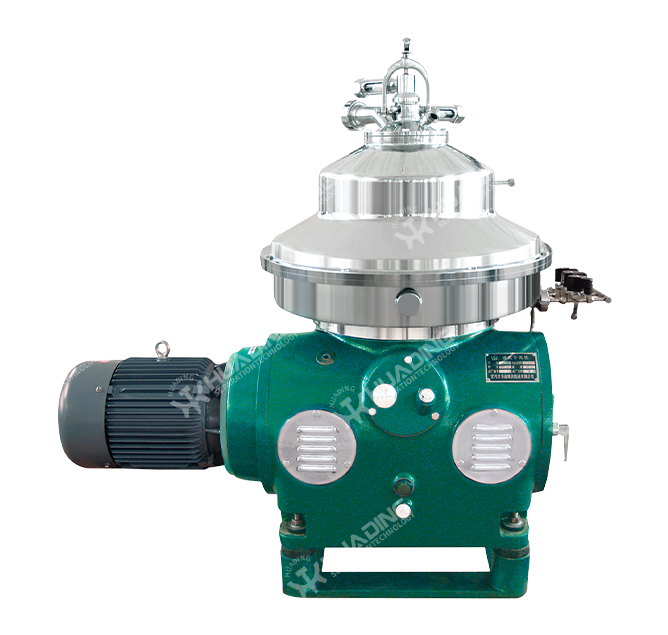
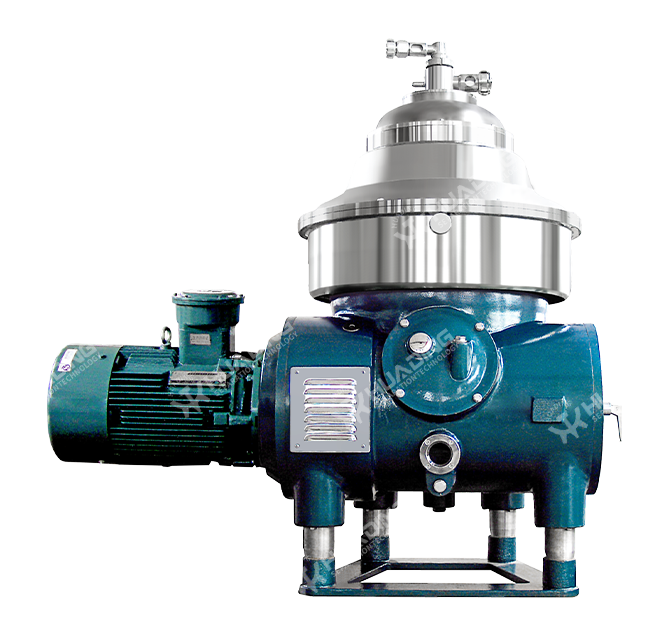
The manufacturing process of high-quality food and beverage products requires solid-liquid separation equipment that can meet the increasing demand for diversity and quality. Huading's separators are designed to maximize efficiency through individualized process control.
Wine, fruit wine, and medicated wine all require clarification during manufacturing. This process is crucial to the flavor and freshness of the final product, and ultimately determines the quality and market price of the wine.
Fruit juices contain various nutrients, but some components such as tannin (tannic acid), pectin (carboxymethyl cellulose), residues and crude fiber may influence the appearance quality of fruit juice products. Therefore, separation and clarification treatments are carried out according to different process requirements to improve the shelf life of packed products.
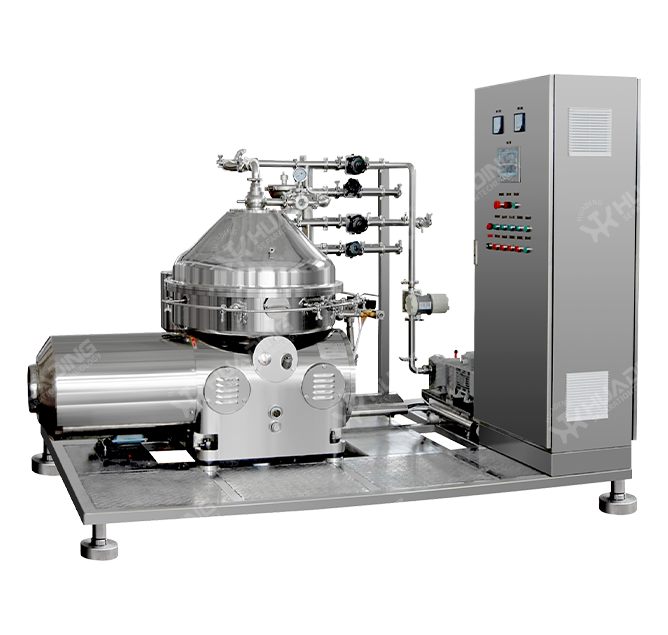
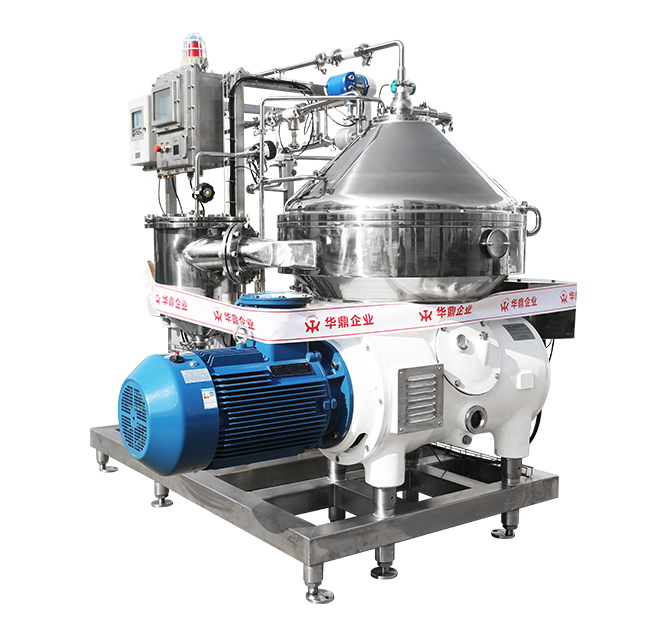
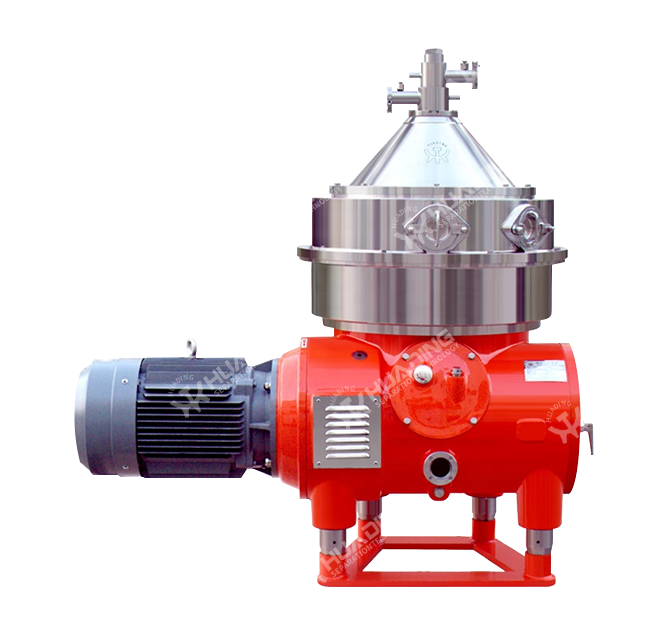
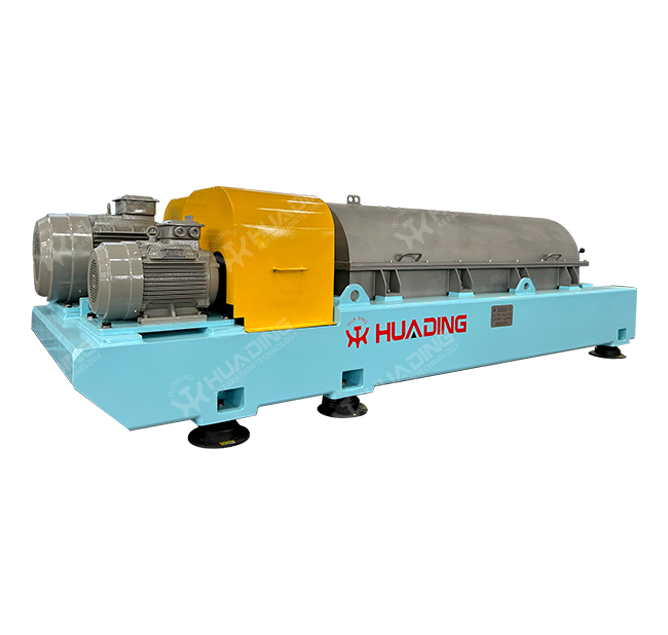
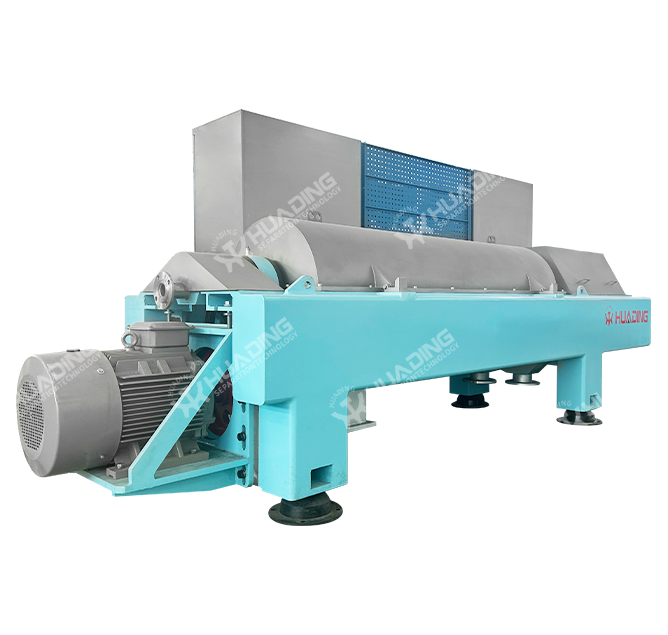
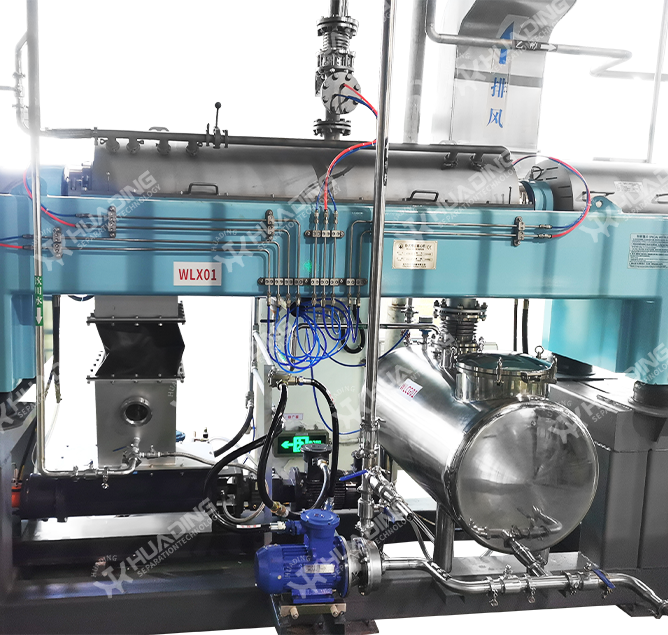
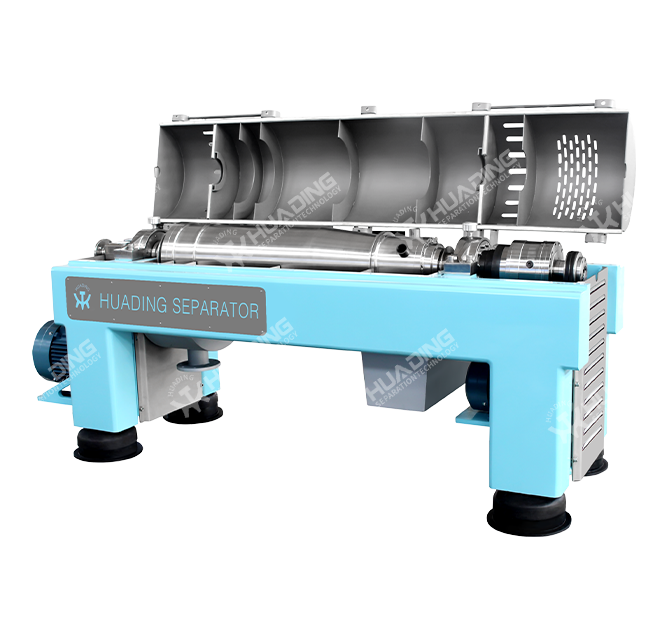
In the beverage industry, separators and decanters are essential for quality, yield, and efficiency. Huading Separator has done extensive research and development in this area to create innovative process techniques.
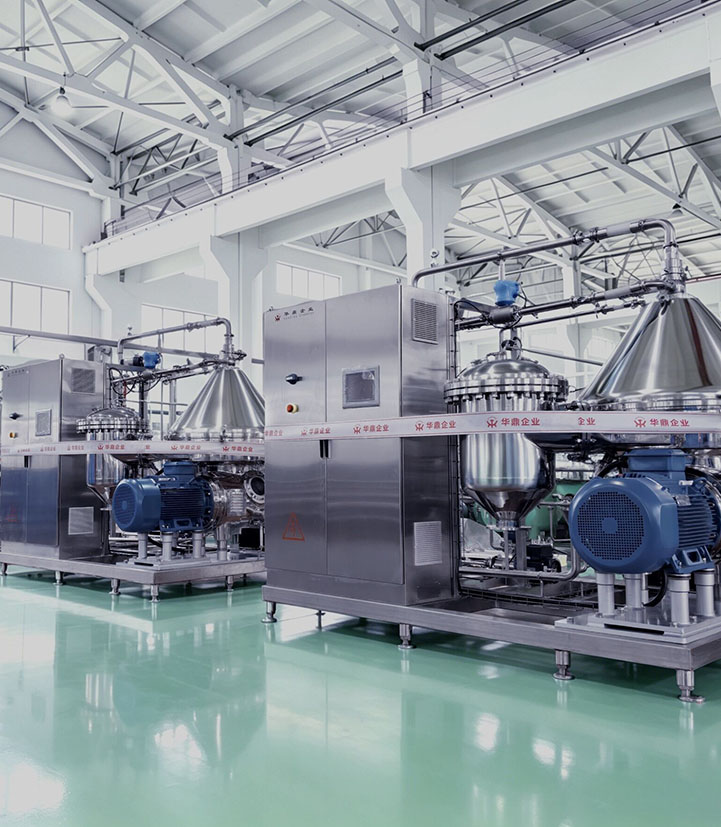

The quality of wine depends, among other, on the type of grapes, the winegrowing area, climatic conditions, yield, and maturity of the grapes. Clarification plays a major role during the entire wine production process. Timely and effective clarification often determines flavor and wholesomeness and, thus, in the final analysis, the eventual quality and market value of the wine. Therefore, every winery needs an efficient clarification system that is capable of quickly clarifying large amounts of wine, even in peak periods. Today, clarifiers are indispensable in wineries for imparting to and maintaining in the wines those qualities which distinguish a good wine: clarity, elegance, sparkle, bouquet, nobility, flavor. ━ Champagne Production━ Clarification of Sparkling Wine━ Clarification of Still Wine for Sparkling Wine Production ━ Clarification of Wine, Racking━ Clarification of Wine before Polishing, Second Racking (Fining Stage)━ Grape juice clarification with decanters━ Must clarification━ Must Clarification and Flotation in Clarifier Outlet━ Must Clarification from the Screw Press/Tank Press━ Pre-clarification of lees from fermentation tanks━ Sterile filtration━ Tartar Crystals with Varying Usage Periods━ Tartar Stabilization and Crystal Separation━ Thickening of fining trub━ Thickening of lees━ Wine Polishing

Whereas separators were initially used for separating tissue particles of the fruit out of the press juice or fining agents during the clarification process, decanters are now also used as a substitute for presses. The development of this centrifugal technology has run in parallel with the development of fruit and vegetable-processing operations. Increasingly demanding requirements about the quality of the final product have necessitated a correspondingly higher level of quality of the technology used. Increases in the size of operations have meant that the capacities of machines and equipment have had to be adjusted. The requirements of environmental protection have become more and more demanding, and this development has led to low-emission and energy-saving technologies. However, the main aspect of the success of operations has always been the question of the economy. Separators and decanters from Huading Separator are appreciated as systems capable of increasing yields during juice extraction and avoiding processing losses. ━ Apple juice━ Asparagus juice━ Beetroot juice━ Carrot juice━ Clear apple juice concentrate━ FRUPEX (Continuous juicing)━ Grape juice━ Juices from berry fruits━ Juices from stone fruits━ Apple juice with mash enzymatic━ Natural cloudy apple juice━ Processing of waste products━ Retentate concentration━ Processing of tropical fruits

Coffee is booming in popularity throughout the world. Meeting this escalating demand for new convenience products, in forms such as ready-to-drink beverages, iced mixes and quick-soluble products, results in al countless commercial opportunities. Instant coffee is playing an ever more important role these days. The particular boost to the growth of soluble coffee is due mainly to flavoured specialities like cappuccino, espresso, vanilla, chocolate or Amaretto. Modern convenience products of this kind are not successful purely because they are simple to prepare and come in a wide range of flavours. Consistent quality is just as important. Where enjoyment is such a focus, a process technology which is gentle on the product is of outstanding importance. Separators and decanters from Huading Separator support the coffee industry with clarifying weak and thick extracts and extracting recovery in obtaining the wide yield from their valuable coffee beans and securing a high standard of quality economically. Another sphere of application is the production of coffee surrogates and cereal drinks. ━ Clarification of coffee extract━ Production of instant coffee

* { margin: 0; padding: 0; box-sizing: border-box; } body { font-family: 'Segoe UI', Tahoma, Geneva, Verdana, sans-serif; background: #f9f9f9; color: #333; } .tea-section { margin: 40px auto; padding: 0 20px; } .tea-intro { background: linear-gradient(135deg, rgba(209, 26, 36, 0.12) 0%, rgba(209, 26, 36, 0.03) 100%); border-left: 5px solid rgb(209, 26, 36); padding: 35px 30px; border-radius: 6px; margin-bottom: 50px; } .tea-intro h2 { font-size: 22px; color: rgb(209, 26, 36); margin-bottom: 15px; font-weight: 600; } .tea-intro p { font-size: 16px; color: #666; line-height: 30px; margin-bottom: 12px; } .tea-intro p:last-child { margin-bottom: 0; } .section-title { font-size: 24px; color: rgb(209, 26, 36); margin-bottom: 30px; font-weight: 600; padding-bottom: 15px; border-bottom: 2px solid rgb(209, 26, 36); } /* Tea Type Showcase */ .tea-types-section { margin-bottom: 50px; } .tea-types-grid { display: grid; grid-template-columns: repeat(auto-fit, minmax(340px, 1fr)); gap: 25px; } .tea-type-card { background: white; border-radius: 8px; overflow: hidden; box-shadow: 0 2px 8px rgba(0,0,0,0.1); border-top: 4px solid rgb(209, 26, 36); transition: all 0.3s ease; } .tea-type-card:hover { box-shadow: 0 8px 20px rgba(209, 26, 36, 0.15); transform: translateY(-5px); } .tea-header { background: linear-gradient(135deg, rgba(209, 26, 36, 0.12) 0%, rgba(209, 26, 36, 0.04) 100%); padding: 22px; border-bottom: 2px solid #f0f0f0; } .tea-name { font-size: 18px; color: rgb(209, 26, 36); font-weight: 600; margin-bottom: 5px; line-height: 1.8; } .tea-origin { font-size: 14px; color: #888; line-height: 2; } .tea-body { padding: 22px; } .tea-body p { font-size: 14px; color: #666; line-height: 2; margin-bottom: 12px; } .tea-attributes { display: grid; grid-template-columns: 1fr 1fr; gap: 10px; background: rgba(209, 26, 36, 0.05); padding: 12px; border-radius: 4px; font-size: 14px; color: #555; line-height: 2; } .tea-attribute { padding-right: 10px; border-right: 1px solid rgba(209, 26, 36, 0.2); } .tea-attribute:nth-child(even) { border-right: none; padding-right: 0; } /* Extraction Conditions Table */ .extraction-section { background: white; padding: 40px; border-radius: 8px; margin-bottom: 50px; box-shadow: 0 2px 8px rgba(0,0,0,0.08); overflow-x: auto; } .extraction-title { font-size: 22px; color: rgb(209, 26, 36); margin-bottom: 25px; font-weight: 600; } .extraction-table { width: 100%; border-collapse: collapse; } .extraction-table tr { border-bottom: 1px solid #f0f0f0; } .extraction-table tr:last-child { border-bottom: none; } .extraction-table tr:nth-child(even) { background-color: rgba(209, 26, 36, 0.02); } .extraction-table td { padding: 18px 20px; font-size: 14px; color: #666; line-height: 2; } .extraction-table td:first-child { font-weight: 600; color: rgb(209, 26, 36); width: 18%; } .extraction-table td:nth-child(2) { width: 27%; color: #555; } .extraction-table td:nth-child(3) { width: 27%; color: #555; } .extraction-table td:nth-child(4) { width: 28%; color: #777; } /* Product Forms */ .product-forms-section { display: grid; grid-template-columns: repeat(auto-fit, minmax(340px, 1fr)); gap: 25px; margin-bottom: 50px; } .form-box { background: white; padding: 30px; border-radius: 8px; box-shadow: 0 2px 8px rgba(0,0,0,0.08); border-left: 4px solid rgb(209, 26, 36); } .form-title { font-size: 18px; color: rgb(209, 26, 36); font-weight: 600; margin-bottom: 15px; line-height: 1.8; } .form-desc { font-size: 14px; color: #666; line-height: 2; margin-bottom: 12px; } .form-process { font-size: 14px; color: rgb(209, 26, 36); font-weight: 500; line-height: 2; } /* Quality Control */ .quality-section { background: white; padding: 40px; border-radius: 8px; margin-bottom: 50px; box-shadow: 0 2px 8px rgba(0,0,0,0.08); } .quality-title { font-size: 22px; color: rgb(209, 26, 36); margin-bottom: 30px; font-weight: 600; } .quality-grid { display: grid; grid-template-columns: repeat(auto-fit, minmax(320px, 1fr)); gap: 20px; } .quality-item { padding: 25px; background: linear-gradient(to bottom, rgba(209, 26, 36, 0.08), rgba(209, 26, 36, 0.02)); border-radius: 6px; border-left: 4px solid rgb(209, 26, 36); } .quality-metric { font-size: 16px; color: rgb(209, 26, 36); font-weight: 600; margin-bottom: 12px; line-height: 30px; } .quality-value { font-size: 24px; color: rgb(209, 26, 36); font-weight: bold; margin-bottom: 8px; line-height: 1.8; } .quality-desc { font-size: 14px; color: #666; line-height: 2; } /* Taste & Aroma Preservation */ .sensory-section { background: white; padding: 40px; border-radius: 8px; margin-bottom: 50px; box-shadow: 0 2px 8px rgba(0,0,0,0.08); } .sensory-title { font-size: 22px; color: rgb(209, 26, 36); margin-bottom: 30px; font-weight: 600; } .sensory-grid { display: grid; grid-template-columns: repeat(auto-fit, minmax(320px, 1fr)); gap: 25px; } .sensory-item { padding: 28px; background: linear-gradient(135deg, rgba(209, 26, 36, 0.1) 0%, rgba(209, 26, 36, 0.02) 100%); border-radius: 6px; border-right: 3px solid rgb(209, 26, 36); } .sensory-heading { font-size: 16px; color: rgb(209, 26, 36); font-weight: 600; margin-bottom: 12px; line-height: 30px; } .sensory-desc { font-size: 14px; color: #666; line-height: 2; margin-bottom: 12px; } .sensory-benefit { font-size: 14px; color: rgb(209, 26, 36); font-weight: 500; line-height: 2; } /* Stability & Storage */ .stability-section { background: white; padding: 40px; border-radius: 8px; box-shadow: 0 2px 8px rgba(0,0,0,0.08); } .stability-title { font-size: 22px; color: rgb(209, 26, 36); margin-bottom: 30px; font-weight: 600; } .stability-items { display: grid; grid-template-columns: repeat(auto-fit, minmax(320px, 1fr)); gap: 25px; } .stability-item { padding: 25px; background: linear-gradient(to right, rgba(209, 26, 36, 0.1), rgba(209, 26, 36, 0.02)); border-radius: 6px; border-right: 3px solid rgb(209, 26, 36); } .stability-heading { font-size: 16px; color: rgb(209, 26, 36); font-weight: 600; margin-bottom: 10px; line-height: 30px; } .stability-desc { font-size: 14px; color: #666; line-height: 2; } /* Responsive */ @media (max-width: 768px) { .tea-types-grid { grid-template-columns: 1fr; } .extraction-table td { padding: 14px 10px; font-size: 13px; } .tea-attributes { grid-template-columns: 1fr; } .tea-attribute:nth-child(even) { border-right: 1px solid rgba(209, 26, 36, 0.2); padding-right: 10px; } } Temperature-Controlled Tea Extract Processing Tea production demands separation technology that preserves delicate botanical properties while removing impurities. Advanced centrifuge processing maintains flavor complexity, aroma intensity, and bioactive compounds that distinguish premium teas from commodity grades, using cold-extraction methods that avoid thermal degradation. Tea Processing by Type & Extraction Profile Black Tea Extracts Full oxidation processing Extracts robust tannins and oxidized compounds creating characteristic flavor. Centrifugal separation removes leaf particles while preserving complex flavor compounds developed during oxidation. Oxidation: 80-100% Flavor: Bold, malty Green Tea Extracts Minimal oxidation, maximum bioactives Prevents oxidation preserving delicate polyphenols and EGCG for health benefits. Temperature-sensitive processing requires centrifuges operating below degradation limits while achieving complete clarification. Oxidation: 0-5% Max Temp: 60-70°C Oolong Tea Extracts Partial oxidation complexity Unique flavor derives from partial oxidation creating nuanced taste profiles. Extraction demands precise control separating desired compounds from leaf fragments and astringent components. Oxidation: 20-80% Complexity: Very high White Tea Extracts Minimal processing, maximum delicacy Minimal processing preserves delicate leaf hairs and subtle flavor compounds. Extraction requires gentle handling maintaining pristine sensory properties and premium positioning. Processing: Minimal Delicacy: Maximum Herbal & Functional Blends Multi-ingredient extraction Combines botanicals with varying extraction properties. Centrifugal technology extracts complete ingredient profile while removing debris and standardizing flavor consistency. Ingredients: Multi-type Control: Standardized Instant Tea Powders Ready-to-dissolve convenience Requires complete clarification before spray-drying for smooth dissolution. Centrifuges remove all suspended particles ensuring instant redissolution without sedimentation. Clarity: 0.05 NTU max Market: Convenience segment Critical Tea Extraction Parameters by Type Tea Type Water Temperature Extraction Time Centrifuge Application Black Tea 95-100°C boiling water 3-5 minutes steeping Cool to 40°C before centrifuge separation to preserve flavor compounds Green Tea 60-80°C hot water only 2-4 minutes steeping Maintain temperature control throughout centrifuge process to avoid polyphenol oxidation Oolong Tea 85-95°C heated water 3-7 minutes multiple infusions Separate at moderate temperature preserving complex flavor profile development White Tea 70-80°C gentle heating 4-5 minutes careful steeping Use low-G-force centrifugation minimizing physical stress on delicate compounds Instant Tea Standardized 80-90°C Controlled 3-4 minutes Multi-stage polishing ensures complete clarity for spray-drying applications Tea Product Forms & Processing Methods Hot-Brew Ready-to-Drink Sterile tea extracts for immediate consumption requiring microbial elimination without heat pasteurization. Fine polishing removes particles and microbes, enabling ambient shelf-stability Cold-Brew Tea Concentrates Growing segment for cold-steeped extracts with unique flavor profiles requiring complete sediment removal. Low-temperature separation preserves bioactives while achieving crystal clarity Instant Tea Powders Spray-dried powders requiring perfect particle-free liquid foundation for instantaneous dissolution. Multi-stage polishing ensures micron-level clarity before spray-drying Functional Tea Blends Tea combined with herbs or botanical extracts achieving complete integration and clarity from complex mixtures. Sequential separation removes fiber and debris while maintaining ingredient potency Tea Flavor Extracts Concentrated flavoring for beverage and food applications requiring standardized strength and purity compliance. Concentration and separation ensures uniform flavor intensity across batches Tea-Based Nutritional Supplements High-bioactive extracts for wellness market requiring guaranteed potency, purity, and certification compliance. Ultra-fine clarification enables supplement manufacturing standards Tea Extract Quality Standards & Metrics Visual Clarity 0.05 NTU Complete transparency with no visible sediment or haze—essential for premium beverage positioning Microbial Removal 99%+ Eliminates bacteria and mold spores without heat pasteurization damage to taste compounds Polyphenol Retention 92-96% Preserves bioactive compounds responsible for health benefits and antioxidant properties Aroma Preservation 90%+ Cold processing retains volatile aromatic compounds that define tea flavor and appeal Dissolution Rate 3-5 seconds Instant powders redissolve completely for convenience market requirements and user satisfaction Shelf-Life Extension 12-18 months Complete sediment removal and microbial control enable ambient storage without refrigeration Flavor & Aroma Preservation Advantages No Heat Degradation Cold centrifugal separation eliminates temperature stress on delicate flavor compounds destroyed by conventional pasteurization methods. Result: Superior taste complexity and authentic tea character in every cup Volatile Compound Retention Gentle processing preserves aromatic volatiles including linalool, geraniol, and other compounds defining tea's distinctive sensory profile. Result: Rich aroma and fresh taste characteristic of premium loose-leaf quality Natural Bioactive Preservation Polyphenols, catechins, and antioxidants remain intact through cold processing without chemical or heat-induced degradation. Result: Full potency of health benefits and functional properties marketed to consumers Perfect Clarity Without Chemicals Centrifugal separation achieves pristine clarity through physical force alone—no chemical clarifiers, fining agents, or additives required. Result: Clean-label positioning enabling organic and natural product certifications Batch Consistency Automated centrifuge control maintains identical extraction and separation parameters across production runs, ensuring flavor uniformity. Result: Brand-consistent taste experience building consumer loyalty and repeat purchase Premium Product Positioning Superior sensory quality enables differentiation from commodity teas, supporting premium pricing strategies and specialty market access. Result: 20-30% price premiums over conventional products in specialty retail channels Shelf-Life & Stability Enhancement Microbial Control Complete removal of bacteria and mold spores eliminates primary cause of spoilage, enabling extended ambient storage without refrigeration or preservatives. Oxidation Prevention Removal of pro-oxidant metals and catalysts slows oxidative degradation. Cold processing maintains natural antioxidant integrity throughout product lifecycle. Sediment Elimination Perfect clarity prevents sedimentation during storage. Consumers receive consistent product appearance regardless of how long product remains on shelf. Flavor Stability Removal of flavor-degrading compounds and prevention of astringent development maintains sensory qualities across full product shelf-life. Color Consistency Fine particles that cause browning are completely removed. Color remains stable and visually appealing throughout storage period. Reduced Preservative Need Superior quality and microbial control enable minimal preservative usage, supporting clean-label marketing and regulatory compliance.
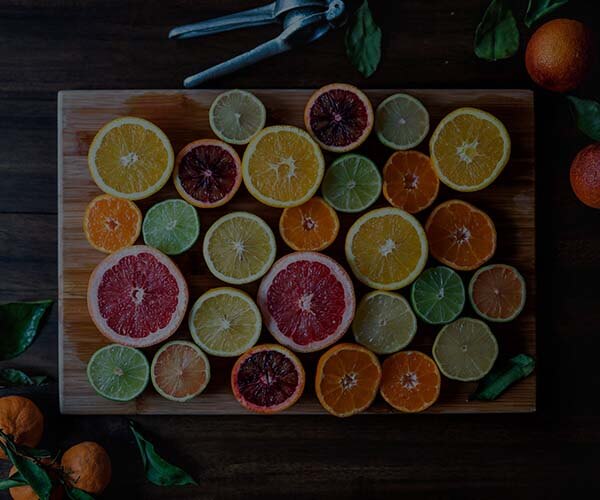
* { margin: 0; padding: 0; box-sizing: border-box; } body { font-family: 'Segoe UI', Tahoma, Geneva, Verdana, sans-serif; background: #f9f9f9; color: #333; } .citrus-section { margin: 40px auto; padding: 0 20px; } .main-intro { background: linear-gradient(135deg, rgba(209, 26, 36, 0.12) 0%, rgba(209, 26, 36, 0.03) 100%); border-left: 5px solid rgb(209, 26, 36); padding: 35px 30px; border-radius: 6px; margin-bottom: 50px; } .main-intro h2 { font-size: 22px; color: rgb(209, 26, 36); margin-bottom: 15px; font-weight: 600; } .main-intro p { font-size: 16px; color: #666; line-height: 30px; margin-bottom: 12px; } .main-intro p:last-child { margin-bottom: 0; } .section-title { font-size: 24px; color: rgb(209, 26, 36); margin-bottom: 30px; font-weight: 600; padding-bottom: 15px; border-bottom: 2px solid rgb(209, 26, 36); } /* Product Portfolio Grid */ .product-portfolio { display: grid; grid-template-columns: repeat(auto-fit, minmax(340px, 1fr)); gap: 25px; margin-bottom: 50px; } .product-card { background: white; border-radius: 8px; overflow: hidden; box-shadow: 0 2px 8px rgba(0,0,0,0.1); border-top: 4px solid rgb(209, 26, 36); transition: all 0.3s ease; } .product-card:hover { box-shadow: 0 8px 20px rgba(209, 26, 36, 0.15); transform: translateY(-5px); } .product-header { background: linear-gradient(135deg, rgba(209, 26, 36, 0.12) 0%, rgba(209, 26, 36, 0.04) 100%); padding: 22px; border-bottom: 2px solid #f0f0f0; } .product-name { font-size: 18px; color: rgb(209, 26, 36); font-weight: 600; margin-bottom: 5px; line-height: 1.8; } .product-category { font-size: 14px; color: #888; line-height: 2; } .product-body { padding: 22px; } .product-body p { font-size: 14px; color: #666; line-height: 2; margin-bottom: 12px; } .product-specs { background: rgba(209, 26, 36, 0.05); padding: 12px; border-radius: 4px; font-size: 14px; color: #555; line-height: 2; } /* Processing Stages */ .processing-section { background: white; padding: 40px; border-radius: 8px; margin-bottom: 50px; box-shadow: 0 2px 8px rgba(0,0,0,0.08); } .processing-title { font-size: 22px; color: rgb(209, 26, 36); margin-bottom: 30px; font-weight: 600; } .stages-container { display: grid; grid-template-columns: repeat(auto-fit, minmax(320px, 1fr)); gap: 20px; } .stage-box { background: linear-gradient(135deg, rgba(209, 26, 36, 0.08) 0%, rgba(209, 26, 36, 0.02) 100%); padding: 25px; border-radius: 6px; border-right: 3px solid rgb(209, 26, 36); position: relative; } .stage-number { display: inline-block; width: 36px; height: 36px; background-color: rgb(209, 26, 36); color: white; border-radius: 50%; text-align: center; line-height: 36px; font-weight: bold; font-size: 16px; margin-bottom: 12px; } .stage-title { font-size: 16px; color: rgb(209, 26, 36); font-weight: 600; margin-bottom: 10px; line-height: 30px; } .stage-desc { font-size: 14px; color: #666; line-height: 2; } /* Quality Standards */ .standards-section { background: white; padding: 40px; border-radius: 8px; margin-bottom: 50px; box-shadow: 0 2px 8px rgba(0,0,0,0.08); overflow-x: auto; } .standards-title { font-size: 22px; color: rgb(209, 26, 36); margin-bottom: 25px; font-weight: 600; } .standards-table { width: 100%; border-collapse: collapse; } .standards-table tr { border-bottom: 1px solid #f0f0f0; } .standards-table tr:last-child { border-bottom: none; } .standards-table tr:nth-child(even) { background-color: rgba(209, 26, 36, 0.02); } .standards-table td { padding: 18px 20px; font-size: 14px; color: #666; line-height: 2; } .standards-table td:first-child { font-weight: 600; color: rgb(209, 26, 36); width: 20%; } .standards-table td:nth-child(2) { width: 40%; color: #555; } .standards-table td:nth-child(3) { width: 40%; color: #777; } /* Market Opportunities */ .market-section { display: grid; grid-template-columns: repeat(auto-fit, minmax(340px, 1fr)); gap: 25px; margin-bottom: 50px; } .market-box { background: white; padding: 30px; border-radius: 8px; box-shadow: 0 2px 8px rgba(0,0,0,0.08); border-left: 4px solid rgb(209, 26, 36); } .market-title { font-size: 18px; color: rgb(209, 26, 36); font-weight: 600; margin-bottom: 15px; line-height: 1.8; } .market-desc { font-size: 14px; color: #666; line-height: 2; margin-bottom: 12px; } .market-highlight { font-size: 14px; color: rgb(209, 26, 36); font-weight: 500; line-height: 2; } /* Efficiency Metrics */ .metrics-section { background: white; padding: 40px; border-radius: 8px; margin-bottom: 50px; box-shadow: 0 2px 8px rgba(0,0,0,0.08); } .metrics-title { font-size: 22px; color: rgb(209, 26, 36); margin-bottom: 30px; font-weight: 600; } .metrics-grid { display: grid; grid-template-columns: repeat(auto-fit, minmax(320px, 1fr)); gap: 25px; } .metric-item { text-align: center; padding: 25px; background: linear-gradient(135deg, rgba(209, 26, 36, 0.05) 0%, rgba(209, 26, 36, 0.02) 100%); border-radius: 6px; border-left: 3px solid rgb(209, 26, 36); } .metric-value { font-size: 28px; color: rgb(209, 26, 36); font-weight: bold; margin-bottom: 8px; line-height: 1.8; } .metric-label { font-size: 14px; color: #666; line-height: 2; } /* Challenges & Solutions */ .challenges-section { background: white; padding: 40px; border-radius: 8px; margin-bottom: 50px; box-shadow: 0 2px 8px rgba(0,0,0,0.08); } .challenges-title { font-size: 22px; color: rgb(209, 26, 36); margin-bottom: 30px; font-weight: 600; } .challenges-grid { display: grid; grid-template-columns: repeat(auto-fit, minmax(320px, 1fr)); gap: 25px; } .challenge-item { padding: 28px; background: linear-gradient(135deg, rgba(209, 26, 36, 0.08) 0%, rgba(209, 26, 36, 0.02) 100%); border-radius: 6px; border-right: 3px solid rgb(209, 26, 36); } .challenge-problem { font-size: 16px; color: rgb(209, 26, 36); font-weight: 600; margin-bottom: 12px; line-height: 30px; } .challenge-desc { font-size: 14px; color: #666; line-height: 2; margin-bottom: 12px; } .challenge-solution { font-size: 14px; color: rgb(209, 26, 36); font-weight: 500; line-height: 2; } /* Responsive */ @media (max-width: 768px) { .product-portfolio { grid-template-columns: 1fr; } .stages-container { grid-template-columns: 1fr; } .standards-table td { padding: 14px 10px; font-size: 13px; } .metrics-grid { grid-template-columns: repeat(2, 1fr); } } Centrifugal Separation for Premium Citrus Processing Global citrus markets demand advanced separation technology that preserves natural qualities while achieving market-required clarity and consistency. From fresh juice clarification to essential oil recovery, centrifugal technology enables processors to maximize yield and product value across diverse applications. Citrus Product Portfolio & Processing Applications Clear Citrus Juices Premium beverage market segment Clear citrus juices demand crystal-like transparency with complete removal of pulp, fiber, and suspended solids while preserving flavor volatiles and nutritional compounds. Centrifugal separation achieves this clarity without heat processing or chemical clarifiers. Application: Orange juice, lemon juice, lime juice clarification for premium beverage segments Cloudy & Pulpy Juices Natural beverage premium positioning Natural cloudy juice production requires controlled separation to retain beneficial pulp components while removing unwanted sediment and microbes. Centrifuges achieve perfect pulp suspension stability without oxidation or flavor damage. Application: Fresh-style orange juice, premium natural products with extended shelf-life Citrus Concentrates Industrial food ingredient supply Juice concentrate production requires precise separation to remove water while concentrating flavor compounds and natural sugars. Centrifuges enable efficient concentration without heat-induced degradation or quality loss. Application: Orange, lemon, and grapefruit concentrate for food manufacturing and export Essential Oils & Aromatics High-value botanical extraction Citrus essential oils represent premium market opportunities. Centrifugal separation isolates aromatic compounds from juice matrix without heat or solvent extraction, preserving delicate flavor profiles demanded by perfumery and specialty food industries. Application: Cold-pressed essential oils for fragrance, cosmetic, and flavor applications Oil Dewaxing & Purification Specialty oil processing Citrus peel oils contain natural waxes requiring removal for cosmetic and pharmaceutical applications. Centrifuges efficiently separate wax layers while preserving therapeutic compounds in the oil phase. Application: Cosmetic-grade oils, pharmaceutical-quality limonene extraction and purification Citrus Flavoring & Extract Food and beverage flavoring Natural flavoring extracts capture the essence of fresh citrus for beverage and food applications. Centrifugal separation concentrates desired flavor compounds while removing bitter components and unsuitable plant material. Application: Natural flavorings for beverages, confectionery, and functional food products Multi-Stage Citrus Separation Workflow 1 Fruit Reception & Washing Quality inspection and preliminary washing to remove field debris before extraction begins 2 Extraction & Pressing Mechanical extraction yields raw juice with pulp, oils, and suspended solids mixed together 3 Primary Separation First-pass centrifuge removes large pulp particles and coarse suspended materials 4 Secondary Clarification Fine clarification removes micro-suspended solids and microbes for crystal clear juice 5 Oil Recovery Specialized separation isolates essential oils and lipids for high-value product streams 6 Concentration & Finishing Final processing to achieve target specifications and package for market distribution Citrus Product Quality Parameters Product Type Quality Specification Centrifuge Capability Clear Juice < 0.5 NTU turbidity, zero visible particles Achieves 0.05-0.1 NTU consistently through multi-stage polishing Cloudy Juice Controlled pulp suspension 0.5-2.0%, microbial removal > 95% Maintains perfect pulp balance while removing pathogens and spoilage organisms Concentrate Brix 45-70, minimal water content, color stability Lovibond 5-12 Removes water efficiently while preserving flavor profile and nutritional integrity Essential Oils Purity > 95%, specific gravity 0.85-0.95, refractive index stability Isolates pure aromatic compounds without heat degradation or solvent contamination Natural Flavor Extract Color intensity consistent, bitter compound removal > 90%, microbial < 100 CFU/ml Concentrates desirable volatile compounds while removing unwanted components Processing Efficiency Yield recovery target 90-95%, product loss < 5% Achieves 95-98% yield through precise separation and waste minimization Market Segment Opportunities for Citrus Processors Premium Fresh Juice Clean-label, fresh-pressed juices demand superior clarity achievable only through centrifugal separation. 20-30% price premium over conventional products Essential Oils & Aromatics Cold-pressed oils represent highest-value citrus products for cosmetic and perfumery markets. 5-7% annual market growth through natural ingredient demand Functional Beverage Ingredients Concentrated bioactives (vitamins, antioxidants, polyphenols) for wellness beverage formulation without synthetic additives. 15%+ growth in functional beverage segment annually Juice Concentrate Supply Export-focused concentrates serve global food manufacturers with superior consistency and reduced production costs. Maintains international quality standards while improving margins Natural Flavoring Compounds Citrus-derived natural flavors replace synthetic alternatives in confectionery, beverage, and dairy applications. Clean-label mandates drive growing natural flavor market Co-Product Valorization Transform peel, fiber, and waste streams into revenue-generating ingredients through advanced separation technology. Sustainability initiatives enable zero-waste manufacturing Citrus Processing Efficiency Metrics 95-98% Product Yield Recovery 2-4 hrs Processing Time per Batch 0.05 NTU Final Juice Clarity 99%+ Microbial Removal Rate 8,000+ Operating Hours 30-40% Operating Cost Reduction Citrus Processing Challenges & Solutions Seasonal Quality Variation Fruit quality fluctuates seasonally affecting processing consistency Automated control maintains consistent quality despite feedstock variation Microbial Contamination Natural fruit contains microorganisms requiring removal without heat damage Centrifugal removal of 99%+ bacteria and mold without pasteurization Volatile Compound Preservation Heat processing destroys delicate flavor compounds creating bland products Cold separation preserves volatile aromatics and natural flavor complexity Multi-Product Separation Maximizing value requires recovering oils, extracts, and pulp simultaneously Sequential separation stages extract multiple product streams from single batch Water & Waste Reduction Traditional washing generates substantial wastewater and treatment costs Dry separation eliminates water washing, reducing waste volume 60-80% Processing Capacity Expansion Batch methods create bottlenecks during peak harvest periods Continuous operation maximizes capacity with minimal labor requirements

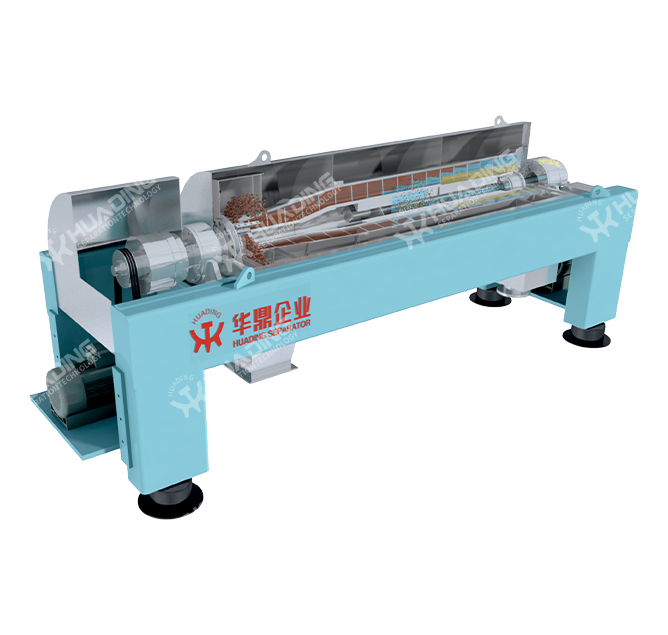
Huading Separator has taken a further step in the field of brewing beer. Whereas separators and decanters have been used for a long time in the production of beer, the latest process represents a further milestone in filtration technology: the beer separator and membrane are combined, the entire filtration process flows continuously, with wide yield and a simple method of changing types. The environment is protected and process costs are reduced. Anyhow, disc separators and decanter centrifuges play a key role in the manufacture of beer. In the decisive steps of the brewing process, they ensure economical operation and a high-quality of beer. Beer can be produced on any scale from small home brews, to craft beer micro-breweries and finally large industrial scale. However, the brewing process is ultimately very similar on each scale as below: Brewing-process-flow ━ Beer Recovery from Tank Bottoms ━ Clarification of Beer before Kieselguhr Filtration ━ Cold Wort Separation ━ Green Beer Clarification with Addition of ━ Yeast/Tank Bottoms ━ Green Beer Separation ━ Hot Wort Separation ━ Manufacture of Non-Alcoholic Beer ━ Trub Wort Separation ━ Turbidity Adjustment with Separators In a brewery centrifuge, which may also be called a beer separator or a decanter centrifuge, these same principles are applied to a liquid wort or beer. The liquid is laden with various types of suspended particulate, including yeast, trub, and hop residue, each with a different density. When a centrifuge spins the liquid within a round bowl, at a given rotation speed, eventually the heavier components of the liquid, notably trub and yeast, because they experience greater centrifugal forces, will move closer to the bowl’s outer wall. Meanwhile, the lightest components, including water and alcohol, will stay closer to the center axis of the rotation bowl. This type of centrifugal separation is aided further by the fact that the circumference of the circle traveled by the liquid closest to the center is much smaller than the one traveled by the particles along the outer wall. This even further reinforces the separation of particles in the liquid according to their density. In terms of physics, the power of the centrifugal forces is governed by an equation called Stokes’ law, and centrifuges in a brewery are constructed to generate truly enormous rotational forces that may be several thousand times the size of the earth’s gravitational forces. See Stokes’ law. Such disc beer separator or decanter centrifuge also allow for the draining of the clear, separated liquid from the rotation bowl, while removing the undissolved particles out of the bowl. This is the principle of a functioning centrifuge in practice. Centrifuges in the brewery are employed in several ways. A wort centrifuge can separate hot trub from clear wort even more efficiently than a whirlpool, which is actually a type of low-tech centrifuge. A beer centrifuge employed before packaging can reduce the beer’s turbidity by separating many or of the yeast cells from the clear beer. This is particularly useful if the beer is to be packaged unfiltered, but the yeast does not flocculate sufficiently to the bottom of the fermenter. It is possible to link the centrifuge to an optical sensor that measures the turbidity of the beer; properly used, this setup can be used to adjust haze or yeast cell counts in the final package. Likewise, a beer separator can remove some of the yeast between the end of primary fermentation and the beginning of secondary fermentation or before lagering. If the brewery uses fining agents, these, too, can be removed via centrifuge. Another favourite location for the use of centrifuges is right before an in-line filter. Because the centrifuge removes the bulk of the particulate, the filter medium can perform its function for much longer intervals before it needs to be serviced. A completely different purpose of a centrifuge is beer reclamation. When excess or spent yeast slurry is purged out of the bottom of a fermenter, the liquid part of the slurry is of course positively drinkable beer. Some breweries consider it worthwhile to centrifuge the slurry and introduce the reclaimed beer back into the beer flow. Finally, beer can be centrifuged to remove any residual cold break right before packaging. This eliminates, among other substances, some of the protein-type materials that are directly and indirectly involved in haze formation as well as beer oxidation. Downloads HUADING SEPARATOR IN BREW INDUSTRY
Copyright ©Yixing Huading Machinery Co.,Ltd. All Rights Reserved. Custom Centrifugal Separator Factory