
 English
 русский
 Español
 عربى
عربى 中文简体
中文简体
WE ARE HAPPY TO SOLVE
PROBLEMS FOR CUSTOMERS
learn more >
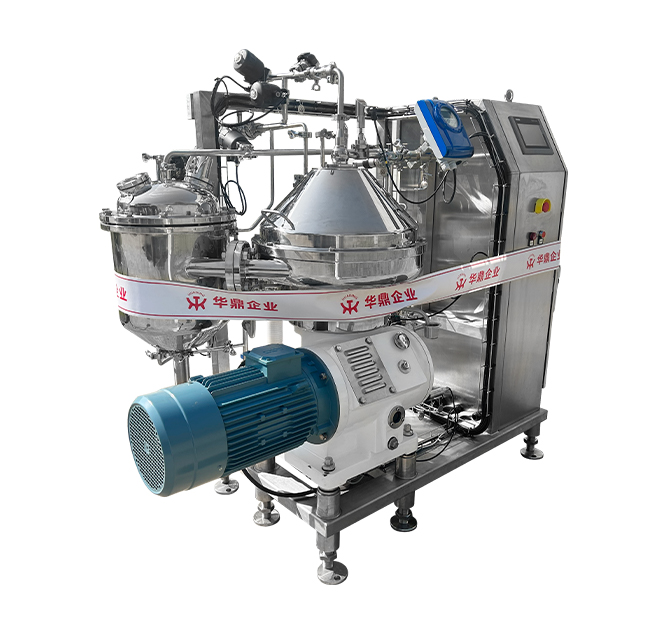
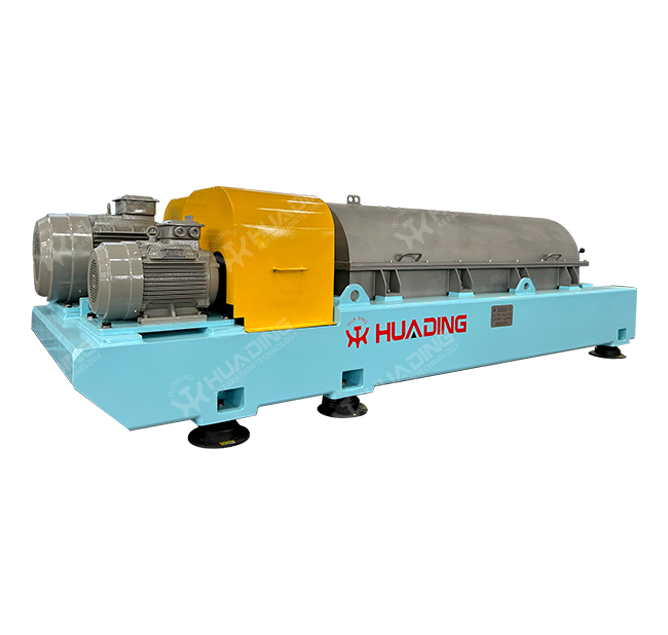
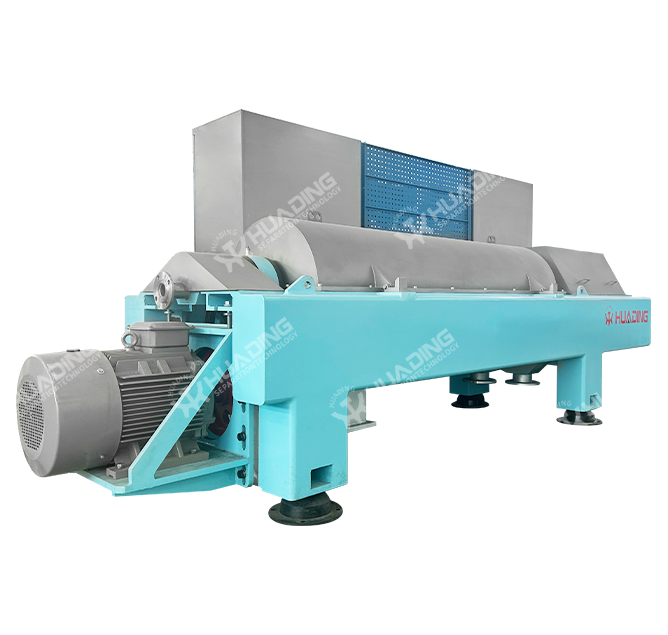
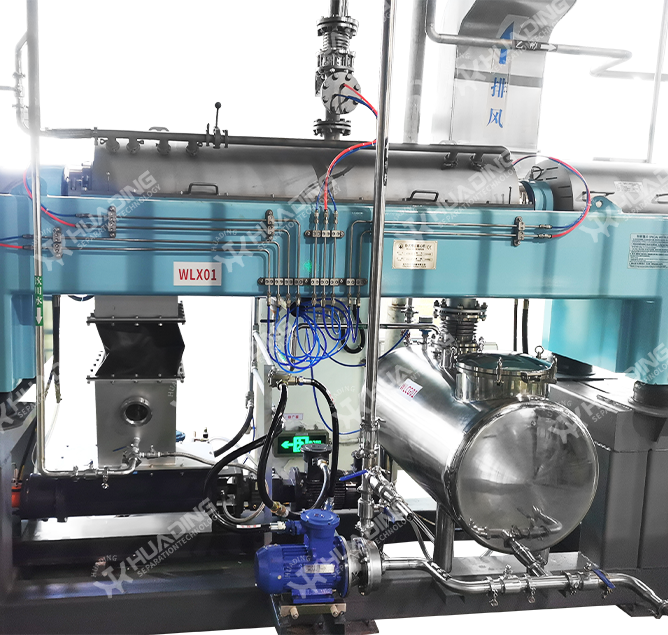
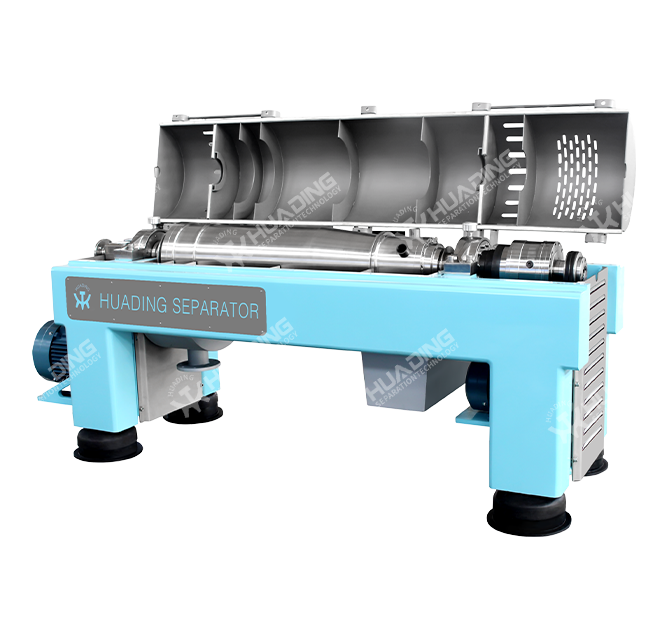
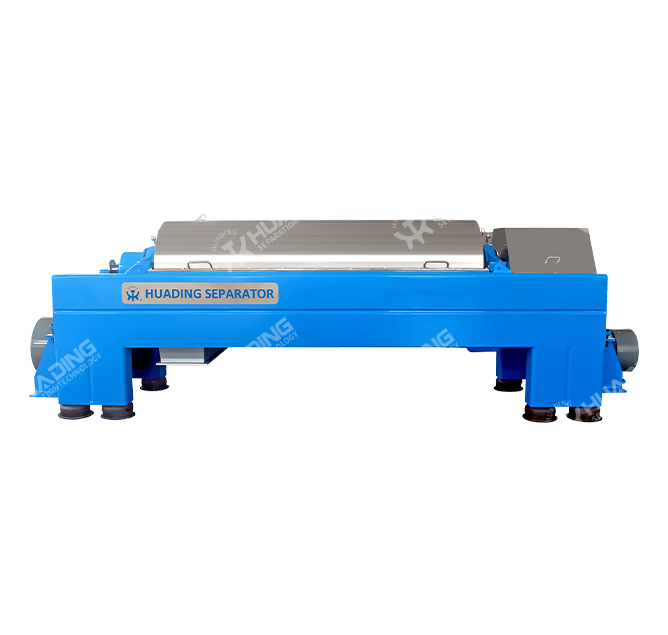
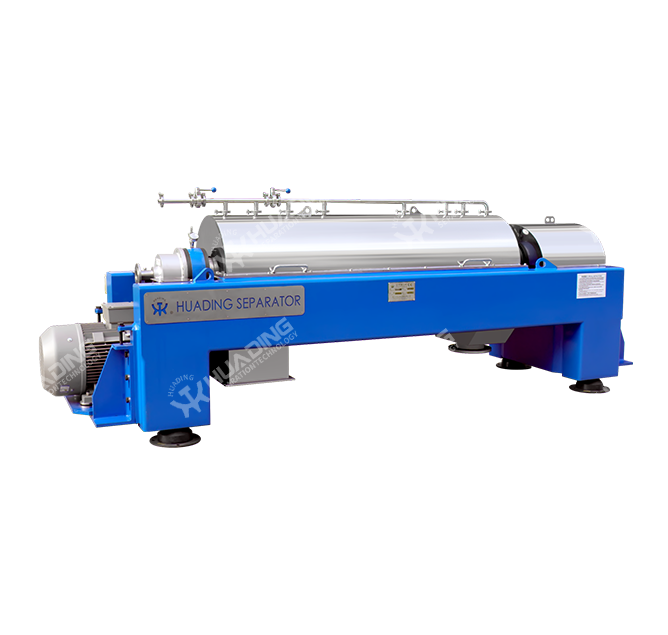
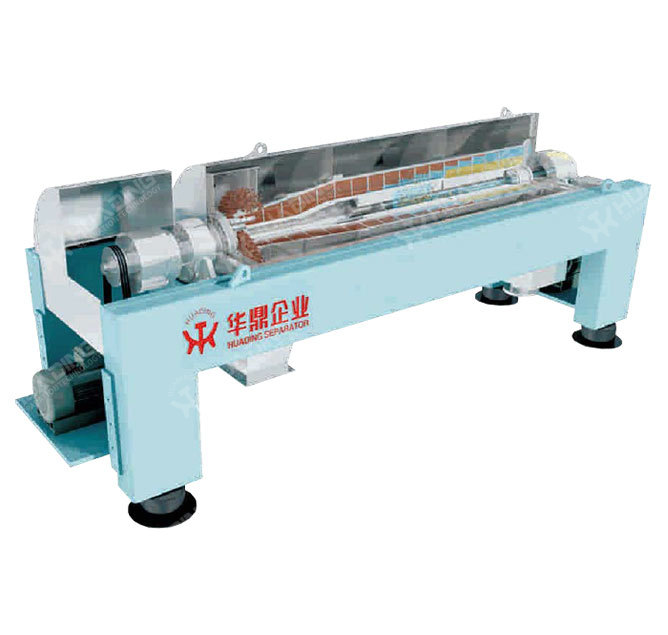
In waste treatment operations, the unit energy consumption of a Waste Treatment Decanter Centrifuge — measured in kWh per ton of dry solids — is one of the most important indicators of operational efficiency. Understanding which process parameters drive energy use allows plant operators and engineers to make informed decisions that reduce costs without compromising separation performance.
Bowl rotational speed is the single most direct driver of main motor power draw. Because the separation factor (G-value) increases with the square of speed, even a modest reduction in bowl speed can yield significant energy savings. In municipal sludge dewatering, operating at 1,500–2,500 G is typically sufficient. Unnecessarily high speeds waste energy without meaningful improvement in cake dryness.
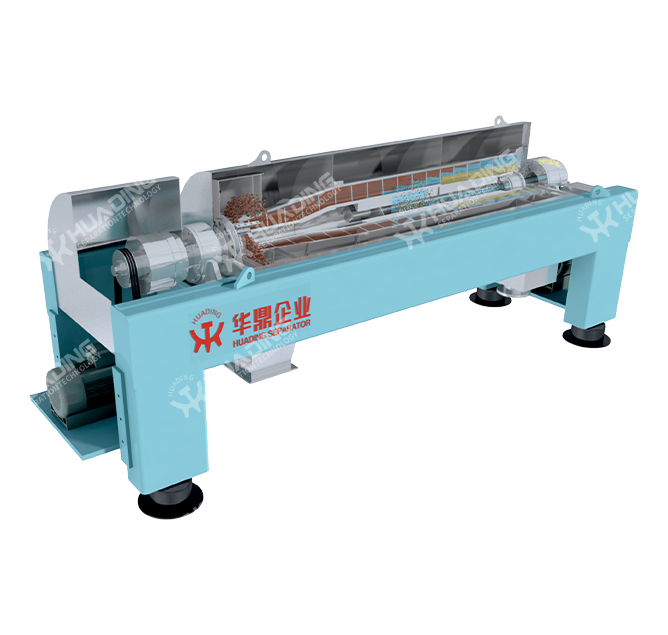
The differential speed between the bowl and the scroll conveyor determines how quickly solids are transported to the discharge port. Too low a differential causes solids to accumulate, driving up scroll torque and back-drive motor consumption. Too high a differential shortens solids residence time, reducing cake dryness and effective throughput — both of which raise unit energy consumption. Variable frequency drive (VFD) systems on the back-drive motor allow real-time torque control, keeping the machine in its optimal operating window.
Feed that is too dilute forces the machine to process excess liquid, increasing hydraulic load relative to actual solids output. Feed that is too concentrated can overwhelm the conveyor, causing torque spikes and overloads. For most Waste Treatment Decanter Centrifuge applications, an optimal feed solids concentration exists — typically between 1% and 5% by mass — where unit energy is minimized. Stable feed flow rate control, using inline density meters linked to feed pump inverters, prevents energy-wasting fluctuations.
Proper flocculant dosing improves particle aggregation, enabling lower bowl speeds for the same separation result. Under-dosing forces operators to compensate with higher G-force; over-dosing increases sludge viscosity and scroll resistance. Matching polymer type and dose to the specific waste stream — confirmed through jar testing — is one of the highest-value, lowest-cost levers for reducing energy consumption in a Waste Treatment Decanter Centrifuge.
Pond depth, set by adjustable overflow weirs, controls the balance between centrate clarity and cake dryness. An excessively deep pond extends the submerged conveyor path, raising scroll torque. A shallow pond shortens solids retention time and reduces solids capture rate. Finding the weir height that satisfies both effluent quality and dewatering targets — without unnecessary over-processing — directly influences unit energy consumption.
Lower feed temperatures increase liquid viscosity, slowing particle settling and requiring higher G-force to maintain separation efficiency. This effect is especially pronounced when processing oily sludge or high-viscosity industrial waste. Pre-heating feed to an optimal temperature range reduces the bowl speed needed to achieve target performance, lowering main drive energy consumption accordingly.
Worn scroll flights reduce conveying efficiency, forcing higher differential speeds and greater back-drive power. Bearing degradation and gearbox inefficiency erode transmission efficiency across the entire drivetrain. Studies indicate that a well-maintained Waste Treatment Decanter Centrifuge can consume 10–25% less energy per ton of dry solids compared to a machine operating with moderate wear. Vibration monitoring and predictive maintenance programs are therefore directly relevant to energy performance, not just equipment longevity.
Copyright ©Yixing Huading Machinery Co.,Ltd. All Rights Reserved. Custom Centrifugal Separator Factory