
 English
 русский
 Español
 عربى
عربى 中文简体
中文简体
WE ARE HAPPY TO SOLVE
PROBLEMS FOR CUSTOMERS
learn more >
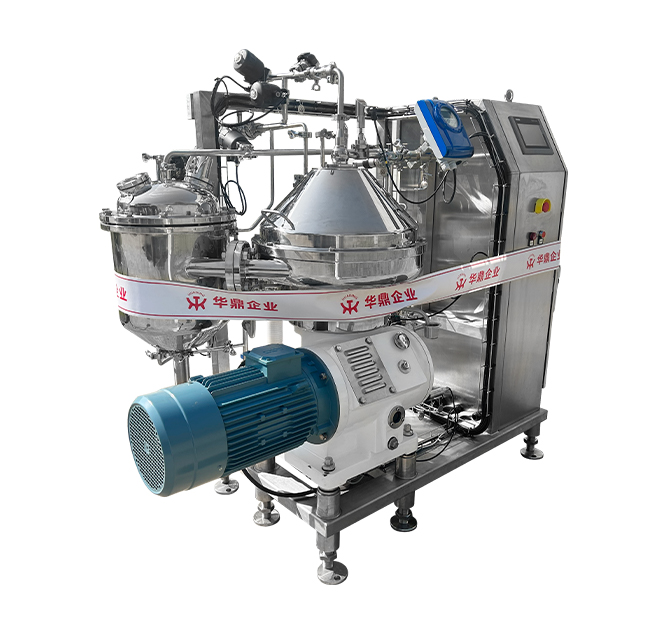
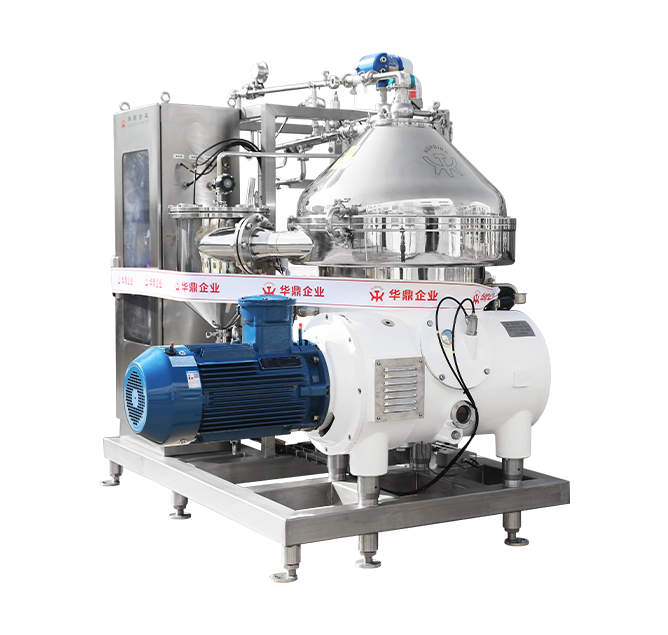
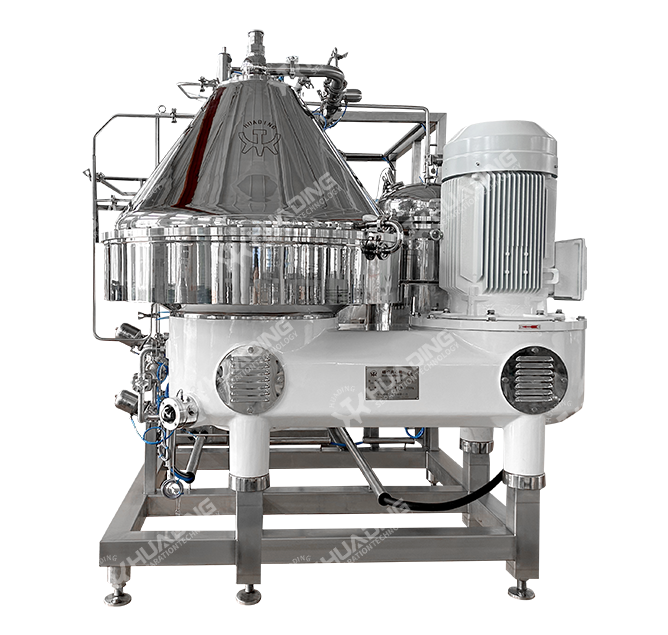
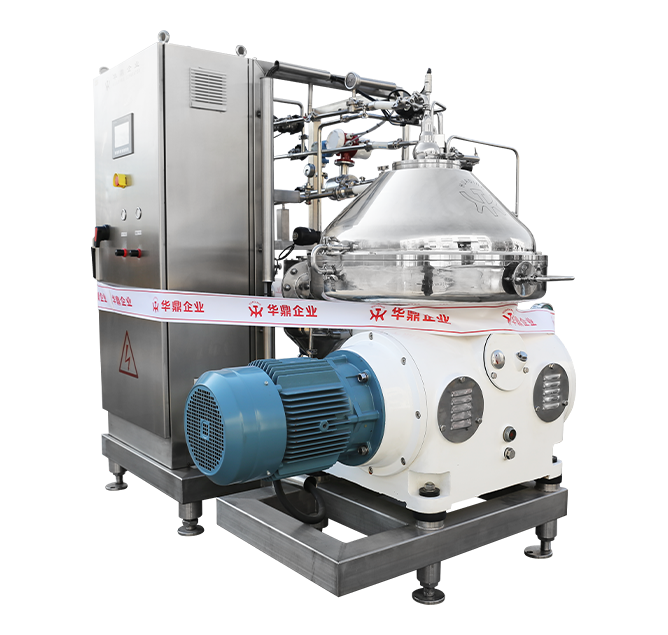
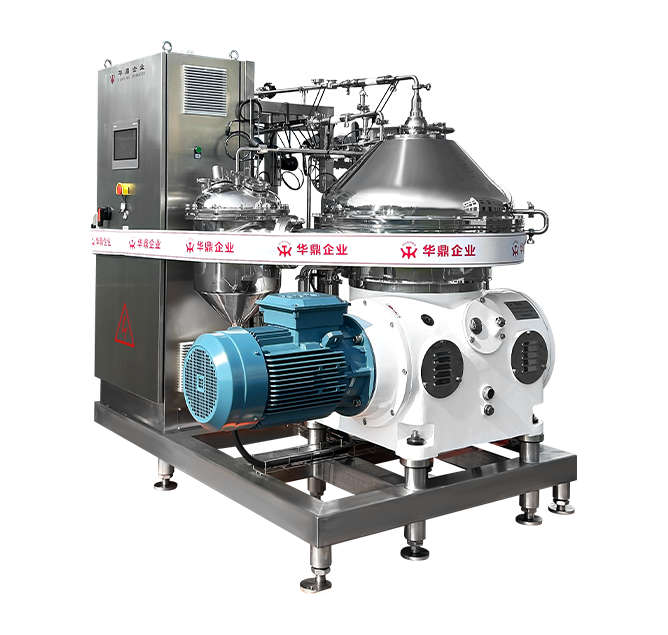
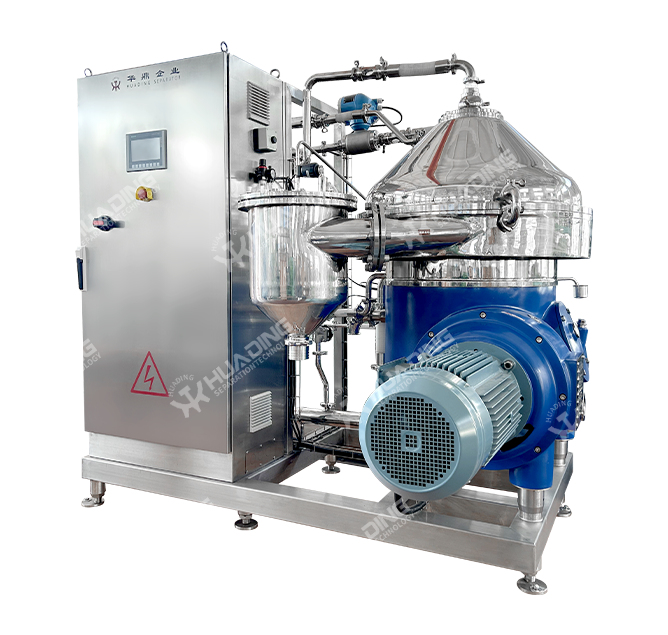
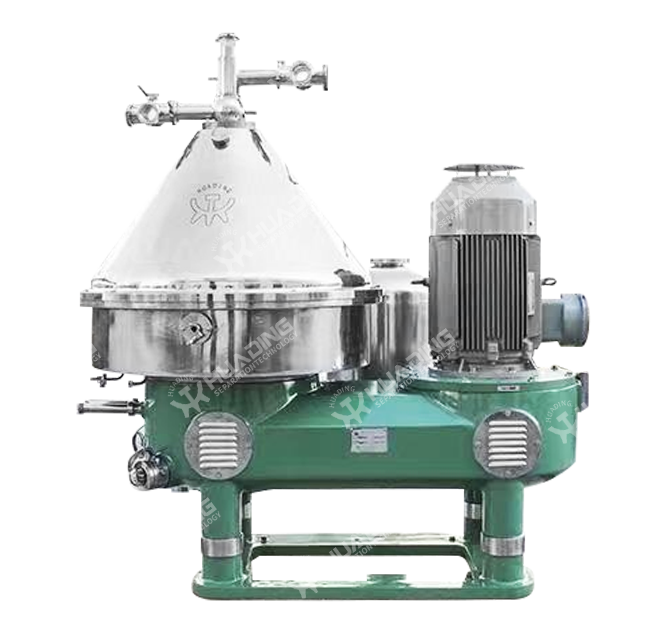
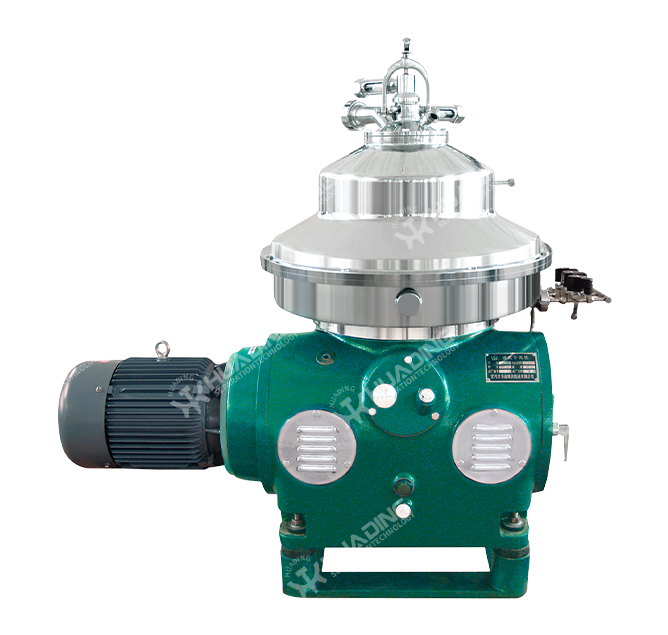
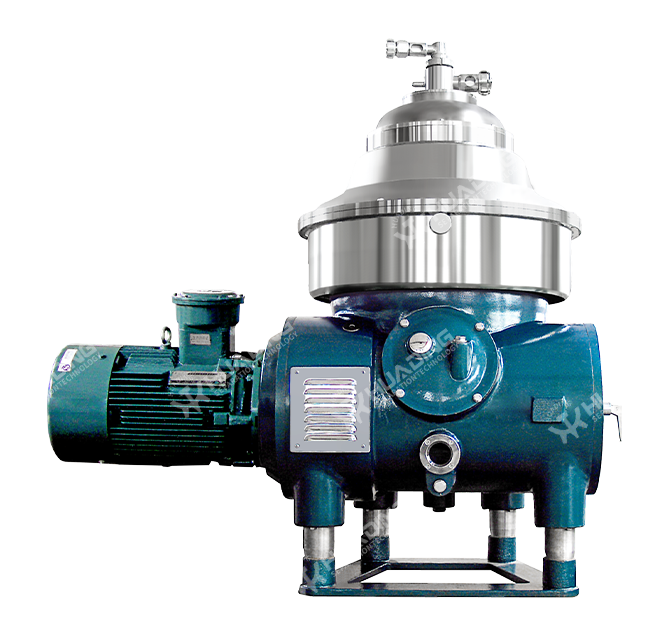
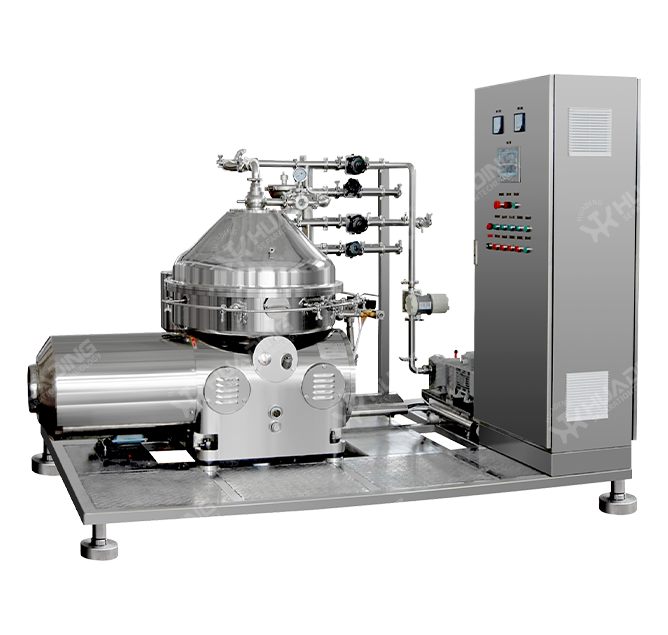
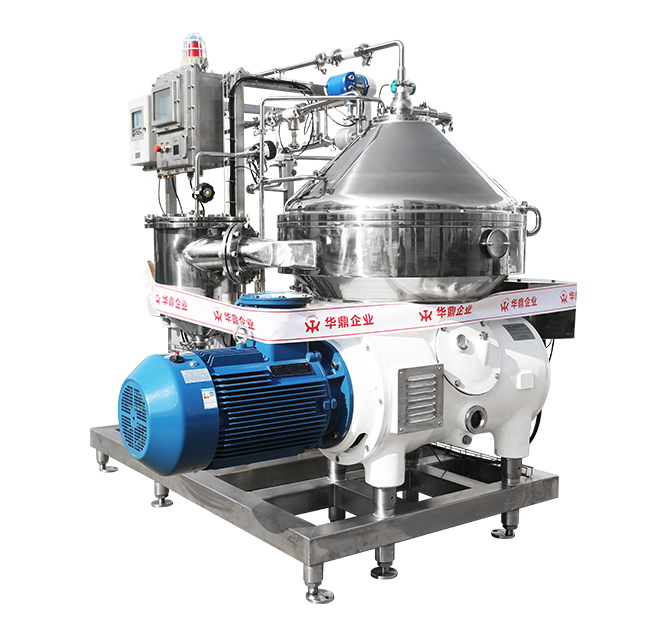
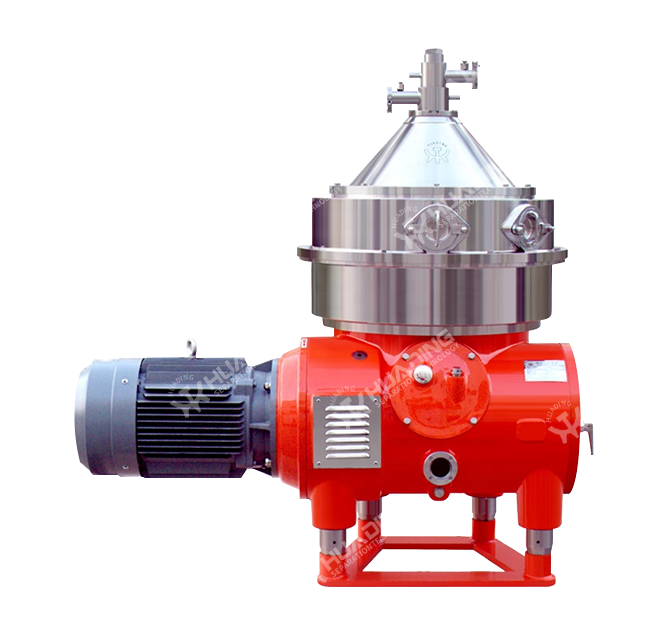
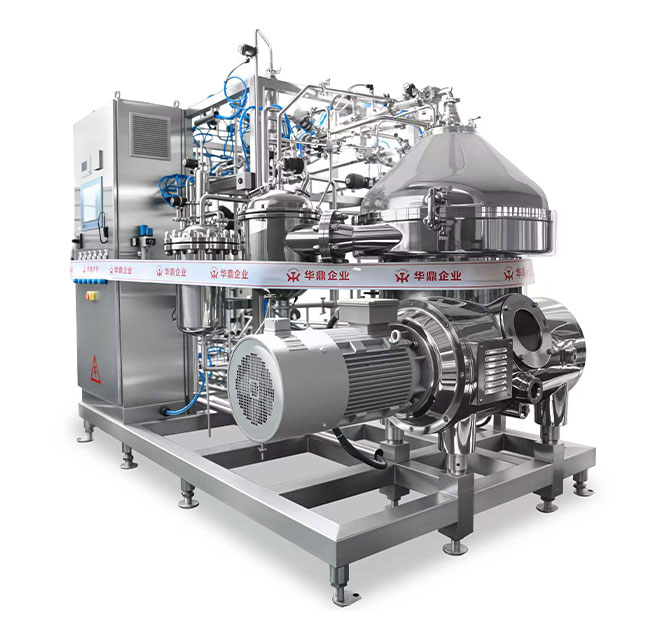
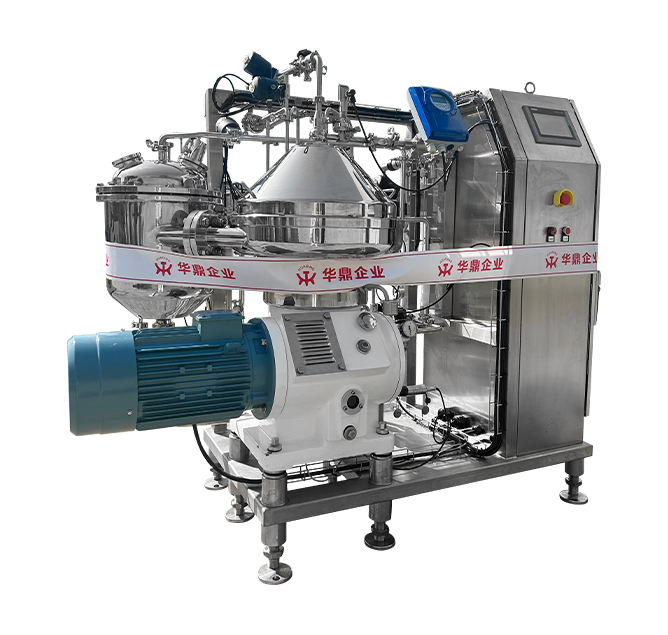
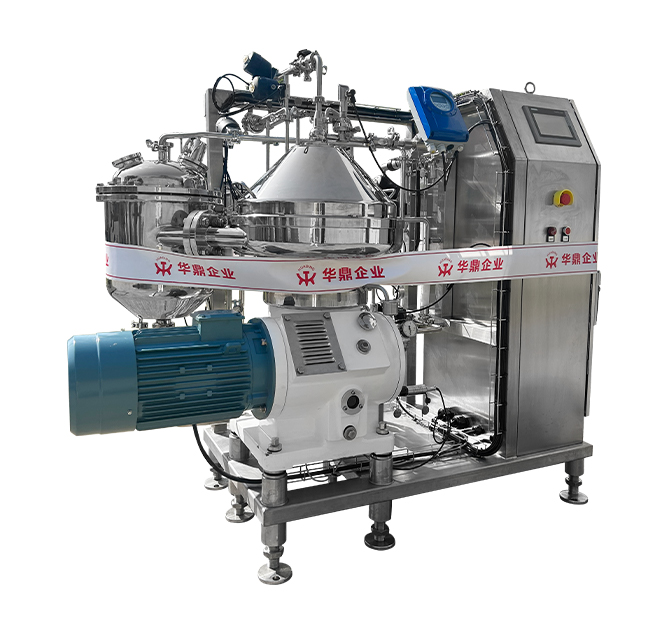
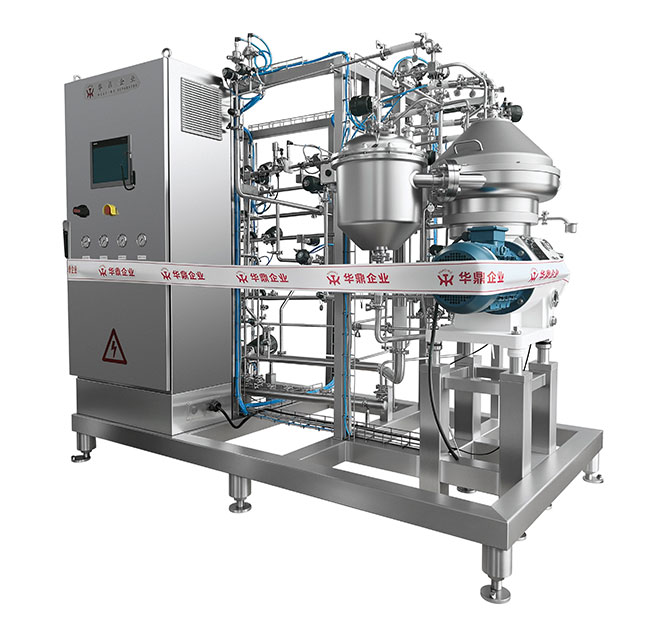
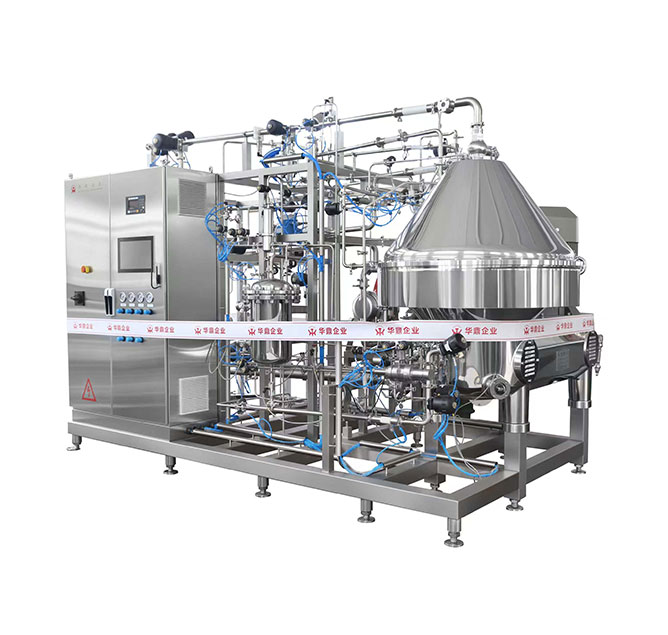
On any animal fat disc separator, rotational speed (RPM) and feed flow rate are the two operating variables that most directly determine separation outcome. RPM controls the centrifugal force field and therefore the settling velocity of water droplets and solid particles within the disc stack. Feed flow rate controls residence time inside the bowl — the longer the material stays, the more completely the phases separate. Because lard, tallow, and poultry fat differ significantly in viscosity, melting point, solid particle size, and emulsification tendency, each requires a distinct parameter strategy.
Lard melts at 28–40°C and reaches a working viscosity of 12–20 mPa·s at typical processing temperatures of 65–75°C. Solid impurities consist mainly of protein coagulates, blood residues, and fine connective tissue fragments with a broad particle size distribution. Free fatty acid content varies from 0.5% to 3.0% depending on raw material quality.
For crude lard with moderate to high solids loading, operate the animal fat disc separator at 5,500–7,000 RPM. Use the upper end of this range (6,500–7,000 RPM) for press-liquor feeds with elevated protein and solid content. For pre-clarified or pre-filtered lard, 5,500–6,000 RPM is sufficient and reduces disc stack wear.
Set feed flow at 70–85% of rated capacity. Lard's relatively low viscosity allows good throughput without sacrificing residence time. Monitor outlet turbidity; if MIU values rise, reduce flow before increasing RPM.
Maintain feed temperature at 68–72°C. Each 10°C rise reduces viscosity by approximately 30–40%, improving phase separation. Avoid exceeding 75°C to limit oxidation of unsaturated fatty acid fractions.
Tallow melts at 40–50°C and carries a higher working viscosity of 18–35 mPa·s at 80°C. Solid impurities are dominated by bone chip fragments and ligament tissue — harder and coarser than those found in lard. Phospholipid content is relatively low, which weakens the emulsion layer and aids oil-water separation.
Set the animal fat disc separator to 6,000–7,500 RPM for tallow. The higher viscosity demands a stronger centrifugal field to overcome flow resistance in the disc channels. For bone oil extraction feeds with dry solids above 5%, use 7,000–7,500 RPM and shorten automatic sludge discharge intervals to prevent excessive sludge layer build-up. Refined tallow with low solids can be processed at 6,000–6,500 RPM.
Reduce feed flow to 60–75% of rated capacity to compensate for higher viscosity. Pushing flow above this range at high viscosity generates turbulence between disc plates, disrupting laminar separation conditions and reducing water removal efficiency. In cold ambient conditions, where tallow viscosity rises further, drop flow to 55–65% of rated capacity.
Tallow requires a higher processing temperature of 80–90°C. Below 80°C, high-melting triglyceride fractions can crystallise on disc surfaces, causing partial blockage and a significant drop in throughput and separation quality.
Poultry fat has the lowest melting point of the three (20–32°C) and the lowest working viscosity at 8–15 mPa·s. Despite its excellent flowability, it presents the greatest separation challenge: fine feather fragments and keratin particles are difficult to sediment, and the relatively high phospholipid and emulsifying protein content creates a stable emulsion layer that resists separation.
Poultry fat requires the highest RPM setting on an animal fat disc separator — typically 7,000–8,500 RPM. High centrifugal force is essential to overcome emulsion stability and drive fine-particle sedimentation. For crude poultry fat direct from cooking lines, operate at 8,000–8,500 RPM. Downstream polishing stages with lower solids may allow 7,000–7,500 RPM.
Despite low viscosity, maintain feed flow at 60–80% of rated capacity. Poultry fat's emulsification tendency means sufficient residence time inside the bowl is critical. For heavily emulsified feeds, reduce flow to 60–65% and consider upstream demulsification pre-treatment — calcium chloride dosing or controlled pH adjustment — before the separator to improve phase release.
Operate at 65–75°C. Temperatures below 60°C risk partial solidification of saturated fractions, increasing viscosity and reducing efficiency. Temperatures above 80°C accelerate oxidation of the high proportion of unsaturated fatty acids in poultry fat, raising peroxide value (POV) and compromising product quality.
| Parameter | Lard | Tallow | Poultry Fat |
|---|---|---|---|
| Recommended RPM | 5,500–7,000 | 6,000–7,500 | 7,000–8,500 |
| Feed Flow Rate (% of rated) | 70–85% | 60–75% | 60–80% |
| Processing Temperature (°C) | 68–72 | 80–90 | 65–75 |
| Typical Viscosity (mPa·s) | 12–20 | 18–35 | 8–15 |
| Primary Solid Type | Protein coagulates, blood | Bone chips, ligament tissue | Feather fragments, keratin |
| Emulsification Risk | Medium | Low | High |
Raw material quality varies between batches. Operators should use outlet MIU values as the primary quality feedback signal: if MIU rises above specification, check feed flow rate first before adjusting RPM upward. Automatic sludge discharge frequency serves as a real-time indicator of solids loading — a sudden increase in discharge cycles signals that either feed solids have risen or flow rate is too high. Motor current monitoring provides a continuous check on bowl load; sustained high current typically indicates excessive sludge accumulation or a viscosity increase requiring temperature correction.
RPM and flow rate on an animal fat disc separator should never be treated as fixed values. Effective separation across lard, tallow, and poultry fat streams depends on treating these parameters as live process variables, continuously aligned with incoming raw material characteristics and outgoing product quality targets.
Copyright ©Yixing Huading Machinery Co.,Ltd. All Rights Reserved. Custom Centrifugal Separator Factory