
 English
 русский
 Español
 عربى
عربى 中文简体
中文简体
WE ARE HAPPY TO SOLVE
PROBLEMS FOR CUSTOMERS
learn more >
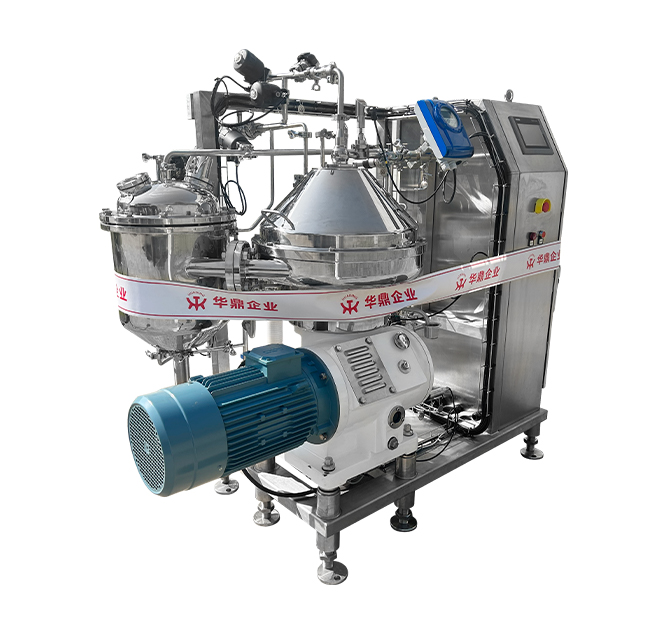
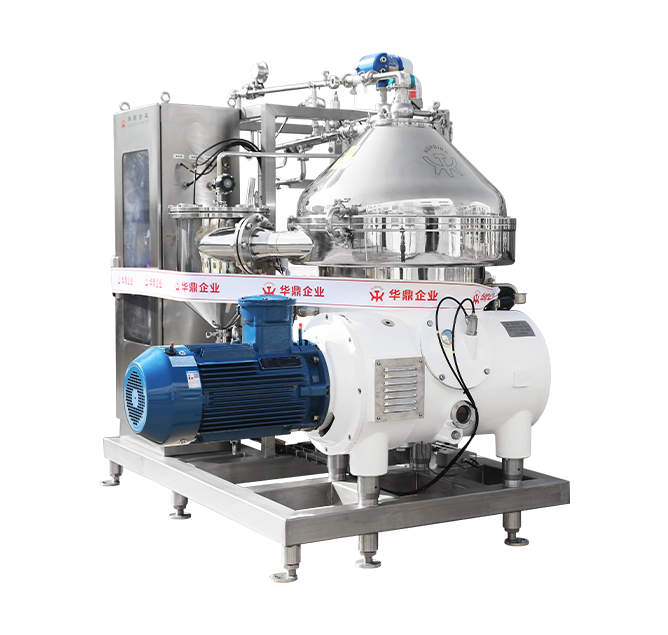
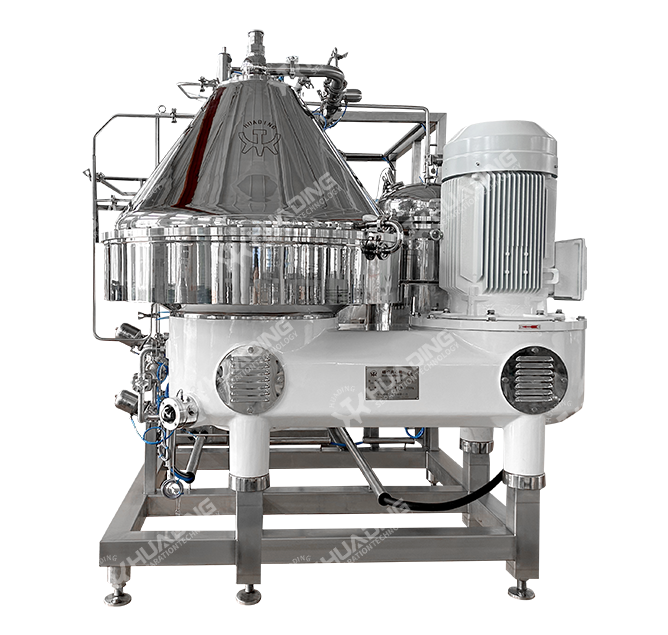
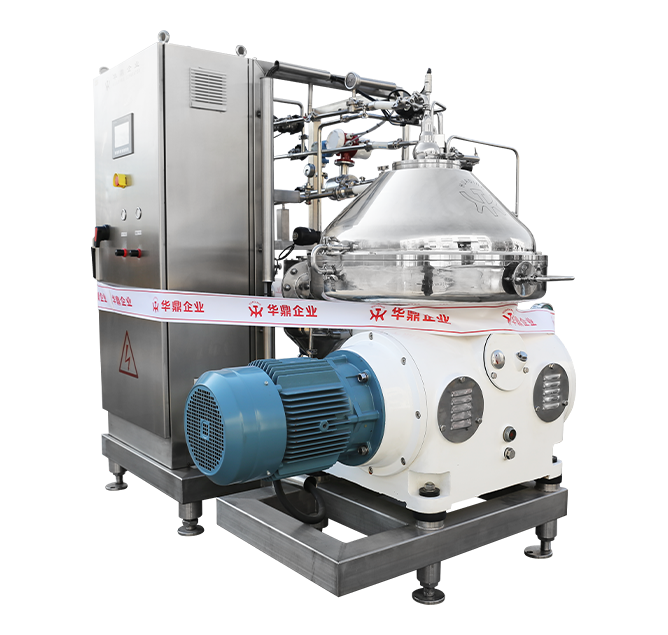
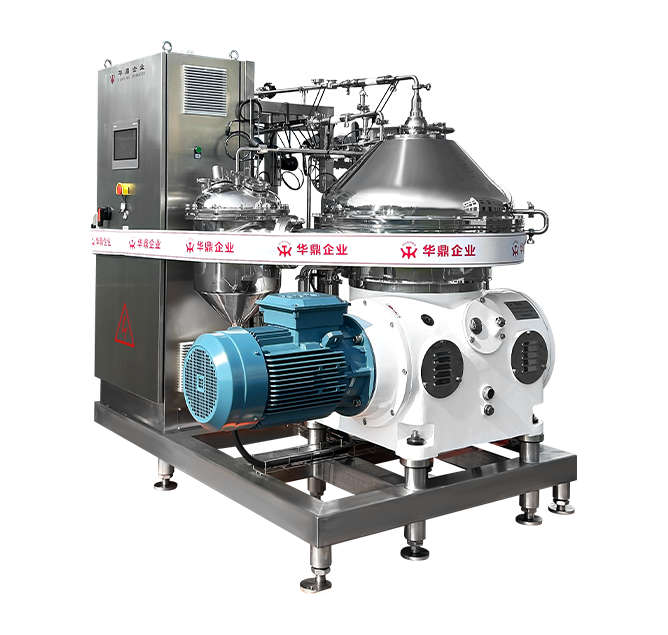
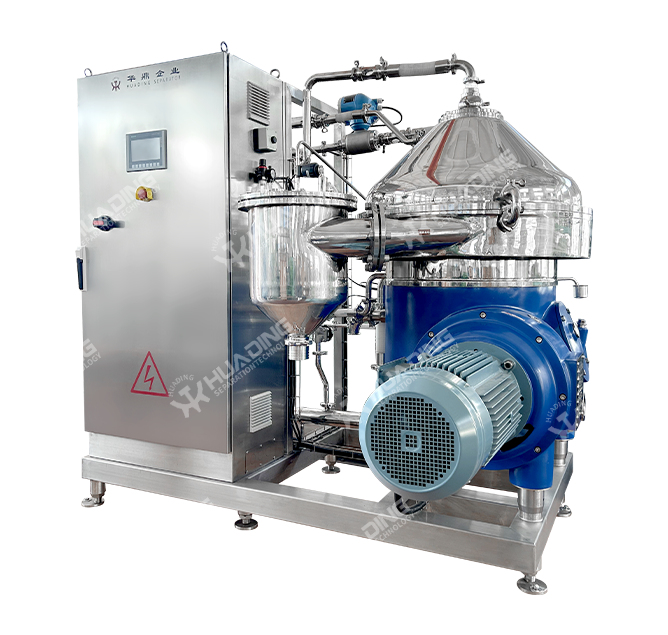
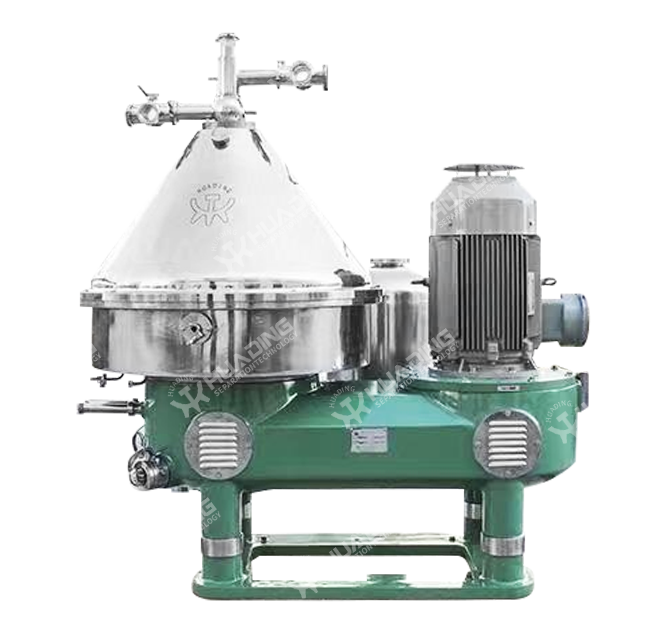
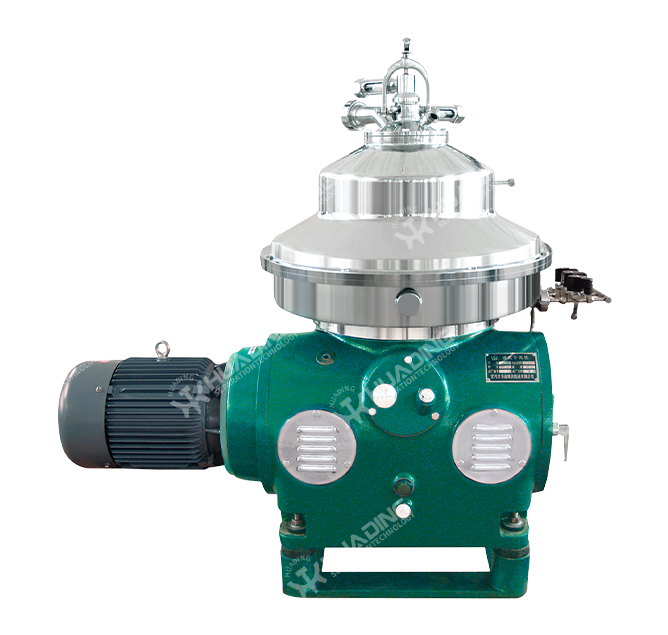
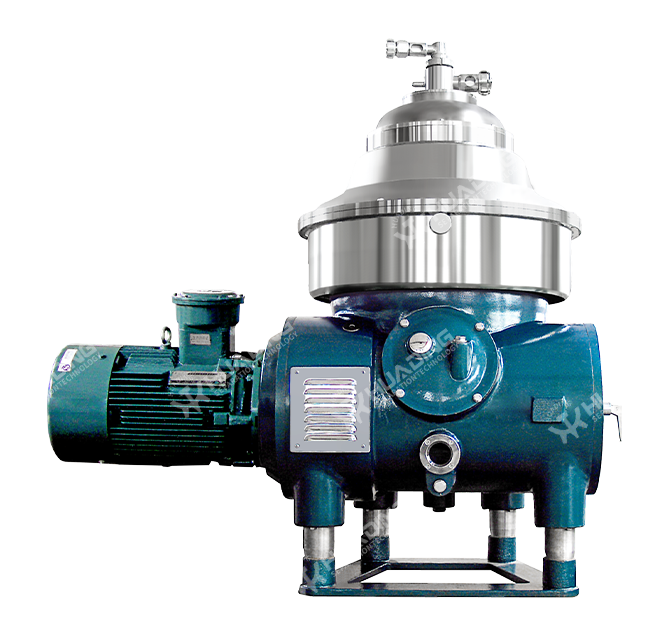
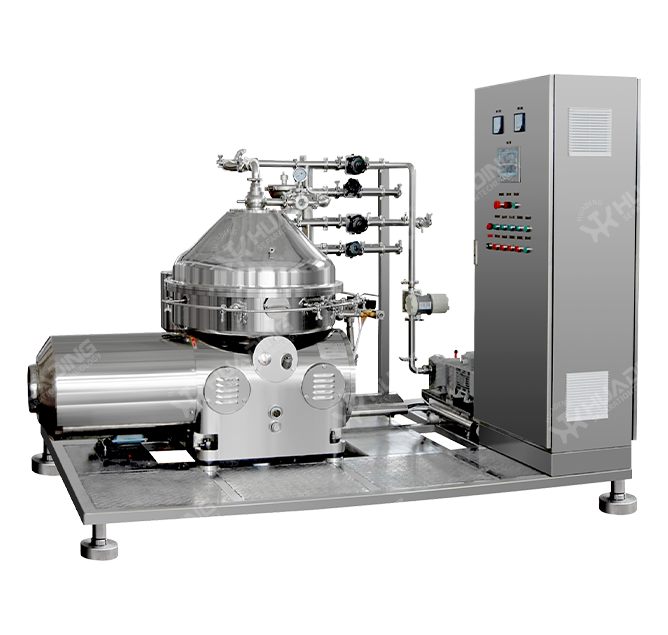
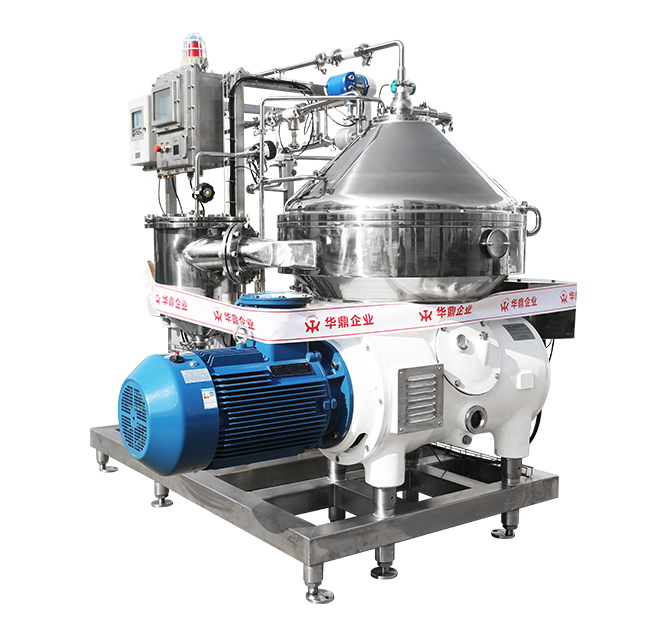
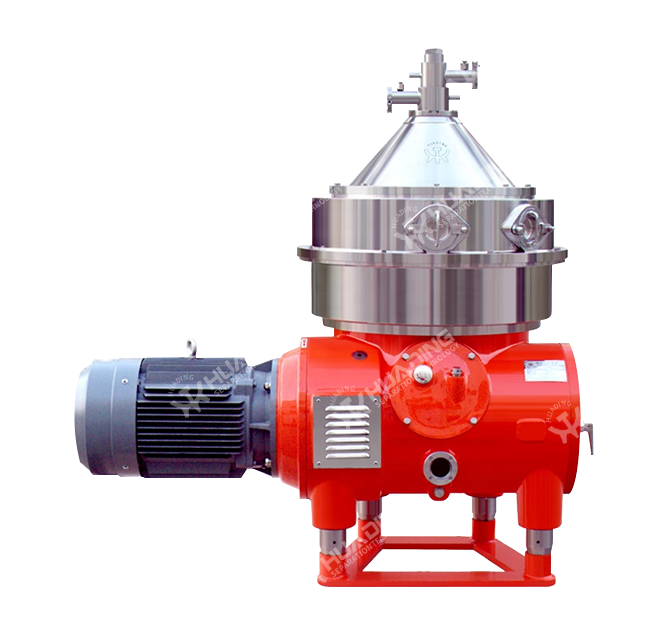
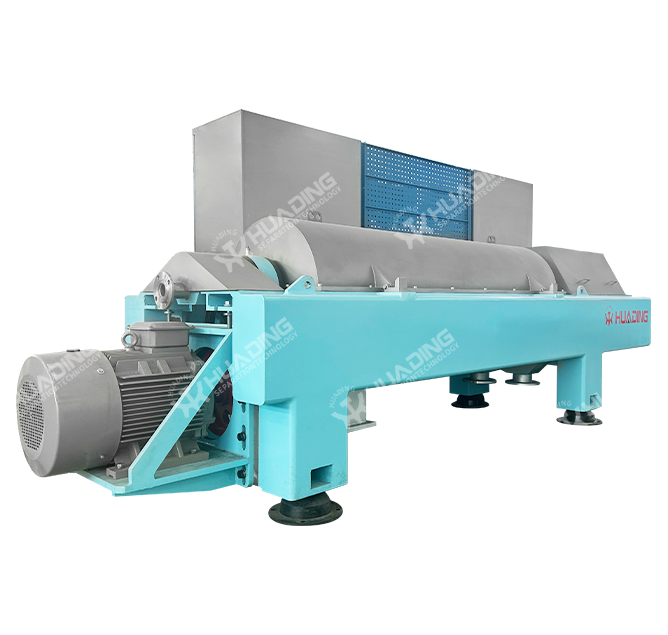
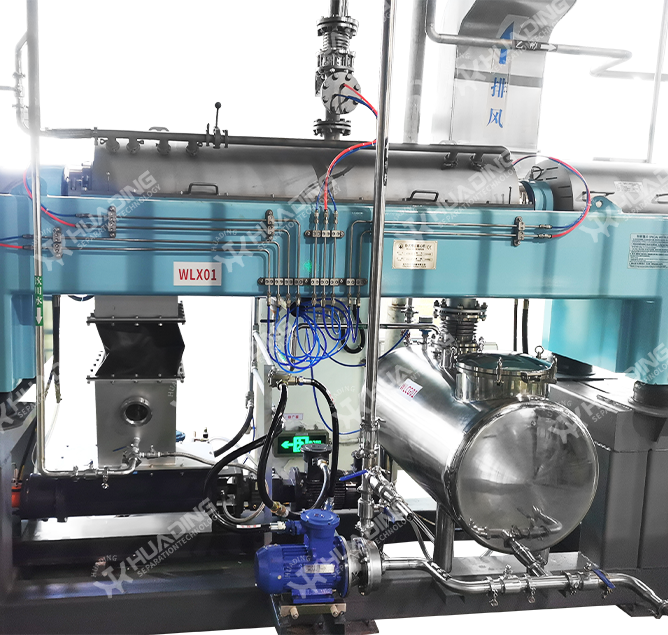
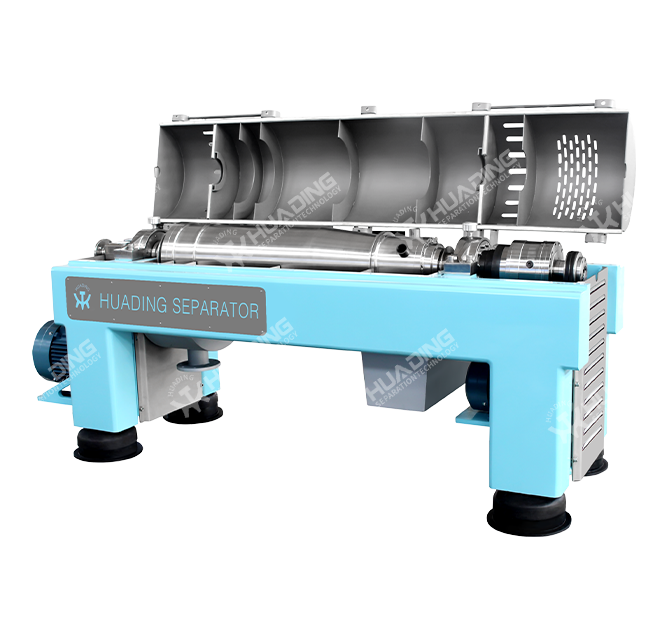
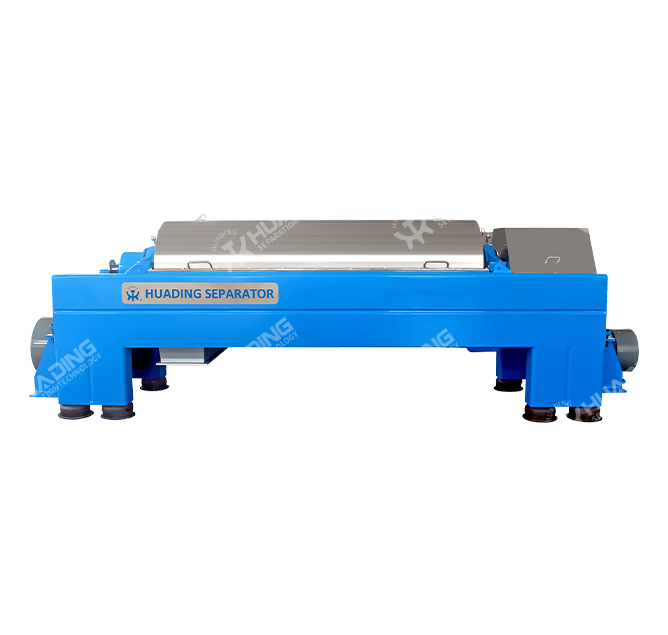
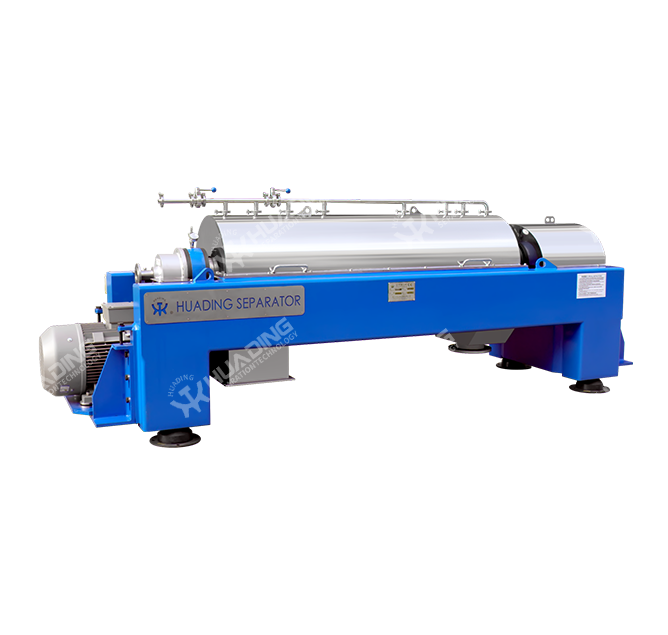
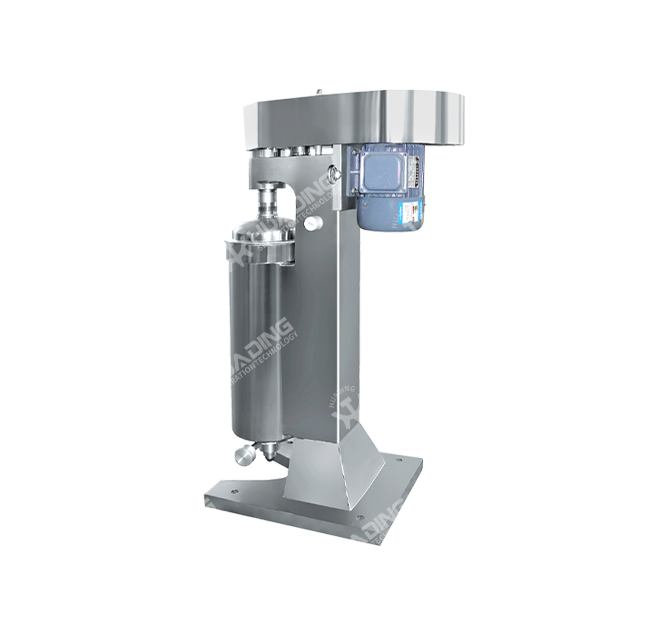
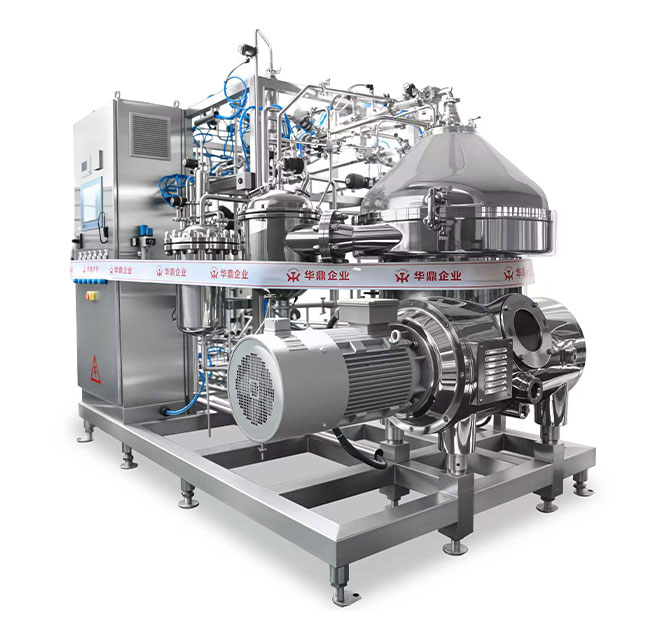
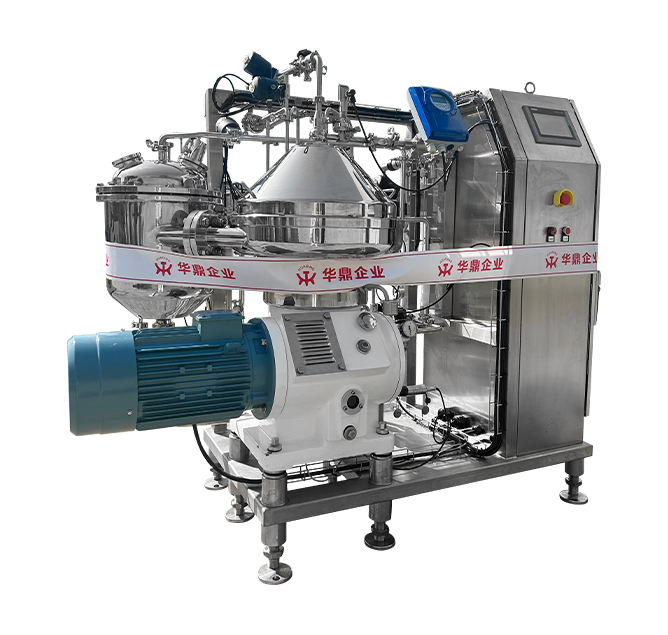
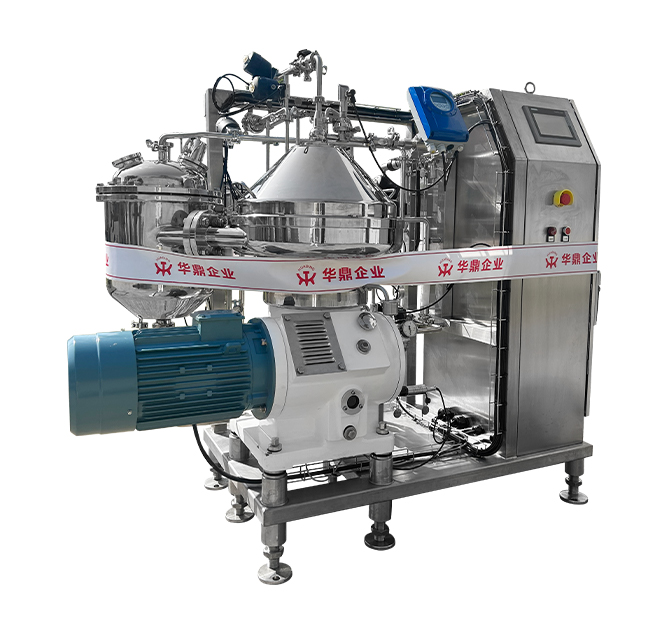
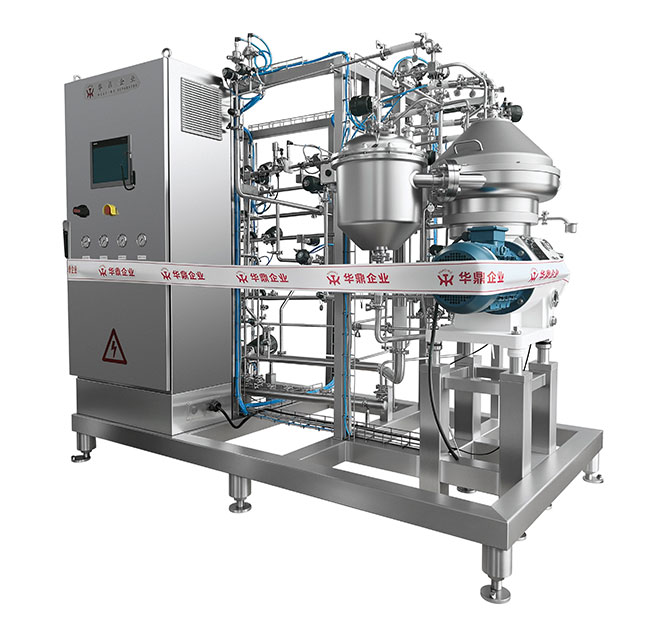
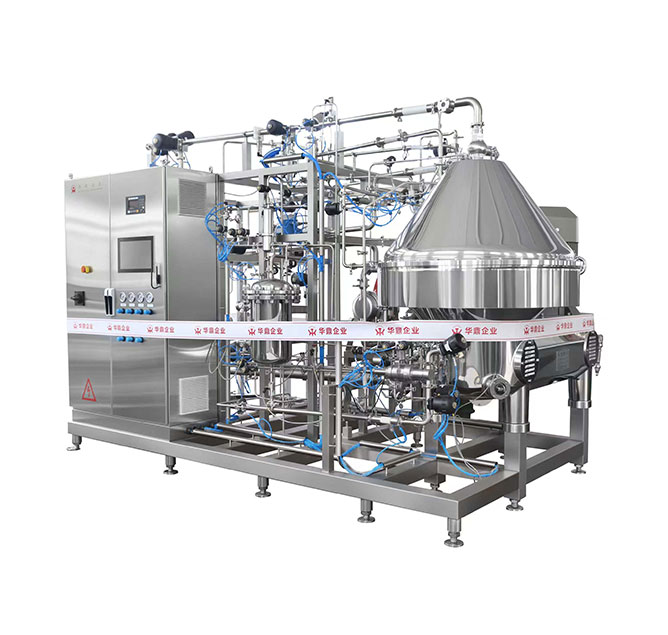
The disc centrifuge separator is one of the most critical pieces of process equipment in animal fat rendering and refining. By generating centrifugal force fields orders of magnitude greater than gravity, these machines accomplish the three-phase separation of fat, water, and solid impurities with a precision and throughput that no other technology can match. Yet not all disc separators are created equal. Self-cleaning (automatic sludge discharge) and manual cleaning (batch discharge) designs differ fundamentally in how they handle accumulated solids — and that single distinction cascades into broad differences in productivity, product quality, operating cost, and maintenance complexity.
Understanding these differences in depth is essential for engineers, procurement managers, and plant operators selecting or optimising separation equipment for lard, tallow, poultry fat, bone oil, and other rendered animal lipid streams.
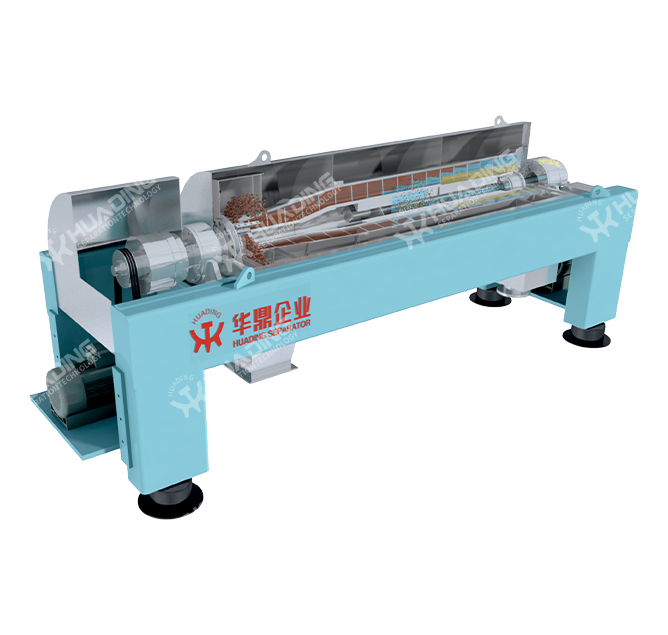
In any disc centrifuge, the feed stream enters the rotating bowl and is distributed through the disc stack — dozens of closely spaced conical plates that enormously increase the effective settling area. Fat rises towards the central axis; denser water and water-soluble proteins migrate outward; and solid particles — bone fragments, connective tissue, blood coagula, protein aggregates — travel furthest and accumulate at the bowl wall.
Self-cleaning separators address this accumulation with a hydraulically controlled sliding piston at the base of the bowl. When triggered (by timer, turbidity sensor, or flow-based logic), the piston drops, the bowl momentarily opens at a series of peripheral ports, and centrifugal force ejects the sludge into a separate collection chamber in a fraction of a second. The machine never stops; disc geometry and rotational speed remain constant throughout.
Manual cleaning separators have no such mechanism. The bowl is a closed system. As solids accumulate over a run, the radial depth of the sludge layer grows, encroaching on the disc stack and progressively impairing separation efficiency. Eventually the operator must stop the machine, wait for the bowl to decelerate to a safe speed, open and disassemble it, manually scrape and wash all surfaces, reassemble, and restart — a cycle that may take anywhere from 45 minutes to several hours depending on machine size and soiling level.
Production is not interrupted by solids removal. In large rendering plants processing beef tallow or poultry fat continuously, uninterrupted throughput is the single most decisive economic factor. Discharge cycles can be set as frequently as every few minutes without any human intervention.
Because sludge depth in the bowl is actively controlled, the effective settling zone within the disc stack remains constant. MIU (Moisture, Impurities & Unsaponifiables) values and solid residuals in the finished fat stay within specification throughout the entire production run, not just at the start of a cycle.
When processing raw rendering outputs — pre-press liquors, bone broth fractions, or crude slaughterhouse fat with high protein and bone-chip content — self-cleaning machines cope by shortening discharge intervals. No operator decision is required; the machine simply adapts.
Automated sludge handling dramatically reduces operator hours per tonne of processed fat. It also eliminates the burn and slip hazards associated with manually removing hot, greasy solids from an open bowl — a meaningful safety benefit in food-grade and oleochemical facilities alike.
Self-cleaning separators are designed to support Clean-in-Place (CIP) protocols without bowl disassembly. This is a critical requirement in food-grade animal fat processing facilities subject to hygiene certification, allowing effective chemical cleaning between production campaigns with minimal downtime.
The hydraulic actuator, sliding piston, peripheral discharge ports, and associated control logic substantially increase manufacturing complexity and unit cost relative to a manual machine of the same bowl volume. Budgets for small-scale projects may be constrained by this gap.
Every time the bowl opens, a small quantity of fat phase accompanies the ejected sludge. At high discharge frequencies — such as when processing crude lard liquor with 5–8% dry solids — these incremental losses accumulate and must be accounted for in yield calculations. Recovery of discharged fat through a secondary settling or re-separation step is sometimes warranted.
Piston seals, actuator valves, and discharge port edges are wear-intensive components subject to abrasion from solid particles. Maintenance requires trained mechanical technicians and a robust spare-parts programme. Failure of the discharge mechanism — if undetected — can cause bowl imbalance and mechanical damage.
Optimal self-cleaning performance depends on correctly tuned discharge logic. Premature or excessively frequent discharges waste fat and energy. Infrequent discharges allow solids to over-accumulate, degrading separation quality. Commissioning and process optimisation require competent instrumentation and control expertise.
Absence of the hydraulic discharge system results in a significantly simpler bowl assembly and lower factory cost. For operations with modest daily throughput — small-scale lard rendering, artisanal tallow production, or pilot-plant work — the capital saving can be decisive.
Fewer moving parts means fewer failure modes. A well-maintained manual separator can deliver decades of reliable service without specialist intervention. This is a practical advantage in locations where service support for complex hydraulic systems is limited or expensive.
Because there is no automatic discharge, there is no instantaneous loss of fat phase during operation. In very low-solids applications — highly pre-filtered fat streams, recirculated process water, or polishing stages — this theoretical yield advantage becomes practically relevant.
For facilities processing multiple animal fat species — switching between lard, tallow, and poultry fat in different production runs — the mandatory cleaning stop provides a natural opportunity to thoroughly clean the disc stack between batches, preventing cross-contamination without additional process steps.
This is the fundamental constraint. Every cleaning stop is lost production time. In high-solids feeds typical of crude animal fat streams, run lengths between cleanings may be as short as 2–4 hours, leaving a large fraction of each shift consumed by non-productive downtime.
As sludge accumulates, separation efficiency drops measurably. A machine operating towards the end of its cleaning cycle delivers meaningfully worse moisture removal and higher solid carryover than the same machine freshly cleaned. Batch-average product quality is therefore always a compromise between run-start peaks and run-end troughs.
Manual disassembly, cleaning, and reassembly of hot, fat-contaminated bowls is time-consuming, physically demanding, and carries inherent safety risks. In food-grade applications subject to hygiene audits, manual cleaning frequency and thoroughness must be rigorously documented.
Each stop-start cycle requires the feed, bowl, and disc stack to return to operating temperature — typically 70–95°C for animal fat streams — before full separation efficiency is restored. Frequent cleaning stops therefore carry a hidden energy cost that partially offsets the lower equipment purchase price.
| Parameter | Self-Cleaning | Manual Cleaning |
|---|---|---|
| Sludge Discharge | Automatic, hydraulic, on-the-fly | Manual, requires full machine stop |
| Production Continuity | Continuous (24 h/day) | Batch / semi-continuous |
| Solids Feed Tolerance | High (up to ~10% dry solids) | Low to moderate (<3% dry solids recommended) |
| Separation Quality Stability | Consistent across entire run | Declines progressively through run |
| Fat Loss at Discharge | Minor (0.2–0.8% per discharge) | Negligible during operation |
| Capital Cost | Higher | Lower |
| Operating Labour | Low (automated) | High (manual cleaning cycles) |
| Maintenance Complexity | High (hydraulic system) | Low to moderate |
| Typical Throughput Range | 5,000–100,000 L/h | 500–15,000 L/h |
| CIP Compatibility | Full CIP without disassembly | Requires manual disassembly for full cleaning |
| Best-Fit Application | Industrial rendering, biodiesel feedstock, food-grade refining | Small-scale rendering, pilot plants, low-solids polishing |
In rendered animal fats, the key quality indicators most directly influenced by separator design are MIU (Moisture, Impurities & Unsaponifiables), Free Fatty Acid content (FFA), Peroxide Value (PV), and colour. Each is sensitive to how well solids and water are removed, and to how long the fat remains at elevated temperature inside the machine.
Self-cleaning separators maintain a stable, thin sludge layer throughout the run, ensuring that MIU values remain consistently within specification — typically below 0.5% moisture and 0.5% impurities for food-grade lard and tallow. The short hydraulic discharge cycle (often less than 0.5 seconds) minimises contact time between the hot fat and discharged solids, limiting the risk of enzymatic or oxidative quality degradation from contaminating phospholipid fractions.
Manual cleaning machines deliver excellent quality at the start of each run, when the bowl is clean and the disc stack unimpeded. As solids build up, however, moisture removal declines and fine protein particles increasingly carry over into the fat phase — accelerating oxidation and shortening the product's shelf life. For food-grade applications, this instability is difficult to manage without very short, resource-intensive cleaning cycles.
Colour and odour are particularly relevant when producing fat for food, cosmetic, or pharmaceutical applications. Self-cleaning machines reduce dwell time of degraded solid material within the processing zone, helping to prevent the formation of brown pigments (Maillard-type reactions) and off-flavour volatile compounds that contaminate the fat phase.
Crude rendering liquors with more than 3% dry solids strongly favour self-cleaning designs. Refined or pre-filtered fat streams with very low solids may be adequately handled by manual machines, particularly in smaller-scale operations.
Plants operating continuously (3-shift, 24-hour cycles) cannot absorb the downtime of manual cleaning without dedicated machine redundancy. Self-cleaning is the only viable design for uninterrupted production lines processing more than 10–15 tonnes per day.
Food-grade, pharmaceutical, and cosmetic applications demand consistent MIU and low oxidative markers throughout the run — a requirement that self-cleaning machines fulfil inherently. Industrial-grade fat for biodiesel or soap manufacture allows more quality latitude.
Capital cost is only one component. Labour, energy, downtime losses, product yield, and maintenance intervals must all be modelled over a 10–15 year operational horizon. Self-cleaning machines frequently show lower total cost of ownership at scale, despite higher purchase prices.
Remote locations or plants without reliable access to skilled hydraulic technicians may find manual machines offer better long-term reliability despite their operational limitations. Self-cleaning systems demand a capable maintenance organisation to realise their full value.
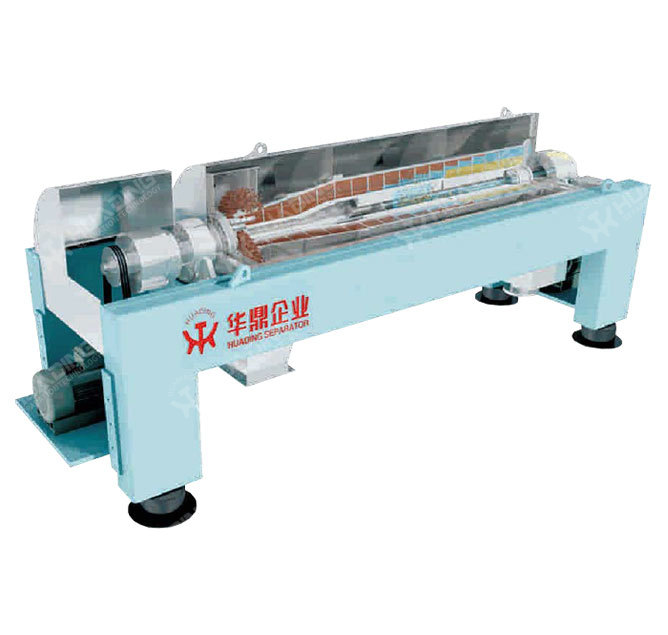
In combined decanter and disc separator lines — common in large rendering plants — the disc separator handles the secondary polishing step on pre-clarified fat. In this configuration, solids loading is lower, potentially widening the viable window for manual designs at smaller scales.
Self-cleaning separators dominate industrial rendering lines, where continuous operation, consistent product quality, and minimal labour are non-negotiable. Discharge intervals are typically set at 5–20 minutes, depending on raw material composition.
Broiler and turkey processing generates fat-rich condensate streams from evisceration and rendering. The presence of fine feather and protein particulates makes self-cleaning separators the standard choice, with disc stacks optimised for low-viscosity poultry fat at processing temperatures of 70–80°C.
High-pressure hydrolysis of bone material produces bone oil with significant suspended mineral and protein content. Self-cleaning separators handle the high solids loading effectively and allow continuous extraction without line shutdowns.
Animal fat destined for transesterification must meet strict solid and water content limits. Self-cleaning disc separators are widely used in this application because their consistent output quality minimises downstream catalyst consumption and reactor fouling.
Craft lard or tallow producers, research facilities, and small regional slaughterhouses — where throughput is low and batches are small — may find manual cleaning separators entirely adequate. The lower acquisition cost and simpler maintenance profile are genuine advantages at this scale.
Copyright ©Yixing Huading Machinery Co.,Ltd. All Rights Reserved. Custom Centrifugal Separator Factory