
 English
 русский
 Español
 عربى
عربى 中文简体
中文简体
WE ARE HAPPY TO SOLVE
PROBLEMS FOR CUSTOMERS
learn more >
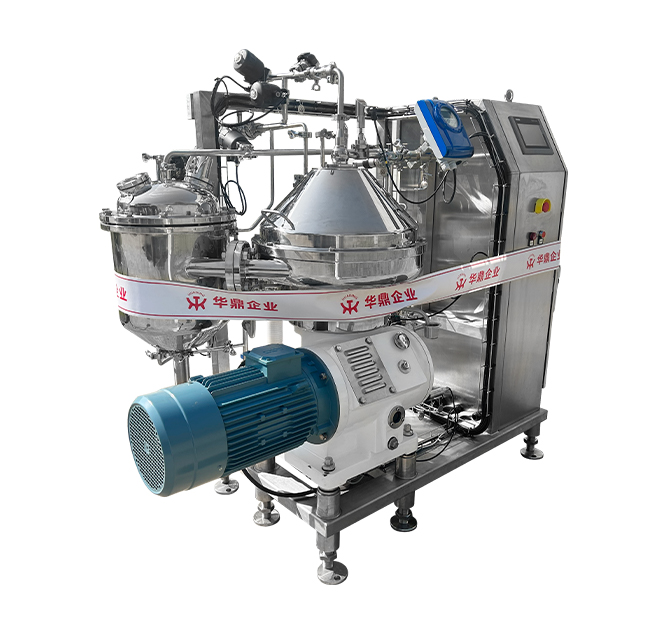
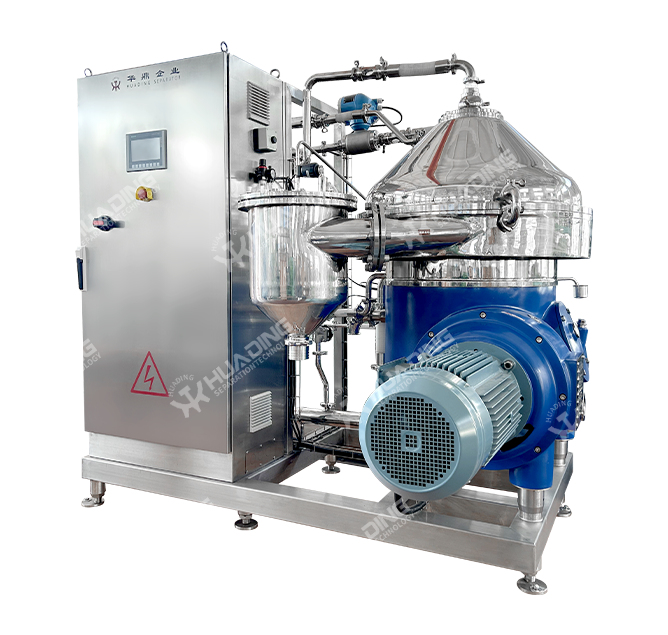
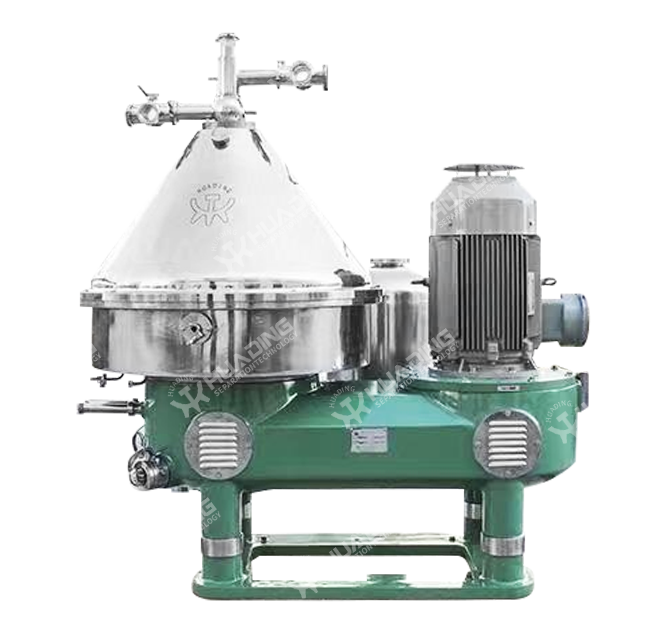
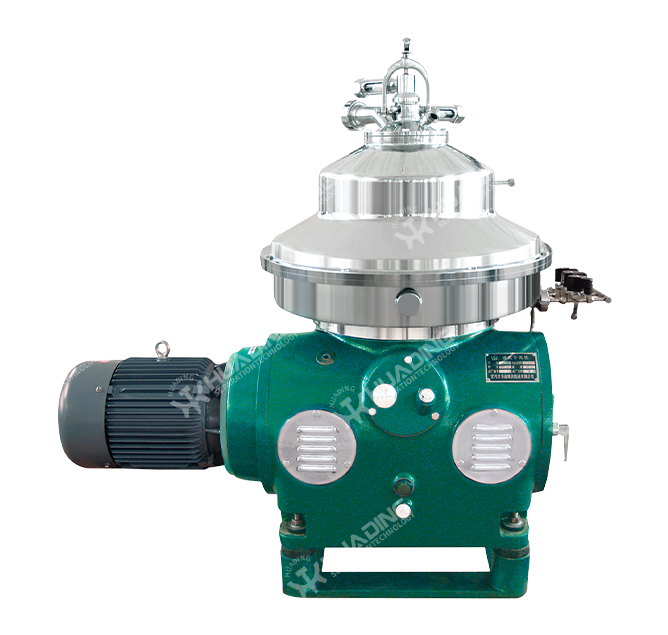
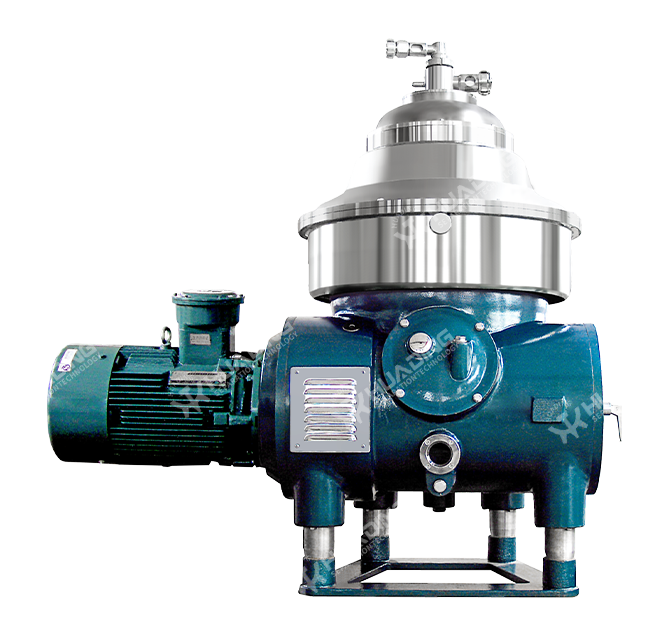
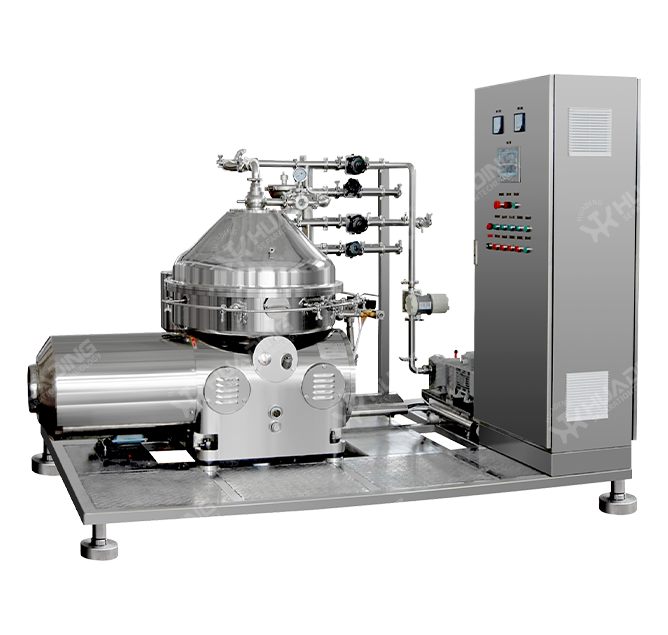
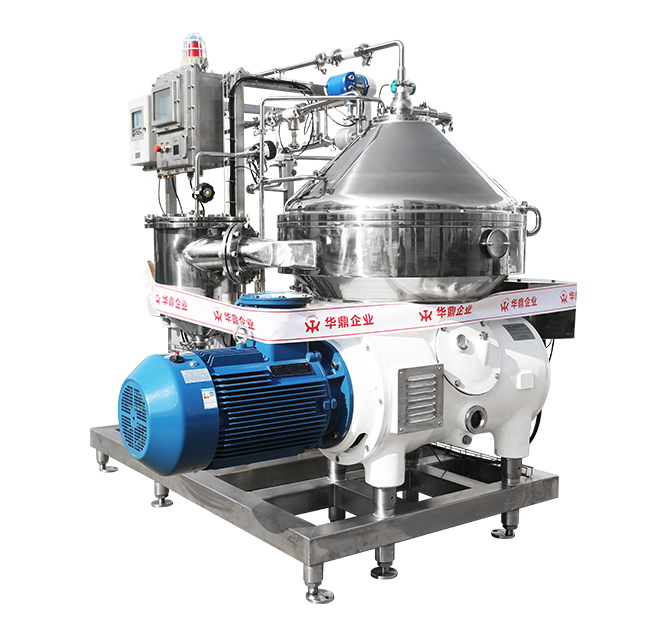
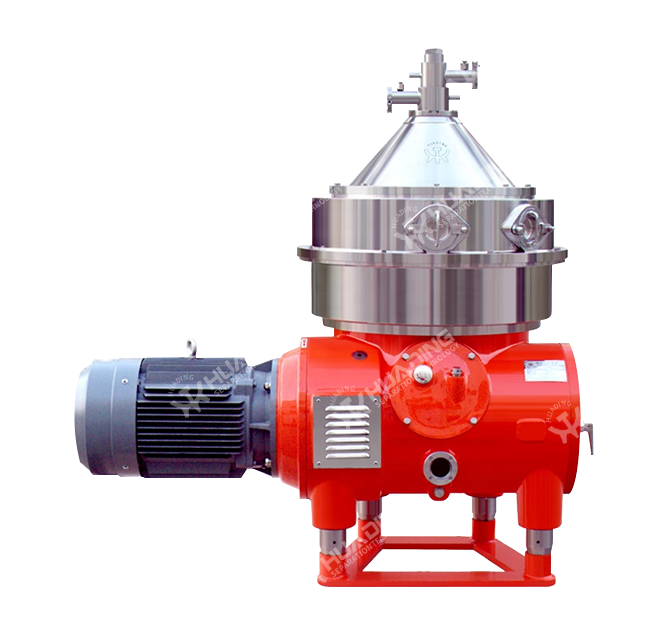
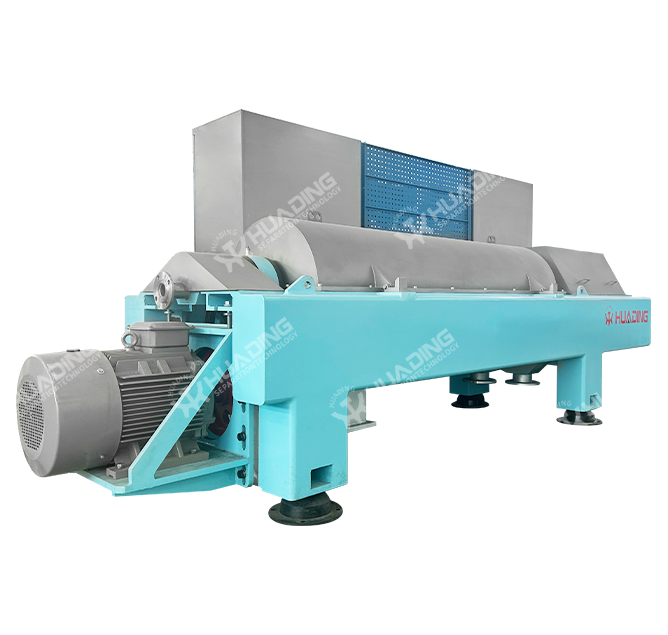
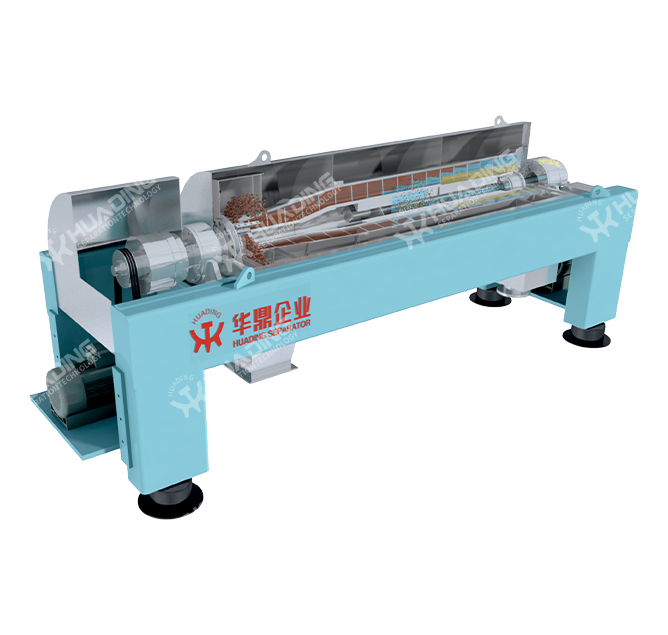
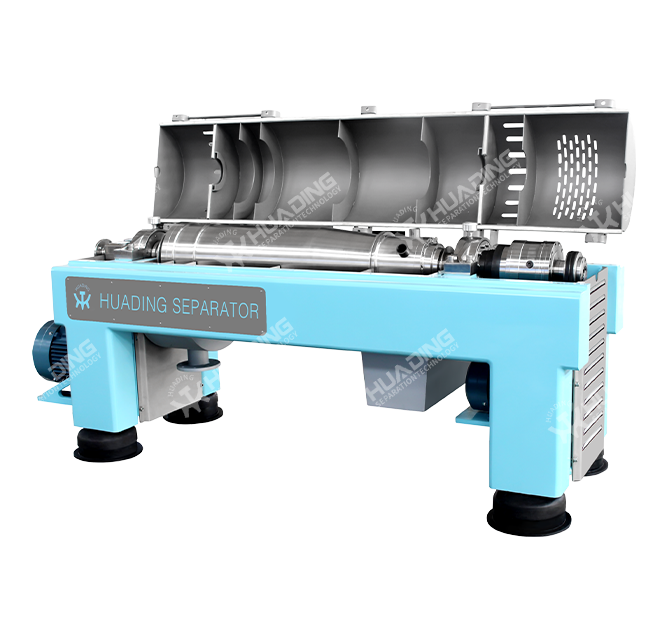
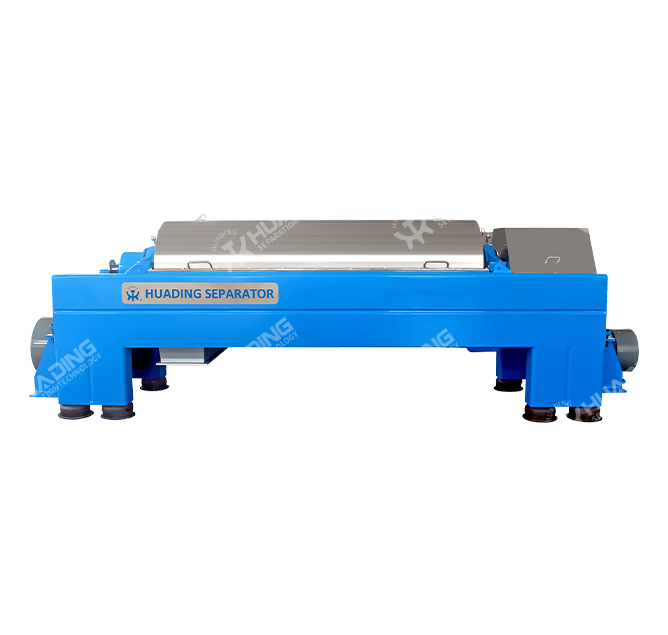
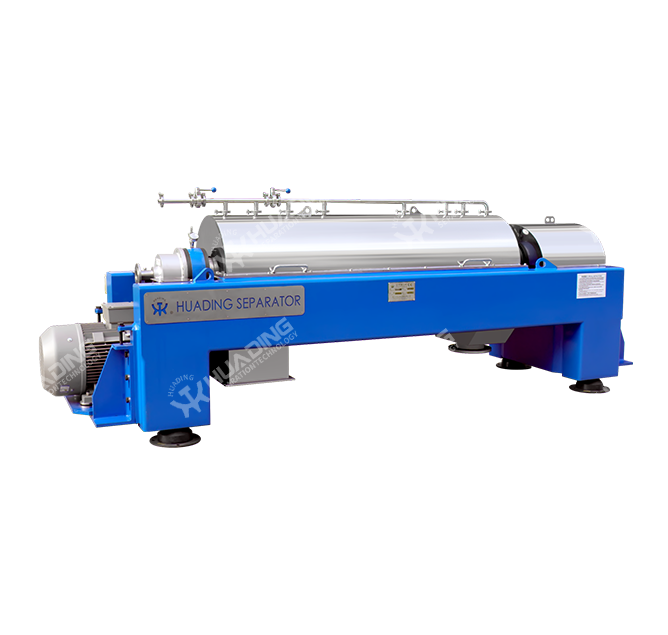
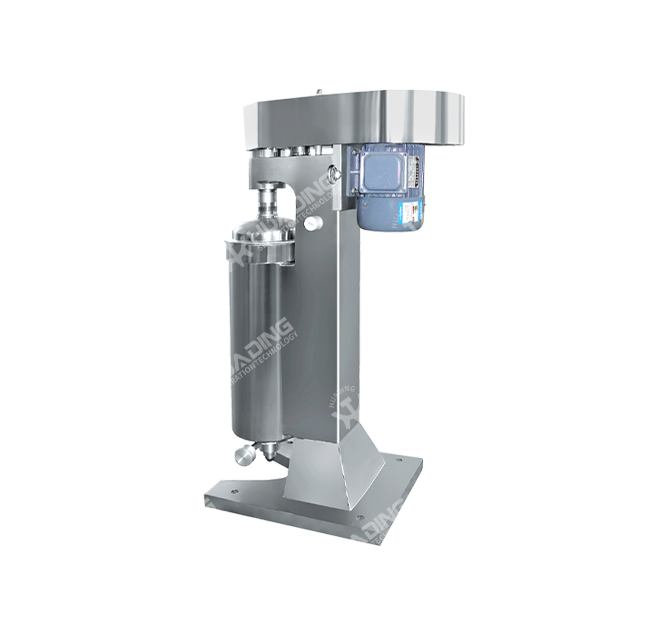
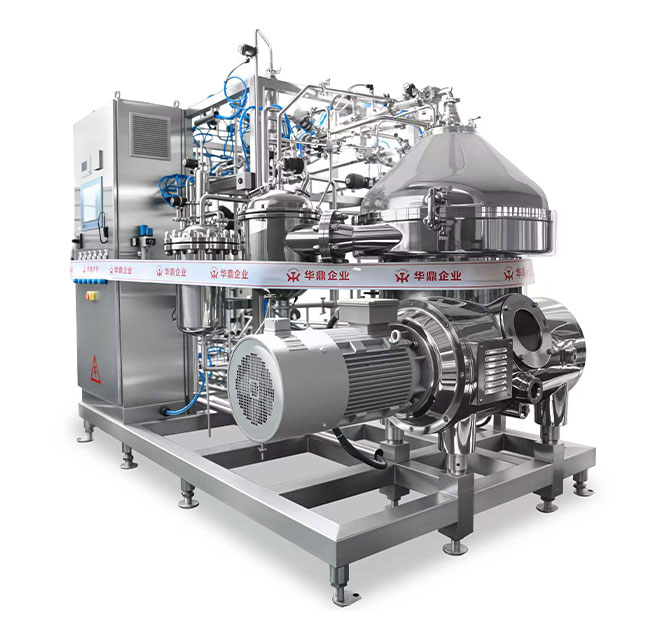
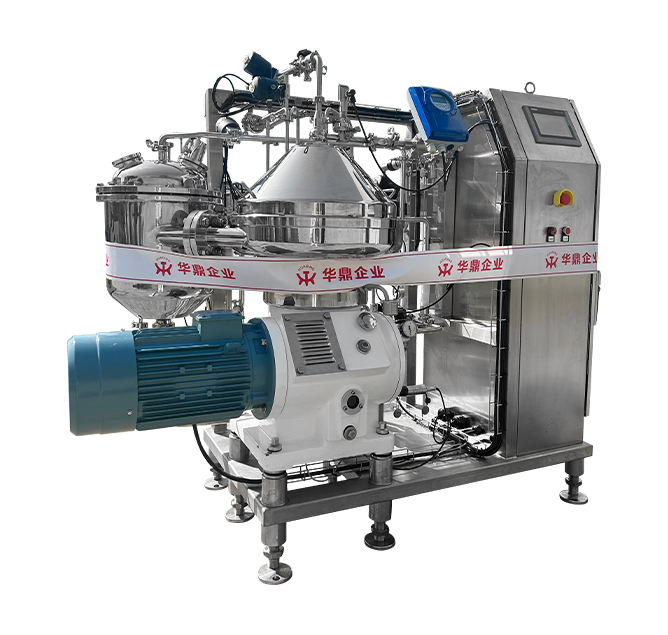
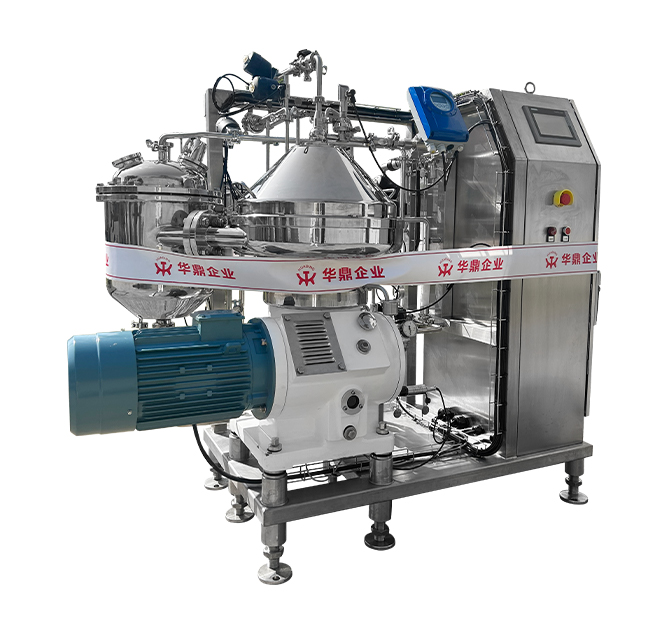
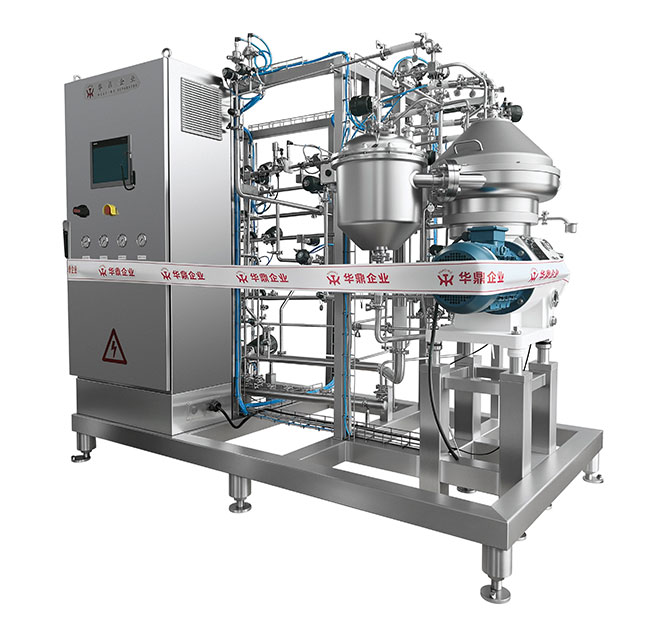
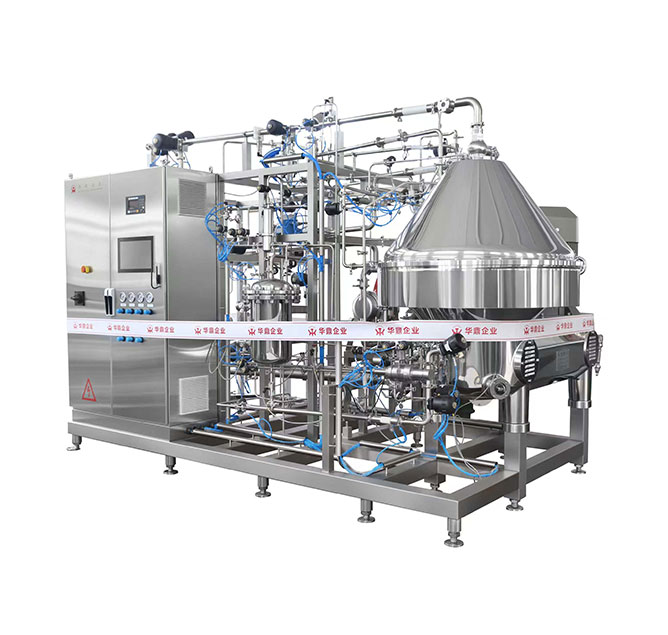
Disc Stack Separator, as an efficient separation device, is widely used in the separation process of liquids and solids. The installation position of the equipment has a crucial impact on its operational performance, maintenance convenience, and production efficiency. Choosing the right installation location not only ensures the equipment operates efficiently and stably but also maximizes its working efficiency, reduces the failure rate, and extends its service life.
Disc Stack Separator generates considerable centrifugal force during operation, so it must be installed in a location with sufficient space. First, ensure there is enough space around the equipment for daily inspection, maintenance, and cleaning. Generally, a clearance of at least 1 meter around the equipment is recommended to ensure that workers can easily access the device.
Additionally, the installation height of the equipment should be considered. To ensure smooth material flow in and out of the device, the installation height should be planned according to the layout of the production line. This is particularly important when handling high-viscosity materials or when precise separation control is required. The correct installation height can guarantee smooth material flow and avoid clogging issues.
Disc Stack Separators are typically heavy, especially when operating at full load. Therefore, the ground's load-bearing capacity must meet the requirements. The ground needs to be flat and firm enough to bear the weight of the equipment and the vibrations generated during operation. Otherwise, it could lead to tilting, excessive vibration, or even accidents such as the equipment falling.
Disc Stack Separators generate significant vibration and noise during high-speed operation. Therefore, the installation location should minimize the impact on surrounding equipment and personnel.
The vibration of the equipment can affect the separation efficiency and may cause issues with surrounding equipment, leading to malfunction. To reduce the transmission of vibration, it is recommended to use specialized vibration isolation devices, such as vibration pads or spring supports, during installation. These vibration isolators can effectively absorb the vibrations generated during operation, ensuring the stability of the equipment.
Noise generated by the Disc Stack Separator is another issue that needs attention. This is particularly important when the equipment is located in a closed environment or near offices, control rooms, etc., where noise could disturb workers. To minimize noise pollution, soundproof walls can be installed, or low-noise models can be selected to resolve this issue.
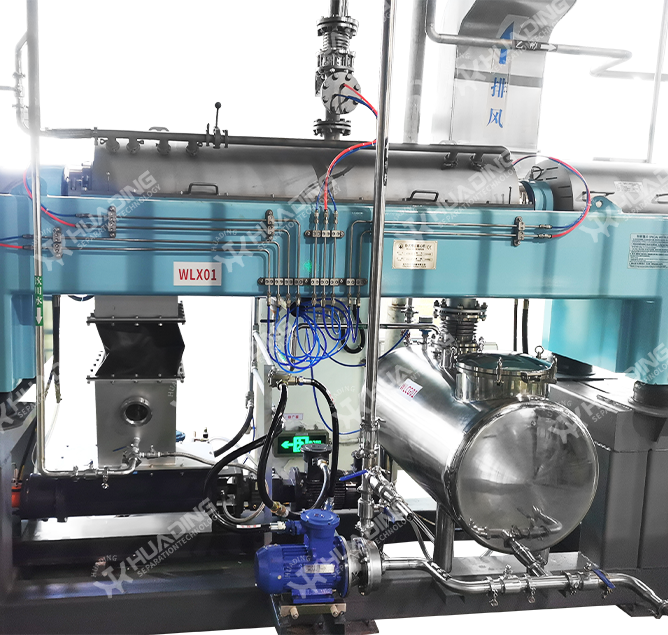
The installation position of the Disc Stack Separator must also take into account the layout of the inlet and discharge pipes. A proper pipeline layout not only ensures smooth material flow but also prevents clogging or leakage.
The inlet pipe should be as parallel as possible to the inlet port of the equipment to reduce pipe bending and resistance. To ensure stable and consistent material flow, the pipe size should match the inlet port of the device. Inappropriate pipe sizes—either too large or too small—can lead to uneven feeding. The feed flow rate must also be controlled within a reasonable range to prevent excessive or insufficient speed from affecting the separation efficiency.
The discharge pipe design should consider the flow of separated liquid and solid materials. The slope of the discharge pipe should be adjusted according to the actual conditions to ensure smooth discharge of the separated materials and avoid accumulation or backflow. Additionally, discharge pipes should be made of corrosion-resistant materials to handle different chemical substances and ensure a long service life of the pipes.
The separation efficiency of Disc Stack Separators is highly influenced by temperature and humidity. Different materials have different flow properties and viscosities at varying temperatures and humidity levels, directly affecting the separation effect.
The installation location of the equipment should be kept away from high or low-temperature sources, such as heaters, coolers, etc. Excessively high or low temperatures can affect the separation effect, especially when handling high-viscosity materials. High temperatures can make the material too viscous, making separation difficult. Therefore, ensuring that the installation location maintains an appropriate temperature is critical to improving the equipment’s separation efficiency.
Excessive humidity can lead to rust and other issues with the equipment. Therefore, the installation location must avoid damp environments. In chemical processing, moisture may react with certain materials, affecting the performance and lifespan of the separator. In humid environments, it is advisable to use anti-moisture devices or implement humidity control measures.
As an industrial device, the Disc Stack Separator requires regular maintenance and inspection. Choosing an installation position that is convenient for maintenance and inspection can improve maintenance efficiency, reduce downtime, and prevent unexpected failures.
The installation location should allow easy access to the device for inspection and cleaning. All inspection ports and disassembly parts should be accessible, and it should not require dismantling a large number of facilities or other equipment. Adequate lighting should be provided in the installation location to ensure workers have clear visibility when performing checks and reduce the risk of operational mistakes.
The installation location should also consider the safety of the equipment, especially when handling high-temperature, high-pressure, or hazardous materials. The equipment should be installed away from fire sources, electrical sources, and other potential hazards to prevent safety accidents. In addition, the installation site should be equipped with fire-fighting facilities to ensure rapid emergency measures in case of equipment failure.
Copyright ©Yixing Huading Machinery Co.,Ltd. All Rights Reserved. Custom Centrifugal Separator Factory