
 English
 русский
 Español
 عربى
عربى 中文简体
中文简体
WE ARE HAPPY TO SOLVE
PROBLEMS FOR CUSTOMERS
learn more >
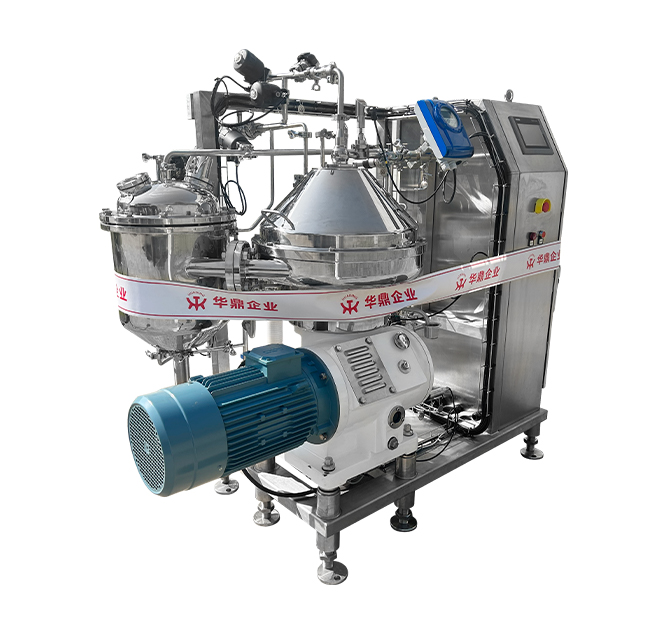
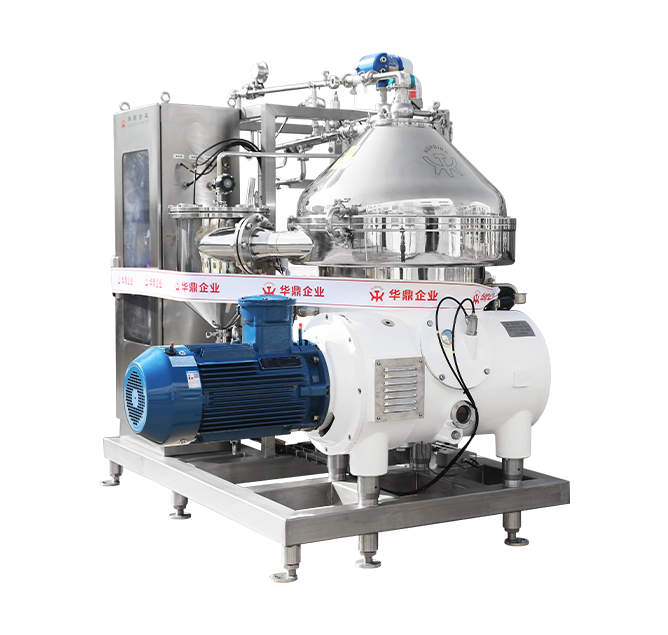
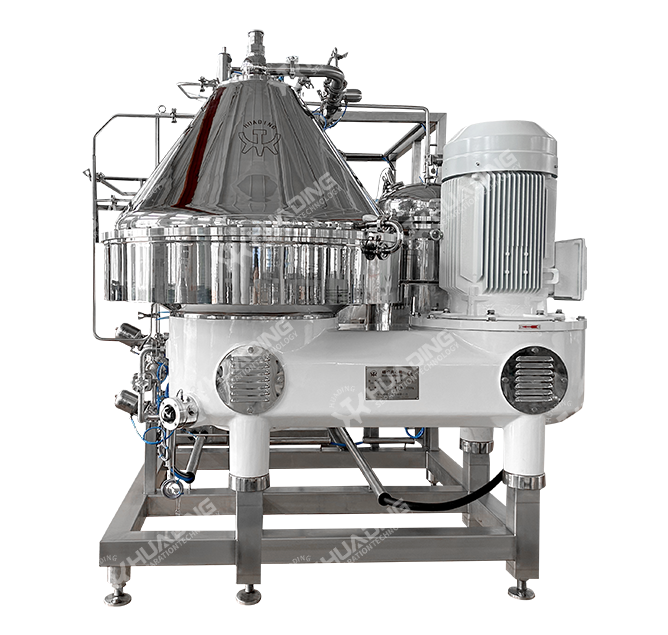
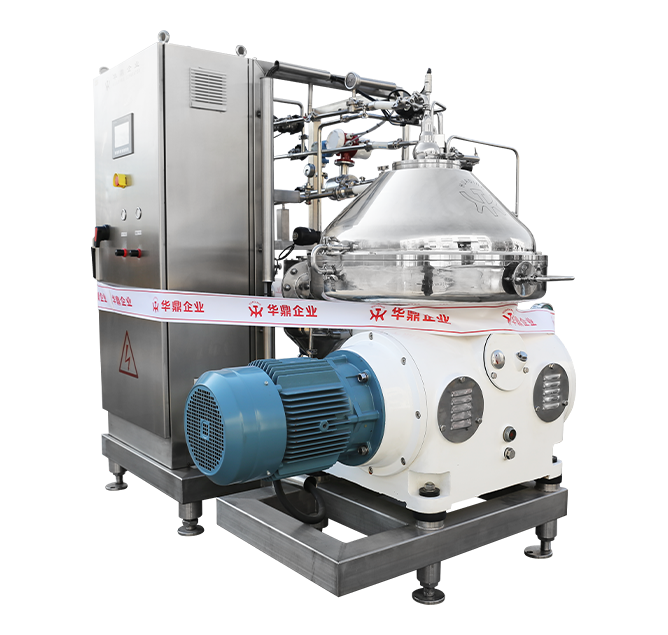
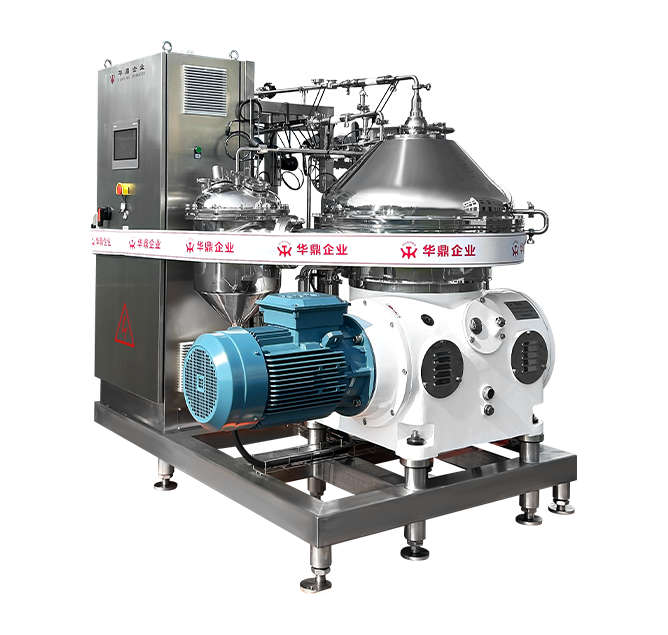
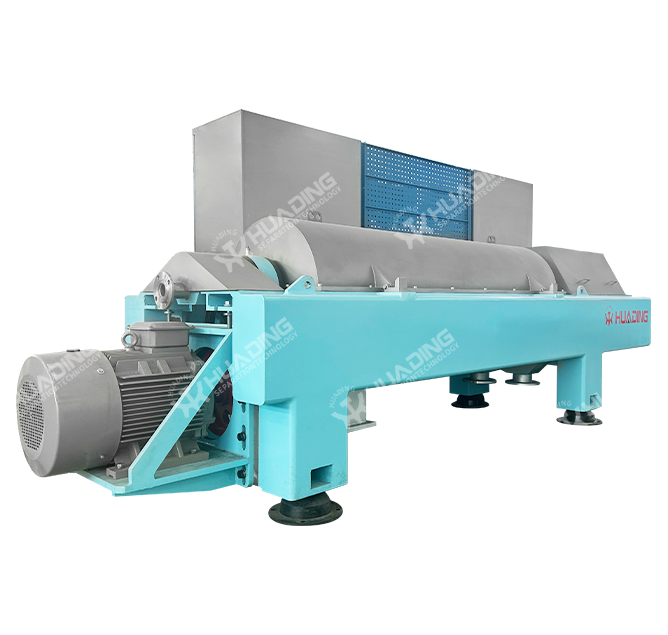
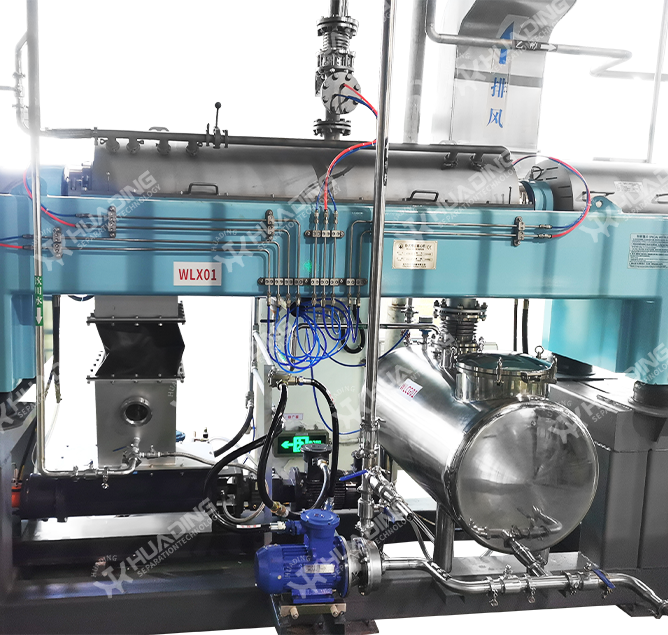
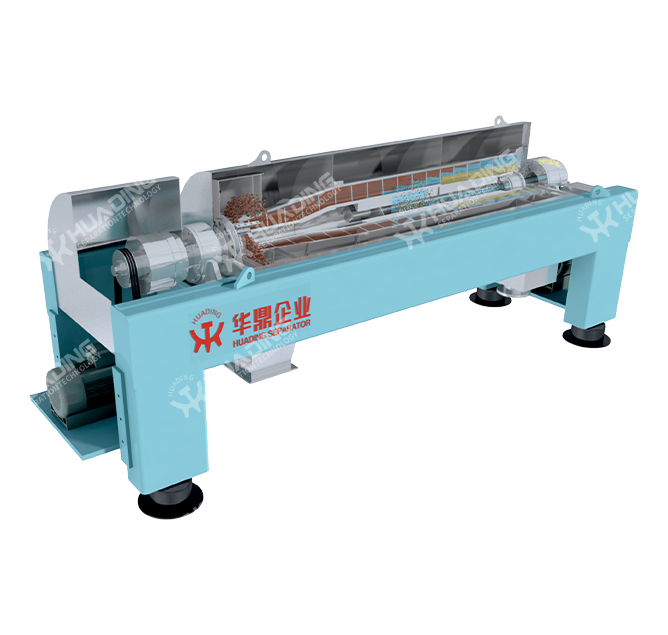
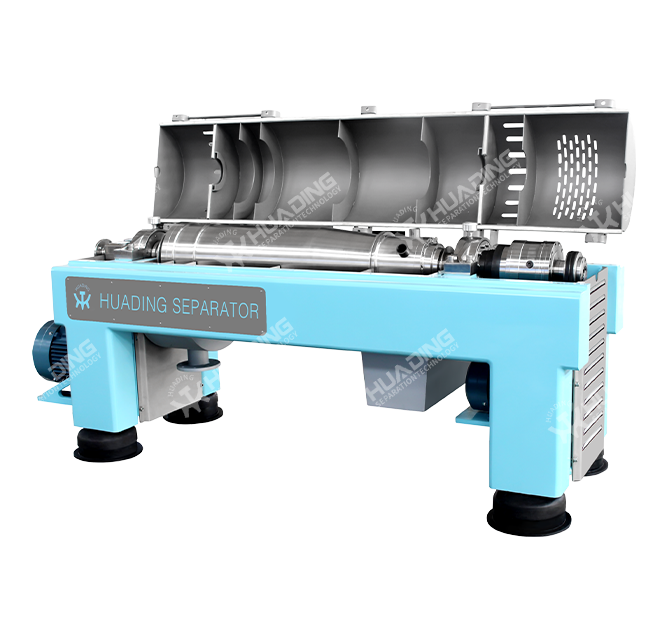
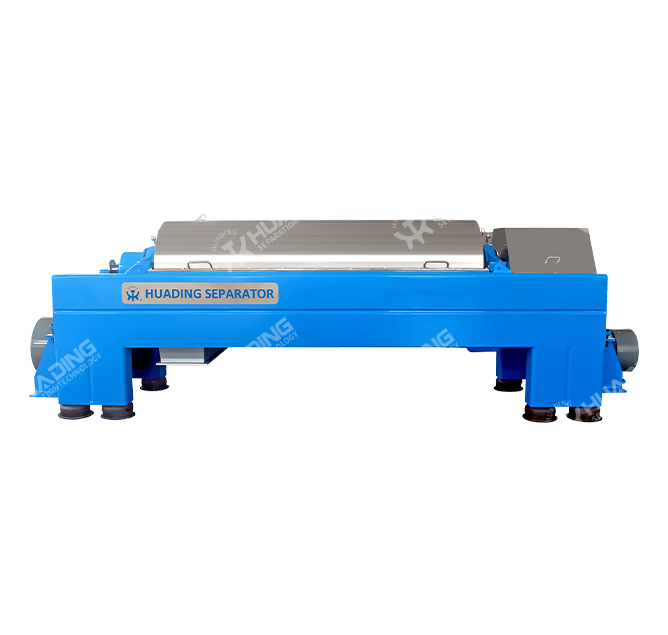
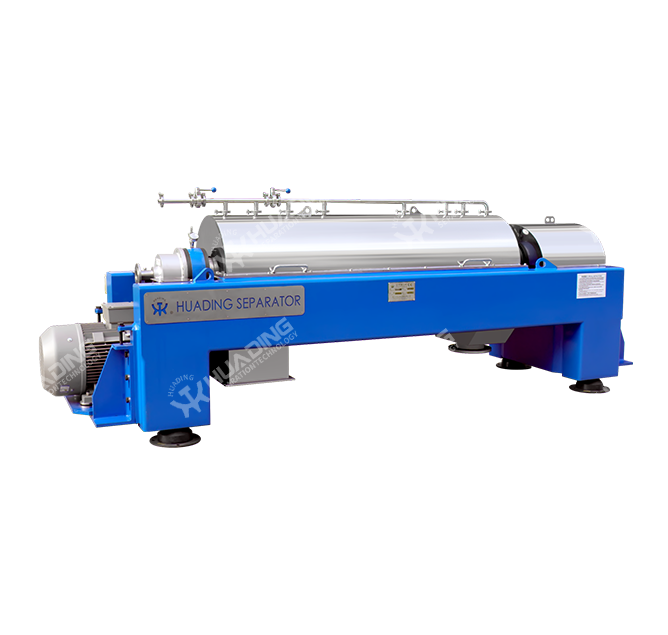
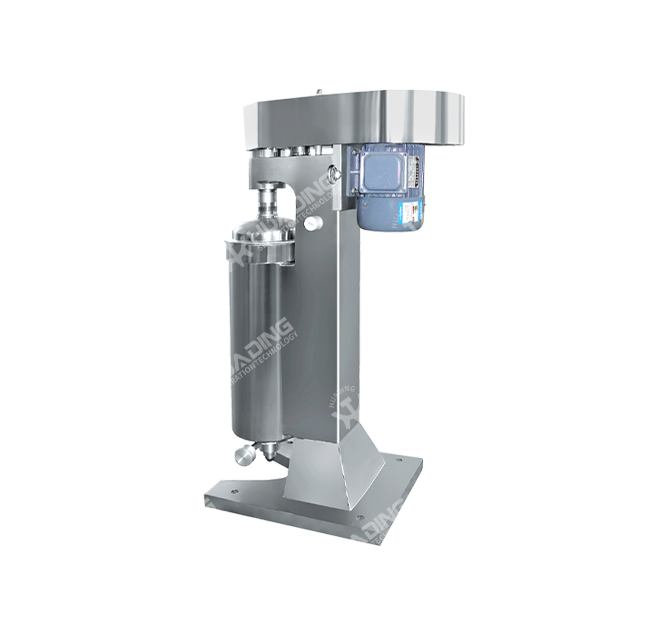
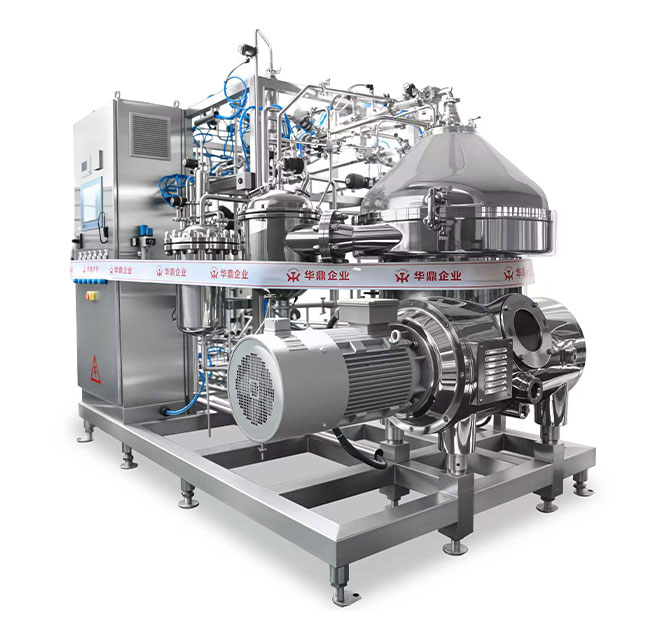
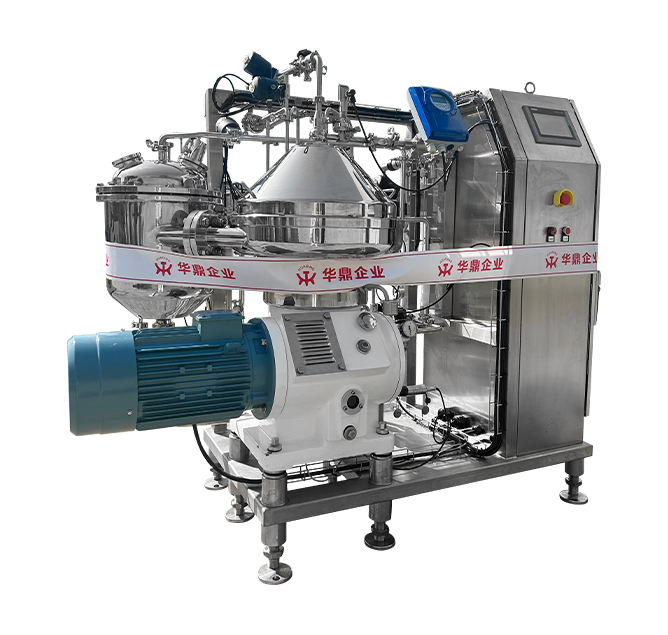
In the vegetable oil extraction process, temperature is one of the key factors influencing separation efficiency and quality. The primary function of a vegetable oil separator is to separate oil from raw materials, removing impurities and moisture. Temperature directly affects the viscosity, flowability of the oil, and the effectiveness of separating oil from impurities, thus determining the efficiency of the separation process and the quality of the final product.
The viscosity of oil is one of the core factors that affects the separation efficiency in vegetable oil separators. Oil with higher viscosity does not flow easily, making the separation process more difficult. When the temperature increases, the viscosity of the oil decreases, and its flowability increases, which helps in the separation of oil from impurities. At lower temperatures, the oil's viscosity is higher, requiring more power for the separator to perform effective separation, and the separation speed is significantly slower. Therefore, by increasing the oil temperature, vegetable oil separators can separate oil more efficiently, improve separation efficiency, and reduce energy consumption.
During the oil separation process, solid impurities in the oil (such as fruit flesh residues, fine solid particles, etc.) need to be effectively removed. The increase in temperature reduces the adhesion of impurities, making it easier to separate them from the oil. Higher temperatures help the separator remove these solid impurities more effectively, improving the oil's purity. This is particularly beneficial when processing oil materials that are viscous or contain high amounts of suspended solids. Proper temperature control can significantly improve the oil purification effect and ensure that the oil product meets food-grade standards.
The operational efficiency of a vegetable oil separator is closely related to the oil temperature. As the temperature increases, the oil's flowability improves, and the centrifugal force inside the separator can more easily separate the oil from impurities. When the temperature is too low, the oil’s flowability decreases, and the separation effect is poor, putting additional load on the separator and potentially lowering operational efficiency. At higher temperatures, the separator's efficiency increases, allowing for oil separation in a shorter amount of time, thus improving production efficiency, shortening processing cycles, and enhancing overall production capacity.
Although increasing temperature helps improve separation efficiency, excessively high temperatures may also bring negative effects. Excessively high temperatures can cause oxidation reactions in some nutrients in the oil, such as unsaturated fatty acids, affecting the oil's quality. Furthermore, high temperatures may lead to the decomposition of certain components in the oil, generating unpleasant odors or negatively impacting flavor. Therefore, when using vegetable oil separators, it is essential to adjust the temperature according to the specific type of oil to preserve the oil's nutritional value and flavor while ensuring efficient separation.
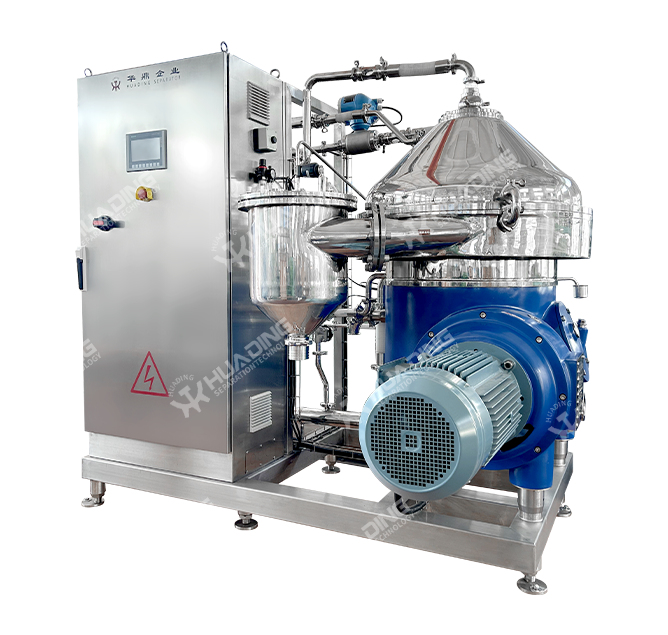
To ensure that vegetable oil separators operate at optimal temperatures, modern oil separation equipment is typically equipped with precise temperature control systems. These systems can monitor the oil temperature in real-time and automatically adjust heating or cooling devices as needed to maintain the temperature within the optimal range. This not only enhances separation efficiency but also ensures the oil's quality. Moreover, the temperature control system can prevent equipment failure or energy wastage caused by excessive or insufficient temperatures. Companies should prioritize equipment with high-precision temperature control functions when selecting vegetable oil separators to ensure stability and efficiency in production processes.
Different types of vegetable oils (such as olive oil, soybean oil, peanut oil, etc.) respond differently to temperature changes. The chemical composition, fatty acid content, and viscosity of each oil determine how it reacts to temperature fluctuations. For example, olive oil has relatively low viscosity, and the separation effect is particularly significant at higher temperatures. However, in producing high-quality cold-pressed olive oil, some separation properties must be sacrificed, the temperature of the olive paste raw material must be controlled below 27°C.On the other hand, soybean oil may require a specific temperature range to achieve optimal separation. Therefore, when handling different types of oil, vegetable oil separators need to adjust the temperature according to the oil's properties to ensure the best separation effect and oil quality.
Copyright ©Yixing Huading Machinery Co.,Ltd. All Rights Reserved. Custom Centrifugal Separator Factory