
 English
 русский
 Español
 عربى
عربى 中文简体
中文简体
WE ARE HAPPY TO SOLVE
PROBLEMS FOR CUSTOMERS
learn more >
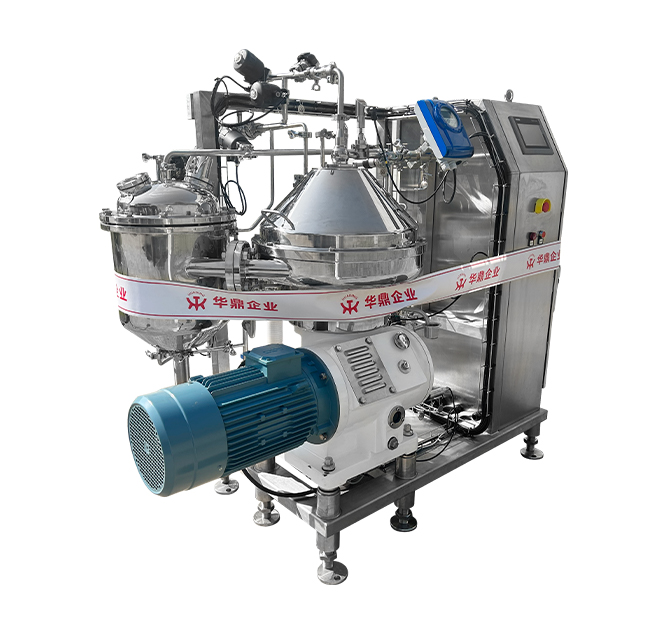
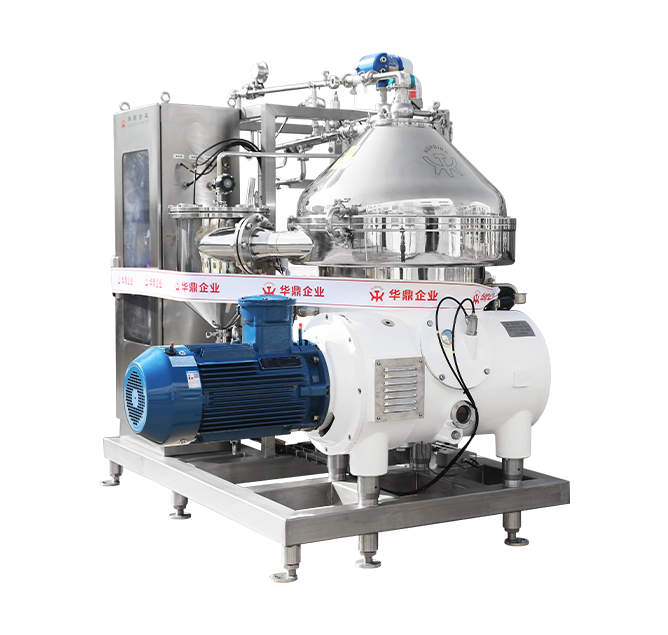
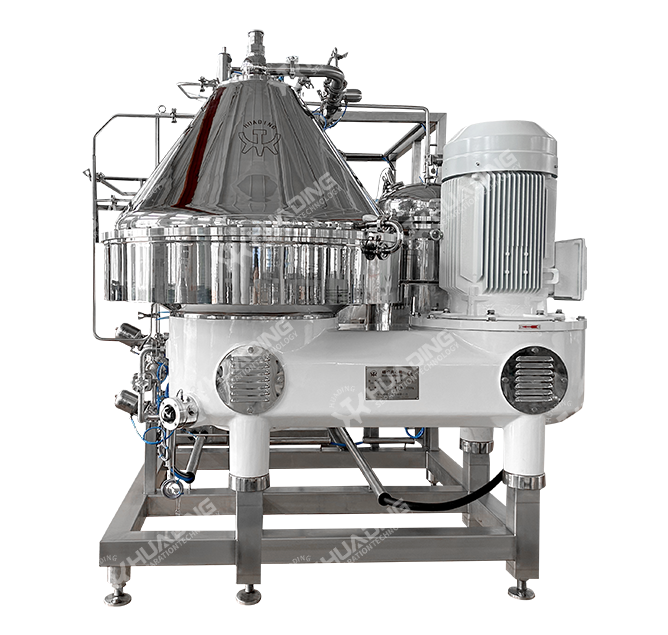
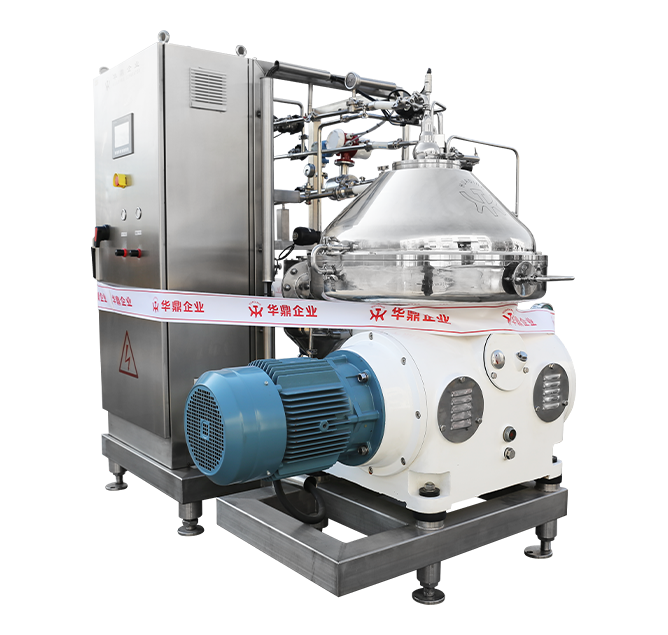
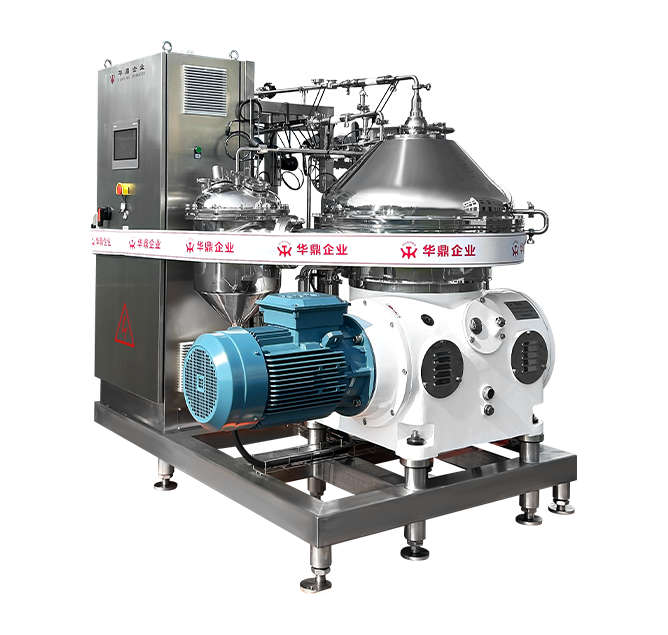
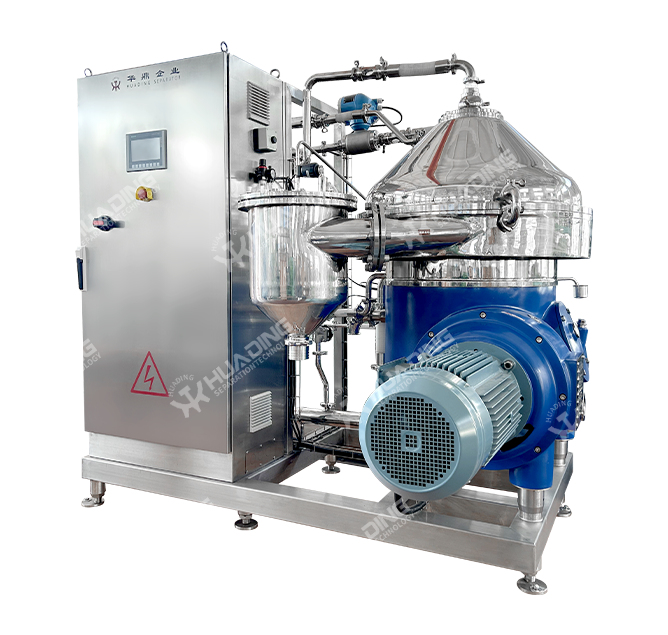
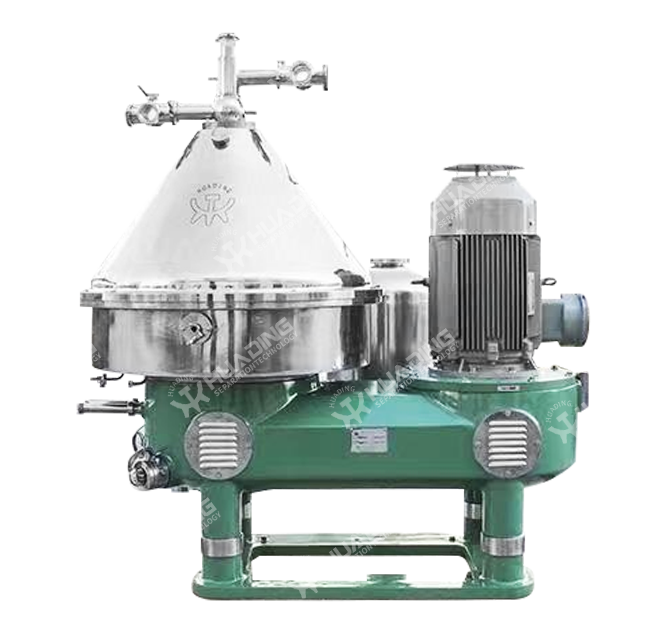
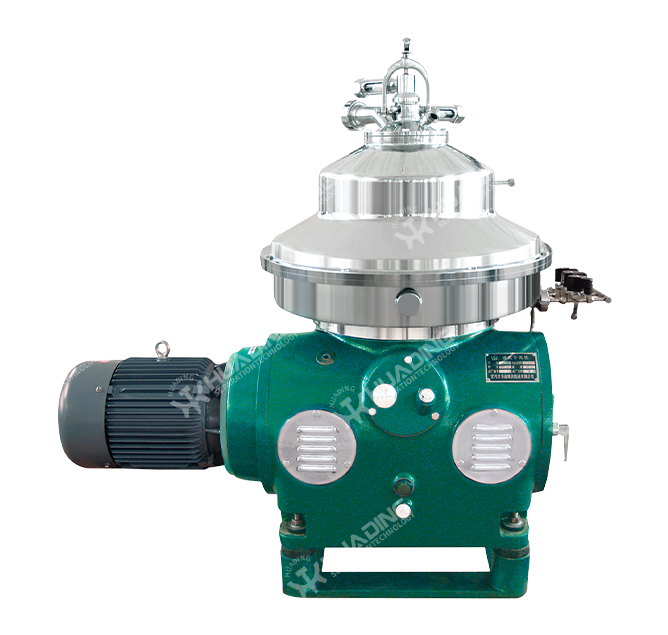
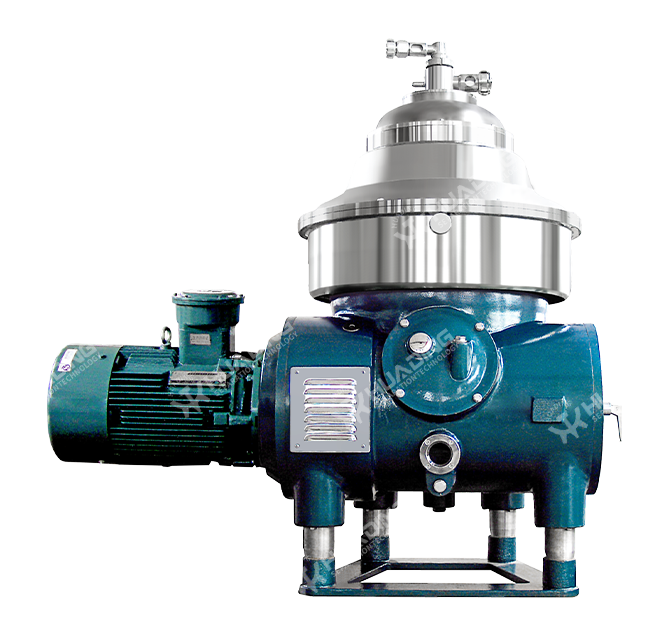
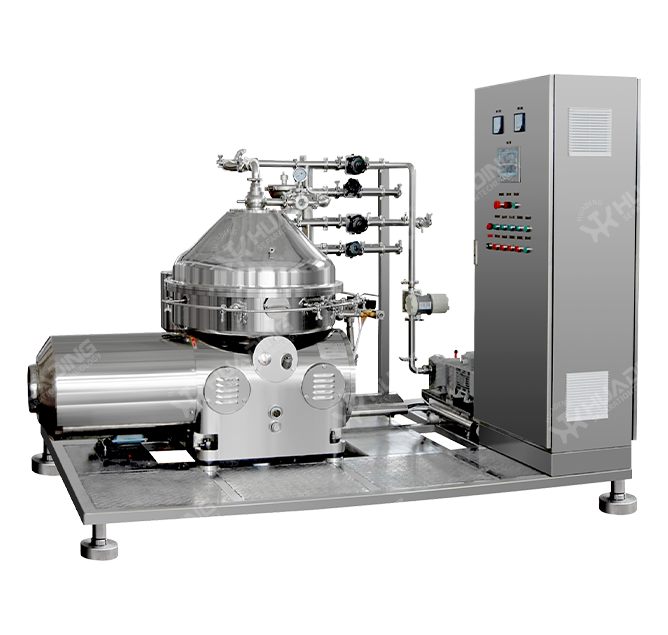
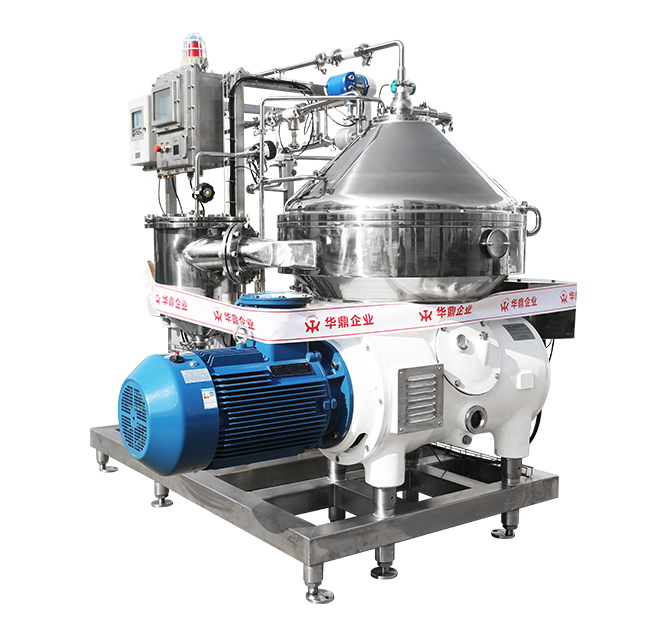
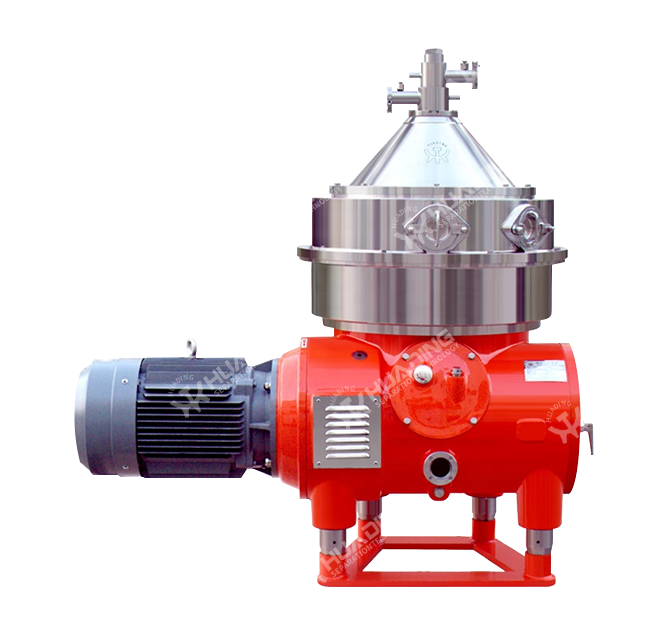
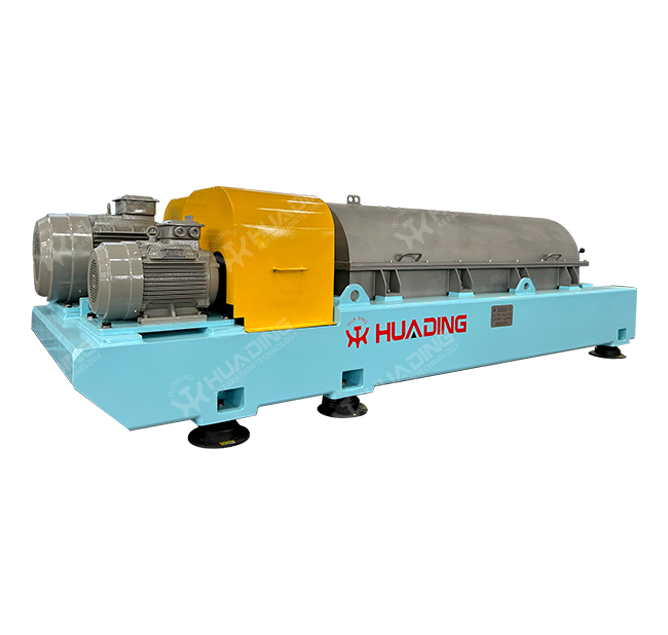
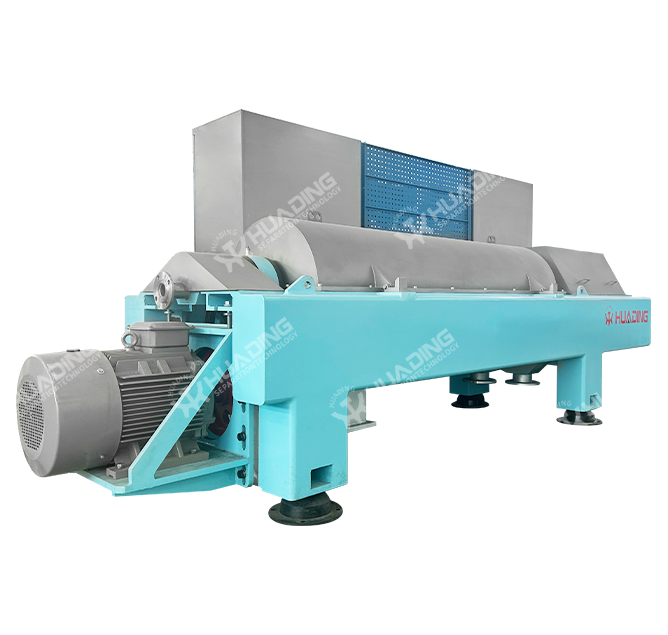
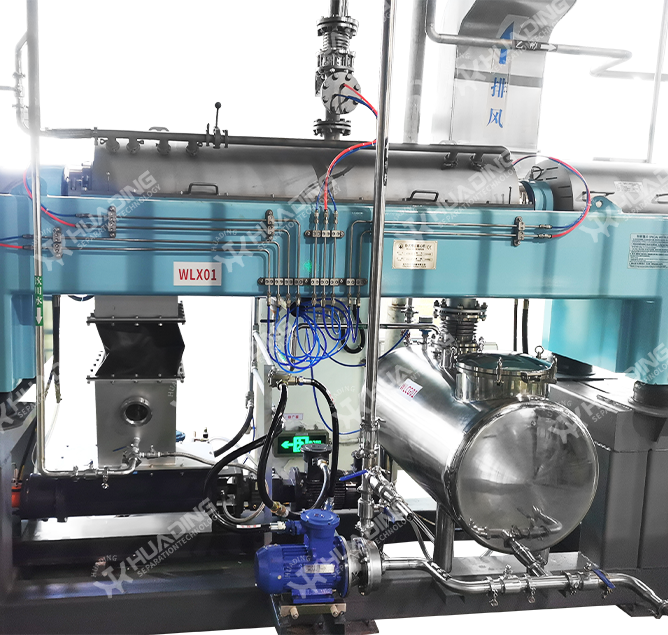
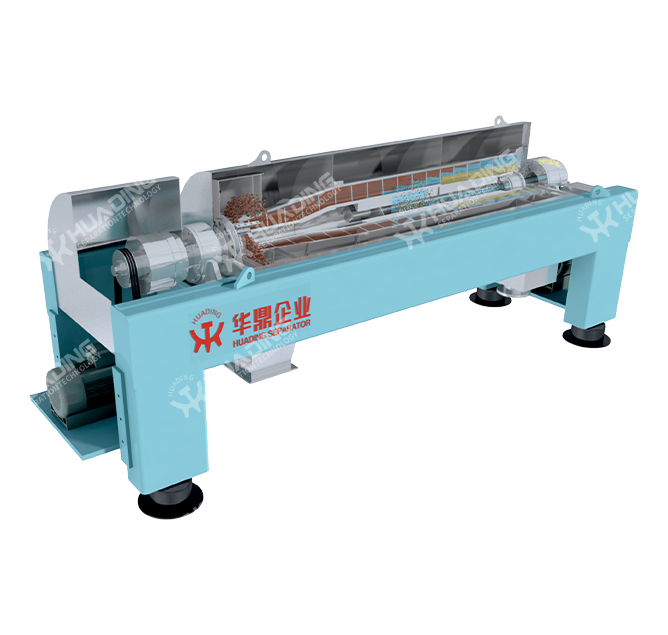
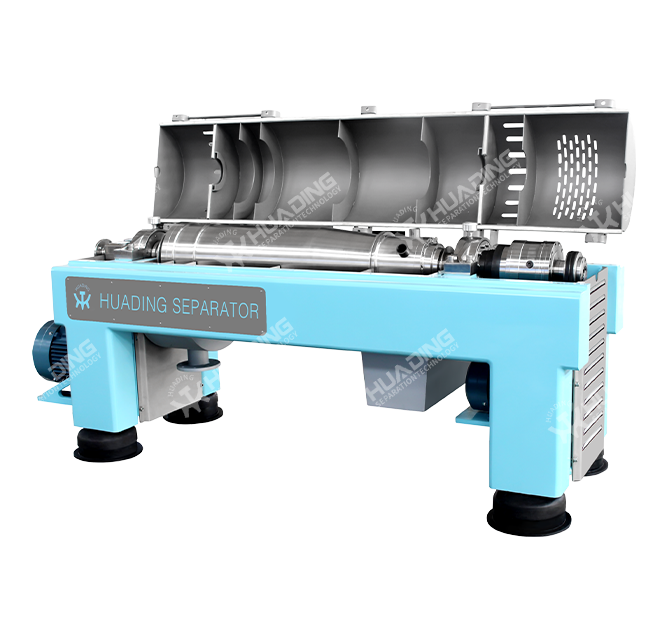
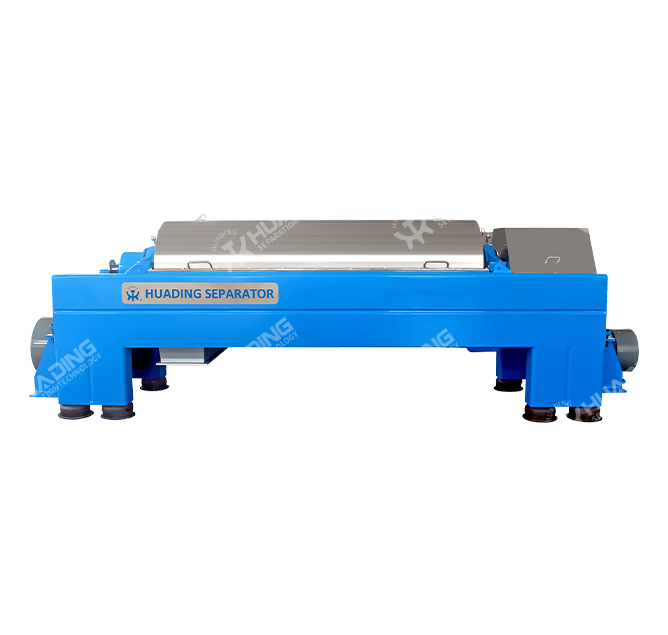
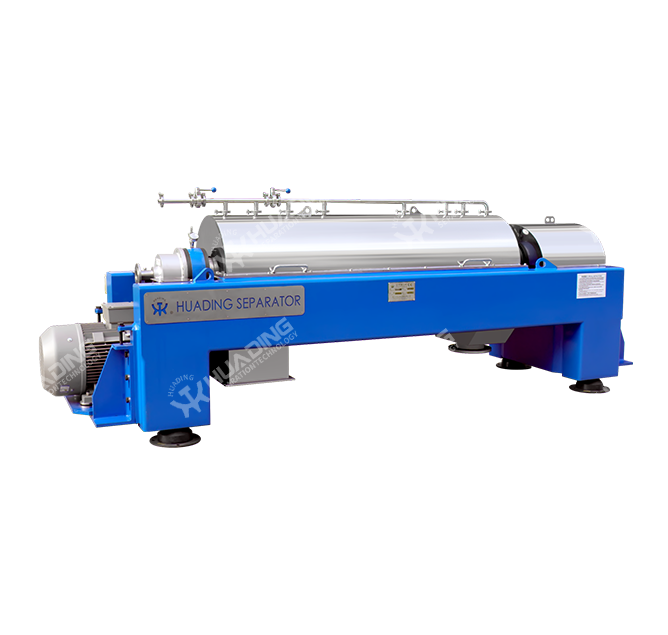
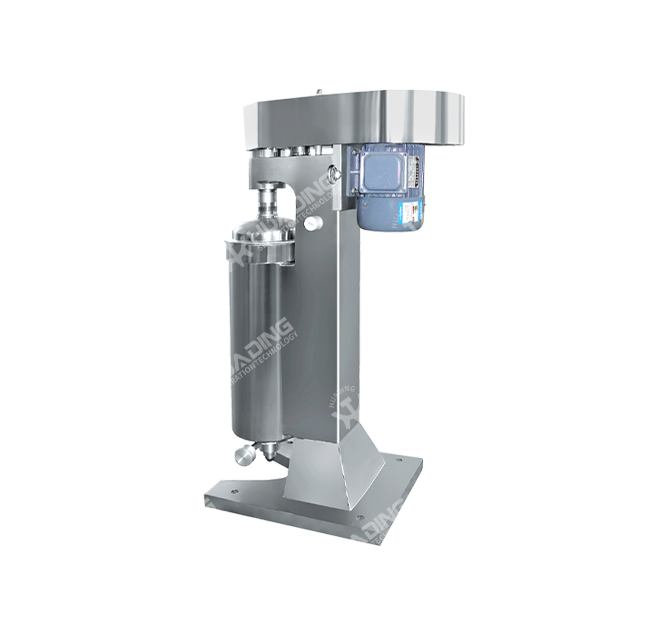
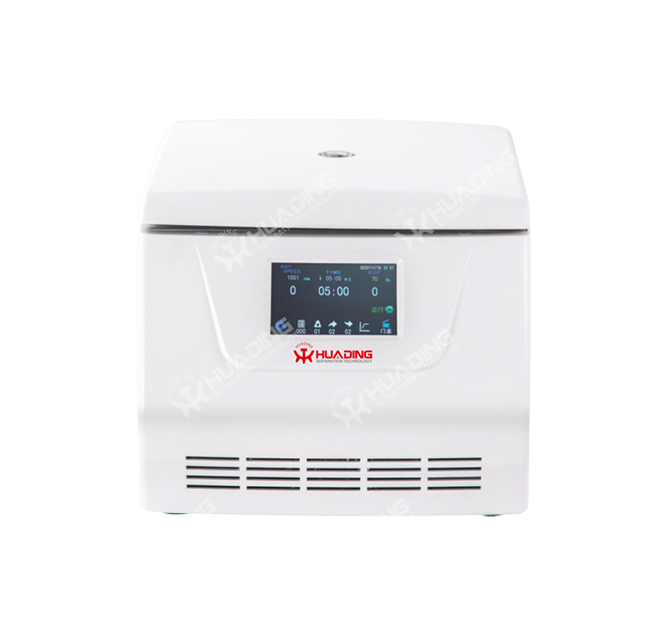
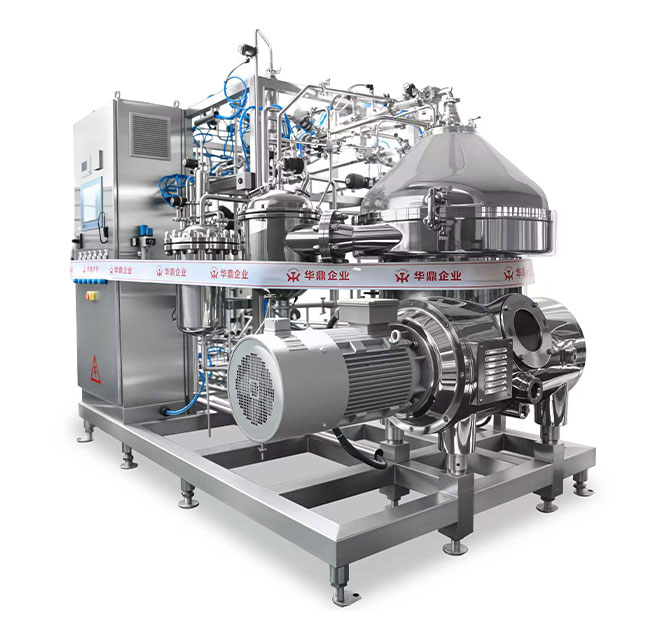
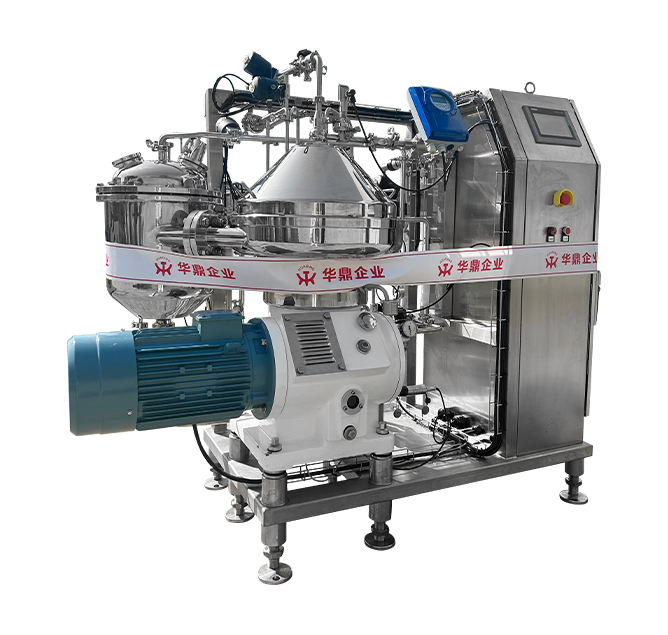
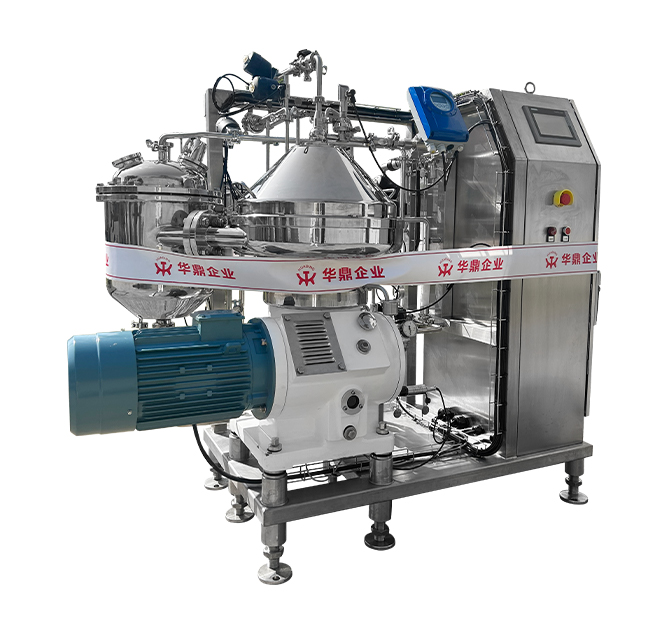
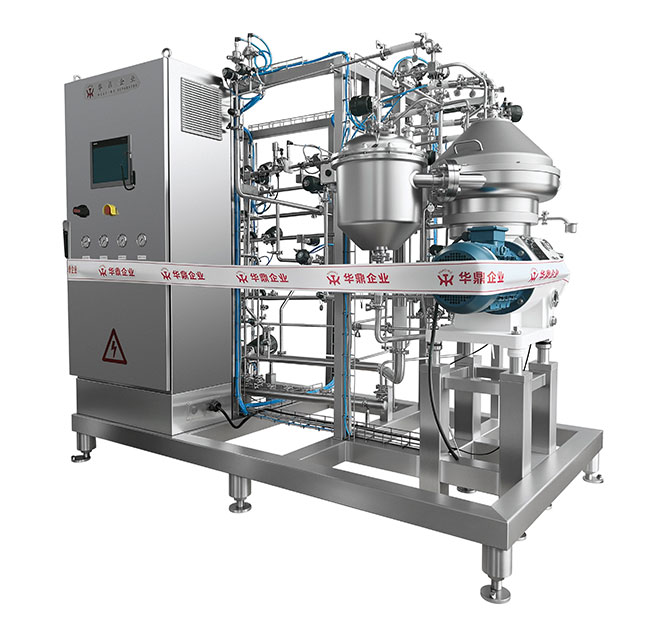
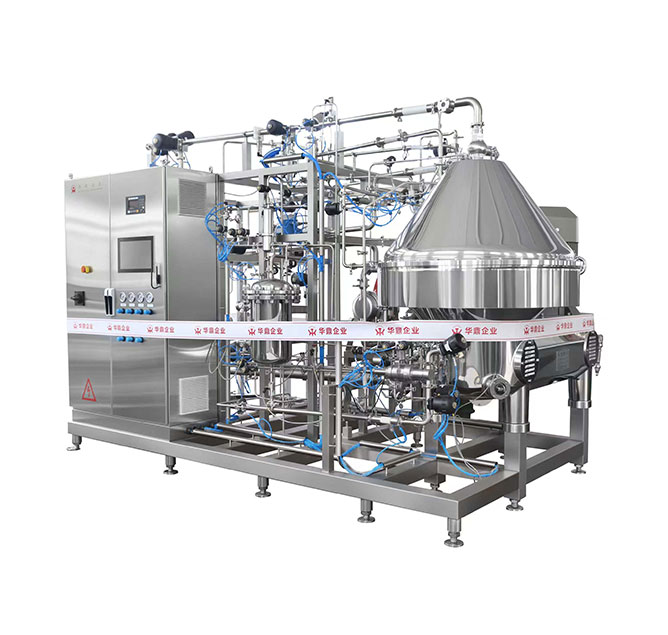
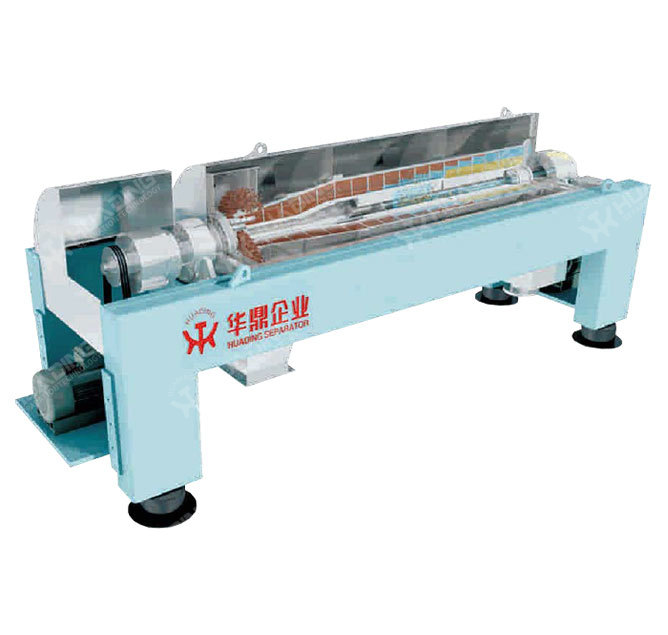
A vegetable oil separator is an indispensable piece of equipment in modern oil extraction processes. It effectively separates oil from impurities through physical principles, thereby improving both the efficiency and quality of oil extraction. The working principle of vegetable oil separators relies on centrifugal force or mechanical force to separate oil from solid impurities and colloidal substances, ensuring the purity and yield of the final product. For large-scale vegetable oil production, the use of separators significantly increases oil recovery rates, reduces production costs, and enhances the automation of the production process.
In the oil extraction process, the oil recovery rate directly impacts production efficiency and profits. Traditional oil extraction methods often result in significant oil losses, while vegetable oil separators can efficiently separate oil from residues, minimizing waste. By precisely separating oil through centrifugal force, separators can extract more oil, especially when the oil's viscosity is higher. The improvement in oil separation efficiency directly increases the total yield of production and maximizes the amount of oil extracted per unit of raw material, thus boosting the overall economic benefits of the production process.
In addition to improving the oil extraction yield, vegetable oil separators play an important role in enhancing the quality of the oil. During the oil extraction process, impurities and residues are critical factors that affect the quality of the oil. Traditional methods may leave behind many solid impurities, proteins, pigments, and other substances that lower the purity of the oil. Vegetable oil separators effectively remove these unwanted components through fine filtration and separation processes, ensuring the purity and quality of the oil product. High-quality vegetable oil not only meets food safety standards but also gains a competitive edge in the market.
With the ongoing industrialization of production, improving production efficiency has become a core objective for every oil extraction company. Vegetable oil separators can complete large-scale oil separation tasks in a short period, significantly increasing production efficiency. For large-scale oil production enterprises, the use of separators can greatly reduce the time spent on manual operations and enhance automation levels. On modern production lines, separators are often integrated with other equipment (such as presses and filtration systems) to achieve full automation, minimizing human intervention and reducing the possibility of errors. The increase in automation not only ensures a smoother production process but also saves the company a substantial amount of labor costs.
Modern vegetable oil separators are designed with energy-saving and environmentally friendly principles in mind. Traditional oil extraction methods often require high energy consumption and extended processing times, whereas advanced separators can complete the same tasks with lower energy consumption. This reduces the energy costs during production. At the same time, separators minimize the discharge of wastewater and exhaust gases during the separation process, helping to reduce the environmental impact. With rising global energy costs and increasingly stringent environmental regulations, selecting efficient vegetable oil separators is not only about improving production efficiency but also about fulfilling social responsibilities.
Different types of vegetable oils have different physical properties, such as viscosity and fatty acid content. Vegetable oil separators can be adjusted according to the characteristics of various oils to meet the specific separation requirements. For example, the separation process for olive oil and soybean oil has different temperature and pressure requirements. The high adaptability of the separator allows it to efficiently separate different types of oils, thereby increasing the flexibility of the production line and the adaptability to various raw materials. This feature is particularly important for companies that produce multiple types of oils.
Vegetable oil separators typically employ advanced automation control systems that make operations more stable and efficient. The stability of the equipment largely depends on its high-quality construction and precise technological support. An efficient separator can maintain its stability during long-term operation, reducing downtime and equipment failure rates. Additionally, the intelligent management system of the separator can monitor the operating status in real time, providing early warnings for any potential failures, ensuring that production does not stop. This helps companies minimize production losses due to equipment failures, improving overall production efficiency. Working principle
| Model | Capacity (T/d) | Weight(Kg) | Dimension(L*W*H) | |
| Ring valve slag discharge | DHZYS270 | 10-15 | 700 | 950×800×1150 |
| DHZYS380 | 20-40 | 1100 | 1600×1000×1500 | |
| DHZYS430 | 30-50 | 1200 | 1600×1300×1500 | |
| DHZYS470 | 70-150 | 1700 | 1850×1350×1850 | |
| DHZYS500 | 150-200 | 2000 | 1850×1350×1900 | |
| DHZYS550 | 300-400 | 2200 | 1900×1500×2000 | |
| DHZYS700 | 500-600 | 3200 | 2100×1650×2450 | |
| DHZYS810 | 800-1200 | 4000 | 2200×1750×2300 | |
| Manual scum removal | DRZYS270 | 10-20 | 650 | 950×750×1150 |
| DRZYS400 | 80-150 | 1300 | 1250×950×1450 | |
| DRZYS500 | 150-200 | 1600 | 1550×1150×1800 | |
| DRZYS550 | 300-400 | 1800 | 1550×1150×1850 | |
| DRZYS700 | 500-000 | 2000 | 2000×1650×2400 |
Copyright ©Yixing Huading Machinery Co.,Ltd. All Rights Reserved. Custom Centrifugal Separator Factory