
 English
 русский
 Español
 عربى
عربى 中文简体
中文简体
WE ARE HAPPY TO SOLVE
PROBLEMS FOR CUSTOMERS
learn more >
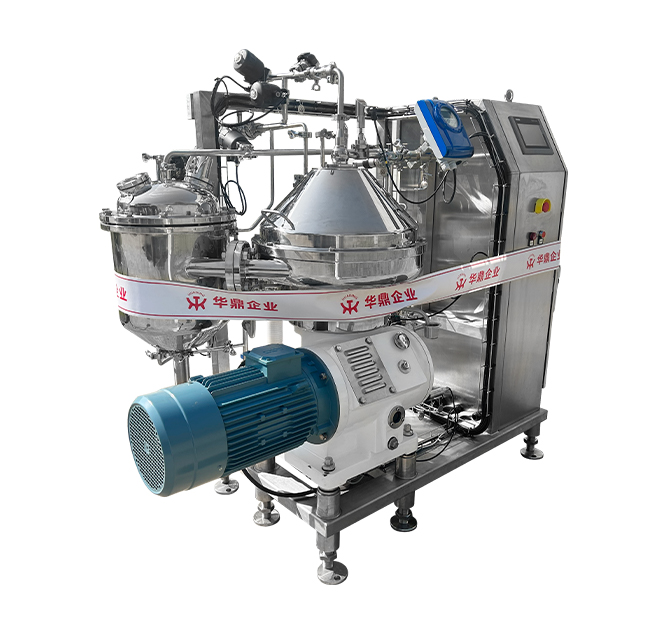
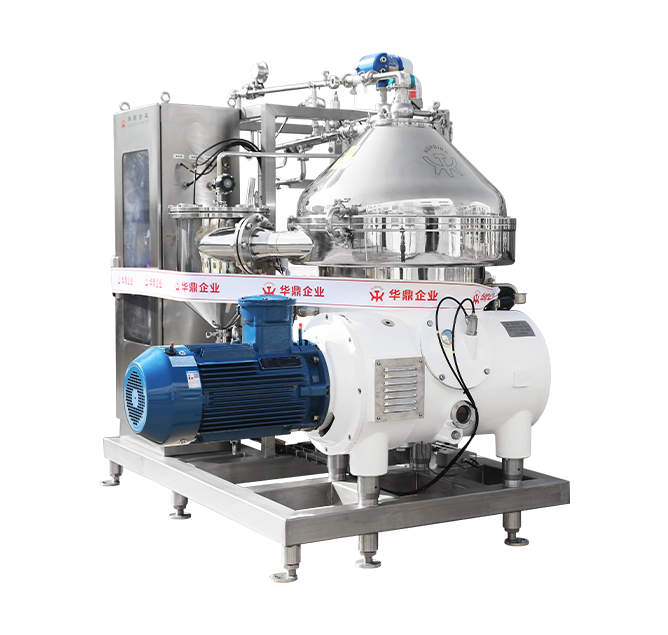
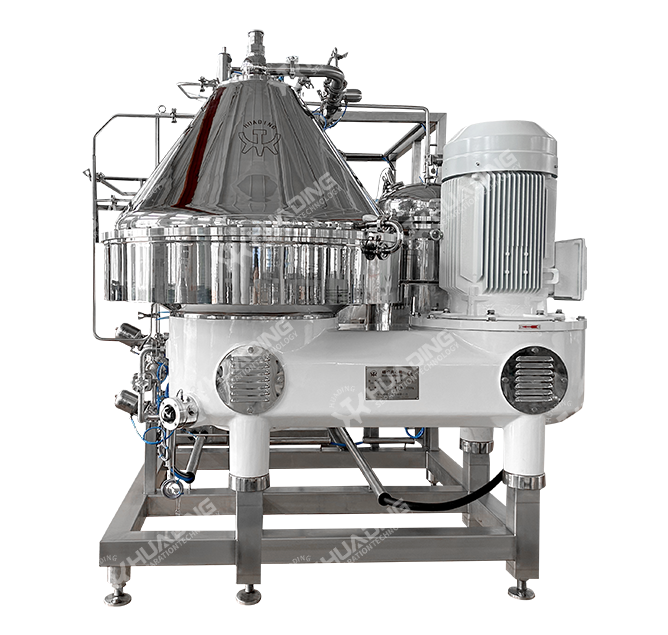
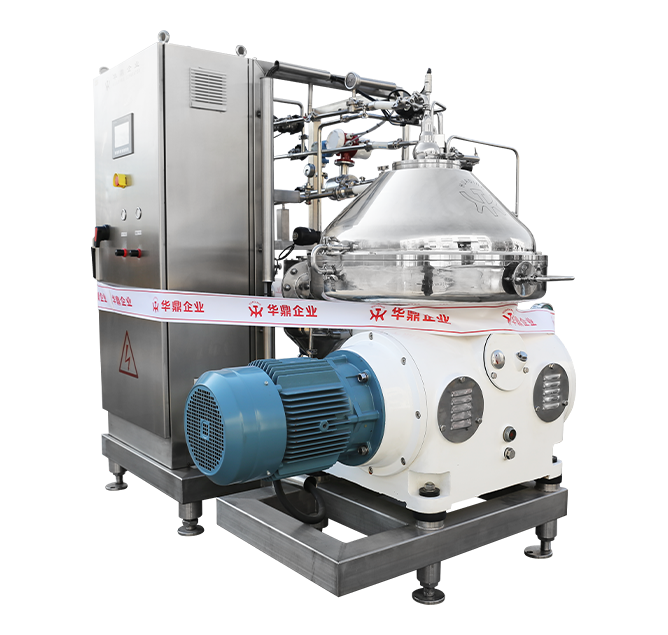
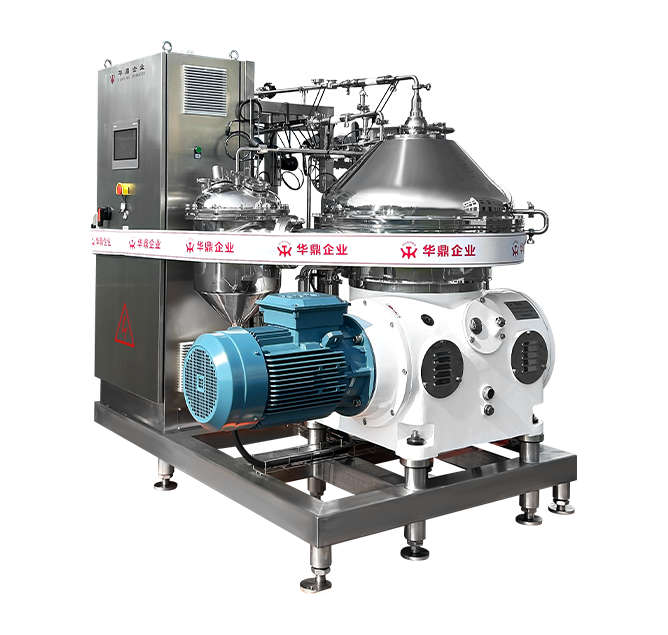
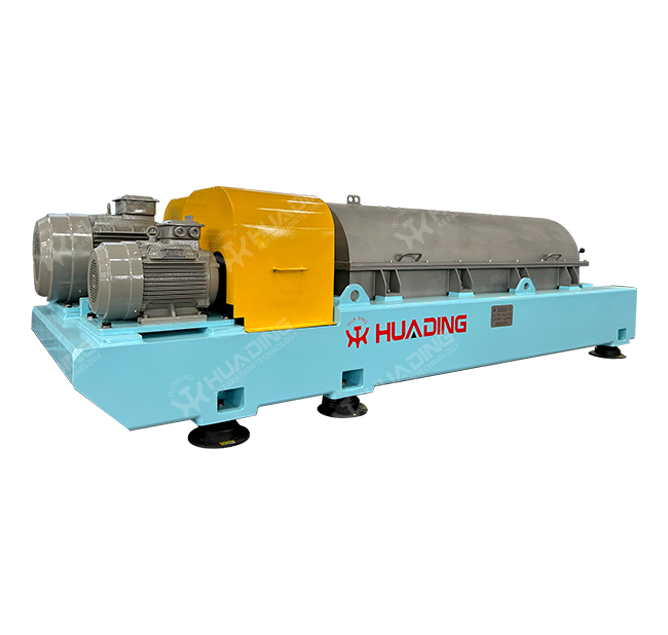
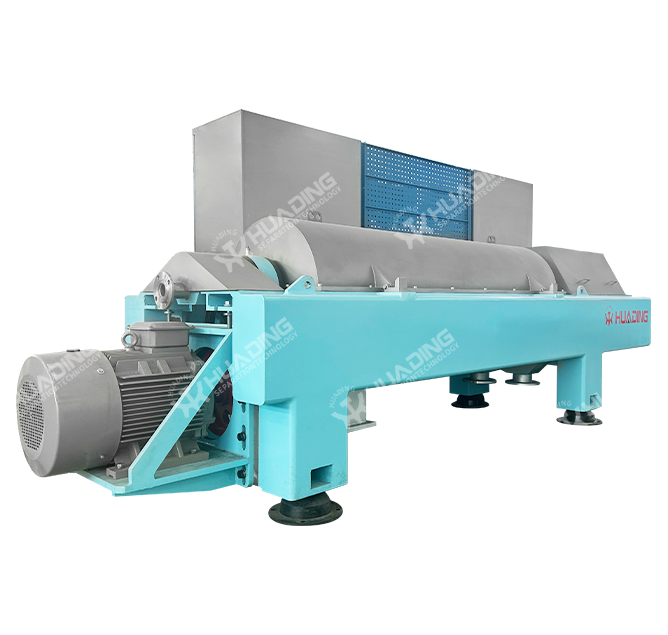
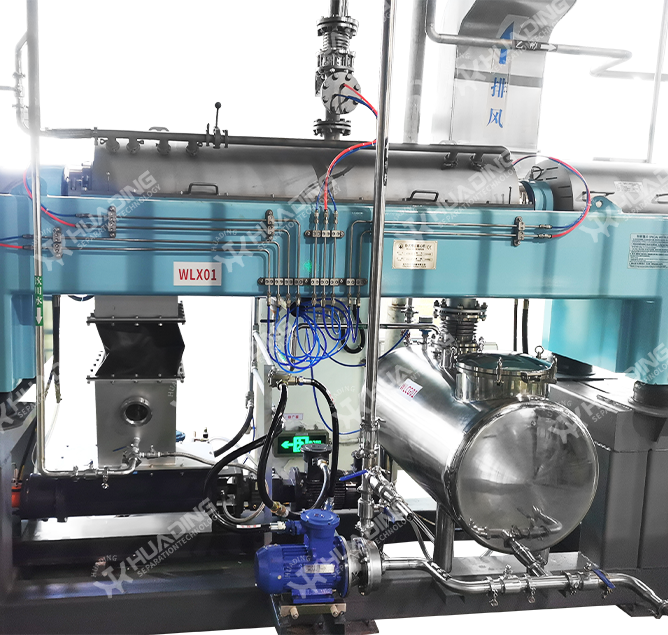
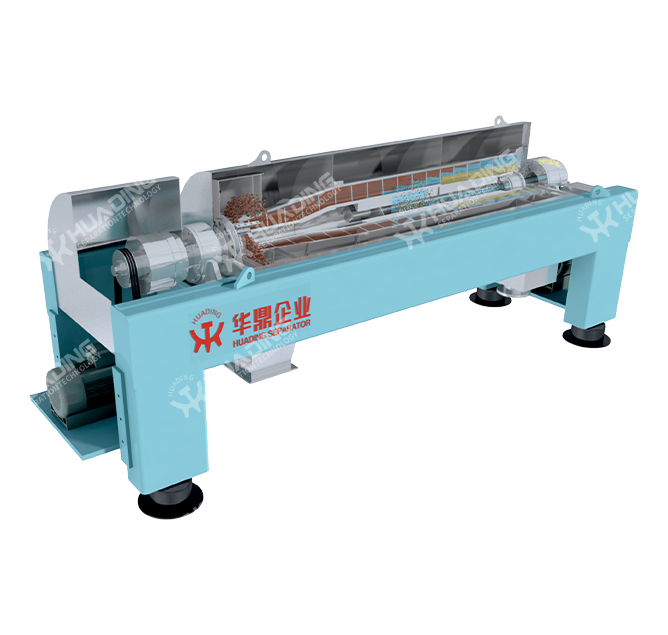
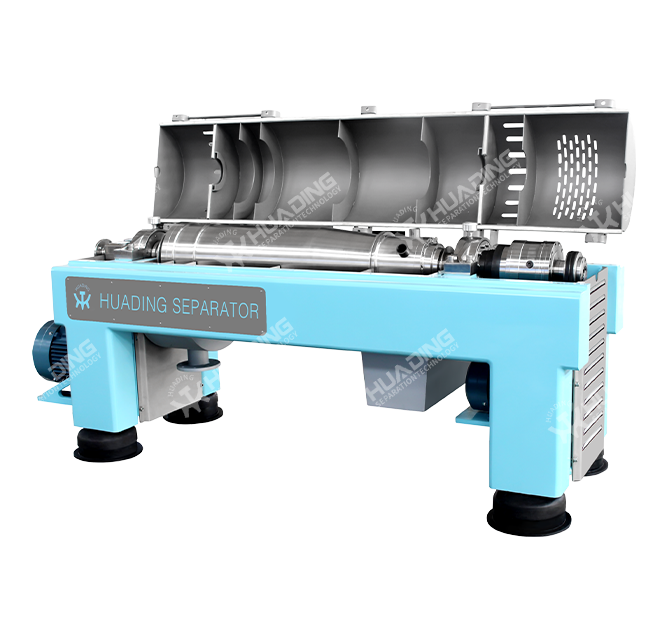
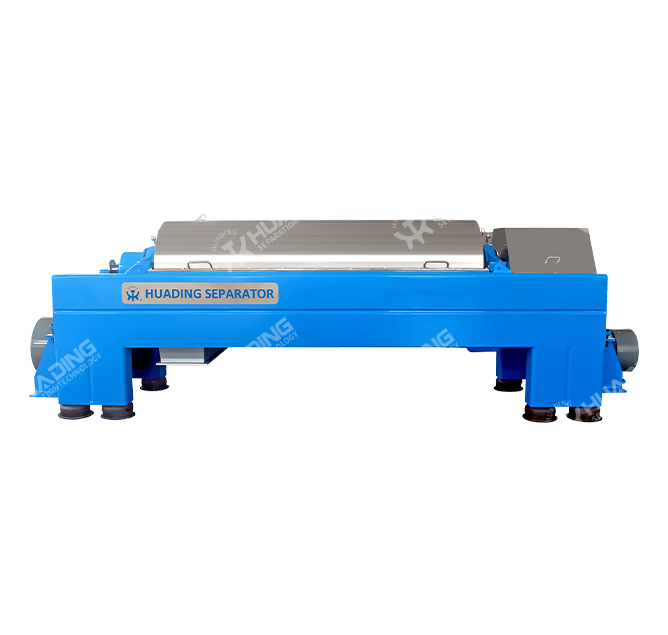
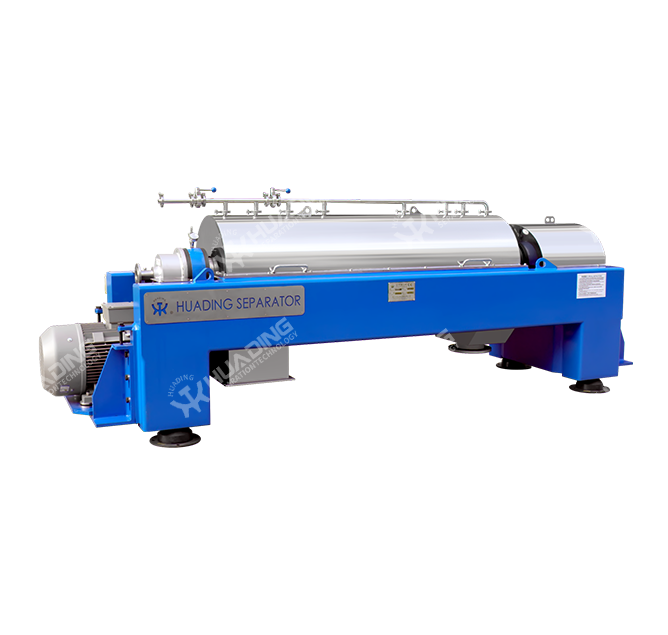
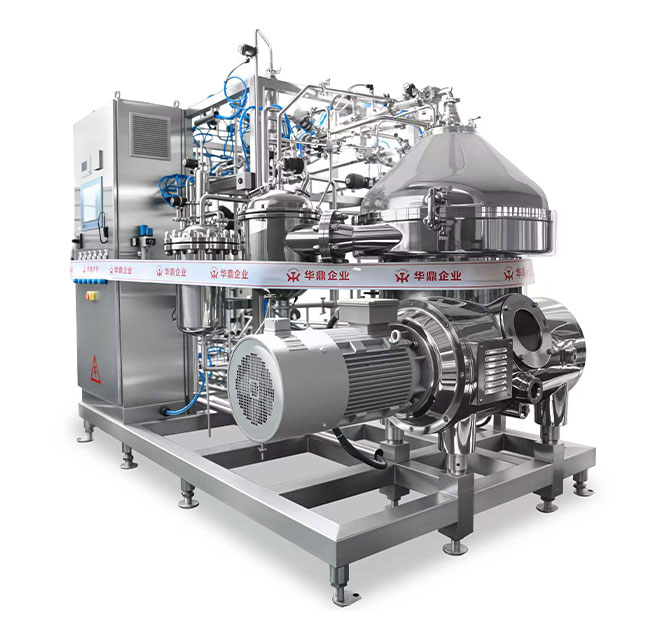
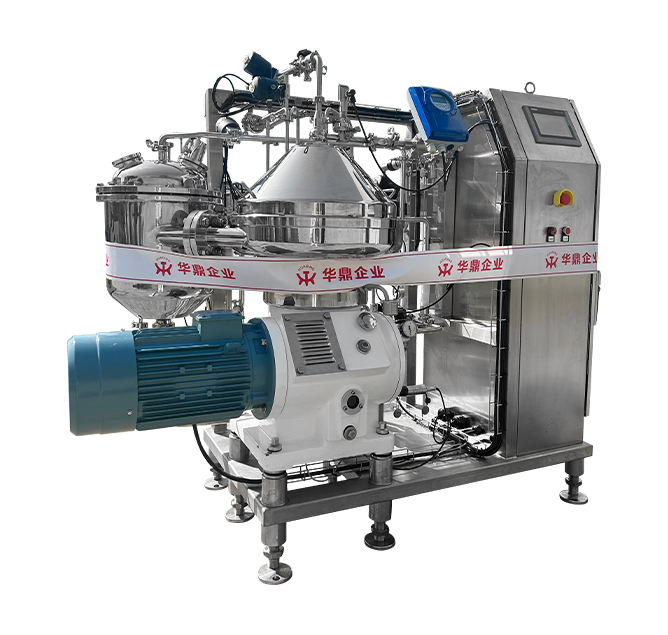
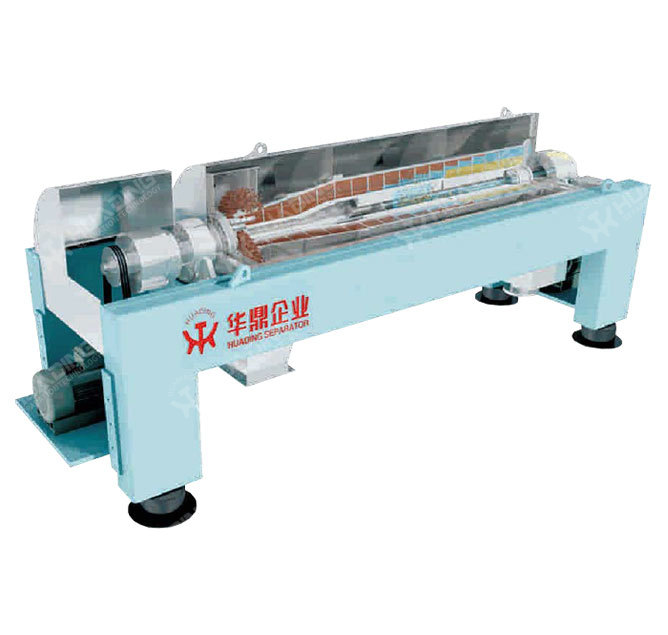
The Decanter Centrifuge is an indispensable solid-liquid separation device in chemical processing. It is widely used in various separation tasks in the chemical industry, such as wastewater treatment, chemical reaction product separation, and solvent recovery. Choosing the right Decanter Centrifuge is crucial for improving production efficiency and optimizing separation results.
When selecting a Decanter Centrifuge, the first factor to consider is the properties of the material to be processed. These properties mainly include solid particle size, solid content, viscosity, and density of the liquid. Different materials have different separation requirements, so choosing the right equipment is essential.
Solid Particle Size is an important factor influencing separation precision. Larger solid particles can be effectively separated at lower centrifugal forces, whereas smaller particles require higher centrifugal forces to be separated effectively.
Solid Content directly affects separation efficiency. High solid content in the slurry can lead to clogging of the screen, so a Decanter Centrifuge designed for handling high solid content materials should be selected.
Viscosity of the Liquid also affects the separation efficiency. Slurries with high viscosity typically require higher centrifugal forces and longer separation times, so the equipment should be chosen based on the material's viscosity.
The primary function of a Decanter Centrifuge is solid-liquid separation, so separation effect and filtration precision are key factors to consider when selecting equipment. The separation effect requirements vary for different chemical processing workflows, and filtration precision plays a crucial role in the quality of the final product.
Separation Effect depends on centrifugal force, speed, and equipment design. When processing materials requiring high-precision separation, a centrifuge with higher speed and higher filtration precision should be chosen. Conversely, for larger solid particles, lower speed may be sufficient to achieve good separation results.
When selecting a Decanter Centrifuge, the equipment's processing capacity is another critical factor. Having either too large or too small a capacity may lead to low efficiency or resource wastage.
Equipment Capacity should match production requirements. Choosing the right capacity ensures that the centrifuge maintains high separation efficiency during long-term operation and reduces unnecessary energy waste. Typically, the equipment's capacity is measured in terms of the material it can process per unit time (e.g., tons per hour).
Flow Rate and Speed Matching also impact the processing capacity of the Decanter Centrifuge. Higher speeds can improve separation efficiency, but the flow rate should be adjusted to ensure the optimal match between processing capacity and speed.
With technological advancements, the automation and intelligence levels of Decanter Centrifuges have continually improved. Automated control systems can adjust equipment parameters such as speed and liquid flow rate in real-time based on production needs, greatly enhancing separation efficiency.
Automation Control systems can monitor equipment status in real time, such as speed, pressure, temperature, and more, ensuring the equipment operates at optimal conditions. For chemical processing workflows requiring high precision and stability, automated systems provide better control and optimization.
Intelligence improvements can integrate more sensors and data analysis functions, allowing operators to better monitor equipment performance and reduce human error during operation.
Energy efficiency and environmental performance of Decanter Centrifuges are becoming increasingly important in chemical processing workflows. Since chemical production is often accompanied by high energy consumption and environmental pollution, selecting energy-efficient and environmentally friendly equipment is necessary.
Energy Efficiency refers to the relationship between the energy consumed during operation and the equipment's processing capacity. Choosing a high-efficiency Decanter Centrifuge not only reduces operational costs but also minimizes energy waste.
Environmental Performance is another important aspect. Modern Decanter Centrifuges are often designed to control wastewater, exhaust gases, and noise emissions. Low-noise and low-emission equipment can minimize environmental impact and comply with increasingly strict environmental regulations.
The long-term use of Decanter Centrifuges in chemical processing requires regular maintenance and care. The reliability, durability, and ease of maintenance of the equipment are also factors to consider when selecting the right unit.
Equipment Reliability determines the stability of the production process. A Decanter Centrifuge with low failure rates reduces downtime, which in turn increases production efficiency.
Maintenance and Care ease is a key consideration. The equipment should have a design that makes maintenance and cleaning convenient, reducing maintenance costs and downtime.
Copyright ©Yixing Huading Machinery Co.,Ltd. All Rights Reserved. Custom Centrifugal Separator Factory