
 English
 русский
 Español
 عربى
عربى 中文简体
中文简体
WE ARE HAPPY TO SOLVE
PROBLEMS FOR CUSTOMERS
learn more >
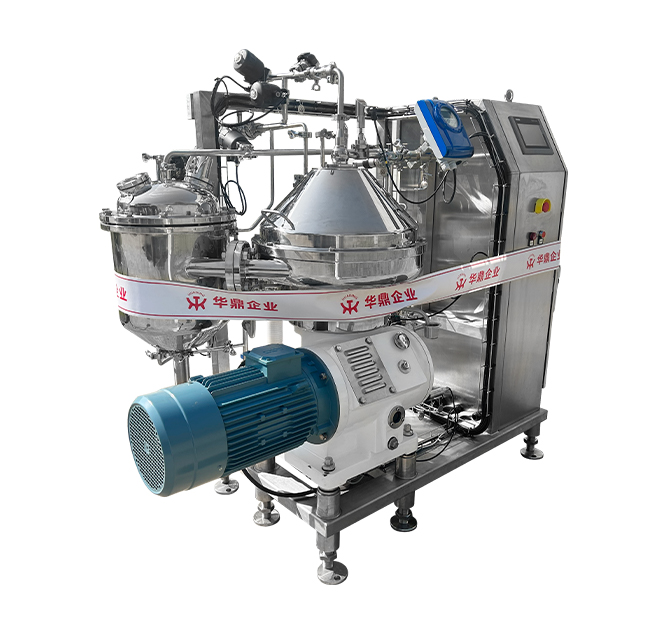
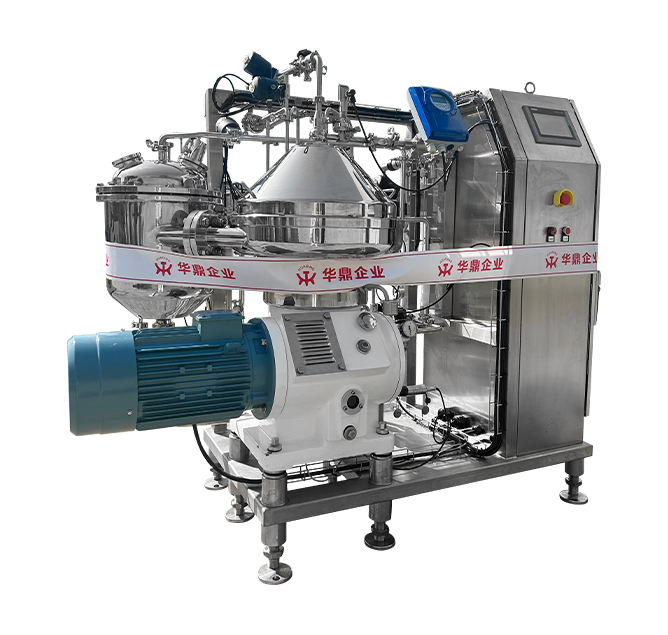
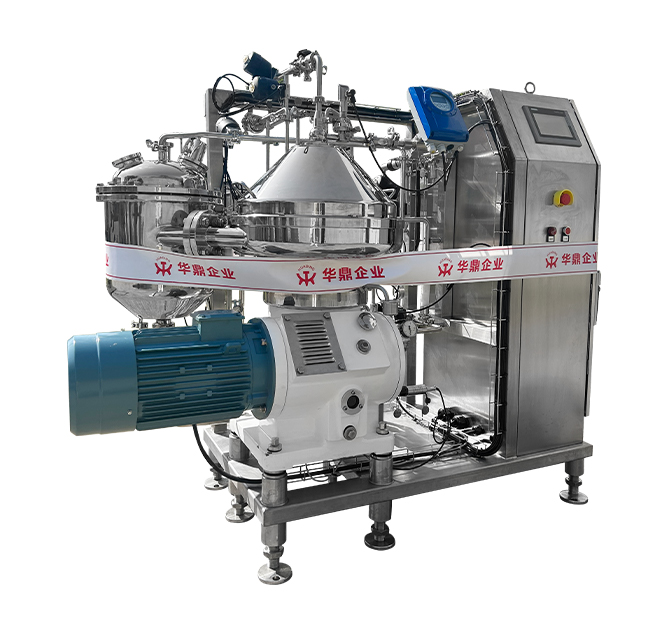
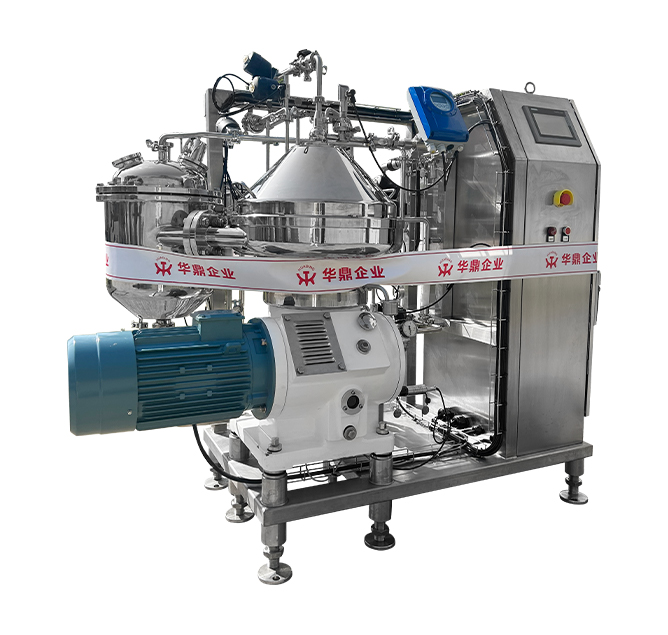
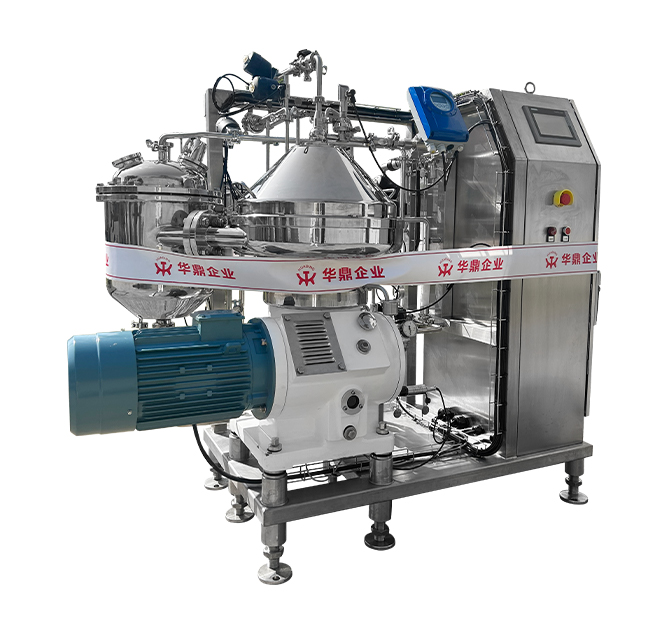
In pharmaceutical manufacturing environments, the stable operation of a Bio-pharmaceutical Centrifuge is one of the core factors ensuring product quality and production safety. Centrifuge Imbalance refers to a condition in which the mass distribution of the rotor is uneven during high-speed rotation, causing centrifugal forces on either side of the rotational axis to fail to cancel each other out symmetrically. This results in periodic vibration, abnormal noise, and in severe cases, equipment damage.
In the biopharmaceutical field, centrifuges are frequently used to process high-value biologics such as monoclonal antibodies (mAb), vaccine intermediates, and cell culture fluids. Any unexpected shutdown or equipment failure caused by imbalance not only results in batch loss but may also trigger GMP compliance risks and regulatory pressure.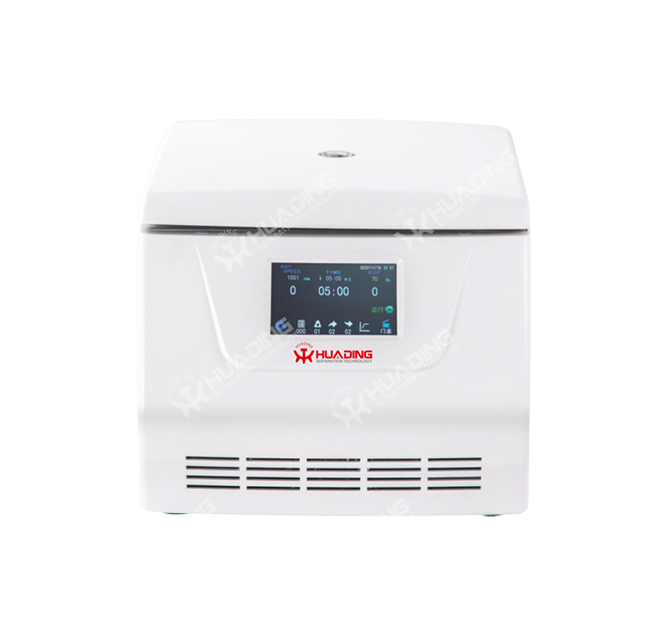
This is one of the most frequent root causes of Imbalance in a Bio-pharmaceutical Centrifuge. During batch production, when operators manually distribute samples, volume differences between centrifuge tubes or bottles prevent the mass on both sides of the rotor from being precisely balanced.
At laboratory scale, a deviation of 1–2 mL may have limited impact. However, in industrial-scale Continuous Flow Centrifuges or large-capacity rotors, a loading discrepancy of tens of milliliters can amplify centrifugal force imbalance several times at high rotational speeds, causing severe vibration.
In addition, when samples of different densities are placed in the same rotor without proper counterbalancing — for example, culture fluid containing high-concentration cell pellets distributed unevenly against clarified supernatant — the difference in liquid density creates a hidden mass imbalance. This is particularly prominent in Cell Therapy and fermentation broth processing applications.
The Rotor is the core rotating component of a Bio-pharmaceutical Centrifuge. When operated under high RCF (Relative Centrifugal Force) conditions over extended periods, fatigue accumulates in the material. Aluminum alloy rotors exposed to corrosive buffers — such as fermentation supernatants containing organic acids — or harsh cleaning agents may develop Pitting Corrosion on their surfaces, causing localized mass loss that disrupts the original dynamic balance state.
Over-speed operation is another significant contributor to rotor deformation. Every rotor has a rated maximum speed and maximum load capacity. Once these design parameters are exceeded, the metal structure undergoes micro-deformation that, while invisible to the naked eye, is sufficient to push vibration amplitudes beyond acceptable thresholds during high-speed rotation. In a GMP environment, this constitutes a serious equipment management failure. All run speeds and load data must be completely recorded in the Equipment Log for each operation.
Consumables such as Centrifuge Tubes, Adapters, and Swing Buckets in swing-bucket rotors may develop micro-cracks or deformation after repeated use or Autoclave sterilization cycles. A damaged centrifuge tube leaking its contents during high-speed rotation causes an instantaneous loss of mass, triggering severe Dynamic Imbalance and potentially leading to Cross-contamination within the rotor chamber.
In the GMP operating procedures of a Bio-pharmaceutical Centrifuge, conducting a Visual Inspection of consumables before each use and replacing them on schedule according to the manufacturer's stated service life is a fundamental requirement for preventing such incidents.
Bearing wear is an inevitable consequence of equipment aging. After a Bio-pharmaceutical Centrifuge operates continuously for an extended period, the precision of the bearing raceway degrades. The Spindle develops Radial Run-out during rotation, which is equivalent to introducing a mass eccentricity into the rotating system. Even if the rotor itself is in a state of perfect balance, significant vibration will still occur.
In modern pharmaceutical centrifuges integrated with IoT sensors, a Vibration Monitoring Module can collect real-time vibration spectra from the bearings. FFT (Fast Fourier Transform) analysis identifies bearing damage characteristic frequencies, enabling Predictive Maintenance — allowing bearing replacement before complete failure and fundamentally eliminating Imbalance incidents caused by bearing wear.
A Bio-pharmaceutical Centrifuge has strict requirements for its installation foundation. When the equipment feet are not properly leveled, the direction of gravity forms an angle with the rotor's axis of rotation, causing the rotating center of mass to periodically deviate from the axis and generate vibration characteristics similar to true Imbalance. If the Cleanroom floor experiences subtle tilting due to building settlement or frequent equipment repositioning, the dynamic balance performance of the equipment will also gradually deteriorate.
During the Installation Qualification (IQ) phase, a high-precision spirit level must be used to perform four-point leveling calibration on the equipment, and the calibration data must be incorporated into the validation documentation and archived.
Establish a written SOP (Standard Operating Procedure) specifying the allowable deviation range for liquid volume per tube — typically within ±0.1 g. Use a Calibrated Balance to counterweight samples, ensuring that the mass difference between centrifuge tubes at symmetrical positions falls within the equipment's permissible imbalance tolerance.
Record each centrifugation run's parameters in accordance with the Rotor Life Chart provided by the manufacturer, and enforce mandatory retirement once the service life is reached — no extension of use is permitted. Establish a Rotor Log documenting the speed, duration, sample type, and cleaning method for every use.
Establish vibration baseline data during the Performance Qualification (PQ) phase. During routine operation, compare real-time vibration values against the baseline. Once deviations exceed a preset threshold, immediately trigger an alarm and halt the machine for inspection — preventing Imbalance from escalating from minor to catastrophic failure.
Any rotor replacement, consumable switch, or operating parameter change must go through the Change Control procedure. The potential impact on equipment dynamic balance must be re-evaluated, and Revalidation must be conducted where necessary.
Copyright ©Yixing Huading Machinery Co.,Ltd. All Rights Reserved. Custom Centrifugal Separator Factory