
 English
 русский
 Español
 عربى
عربى 中文简体
中文简体
WE ARE HAPPY TO SOLVE
PROBLEMS FOR CUSTOMERS
learn more >
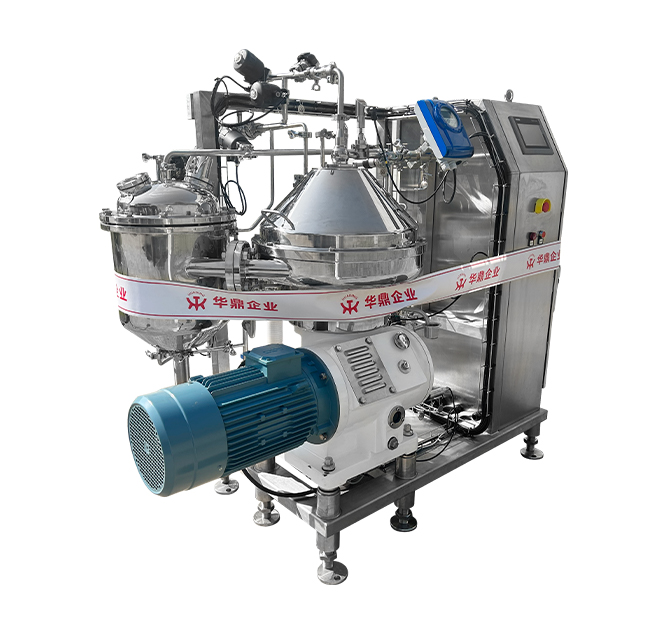
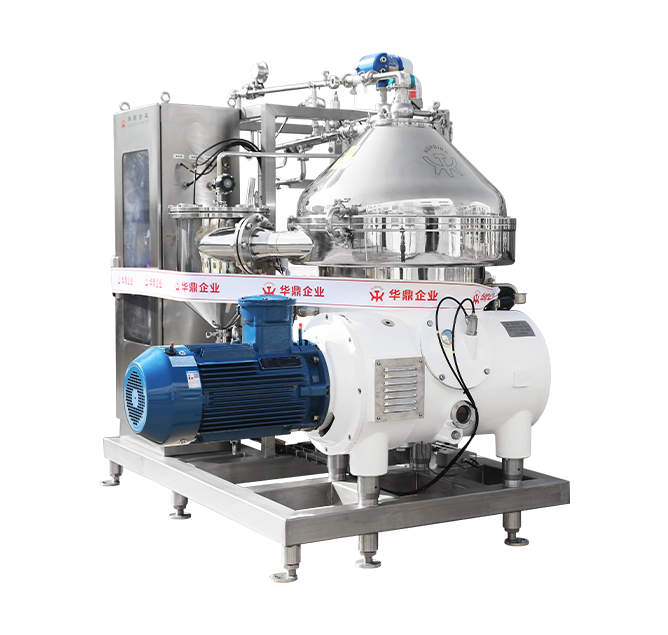
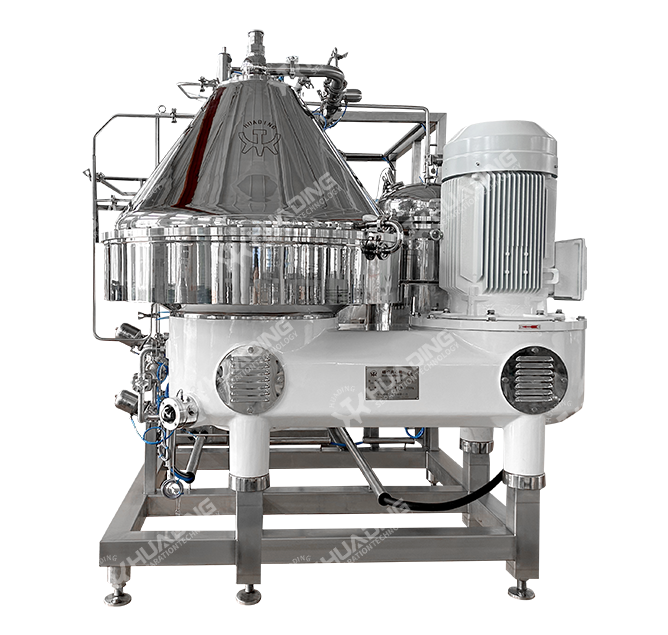
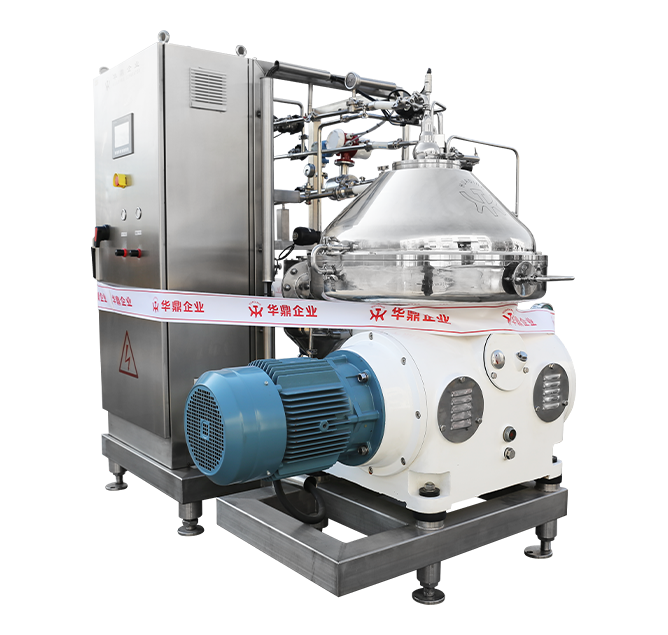
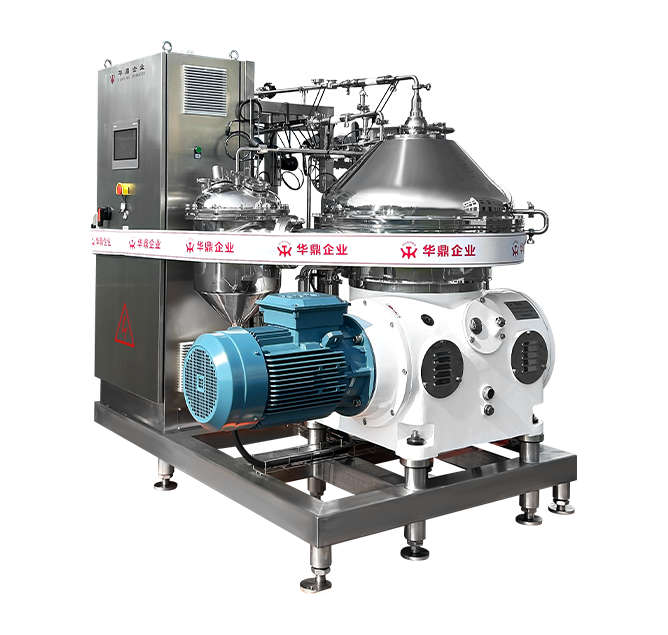
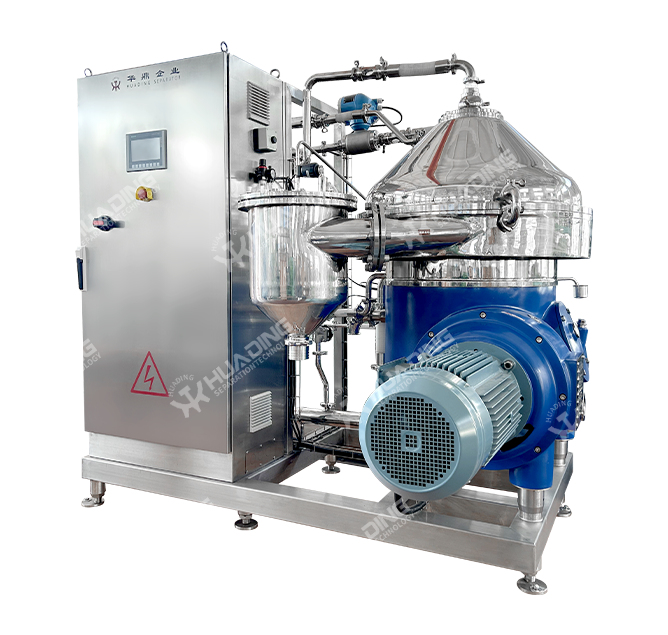
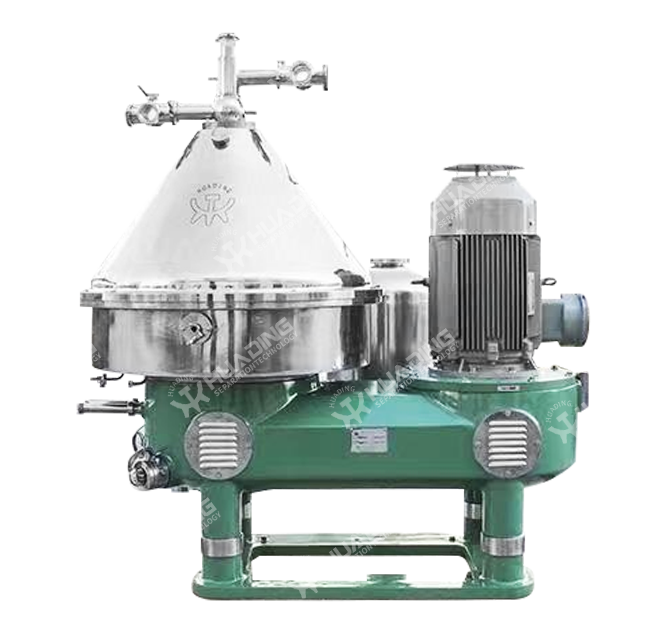
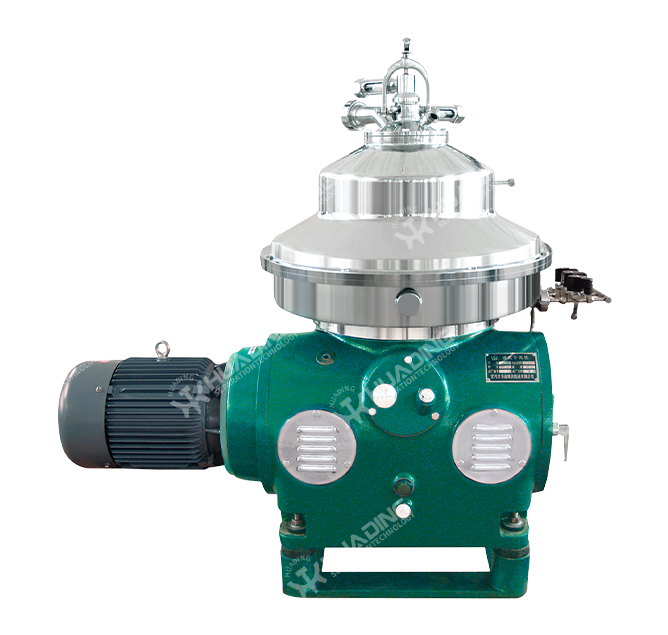
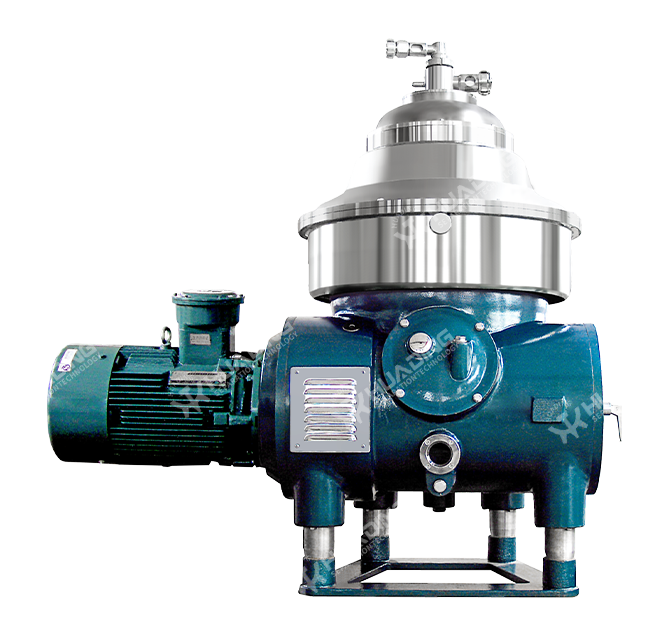
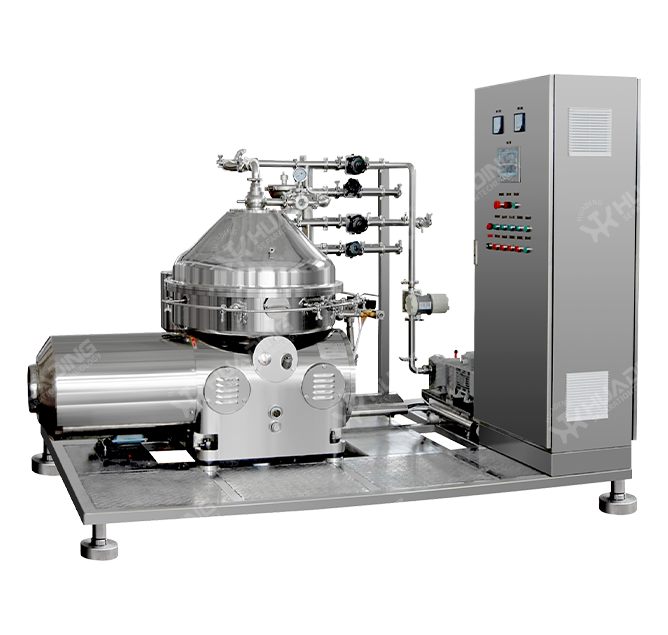
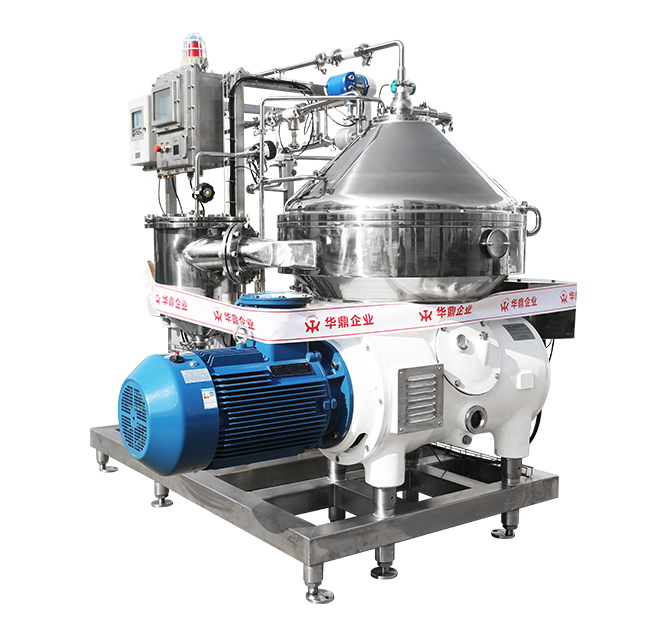
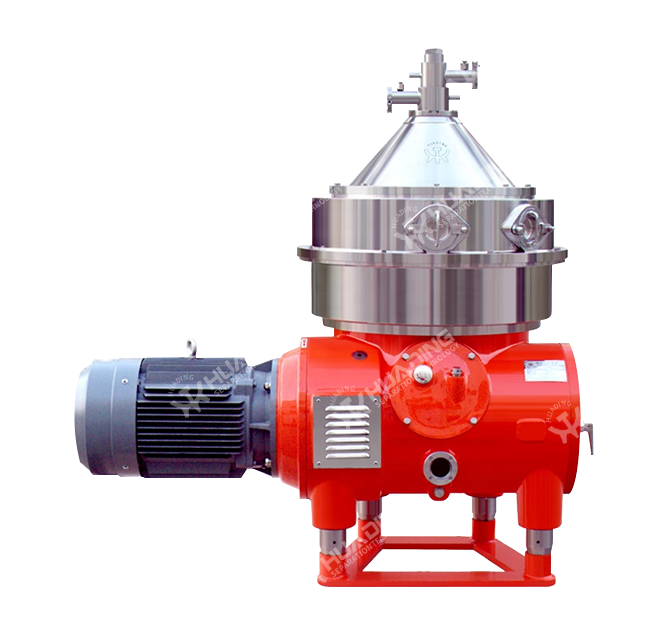
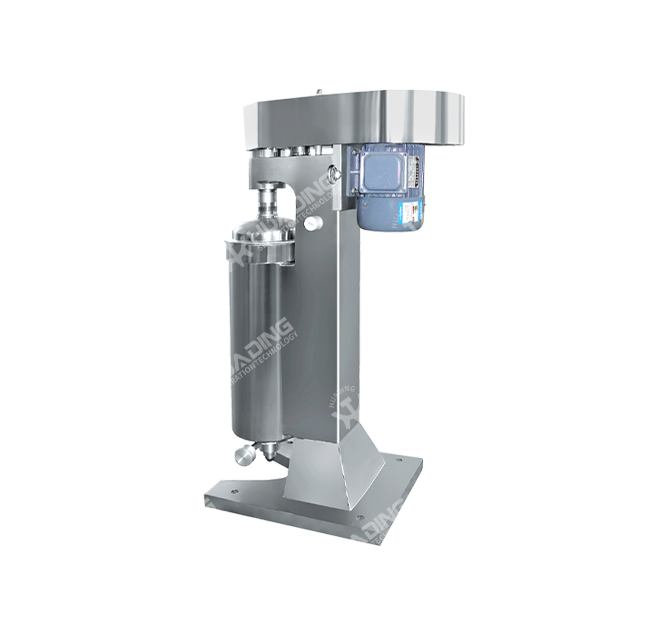
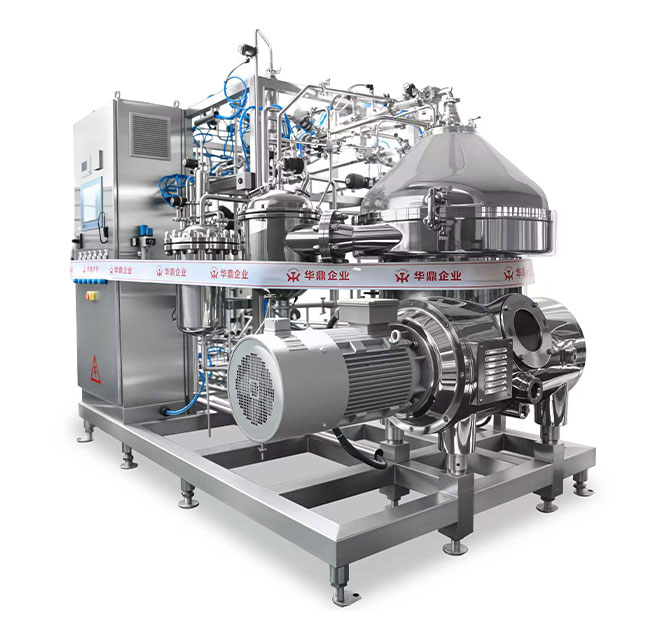
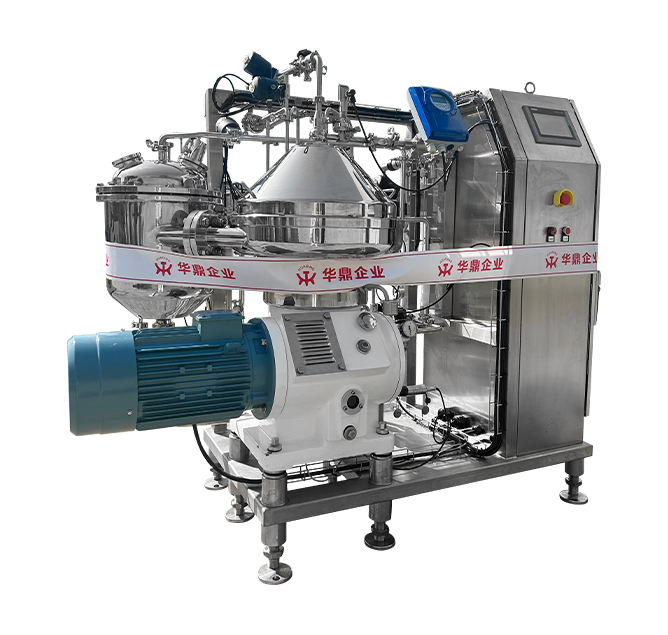
The startup process of a disc stack centrifuge involves a series of precise operations, among which establishing the water seal is the first and most critical step to ensure safe and efficient operation. A water seal is not a simple physical gasket, but rather a liquid seal formed by centrifugal force. It is essential in many liquid separation processes, particularly purifiers and certain clarifier configurations. Understanding its function and operating procedures is the foundation of professional maintenance and efficient production.
The Core Role of the Water Seal
At high speeds, the water seal is a key mechanism for isolating the process fluid from the external environment. Its specialized functions are demonstrated in the following aspects:
1. Establishing a stable pressure environment in the separation chamber
For purifiers (three-phase separation), establishing the water seal is a prerequisite for creating the separation interface. After the centrifuge is started, the injected water is swept to the periphery by centrifugal force within the high-speed rotating bowl, forming a stable water ring—the water seal. This water ring generates a constant hydrostatic pressure inside the bowl, which is the foundation for subsequent process fluids (such as oil) to enter the bowl and form a precise liquid-liquid separation interface. Without this initial water seal, the feed cannot be stably separated at the desired location, potentially leading to oil carryover or water carryover.
2. Preventing Product Loss and Air Intrusion (Overflow Prevention)
During a continuous separation process, product loss can occur if the feed rate or concentration fluctuates, or in a Purifier configuration, if the light liquid phase (such as oil) overflows directly through the heavy liquid phase outlet. During startup, the water seal occupies the heavy liquid outlet channel. When the primary separation material (such as mineral oil) enters, it displaces the water seal by utilizing its density difference. During normal operation, if the oil-water interface drifts outside the predetermined range, the water seal is re-established, preventing the light phase from overflowing from the heavy phase outlet, thereby achieving hydraulic locking.
3. Achieve Airtight Isolation and Product Protection
Especially in applications handling easily oxidizable or volatile materials (such as edible oils and biological products), the Water Seal effectively isolates the interior of the drum from the external atmosphere, creating an airtight seal. This minimizes product contact with oxygen in the air, preventing oxidation, deterioration, quality degradation, and foaming, ensuring high quality and a long shelf life for the final product.
Water Seal Operational Procedures
The Water Seal must be established after the centrifuge reaches rated speed, strictly adhering to the professional "speed up first, seal establishment later" process.
Step 1: Increase the drum speed to rated speed
The operator first starts the centrifuge and smoothly and slowly accelerates the drum to its rated speed. In high-speed disc stack centrifuges, this acceleration typically takes several minutes. Feeding or adding water is strictly prohibited during this stage to prevent the water or material from forming a stable liquid ring at low speed, which could lead to uneven pressure and vibration within the drum.
Step 2: Injecting the Sealing Medium
After the speed stabilizes, the sealing medium (typically degassed, softened water) is injected into the drum through a dedicated sealing water inlet.
Water Quality Requirements: Clean, solids-free water must be used to prevent impurities from clogging the sealing water inlet or remaining in the drum, impacting separation. In certain applications with specific water quality requirements, deionized water or other process-specific liquids may be used.
Injection Volume Control: The water injection volume must be precisely controlled, typically measured using a timer or flow meter. The injection volume should be slightly larger than the theoretical volume required to establish a water ring within the drum to ensure that the water completely occupies the heavy liquid outlet channel.
Step 3: Confirming the Establishment and Stability of the Water Seal
After water injection, the operator must confirm that the water seal is stable using specialized monitoring methods.
Observe the Drain: Observe the heavy liquid outlet or designated overflow port. A small amount of injected water should flow out. This indicates that the water ring has formed and occupies the intended space.
Monitoring Equipment Parameters: Check the readings of the centrifuge's vibration monitoring system. The stable establishment of the water seal will allow the fluid inside the bowl to reach equilibrium, and the vibration level should remain at a normal low level.
Pressure Indicator: In systems equipped with a pressure sensor, monitor the heavy liquid outlet pressure. After the water seal is established, the pressure should rise rapidly and stabilize at the hydraulic pressure corresponding to the water seal.
Step 4: Start Feed and Process Replacement
Only after the water seal is confirmed to be correct can the main material feed be slowly started. The feed fluid (usually an oil with a lighter density than water) will gradually displace the water in the water seal through the heavy liquid outlet under the centrifugal force. When the heavy liquid outlet begins to discharge the heavy liquid phase required for the process (for example, a small amount of water is discharged from the drain port), the water seal has successfully transitioned to the process separation interface, and the separation process has officially begun.
Copyright ©Yixing Huading Machinery Co.,Ltd. All Rights Reserved. Custom Centrifugal Separator Factory