
 English
 русский
 Español
 عربى
عربى 中文简体
中文简体





WE ARE HAPPY TO SOLVE
PROBLEMS FOR CUSTOMERS
learn more >
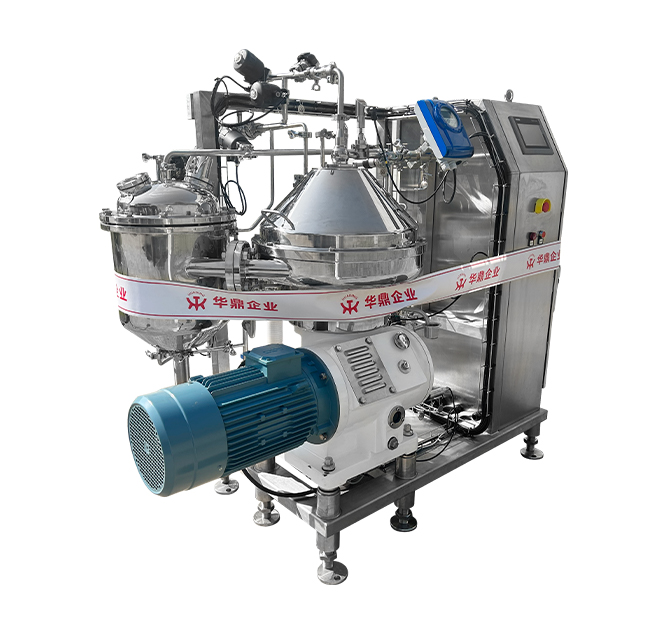
Laboratory centrifuges are essential tools in scientific research, particularly in biological and biomedical fields, for separating components of a mixture. However, during centrifuge operation, sample leaks or contamination are common issues that can significantly impact the integrity of the experiment. Preventing these issues not only ensures accurate and reliable results but also maintains a clean and safe laboratory environment. Below are key operational guidelines to help avoid sample leaks or contamination during centrifuge use.
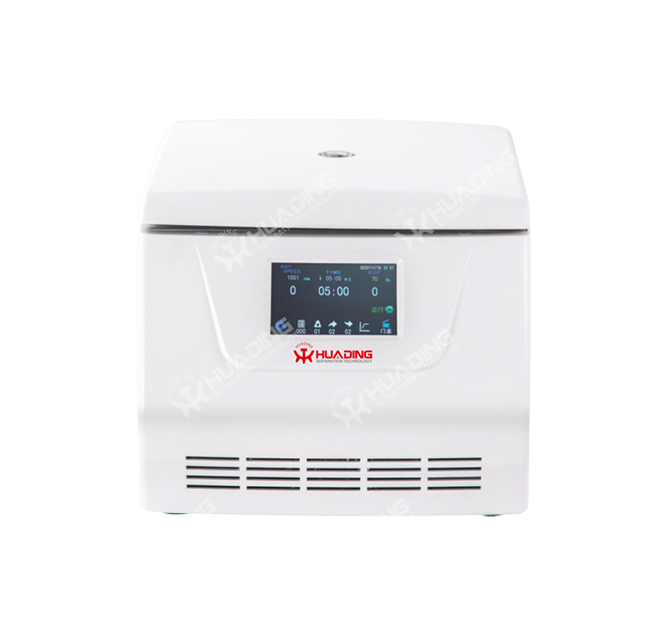
Centrifuge tubes are vital components of any centrifuge operation. It is crucial to select the right type of tube based on its chemical compatibility with the samples and the specifications of the centrifuge. Using improper or incompatible tubes can lead to ruptures or inadequate sealing, resulting in sample leaks. Common materials for centrifuge tubes include polypropylene (PP) and polycarbonate (PC), which offer different levels of temperature and chemical resistance.
In addition to the tube, the cap plays a crucial role in preventing leaks. High-quality caps must ensure a secure seal to prevent them from coming loose during high-speed rotation. Before every operation, make sure the cap is correctly secured and free from any defects. Avoid using damaged or worn-out caps, as this can compromise the sealing integrity and cause contamination or leakage.
The rotor and adapters are essential parts of the centrifuge that directly affect sample separation and safety. Before every use, check the rotor for any visible damage, such as cracks or wear. Damaged rotors can cause imbalanced spinning, resulting in sample leakage or contamination. Additionally, rotors that are worn out or cracked may fail at high speeds, risking both the sample and the centrifuge itself.
Adapters, which hold the centrifuge tubes in place within the rotor, must also be checked for compatibility and condition. Using the correct adapter ensures that the tubes are securely held in place, preventing vibrations that can cause leaks. Always verify that adapters are clean, undamaged, and appropriately sized for the centrifuge tubes being used.
Overloading the centrifuge can lead to imbalanced operations, resulting in excessive vibration, tube breakage, or even rotor failure. It is essential to follow the centrifuge manufacturer’s instructions regarding load capacity. Exceeding the recommended load can put excessive stress on both the rotor and the tubes, leading to cracks or breaks, which could cause sample leakage.
Each centrifuge has a maximum load capacity that should be strictly adhered to. If the samples do not evenly balance, the rotor could wobble, causing uneven centrifugal force, resulting in poor separation or even spillage. Always ensure that the tubes are evenly distributed within the rotor to avoid imbalance.
Balancing the centrifuge is a critical step to ensure proper operation and to prevent sample leaks. When placing the centrifuge tubes into the rotor, ensure they are symmetrically placed and that the total weight on each side of the rotor is equal. Even a small imbalance can lead to excessive vibrations and instability during operation, which can cause the samples to spill or the tubes to rupture.
If using fewer than the maximum number of tubes, it is essential to place balance tubes or counterweights in the empty positions. This ensures that the rotor remains balanced throughout the entire centrifugation process. Balancing is vital for ensuring both the safety of the experiment and the longevity of the centrifuge.
Many samples are temperature-sensitive, and overheating during centrifugation can cause sample degradation or leaks. Modern centrifuges often come with built-in temperature control and cooling systems to maintain a specific temperature during operation. When processing heat-sensitive samples, it is essential to set the appropriate temperature and ensure that the cooling system is functioning properly.
The cooling system helps prevent overheating during extended centrifugation runs, especially in high-speed centrifuges, which can generate significant heat. Be sure to monitor the temperature and verify that it remains within the required range to protect the integrity of your samples.
Centrifuge maintenance, including regular cleaning and sterilization, is essential to avoid contamination between samples and ensure the equipment remains in optimal working condition. After each use, thoroughly clean the centrifuge rotor, adapters, and interior to remove any residual sample materials or contaminants. Accumulated debris inside the centrifuge can cause cross-contamination during subsequent runs, leading to inaccurate results or sample degradation.
Use non-abrasive, non-volatile cleaning agents to wipe down the centrifuge components and avoid introducing any cleaning residues that could potentially affect future experiments. Regular disinfection, particularly when handling biological or hazardous materials, helps minimize the risk of cross-contamination and ensures a sterile working environment.
The proper handling of a centrifuge is crucial to ensuring sample integrity. Centrifuge operators should receive comprehensive training on the correct procedures for sample loading, balancing, and operating the centrifuge. Proper training ensures that users are familiar with the potential risks and know how to avoid common mistakes that could result in sample contamination or leakage.
In addition to training, operators should follow strict laboratory protocols, such as using appropriate personal protective equipment (PPE) like gloves and lab coats, to prevent contamination from external sources. Adhering to these protocols helps maintain a clean working environment and minimizes the chances of accidental contamination during centrifuge operation.
Biomedicine
|
Nucleic acid and protein research |
Clinical diagnosis |
Drug development |
Industry and production
|
Food industry |
Chemicals and materials |
Environmental protection |
Copyright ©Yixing Huading Machinery Co.,Ltd. All Rights Reserved. Custom Centrifugal Separator Factory