
 English
 русский
 Español
 عربى
عربى 中文简体
中文简体
WE ARE HAPPY TO SOLVE
PROBLEMS FOR CUSTOMERS
learn more >
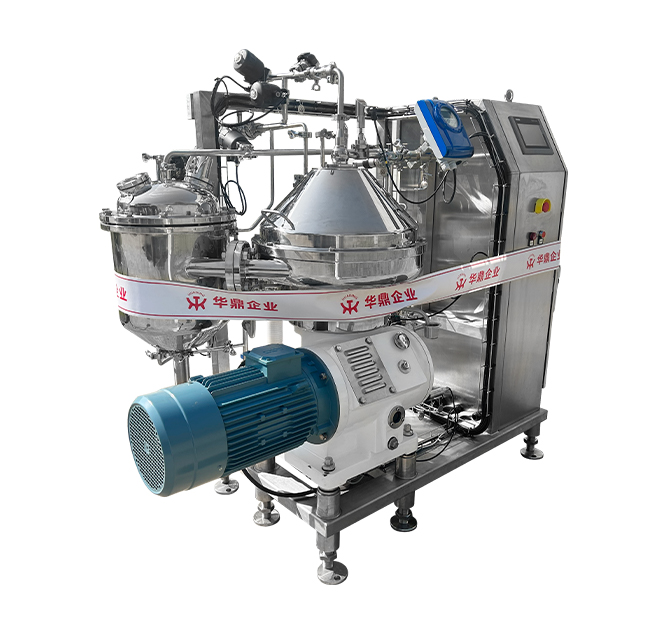
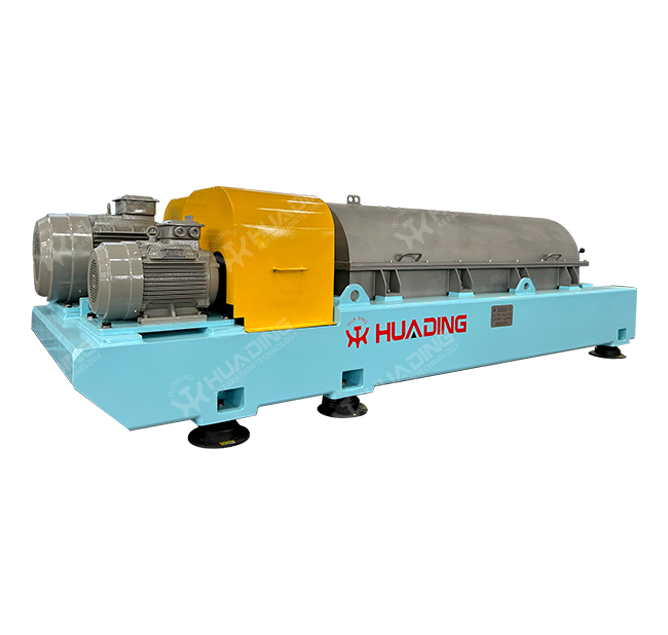
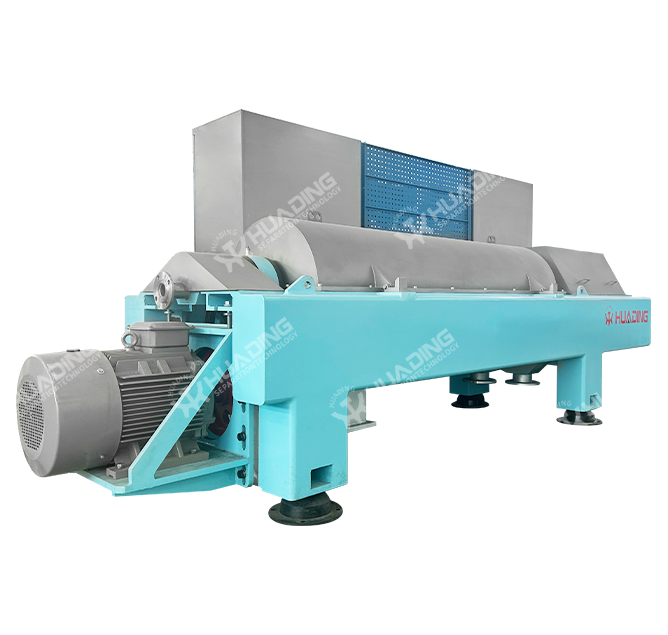
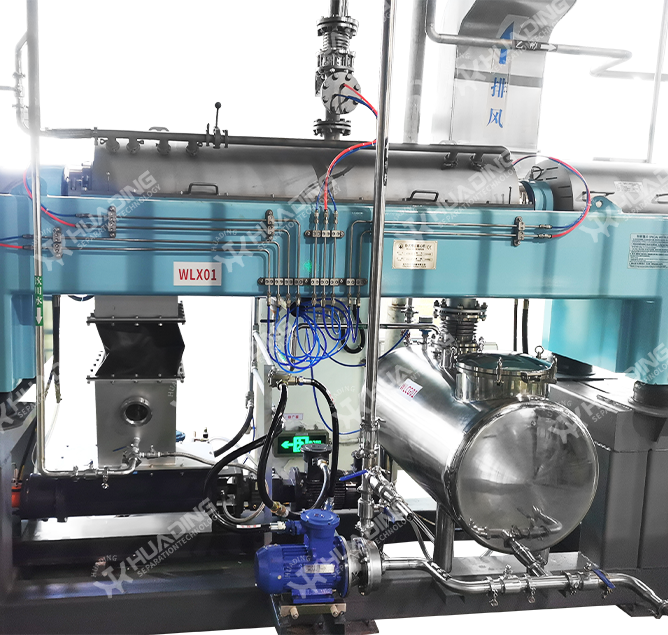
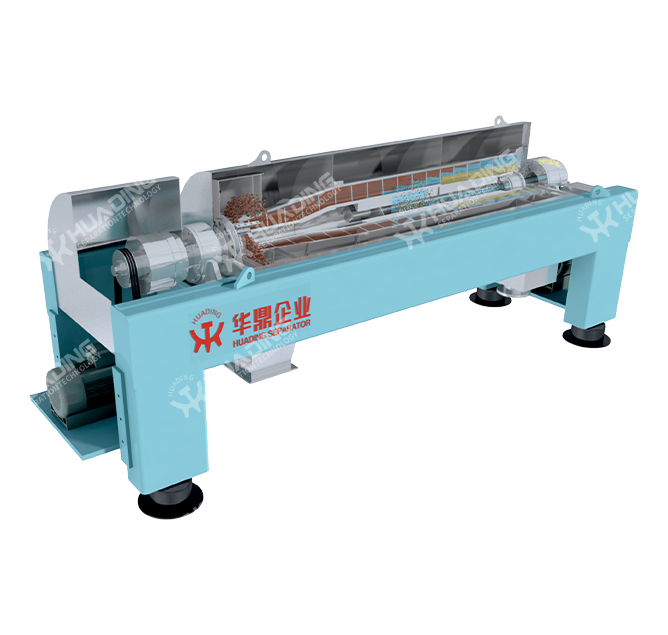
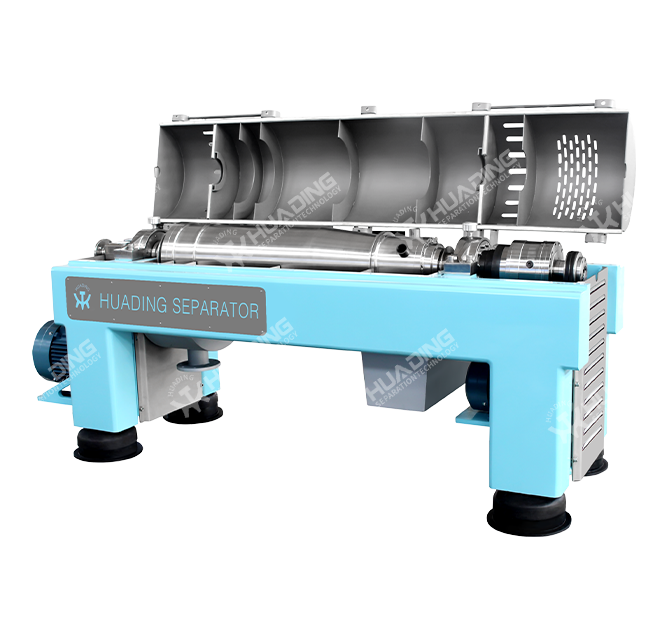
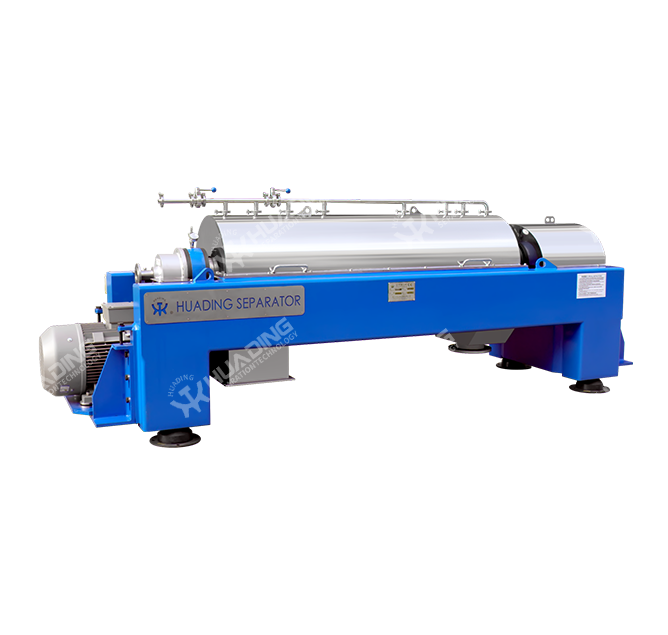
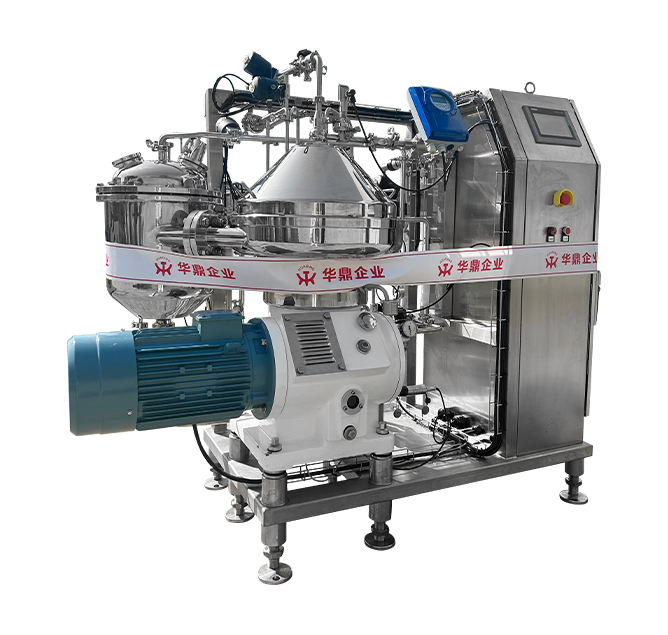
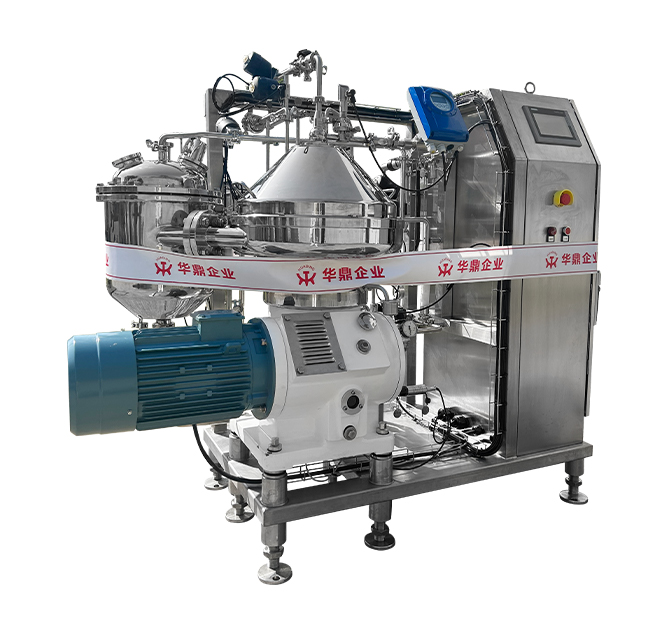
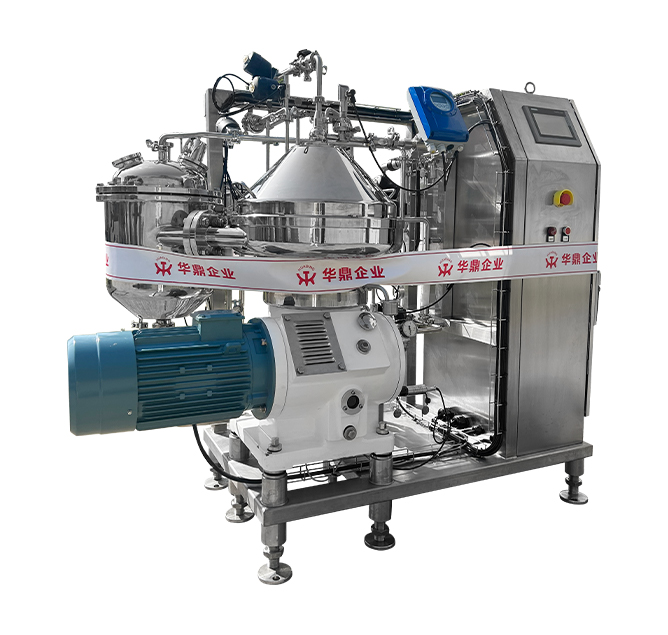
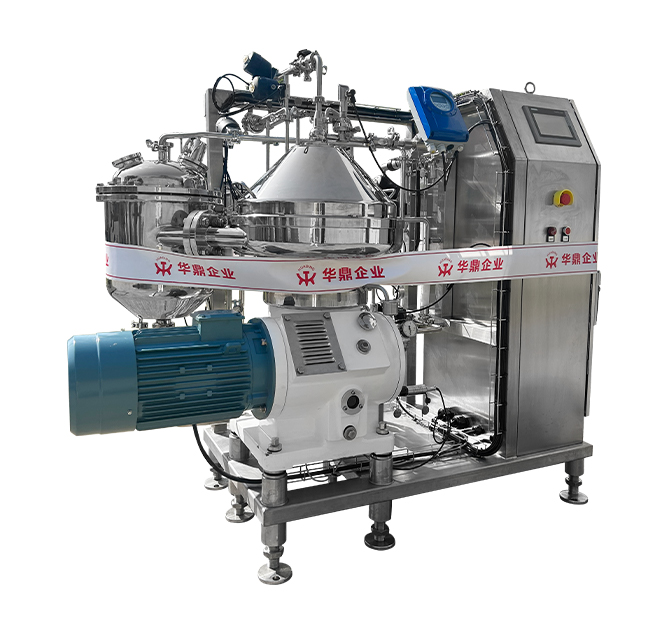
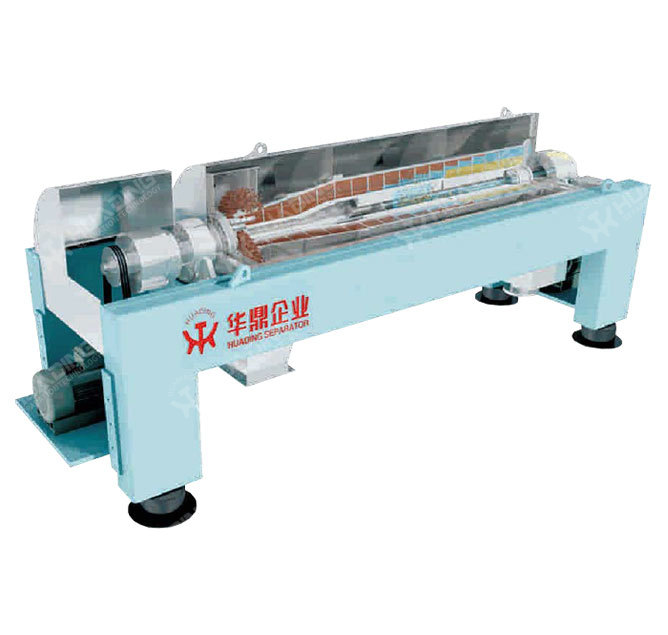
Decanter centrifuges are widely used in industries such as wastewater treatment, chemical processing, and food processing, particularly for dewatering sludge. However, these machines may encounter common faults over time, which can affect their performance and efficiency. Understanding these faults, along with appropriate preventive and maintenance measures, can significantly extend the service life of the centrifuge and ensure smooth operations in water treatment processes.
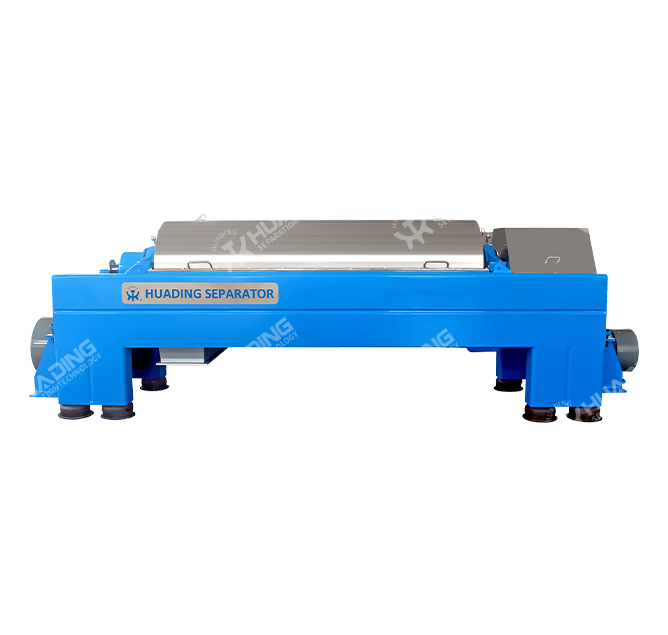
Excessive vibration can destabilize the decanter centrifuge, leading to operational instability or even equipment failure. The primary causes of excessive vibration include:
Poor sludge discharge is another common issue, and it is typically caused by:
Inefficient dewatering can significantly impact wastewater treatment efficiency. The causes of poor dewatering include:
Overheating or overloading of the motor can lead to performance issues or permanent damage. Common causes of motor problems include:
Bearings are crucial for the operation of the centrifuge. Bearing damage can result in equipment failure or reduced efficiency. Causes of bearing failure include:
Proper installation and alignment of the decanter centrifuge are critical. Ensure the equipment is set on a stable, level foundation and that all components are precisely aligned. Imbalances caused by improper installation should be avoided by carefully calibrating the machine.
Routine maintenance should include regular inspection of critical components like the screw discharge system, filter screens, and discharge ports. Cleaning the centrifuge regularly to remove sludge buildup helps prevent clogging and ensures smooth operation. If the filter screens are worn, they should be replaced immediately.
It is essential to maintain a consistent and appropriate feed flow to the centrifuge. Feed rates that are too high or too low can negatively impact separation efficiency and may lead to overloading the system. Adjusting the feed flow rate based on the sludge characteristics will improve dewatering performance.
The lubrication system should be checked and maintained regularly. Bearings must be properly lubricated with the correct type of oil or grease. Lubricant levels should be monitored, and the lubricant should be replaced according to the manufacturer’s recommendations to avoid excessive wear on moving parts.
Regularly adjust the centrifuge’s operating parameters, such as rotor speed and differential speed, according to the specific sludge characteristics. Ensuring that the correct speed settings are used for different types of sludge helps optimize solid-liquid separation efficiency.
Perform daily checks on key components, such as the rotor, bearings, motor, and hydraulic system. Look for any signs of wear or damage, and address minor issues before they become major problems. Pay particular attention to the motor and drive system to prevent failures.
Over time, centrifuge components will experience wear. Conduct periodic overhauls to inspect and replace worn-out parts, including rotors, bearings, and seals. This helps ensure the centrifuge remains efficient and operates without interruption.
The working environment plays a crucial role in the longevity and performance of the centrifuge. Ensure the equipment is placed in a clean, dry environment to prevent contaminants such as dust and sludge from entering the system. Proper environmental conditions can help reduce maintenance needs and prolong the equipment’s lifespan.
Ensure operators are well-trained and familiar with the centrifuge’s operational procedures. Regular training helps prevent improper operation that could lead to premature equipment failure. Operators should follow established SOPs for optimal performance and safety.
Copyright ©Yixing Huading Machinery Co.,Ltd. All Rights Reserved. Custom Centrifugal Separator Factory