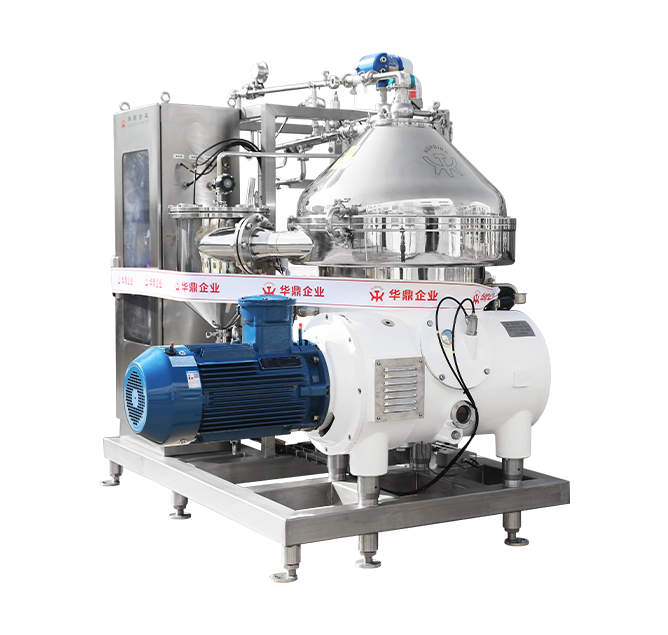
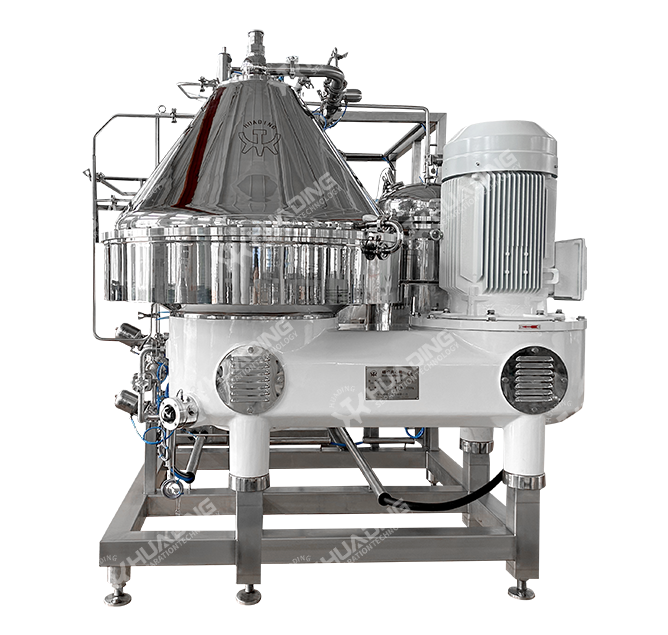
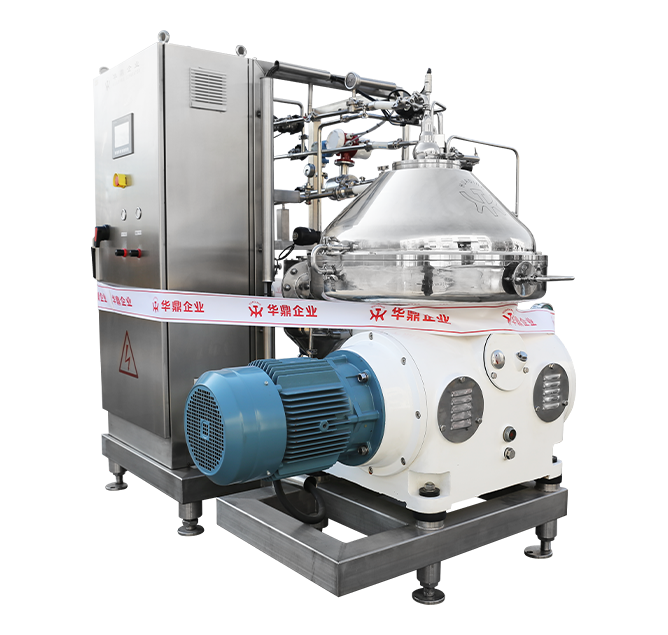
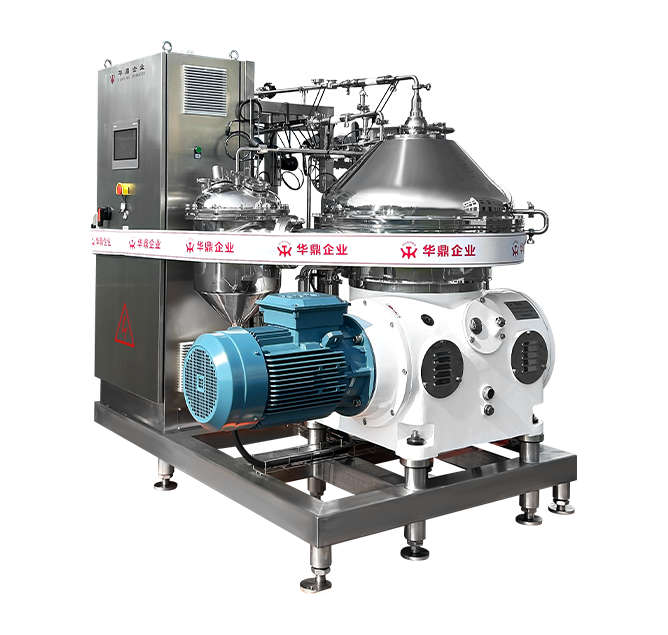
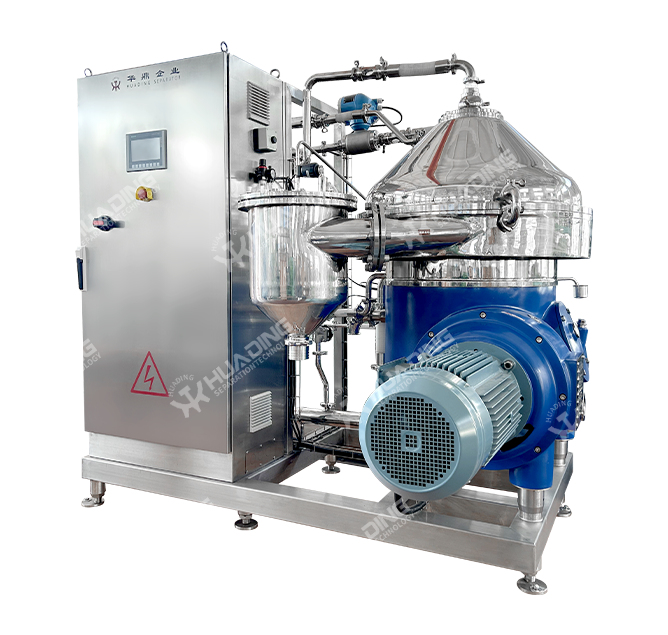
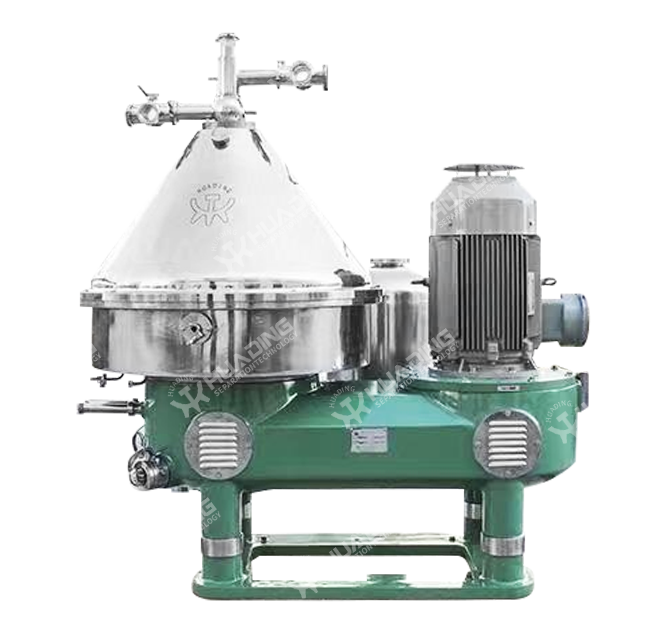
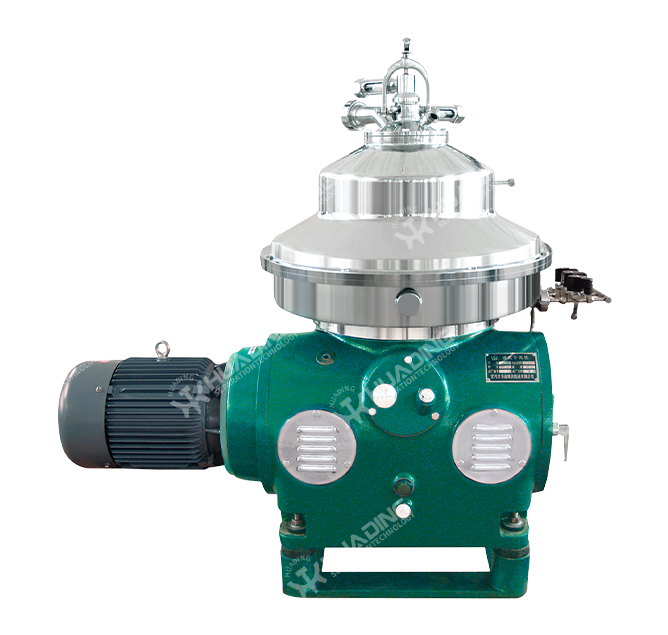
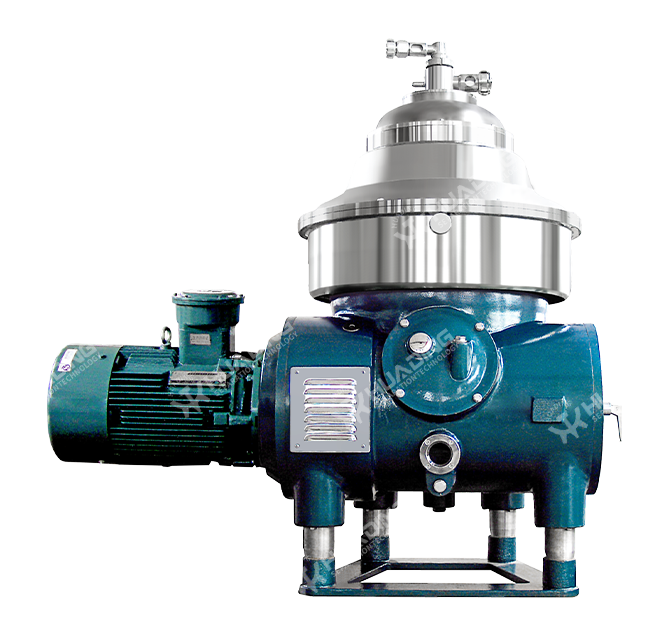
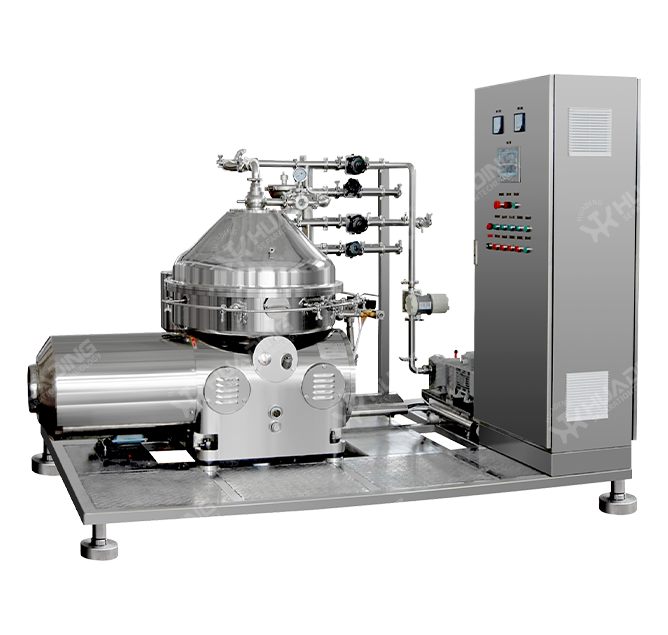
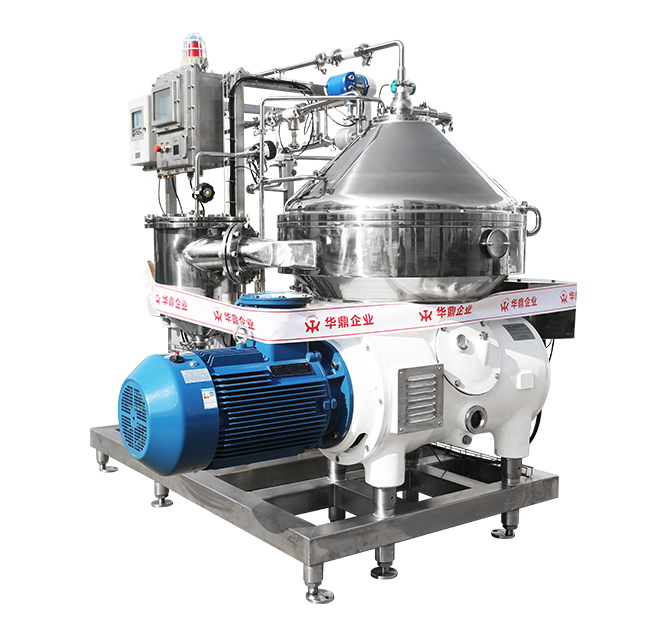
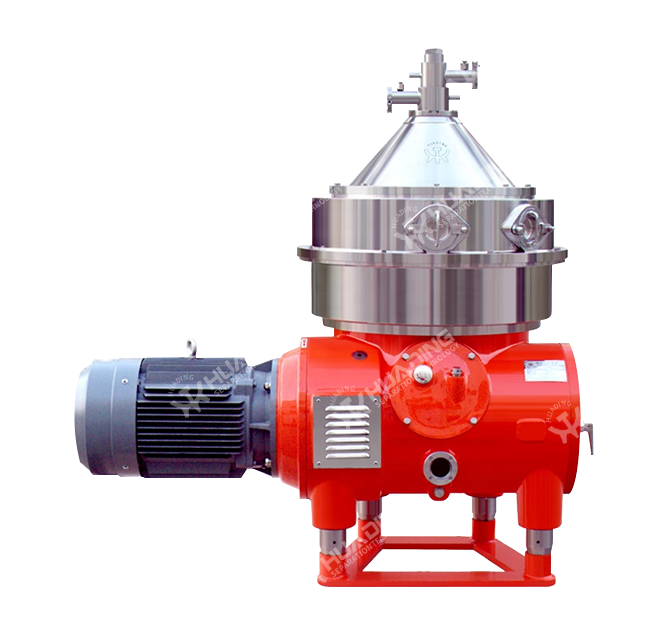
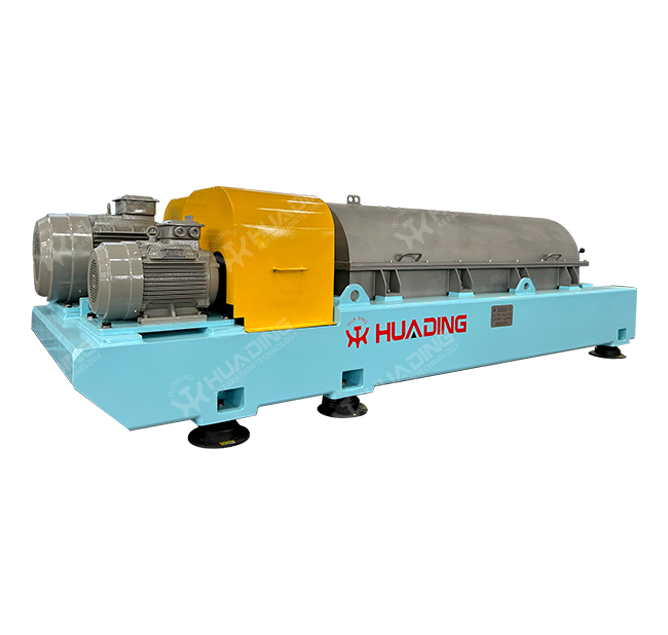
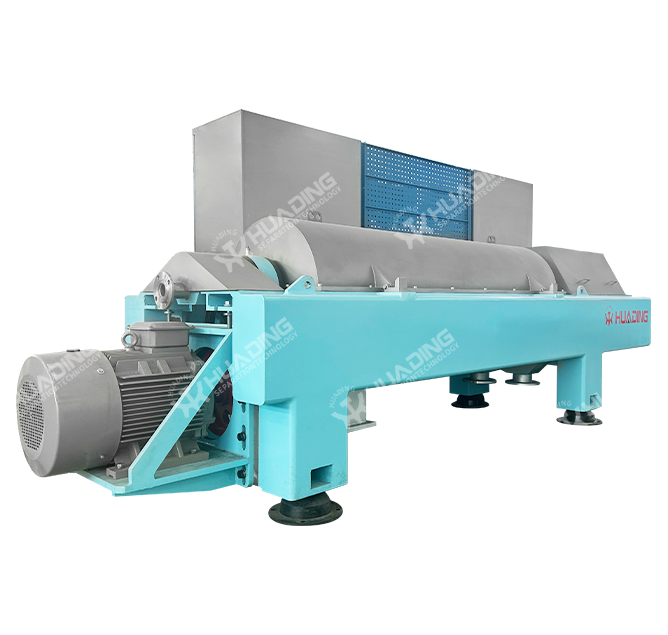
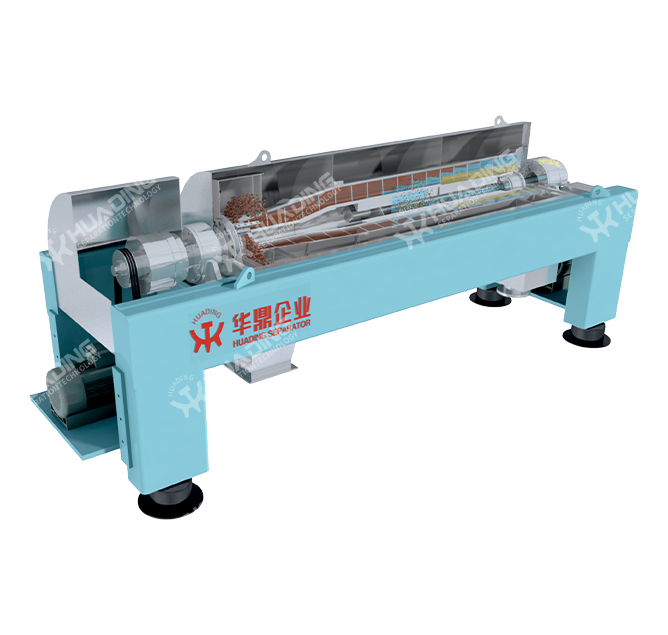
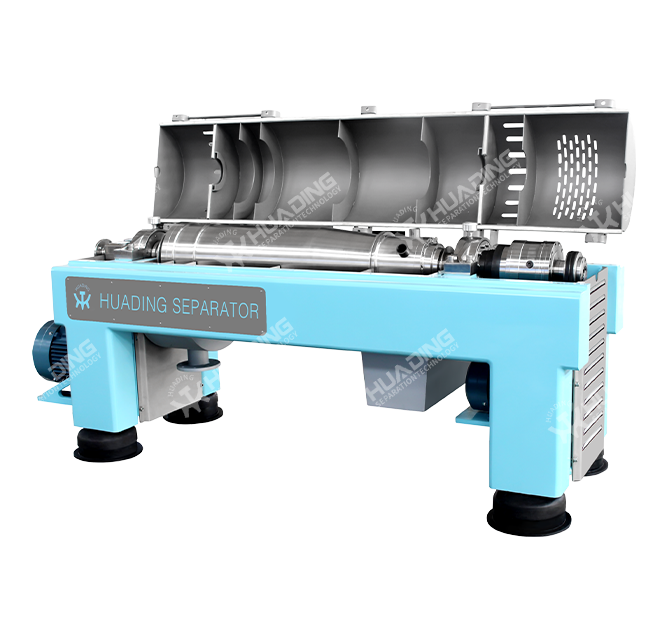
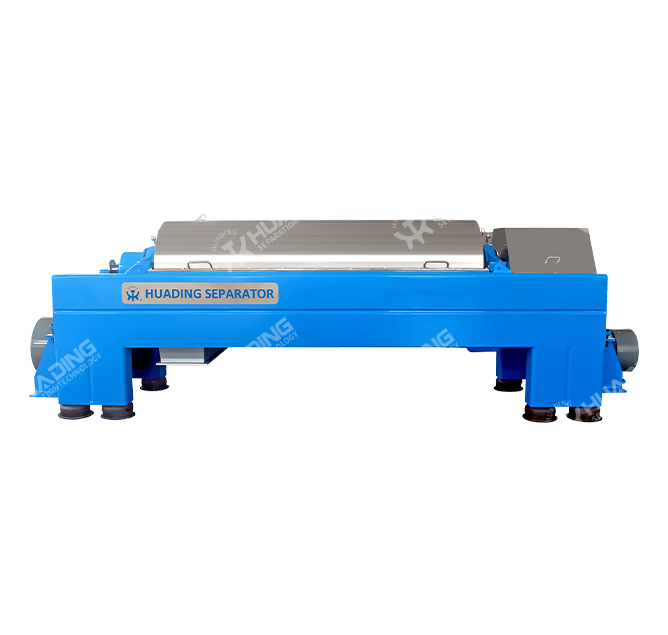
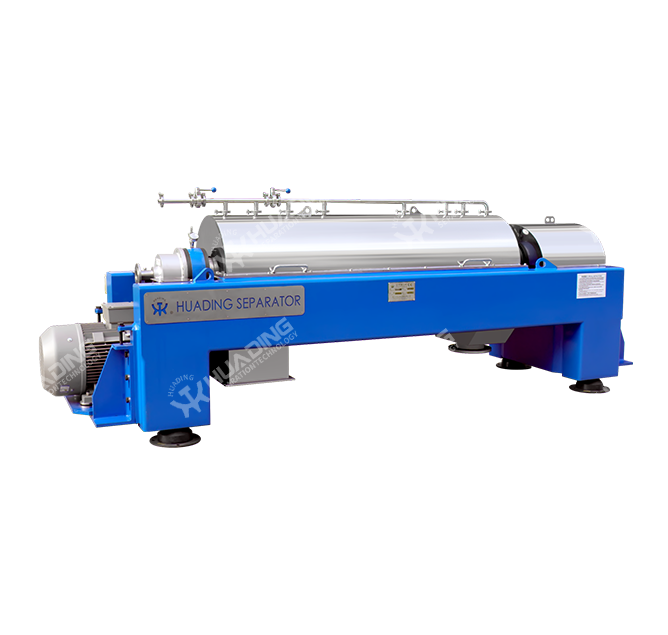
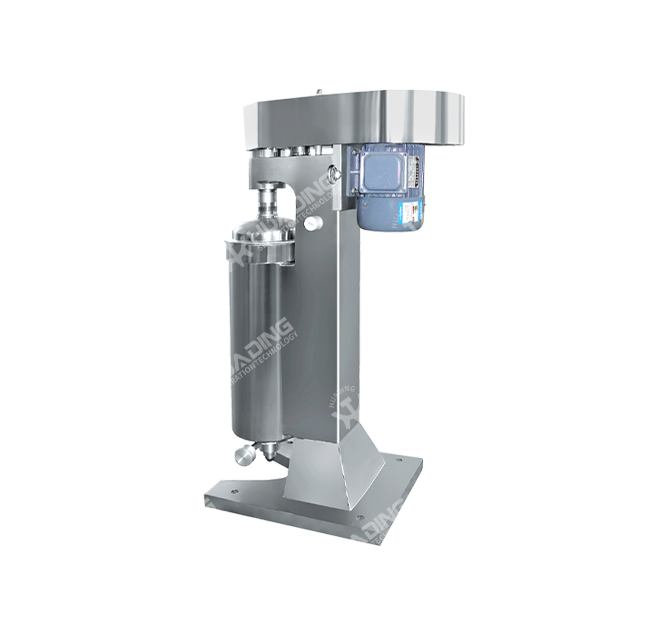
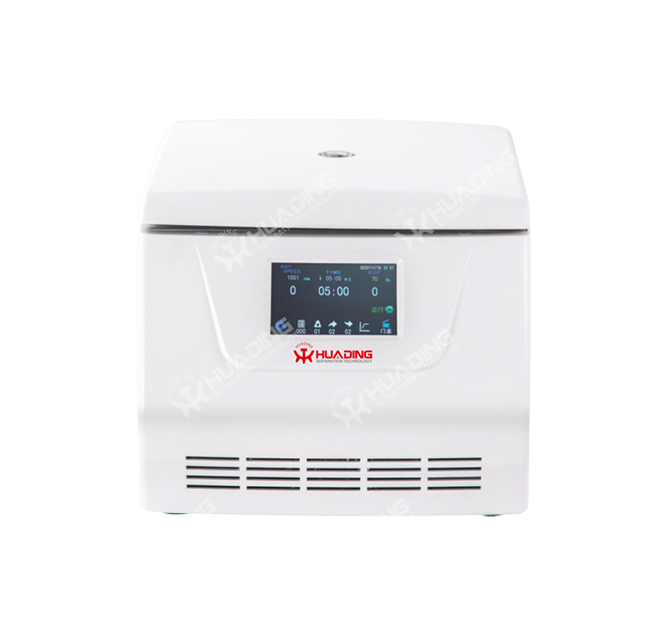
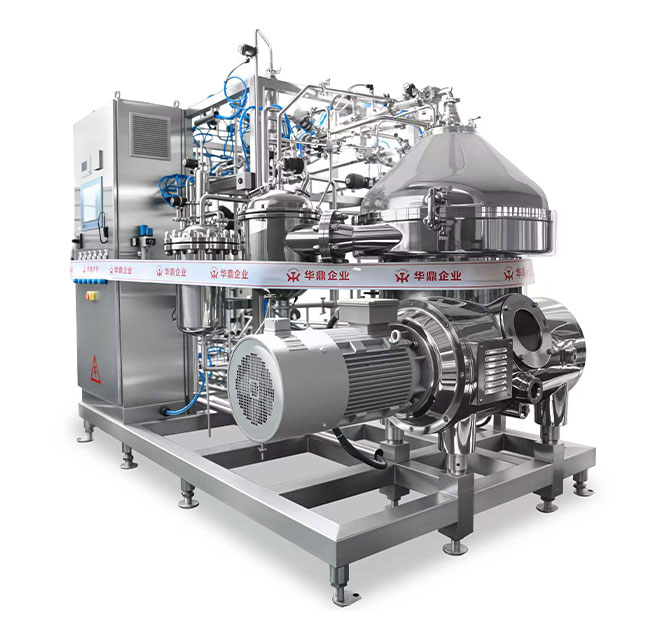
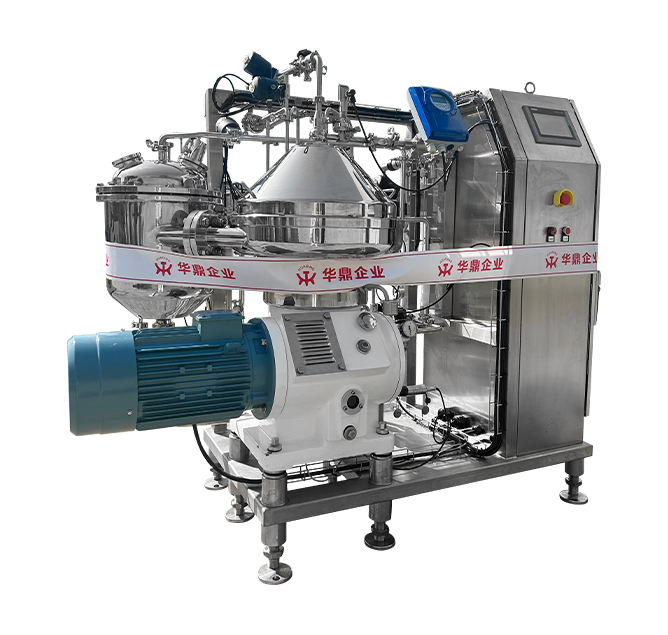
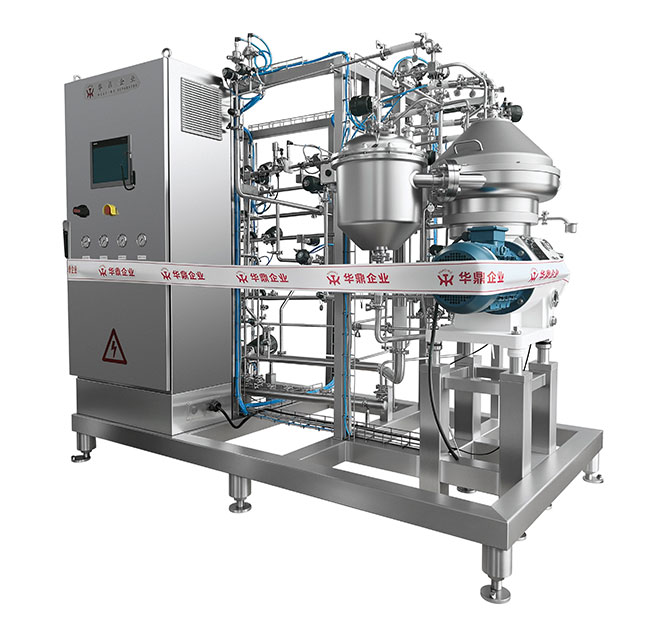
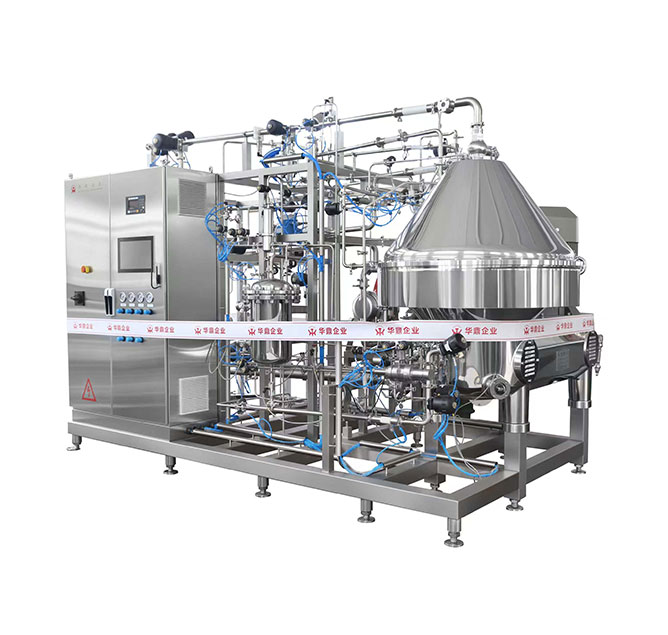
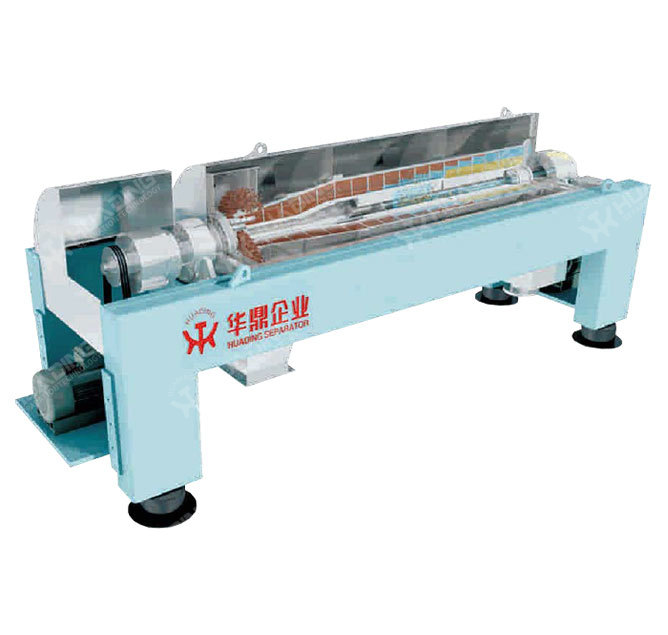
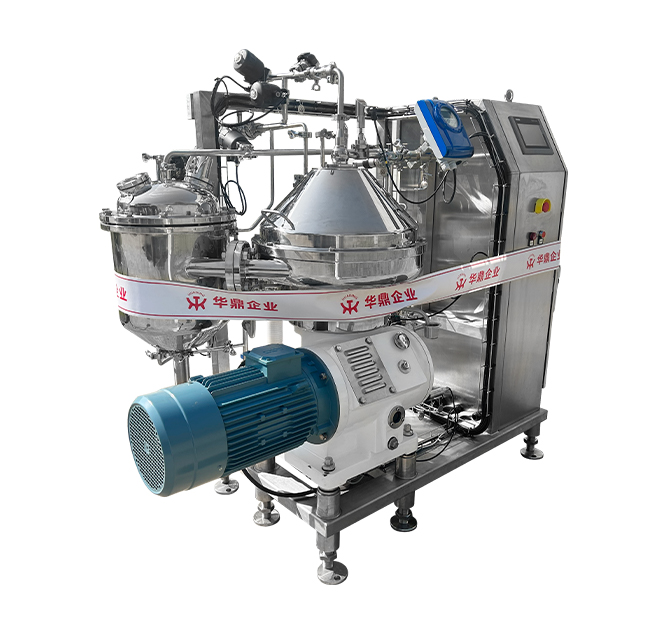
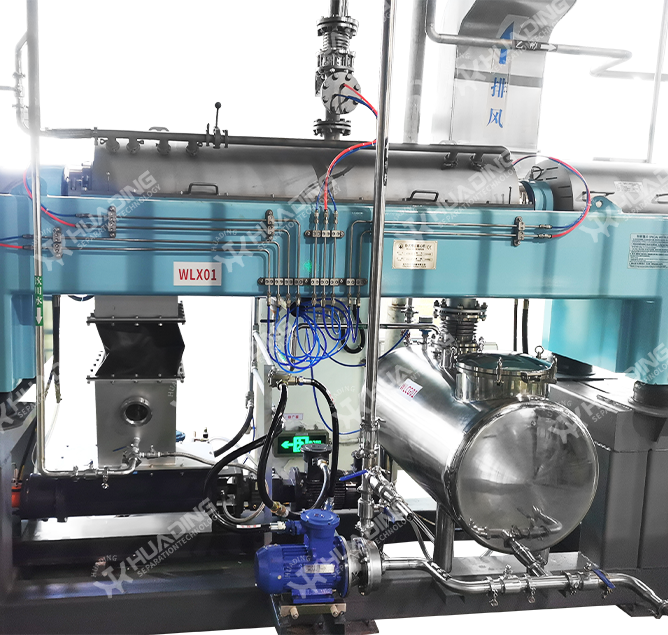
Decanter centrifuges are critical equipment in the chemical industry, primarily used for solid-liquid separation, concentration, dewatering, and other processes. These machines are involved in many complex production lines, and their continuous, efficient operation is essential for maintaining productivity and minimizing downtime. Regular maintenance and proper care are key factors in ensuring that chemical industry decanter centrifuges perform optimally over extended periods. Below are the main maintenance and care considerations for decanter centrifuges in chemical production.
1. Regular Inspection of Mechanical Components
Decanter centrifuges consist of several important mechanical parts, including the decanter drum, screw conveyor, and drive system. Over time, these parts may experience wear and tear, potentially leading to equipment failure. Regular inspection of these components is essential to maintain their performance and longevity.
- Decanter Drum Inspection: The decanter drum is one of the most critical components. Regularly inspect it for cracks, corrosion, or signs of wear on both the inner and outer surfaces. Ensure the drum remains balanced and free from damage. Pay attention to the bearings on the drum and replace any that show significant wear.
- Screw Conveyor Inspection: The screw conveyor's primary function is to remove solid materials from the decanter drum. Check the screw blades for wear and ensure that they rotate smoothly. If the blades are cracked, bent, or show signs of excessive wear, they should be replaced.
- Drive System Inspection: The drive system, including the motor and gearbox, should be checked regularly. Inspect the motor for proper current levels and ensure the gearbox has enough lubrication. If there are signs of irregular noise or vibration, they may indicate an issue with the drive system.
2. Lubrication System Maintenance
The lubrication system is essential to ensuring that the decanter centrifuge runs efficiently. Key components such as bearings, gears, and the screw conveyor require proper lubrication to reduce friction and prevent excessive wear. Regular maintenance of the lubrication system is vital for extending the equipment's lifespan.
- Lubricant Selection and Replacement: Use the appropriate lubricant for the specific operating conditions and manufacturer recommendations. Using incorrect or low-quality lubricants can impair the system’s performance. Change the lubricant periodically to avoid contamination. When replacing the lubricant, ensure that the lubrication system is cleaned thoroughly to remove any old or contaminated oil.
- Lubricant Level Check: Ensure that the lubricant levels are adequate at all times, especially after prolonged operation. Regularly check the lubrication points for oil levels and look for any signs of leakage. Any decrease in oil levels may signal a leak or excessive consumption, both of which need immediate attention.
- Avoid Contaminated Lubricants: Contaminants such as dust, dirt, or water can impair the lubrication system, leading to increased wear on key components. Install filtration systems to prevent contamination and regularly check the oil’s quality to maintain efficient operation.
3. Cleaning Procedures
Keeping the decanter centrifuge clean is crucial for its ongoing operation. Over time, solid material, sludge, and other debris can accumulate inside the machine, which can affect performance and cause blockages. Regular cleaning of both the exterior and interior components is necessary.
- Exterior Cleaning: Clean the external parts of the decanter centrifuge to prevent the build-up of dirt, grease, or chemical residues. Pay particular attention to areas around the motor, bearings, and control panels. Use appropriate cleaning agents and avoid harsh chemicals that may damage the equipment’s surfaces.
- Internal Cleaning: After each production cycle or when the equipment is shut down, perform a thorough cleaning of the internal components. Use high-pressure water jets or cleaning solutions to remove residual sludge or material from the decanter drum and screw conveyor. Make sure to clean the discharge ports and other parts where material may accumulate.
- Drainage System Maintenance: Regularly inspect the drainage system to ensure that pipes and filters are clear of any blockages. Clogged drainage systems can cause operational inefficiencies and lead to increased pressure on the centrifuge, which may damage components.
4. Monitoring Equipment Performance
Decanter centrifuges should be closely monitored to ensure optimal performance. Advanced systems may include sensors and data monitoring to track operating parameters like speed, vibration, and temperature. Monitoring these aspects helps identify potential issues early, allowing for corrective measures before a failure occurs.
- Vibration Monitoring: Excessive vibration is a common issue in decanter centrifuges. High levels of vibration may indicate mechanical problems such as misalignment or worn bearings. Regularly monitor vibration levels and compare them to standard operating parameters. If abnormal vibrations are detected, it may be necessary to stop the machine and investigate the cause.
- Temperature Monitoring: Overheating is a common issue, particularly in high-speed decanter centrifuges. Keep an eye on the temperature of critical components, such as the bearings, gearbox, and motor. High temperatures may indicate a failure in the lubrication system or an overloaded machine, and they should be addressed immediately.
- Pressure Monitoring: Pressure sensors can provide useful insights into the functioning of the centrifuge. Monitoring the inlet and outlet pressures ensures that the separation process is working efficiently. Any deviations in pressure levels may signal problems such as blockages or improper feed flow.
5. Regular Overhaul and Component Replacement
Even with optimal maintenance, decanter centrifuges will experience component wear over time. A regular overhaul schedule should be in place to replace worn or damaged parts and recalibrate the equipment to ensure it performs at its best.
- Scheduled Inspections: Plan for regular inspections, typically every six months or annually, depending on the operating conditions and usage frequency. A comprehensive check-up will help identify any components that are nearing the end of their operational life.
- Component Replacement: Certain parts, such as the decanter drum, screw blades, and bearings, have a limited lifespan. These parts should be replaced when wear or damage is detected. Waiting too long to replace worn parts can lead to catastrophic failure and expensive repairs.
- Calibration: After major repairs or component replacements, the decanter centrifuge should be calibrated. This includes adjusting operational parameters such as speed, torque, and flow rates to ensure the machine is working efficiently.
6. Operator Training
Proper operation is crucial for maintaining the performance and longevity of a decanter centrifuge. Well-trained operators can recognize problems early, avoid mistakes, and ensure the machine runs efficiently.
- Operational Training: Operators should be trained to understand the machine’s operational parameters and how to control them for optimal performance. They should be able to identify abnormal conditions such as vibration, noise, or temperature variations and take corrective action.
- Troubleshooting Skills: Operators should also be trained in basic troubleshooting techniques. Early detection of minor issues, such as excessive noise or pressure fluctuations, can prevent more serious breakdowns.
- Maintenance Awareness: Operators should be aware of the daily, weekly, and monthly maintenance tasks required to keep the centrifuge running smoothly. This includes tasks like checking lubricant levels, cleaning the machine, and inspecting key components.

 English
 русский
 Español
 عربى
عربى 中文简体
中文简体