
 English
 русский
 Español
 عربى
عربى 中文简体
中文简体
WE ARE HAPPY TO SOLVE
PROBLEMS FOR CUSTOMERS
learn more >
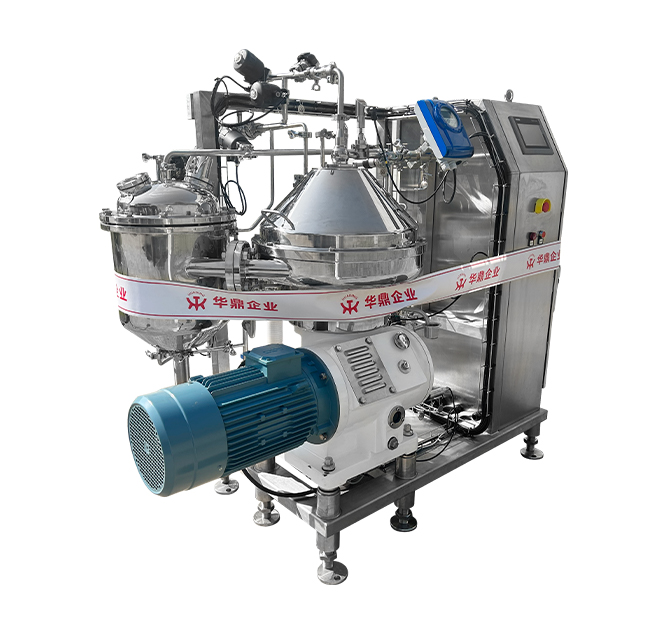
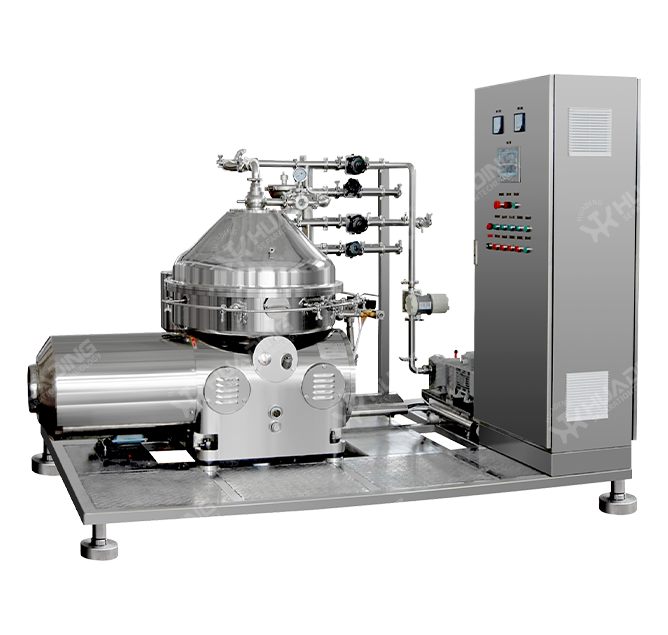
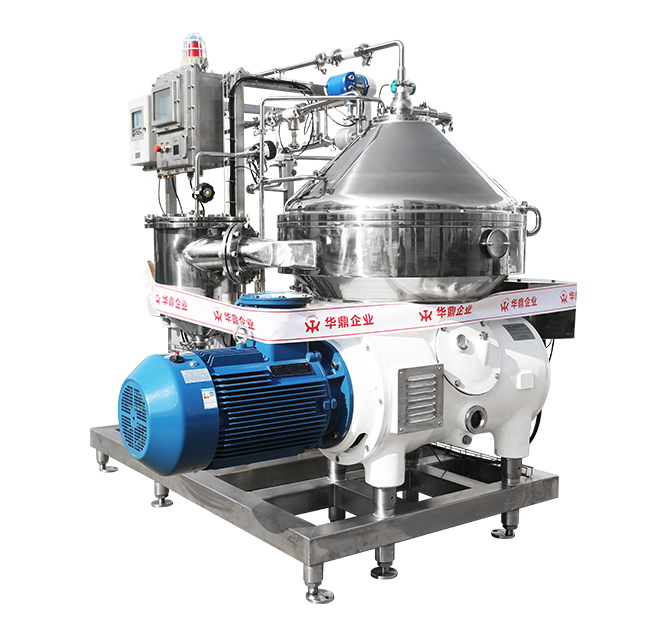
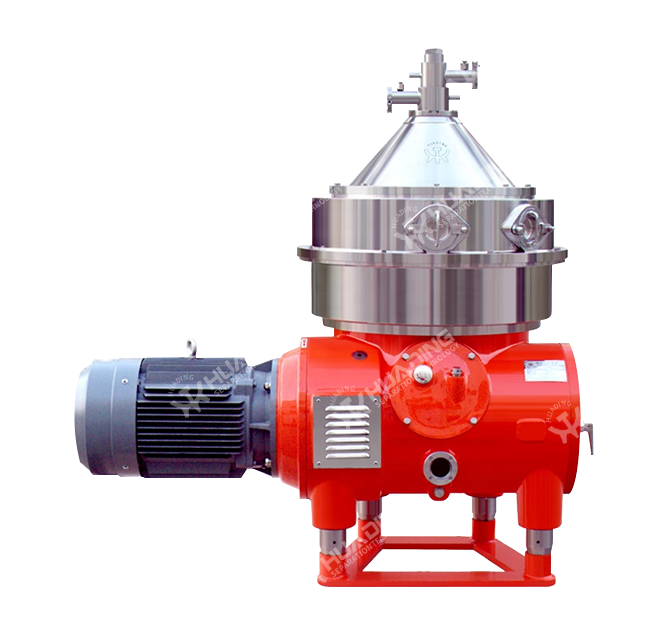
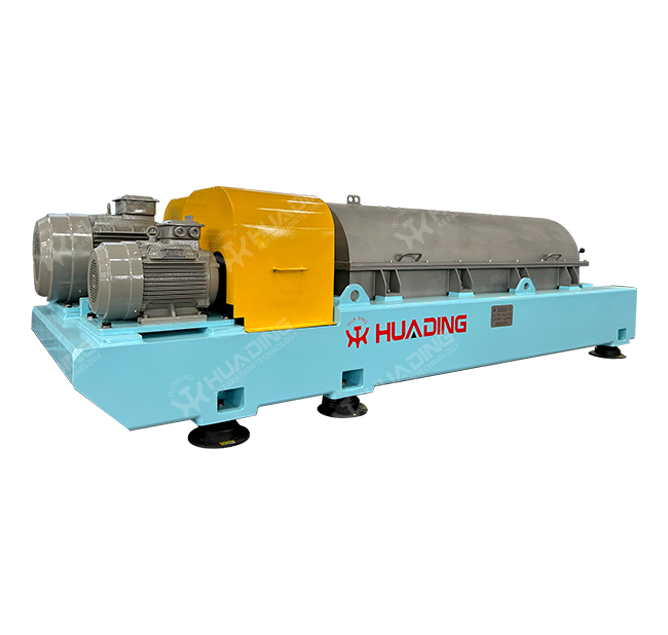
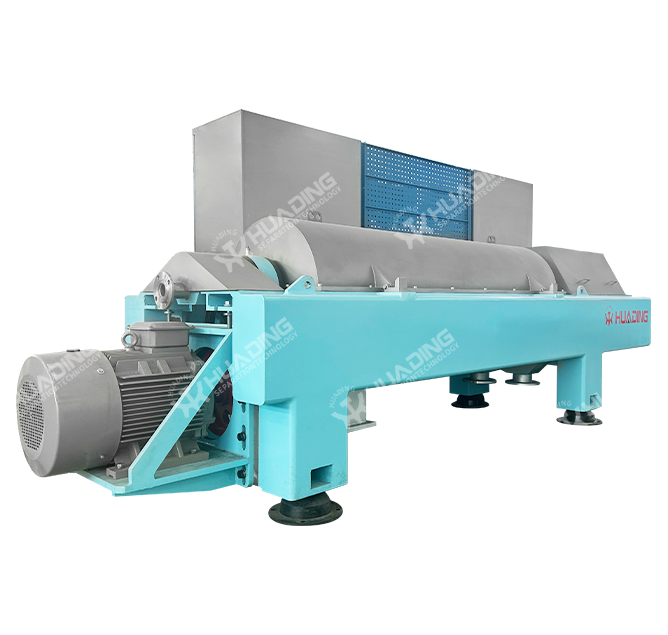
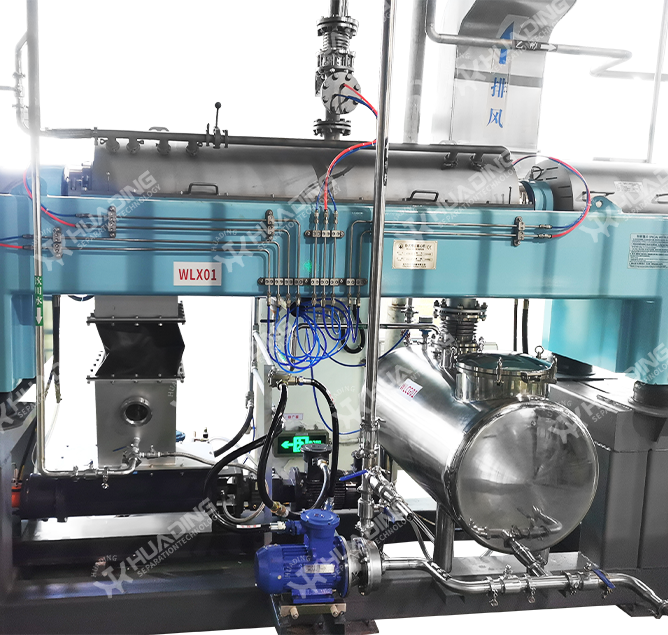
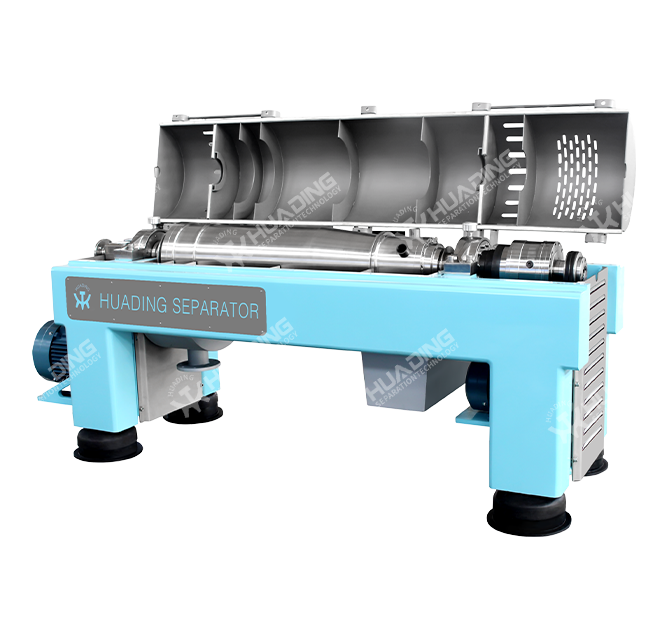
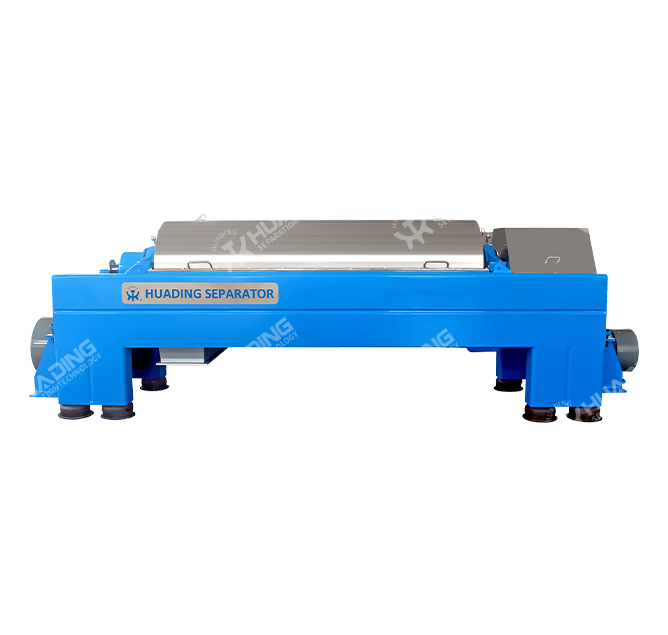
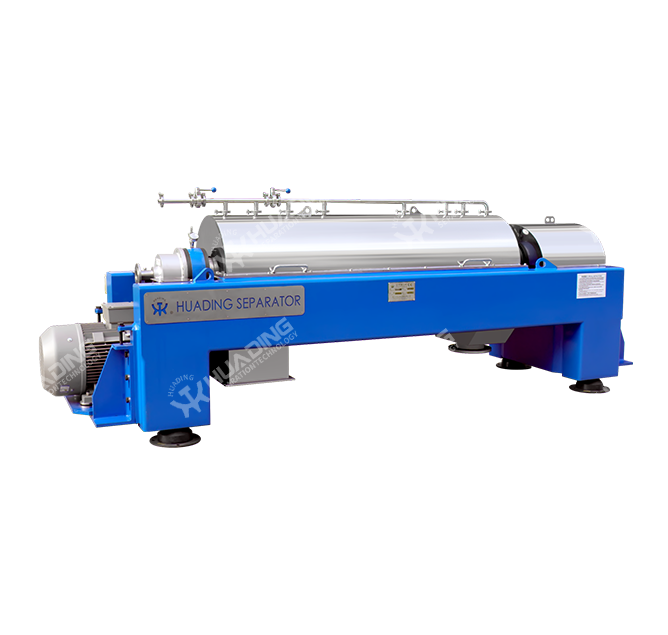
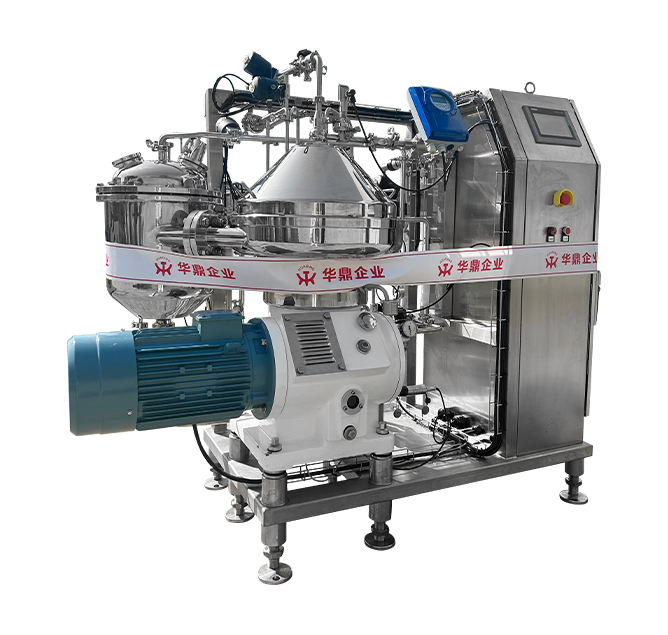
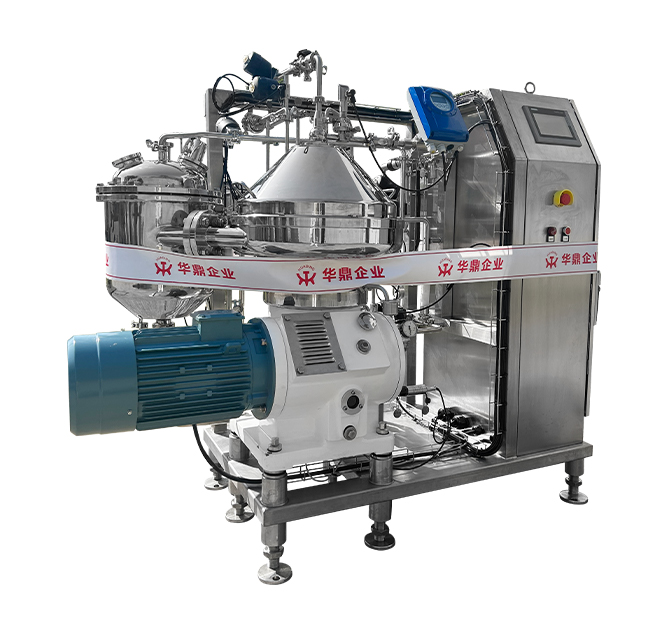
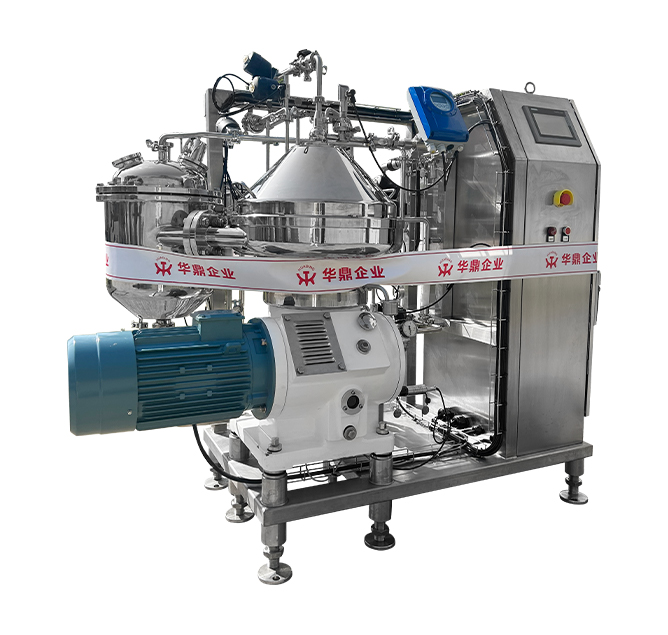
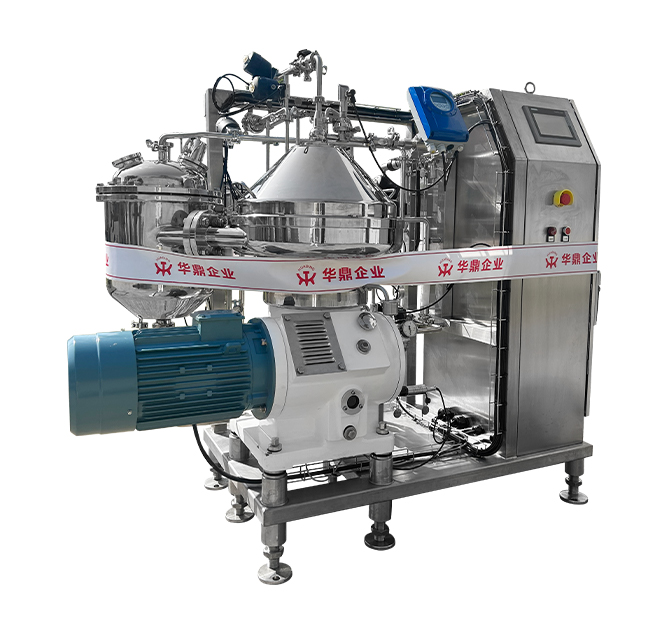
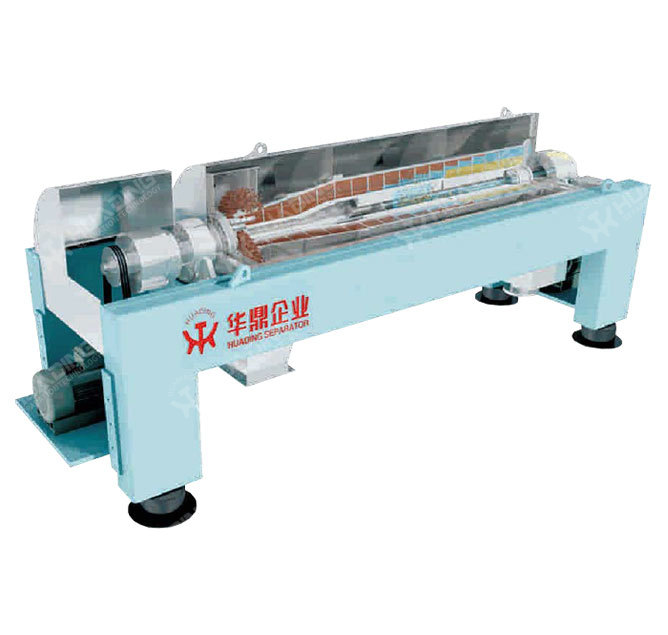
Oil Sludge Application Decanter Centrifuges play a central role in the treatment of oil sludge from refineries, tank bottom cleaning, oilfield waste management, and oily wastewater recovery systems. Temperature conditions determine the rheological behavior of the sludge, the degree of phase separation, the stability of equipment loading, and the overall efficiency of the centrifugal process. Oil sludge characteristics such as high viscosity, heavy hydrocarbon content, variable solid particle size, and emulsified oil structures are highly sensitive to temperature. The temperature level directly influences separation performance, throughput capacity, and energy consumption during continuous operation.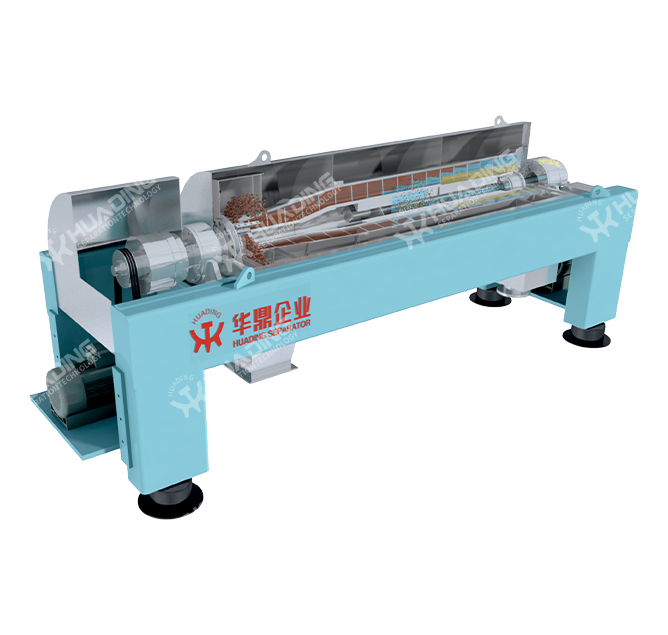
Oil sludge consists of crude oil fractions, produced water, solid sediments, organic residues, and emulsified components. Temperature alters the viscosity and flow characteristics of these materials. As temperature increases, oil viscosity decreases, mobility improves, and solid particles move more freely in the liquid matrix. Lower viscosity reduces resistance to shear forces inside the centrifuge bowl, allowing faster settling of solids under centrifugal acceleration. When temperature drops, viscosity rises sharply, restricting flow and making the sludge more cohesive. High-viscosity sludge is difficult to pump, difficult to feed, and difficult to separate. Elevated resistance causes operational instability, increased torque on the scroll conveyor, and greater mechanical stress on the drive system. Temperature control becomes essential to maintain predictable flow behavior from the feed pipeline to the separation zone.
Most oil sludge systems show optimal separation performance within the 45–70°C operating range. In this range, the oil phase exhibits lower viscosity, density differences between phases become more distinct, and solid particles settle more efficiently. For waxy or heavy crude sludge, temperatures near the upper part of this range help melt wax crystals and prevent wax accumulation inside the centrifuge. High-oil, high-solid sludge responds significantly to temperature improvement because reduced viscosity promotes more effective displacement of liquids from the solid surface. Low temperatures limit the scroll conveyor’s ability to move sludge due to high internal resistance. Reduced flowability lowers throughput, increases differential torque demand, and prevents the centrifuge from reaching target performance levels. Temperature management ensures stable separation interfaces and consistent processing capacity.
Oil sludge frequently contains persistent emulsions formed by surfactants, fine solids, asphaltenes, and sheared oil droplets. These emulsions become more stable at low temperatures, creating small droplet sizes and tight dispersion. High temperature reduces interfacial tension between oil and water, allowing oil droplets to coalesce. Larger droplets settle or float more predictably under centrifugal force. For three-phase decanter centrifuges, temperature determines the clarity of the separation boundaries inside the bowl. Insufficient temperature results in oil carryover with fine water droplets, creating an oil phase that fails to meet reuse or downstream processing requirements. With proper temperature, the light-liquid outlet receives cleaner oil, the separation zone stabilizes, and the water phase discharges with lower hydrocarbon content. The position and stability of the internal separation interface depend strongly on the temperature of the incoming sludge.
High-viscosity sludge increases torque on the scroll conveyor and power consumption on the main motor. As temperature decreases, the thickened sludge creates friction along the bowl wall and inside the conical section. The scroll must overcome greater resistance to push solids toward the discharge ports. Motor load rises, energy usage spikes, and protective systems may trigger to prevent overload. Higher temperature improves flowability and reduces mechanical strain on rotating components. The centrifuge maintains smoother conveying action, more consistent discharge pressure, and lower vibration levels. Reduced internal resistance allows the machine to achieve rated flow capacity with lower energy input. Stable temperature produces stable load patterns, extending equipment life and improving operational continuity.
Solid particles in oil sludge usually retain oil films or entrained water. Higher temperature breaks down these films, reduces viscosity in the liquid phases, and facilitates migration of water into the separated aqueous layer. The solid discharge becomes drier and easier to handle. Lower temperature produces sticky solids that adhere to the bowl wall or accumulate inside the conveyor flights. Sticky solids reduce separation efficiency, limit bowl clarity, and increase the likelihood of partial blockages. Proper temperature allows solids to release trapped liquids, improving dryness, lowering residual oil content, and simplifying downstream handling or disposal processes. Temperature becomes a decisive factor in achieving environmental compliance for solid waste.
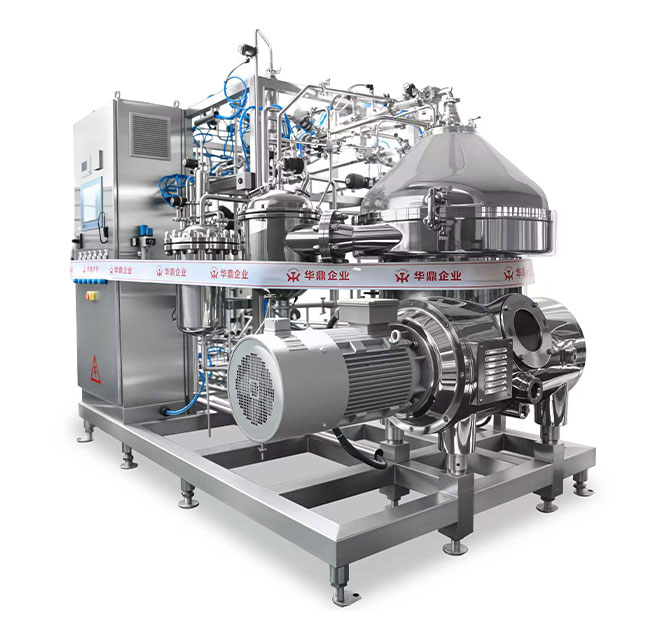
Preheating systems such as steam heat exchangers, electric heaters, or thermal fluid circuits are commonly integrated before the decanter centrifuge. Temperature consistency ensures stable pumping pressure, predictable flow rate, and reduced risk of sudden viscosity spikes. Inadequate temperature leads to fluctuations in feed rheology, causing dynamic imbalance and increased vibration inside the centrifuge. Stable temperature creates stable separation zones and prevents irregular torque variations. Continuous operation becomes more reliable with reduced mechanical stress, lower risk of shutdowns, and improved operational safety. Temperature contributes directly to the long-term stability of the centrifuge and the entire sludge-treatment line.
Copyright ©Yixing Huading Machinery Co.,Ltd. All Rights Reserved. Custom Centrifugal Separator Factory