
 English
 русский
 Español
 عربى
عربى 中文简体
中文简体
WE ARE HAPPY TO SOLVE
PROBLEMS FOR CUSTOMERS
learn more >
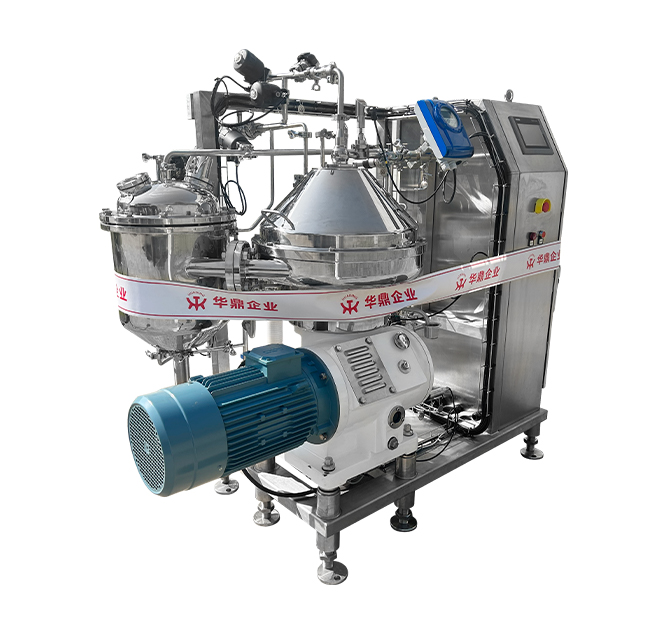
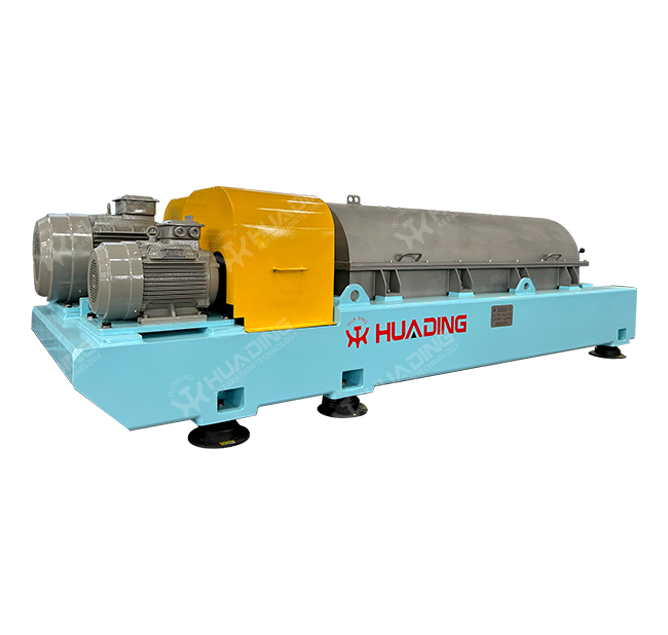
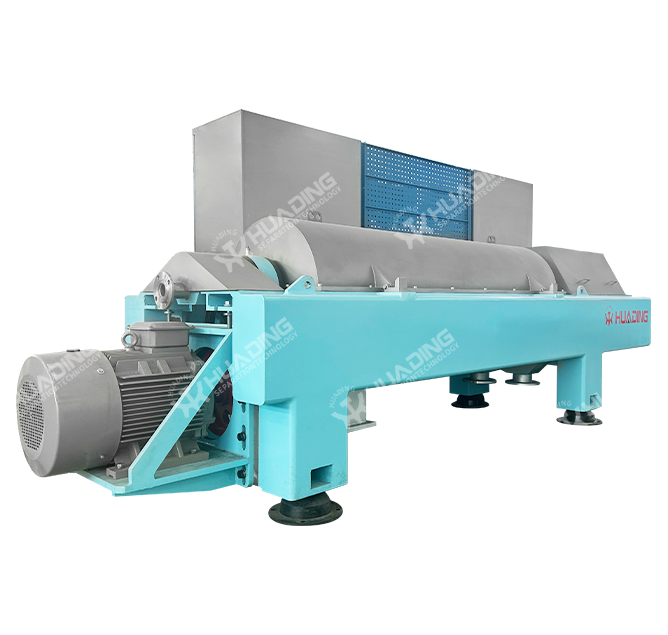
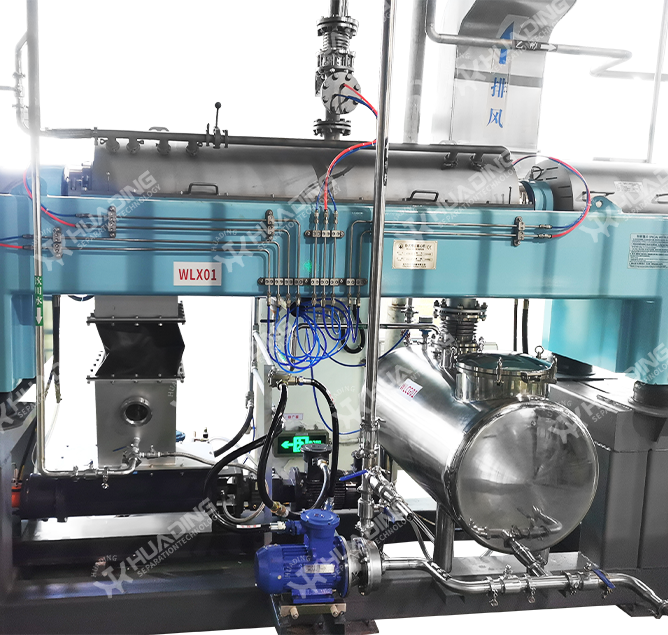
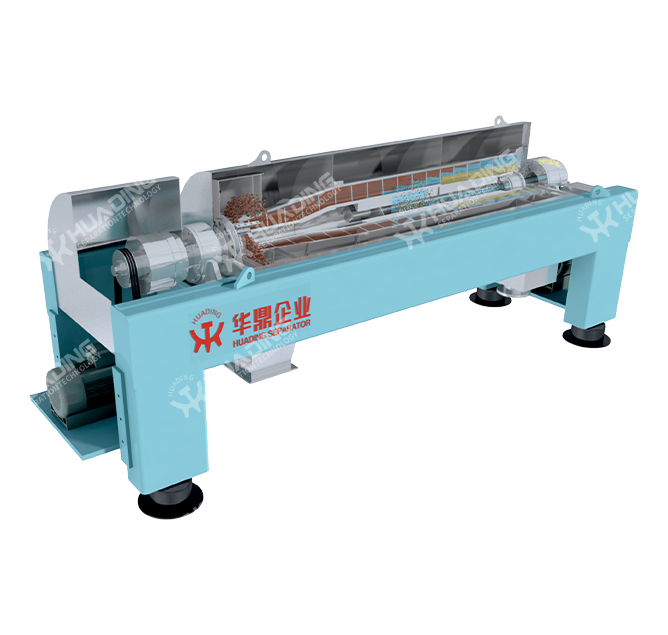
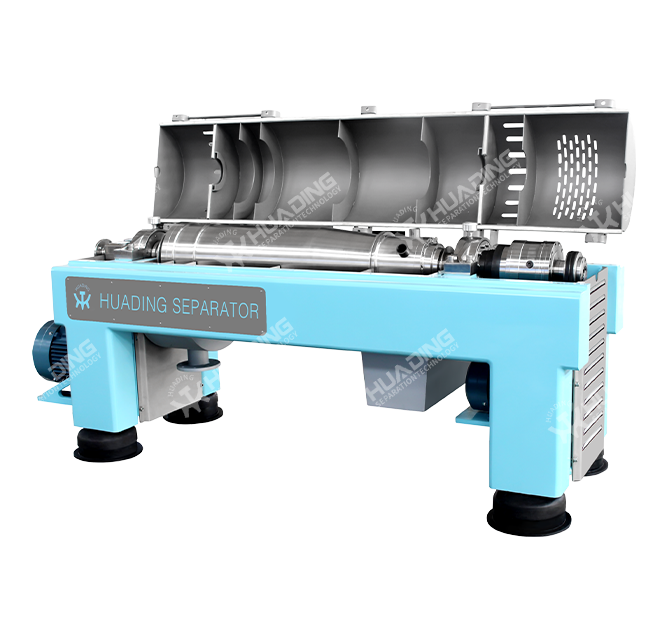
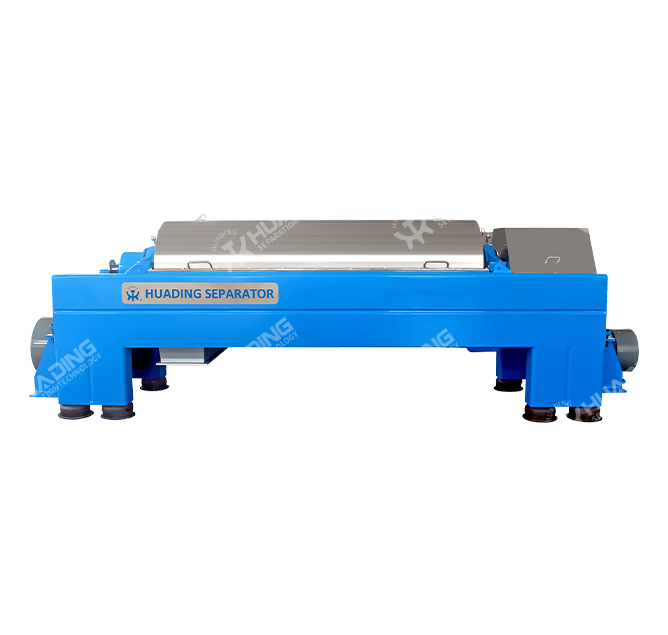
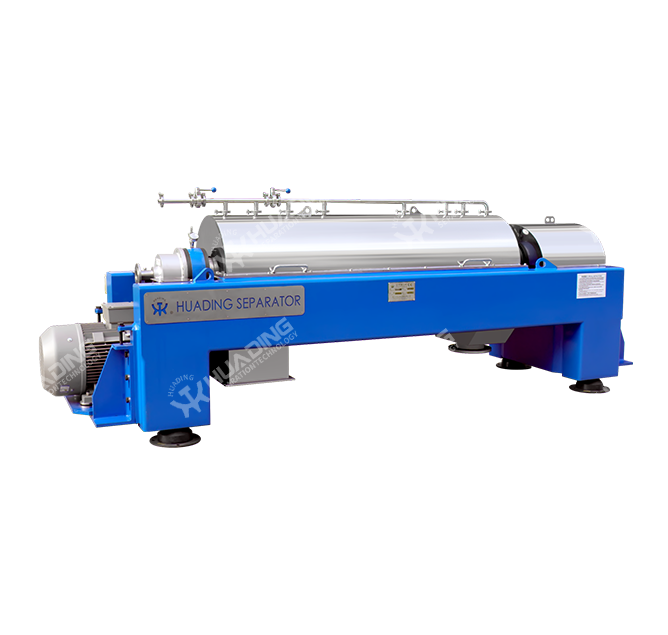
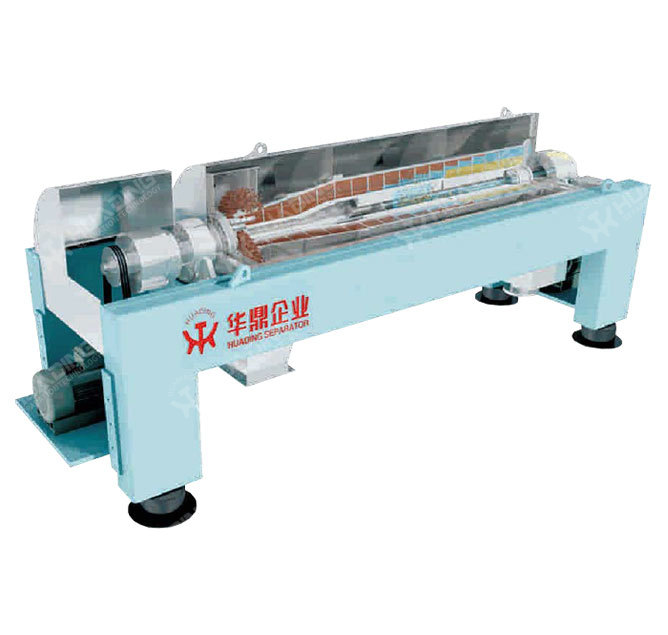
Oil Sludge Application Decanter Centrifuges operate continuously in refinery sludge treatment, tank bottom cleaning, oilfield waste management, and oily wastewater recovery systems. Oil sludge contains heavy hydrocarbons, high solid content, fine particles, stable emulsions, and variable viscosity. These characteristics cause the decanter centrifuge to face high mechanical load and unstable hydraulic conditions. Common failures directly affect throughput capacity, separation efficiency, and equipment service life. Understanding typical failure types is essential for maintaining operational stability in oil sludge processing environments.
High solid concentration, insufficient sludge temperature, and high viscosity generate strong resistance inside the bowl. The scroll conveyor encounters difficulty pushing solids toward the discharge ports. Torque rises above the preset threshold. The control system triggers overload protection. Accumulated solids in the beach section block the conical area. Differential speed adjustment becomes limited. Continuous torque increase leads to partial blockage at the overflow zone. The machine enters load-reduction mode. Torque-related shutdowns represent one of the most frequent failure types in oil sludge decanter centrifuges.
Uneven sludge composition, fluctuating feed rate, and irregular solid distribution disrupt the dynamic balance of the rotating assembly. Vibration intensity increases and affects the load on the main bearings. High-sand sludge forms uneven sediment layers along the bowl wall, causing eccentric rotation. Temperature fluctuation changes sludge viscosity and alters flow patterns. Worn scroll flights weaken conveying stability and amplify load variation. Increased vibration levels eventually activate vibration protection. Bowl vibration is a typical mechanical failure with significant impact on equipment lifespan.
Low sludge temperature decreases flowability. High oil content and stable emulsions blur the internal separation interface. Settling velocity of solids decreases. Liquid channels experience intermittent disturbance. Oil phase contains increased solid particles. Three-phase decanters exhibit unstable pressure at heavy-liquid and light-liquid outlets. Throughput gradually declines. Solid discharge contains higher oil content. Water phase shows elevated suspended solids. Oil phase purity decreases. Fluctuating sludge properties cause difficulty maintaining optimal separation performance. Reduced throughput is a prominent process-related failure.
Sudden increase in solid load, elevated sand content, and rising viscosity generate excessive discharge pressure at the solids outlet. Sediment accumulates near the cone section. The scroll fails to transport the solids effectively. Irregular wear around the discharge ports results in partial obstruction. Excess moisture in solids increases adhesion and prevents smooth discharge. Accumulated material leads to torque increase and vibration anomalies. Continued buildup triggers forced shutdown. Solids discharge failure is common under high-load oil sludge conditions.
Pumping pressure becomes unstable due to variable sludge viscosity. Temperature changes create inconsistent flow behavior. Solid deposition inside pipelines causes sudden pressure spikes. Feed flow rate oscillation disrupts internal flow patterns in the bowl. Differential speed experiences frequent adjustments. Liquid-level control reacts irregularly. Outlet pressure of light and heavy liquid phases fluctuates. Extended pressure instability reduces separation quality and continuity of operation.
Scroll flights experience continuous abrasion from sand-rich sludge. Hard particles erode the bowl wall. Wear occurs around the liquid discharge ports. Loss of protective tungsten-carbide layers reduces conveying efficiency. Altered gaps between the bowl and the scroll reduce separation precision. Worn surfaces promote localized solid buildup. Internal wear leads to gradual performance degradation over long-term operation. Abrasion-related failure is common in applications involving mineral particles or solid contaminants.
Insufficient sludge temperature causes rapid decline in separation efficiency. Heater malfunction produces unstable temperature profiles. Steam supply fluctuation results in inability to maintain required thermal conditions. Temperature deviation triggers a chain of failures including torque increase, reduced throughput, and higher oil content in solids. Temperature irregularities represent a major influencing factor in oil sludge centrifuge performance.
PLC systems monitor torque, vibration, motor current, differential-speed load, and liquid-level sensors. Any parameter exceeding its threshold activates automatic shutdown. Electrical noise creates false alarms. Sensor malfunction produces inaccurate readings. Pressure transmitters fail to control feed stability. Differential-speed drive module faults create inconsistent scroll speed. Electrical control issues disrupt continuous processing even when mechanical components function normally.
Three-phase decanter centrifuges depend on a stable internal separation boundary. Flow rate fluctuations, viscosity variations, and temperature shifts cause the interface to drift. Oil phase contains entrained water droplets. Water phase carries increased hydrocarbon content. Misaligned overflow weirs create uneven liquid distribution. Liquid-level regulators respond slowly. Interface instability weakens oil–water separation quality and increases downstream treatment burden.
The differential gearbox controls the speed difference between the scroll and the bowl. High-load sludge increases internal pressure on the differential. Lubrication issues cause temperature rise. Control system failure delays speed adjustment. Unstable differential speed reduces solids conveying capacity. Accumulated solids increase pressure inside the bowl. Differential gearbox faults represent critical drivetrain failures with direct impact on continuous operation.
 |
 |
 |
Copyright ©Yixing Huading Machinery Co.,Ltd. All Rights Reserved. Custom Centrifugal Separator Factory