
 English
 русский
 Español
 عربى
عربى 中文简体
中文简体
WE ARE HAPPY TO SOLVE
PROBLEMS FOR CUSTOMERS
learn more >
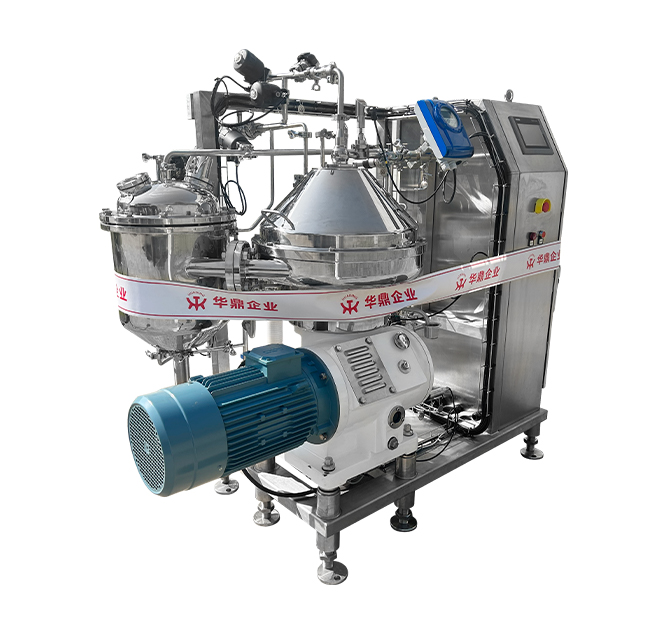
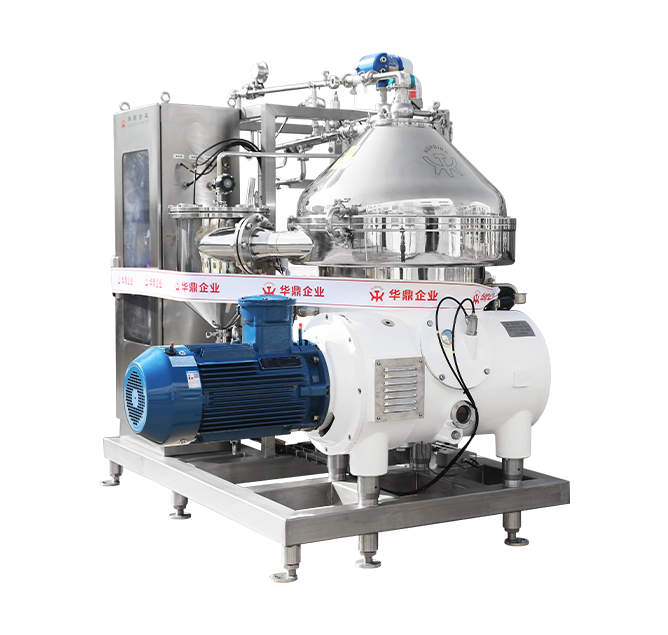
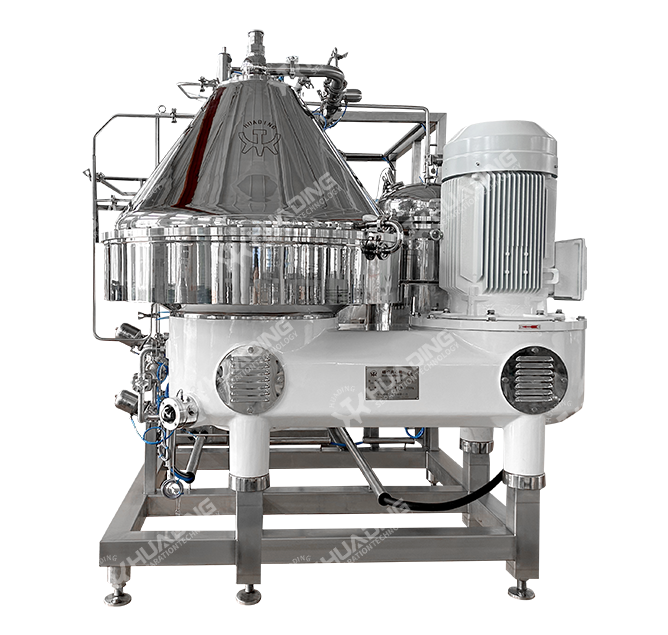
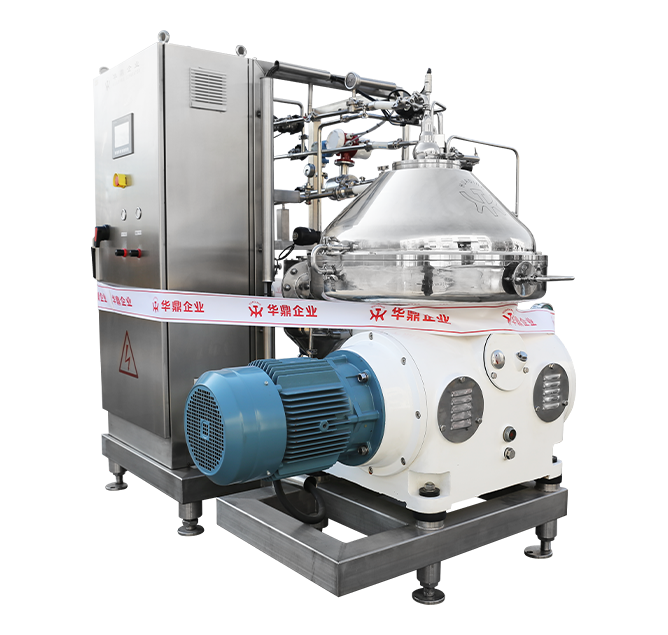
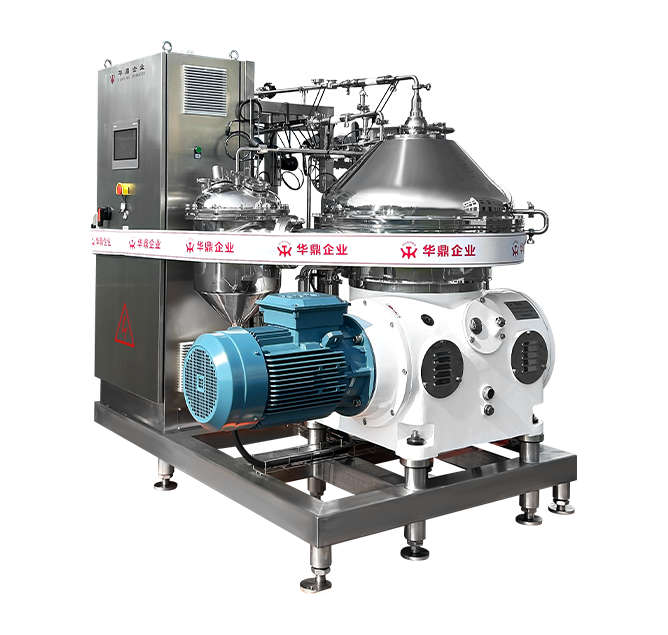
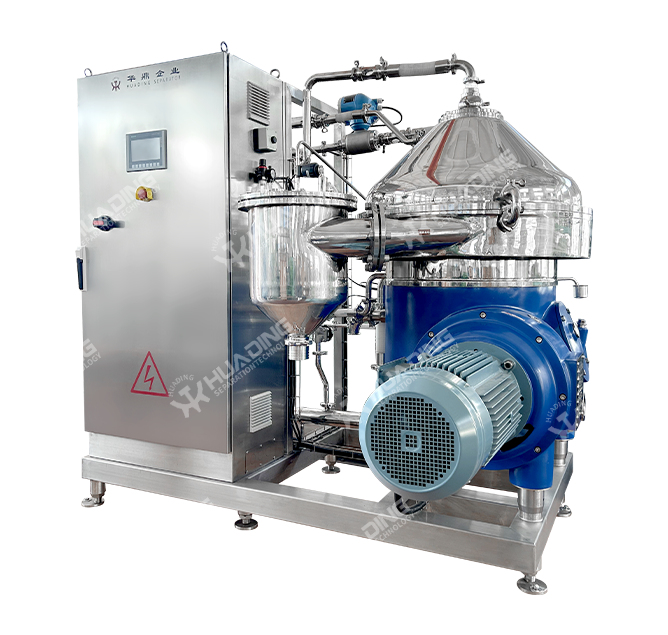
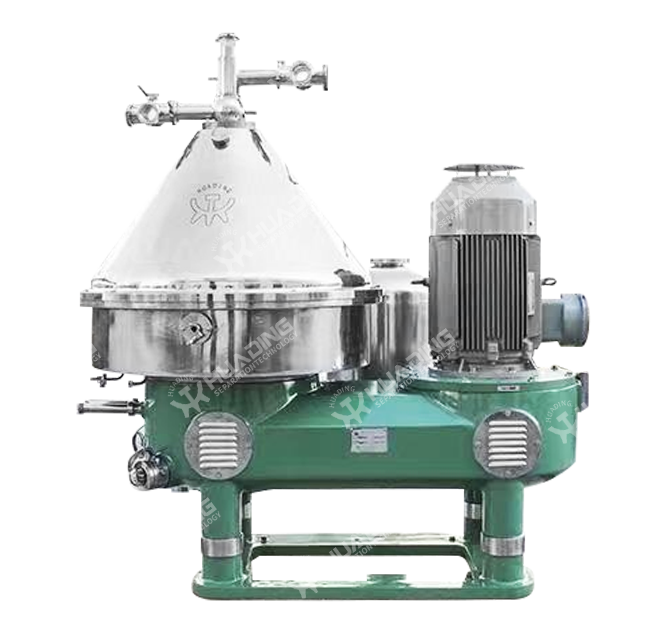
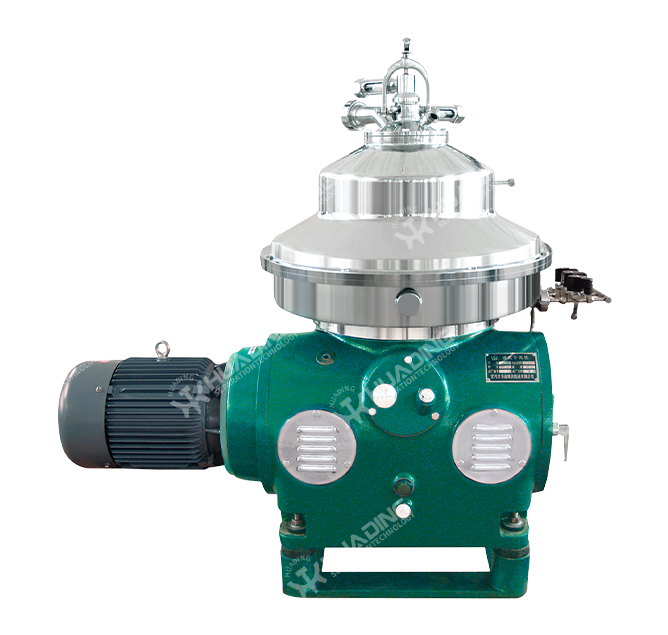
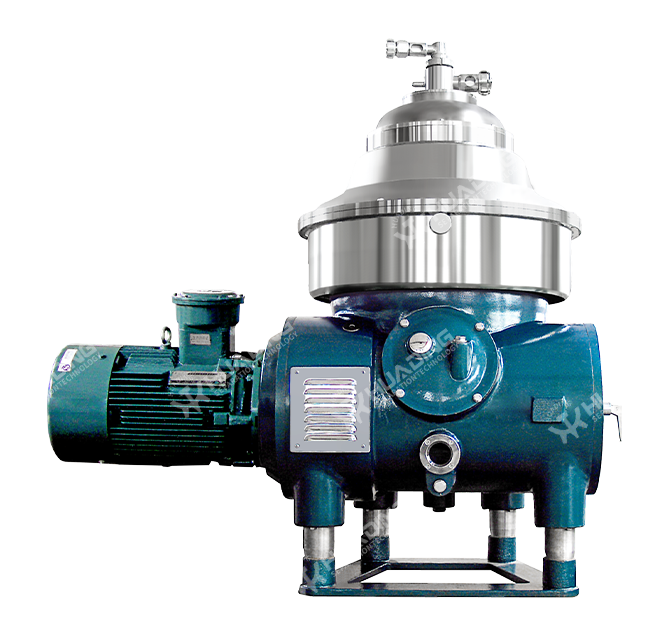
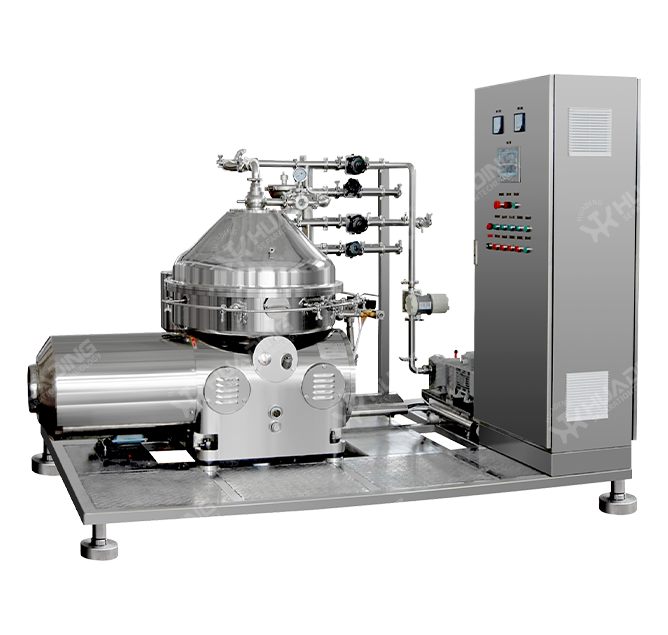
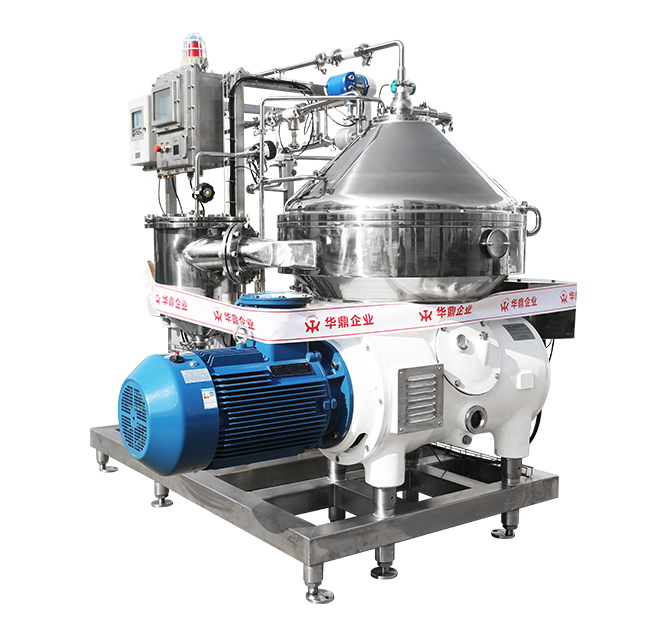
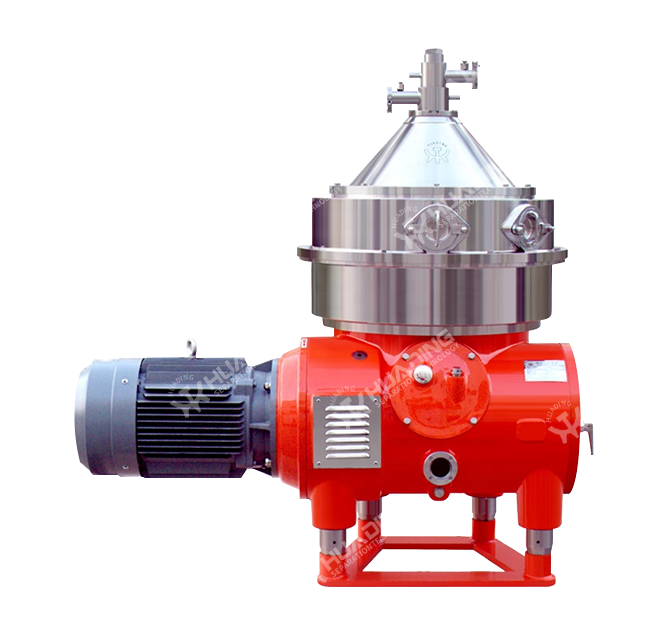
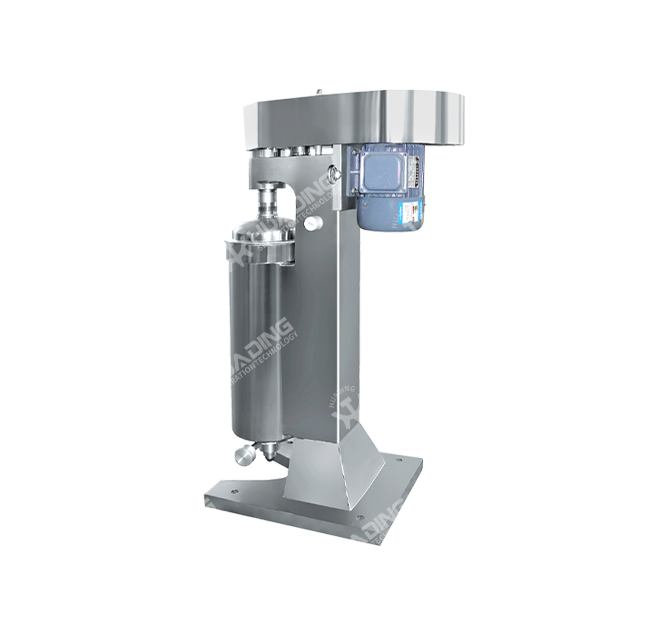
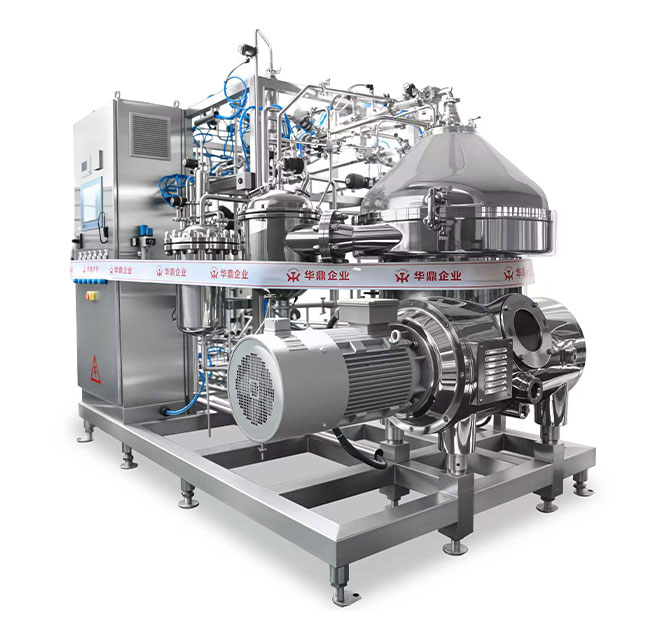
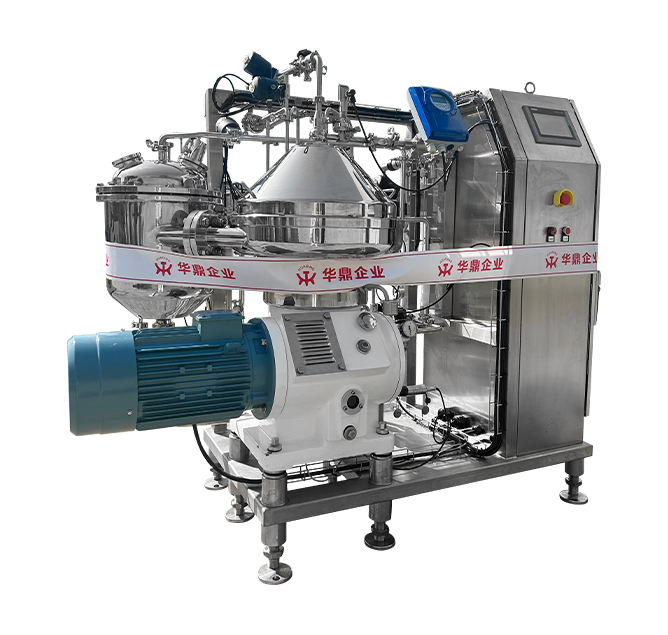
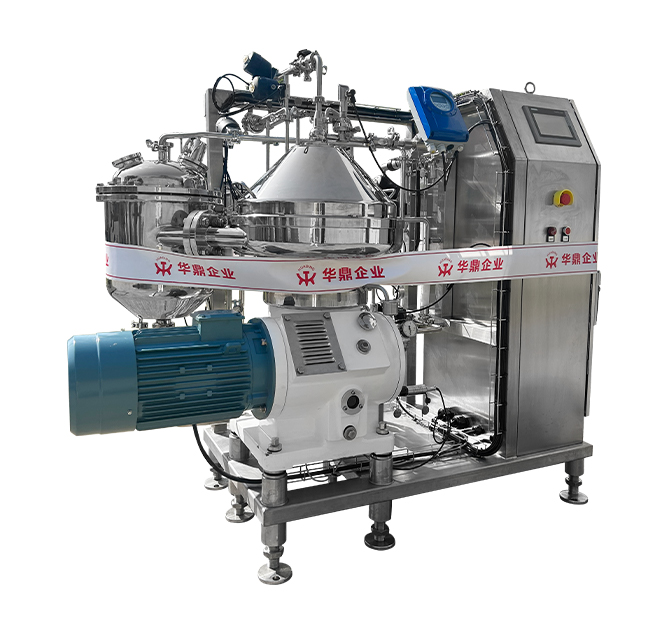
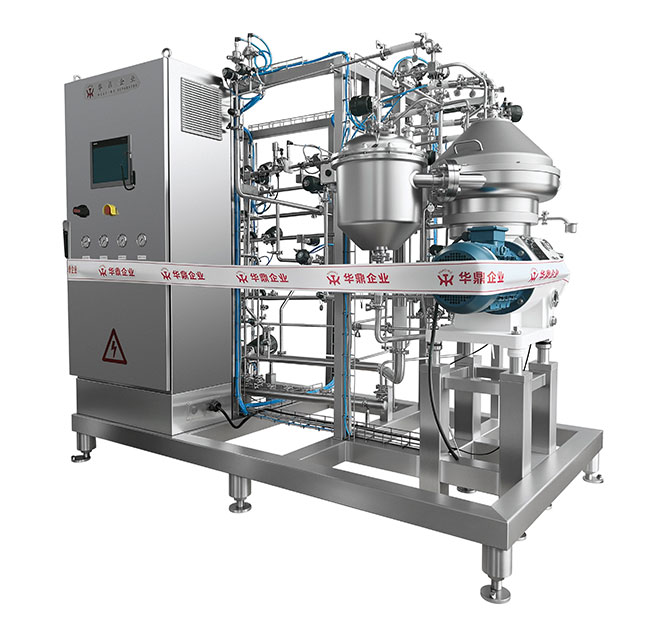
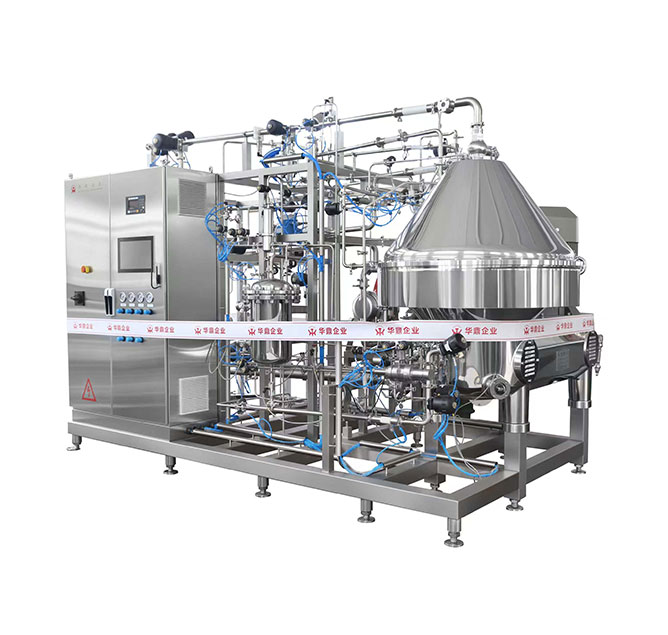
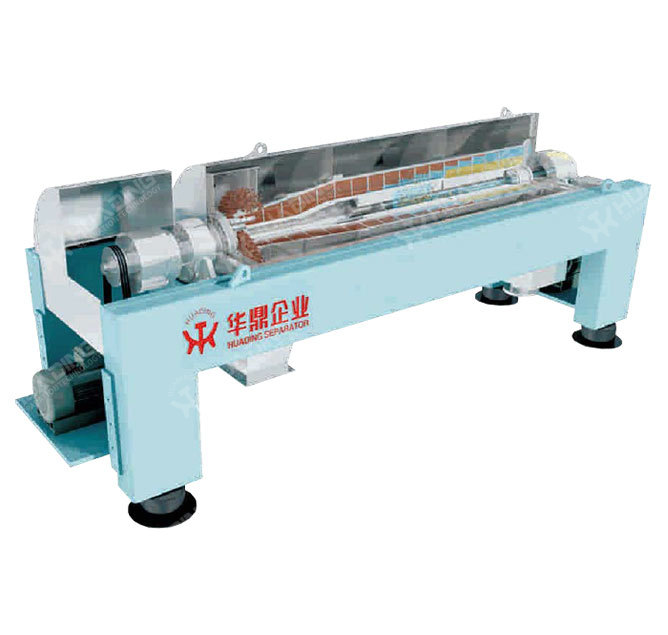
The Disc Stack Centrifuge stands as a cornerstone in industrial separation technology, utilizing high-speed rotation and a specialized disc stack (Disc Stack) to achieve highly efficient multi-phase separation. Within professional circles, these centrifuges are fundamentally categorized into two configurations based on their function and the number of phases they separate: the Purifier and the Clarifier. A precise understanding of the structural distinctions, operational principles, and application focuses of these two types is vital for accurate equipment selection and process optimization.
The Clarifier is designed for Two-Phase Separation, specifically Solid-Liquid Separation. Its primary goal is to remove suspended solid particles from a liquid to enhance the liquid's clarity (or transparency).
Phases Separated: Two phases (Solid Phase and Liquid Phase).
Typical Applications: Milk Clarification (removing somatic cells and fine sediment), clarifying raw oil or fruit juices by removing fine solid impurities, clarifying fermentation broths, or removing residual pigments or colloids during refining.
Products: One clarified liquid phase and one solid phase (sludge).
The Purifier is configured for Three-Phase Separation, specifically Liquid-Liquid-Solid Separation. Its main objective is to separate two immiscible liquids of different densities while simultaneously removing any entrained solid impurities.
Phases Separated: Three phases (Heavy Liquid Phase, Light Liquid Phase, and Solid Phase).
Typical Applications: Mineral oil dehydration and purification (e.g., marine fuel or lubricating oil), degumming and dehydration in edible oil refining, and separating water-in-oil emulsions (e.g., crude oil dewatering).
Products: One Light Liquid Phase, one Heavy Liquid Phase, and one Solid Phase (sludge).
Both the Clarifier and the Purifier share similarities in the core rotating assembly (Bowl) and the Disc Stack structure. However, the critical differentiation lies in the design of the liquid outlets (overflow ports) and the inclusion of the Gravity Disc (or Ring Dam).
The Clarifier bowl is designed with outlets for only a single liquid phase.
Liquid Outlet: Only one liquid outlet is present, dedicated to discharging the clarified liquid.
Disc Stack Center: The central channel of the Disc Stack (which would serve as the heavy liquid outlet in a Purifier) is typically completely sealed or designed as a dead-end. Since the Clarifier handles only two phases (solid and liquid), there is no heavy liquid phase to be discharged.
Separation Interface: The Clarifier configuration does not require the precise control of a liquid-liquid separation interface. All processed liquid exits through the single outlet.
The Purifier design necessitates the simultaneous discharge of two liquid phases.
Liquid Outlets: It features two independent liquid outlets, designated for discharging the Light Phase and the Heavy Phase, respectively.
Gravity Disc: This is the defining feature of the Purifier. It is a replaceable annular ring that is fitted at the heavy liquid outlet. By changing the inner diameter of this disc, the operator can precisely adjust the position of the Separation Interface inside the rotating bowl.
Interface Control: The diameter of the Gravity Disc directly dictates whether the separation interface shifts towards the central axis or the bowl wall. Selecting the correct disc is crucial; it ensures maximum separation of the two liquid phases while preventing the heavy phase from escaping via the light phase outlet, or vice versa.
The operational complexity of the Purifier is significantly higher than that of the Clarifier, primarily due to the need for precise control over the separation interface.
Back Pressure: Applying Back Pressure via the Centripetal Pump outlet or the outer ring of the discharge can further fine-tune the interface position. Correct Back Pressure setting is key to guaranteeing separation accuracy.
Gravity Disc Selection Criteria: The appropriate disc must be selected based on the density difference between the two liquids and the processing temperature (which affects density). A small density difference requires a narrower operational window, placing higher demands on both the Gravity Disc selection and the Back Pressure control.
The Clarifier is relatively simpler to operate, with the main focus being on throughput and solids management.
Flow Rate Optimization: Efficiency is primarily governed by adjusting the Flow Rate to control the residence time of the liquid between the discs, ensuring sufficient settling time for the solid particles.
Solids Discharge: For Self-Cleaning Clarifiers, the solids concentration in the feed dictates a reasonable discharge cycle frequency to prevent the bowl from blinding or clogging.
| Feature | Clarifier | Purifier |
| Separation Phases | Two-Phase Separation (Solid-Liquid) | Three-Phase Separation (Light Liquid-Heavy Liquid-Solid) |
| Primary Goal | Enhance liquid clarity, remove solid particles | Separate two liquids, simultaneously remove solids |
| Liquid Outlets | One (Clarified Liquid Phase) | Two (Light Liquid Phase, Heavy Liquid Phase) |
| Core Structure | Disc Stack center sealed or no heavy liquid outlet | Must include a Gravity Disc (Ring Dam) |
| Operational Focus | Optimize Flow Rate, control solids discharge cycle | Precise Gravity Disc selection, accurate Back Pressure control, interface regulation |
| Application Examples | Milk Clarification, Juice Clarification, Fermentation Broth Clarification | Marine Fuel Dewatering, Lubricating Oil Purification, Crude Oil Dewatering |
Copyright ©Yixing Huading Machinery Co.,Ltd. All Rights Reserved. Custom Centrifugal Separator Factory