
 English
 русский
 Español
 عربى
عربى 中文简体
中文简体
WE ARE HAPPY TO SOLVE
PROBLEMS FOR CUSTOMERS
learn more >
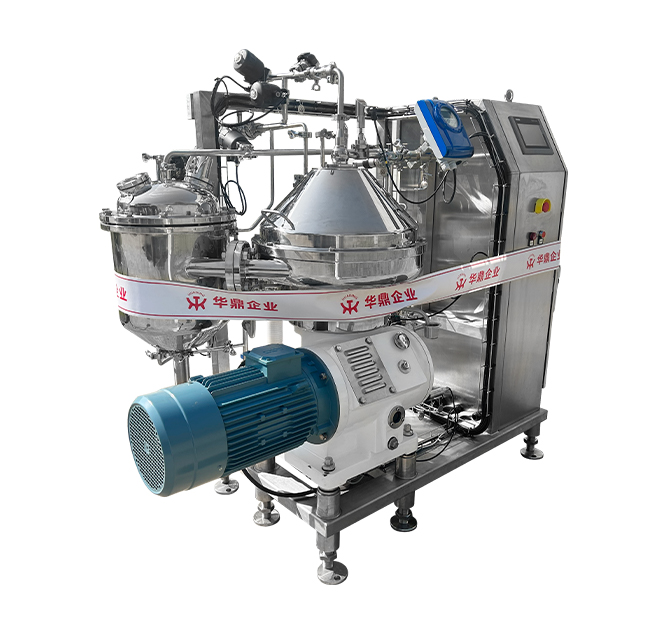
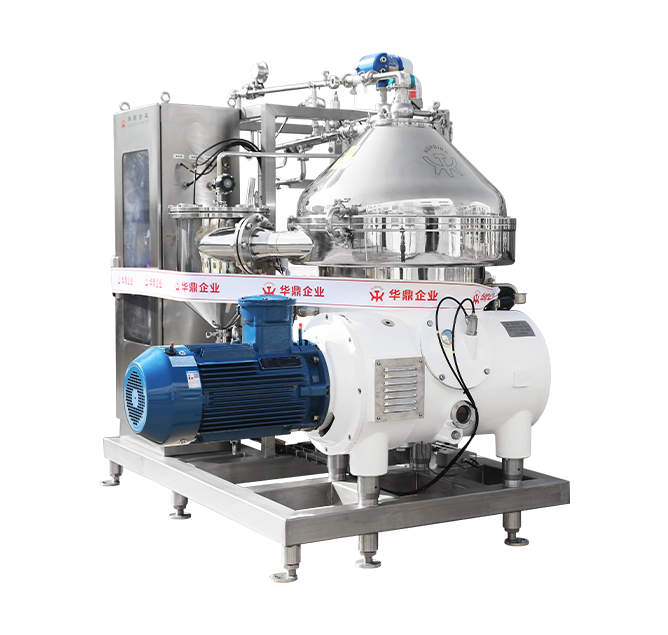
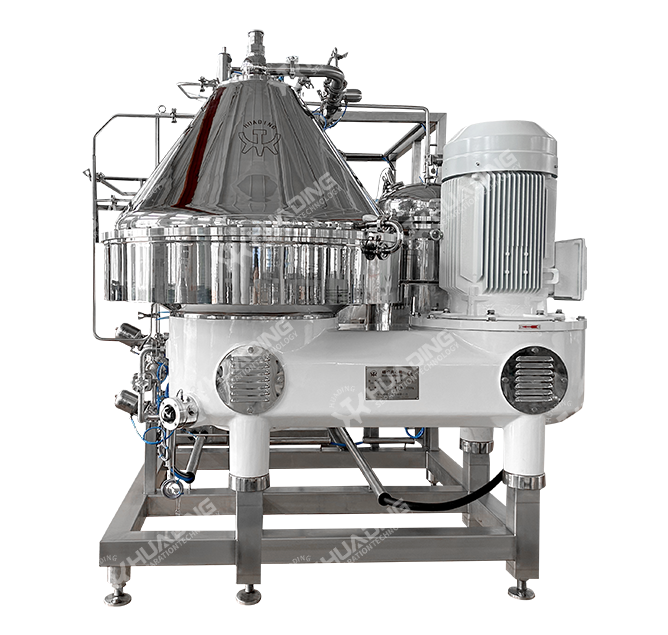
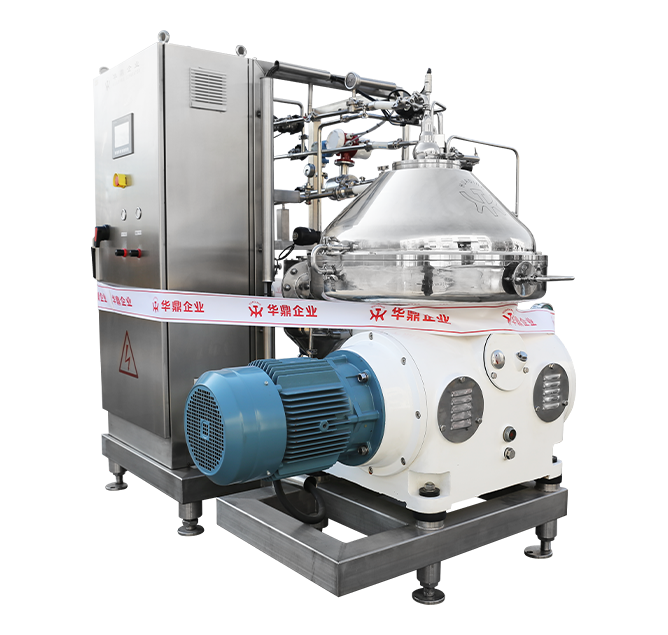
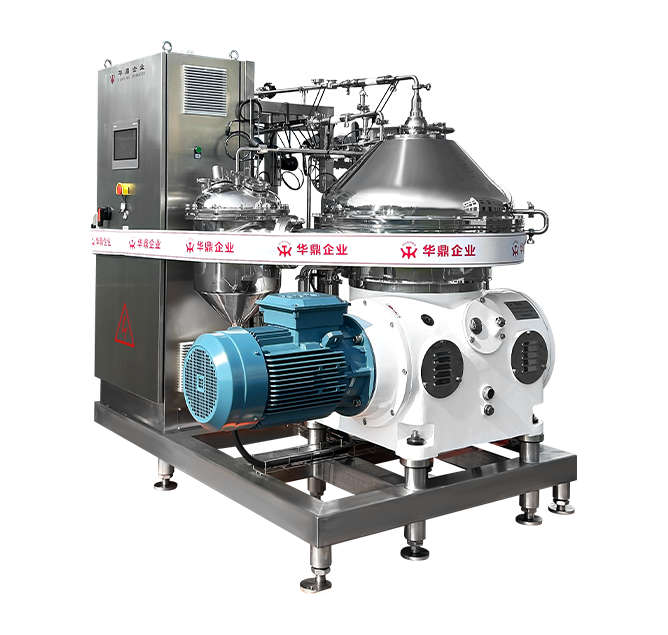
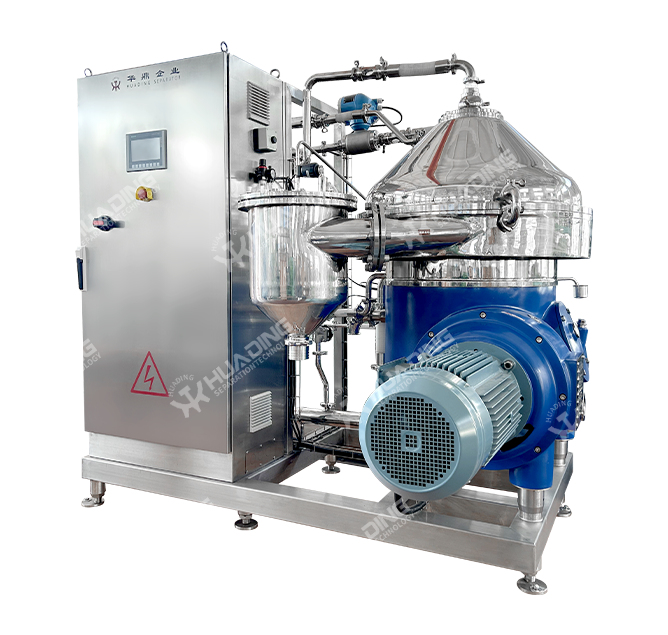
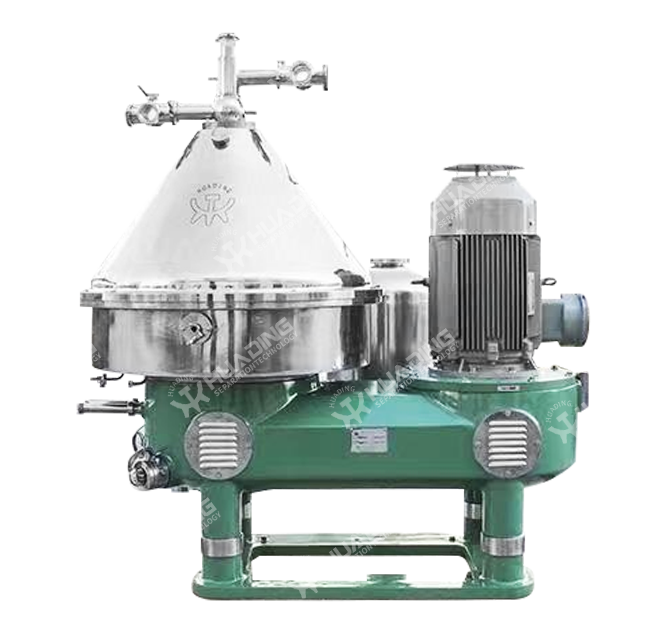
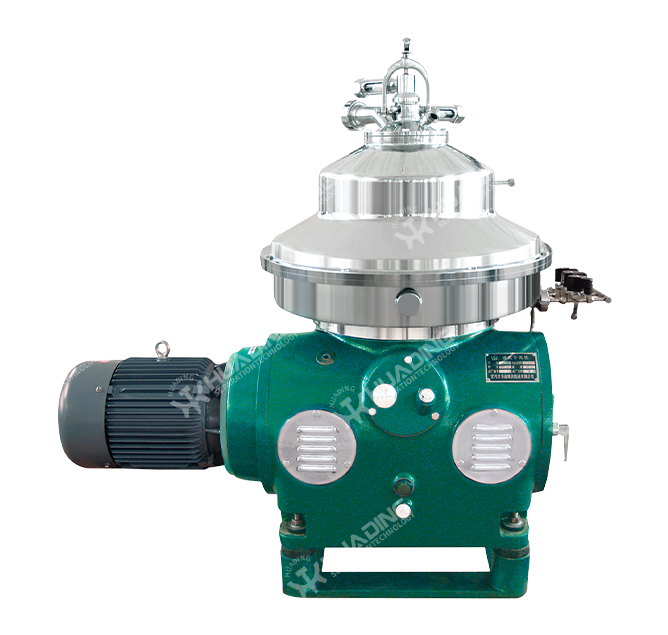
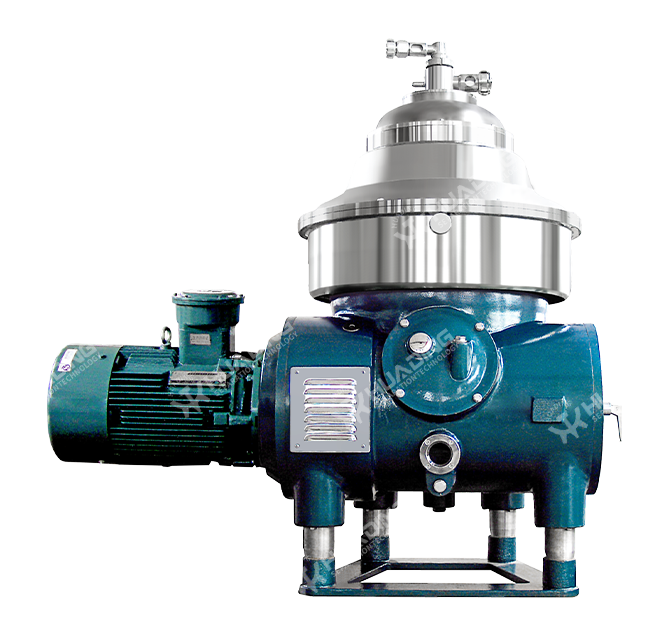
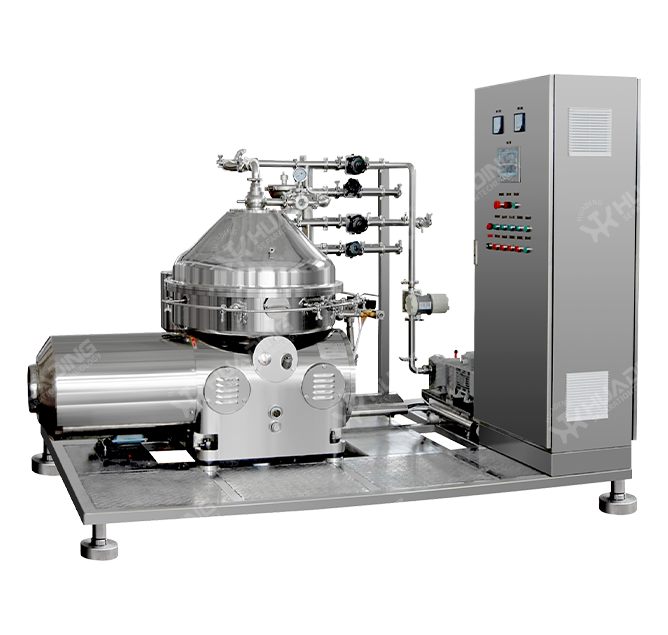
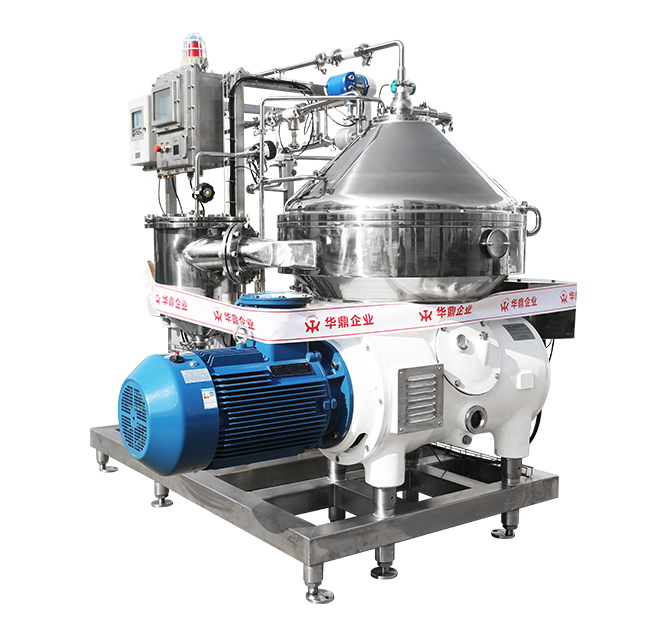
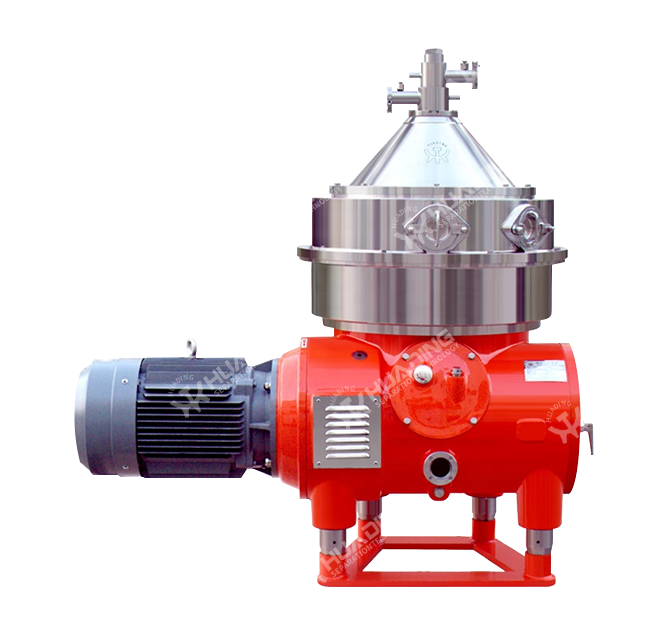
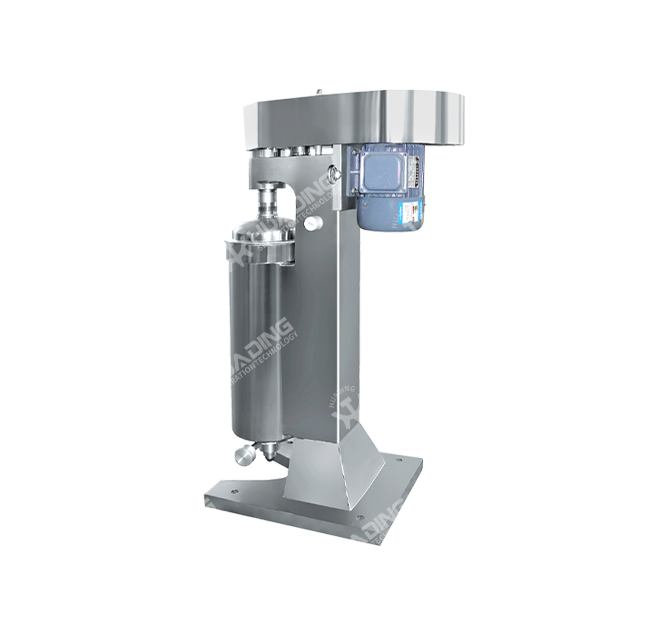
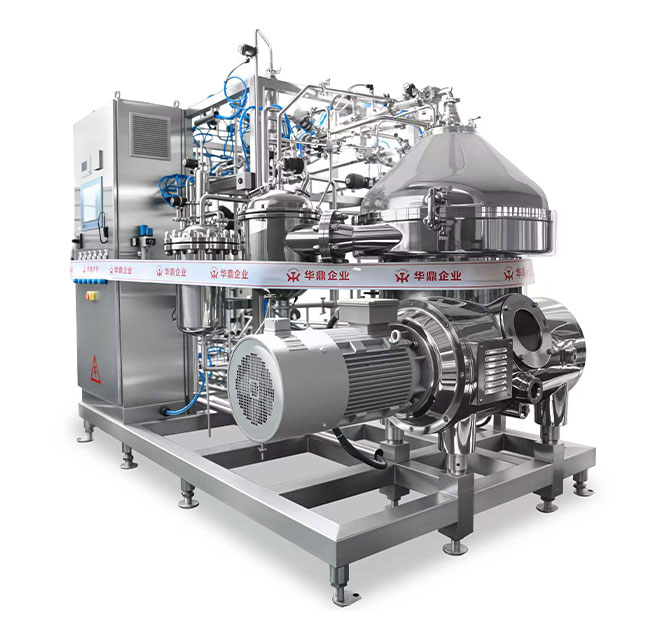
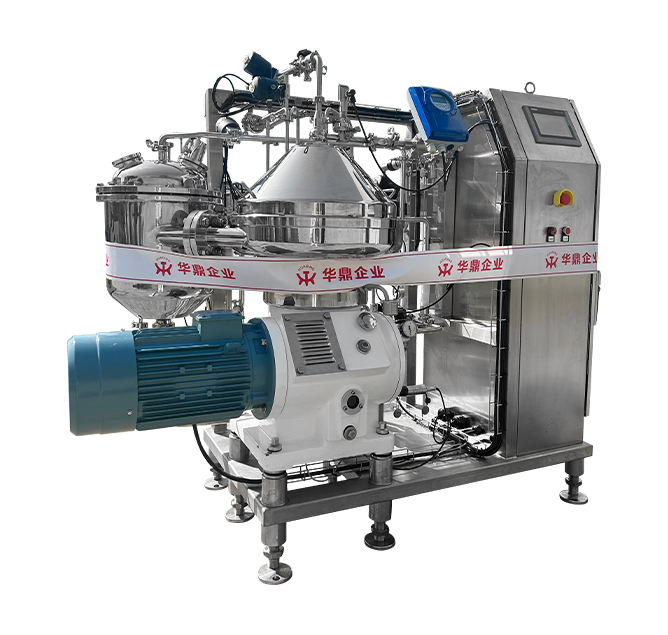
Disc stack centrifuges play a vital role in modern industrial separation technology, particularly when processing liquid-liquid, solid-liquid, or three-phase mixtures, where their high efficiency is highly regarded. To fully understand their operating principles, we must focus on two core components: the distributor and the pumping ring. These are more than simple pipes or connections; they are crucial structures that determine material flow, separation efficiency, and final product quality.
As the name suggests, the distributor's primary task is to evenly distribute the material flow entering the centrifuge. When mixed material enters the centrifuge bowl from the feed inlet, the rapidly rotating bowl generates tremendous centrifugal forces. If the material flow is not effectively controlled, it will directly impact the rotating disc pack, causing severe turbulence. This can significantly disrupt the liquid-solid separation process and may even remix already separated phases.
The distributor, through its unique design—typically a cylindrical or conical structure located on the central axis of the disc pack—smoothly guides the feed flow to the bottom of the disc pack. It uses centrifugal force to fling the material flow outward along its internal channels, causing it to acquire a certain rotational velocity before entering the inter-layer channels of the disc stack. This process can be considered a pre-acceleration stage, effectively reducing the relative velocity between the material and the disc stack, thereby minimizing turbulence.
Pre-acceleration: The feed flow enters the high-speed rotating distributor from a stationary state. Under the influence of centrifugal force, its flow velocity and direction gradually match the rotational speed of the bowl. This reduces shear forces and protects fragile phases in the material (such as biological cells or emulsion particles).
Uniform flow guidance: The distributor evenly directs the pre-accelerated material flow to the feed port on the outer bottom side of the disc stack. This ensures that each disc gap receives a constant and uniform flow, avoiding excessive flow in some areas and insufficient flow in others. This uniformity is the foundation for consistent separation efficiency.
Preventing short-circuiting: Without a distributor, some material may rush directly from the feed port to the discharge port, creating a "short circuit" and resulting in incomplete separation. The presence of the distributor forces all material to pass through the narrow channels between the discs, thereby extending its residence time and increasing the chances of separation within the centrifugal field.
In short, the distributor is the "gatekeeper" of the disc centrifuge's separation performance. Through precise fluid control, it creates ideal fluid dynamic conditions for subsequent efficient separation.
If the distributor is the "throttle valve" at the feed end, then the pump ring is the "water diverter" at the discharge end. The pump ring, also known as a "centrifugal pump," is a non-rotating discharge device installed inside the centrifuge bowl, rotating at the same speed as the bowl. It is typically used to discharge lighter liquid phases (such as oil) after separation.
The pump ring's name derives from its unique operating method: it utilizes centrifugal force to convert the separated light liquid phase into pressure energy and pump it out of the centrifuge. Unlike traditional gravity or overflow discharge, the pump ring discharge can be sealed and pressurized.
Kinetic Energy Conversion: As the lighter liquid phase flows upward along the discs under centrifugal force and converges at the center of the bowl, it acquires high rotational kinetic energy. The pump ring, typically a ring-shaped structure with blades or channels, intercepts this high-speed rotation of the liquid.
Pressure Boost: In the channels within the pump ring, the fluid's rotational kinetic energy is converted into pressure energy, imparting additional pressure to the liquid. This pressure is sufficient to overcome internal resistance within the centrifuge and transport the liquid to downstream storage tanks or equipment without the need for an external pump.
Sealed Discharge: The pump ring discharge system is completely sealed. This is crucial for handling volatile, flammable, toxic, or air-sensitive materials, as it prevents contact with the external environment, ensuring safe operation and product purity.
Precise Control: By adjusting the position or size of the pump ring, the interface between the different liquid phases can be precisely controlled. This is key to achieving efficient liquid-liquid separation. For example, when separating oil and water, adjusting the pump ring ensures that the interface between the water and oil phases is always at the optimal separation point within the disc stack, resulting in higher purity oil and water.
The pump ring is the "powerhouse" at the discharge end of the disc stack centrifuge. It not only simplifies downstream processes but also, through its unique pressure-boosting and sealed discharge capabilities, significantly improves safety and efficiency when handling high-value or hazardous materials and allows for precise control of the separation interface.
Copyright ©Yixing Huading Machinery Co.,Ltd. All Rights Reserved. Custom Centrifugal Separator Factory