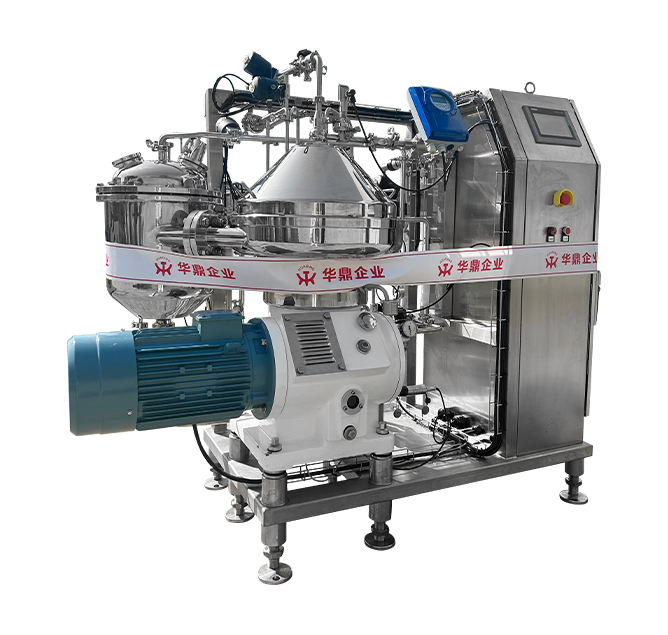
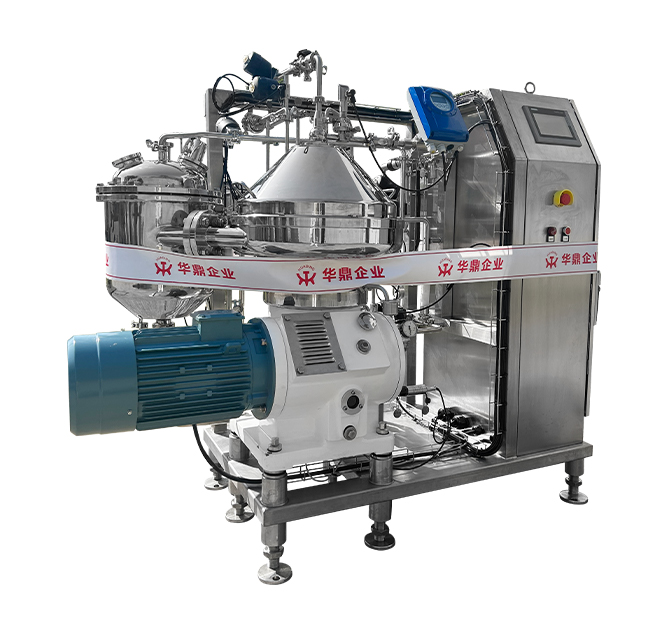
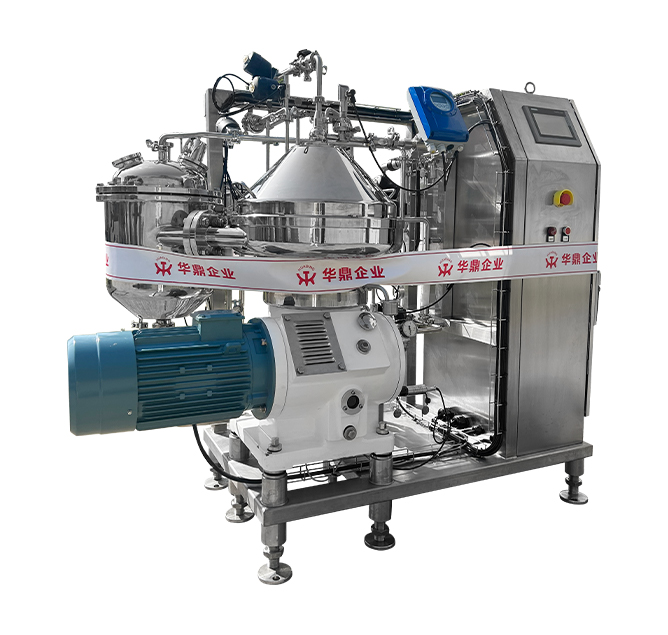
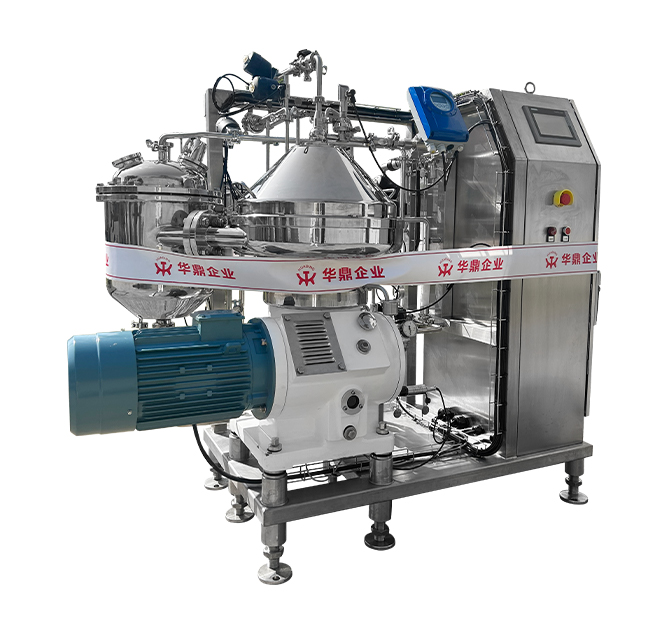
Introduction to Mineral Oil Disc Centrifuges
What is a Mineral Oil Disc Centrifuge?
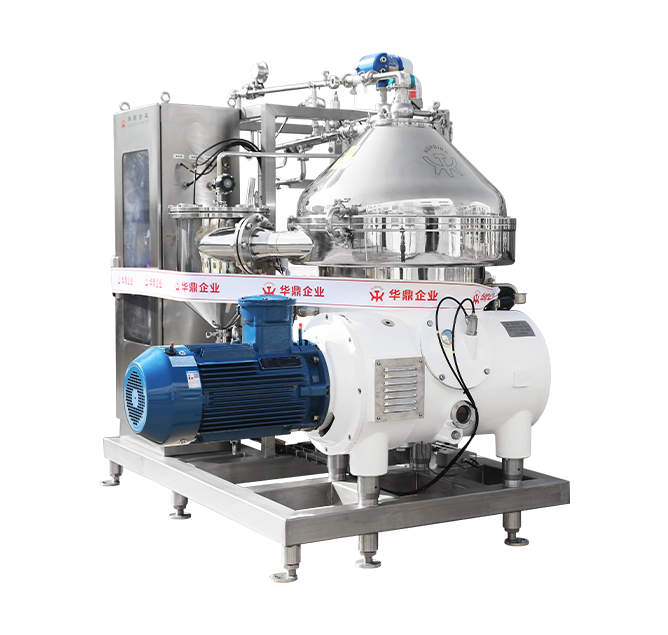
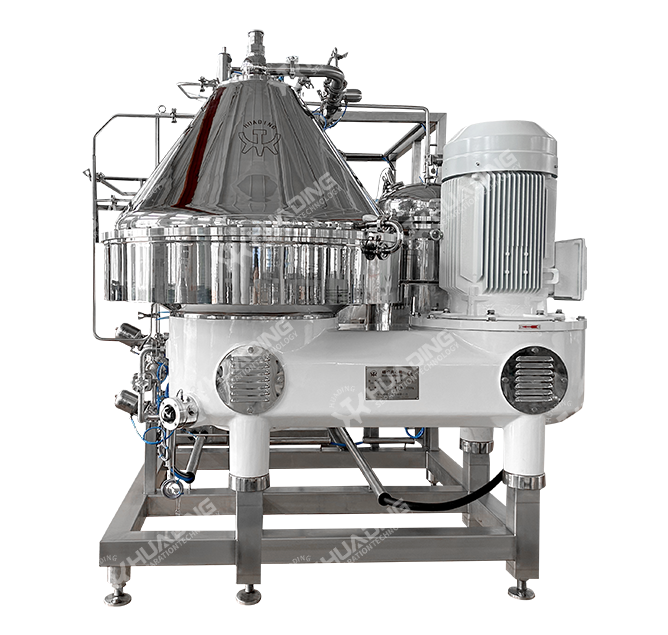
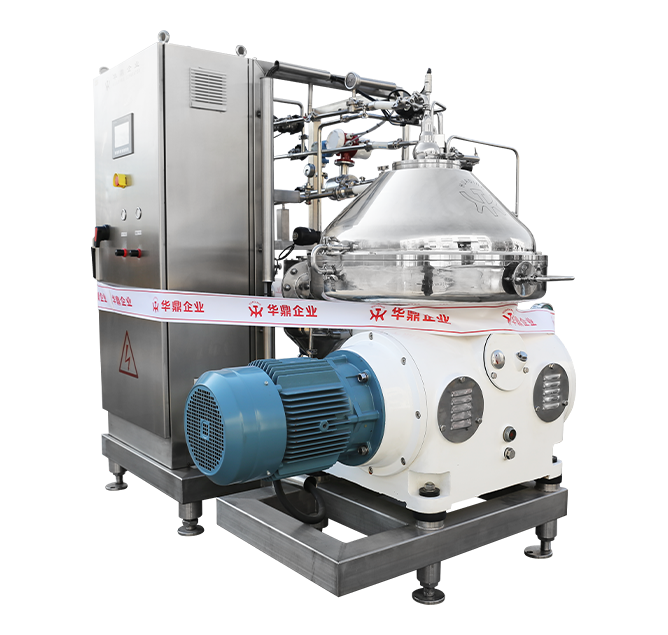
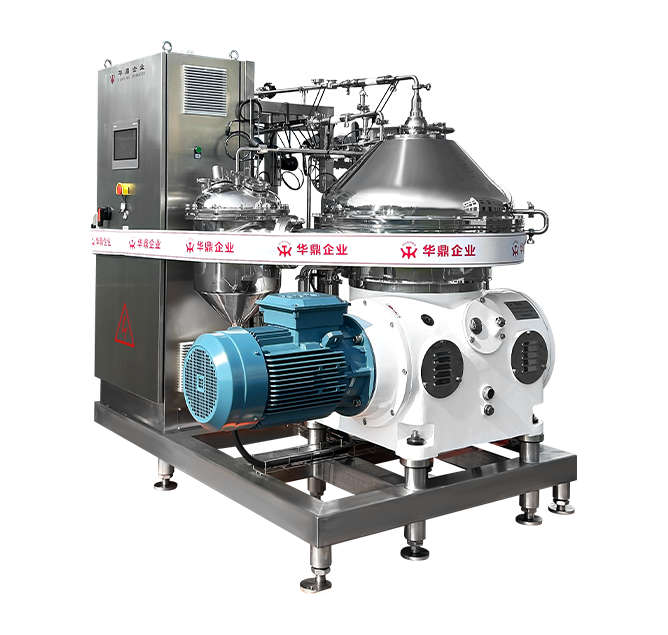
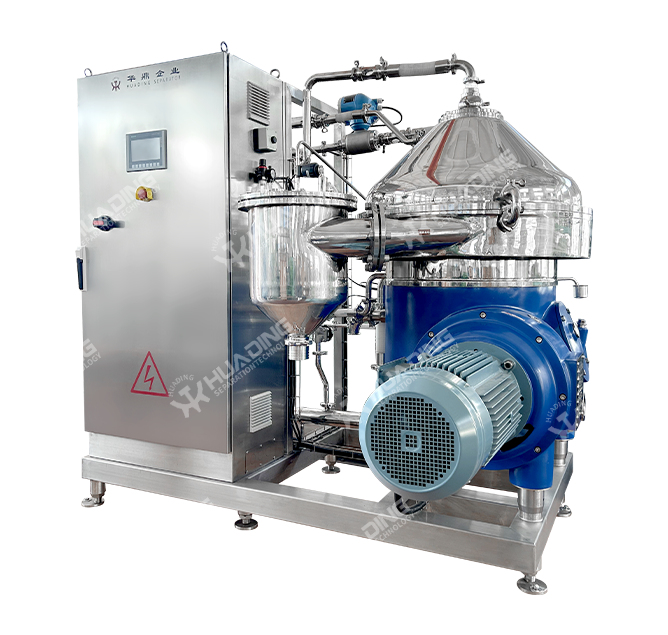
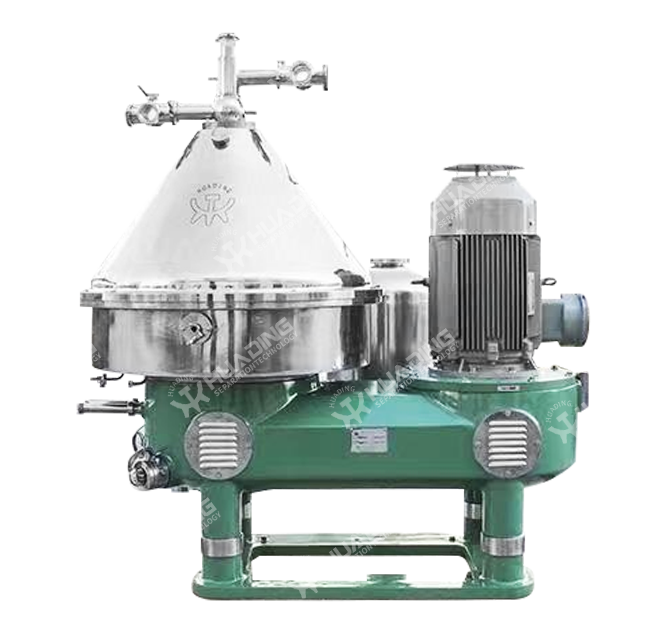
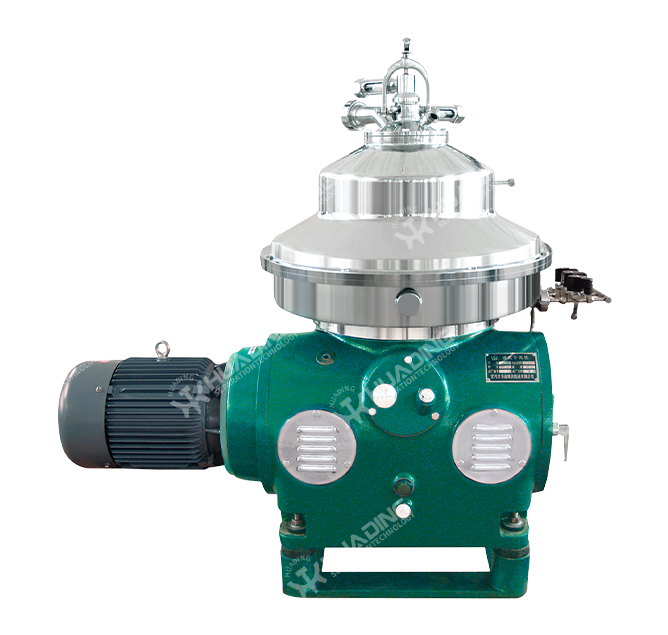
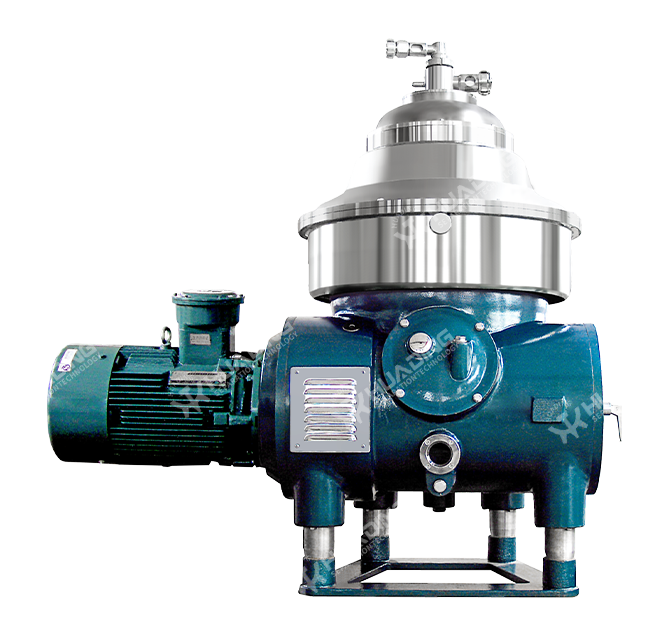
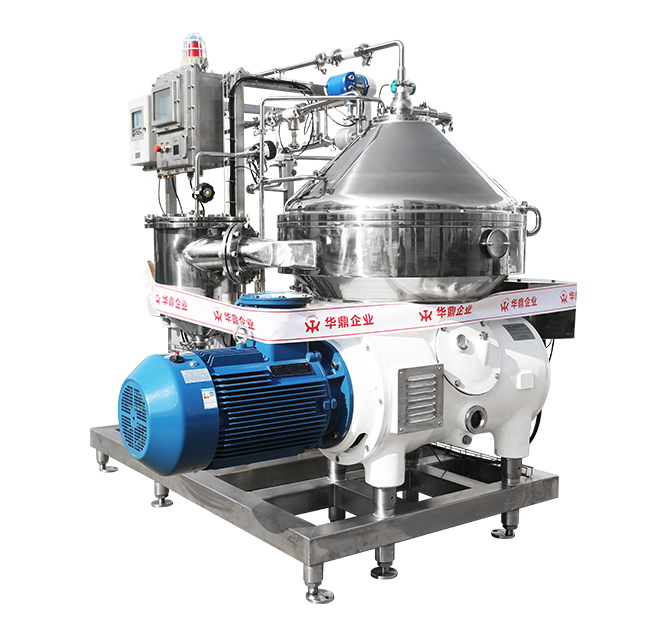
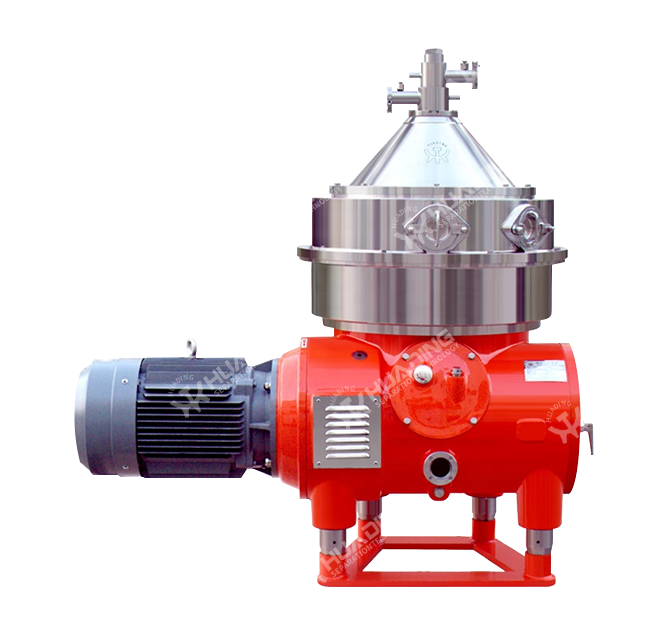
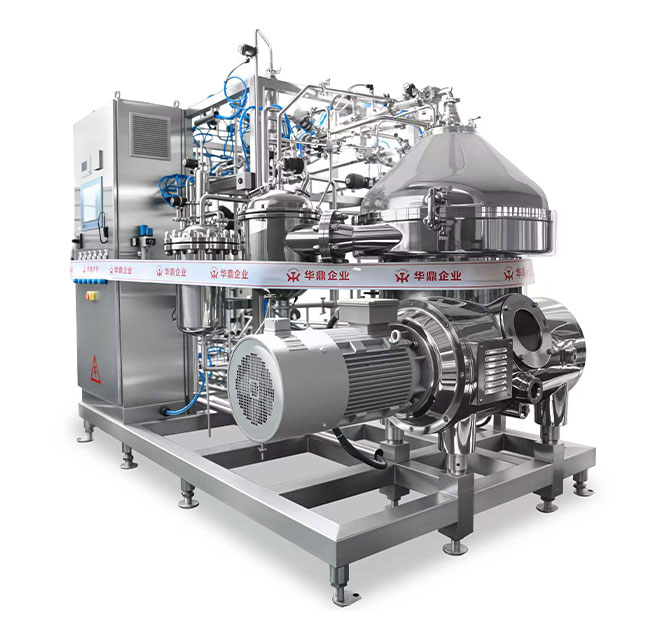
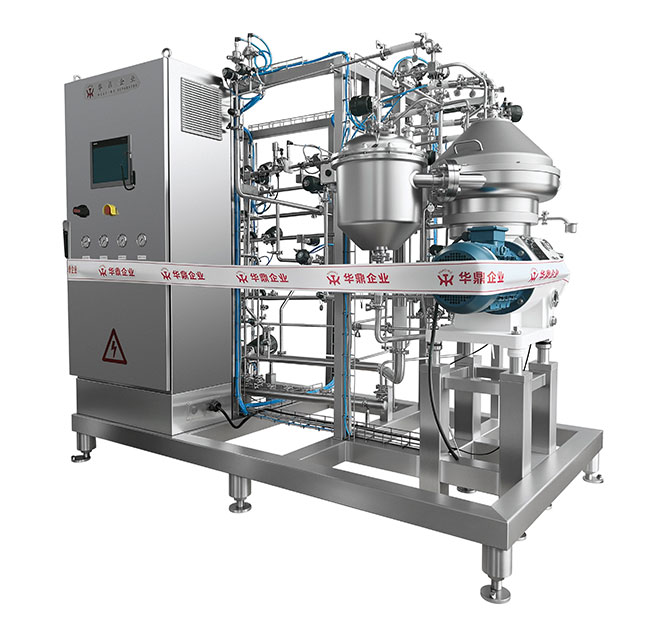
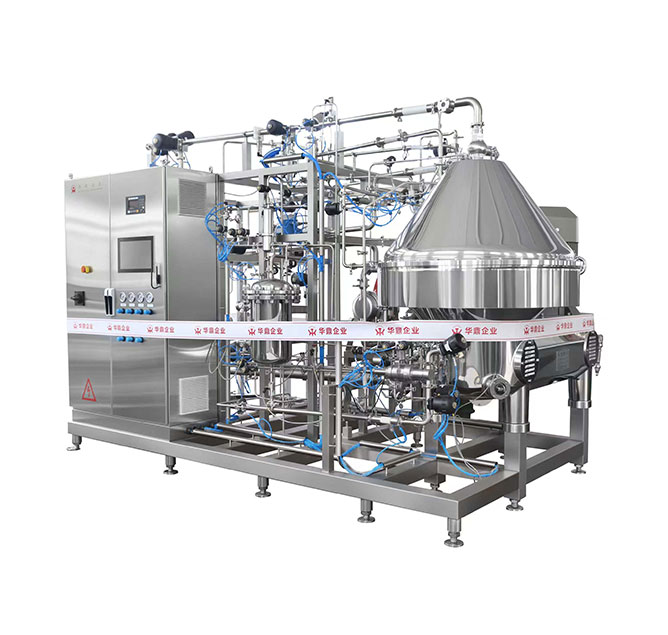
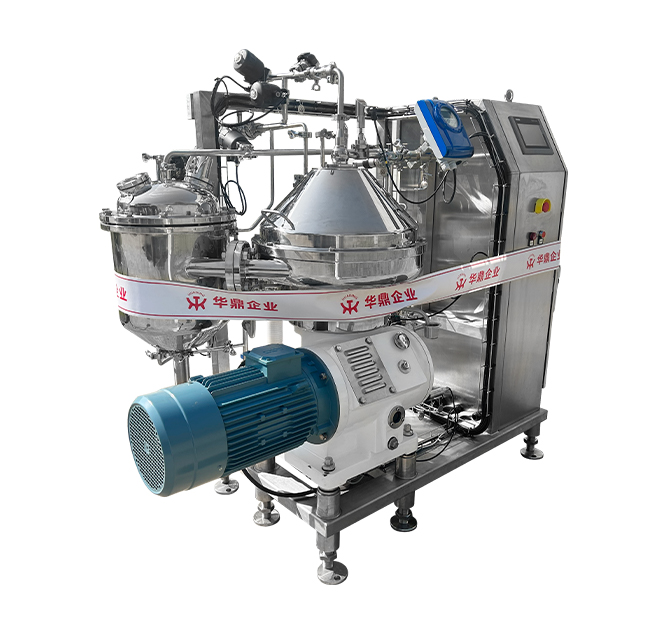
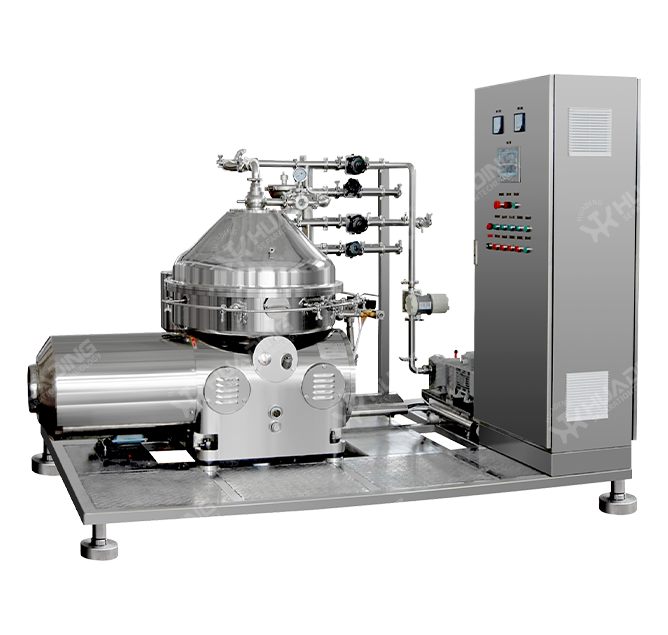
A mineral oil disc centrifuge is a high-speed mechanical separation device designed to purify mineral oils by continuously removing undesirable contaminants, such as sludge, water, and fine solid particles. It operates by applying intense centrifugal force to the oil mixture, accelerating the natural process of gravity-based settling. This makes it an essential piece of equipment in industries requiring the highest standards of oil quality and purity.
Basic Principles of Centrifugal Separation
The operation of a disc stack centrifuge is based on the principle of centrifugal separation. When the impure mineral oil enters the rotating bowl of the centrifuge, it is subjected to massive centrifugal force—thousands of times greater than the force of gravity.
- Density Difference:This force exploits the density differences between the oil (the lightest component), water, and solids (the heaviest components).
- Rapid Separation:The heavier contaminants, like sludge and water, are rapidly forced outward toward the perimeter of the bowl, while the lighter, purified mineral oil moves inward toward the center.
- Disc Stack Advantage:The discs within the bowl are key. They create a large equivalent settling area and reduce the distance particles and water droplets must travel before being separated, which significantly boosts separation efficiency.
Why is Mineral Oil Purification Important?
Mineral oil purification, especially using a mineral oil disc centrifuge, is crucial for maintaining the operational health and efficiency of industrial machinery. Unpurified mineral oils—such as lubricating oil, hydraulic oil, and turbine oil—become contaminated over time with moisture, metal fines, oxidation products, and other particulate matter.
|
Contaminant
|
Impact on Equipment
|
|
Water and Moisture
|
Promotes rust and corrosion, degrades oil additives, and reduces the oil's dielectric strength.
|
|
Fine Solids (Sludge)
|
Causes abrasive wear on critical components (bearings, pumps, gears) and clogs filters.
|
|
Other Contaminants
|
Reduces separation efficiency, accelerates oil degradation, and shortens equipment lifespan.
|
By continuously removing these elements, purification ensures maximum oil quality, reduces friction and wear, significantly extends equipment lifespan, and minimizes the risk of costly unplanned downtime, ultimately boosting overall operational efficiency.
How Mineral Oil Disc Centrifuges Work
Key Components of a Disc Centrifuge (Bowl, Discs, Inlet/Outlet)
The high separation efficiency of a mineral oil disc centrifuge is achieved through the precise interaction of its core components, which rotate at extremely high speeds to generate powerful centrifugal force.
- The Bowl (Rotor):This is the main body that spins and holds all the other internal components. The impure oil mixture is fed into the center of the bowl. The bowl's high-speed rotation generates the force necessary for separation.
- The Discs (Disc Stack):This is the most critical feature. The discs are a series of stacked, conical plates separated by small gaps (often less than 1 mm). These plates drastically increase the surface area for separation and shorten the distance any contaminant particle or water droplet must travel before separating from the oil.
- Inlet and Outlet System:
- Inlet:The port where the impure mineral oil enters the rotating bowl.
- Outlet(s):Separate ports for the three phases: the purified, light-phase oil (which exits closest to the center), the heavy-phase water, and the heaviest-phase sludge (solids).
The Separation Process: Step-by-Step
The continuous purification of mineral oil is a rapid, multi-stage process powered by centrifugal force:
- Feeding:Impure mineral oil is continuously fed into the rotating bowl through the central inlet.
- Acceleration:As the oil enters the bowl, it is immediately accelerated to the bowl's high rotational speed.
- Entry into Disc Stack:The accelerated oil flows outward and then upward through the narrow channels between the discs.
- Phase Separation:Under the extreme G-Force (centrifugal force), the heaviest components (sludge and solids) are flung to the outer periphery of the bowl wall. The medium-density component (water) forms an intermediate layer, and the lightest component (purified oil) moves inward.
- Discharge:
- The purified mineral oilflows over a top weir or is pumped out from the inner-most outlet.
- The waterand any remaining light solids are discharged through a separate, intermediate outlet.
- The concentrated sludgeand heavy solids collect on the bowl wall and are periodically or continuously removed.
Types of Disc Centrifuges (Solid-Retaining, Self-Cleaning)
Mineral oil disc centrifuges are primarily categorized by how they handle the separated solid phase (sludge). The choice depends on the contamination level of the oil and the required operational continuity.
|
Feature
|
Solid-Retaining Centrifuge (Nozzle or Manual Cleaning)
|
Self-Cleaning Centrifuge (Automatic Discharge)
|
|
Solids Handling
|
Solids are retained within the bowl.
|
Solids are automatically ejected at full speed.
|
|
Operation
|
Batch or continuous operation. Must be stopped and disassembled for sludge removal.
|
Fully continuous, automated operation.
|
|
Contaminant Load
|
Best for low to moderate solids content and smaller operations.
|
Essential for high solids content and continuous, high-volume operations (e.g., fuel oil).
|
|
Ejection Mechanism
|
Manual cleaning or constant small nozzle discharge.
|
Bowl opens and closes (ejects) briefly and automatically while spinning.
|
|
Complexity
|
Simpler mechanical design.
|
More complex hydraulic/pneumatic system for bowl opening/closing.
|
Factors Affecting Separation Efficiency (Flow Rate, Temperature, Viscosity)
The ability of a mineral oil disc centrifuge to achieve high separation efficiency—that is, the purity of the final oil—is critically dependent on controlling the conditions of the incoming oil.
- Flow Rate:This is the most critical operational setting. A lower flow rate means the oil spends more time in the centrifuge bowl (higher residence time), giving contaminants more time to settle under the G-Force, resulting in higher purity. A high flow rate reduces residence time and lowers efficiency.
- Temperature:Increasing the oil temperature dramatically lowers the oil's viscosity. Lower viscosity allows the water and solid particles to move more freely and quickly separate from the oil phase under the action of centrifugal force, significantly increasing separation efficiency.
- Viscosity:A high oil viscosity (often due to low temperature) hinders the movement of the contaminant particles. Effective purification of heavy lubricating oil or fuel oil requires pre-heating to reduce the oil's viscosity to the optimal range specified by the centrifuge manufacturer.
- G-Force (Rotational Speed):While fixed by the machine design, the higher the G-Force generated by the bowl's rotational speed, the better the separation, assuming all other factors are optimal.
Applications of Mineral Oil Disc Centrifuges
Marine Industry (Fuel Oil, Lubricating Oil Purification)
The marine industry is one of the most critical users of mineral oil disc centrifuges, relying on them for continuous, high-volume purification to protect vital shipboard machinery.
- Fuel Oil Purification:Marine diesel engines use heavy fuel oil (HFO) which often contains high levels of catalytic fines, water, and sludge. The centrifuge removes these contaminants before the fuel enters the engine, preventing abrasive wear on the fuel pumps and injector nozzles. This is crucial for compliance with environmental regulations and ensuring engine reliability.
- Lubricating Oil Purification:Lubricating oil used in main engines, auxiliary engines, and gearboxes is continuously cleaned to remove water from leaks, soot, and metal wear particles. Maintaining high oil quality significantly extends the life of bearings and reduces oil consumption.
Power Generation (Turbine Oil Cleaning)
In power plants, mineral oil disc centrifuges are essential for protecting large, high-speed rotating equipment, primarily steam and gas turbines.
- Turbine Oil Cleaning:Turbine oil (a type of lubricating oil) is the lifeblood of the turbine's hydraulic and lubrication systems. Even small amounts of water or particulates can lead to bearing failure and corrosion. The centrifuge:
- Removes free and emulsified water(often caused by steam leaks).
- Eliminates varnish precursors and oxidation byproducts that degrade oil quality.
- Benefits:By maintaining the prescribed ISO cleanliness and water content levels, the centrifuge ensures the long-term reliability of the turbine and prevents catastrophic failures, maximizing operational uptime.
Oil & Gas Industry
The Oil & Gas Industry utilizes centrifugal separation across various stages, from upstream drilling to downstream processing.
- Drilling Fluids:Though not always strictly mineral oil, centrifuges are used to process oil-based muds (OBM) and drilling waste fluids, recovering valuable base oil for reuse.
- Process Streams:In refineries and processing plants, centrifuges are employed to separate oil from water in various process streams and to clean hydraulic and compressor lubricating oil to maintain system integrity.
- Waste Minimization:They play a key role in dewatering sludge and reducing the volume of oily waste destined for disposal, contributing to cost savings and environmental compliance.
Manufacturing and Industrial Processes
A wide variety of manufacturing and industrial settings benefit from the precise and continuous purification offered by the mineral oil disc centrifuge.
- Metalworking Fluids:Centrifuges clean cutting oils, grinding oils, and coolant emulsions by removing tramp oil, metal fines, and swarf, extending the fluid life and improving the finish quality of machined parts.
- Hydraulic Systems:In automated manufacturing, high-pressure hydraulic systems rely on extremely clean hydraulic oil. The centrifuge removes fine particles that can lead to stick-slip issues and premature wear on pumps and valves.
- General Lubricating Oil Management:Any large industrial facility that uses significant volumes of lubricating oil—such as steel mills, paper mills, and heavy machinery workshops—uses these centrifuges to reduce oil replacement costs and maintain machinery performance.
Benefits of Using Mineral Oil Disc Centrifuges
Improved Oil Quality and Purity
The primary benefit of a mineral oil disc centrifuge is the dramatic improvement in oil quality and purity. Unlike static filters that can only remove solid particles above a certain size, centrifugal separation excels at removing multiple phases simultaneously.
- Removal of Fine Contaminants:The intense centrifugal force effectively removes sub-micron solid particles, including abrasive cat fines in fuel oil, which bypass most filters.
- Water Removal:It continuously removes both free water and finely dispersed (emulsified) water from the oil, which is crucial since water accelerates oil oxidation and corrosion.
- Contaminant Comparison:Centrifuges offer superior multi-phase contaminant removal compared to simple filtration.
|
Feature
|
Mineral Oil Disc Centrifuge
|
Standard Barrier Filter
|
|
Water Removal
|
Excellent (removes free and emulsified water)
|
Poor (only removes free water up to saturation point)
|
|
Continuous Operation
|
Continuous, automated discharge of solids and water.
|
Requires periodic, manual replacement or backflushing.
|
Extended Equipment Lifespan
By maintaining exceptionally high oil quality and preventing the circulation of abrasive particles and corrosive water, the mineral oil disc centrifuge directly contributes to extending the equipment lifespan of vital machinery.
- Minimizing Abrasive Wear:Removing hard sludge and metal fines prevents abrasive damage to critical, high-precision components like bearings, pumps, and pump pistons.
- Preventing Corrosion:Continuous removal of water and acidic byproducts halts internal rust and corrosion in engines, turbines, and hydraulic systems.
- Key Result:Clean lubricating oil minimizes friction and wear, leading to fewer component replacements and significantly longer operational life for costly machinery.
Reduced Maintenance Costs
The investment in a mineral oil disc centrifuge is quickly recouped through substantial reductions in operational and maintenance expenditures.
- Lower Consumables Cost:Unlike filters, which are disposable and require regular replacement, centrifuges have a low ongoing consumables cost, mainly seals and occasional replacement parts.
- Reduced Oil Replacement:By maintaining the oil's purity and chemical stability, the centrifuge extends the oil's useful life, dramatically reducing the frequency and cost of purchasing new mineral oil and the associated disposal fees.
- Fewer Breakdowns:High oil quality translates directly into fewer unplanned equipment failures, minimizing expensive emergency repairs and lost production time.
Environmental Benefits (Reduced Waste Oil)
Implementing centrifugal separation technology aligns with modern environmental stewardship goals by making industrial processes more sustainable.
- Waste Oil Reduction:Extending the service life of lubricating oil and hydraulic oil minimizes the volume of waste oil generated by the facility, reducing disposal costs and environmental impact.
- Resource Conservation:Efficient purification allows for the reuse of valuable mineral oil resources, promoting a circular economy approach within the facility.
Increased Operational Efficiency
The consistency and reliability offered by purified oil directly enhances overall operational efficiency.
- Consistent Performance:Clean oil ensures that machinery operates at peak performance specifications without degradation caused by viscosity changes or contaminant-induced friction.
- High Uptime:By preventing unexpected breakdowns and allowing for continuous operation without the need to stop for frequent filter changes, the centrifuge maximizes system uptime and productivity.
Choosing the Right Mineral Oil Disc Centrifuge
Key Specifications to Consider (Bowl Size, Flow Rate, G-Force)
Selecting the appropriate mineral oil disc centrifuge requires careful evaluation of several critical technical specifications that dictate performance and suitability for the intended application.
- Flow Rate (Capacity):Measured in volume per hour (e.g., liters per hour or gallons per hour). This is the throughput the centrifuge can handle. It must be matched to the volume of oil that needs to be treated (e.g., the circulation rate of the machine's lubrication system). Crucially, the actual effective separation flow rate is usually lower than the nominal flow rate to maximize residence time and purity.
- G-Force (Separation Factor):This defines the power of the centrifugal separation. It is expressed as a multiple of the force of gravity.
- Bowl Size:The physical diameter and volume of the rotating bowl. A larger bowl means a larger settling area and greater capacity to hold separated sludge and solids before manual or automatic discharge is required.
Matching Centrifuge Capacity to Your Needs
Proper sizing is paramount for achieving the desired oil quality. Undersizing a centrifuge will result in poor separation efficiency and high contaminant levels, while oversizing leads to unnecessary cost.
- Determine Oil Volume:Calculate the total volume of mineral oil in the system to be cleaned (e.g., total tank capacity of the lubricating oil system).
- Establish Turnover Rate:A common industry benchmark is to be able to "turn over" the entire oil volume 4 to 10 times per 24-hour period.
- Consider Contamination Load:Highly contaminated oils (e.g., heavily sludged fuel oil) require a lower flow rate (higher residence time) than lightly contaminated oils (e.g., clean turbine oil), even for the same size system.
Features and Options (Automation, Monitoring Systems)
Modern mineral oil disc centrifuges offer several features that enhance convenience, reliability, and operational efficiency.
- Self-Cleaning vs. Manual Cleaning:As discussed, self-cleaning models are necessary for continuous, unattended operation and high sludge loads, while simpler, solid-retailing models are suitable for lower contamination and batch processing.
- Heating System:Integrated pre-heaters are essential for viscous oils (like heavy fuel oil or some lubricating oil), as reducing viscosity dramatically improves separation efficiency.
- Automation and Control:Advanced systems include:
- Interface Detection:Automatic sensing and adjustment of the oil/water interface to prevent clean oil from being lost with the water (or vice-versa).
- Monitoring Systems:Vibration sensors, temperature monitoring, and flow rate meters for preventative centrifuge maintenance and performance tracking.
- Solids Ejection Control:Automated sequence timers and control panels for precise, efficient discharge of sludge with minimal oil loss.
Evaluating Suppliers and Service
Beyond the machine specifications, the longevity and effective operation of the mineral oil disc centrifuge depend heavily on the support provided.
- Service Network:Look for suppliers with a robust global or local service presence to ensure fast access to preventative centrifuge maintenance, spare parts (especially seals and discs), and emergency repairs.
- Documentation and Training:Comprehensive documentation, including detailed schematics and operational manuals, along with thorough operator training, is critical for optimizing centrifuge maintenance and troubleshooting.
- Experience:Evaluate the supplier's experience in your specific industry (e.g., marine industry, power generation) and with your type of mineral oil (lubricating oil, turbine oil, etc.).
Maintenance and Troubleshooting
Regular Maintenance Procedures
Consistent and preventative centrifuge maintenance is the single most important factor in ensuring the reliability and high separation efficiency of a mineral oil disc centrifuge. Maintenance should follow a strict schedule as defined by the manufacturer and the operational environment (e.g., contamination load).
|
Maintenance Interval
|
Typical Procedures
|
Key Components Inspected/Replaced
|
|
Daily/Weekly Checks
|
Monitor vibration levels, check for leaks (oil or water), confirm discharge/sludge ejection is functioning, log operating temperature, and oil clarity.
|
Bowl discharge area, sight glass, water seals.
|
|
Minor Service (e.g., Every 2,000-4,000 hours or 3-6 months)
|
Bowl disassembly and cleaning (especially the discs and sludge space), replacement of all seals and gaskets in the bowl assembly, inspection of the nozzles (if applicable).
|
Bowl gaskets, O-rings, sliding piston seal, discs.
|
|
Major Service (e.g., Every 8,000-12,000 hours or 1-2 years)
|
Full machine overhaul, including minor service procedures, replacement of all major wear parts in the drive system, and calibration.
|
Bearings, drive belts/friction pads, clutch components, inlet/outlet seals.
|
Common Issues and Solutions
Even with meticulous maintenance, operational issues can arise. Effective centrifuge troubleshooting relies on quick identification of symptoms and understanding the underlying mechanical principles.
|
Symptom
|
Probable Cause
|
Solution
|
|
Poor Separation Efficiency (Oil still contains high water or solids)
|
Flow rate is too high, or oil temperature is too low.
|
Reduce the oil flow rate to increase residence time. Increase the oil temperature to lower viscosity.
|
|
Excessive Vibration
|
Unbalanced bowl due to uneven sludge build-up or misalignment of internal components.
|
Initiate a sludge discharge (if self-cleaning). Stop and manually clean the bowl. Check the alignment of the discs and bowl parts during reassembly.
|
|
Leaking from Bowl Discharge (Clean oil being lost through the sludge chute)
|
Failure of the closing water system (in self-cleaning models) or worn bowl seal/piston.
|
Check the closing water pressure and flow. Inspect and replace the nylon seal ring or sliding piston seals.
|
|
Inability to Reach Full Speed
|
Friction clutch worn out or oil contamination of clutch pads.
|
Inspect and replace clutch friction pads. Check the gearbox oil level and quality.
|
Optimizing Centrifuge Performance
To ensure the centrifuge operates at maximum output and purity, operators must continuously monitor and adjust the operating parameters based on the condition of the incoming mineral oil.
- Temperature Control:Always heat the oil to the manufacturer’s recommended temperature to achieve the lowest possible viscosity for optimal separation efficiency.
- Flow Rate Adjustment:The flow rate should be dynamically adjusted. If incoming contaminant levels increase, the flow rate must be reduced to maintain a high residence time and ensure effective removal of sludge and contaminants.
- Interface Optimization:For separating oil and water (purifier mode), the gravity disc (or paring disc) must be correctly sized. A fine-tuned setting ensures the oil/water interface is optimally positioned within the bowl to prevent clean oil from escaping with the water phase.
Call to Action: Ready to maximize your equipment life and dramatically cut maintenance costs? Contact our purification experts today for a full assessment of your oil system and discover the right mineral oil disc centrifuge solution for your operations.

 English
 русский
 Español
 عربى
عربى 中文简体
中文简体