
 English
 русский
 Español
 عربى
عربى 中文简体
中文简体
WE ARE HAPPY TO SOLVE
PROBLEMS FOR CUSTOMERS
learn more >
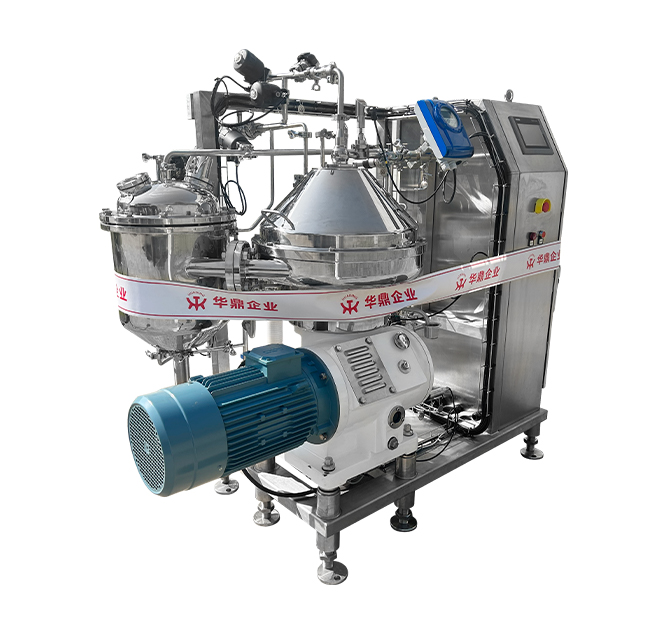
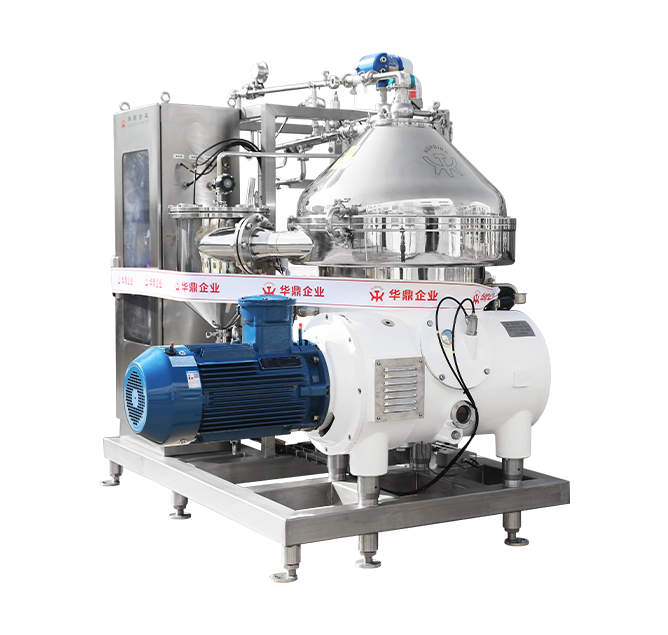
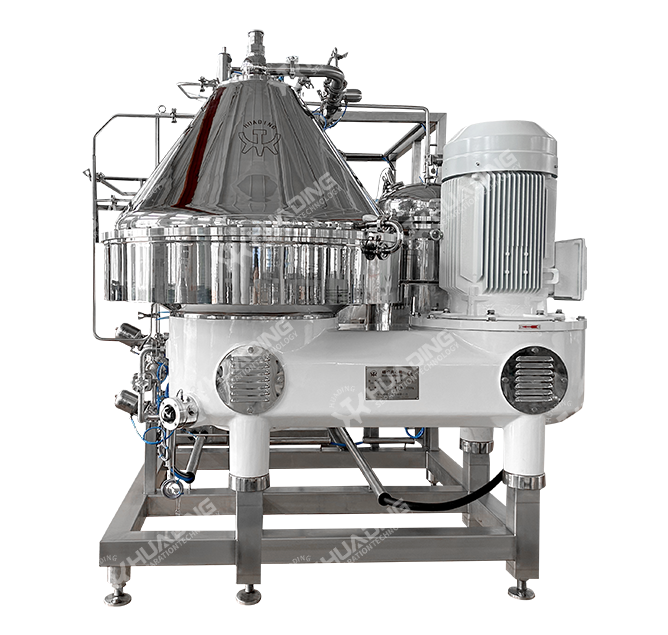
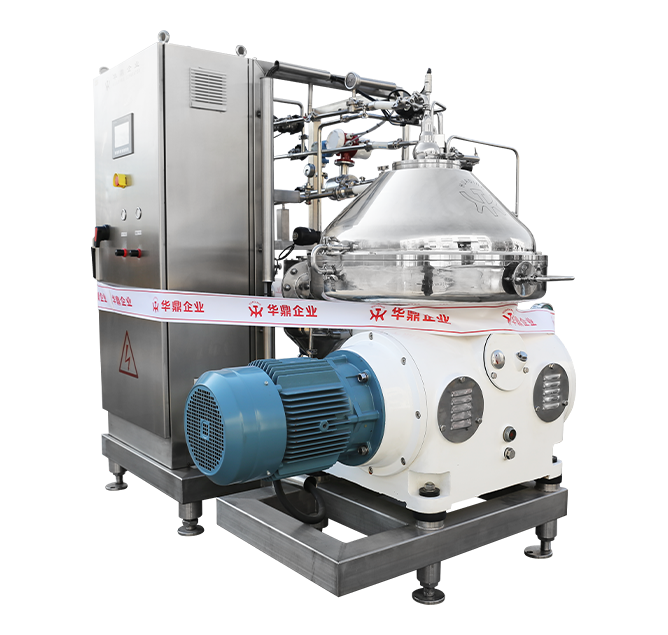
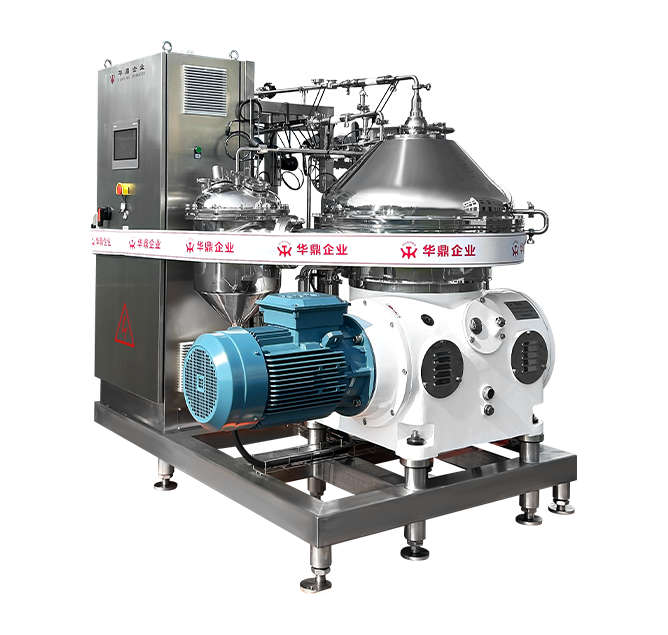
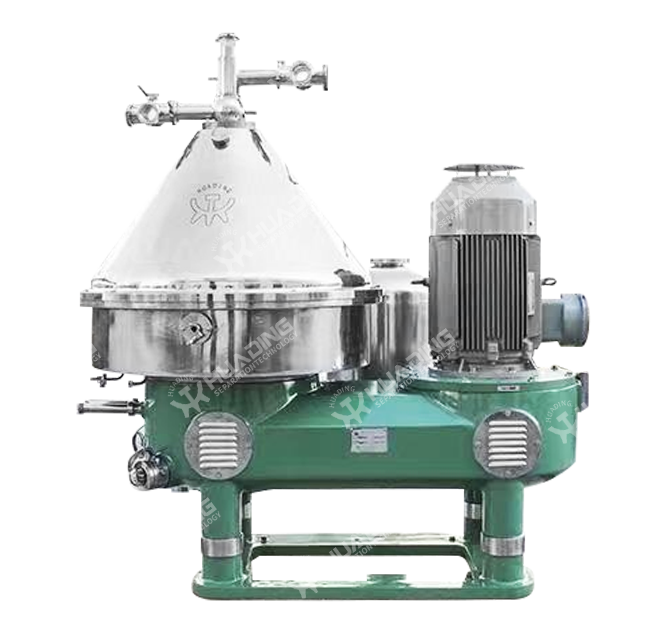
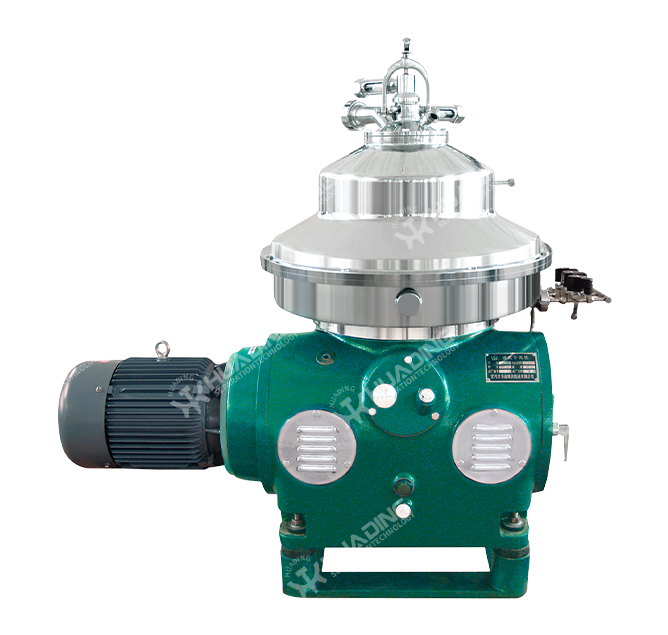
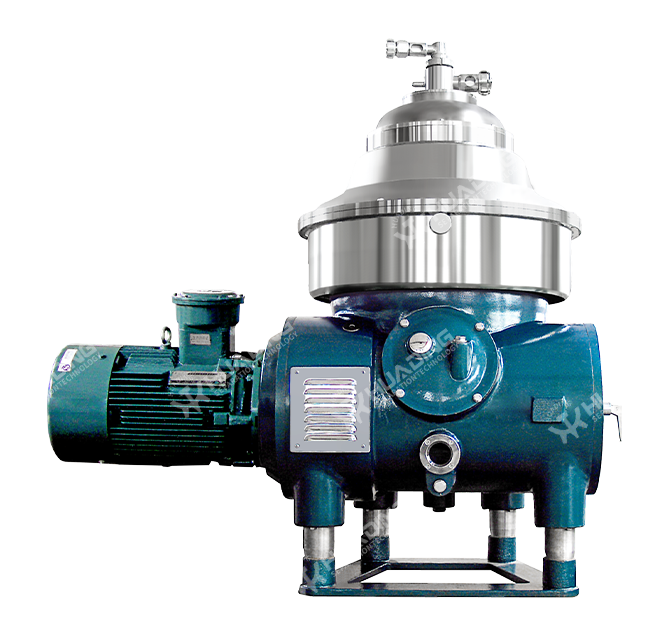
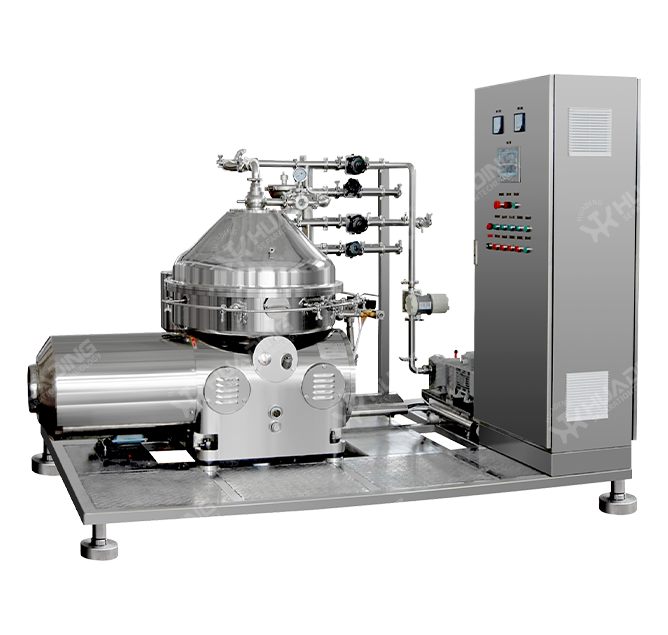
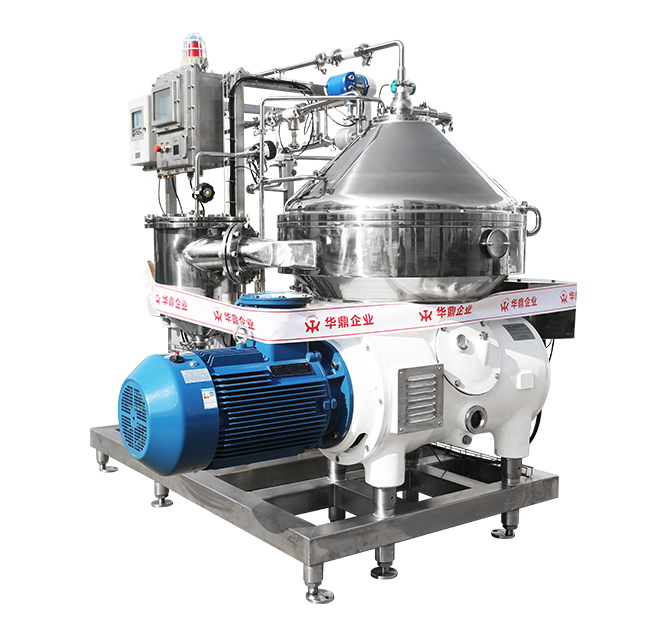
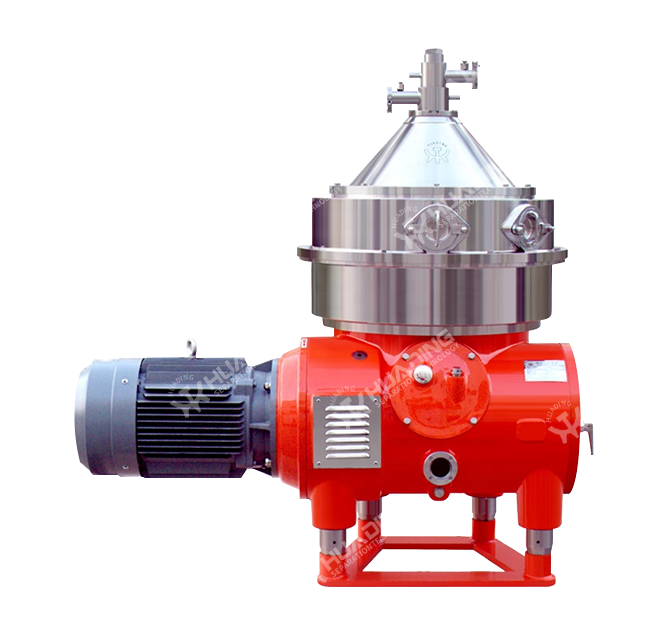
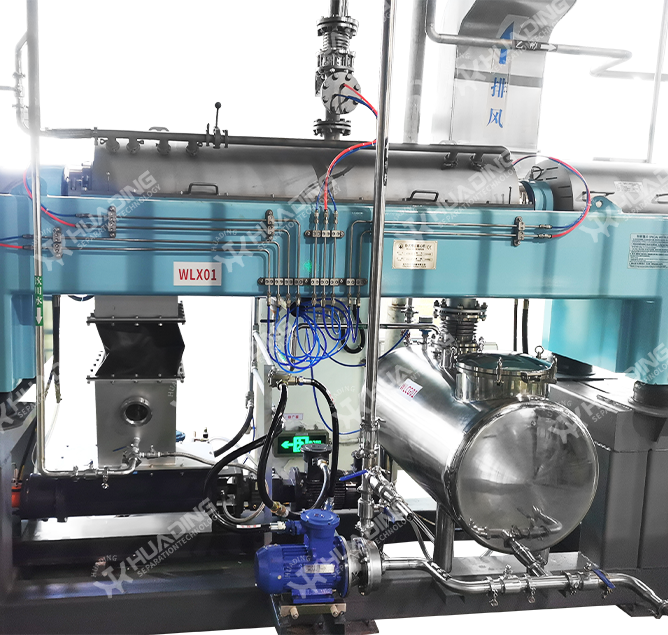
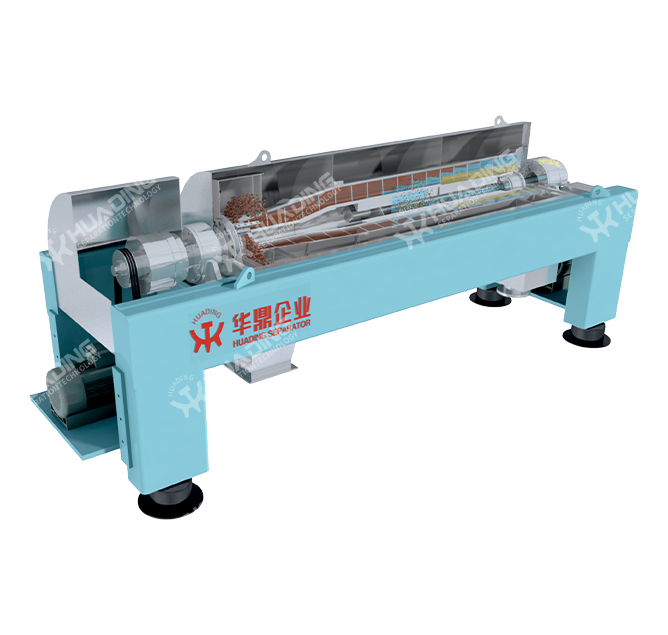
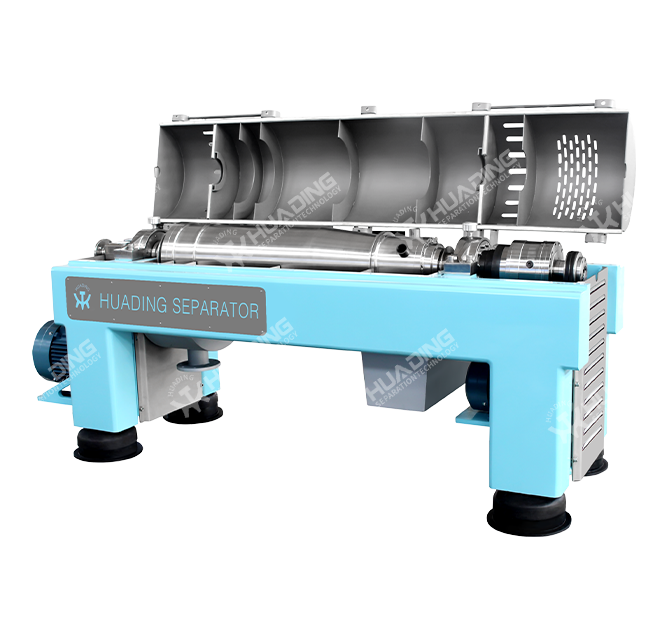
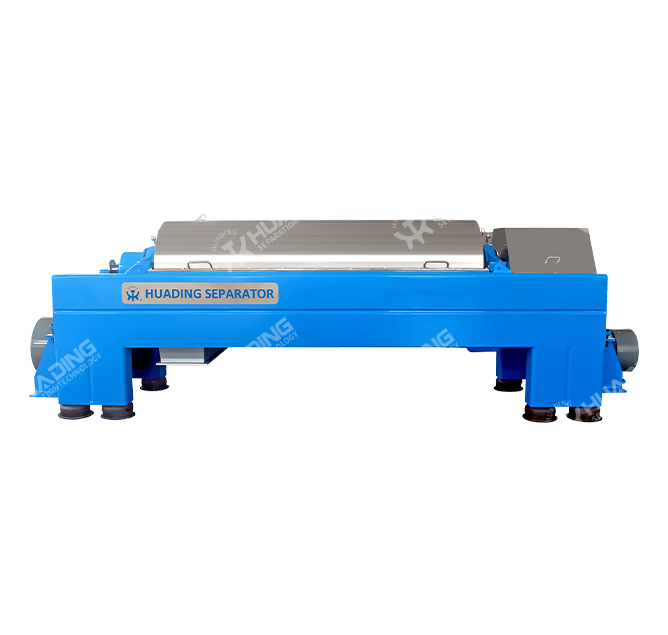
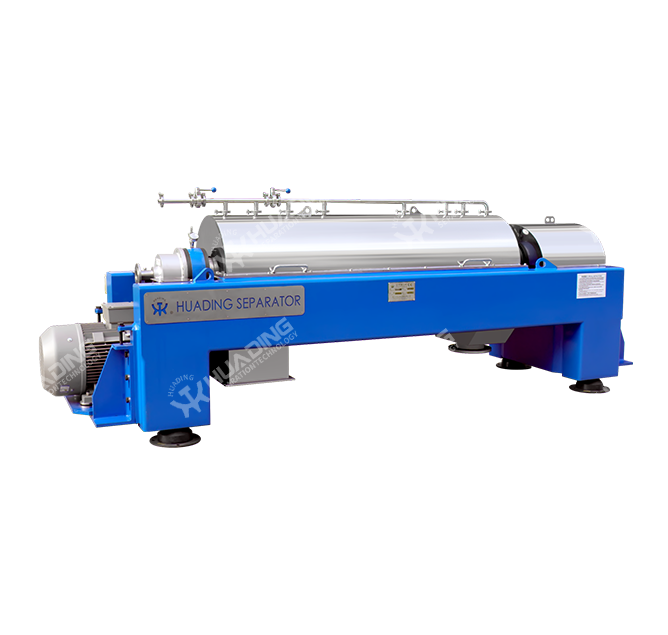
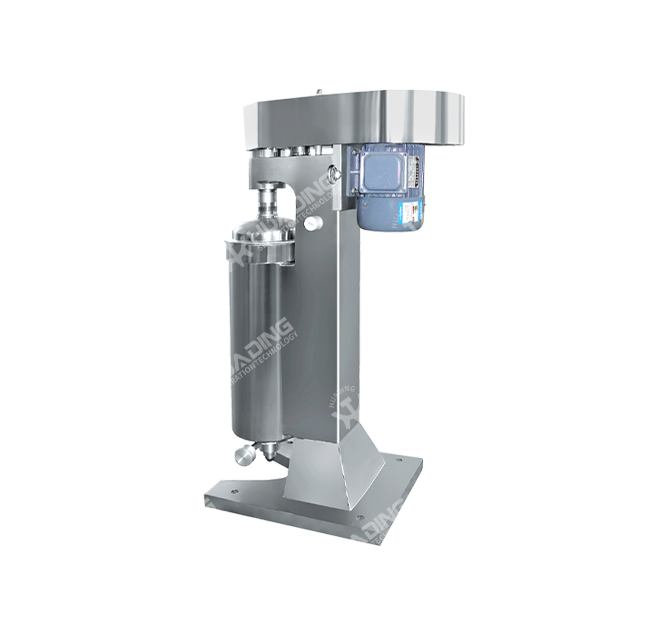
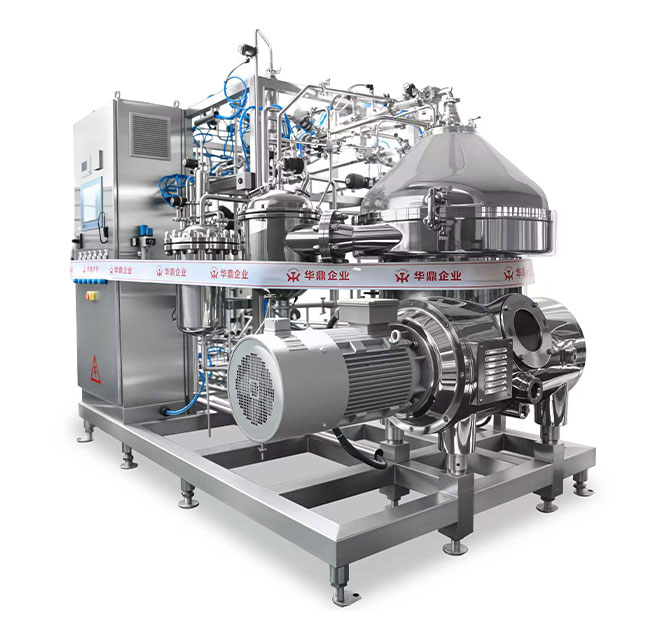
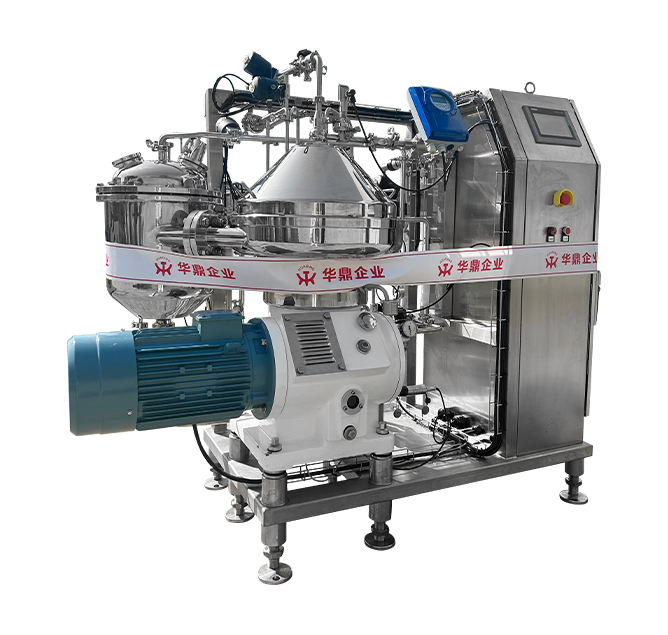
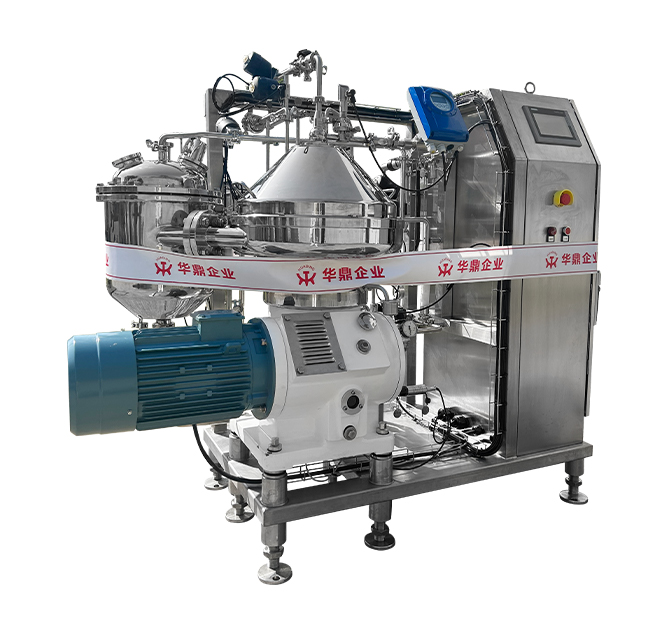
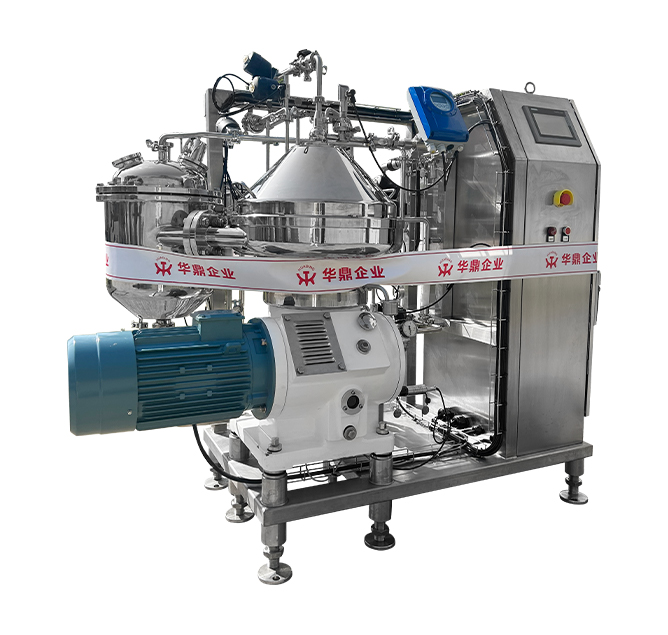
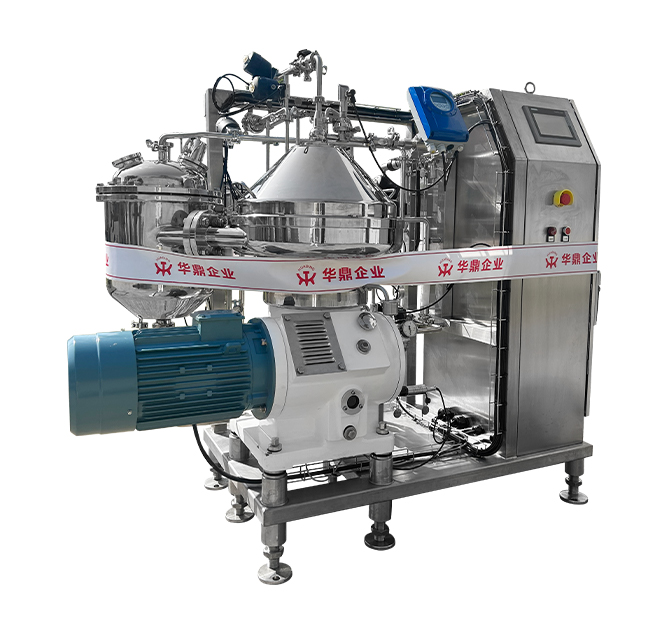
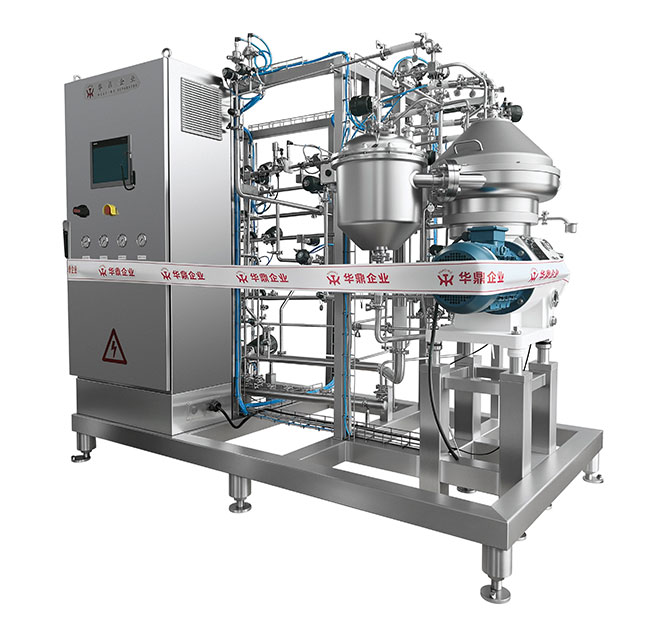
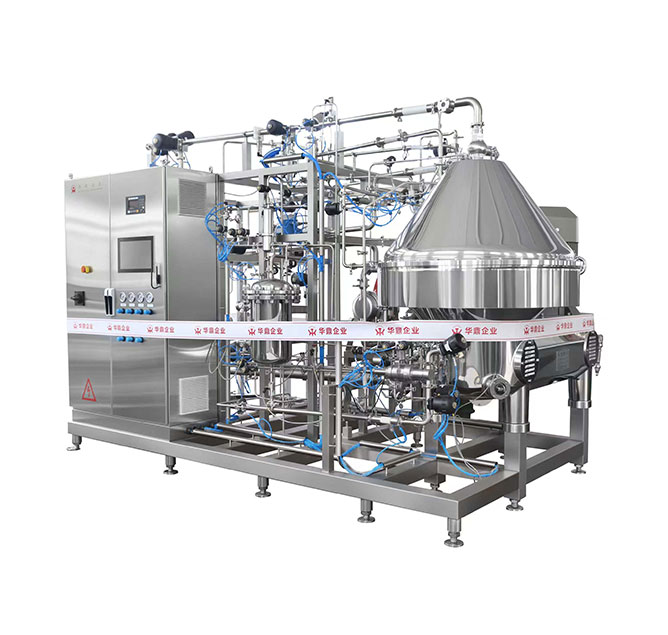
The Plant Extraction Disc Centrifuge is a key piece of equipment for efficient solid-liquid and liquid-liquid separation in the modern plant extraction industry. Its high-speed rotation, continuous feed, and periodic slag discharge create a series of components within the centrifuge that are subject to high mechanical stress, high friction, and chemical corrosion. These components, known as consumable parts, have a direct impact on the equipment's operational stability, separation efficiency, and maintenance costs. A thorough understanding of these core consumable parts and their regular replacement are essential for ensuring extract product quality and maximizing the equipment's overall equipment effectiveness (OEE).
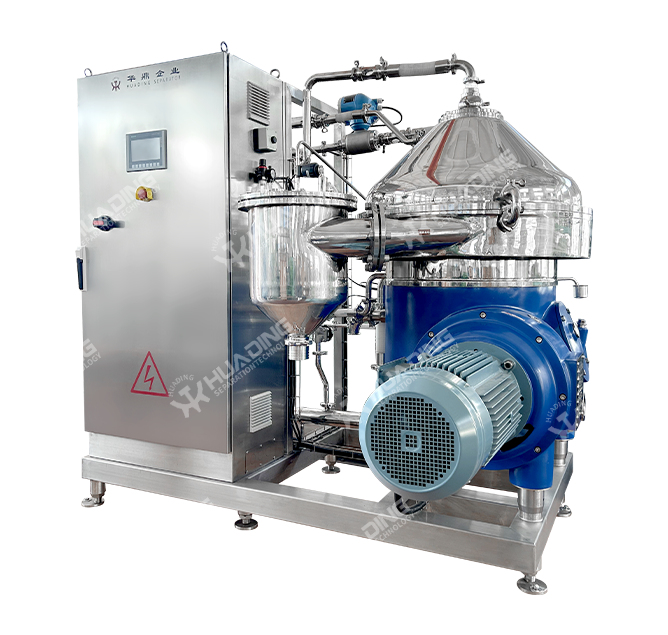
Consumable Parts in the Core Separation Area: Disc Pack and Seals
The core separation area is the primary site of material separation, where components are subjected to high shear forces and chemical corrosion.
Function and Challenges: The discs are a key component for efficient separation. Material flows in a thin layer between the discs, accelerating sedimentation. Because plant extracts often contain fine particles, resins, or waxes, the disc surfaces and gaps are susceptible to wear and clogging. Signs of Vulnerability: Wear (especially when handling high solids or abrasive particles), deformation (fatigue from prolonged high-speed operation), and reduced separation efficiency due to dirt adhesion. Severe wear or solidified dirt in the disc pack gaps directly reduces the purity of the clarified liquid, necessitating chemical cleaning or complete replacement.
Function and Challenges: In extraction processes involving organic solvents (such as ethanol and hexane), various O-rings, gaskets, and lip seals are crucial. They isolate the separation chamber and prevent material leakage and solvent evaporation.
Signs of Vulnerability: Seals are primarily affected by chemical corrosion (solvent erosion), temperature fluctuations, and mechanical compression, leading to aging, hardening, or expansion. Failed seals can lead to product cross-contamination, solvent leakage, and unstable separation interfaces. Chemically resistant materials such as fluoroelastomer (Viton) or perfluoroelastomer (FFKM) are typically used, but they still require regular replacement. Drive and Support Area Consumable Parts: Ensuring Motion
The drive and support system is the core power source that ensures high-speed, stable operation of the bowl.
Function and Challenge: The spindle bearings bear the entire weight of the bowl and the enormous loads generated by high-speed rotation.
Vulnerability: These are the most critical mechanical parts in the centrifuge. High speed, heavy loads, lack of lubrication, or lubricant contamination all lead to wear, heat, and vibration. Bearing life directly determines the equipment's mean time between failures (MTBF). Failure can result in spindle damage or even serious consequences such as bowl imbalance. Regular grease changes and vibration monitoring are key maintenance priorities.
Function and Challenge: These are the power transmission components that connect the motor and spindle.
Vulnerability: Belts can stretch, wear, or break due to prolonged friction; elastic elements in couplings can crack or fail due to fatigue. Such failures can lead to unstable speeds or interrupted power transmission. Consumable Parts in the Sludge Discharge and Control Areas: A Guarantee of Precision
For self-cleaning disc centrifuges, the consumable parts of the sludge discharge mechanism directly impact the accuracy and reliability of sludge discharge.
Function and Challenge: Self-cleaning centrifuges achieve periodic sludge discharge by hydraulically controlling the piston's raising and lowering. The water or control fluid in the sludge seal system must maintain an extremely low leakage rate.
Vulnerability: The piston seals and small components in the hydraulic system are the primary points of wear. These seals must withstand frequent opening and closing operations and the impact of high-pressure water/hydraulic oil. Seal failure can result in sludge seal leakage, incomplete sludge discharge, or frequent mis-discharges (resulting in material loss).
Function and Challenge: Used to control the position of the separation interface or to pressurize the clarified liquid for output. Vulnerability: The overflow weir may wear due to corrosion or solid impact, changing its effective diameter and affecting the precise control of the separation interface. The impeller or casing of a centrifugal pump may be damaged by erosion from high-speed fluid and residual solids, affecting the outlet pressure and flow rate.
| Concentration of traditional Chinese medicine extract | Principle | The water in the extract is separated by centrifugal force, thereby increasing the concentration of the effective ingredients. |
| Application | It is suitable for the situation where the content of effective ingredients in the extract is low and further concentration is required, such as the extraction of ginsenosides, flavonoids, etc. | |
| Preparation of traditional Chinese medicine granules | Principle | The extract concentrate is separated by centrifugation to obtain wet granules, and then dried to obtain dry granules. |
| Application | It is suitable for the preparation of solid preparations such as traditional Chinese medicine granules and capsules. | |
| Separation and purification of traditional Chinese medicine components | Principle | The different sedimentation speeds of different components in the centrifugal field are used to achieve the separation and purification of components. |
| Application | It is suitable for separating components of different polarities in traditional Chinese medicine, such as polysaccharides, proteins, lipids, etc. | |
| Clarification of Chinese medicine injection | Principle | Remove particulate impurities in the injection to ensure the clarity of the injection. |
| Application | Applicable to the production of Chinese medicine injection to improve the quality of the product. | |
| Extraction of plant oils and fats | Principle | Separate the oils and fats in plant seeds or fruits through centrifugal force. |
| Application | Applicable to the extraction of Chinese medicine oils and fats, such as sesame oil, walnut oil, etc. | |
| Solid-liquid separation of Chinese medicine fermentation liquid | Principle | Separate the solids and liquids in the fermentation process of Chinese medicine. |
| Application | Applicable to the fermentation process of Chinese medicine to improve the quality of the fermentation liquid. |
Copyright ©Yixing Huading Machinery Co.,Ltd. All Rights Reserved. Custom Centrifugal Separator Factory