
 English
 русский
 Español
 عربى
عربى 中文简体
中文简体
WE ARE HAPPY TO SOLVE
PROBLEMS FOR CUSTOMERS
learn more >
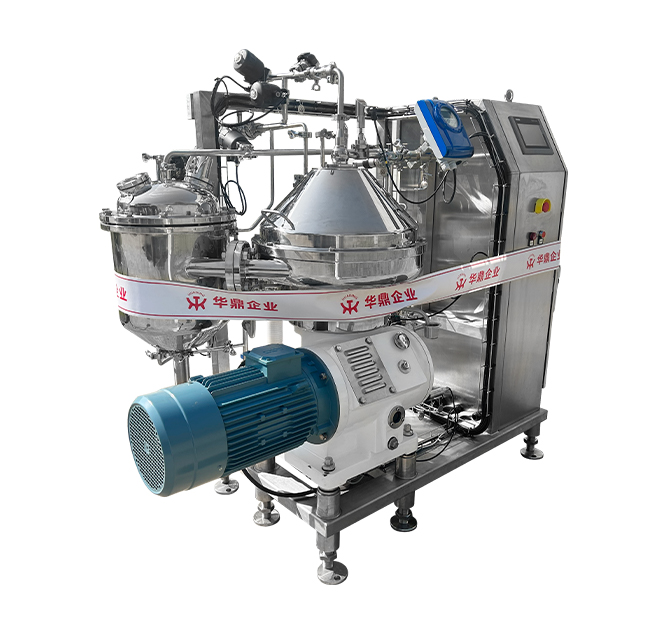
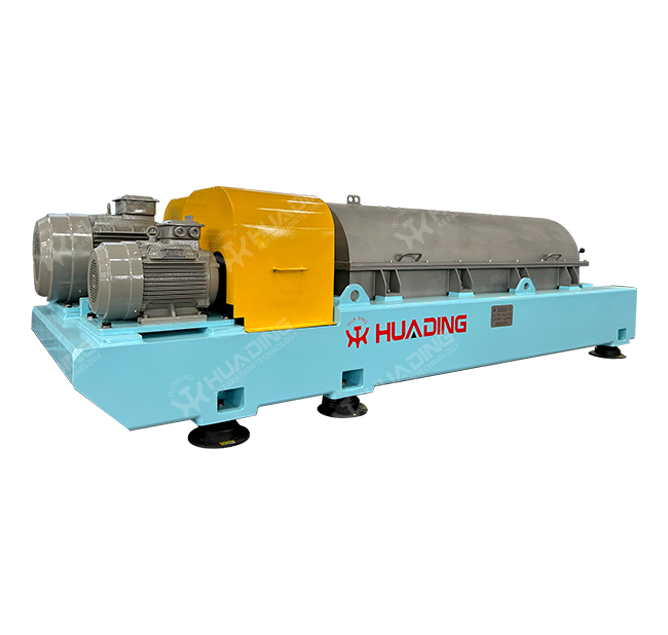
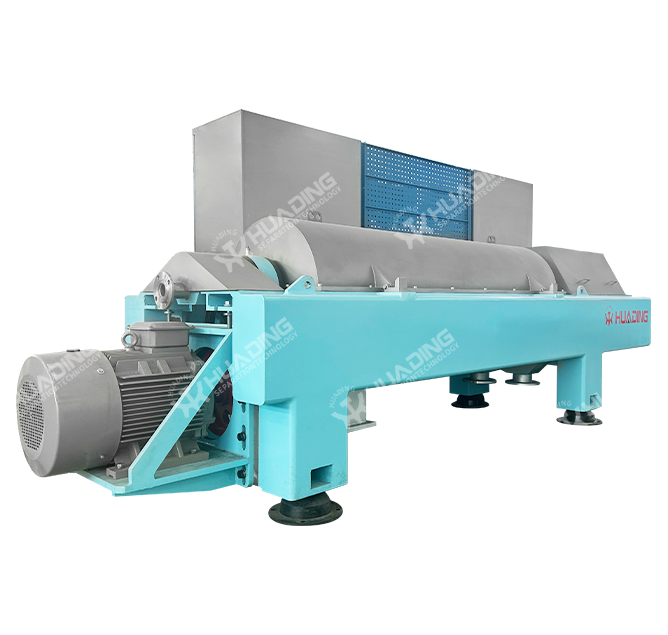
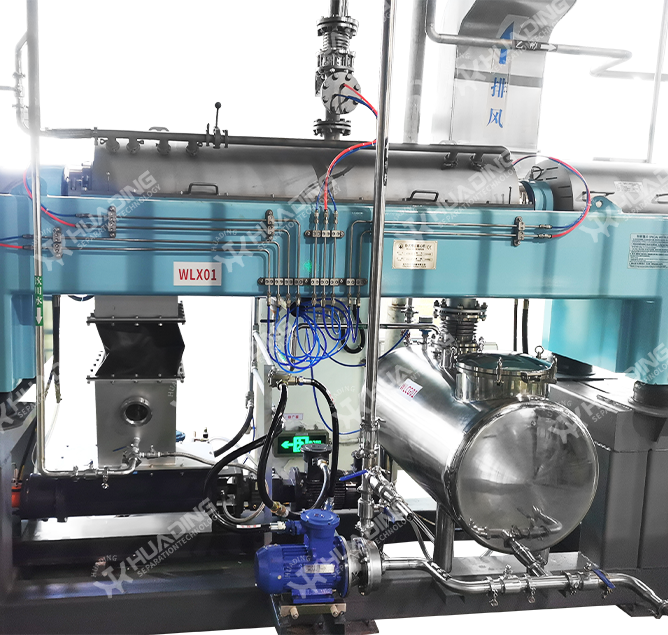
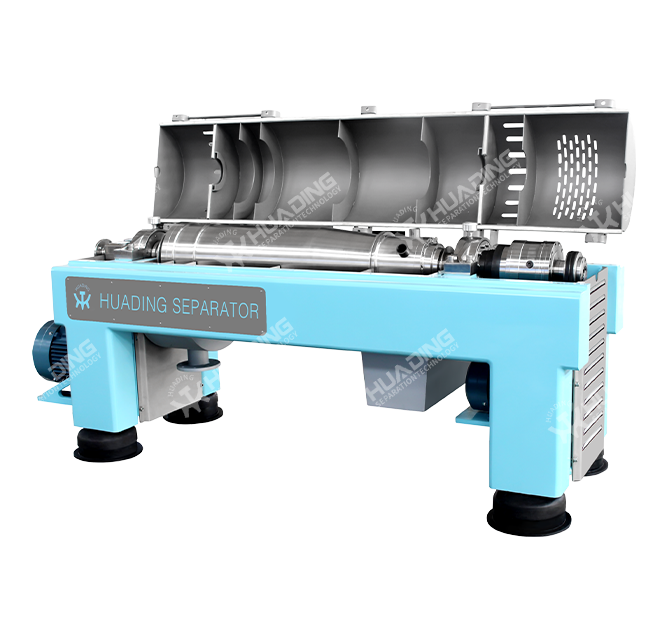
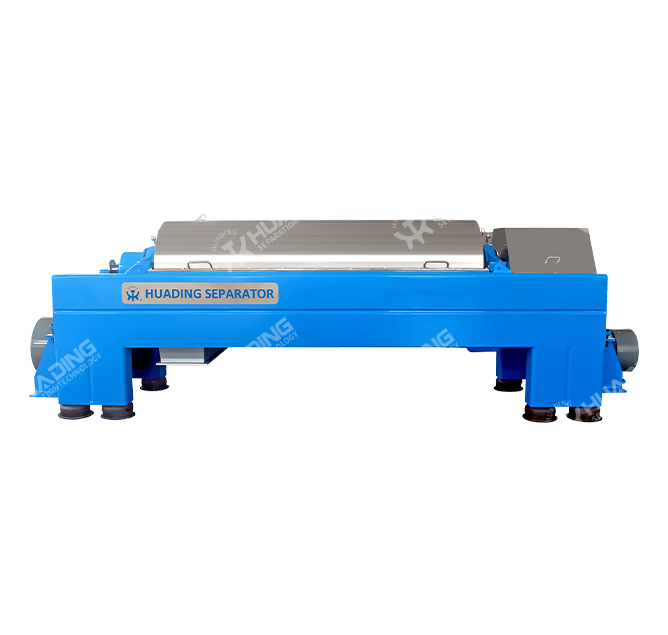
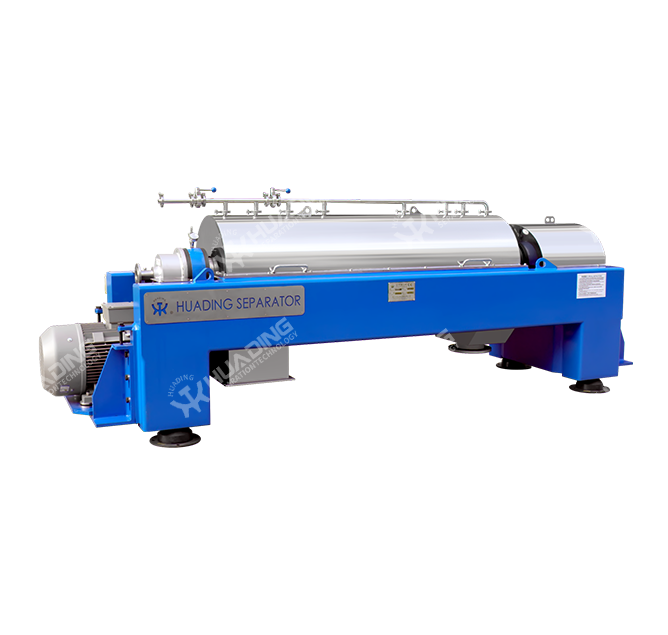
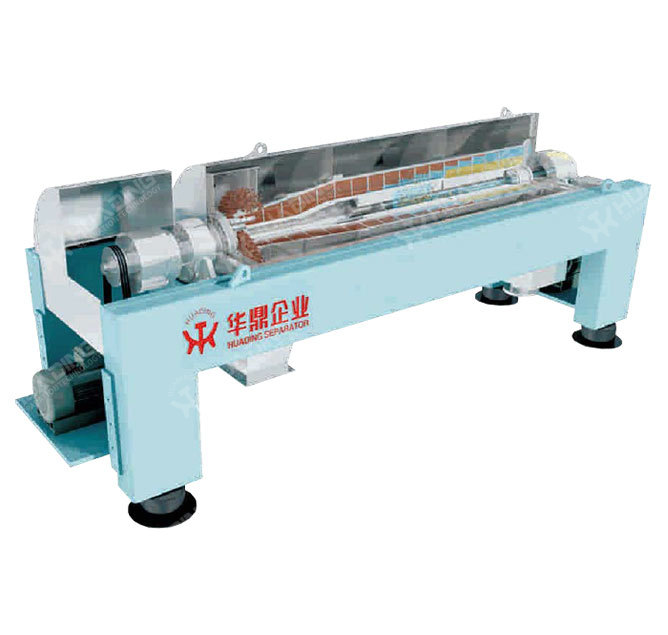
Decanter centrifuges are critical continuous solid–liquid separation equipment in the chemical industry, operating under high rotational speed and heavy mechanical load. Abnormal vibration is a key indicator of mechanical or process instability. If not properly identified and addressed, excessive vibration can lead to bearing failure, seal damage, fatigue cracking of the bowl, and unplanned shutdowns. A systematic understanding of vibration causes and diagnostic methods is essential for maintaining stable and safe centrifuge operation.
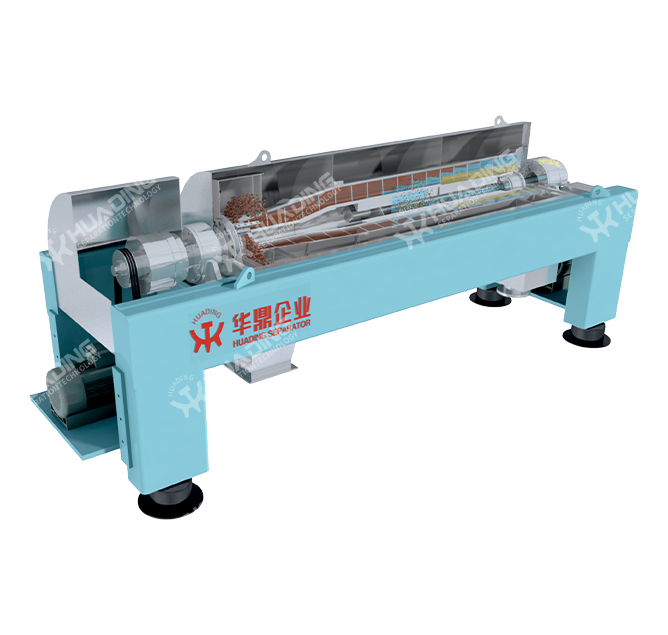
The bowl and scroll assembly are the primary rotating components of a decanter centrifuge. Their dynamic balance directly influences vibration behavior. In chemical applications involving high solids content or crystallizing materials, solids may accumulate unevenly on the inner bowl wall or scroll flights, resulting in mass imbalance.
This condition often manifests as gradually increasing vibration during operation, despite smooth startup behavior. Diagnostic methods include continuous vibration trend monitoring, inspection of frequency spectra dominated by rotational frequency, and internal visual inspection after shutdown. Corrective actions may involve mechanical cleaning, adjustment of operating parameters, or dynamic rebalancing of rotating components.
Chemical processes frequently experience variations in feed concentration, density, and viscosity. Sudden increases in solids loading or uneven material distribution within the bowl can cause transient eccentric loading, generating unstable vibration patterns.
Such vibration events often correlate with fluctuations in main motor current and torque. Diagnosis relies on time-based correlation analysis between vibration signals, feed parameters, and differential speed changes. Stabilization of upstream process conditions and implementation of automated differential speed control help reduce vibration caused by process variability.
Bearings are among the most vibration-sensitive components in decanter centrifuges. High rotational speed, elevated operating temperatures, and exposure to corrosive environments accelerate lubricant degradation and bearing fatigue.
Bearing-related vibration typically presents high-frequency components that intensify over time. Diagnostic techniques include spectral analysis to identify bearing fault frequencies, temperature trend monitoring, and lubrication oil analysis. Early detection allows scheduled replacement and lubrication system optimization, preventing secondary damage to the centrifuge.
Proper clearance between the scroll and bowl is essential for stable operation. Progressive wear, assembly inaccuracies, or the ingress of foreign objects may lead to partial contact between these components.
This condition often causes sudden increases in vibration accompanied by metallic noise and abnormal torque signals. Diagnosis involves detecting abrupt vibration changes, analyzing differential speed load variations, and conducting internal inspection during shutdown. Monitoring wear protection thickness and maintaining design clearances are critical preventive measures.
Decanter centrifuges impose significant dynamic loads on their foundations. Insufficient foundation rigidity, loosened anchor bolts, uneven settlement, or degraded vibration isolators can amplify operational vibration.
These vibrations are typically low-frequency with large amplitude and show minimal sensitivity to changes in rotational speed. Diagnostic methods include foundation inspection, torque verification of anchor bolts, and structural resonance testing. Reinforced foundation design and periodic mechanical inspection help maintain long-term stability.
Misalignment between the main drive motor and the bowl shaft introduces cyclic mechanical loads that contribute to vibration. Coupling wear, elastomer degradation, or improper installation can further exacerbate this issue.
Such vibration often exhibits dominant one-time or two-time rotational frequency components and directional characteristics. Diagnostic tools include laser shaft alignment measurement, coupling inspection, and vibration phase analysis. Precise alignment and proper coupling selection significantly reduce vibration risk.
The differential speed system regulates the relative speed between the scroll and the bowl. Instability in hydraulic or variable-frequency control systems can cause inconsistent solids transport, leading to fluctuating mechanical loads and vibration.
Diagnosis involves analyzing differential speed signals, torque variations, and their relationship to vibration trends. Optimizing control algorithms and performing regular maintenance on differential speed components enhance operational smoothness.
Abnormal vibration in chemical decanter centrifuges is often the result of multiple interacting factors. Effective diagnosis requires a comprehensive approach combining online vibration monitoring, frequency spectrum analysis, process parameter correlation, and scheduled physical inspections. Evaluating vibration behavior in conjunction with material characteristics and operating history enables accurate identification of root causes.
Abnormal vibration serves as a critical early warning signal in chemical decanter centrifuge operation. Through systematic analysis of mechanical structure, process conditions, installation integrity, and control systems, vibration issues can be effectively diagnosed and mitigated. Proactive vibration management improves separation performance, extends equipment service life, and supports reliable continuous operation in chemical processing environments.
Copyright ©Yixing Huading Machinery Co.,Ltd. All Rights Reserved. Custom Centrifugal Separator Factory