
 English
 русский
 Español
 عربى
عربى 中文简体
中文简体
WE ARE HAPPY TO SOLVE
PROBLEMS FOR CUSTOMERS
learn more >
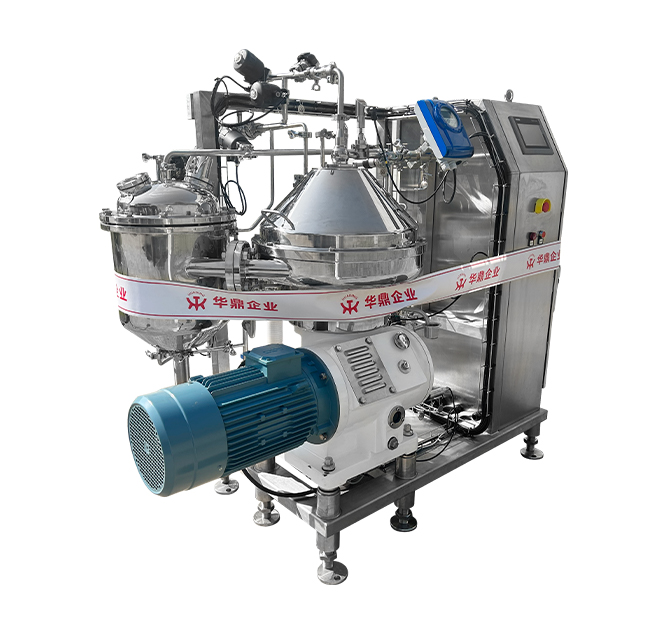
Inactivated vaccines play a crucial role in modern vaccine development and production. The manufacturing process requires highly specialized equipment, particularly centrifuges. Centrifuges are essential for separating viral particles, removing impurities, and concentrating viral suspensions. Depending on production scale, process requirements, and virus type, the most commonly used centrifuges in inactivated vaccine production include benchtop centrifuges, horizontal high-speed centrifuges, fixed-angle rotor centrifuges, and continuous-flow centrifuges.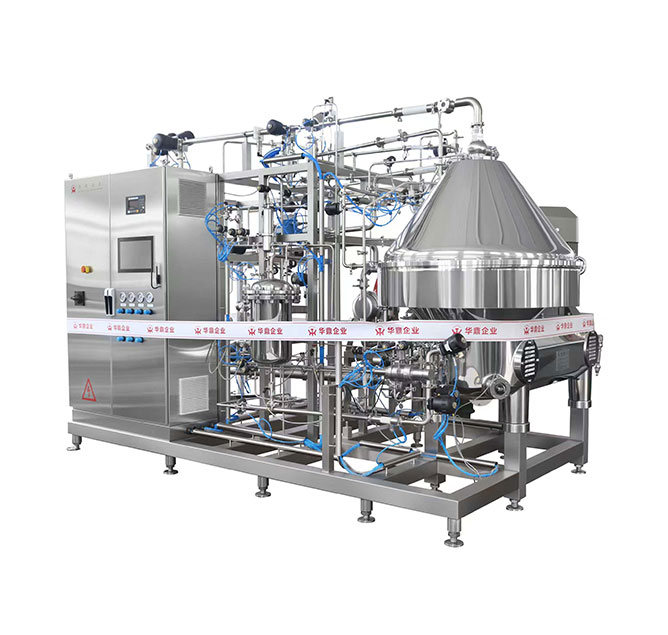
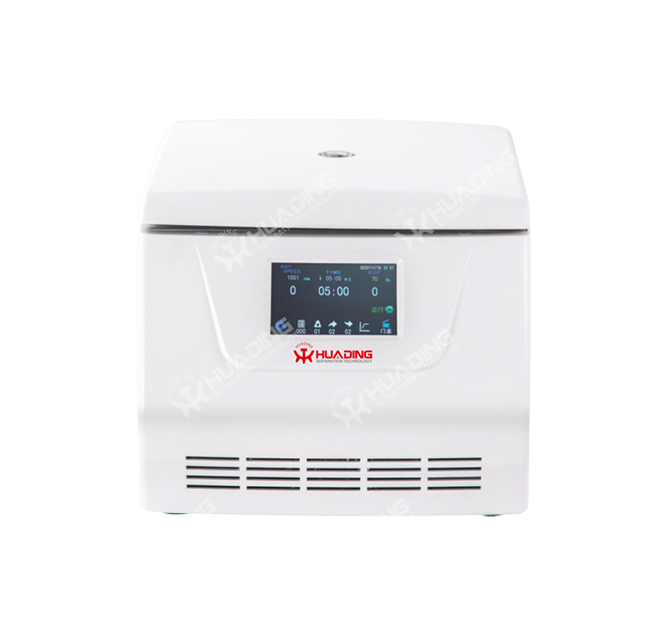
Benchtop centrifuges are widely used in laboratories and small-scale vaccine development. These compact devices offer simple operation and flexible handling of small sample volumes. In inactivated vaccine production, benchtop centrifuges are typically applied for viral pre-treatment, sample testing, and process optimization. They provide adjustable speeds, delivering several thousand to tens of thousands of times the force of gravity (g-force), meeting the sedimentation requirements of different viral particles. Advantages include small footprint, ease of use, and minimal maintenance. However, their limited processing capacity makes them unsuitable for large-scale commercial production.
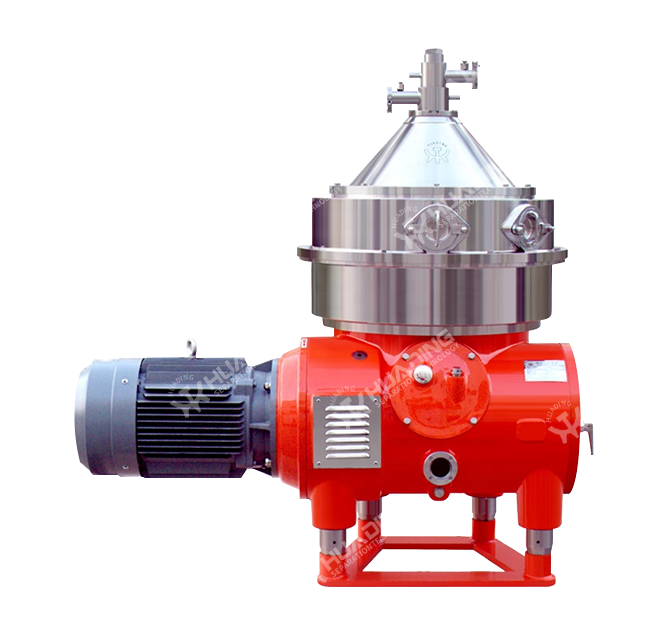
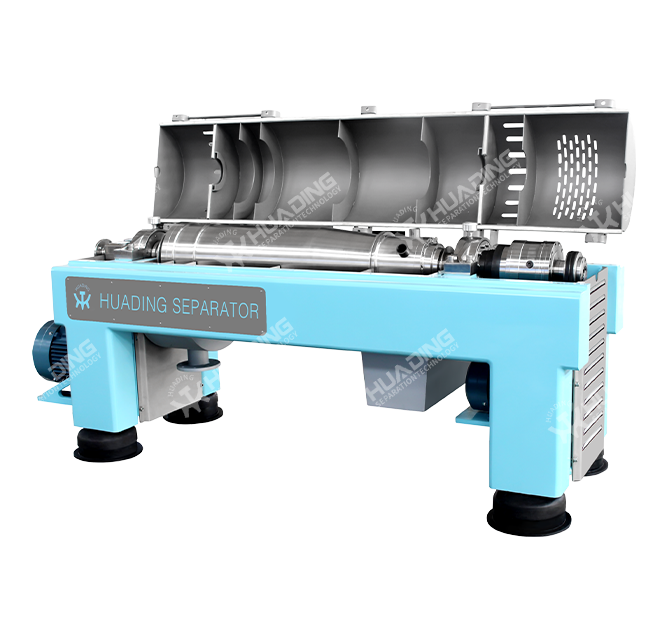
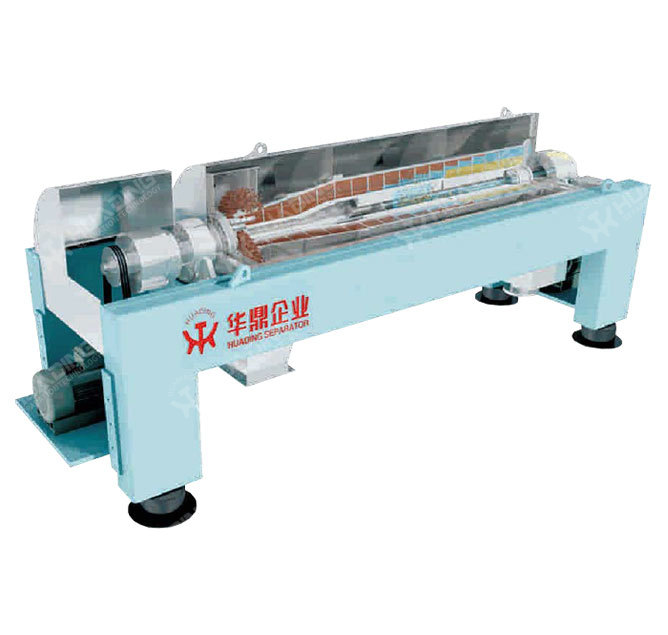
Horizontal high-speed centrifuges are used for medium-scale viral separation and concentration. These centrifuges usually feature horizontal rotors, which create a more uniform centrifugal force distribution, reducing shear stress on viral particles during sedimentation. They can process larger volumes of viral suspensions while maintaining antigen integrity. Applications include virus concentration, removal of cell debris and impurities, and preliminary purification. Horizontal high-speed centrifuges are particularly important for maintaining product quality and enhancing recovery rates in inactivated vaccine production.
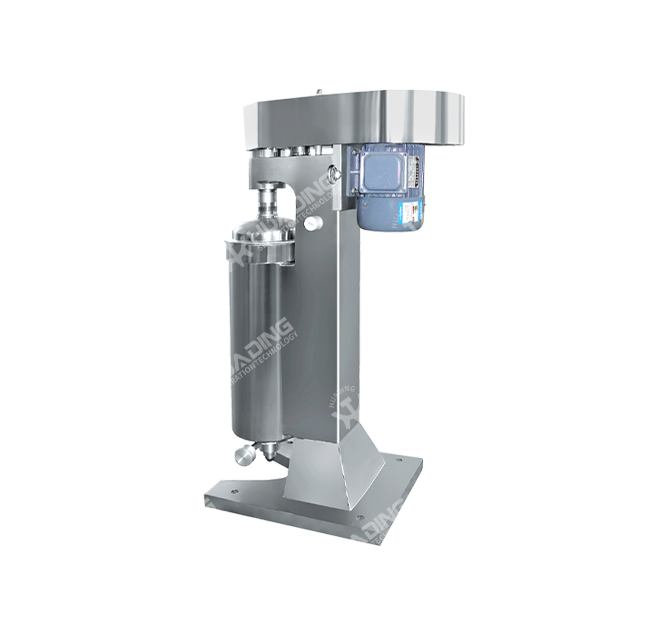
Fixed-angle rotor centrifuges are commonly used in both industrial and research settings. The rotor is set at a specific angle, allowing samples to sediment along the rotor wall during high-speed rotation. This design enables rapid separation of viral particles and is suitable for dense or viscous viral suspensions. Fixed-angle rotor centrifuges provide high centrifugal force and short processing times. In inactivated vaccine production, they are frequently used for preliminary separation of cell culture supernatants, viral particle sedimentation, and concentration. Their stability and ability to minimize mechanical damage to viral particles make them essential for industrial-scale manufacturing.
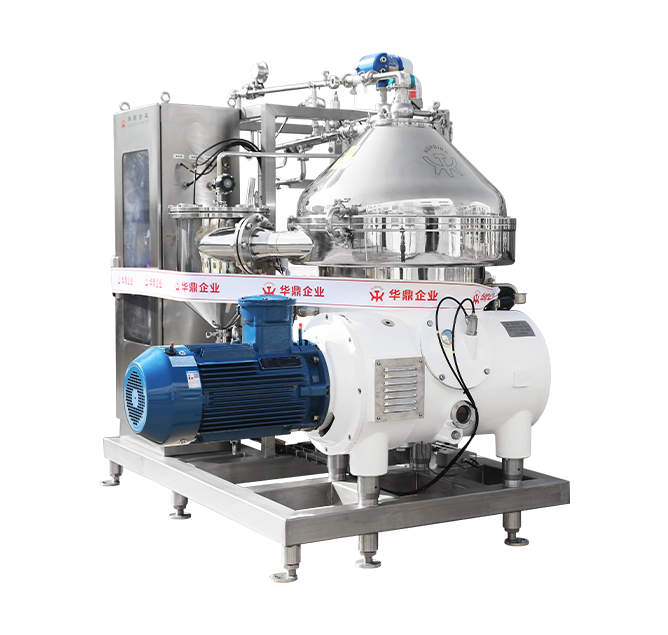
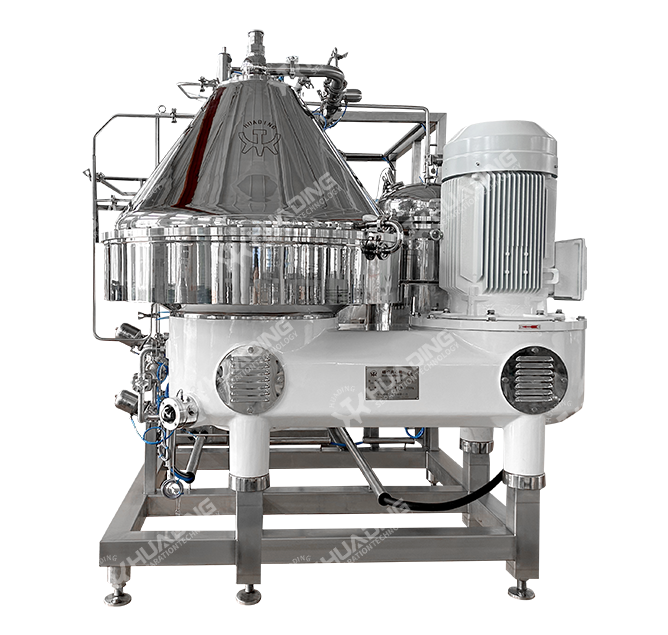
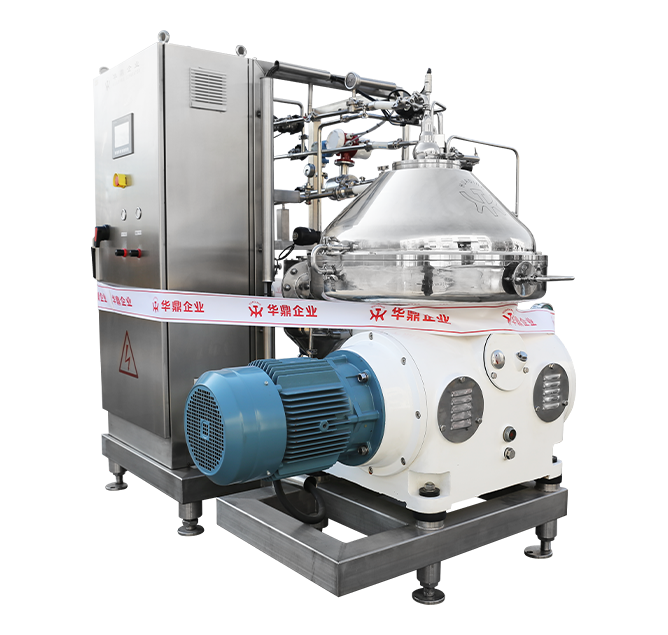
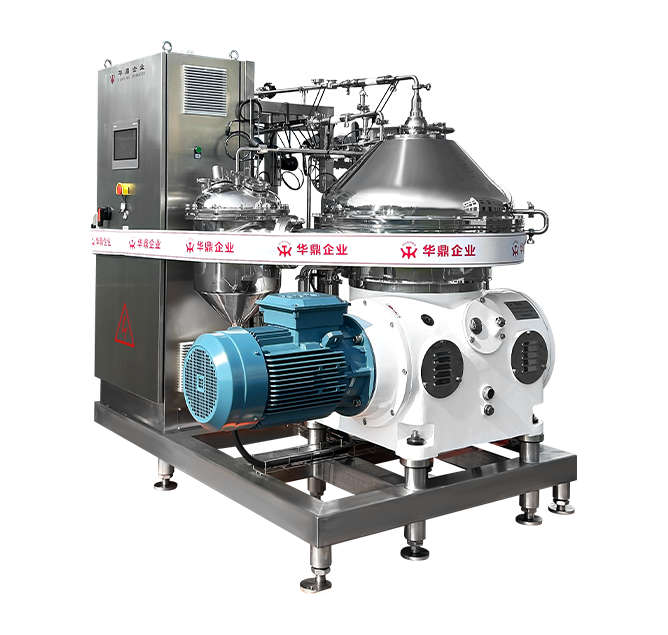
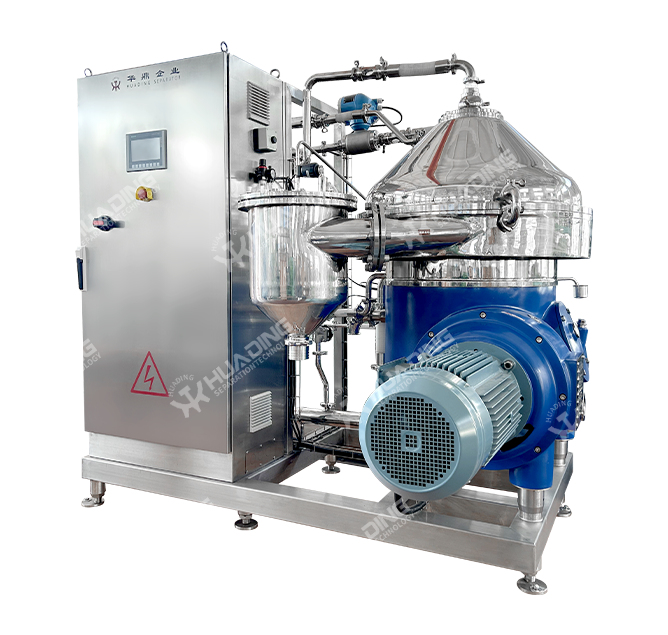
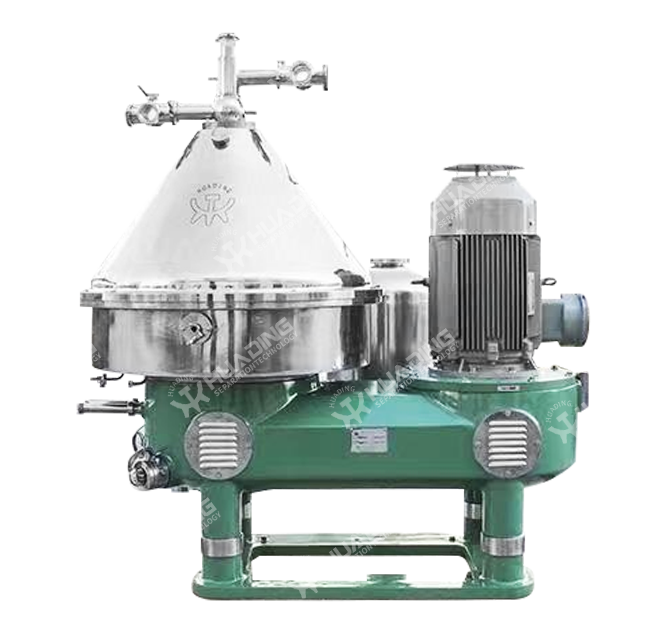
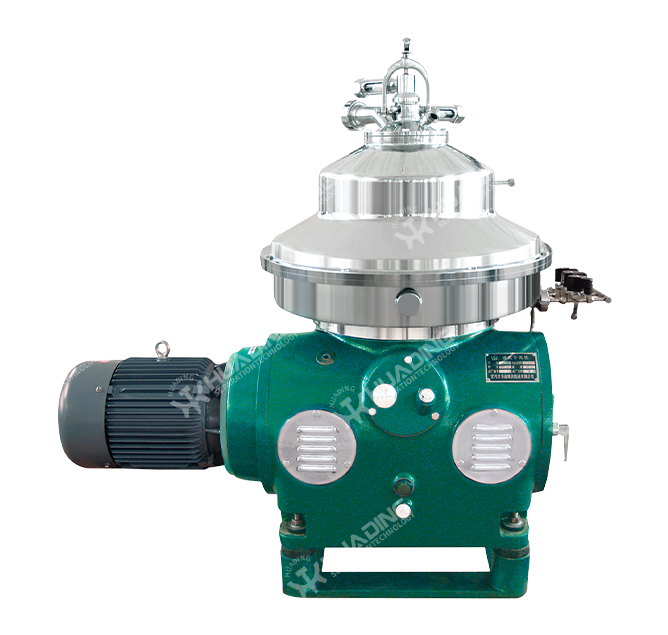
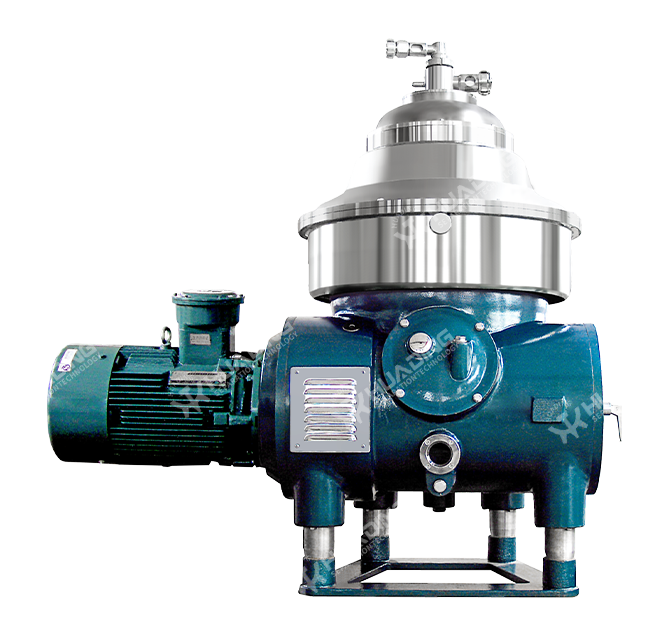
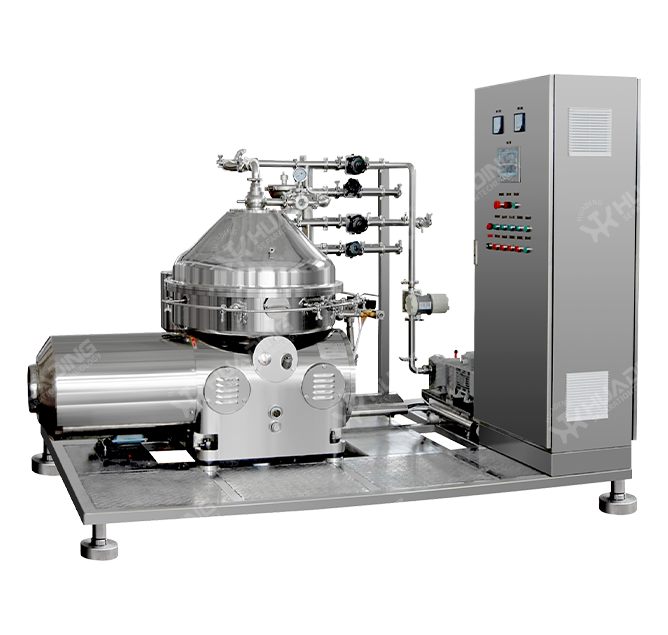
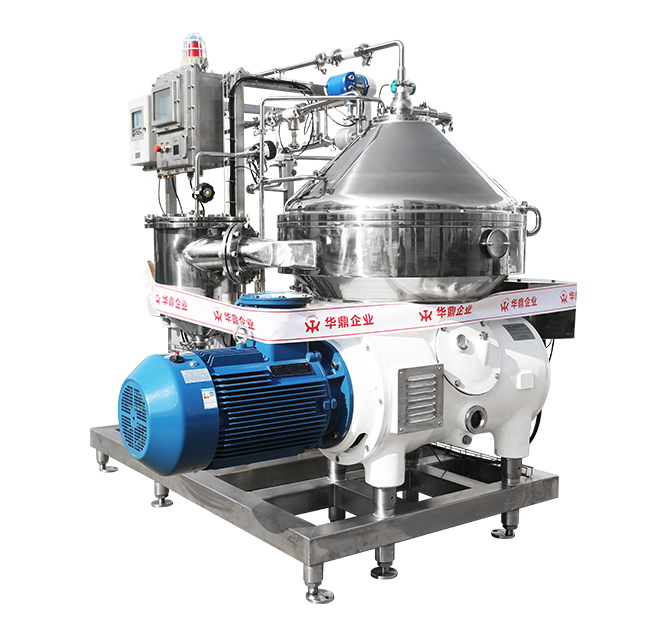
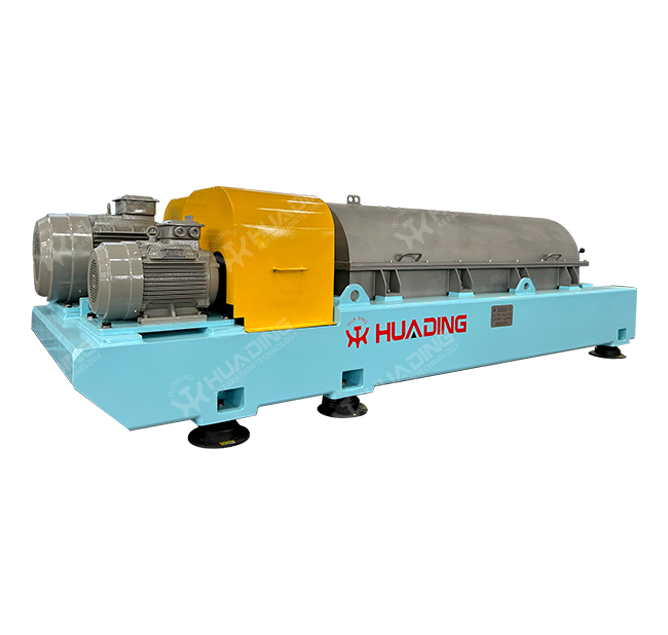
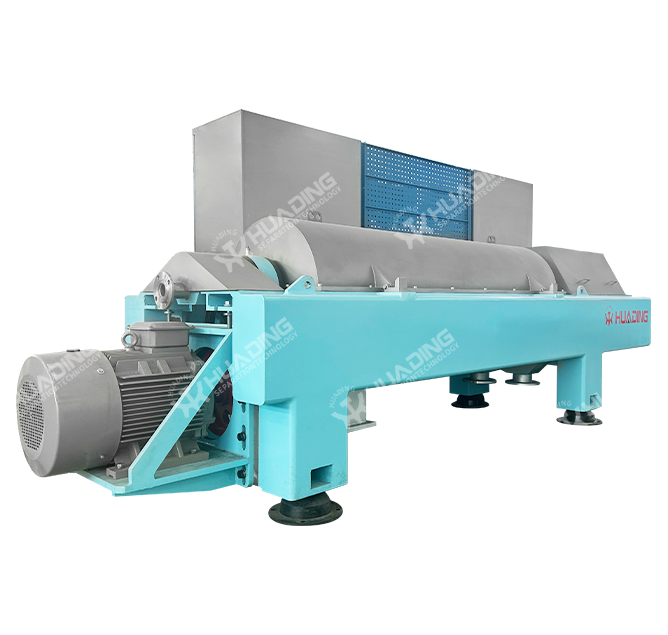
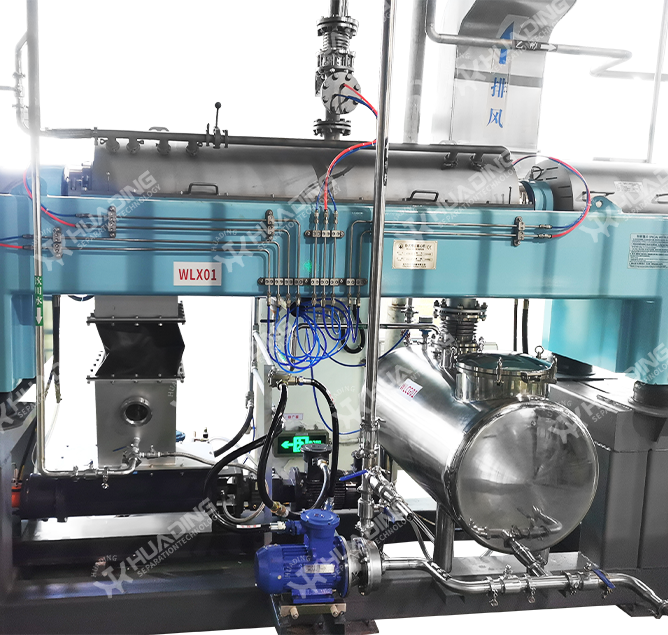
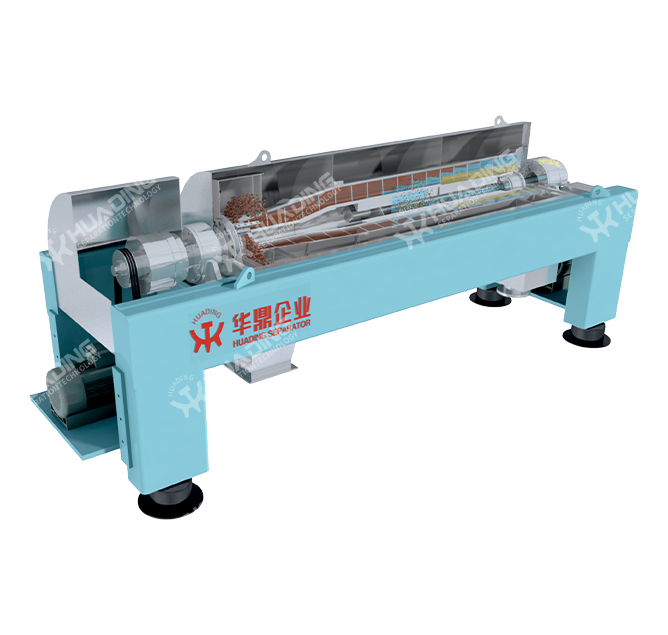
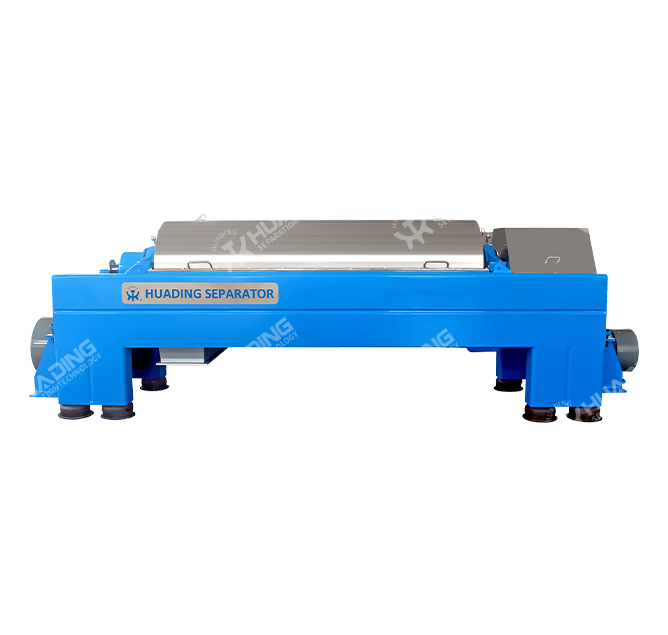
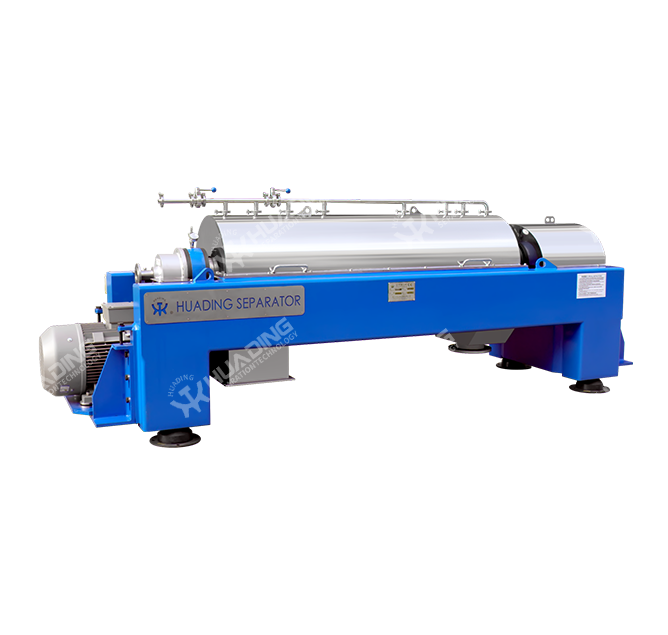
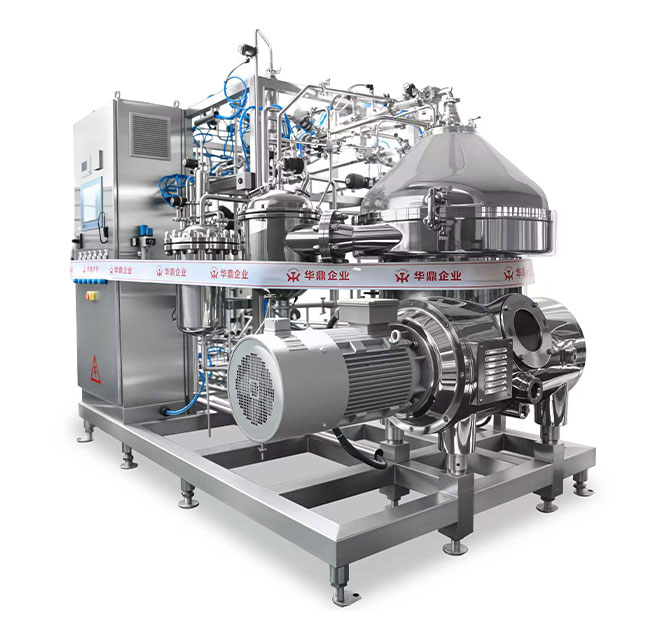
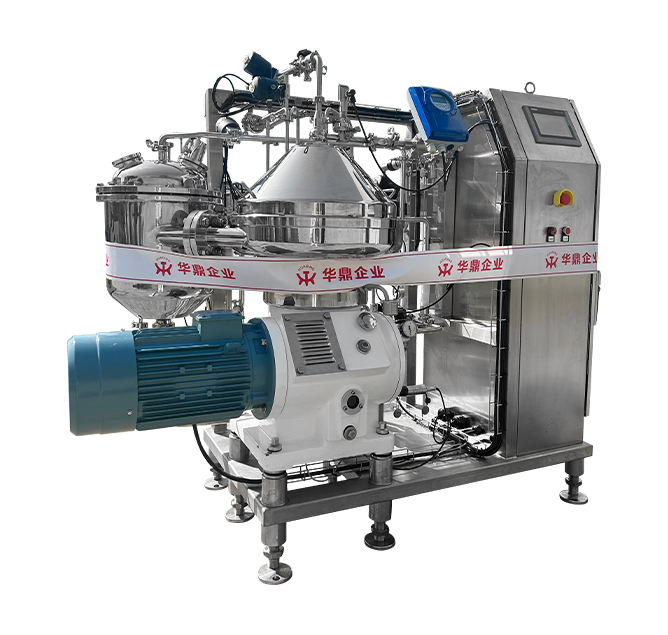
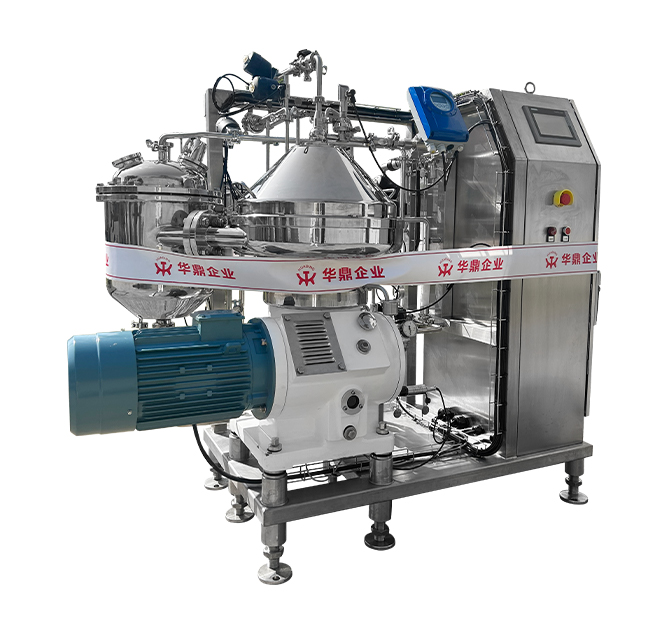
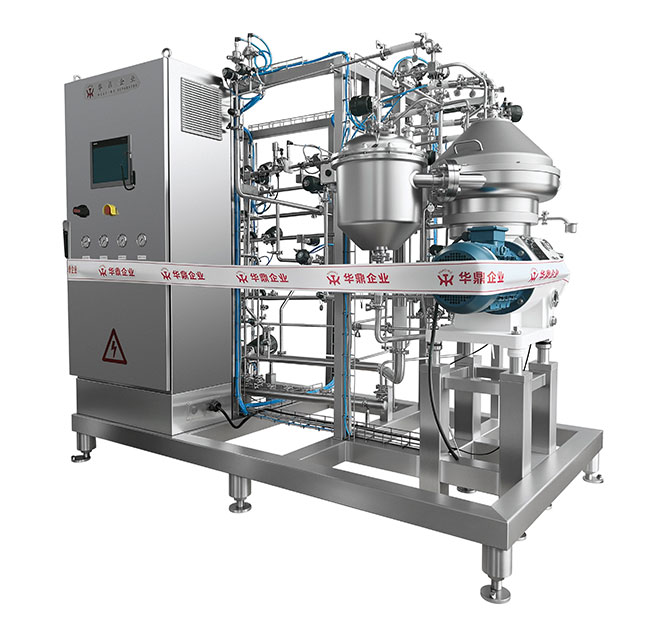
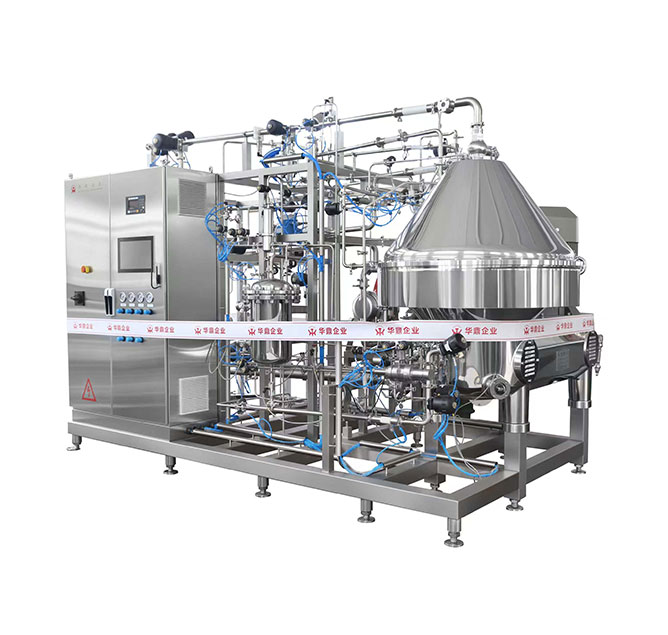
Continuous-flow centrifuges are critical for large-scale commercial production of inactivated vaccines. These centrifuges enable continuous feeding and separation of viral suspensions, eliminating the operational interruptions common in batch centrifugation. They are typically equipped with automated control systems to precisely regulate rotational speed, flow rate, and temperature, ensuring viral integrity and high recovery rates. Continuous-flow centrifuges are widely used for viral concentration, primary purification, and integration with downstream processes. They provide superior efficiency, safety, and process control compared to traditional batch centrifuges and are considered the preferred solution for modern industrial vaccine production.
Selecting a centrifuge for inactivated vaccine production depends on production scale, virus type, and process requirements. Laboratory-stage production typically employs benchtop or small fixed-angle centrifuges for rapid experimental data collection and process optimization. Pilot-scale and industrial production rely on horizontal high-speed and continuous-flow centrifuges to meet the demands of high throughput, efficiency, and product quality. Key selection factors include centrifugal force, processing capacity, shear stress control, and automation. Proper centrifuge selection enhances viral recovery, minimizes antigen loss, and ensures the safety and effectiveness of the final vaccine.
Copyright ©Yixing Huading Machinery Co.,Ltd. All Rights Reserved. Custom Centrifugal Separator Factory